预约演示
更新于:2026-08-22
Vascular endothelial growth factor inhibitors(Bayer HealthCare AG)
血管内皮生长因子抑制剂(Bayer HealthCare AG)
更新于:2026-08-22
概要
基本信息
在研机构- |
权益机构- |
最高研发阶段无进展临床3期 |
首次获批日期- |
最高研发阶段(中国)无进展 |
特殊审评- |



登录后查看时间轴
关联
3
项与 血管内皮生长因子抑制剂(Bayer HealthCare AG) 相关的临床试验TCTR20240524002
Comparison of bleomycin versus Vascular endothelial growth factor inhibitor percutaneous injection in the treatment of extremity vascular anomaly: A randomized control trial
开始日期2024-04-28 |
申办/合作机构- |
CTR20131624
糖尿病黄斑水肿患者VEGF Trap-Eye玻璃体腔重复用药有效安全性的随机双盲阳性对照III期临床
在累及中央的糖尿病性黄斑水肿(DME)受试者中通过早期治疗糖尿病视网膜病变进而研究ETDRS图表评估VEGF Trap-Eye玻璃体腔内(IVT)用药对于最佳矫正视力(BCVA)的有效性
开始日期2013-02-18 |
申办/合作机构 |
CTR20131739
随机双盲以光动力学疗法为对照评估治疗wAMD中国受试者有效性安全性及耐受性的Ⅲ期临床
本研究的主要研究目的是评估VEGF Trap-Eye经玻璃体腔内(IVT)给药与光动力学疗法(PDT)相比治疗患年龄相关性新生血管或湿性年龄相关性黄斑变性(wAMD)的中国受试者的有效性和安全性
开始日期2011-12-13 |
申办/合作机构 |
100 项与 血管内皮生长因子抑制剂(Bayer HealthCare AG) 相关的临床结果
登录后查看更多信息
100 项与 血管内皮生长因子抑制剂(Bayer HealthCare AG) 相关的转化医学
登录后查看更多信息
100 项与 血管内皮生长因子抑制剂(Bayer HealthCare AG) 相关的专利(医药)
登录后查看更多信息
507
项与 血管内皮生长因子抑制剂(Bayer HealthCare AG) 相关的文献(医药)2026-10-01·ARCHIVES OF BIOCHEMISTRY AND BIOPHYSICS
Sitosterol-Beta mitigates pulmonary hypertension by targeting SPHK1 in mice
Article
作者: Nie, Xinran ; Zhang, Yan ; Qiao, Yan ; Qi, Yong ; Wei, Li ; Bai, Pingping ; Yang, Xiaohan ; Niu, Gege ; Wu, Zhuhua
Pulmonary hypertension (PH) is an irreversible and life-threatening disease, characterized by sustainedly elevated pulmonary arterial pressure. The excessive proliferation and migration of pulmonary artery smooth muscle cells (PASMCs) and perivascular inflammation are primary pathological features. Sitosterol-Beta is a phytosterol with extensive anti-inflammatory roles. This study aims to investigate the effects of Sitosterol-Beta on PH. In our study, the PH was induced in mouse by chronic hypoxia insult (10% O2) and subcutaneous injection of vascular endothelial growth factor receptor inhibitor SU5416, and Sitosterol-Beta was delivered into mouse via orally taken. Mouse primary PASMCs were cultured with 1% O2 to mimic hypoxic condition, and treated with Sitosterol-Beta. The results revealed that Sitosterol-Beta restrained PH-induced right ventricular systolic pressure increase, right ventricular hypertrophy, thickening and fibrosis of pulmonary artery, and perivascular inflammation. Sphingosine kinase 1 (SPHK1) was screened as the potential target of Sitosterol-Beta. Sitosterol-Beta inhibited SPHK1 expression and sphingosine-1-phosphate (S1P) production in lung. In vitro, Sitosterol-Beta suppressed hypoxia-induced excessive proliferation, migration and phenotypic switching of primary PASMCs, and blocked S1P-mediated inflammation in macrophages. The effects of Sitosterol-Beta on PASMCs were abrogated by overexpression of SPHK1. In conclusion, this study demonstrated that Sitosterol-Beta improved PH in mouse by targeting SPHK1, which may provide novel insights for prevention and therapy of PH.
2026-06-01·Mayo Clinic proceedings. Digital health
Data-Driven Stratification Reveals 3 Distinct Clinicopathologic Phenotypes in Renal Thrombotic Microangiopathy
Article
作者: Alexander, Mariam Priya ; Miao, Jing ; Zand, Jaleh ; Zand, Ladan ; El Ters, Mireille ; Moubarak, Simon
Objective:
To define phenotypic subgroups of thrombotic microangiopathy (TMA) by integrating clinicopathologic data to identify patterns suggestive of pathogenic features and etiologies.
Patients and Methods:
We retrospectively analyzed 283 patients with biopsy-confirmed renal TMA between January 1, 2010, and December 31, 2020. Sixty-four clinicopathologic variables were applied in consensus clustering.
Results:
Three distinct clusters were identified. Cluster 1 (n=78), predominantly women (n=50, 64%), was enriched for drug-induced (n=23, 29%), lupus-associated (n=9, 12%), and post-bone marrow transplant TMA (n=8, 10%). It showed wide immune-complex staining (IgM, C3, κ, and λ) and subendothelial deposits (n=16, 21%), suggestive of immune-associated injury. Cluster 2 (n=92) included the oldest patients (54±18 years) and was dominated by drug-induced TMA (n=21, 23%; one-third owing to vascular endothelial growth factor inhibitor bevacizumab) and monoclonal gammopathy-associated TMA (n=10, 11%). It showed marked endothelial damage (n=65, 71%) and mesangiolysis (n=66, 72%) with little immune staining, suggesting a toxic-related injury. Cluster 3 (n=113) exhibited the worst outcomes, with 80% (24/30) progressing to renal failure, compared with 31% (12/39) in cluster 1 and 34% (16/47) in cluster 2. This cluster was characterized by the youngest age (45±14 years), mostly males (n=67, 59%), severe hypertension (n=75, 66%), and low estimated glomerular filtration rate (10 mL/min/1.73 m2; interquartile range, 7-16). Biopsies showed acute vascular lesions-wrinkling of capillary tufts (n=74, 65%), fibrin thrombi (n=67, 59%), mucoid intimal edema (n=85, 75%), and onion-skin-type hyperplasia (n=55, 49%)-with minimal deposits (n=1, 0.9%), suggesting a severe vascular lesion process.
Conclusion:
Integrative clustering of clinical and histologic data in TMA identified 3 clinicopathologic phenotypes that may suggest underlying immune-, toxic-, or severe vascular lesion-related drivers. These findings support data-driven classification that may help prioritize diagnostic and therapeutic considerations.
2026-06-01·INTERNATIONAL JOURNAL OF GYNECOLOGICAL CANCER
Improved progression-free survival with mirvetuximab and bevacizumab in platinum-resistant ovarian cancer: a retrospective real-world analysis
Article
作者: Schlumbrecht, Matthew P ; Roberts, Jill N T ; Courel, Steve ; Sinno, Abdulrahman K ; Nair, Navya
OBJECTIVE:
Mirvetuximab soravtansine-gynx, a FRα-targeting antibody-drug conjugate, is effective in treating FRα-expressing platinum-resistant ovarian cancer. Bevacizumab, a vascular endothelial growth factor inhibitor, may potentiate antibody-drug conjugates through vascular normalization and improved intra-tumoral delivery. This study evaluated real-world outcomes of mirvetuximab with or without bevacizumab in platinum-resistant ovarian cancer.
METHODS:
We conducted a single-institution retrospective review of patients with platinum-resistant ovarian cancer treated with mirvetuximab between November 2022 and April 2025. Demographic, clinical, and survival data were abstracted from electronic medical records. Standard statistical analyses were performed using SPSS version 29.
RESULTS:
A total of 51 patients who initiated mirvetuximab were included in the analysis; 20 (39.2%) received combination mirvetuximab plus bevacizumab. Most patients (86.3%) had previous bevacizumab exposure. Patients received a median of 3 previous lines of therapy; 3 patients (5.9%) had platinum-refractory disease. The median FRα expression level was 75% (25% to 100%). Despite lower median FRα expression in the combination group than mirvetuximab alone (57.5% vs 80%, p<.001), combination therapy was associated with significantly improved median progression-free survival (8.5 vs 4.8 months, hazard ratio 0.34, 95% confidence interval 0.16 to 0.72, p=.003). No difference in overall survival was observed. The overall objective response was 37.3% (7.8% complete, 29.4% partial), consistent with previously published prospective data.
CONCLUSIONS:
In this real-world cohort, the addition of bevacizumab to mirvetuximab was associated with improved progression-free survival despite lower FRα expression, supporting potential synergy between these agents. Combination therapy may be considered for appropriately selected patients with FRα-expressing platinum-resistant ovarian cancer.
68
项与 血管内皮生长因子抑制剂(Bayer HealthCare AG) 相关的新闻(医药)2026-08-17
iStock,
fotographic1980
EyePoint’s quest to reduce treatment burden for patients with age-related macular degeneration has hit a bump in the road, with a clinical miss driving the biotech’s stock down by 70%.
EyePoint’s late-stage eye candidate has failed to beat approved treatment aflibercept in improving vision for patients with wet age-related macular degeneration, putting pressure on an upcoming readout for the same asset.
Lugano
, a Phase 3 trial of about 400 patients, tested EyePoint’s investigational tyrosine kinase inhibitor (TKI) duravyu against the standard-of-care aflibercept, a vascular endothelial growth factor (VEGF) inhibitor marketed by Regeneron Pharmaceuticals as Eylea and also sold by a handful of biosimilars makers. The trial’s main goal was improving average change in vision after two years, as measured by best corrected visual acuity (BCVA) using an eye chart.
The primary endpoint wasn’t met and EyePoint failed to share any other information around the miss in a
Monday press release
. Subsequently, the biotech’s stock crashed 70% at market open, falling to $4.28 per share as of 10 a.m. ET.
In a
presentation
for an accompanying investor call, EyePoint revealed that the BCVA mean change from baseline was above five points for aflibercept, as compared to a change between zero and five points for duravyu. Again, the biotech didn’t share specific figures behind the data.
Instead, the company touted findings from an ad hoc analysis that removed nine of 211 patients receiving the investigational treatment who had experienced vision loss of 15 or more letters “for reasons unrelated to wAMD.”
The company said these patients “confounded” a primary endpoint win, adding that when they were removed, duravyu was non-inferior to aflibercept. None of the patients in the aflibercept arm experienced vision loss equal to or greater than 15 letters that was unrelated to AMD.
The Massachusetts-based biotech noted that 3–5% of patients taking aflibercept typically have lost 15 or more BCVA letters in past Phase 3 trials, implying an unusually clean—and possibly over-performing—control arm, according to Mizuho analysts. That framing is “plausible,” the analysts said in a Monday note, but questions remain about what caused vision loss for the nine patients receiving duravyu.
Clinical research
5 Clinical Readouts to Watch in H1 2026
As 2026 begins, a slate of high-stakes clinical readouts—from a pivotal study of Novartis’ cardiovascular candidate pelacarsen to a Phase III test of Eli Lilly’s next-gen Alzheimer’s drug—are poised to reshape therapeutic landscapes.
January 5, 2026
·
7 min read
·
Ben Hargreaves
Read more
EyePoint also trumpeted “positive” secondary endpoints, such as a 42% reduction in treatment burden, as compared to Mizuho analysts’ 30–35% expectation. The finding was superior to Eylea, equating to almost two fewer injections through week 56, according to EyePoint.
That improvement contributes to “excellent” secondary-endpoint data, Mizuho wrote Monday, while calling the overall readout “mixed.” Other secondary data include a clean safety pro high supplement-free rates for patients on duravyu up to week 32.
Additional details from Lugano are expected to be shared at the Retina Society 59th Annual Scientific Meeting in Los Angeles in late September.
Now, all eyes turn to Lugano’s twin trial, Lucia. A clean win in the identically designed late-stage study would “substantially de-risk the ad hoc narrative” and support EyePoint’s new drug application filing that is planned for the first half of next year, Mizuho wrote.
“A second miss would be far more problematic,” the analysts wrote.
“The secondaries reinforce duravyu’s differentiated durability and safety,” Mizuho explained. “But the primary miss is a genuine overhang we can’t fully dismiss until LUCIA.”
Topline data from Lucia are expected in October.
Drug Development
EyePoint Pharma Stock Surges on Phase II Wet AMD-Therapy Results
EyePoint Pharmaceuticals’ treatment for wet age-related macular degeneration showed comparable results to Regeneron’s Eylea with a less frequent dosing regimen.
December 4, 2023
·
2 min read
·
Connor Lynch
Read more
EyePoint’s mixed readout is good news for Ocular Therapeutix, a direct competitor touting its own TKI candidate called axpaxli for wet AMD. Both biotechs aim to reduce the frequency, and therefore burden, of anti-VEGF injections.
After reporting
Phase 3 findings
earlier this year, Ocular
said recently
that a new drug application was on track to be submitted to the FDA in the fourth quarter of this year. The late-stage trial met its primary endpoint, with 74.1% of subjects in the axpaxli arm maintaining vision at week 36, a statistically significant 17.5% risk difference compared to aflibercept.
Ocular opened up more than 6% on Monday at $10.72 per share.
临床3期临床结果临床2期
2026-08-08
·今日头条
近日,浙江大学医学院附属第一医院研究团队在期刊《Journal for ImmunoTherapy of Cancer》上发表了研究论文,题为“β-glucan elicits APOE-dependent peripheral trained immunity to suppress hepatocellular carcinoma”,本研究表明,使用训练免疫诱导剂WGP进行预处理,增加了肝脏中训练型单核细胞/巨噬细胞的积累,并抑制了HCC小鼠模型的肿瘤进展。机制上,WGP训练的APOE单核细胞/巨噬细胞表现出脂质积累和内质网应激的减少,从而增强了其抗肿瘤功能。单核细胞/巨噬细胞中Apoe基因的遗传缺失消除了WGP的抗肿瘤作用,证明APOE单核细胞/巨噬细胞是WGP诱导的训练免疫的关键介质。WGP训练的骨髓源性巨噬细胞的过继转移抑制了受体小鼠中HCC的生长。此外,WGP诱导了人类单核细胞的训练免疫,从而增强了对HCC细胞的杀伤作用。值得注意的是,与单一疗法相比,WGP与抗程序性死亡配体1抗体的联合治疗实现了更优的肿瘤控制。 这些发现确定了训练的APOE单核细胞/巨噬细胞在WGP介导的肝脏抗肿瘤免疫中的关键作用。
利用WGP诱导的外周训练免疫代表了HCC的一种新型治疗策略。
突破HCC现有治疗局限:训练免疫能否成为下一代免疫治疗新靶点
01
肝细胞癌(HCC)是一种常见的原发性肝恶性肿瘤,具有高发病率、死亡率迅速上升以及5年生存率仅为21%等特点,给全球健康带来了重大负担。尽管血管内皮生长因子抑制剂与免疫检查点抑制剂的联合疗法已成为晚期HCC治疗的基石,但治疗效果仍不尽理想,亟需开发新的治疗策略。
通过代谢和表观遗传重编程,先天免疫细胞可发展出一种持久的、高度敏感的状态,称为“训练免疫”,从而在再次接触抗原时增强保护作用。这种重编程涉及外周髓系细胞及其骨髓前体细胞,并贯穿于髓系细胞生成过程。卡介苗(BCG)和β-葡聚糖是已知的训练免疫诱导剂。尽管相关研究主要集中在再感染背景下,但已有证据表明肿瘤细胞也可能重新激活训练免疫。
WGP诱导的训练免疫在HCC中的转化潜力
02
为了确定WGP诱导的训练免疫的转化意义,研究人员研究了人类CD14+单核细胞。WGP训练的单核细胞表现出增强的吞噬活性和增加的TNF-α分泌,可能在体内增强抗肿瘤功能。在HTVi诱导的HCC NSG小鼠中,与对照组相比,WGP训练的CD14+单核细胞减少了肿瘤负荷。研究人员随后评估了一种更具临床相关性的治疗策略,即在肿瘤建立后进行WGP治疗。WGP治疗抑制了肿瘤进展并延长了生存期,促进了训练有素的髓系细胞和巨噬细胞向肿瘤的招募。采用性转移WGP训练的BMDMs也减轻了肝肿瘤负荷并提高了生存率。总之,这些发现突显了WGP诱导的训练免疫作为HCC的一种有前景的治疗策略,支持进一步的转化研究。
WGP及其与PD-L1阻断剂联合使用的转化研究增强了小鼠HCC模型中的抗肿瘤免疫
结论
03
总之,本研究表明,由WGP诱导的、由APOE介导的髓系细胞训练免疫在肝细胞癌中发挥了强大的抗肿瘤作用。其机制涉及单核/巨噬细胞中脂质积累的减少和内质网应激的缓解,从而增强了它们的吞噬作用和细胞毒性,并在再次接触肿瘤来源信号时强化了先天免疫反应。WGP良好的安全性进一步支持了其作为肝细胞癌中具有前景的重新定位免疫治疗策略的作用,凸显了训练免疫作为一种新型转化治疗途径的潜力。
参考资料:
https://jitc.bmj.com/content/14/8/e015401-24
【关于投稿】
转化医学网(360zhyx.com)是转化医学核心门户,旨在推动基础研究、临床诊疗和产业的发展,核心内容涵盖组学、检验、免疫、肿瘤、心血管、糖尿病等。如您有最新的研究内容发表,欢迎联系我们进行免费报道(公众号菜单栏-在线客服联系),我们的理念:内容创造价值,转化铸就未来!
转化医学网(360zhyx.com)发布的文章旨在介绍前沿医学研究进展,不能作为治疗方案使用;如需获得健康指导,请至正规医院就诊。
责任声明:本稿件如有错误之处,敬请联系转化医学网客服进行修改事宜!
微信号:zhuanhuayixue
2026-08-04
Biocon Ltd announced in a press release the commercial launch of Yesafili (aflibercept-jbvf) in the United States. Yesafili, a vascular endothelial growth factor (VEGF) inhibitor used to treat various types of ophthalmology conditions, is a biosimilar of its reference product Eylea (aflibercept 2 mg; Regeneron).
Yesafili is approved for the treatment of neovascular age-related macular degeneration, diabetic macular edema, diabetic retinopathy, and macular edema following retinal vein occulusion, making it interchangeable with Eylea for those indications. The product was approved previously and granted interchangeable designation by the US Food and Drug Administration (FDA) in May 2024. RP
上市批准快速通道
100 项与 血管内皮生长因子抑制剂(Bayer HealthCare AG) 相关的药物交易
登录后查看更多信息
研发状态
10 条进展最快的记录, 后查看更多信息
登录
| 适应症 | 最高研发状态 | 国家/地区 | 公司 | 日期 |
|---|---|---|---|---|
| 糖尿病性黄斑水肿 | 临床3期 | 中国 | 2013-02-18 | |
| 糖尿病性黄斑水肿 | 临床3期 | 中国 | 2013-02-18 | |
| 糖尿病性黄斑水肿 | 临床3期 | 中国 | 2013-02-18 | |
| 糖尿病性黄斑水肿 | 临床3期 | 俄罗斯 | 2013-02-18 | |
| 糖尿病性黄斑水肿 | 临床3期 | 俄罗斯 | 2013-02-18 | |
| 糖尿病性黄斑水肿 | 临床3期 | 俄罗斯 | 2013-02-18 | |
| 糖尿病性黄斑水肿 | 临床3期 | 韩国 | 2013-02-18 | |
| 糖尿病性黄斑水肿 | 临床3期 | 韩国 | 2013-02-18 | |
| 糖尿病性黄斑水肿 | 临床3期 | 韩国 | 2013-02-18 | |
| 黄斑水肿 | 临床3期 | 中国 | 2013-02-18 |
登录后查看更多信息
临床结果
临床结果
适应症
分期
评价
查看全部结果
| 研究 | 分期 | 人群特征 | 评价人数 | 分组 | 结果 | 评价 | 发布日期 |
|---|
No Data | |||||||
登录后查看更多信息
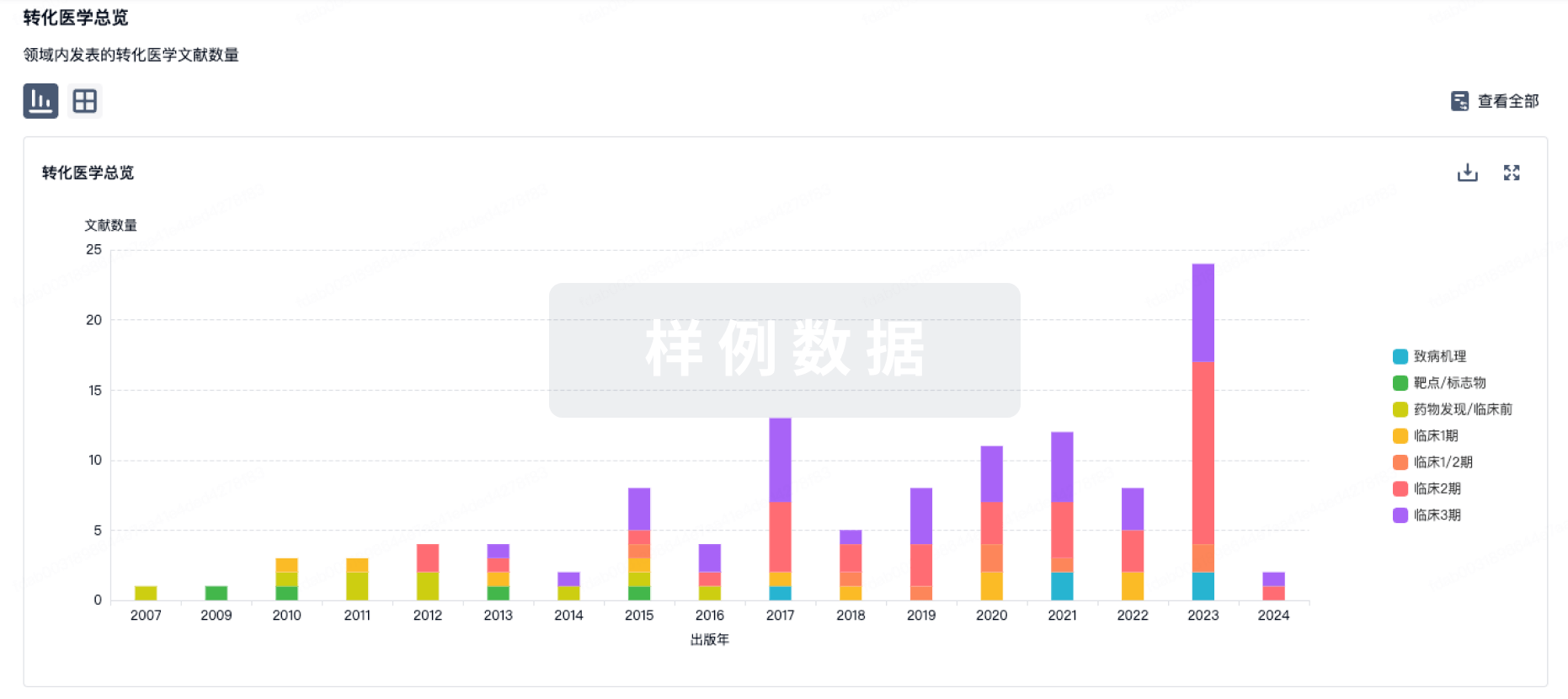
转化医学
使用我们的转化医学数据加速您的研究。
登录
或
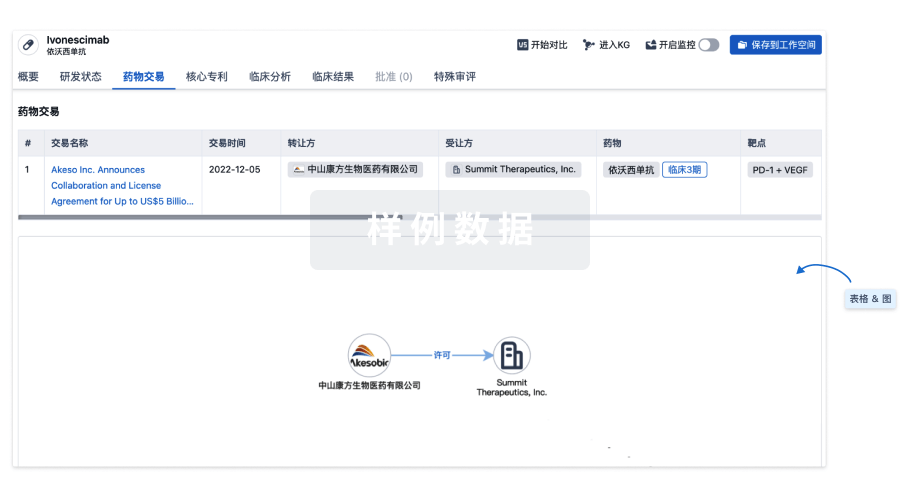
药物交易
使用我们的药物交易数据加速您的研究。
登录
或
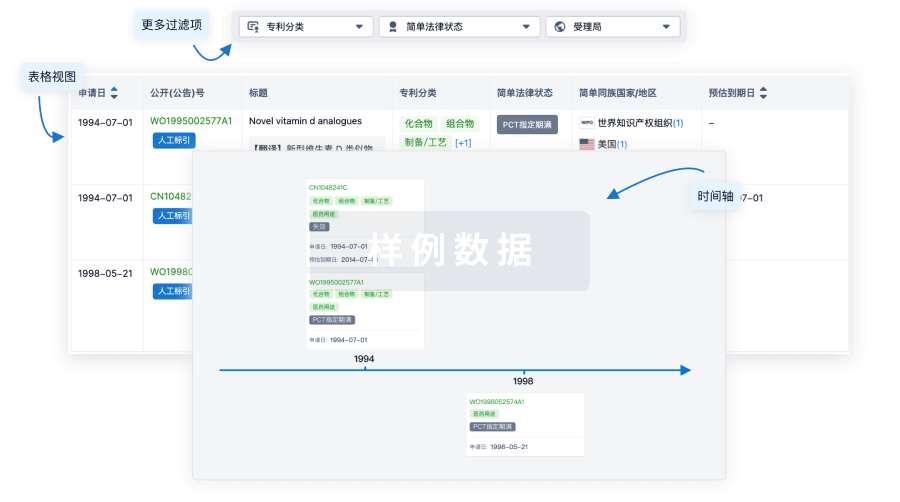
核心专利
使用我们的核心专利数据促进您的研究。
登录
或
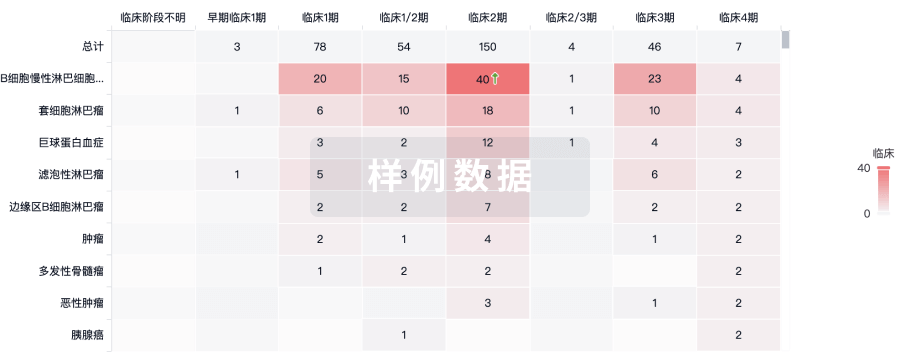
临床分析
紧跟全球注册中心的最新临床试验。
登录
或
批准
利用最新的监管批准信息加速您的研究。
登录
或
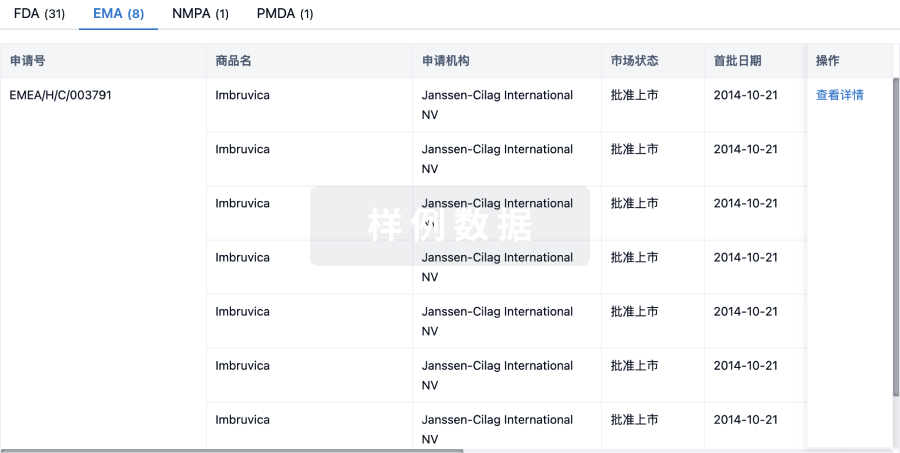
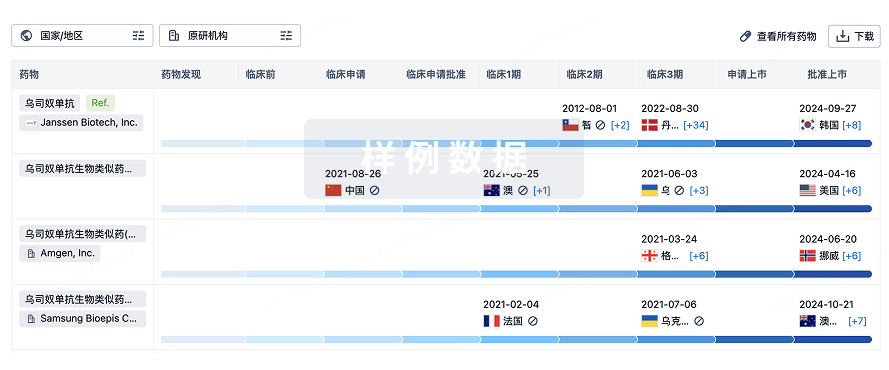
生物类似药
生物类似药在不同国家/地区的竞争态势。请注意临床1/2期并入临床2期,临床2/3期并入临床3期
登录
或
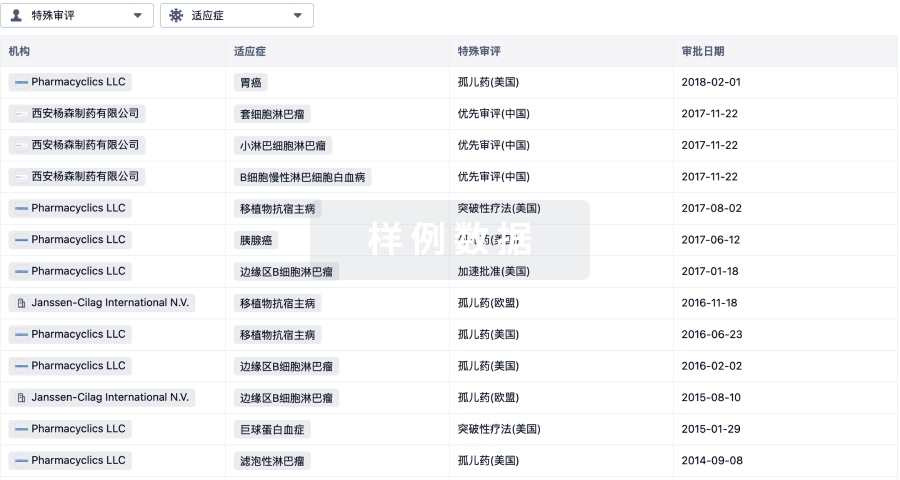
特殊审评
只需点击几下即可了解关键药物信息。
登录
或
提出任何生物医药研究问题
让每一步生物医药决策都精准制胜
基于十亿级生物数据与全球情报的精准 AI,赋能早期药物发现
立即开始免费试用!
智慧芽新药情报库是智慧芽专为生命科学人士构建的基于AI的创新药情报平台,助您全方位提升您的研发与决策效率。
立即接入生物医药数据包
智慧芽新药库数据也通过智慧芽开放平台,以MCP或API服务形式对外开放。立即使用我们的MCP服务定制您的LLM智能体。
生物序列数据库
生物药研发创新
免费使用
化学结构数据库
小分子化药研发创新
免费使用