预约演示
更新于:2026-08-08
STAT3 inhibitors(Zhejiang Chinese Medical University)
更新于:2026-08-08
概要
基本信息

结构/序列
分子式C21H23NO4 |
InChIKeyYKVUDUKZQAMEHP-ZDUSSCGKSA-N |
CAS号2849535-96-0 |
关联
100 项与 STAT3 inhibitors(Zhejiang Chinese Medical University) 相关的临床结果
登录后查看更多信息
100 项与 STAT3 inhibitors(Zhejiang Chinese Medical University) 相关的转化医学
登录后查看更多信息
100 项与 STAT3 inhibitors(Zhejiang Chinese Medical University) 相关的专利(医药)
登录后查看更多信息
126
项与 STAT3 inhibitors(Zhejiang Chinese Medical University) 相关的文献(医药)2026-06-20·BRITISH JOURNAL OF CANCER
ITGB4 up-regulated by STAT3 reduces the sensitivity of bladder cancer to cisplatin by suppressing p53
Article
作者: Xu, Haozhe ; Lin, Pingxia ; Wei, Yongbao ; Hong, Yulong ; Shao, Shuai ; Li, Yuan ; Xing, Zhuo ; Yang, Tiejun
BACKGROUND:
Cisplatin-based chemotherapy is the first-line treatment for patients with advanced bladder cancer (BC). However, the development of cisplatin resistance limits its antitumor effects. While, the mechanism of cisplatin resistance remains unclear.
METHODS:
Bioinformatics techniques were used to analyse genes and pathways associated with cisplatin therapy resistance. A variety of biological techniques were used to identify the role of ITGB4 in cisplatin sensitivity in BC and its potential molecular mechanism.
RESULTS:
In this study, we demonstrated that ITGB4 plays a key role in regulating the sensitivity of p53 wild-type (WT) BC to cisplatin therapy. Our findings revealed that ITGB4 inhibits the activation of p53 by suppressing the phosphorylation at the p53-S15 site and promotes the degradation of p53 by facilitating the binding of MDM2 to p53, thereby reducing the sensitivity of BC to cisplatin.Additionally, we showed that ITGB4 influences the antitumor effects of MDM2 inhibitors when they are combined with cisplatin therapy. Furthermore, we found that the elevated expression of ITGB4 in cisplatin-resistant BC cells were mediated by STAT3 activation. The combination of STAT3 inhibitors can enhance the antitumor effect of cisplatin in BC.
CONCLUSIONS:
ITGB4 is a key molecule influencing cisplatin sensitivity in p53 WT BC, and the combination of STAT3 inhibitors can enhance the antitumor effect of cisplatin.
2026-02-01·BIOCHIMICA ET BIOPHYSICA ACTA-MOLECULAR CELL RESEARCH
Sustained Galiellalactone treatment breaks the metastatic resilience of BRAF-inhibitor-resistant melanoma cells
Article
作者: Bhagyalaxmi, Dumarapu ; Murkute, Satyajit Laxman ; Bhowmik, Sujoy ; Badajena, Saumya Ranjan ; Mohapatra, Purusottam
STAT3 hyperactivation in metastatic and therapy-resistant melanoma drives tumorigenesis and immunotherapy resistance by promoting tumor-stromal interactions, making its inhibition a crucial therapeutic strategy. Interestingly, synthetic STAT3 inhibitors could not manage to enter clinical trials due to their short half-lives, poor bioavailability and non-specific effects. Here, we have shown that Galiellalactone, a natural, irreversible STAT3 inhibitor, blocks IL-6 and WNT5A-mediated STAT3 Phosphorylation and migration in BRAF-inhibitor (BRAFi)-sensitive melanoma cells. Galiellalactone treatment leads to prolonged STAT3 inhibition, which obstructs both metastatic functions and secretome-mediated paracrine interactions in both BRAFi-sensitive and resistant melanoma cells, via the reduction of MCAM and N-cadherin protein expression. Altogether, our findings support that Galiellalactone is a potential inhibitor that could block the metastatic function of drug-resistant melanoma cells and also obstruct the possible paracrine activation of STAT3 conferred by stromal cells present in the tumor microenvironment.
2026-01-07·CURRENT DRUG TARGETS
Targeting STAT3 in Breast Cancer Using Innovative Natural and
Synthetic Scaffolds to Trigger Apoptosis, Autophagy, and Halt Tumor
Progression
Article
作者: Agasimane, Harsha ; Hidayathulla, Syed ; P.R, Hemanth Vikram ; Puttaraju, Yashaswi ; Sab, Noureen Usman ; Rangaswamy, Yashwanth ; Beeraka, Narasimha M. ; Kandula, Dilipkumar Reddy ; Paramesh, Thungeshwari C. ; Devarajanayaka, Ambika H. ; Shivanna, Archana A. ; Subhan, Noortaj J. ; Nagalakshmi, Allaka ; Jayadevappa, Bhavana ; Nikolenko, Vladimir N ; Venkatesh, Prema ; Shivaprakash, Vidyashree K. ; Amiranova, Klavdiya Turkandze ; Y, Padmanabha Reddy ; Dinesh, Dhanya ; Chandru, Chaithra A. ; Krishna, Anusha H. ; Basappa, Basappa ; Anthony, Jennifer
Introduction::
Signal Transducer and Activator of Transcription 3 (STAT3) is a key mediator in Breast Cancer (BC) progression, contributing to tumor proliferation, metastasis, survival, and
resistance to chemotherapy. Phosphorylation of STAT3 at tyrosine 705 promotes its dimerization
and nuclear translocation, where it activates oncogenic transcriptional programs. Due to its central
role in BC pathogenesis, STAT3 has emerged as a promising molecular target for therapeutic intervention. To synthesize, characterize, and evaluate the anticancer efficacy of synthetic and natural
compounds with a focus on their ability to inhibit STAT3 phosphorylation, suppress breast cancer
cell proliferation, and induce apoptosis and autophagy
Methods::
A comprehensive literature review was conducted using databases such as PubMed, Scopus, Relemed, and ResearchGate. Relevant studies were identified that examined the synthesis, molecular mechanisms, and therapeutic potential of STAT3 inhibitors. Synthetic derivatives and phytochemicals were considered for their inhibitory effects on STAT3 activation and associated cellular
outcomes in breast cancers.
Results::
Several synthetic and natural compounds demonstrated significant inhibitory effects on
STAT3 phosphorylation, leading to reduced breast cancer cell proliferation, migration, and survival.
These agents effectively induced apoptosis and, in some cases, autophagy, highlighting their multifaceted anti-tumor mechanisms and elucidating the potential of these compounds as lead candidates
for further preclinical and clinical development
Conclusion::
Targeting STAT3 can be a significant therapeutic strategy, as both synthetic and natural
compounds capable of inhibiting STAT3 signaling have been shown in preclinical studies. These
findings provide valuable insights for cancer biologists, molecular researchers, and clinicians to explore STAT3 inhibitors as potential breast cancer therapeutics.
100 项与 STAT3 inhibitors(Zhejiang Chinese Medical University) 相关的药物交易
登录后查看更多信息
研发状态
10 条进展最快的记录, 后查看更多信息
登录
| 适应症 | 最高研发状态 | 国家/地区 | 公司 | 日期 |
|---|---|---|---|---|
| 三阴性乳腺癌 | 临床前 | 中国 | 2024-09-03 |
登录后查看更多信息
临床结果
临床结果
适应症
分期
评价
查看全部结果
| 研究 | 分期 | 人群特征 | 评价人数 | 分组 | 结果 | 评价 | 发布日期 |
|---|
No Data | |||||||
登录后查看更多信息
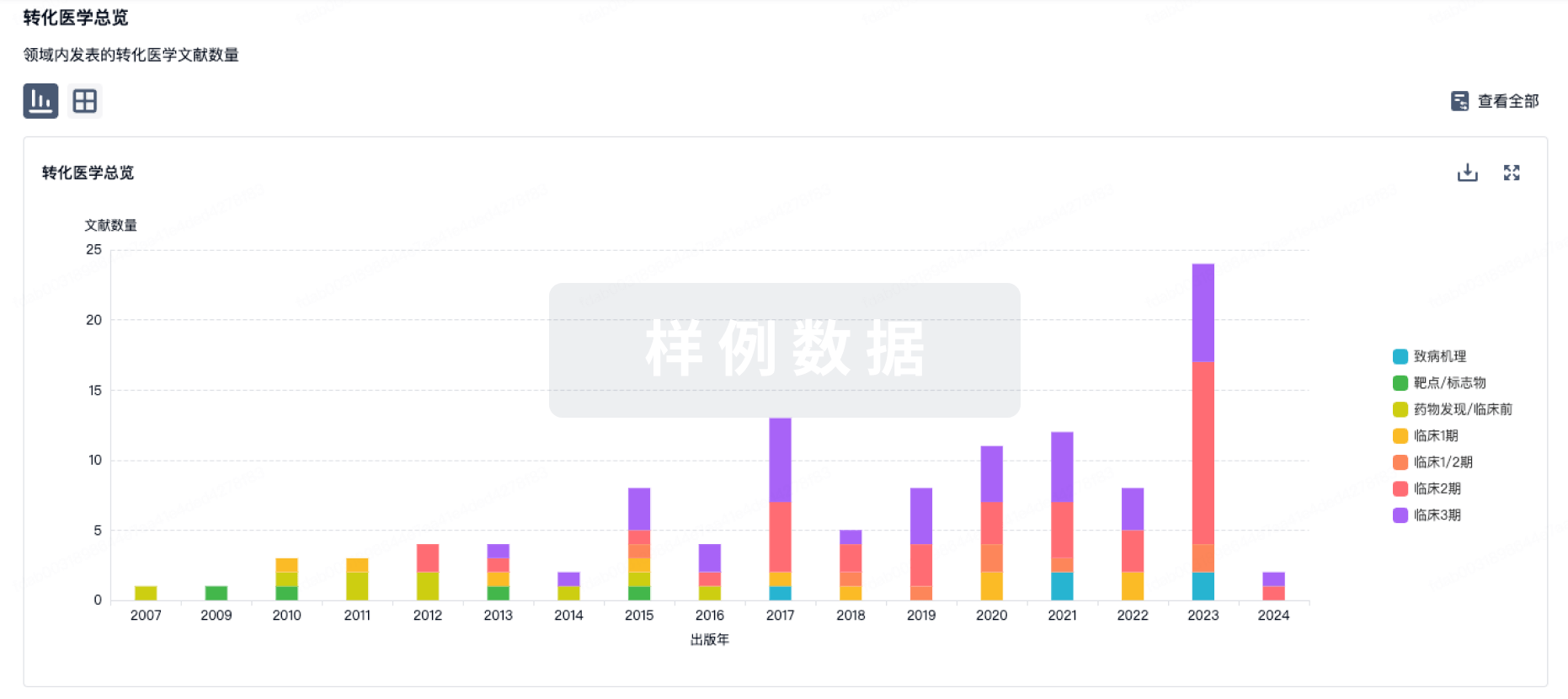
转化医学
使用我们的转化医学数据加速您的研究。
登录
或
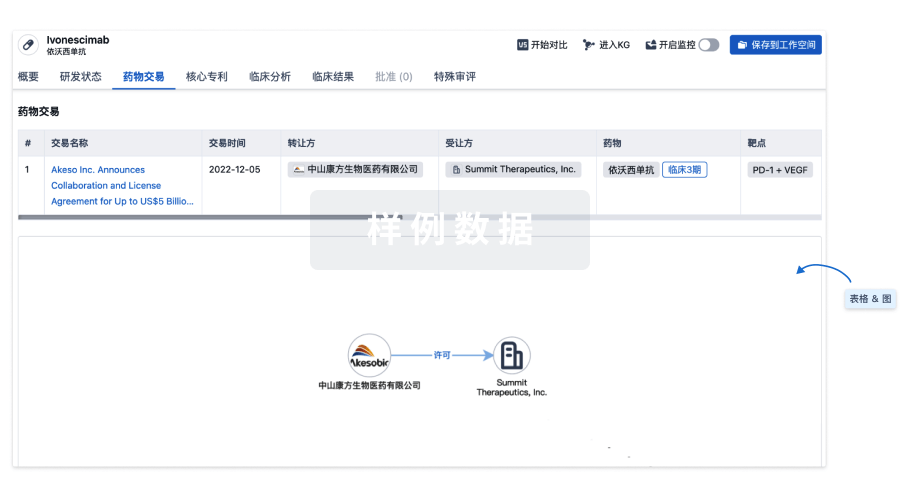
药物交易
使用我们的药物交易数据加速您的研究。
登录
或
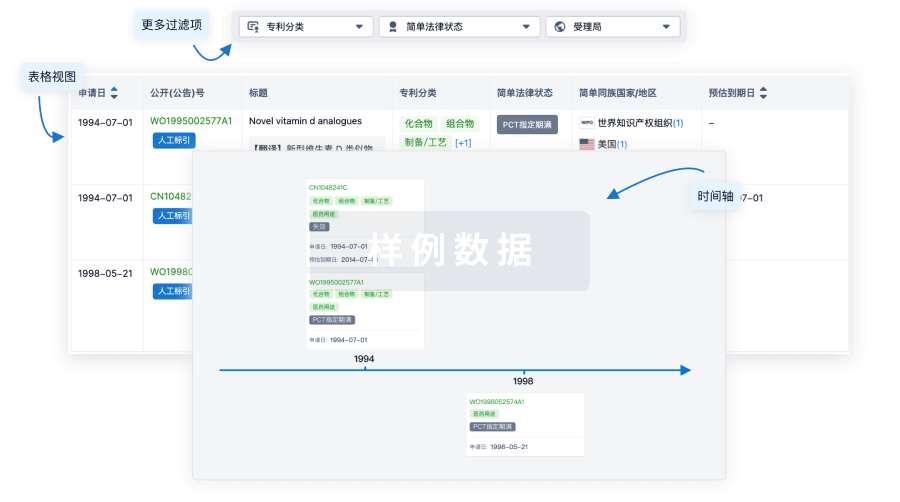
核心专利
使用我们的核心专利数据促进您的研究。
登录
或
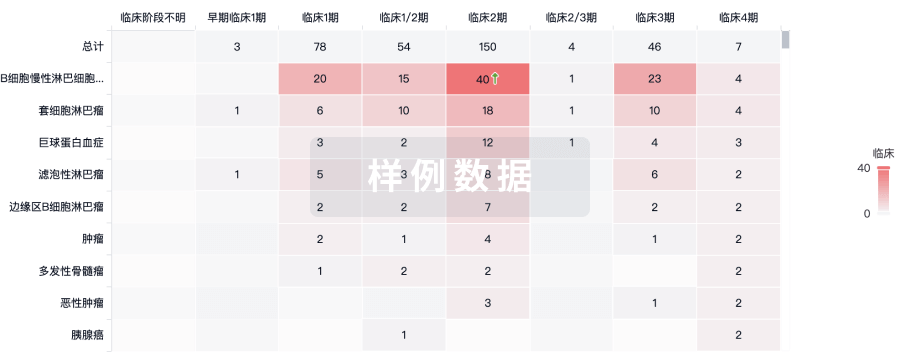
临床分析
紧跟全球注册中心的最新临床试验。
登录
或
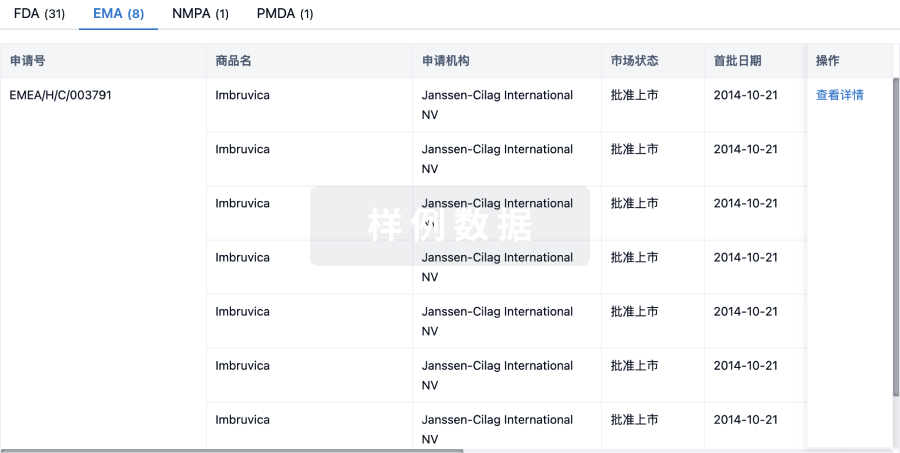
批准
利用最新的监管批准信息加速您的研究。
登录
或
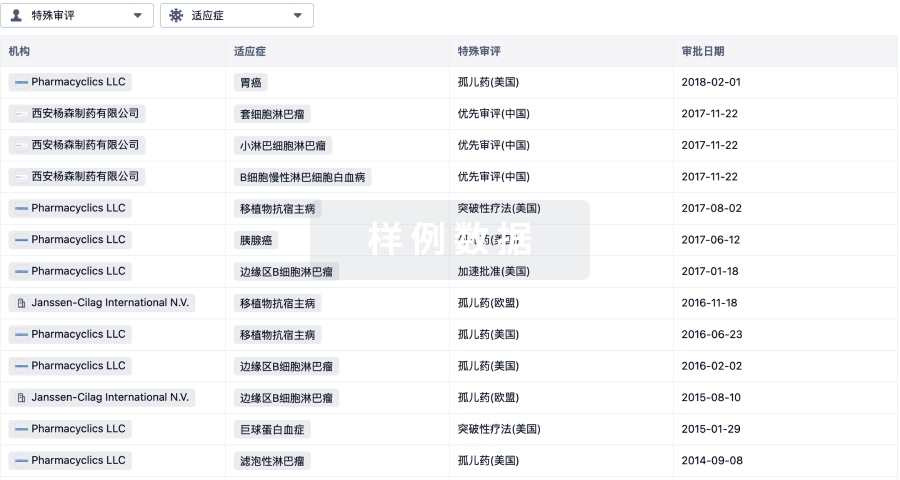
特殊审评
只需点击几下即可了解关键药物信息。
登录
或
提出任何生物医药研究问题
让每一步生物医药决策都精准制胜
基于十亿级生物数据与全球情报的精准 AI,赋能早期药物发现
立即开始免费试用!
智慧芽新药情报库是智慧芽专为生命科学人士构建的基于AI的创新药情报平台,助您全方位提升您的研发与决策效率。
立即接入生物医药数据包
智慧芽新药库数据也通过智慧芽开放平台,以MCP或API服务形式对外开放。立即使用我们的MCP服务定制您的LLM智能体。
生物序列数据库
生物药研发创新
免费使用
化学结构数据库
小分子化药研发创新
免费使用