预约演示
更新于:2026-08-19
Eperisone Hydrochloride
盐酸乙哌立松
更新于:2026-08-19
概要
基本信息
原研机构- |
最高研发阶段批准上市 |
最高研发阶段(中国)批准上市 |
特殊审评- |





登录后查看时间轴
结构/序列
分子式C17H26ClNO |
InChIKeyGTAXGNCCEYZRII-UHFFFAOYSA-N |
CAS号56839-43-1 |
关联
53
项与 盐酸乙哌立松 相关的临床试验CTR20261535
评估受试制剂盐酸乙哌立松片(规格:50 mg)与参比制剂妙纳®(规格:50 mg)在健康成年试验参与者空腹和餐后状态下的单中心、开放、随机、单剂量、四周期、两序列、完全重复、交叉生物等效性试验
CTR20254993
盐酸乙哌立松片人体生物等效性试验

CTR20254572
盐酸乙哌立松片在中国健康受试者中单中心、随机、开放、单次给药、两制剂、四周期交叉人体生物等效性试验

100 项与 盐酸乙哌立松 相关的临床结果
登录后查看更多信息
100 项与 盐酸乙哌立松 相关的转化医学
登录后查看更多信息
100 项与 盐酸乙哌立松 相关的专利(医药)
登录后查看更多信息
166
项与 盐酸乙哌立松 相关的文献(医药)2026-06-01ENVIRONMENTAL TOXICOLOGY AND CHEMISTRY
A comprehensive ecological risk assessment of pharmaceuticals in Japan with newly obtained chronic toxicity
Article
作者: Kobayashi, Norihiro ; Watanabe, Haruna ; Ninomiya, Yoshikazu ; Yamamoto, Hiroshi ; Yamagishi, Takahiro ; Yamada, Takashi ; Oda, Yusuke ; Hirose, Akihiko
Abstract:
A comprehensive picture of the environmental risks posed by pharmaceuticals in Japan remains unclear, primarily because of the limited availability of toxicity data related to the number of pharmaceuticals prescribed or detected in aquatic environments. To understand the environmental risk, we first compiled toxicity data from the literature, focusing on chronic toxicity. For compounds for which no published information is available, we conducted (sub-)chronic toxicity tests at three trophic levels. We obtained toxicity data, mainly chronic toxicity data, for >75 pharmaceutical compounds. Combining these data with the results of nationwide monitoring surveys of rivers and lakes in Japan, we conducted a comprehensive environmental risk assessment of >75 pharmaceuticals. The results showed that roxithromycin (a macrolide antibiotic) exhibited high toxicity to algae, whereas teprenone (antipeptic ulcer agent), ticlopidine (anticoagulant), and eperisone (muscle relaxant) showed high toxicity to daphnids. Fewer pharmaceuticals have demonstrated similarly high toxicity to fish. Among the selected pharmaceuticals, macrolide antibiotics pose the highest environmental risk, though they present only a moderate risk to algae, with certain compounds exceeding a toxic unit value of 0.1. For daphnids, environmental risks of diverse pharmaceuticals were relatively high but the toxic unit values were at most approximately 0.1, indicating moderate or low risk. The environmental risk to fish was generally lower than that to algae and daphnids. The sum of the toxic units indicated that the highest value for algae exceeded 1. This suggests that pharmaceutical contamination poses a significant risk to the aquatic environment in some locations in Japan.
2026-05-01KOREAN JOURNAL OF INTERNAL MEDICINE
Eperisone-induced immediate hypersensitivity reactions
Review
作者: Park, Jung-Won ; Hur, Gyu-Young
Eperisone hydrochloride is a centrally acting muscle relaxant commonly prescribed for musculoskeletal pain, particularly in Korea and Japan. It induces relaxation of skeletal and vascular smooth muscle through central nervous system modulation and peripheral mechanisms, although its precise biochemical pathway remains unclear. While generally well tolerated, eperisone has been reported to cause immediate hypersensitivity reactions, including anaphylaxis. Because eperisone is frequently co-prescribed with non-steroidal anti-inflammatory drugs (NSAIDs), these reactions are often misdiagnosed as NSAID hypersensitivity, leading to unnecessary drug discontinuation and suboptimal pain management. A review of published case reports and pharmacovigilance data indicates that most eperisone-associated reactions are immediate-type, with anaphylaxis being clinically significant yet underrecognized. Skin prick tests and intradermal tests show variable diagnostic reliability, whereas drug provocation tests (DPTs) demonstrate the highest diagnostic accuracy and remain the gold standard. Basophil activation tests and serum tryptase measurement during DPT may serve as complementary diagnostic tools. Accurate identification of eperisone hypersensitivity is essential for preventing recurrent anaphylaxis and avoiding unnecessary NSAID discontinuation. This review summarizes the epidemiology, clinical features, and diagnostic strategies of eperisone hypersensitivity and emphasizes the importance of enhancing clinical awareness and referring affected patients to allergy specialists for proper evaluation.
2026-04-21Journal of Drug Targeting
Effectiveness of glucosamine hydrochloride and eperisone with exercise therapy on inflammatory factors and knee joint function in patients with knee osteoarthritis
Article
作者: Li, Xuanying ; Ruan, Jun
OBJECTIVE:
This study aimed to unveil the effect of glucosamine hydrochloride (GAH) and eperisone combined with exercise therapy on inflammatory markers and knee joint function in patients with knee osteoarthritis (KOA).
METHODS:
Sixty KOA patients were randomly assigned into two groups. Group A (n = 30) received GAH plus exercise therapy, while Group B (n = 30) received GAH combined with eperisone and exercise therapy. Serum inflammatory factors, knee symptom scores (pain, stiffness, daily function), and functional measures [knee flexion range of motion (ROM), Lysholm score, five-time sit-to-stand test, and 15-meter walking time] were assessed before and after treatment. Clinical efficacy was also evaluated.
RESULTS:
Post-treatment, both groups showed decreased serum MMP-3, TNF-α, and IL-6 levels, with significantly greater reductions in Group B (p < 0.001). Group B had lower symptom scores (p < 0.05), greater ROM and Lysholm improvements (p < 0.001), and better functional performance (p < 0.001). The effective rate was higher in Group B (100.00%) than in Group A (86.67%) (p = 0.038).
CONCLUSION:
GAH combined with eperisone and exercise therapy is more effective than GAH alone in patients with KOA. It significantly reduces inflammatory markers and symptoms, and enhances knee joint function.
100 项与 盐酸乙哌立松 相关的药物交易
登录后查看更多信息
研发状态
批准上市
10 条最早获批的记录, 后查看更多信息
登录
| 适应症 | 国家/地区 | 公司 | 日期 |
|---|---|---|---|
| 腰痛 | 日本 | 2014-05-16 | |
| 肌张力亢进 | 日本 | 2014-05-16 | |
| 颈、肩、臂综合征 | 日本 | 2014-05-16 | |
| 肩周炎 | 日本 | 2014-05-16 | |
| 痉挛性麻痹 | 日本 | 2014-05-16 |
未上市
10 条进展最快的记录, 后查看更多信息
登录
| 适应症 | 最高研发状态 | 国家/地区 | 公司 | 日期 |
|---|---|---|---|---|
| 急性腰痛 | 临床3期 | - | 2014-03-01 | |
| 椎间盘疾病 | 临床3期 | - | 2014-03-01 | |
| 痉挛 | 临床3期 | 印度 | 2006-04-01 |
登录后查看更多信息
临床结果
临床结果
适应症
分期
评价
查看全部结果
登录后查看更多信息
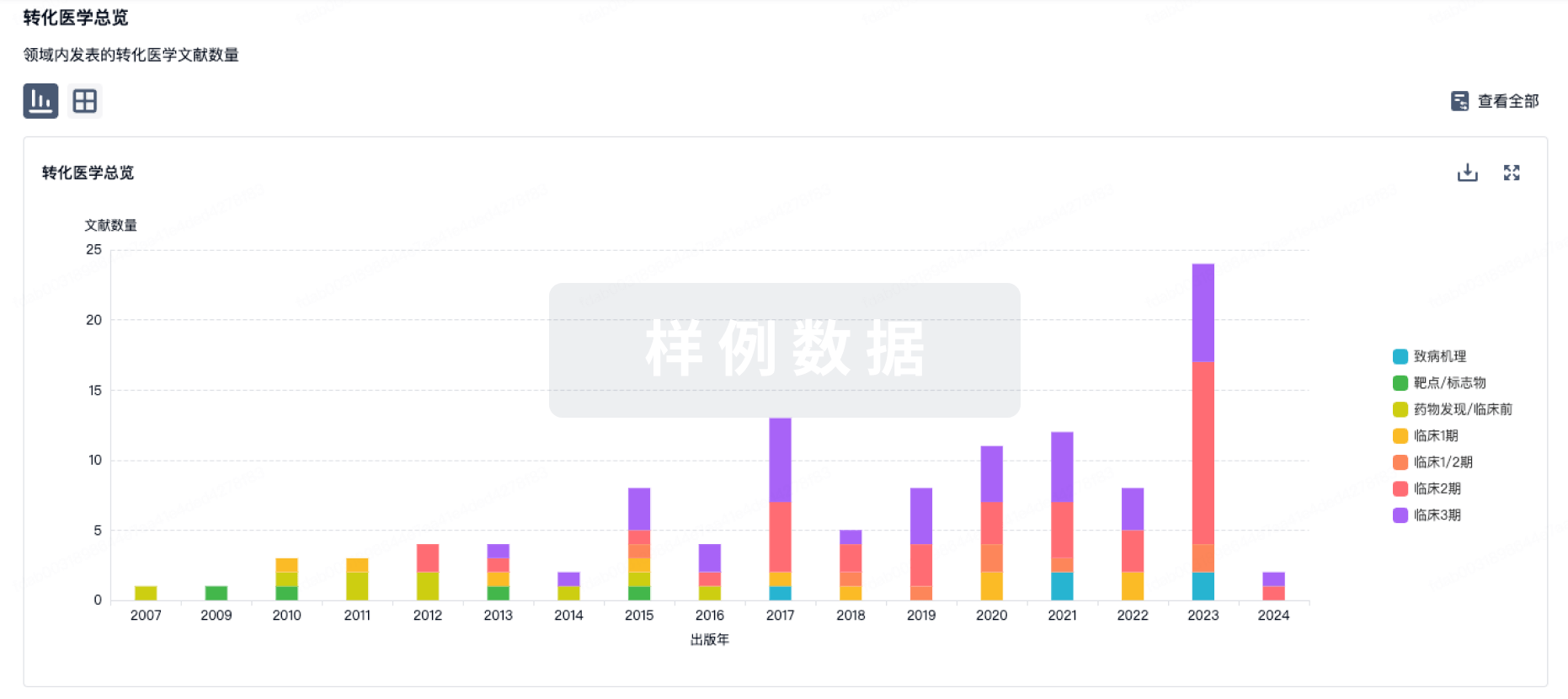
转化医学
使用我们的转化医学数据加速您的研究。
登录
或
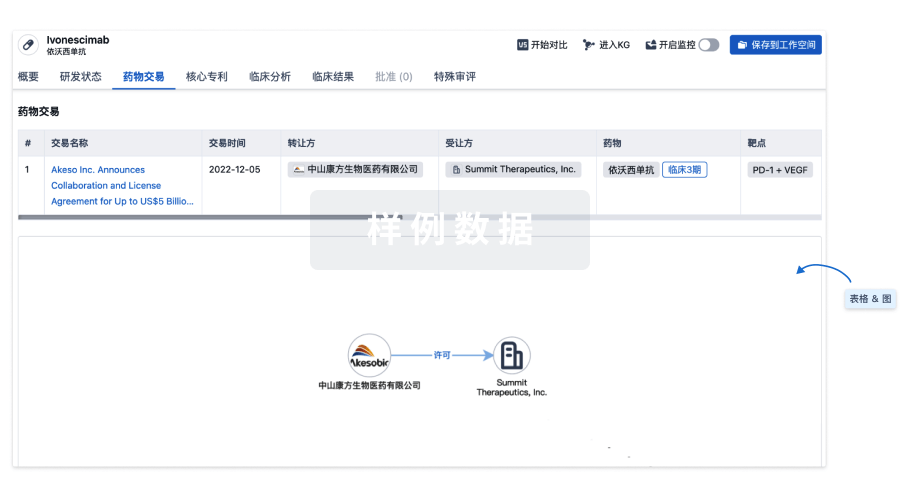
药物交易
使用我们的药物交易数据加速您的研究。
登录
或
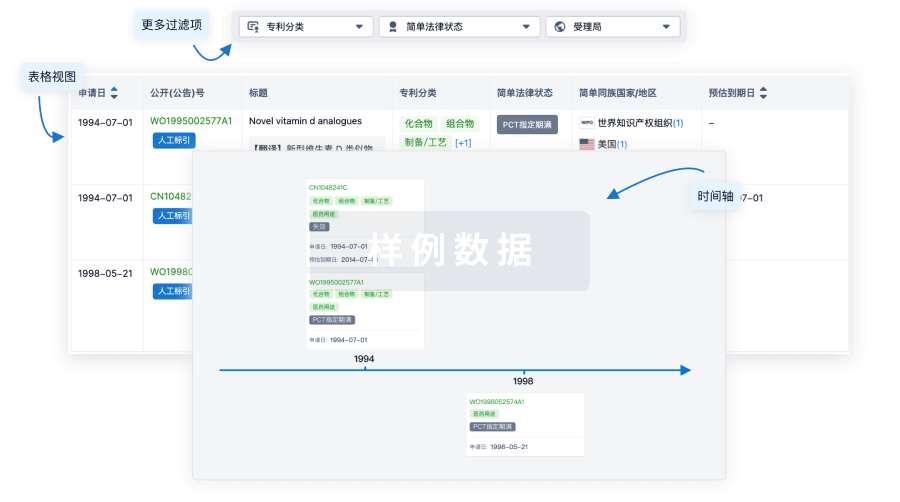
核心专利
使用我们的核心专利数据促进您的研究。
登录
或
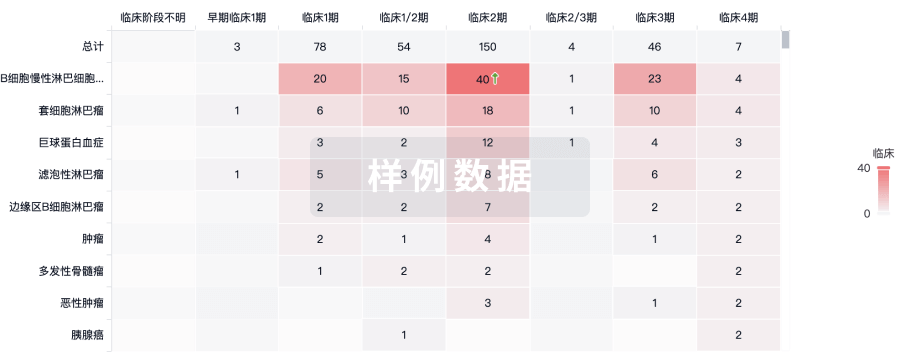
临床分析
紧跟全球注册中心的最新临床试验。
登录
或
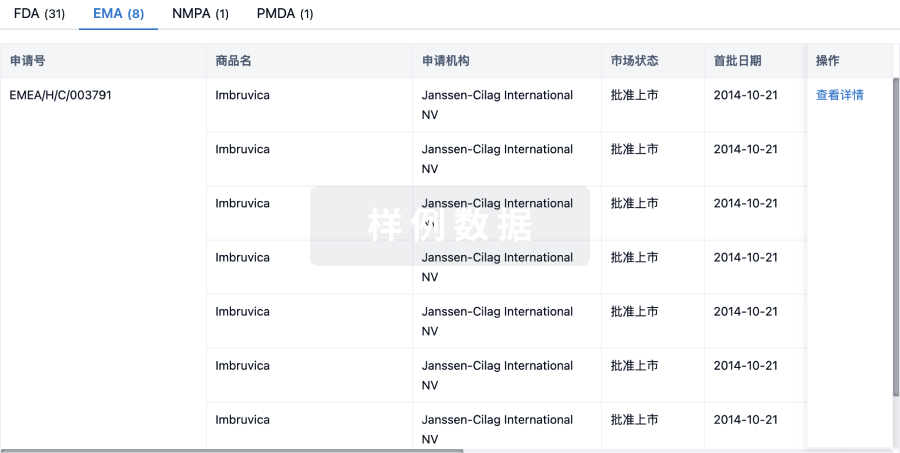
批准
利用最新的监管批准信息加速您的研究。
登录
或
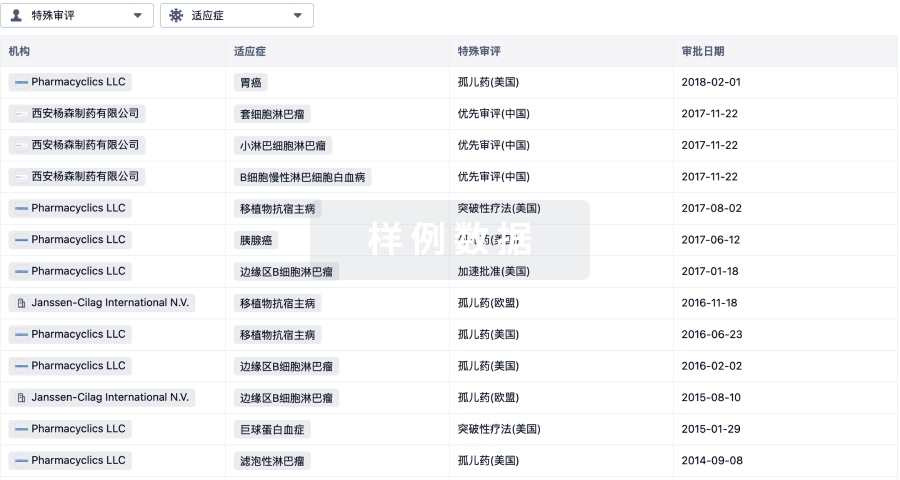
特殊审评
只需点击几下即可了解关键药物信息。
登录
或
提出任何生物医药研究问题
让每一步生物医药决策都精准制胜
基于十亿级生物数据与全球情报的精准 AI,赋能早期药物发现
立即开始免费试用!
智慧芽新药情报库是智慧芽专为生命科学人士构建的基于AI的创新药情报平台,助您全方位提升您的研发与决策效率。
立即接入生物医药数据包
智慧芽新药库数据也通过智慧芽开放平台,以MCP或API服务形式对外开放。立即使用我们的MCP服务定制您的LLM智能体。
生物序列数据库
生物药研发创新
免费使用
化学结构数据库
小分子化药研发创新
免费使用