预约演示
更新于:2026-08-22
Brozopentyl Sodium
布罗佐喷钠
更新于:2026-08-22
概要
基本信息
药物类型 小分子化药 |
别名 BZP |
作用方式 调节剂 |
作用机制 钾离子通道调节剂 |
在研适应症 |
非在研适应症- |
原研机构 |
非在研机构 |
权益机构 |
最高研发阶段临床2期 |
首次获批日期- |
最高研发阶段(中国)临床2期 |
特殊审评- |



登录后查看时间轴
结构/序列
分子式C12H15BrNaO3 |
InChIKeyIVULIEXOQKSHLG-UHFFFAOYSA-N |
CAS号1631152-53-8 |
关联
10
项与 布罗佐喷钠 相关的临床试验ChiCTR2500107880
A Multicenter, Randomized, Double-Blind, Placebo Parallel-Controlled Study to Evaluate the Safety and Efficacy of Different Doses of Brozopentyl Sodium for Injection in the Treatment of Acute Ischemic Stroke
CTR20242161
随机、盲法、安慰剂对照、剂量递增、静脉滴注布罗佐喷钠在健康志愿者中的安全性、耐受性及药代动力学特性临床试验
CTR20192145
多中心、随机、双盲、安慰剂平行对照评估不同剂量注射用布罗佐喷钠治疗急性缺血性卒中的临床试验
100 项与 布罗佐喷钠 相关的临床结果
登录后查看更多信息
100 项与 布罗佐喷钠 相关的转化医学
登录后查看更多信息
100 项与 布罗佐喷钠 相关的专利(医药)
登录后查看更多信息
187
项与 布罗佐喷钠 相关的文献(医药)2026-07-01PEST MANAGEMENT SCIENCE
Inspired by pathogen infection for reverse biomimetic strategy with pectinase/
pH
dual‐stimuli‐responsive in crop protection
Article
作者: Liu, Yanyan ; Yu, Yanan ; Yan, Honglei ; Ren, Hao ; Zhu, Siyu ; Gao, Shuang ; Li, Fengrui ; Li, Meiqing
Abstract:
BACKGROUND:
Conventional pesticide delivery systems often suffer from low deposition and insufficient targeted release in complex pathogenic microenvironments. Inspired by the pathogen infection process, this study aimed to develop a novel controlled‐release platform capable of responding to specific infection microenvironments to achieve efficient and targeted pesticide delivery.
RESULTS:
A dual‐responsive nano‐delivery platform (BZP) was successfully constructed by loading the fungicide boscalid (Bos) onto a zeolitic imidazolate framework‐8 (ZIF‐8) nanocarrier and utilizing pectin as a pathogen‐recognizable gatekeeper. The acidic pH‐ and pectinase‐responsive properties enabled on‐demand pesticide release specifically in the infection induced by
Botrytis cinerea
. BZP demonstrated an 87.35% cumulative release rate of Bos under acidic conditions (pH 5.5) with pectinase, exceeding that of nanocarriers without the pectin coating (65.64%) after 168 h of treatment. The nanoparticles (73 ± 11 nm) enabled bidirectional vascular transport and fungal cell wall penetration for targeted antimicrobial action. Meanwhile, it exhibited potent antifungal activity that matched the efficacy of the boscalid wettable powder (BWP). Additionally, the pectin coating greatly improved the foliar retention of BZP. Notably, BZP showed no apparent phytotoxicity to test plants and exhibited excellent biosafety in earthworms.
CONCLUSION:
This study provides theoretical insights for enhancing the targeted release and efficient foliar deposition of nanopesticides, aiming to improve pesticide utilization efficiency and ensure environmental safety, thereby offering promising applications in sustainable agriculture. © 2026 Society of Chemical Industry.
2026-07-01ENVIRONMENTAL POLLUTION
Double burden: Synergistic effects of menopause and obesity on high paraben exposure-induced relative androgen predominance in women
Article
作者: Qian, Jianping ; Yao, Wei ; Chen, Jie ; Fu, Xiaofang ; Wu, Zhenghao ; Gao, Jianfa ; Xiao, Jian ; Yeerkenbieke, Gulijiazi ; Yu, Chao ; Li, Xiqing
Past research on the health impacts of parabens has largely focused on susceptible groups like pregnant women. However, postmenopausal women, due to profound hormonal shifts, are also a sensitive yet underrecognized population. To evaluate paraben exposure patterns, we analyzed pooled urine samples from 6523 Chinese adults. Major paraben congeners (MeP, EtP, PrP, BuP, BzP) were measured to examine paraben exposure of different sexes and age groups. These descriptive data revealed distinctly elevated paraben burdens among women in midlife and older groups. To investigate the endocrine consequences of this heightened exposure, we subsequently evaluated an independent United States cohort comprising 556 premenopausal and 332 postmenopausal women. This integrative approach leverages large-scale exposure characterization from China and individual-level endocrine effect data from NHANES to explore potential susceptibility modifiers. Postmenopausal women exhibited higher sensitivity to paraben-induced disruption, indicating that menopausal status is a critical modifier. Specifically, compared to premenopausal women, postmenopausal women showed a greater increase in paraben mixtures, with an 11.2% rise in sex hormone-binding globulin (SHBG) and a 9.1% increase in the total testosterone/estradiol (TT/E2) ratio, indicating a shift toward relative androgen predominance. Compared with non-obese postmenopausal women (no significant associations), overweight and obese postmenopausal women had elevated TT/E2 ratios with exposure to BuP (52.4%), MeP (27.1%), and EtP (30.1%). These findings strongly suggest a 'two-hit' mechanism in that menopause and obesity jointly magnify paraben-induced endocrine disruption beyond either factor individually. This heightened susceptibility challenges uniform exposure limits, necessitating the integration of menopausal and metabolic status into risk assessments.
2025-12-31JOURNAL OF ENZYME INHIBITION AND MEDICINAL CHEMISTRY
Inhibition of 12/15-LOX hyperactivation mitigates cognitive decline in a chronic cerebral hypoperfusion mouse model and in H
2
O
2
-induced HT22 cells: therapeutic effects of brozopine
Article
作者: Lirou He ; Xuening Wang ; Zhiyu Wang ; Lingxu Yuan ; Qiuji Shao ; Yiran Song ; Yi Wang ; Jinpeng Zhu ; Yiming Wang ; Qingran Jia ; Shaoyang Xu ; Yuan Gao ; Junbiao Chang ; Zhizai Lu ; Zixin Zhang
Brozopine (BZP), a novel inhibitor of 12/15-lipoxygenase (12/15-LOX), has previously demonstrated efficacy in mitigating inflammatory and oxidative stress-related injury in cerebral ischaemia models. This study aimed to evaluate the therapeutic potential and underlying mechanisms of BZP in a mouse model of vascular dementia induced by chronic cerebral hypoperfusion. BZP was administered for 28 days following right unilateral common carotid artery occlusion (rUCCAO) in mice. BZP significantly alleviated cognitive impairment, behavioural deficits, and fine motor function. Mechanistically, BZP inhibited 12/15-LOX, cPLA2, p-p38 MAPK/p38 MAPK ratio, tumour necrosis factor-α, interlukin-1β, Aβ1-42 deposition, and Tau hyperphosphorylation in the brain and serum of rUCCAO mice. Similar protective effects were observed in both 12/15-LOX-overexpressed and H2O2-induced HT22 cell models. These findings suggest that BZP exerts its neuroprotective effects by targeting the 12/15-LOX/cPLA2/p38 MAPK pathway, offering a promising therapeutic strategy for mitigating the progression of cognitive impairment.
100 项与 布罗佐喷钠 相关的药物交易
登录后查看更多信息
研发状态
10 条进展最快的记录, 后查看更多信息
登录
| 适应症 | 最高研发状态 | 国家/地区 | 公司 | 日期 |
|---|---|---|---|---|
| 急性缺血性卒中 | 临床2期 | 中国 | 2020-03-27 | |
| 急性缺血性卒中 | 临床2期 | 中国 | 2020-03-27 |
登录后查看更多信息
临床结果
临床结果
适应症
分期
评价
查看全部结果
登录后查看更多信息
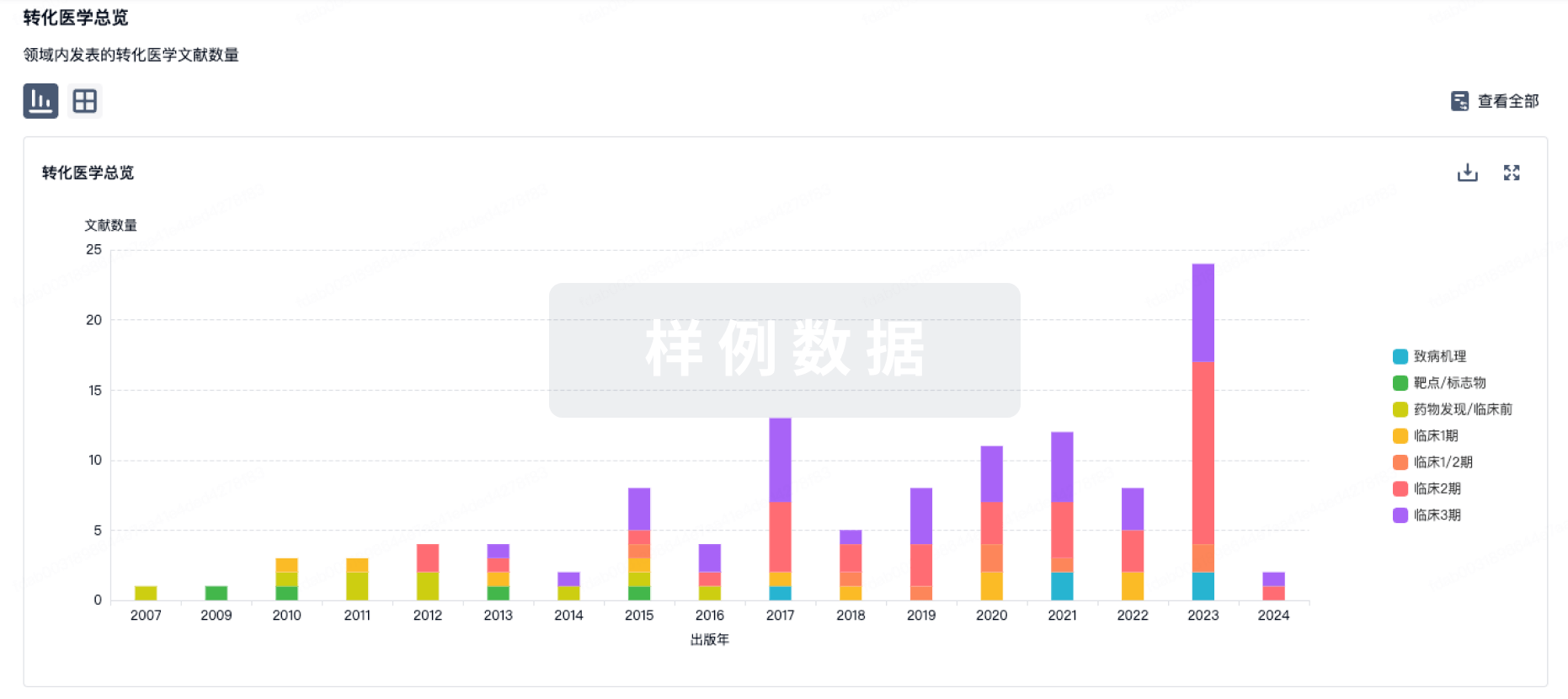
转化医学
使用我们的转化医学数据加速您的研究。
登录
或
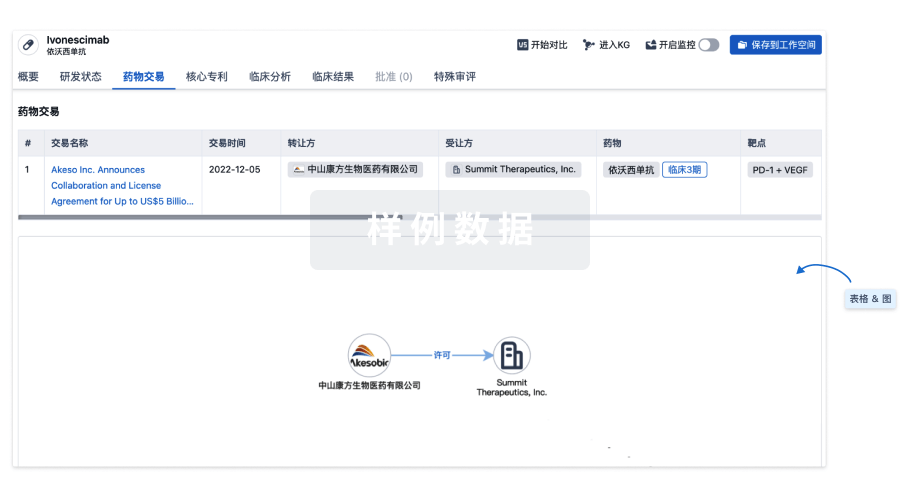
药物交易
使用我们的药物交易数据加速您的研究。
登录
或
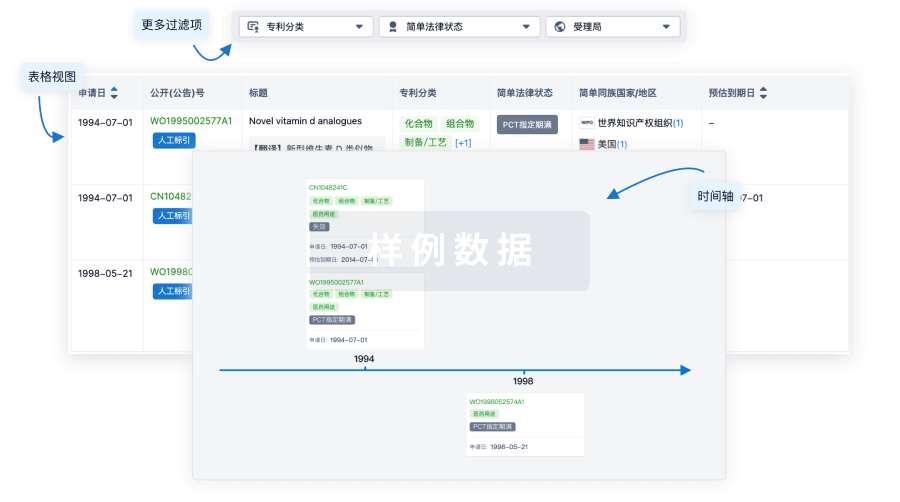
核心专利
使用我们的核心专利数据促进您的研究。
登录
或
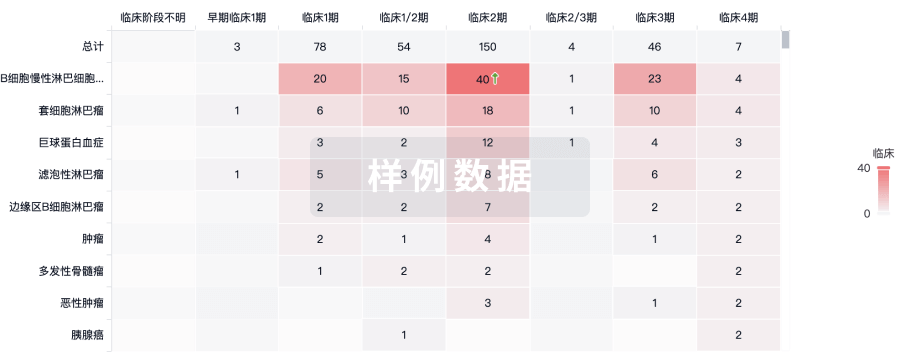
临床分析
紧跟全球注册中心的最新临床试验。
登录
或
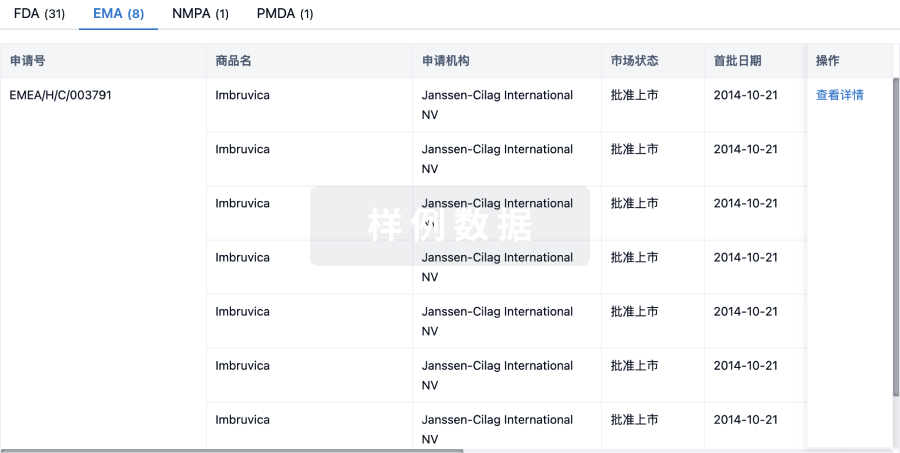
批准
利用最新的监管批准信息加速您的研究。
登录
或
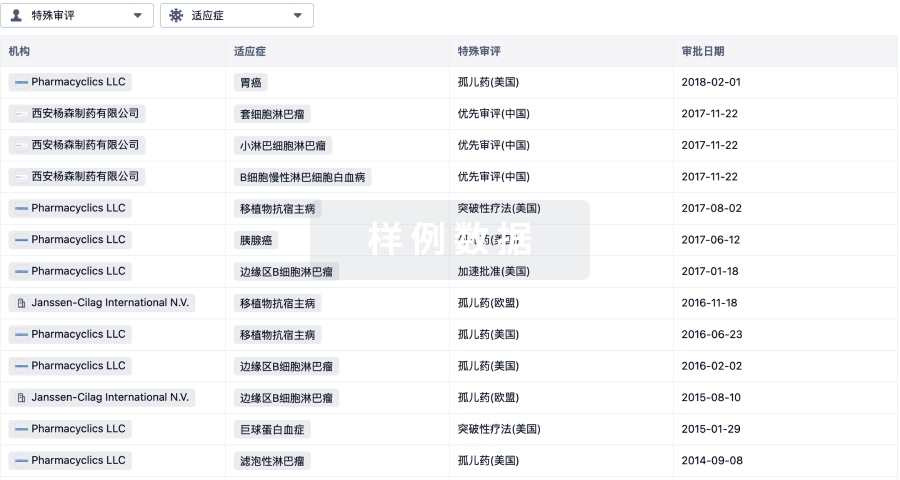
特殊审评
只需点击几下即可了解关键药物信息。
登录
或
提出任何生物医药研究问题
让每一步生物医药决策都精准制胜
基于十亿级生物数据与全球情报的精准 AI,赋能早期药物发现
立即开始免费试用!
智慧芽新药情报库是智慧芽专为生命科学人士构建的基于AI的创新药情报平台,助您全方位提升您的研发与决策效率。
立即接入生物医药数据包
智慧芽新药库数据也通过智慧芽开放平台,以MCP或API服务形式对外开放。立即使用我们的MCP服务定制您的LLM智能体。
生物序列数据库
生物药研发创新
免费使用
化学结构数据库
小分子化药研发创新
免费使用