预约演示
更新于:2026-08-20
Doramapimod
达马莫德
更新于:2026-08-20
概要
基本信息
在研机构 |
权益机构- |
最高研发阶段临床前 |
首次获批日期- |
最高研发阶段(中国)- |
特殊审评- |


登录后查看时间轴
结构/序列
分子式C31H37N5O3 |
InChIKeyMVCOAUNKQVWQHZ-UHFFFAOYSA-N |
CAS号285983-48-4 |
关联
10
项与 达马莫德 相关的临床试验NCT02214888
A 12 Week Double-blind, Randomized, Placebo-controlled Trial to Investigate Efficacy, Safety and Pharmacokinetics of BIRB 796 BS Tablets at Doses of 50 and 70 mg Administered Twice a Day in Patients With Active Rheumatoid Arthritis Who Have Failed at Least One DMARD
NCT02211885
A Phase I Single Oral Dose (100 mg) Trial to Characterize the Excretion Balance of 14c-radiolabeled BIRB 796 BS and to Determine Its Metabolites in Normal Male Subjects
NCT02211144
Safety and Pharmacokinetics of BIRB 796 BS Tablets Administered Twice Daily Orally (Total Daily Dose 90, 120, 150 or 180 mg) to Healthy Human Subjects for 14 Days. A Placebo-controlled, Dose Escalation Study Double Blinded at Each Dose Level
100 项与 达马莫德 相关的临床结果
登录后查看更多信息
100 项与 达马莫德 相关的转化医学
登录后查看更多信息
100 项与 达马莫德 相关的专利(医药)
登录后查看更多信息
428
项与 达马莫德 相关的文献(医药)2026-10-01TOXICOLOGY AND APPLIED PHARMACOLOGY
New insights into 6PPD-quinone-induced neurotoxicity in zebrafish: the role of the MAPK/oxidative stress axis in neurodevelopmental disruption
Article
作者: Xu, Lichao ; Liu, Xin ; Wang, Lina ; Chen, Ying ; Li, Yue ; Wei, Wei ; Liu, Yuanyuan ; Wang, Gang ; Wang, Zian ; Jiang, Zihao
6PPD-Quinone (6PPD-Q) has attracted widespread attention because of its high toxicity to aquatic organisms. Recent evidence suggests that the acute mortality induced by 6PPD-Q is closely associated with neurotoxicity; however, the key events and underlying molecular mechanisms remain unclear. In the present study, we investigated the effects of 6PPD-Q on neurodevelopment in zebrafish and explored the potential mechanisms involved. Environmentally relevant concentrations of 6PPD-Q did not cause acute lethality, but significantly induced locomotor abnormalities and impaired neuronal development. In parallel, the expression profiles of genes related to neuronal development and neurotransmission were markedly altered. In addition, 6PPD-Q disrupted redox homeostasis, as evidenced by increased ROS and MDA levels and decreased activities of the antioxidant enzymes CAT and SOD. Gene Ontology analysis indicated that the neurotoxic effects of 6PPD-Q were associated with biological processes including positive regulation of the MAPK cascade, cellular response to dopamine, and synaptic signaling. KEGG enrichment analysis further suggested the involvement of the MAPK signaling pathway. Molecular docking showed favorable binding potentials between 6PPD-Q and several MAPK-related targets (binding affinities: -5.16 to -6.25 kcal/mol), while qRT-PCR analysis revealed significant upregulation of MAPK-related genes, including mapk8b, mapk14a, mapkapk2a, map2k1, and mapk1. Furthermore, Western blot analysis demonstrated significantly increased phosphorylation levels of p38, JNK, and ERK following 6PPD-Q exposure, indicating activation of the MAPK signaling pathway. Notably, doramapimod, a selective MAPK inhibitor, partially ameliorated 6PPD-Q-induced defects in neuronal development, abnormal gene expression, and oxidative stress. Collectively, these findings suggest that MAPK-associated oxidative stress contributes to 6PPD-Q-induced neurodevelopmental toxicity in zebrafish.
2026-06-02Microbiology Spectrum
Dual human lung models reveal compartment-specific activity of anti-tuberculosis drugs and host-directed therapies
Article
作者: Pericat, David ; Meunier, Etienne ; Guibert, Nicolas ; Cougoule, Céline ; Aponte-Castillo, Beatriz Melissa ; Popis, Manon ; Mazières, Julien ; Lugo-Villarino, Geanncarlo ; Métais, Arnaud ; Vergé, Romain ; Dumas, Fabrice ; Poincloux, Renaud ; Suire, Bastien ; Neyrolles, Olivier ; Vérollet, Christel ; Raynaud-Messina, Brigitte ; Faivre, Natacha ; Benoist, Thomas ; Sánchez-López, José Manuel ; Barbosa Bomfim, Caio César ; Viana, Pénélope ; Näser, Emmanuelle
ABSTRACT:
Tuberculosis (TB) remains a major global health challenge that requires new therapeutic strategies to improve drug efficacy, shorten treatment duration, prevent drug resistance, and limit
Mycobacterium tuberculosis
(Mtb) persistence. Here, we established complementary
in vitro
human lung models integrating alveolar macrophage-like (AML) cells and airway air–liquid interface (ALI) cultures to evaluate standard-of-care antibiotics, host-directed therapies, and virulence-targeting agents. AMLs recapitulated key morphological, transcriptional, and functional features of primary alveolar macrophages, including a CD16
+
immunoregulatory phenotype highly permissive to Mtb infection. In parallel, ALI cultures maintained epithelial barrier integrity and secretory functions, allowing apical Mtb infection, drug penetration analysis, and inflammatory profiling. Benchmarking of standard-of-care antibiotics revealed compartment-specific activity: isoniazid, rifampicin, and moxifloxacin were effective in both systems, while pyrazinamide was active only in AMLs. Anti-inflammatory host-directed therapies, such as ibuprofen and doramapimod, selectively reduced cytokine production without affecting bacterial load. Together, this dual-platform system offers a physiologically relevant and scalable model to assess antimicrobial efficacy and host modulation across distinct pulmonary niches, bridging the gap between conventional macrophage assays and the complex human lung.
IMPORTANCE:
Tuberculosis remains one of the world's deadliest infectious diseases. The development of new therapies is limited by the absence of human-relevant models that reproduce the distinct lung niches encountered by
Mycobacterium tuberculosis
. Current macrophage or epithelial monocultures fail to predict how drugs act in the alveolar versus airway compartments, where intracellular and extracellular bacteria coexist and trigger different immune responses. Here, we introduce a dual human lung platform integrating alveolar macrophage-like cells and air–liquid interface airway epithelium. These models recapitulate key physiological features, including macrophage immunoregulatory programming, epithelial barrier function, mucociliary activity, and compartment-specific drug penetration. Benchmarking standard antibiotics, host-directed therapies, and antivirulence strategies revealed striking niche-dependent differences in antimicrobial and immunomodulatory activities. This system provides a powerful and accessible preclinical tool to evaluate antimicrobial and host-directed interventions in relevant human lung environments, helping bridge the gap between simplified
in vitro
assays and the complex biology of human tuberculosis.
2026-04-01TISSUE & CELL
U0126 induces osteoclast differentiation via the p38-NFATc-1 signaling pathway
Article
作者: Huang, Xiaofeng ; Wang, Jiran ; Chen, Shuzhen ; Chen, Guangyong ; Liu, Jinan ; Jia, Xueting
Osteoclast differentiation plays an important role in bone metabolic diseases, such as osteoporosis, osteosclerosis and so on. In the study, we found that the ERK inhibitor, U0126, significantly increased the number of multinucleated osteoclasts after inducing differentiation of mouse mononuclear macrophage RAW264.7 cells. The Shh-p38-NFATc-1 signaling pathway has been reported to induce osteoclast differentiation in our previous work, and here U0126 also could increase pp38 and NFATc-1 expression as well as NFATc-1 entrance into the nucleus. Animal experiment demonstrated that U0126 accelerated tooth eruption in newborn mice and promoted alveolar bone resorption by inducing osteoclastogenesis. Furthermore, U0126 can rescue delayed tooth eruption caused by LDE225 (a Shh inhibitor) suppression of the p38 signaling pathway. Cytological experiments also revealed that U0126 could rescue the osteoclastic inhibitory effect of LDE225, but not Doramapimod (a p38 inhibitor). Therefore, we conclude that U0126 promotes osteoclast differentiation via the p38-NFATc-1 signaling pathway and relieves the inhibitory effect of LDE225 on osteoclastogenesis. Our study may provide a scientific foundation for dental treatment strategies to enhance osteoclast function in addressing tooth eruption issues, such as impacted teeth, delayed eruption of permanent teeth, and cranioclavicular dysplasia syndrome (CCD). It will also serve as a method for future research into novel approaches to treating disorders linked to bone metabolism.
100 项与 达马莫德 相关的药物交易
登录后查看更多信息
研发状态
10 条进展最快的记录, 后查看更多信息
登录
| 适应症 | 最高研发状态 | 国家/地区 | 公司 | 日期 |
|---|---|---|---|---|
| 银屑病 | 临床3期 | - | - | |
| 克罗恩病 | 临床2期 | - | 2001-10-01 | |
| 斑块状银屑病 | 临床2期 | - | 2001-06-01 | |
| 类风湿关节炎 | 临床2期 | - | 2001-05-01 | |
| 内毒素低反应性 | 临床1期 | - | 2000-02-01 | |
| 肿瘤 | 临床前 | 美国 | - |
登录后查看更多信息
临床结果
临床结果
适应症
分期
评价
查看全部结果
登录后查看更多信息
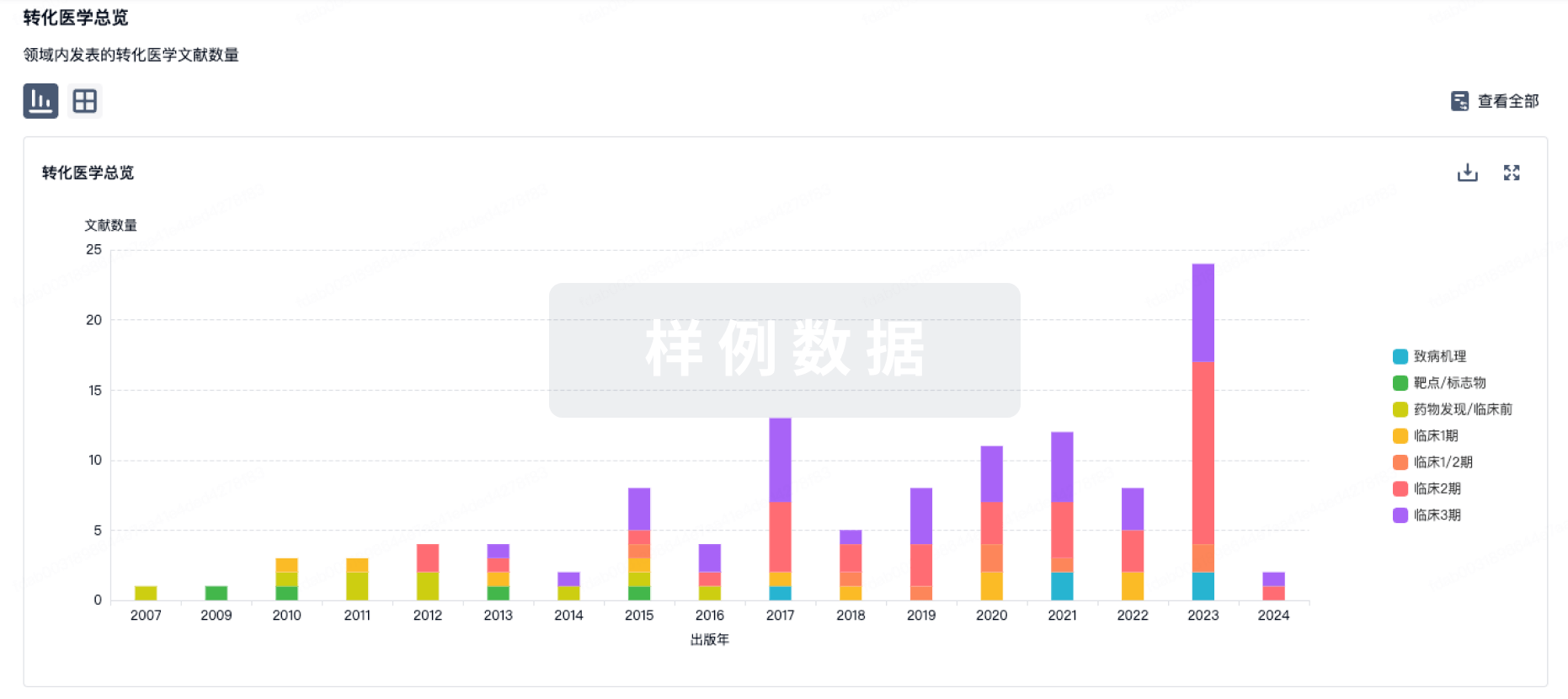
转化医学
使用我们的转化医学数据加速您的研究。
登录
或
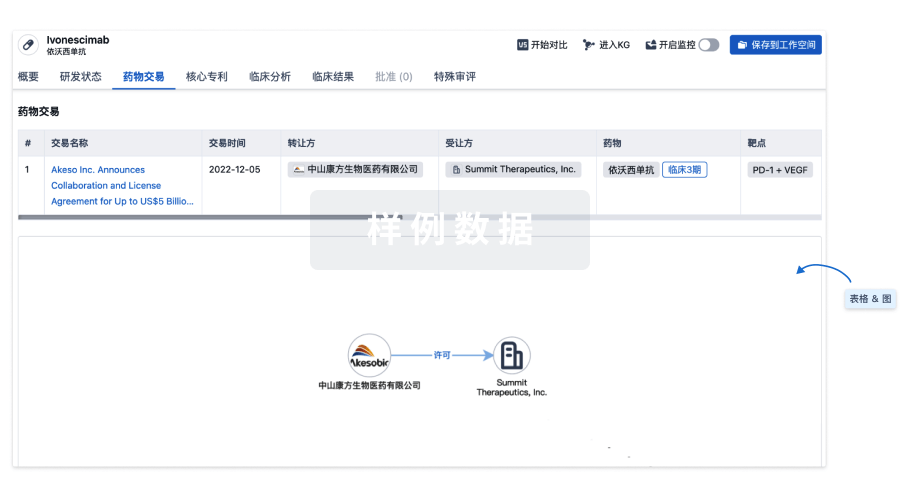
药物交易
使用我们的药物交易数据加速您的研究。
登录
或
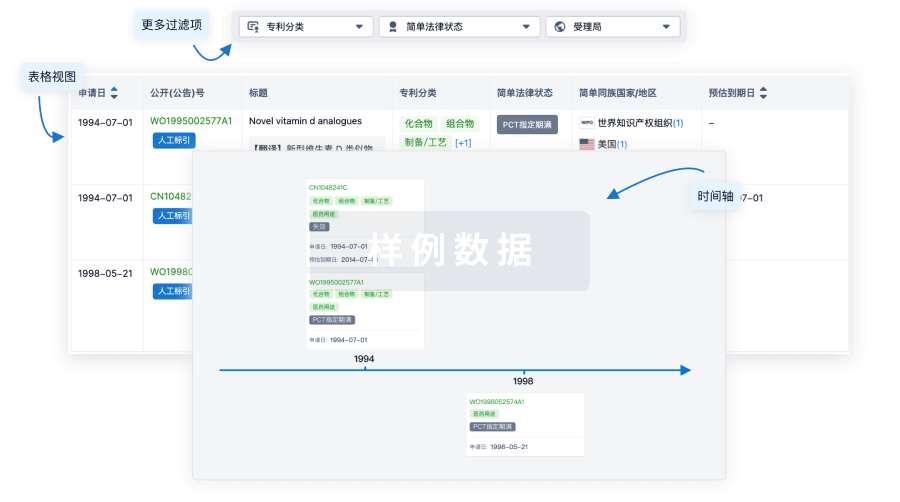
核心专利
使用我们的核心专利数据促进您的研究。
登录
或
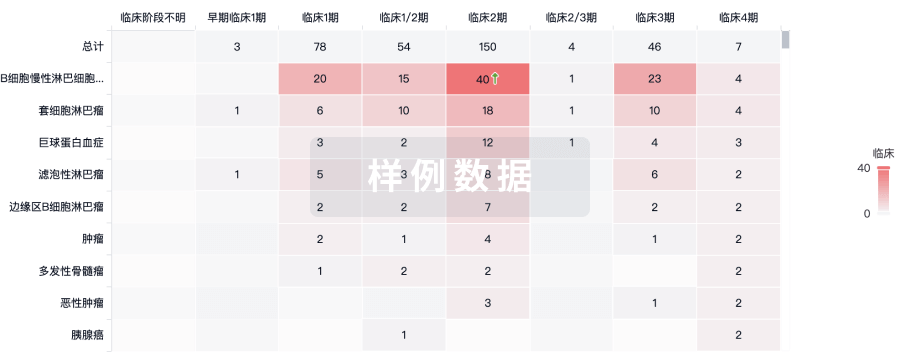
临床分析
紧跟全球注册中心的最新临床试验。
登录
或
批准
利用最新的监管批准信息加速您的研究。
登录
或
特殊审评
只需点击几下即可了解关键药物信息。
登录
或
提出任何生物医药研究问题
让每一步生物医药决策都精准制胜
基于十亿级生物数据与全球情报的精准 AI,赋能早期药物发现
立即开始免费试用!
智慧芽新药情报库是智慧芽专为生命科学人士构建的基于AI的创新药情报平台,助您全方位提升您的研发与决策效率。
立即接入生物医药数据包
智慧芽新药库数据也通过智慧芽开放平台,以MCP或API服务形式对外开放。立即使用我们的MCP服务定制您的LLM智能体。
生物序列数据库
生物药研发创新
免费使用
化学结构数据库
小分子化药研发创新
免费使用