预约演示
更新于:2026-08-15
Astemizole
阿司咪唑
更新于:2026-08-15
概要
基本信息
在研机构- |
权益机构- |
最高研发阶段撤市 |
最高研发阶段(中国)- |
特殊审评- |


登录后查看时间轴
结构/序列
分子式C28H31FN4O |
InChIKeyGXDALQBWZGODGZ-UHFFFAOYSA-N |
CAS号68844-77-9 |
关联
100 项与 阿司咪唑 相关的临床结果
登录后查看更多信息
100 项与 阿司咪唑 相关的转化医学
登录后查看更多信息
100 项与 阿司咪唑 相关的专利(医药)
登录后查看更多信息
1,366
项与 阿司咪唑 相关的文献(医药)2026-09-01·JOURNAL OF STRUCTURAL BIOLOGY
MLAC: MicroED-assisted ligand structure analysis in complexes and its application to hERG–ligand complexes
Article
作者: Iwasaki, Kenji ; Miyashita, Yasuomi ; Saito, Tetsuichiro ; Yamada, Yusuke ; Murata, Takeshi ; Adachi, Naruhiko ; Tanaka, Keita
Accurate determination of ligand structures in protein-ligand complexes is essential for elucidating molecular recognition mechanisms and advancing structure-based drug discovery. Cryogenic electron microscopy (cryo-EM) has emerged as a powerful technique for determining macromolecular structures; however, reliable identification of small-molecule ligands from cryo-EM maps remains challenging, particularly in the absence of accurate initial ligand models. Here, we present MLAC (MicroED-assisted Ligand structure Analysis in Complexes), an integrative framework that combines microcrystal electron diffraction (MicroED) with cryo-EM single-particle analysis (SPA). In MLAC, high-resolution ligand structures determined by MicroED from submicrometer-sized crystals are used as initial models for fitting into cryo-EM maps of protein-ligand complexes. As a proof of concept, previously reported hERG-ligand complexes were reanalyzed. MicroED structures of representative hERG ligands-astemizole, pimozide, and E-4031-were determined at resolutions of 0.66-0.92 Å and then used for model fitting and refinement. Several quantitative metrics, including Q-score, atom inclusion, model-to-map correlation coefficients, clash analysis, and Mogul analysis, together with visual inspection, indicated that MicroED-derived ligand structures can facilitate ligand modeling for astemizole and, to a lesser extent, pimozide, whereas no clear advantage was observed for E-4031. Notably, MicroED frequently revealed structural polymorphs that provided alternative ligand conformations and helped resolve modeling ambiguities, including the chair-boat conformational variability of the piperidine ring and alternative ligand placements in the hERG-astemizole complex. Collectively, these findings support MLAC as a proof-of-concept framework that provides experimentally determined starting models to complement computational ligand-generation approaches.
2026-04-26·CURRENT ISSUES IN MOLECULAR BIOLOGY
The Antihistamine Astemizole Potentiates the Antitumor Efficacy of Sorafenib in Hepatocellular Carcinoma by Suppressing Proliferation, Metastasis, and Angiogenesis.
Article
作者: Zhang, Xiaoliang ; Zhang, Yixuan ; Kong, Dexin ; Yang, Xuting ; Wang, Peiyu ; Wang, Ran ; Chen, Xin
Hepatocellular carcinoma (HCC) is a highly aggressive malignancy with a poor prognosis. While sorafenib serves as the first-line therapy for advanced HCC, its efficacy is frequently hampered by side effects and the development of drug resistance, necessitating the development of novel agents to enhance HCC sensitivity to sorafenib. In this study, we demonstrate that the antihistamine astemizole significantly enhanced the antitumor efficacy of sorafenib in HCC cell lines. This combination treatment cooperatively inhibited HCC cells' proliferation and induced cell cycle arrest at the G1 phase, as evidenced by decreased cyclin D1 and p-Rb levels and increased p27 expression. Furthermore, the combination of astemizole and sorafenib synergistically inhibited HCC cells' migration, invasion, and adhesion. It also reduced F-actin polymerization and the expression of metastasis-regulating proteins, including p-Integrinβ1, FAK, and MMP1. Additionally, the combination treatment suppressed tube formation in HUVECs, accompanied by downregulation of HIF-1α and reduced VEGF secretion. Co-inhibition of Eag1 and the ERK/MAPK signaling pathway may underlie the enhanced anti-HCC effects of sorafenib by astemizole. Collectively, these findings indicate that astemizole significantly enhanced the antitumor activity of sorafenib by inhibiting proliferation, metastasis, and angiogenesis in HCC cells, suggesting its potential as a promising adjuvant to improve sorafenib-based therapy in HCC.
2026-01-29·Toxicology Research
Advancing Torsades de pointes risk prediction: unveiling the role of drug metabolites through molecular docking
Article
作者: Bilgin, Egemen ; Tugcu, Gulcin ; Aydin, Ahmet
Abstract:
This study explores the risk of Torsades de Pointes (TdP) arrhythmia, focusing on the interactions of parent drugs and their metabolites with the Human ether-à-go-go-related gene (hERG) channel, which is crucial in cardiac electrical activity and TdP risk assessment. Using a dual-strategy molecular docking approach with AutoDock Vina and PatchDock, we analyzed clinically relevant ligand pairs: astemizole/desmethylastemizole, terfenadine/fexofenadine, and quetiapine/norquetiapine. Quantitative analysis revealed that high binding affinity does not always correlate with toxicity. For instance, the non-cardiotoxic metabolite fexofenadine exhibited a higher binding affinity (−9.3 kcal/mol) compared to its toxic parent terfenadine (−8.9 kcal/mol), but its safety is explained by physicochemical constraints (zwitterionic nature). Conversely, desmethylastemizole maintained high affinity (−9.2 kcal/mol) with a geometrically “relaxed” fit (Atomic Contact Energy: −338.36), rationalizing its sustained potency. Geometric analysis further distinguished quetiapine as a “steric blocker” (Contact Area: ~588 Å2) causing forced occlusion, whereas its metabolite norquetiapine acted as a specific ligand with a significantly smaller interface area (~417 Å2). These findings highlight the importance of focusing not only on the parent drug but also on metabolites for TdP risk assessment in new drug development. We advocate for an integrated computational framework combining binding energy, geometric complementarity, and physicochemical profiling to enhance the accuracy of early cardiac safety screenings.
35
项与 阿司咪唑 相关的新闻(医药)2026-07-29
前 言
鸟类作为伴侣动物在中国家庭的饲养量持续增长,鹦鹉、雀形目鸟类及其他观赏鸟已成为小动物临床中日益常见的就诊对象。然而,鸟类疾病具有早期症状隐蔽、代谢率高、治疗风险大等显著特点,使得细菌性、真菌性和病毒性感染的诊断与治疗面临诸多挑战。宠物鸟类来源复杂,许多个体存在营养缺陷,饲养环境也可能不佳,这些因素进一步增加了感染风险。面对这些挑战,中国鸟类专科医院兽医与兽医学生亟需一份系统、实用、专业的临床参考手册。
本手册由萌爱康编著,围绕「常见鸟类临床表现:细菌、真菌和病毒感染」这一主题,系统梳理了鸟类常见感染的临床表现、鉴别诊断思路、病原特点、检查要点、治疗原则及常用药物知识。手册内容兼顾临床实用性与学术准确性,既可作为鸟类专科医院兽医的日常临床实践参考,也可作为兽医学生学习小动物执业相关药物知识的教学辅助资料。手册特别强调了分步诊断逻辑、药物选择依据、物种特异性用药调整及人畜共患病防护等关键临床要点。
在内容编排上,手册从鸟类临床诊疗概述入手,依次介绍细菌性感染、真菌性感染与病毒性感染三大类常见感染性疾病,随后系统阐述诊断策略与检查方法、治疗原则与策略、常用药物详解及药物速查表,最后提供临床鉴别诊断要点、脱敏病例示例、公共卫生与人畜共患病、饲养管理与预防等实践性内容。附录部分提供了建议配图清单、参考阅读建议及排版与导出建议,便于读者进一步学习与应用。
需要特别强调的是,本手册所有药物与治疗内容均为临床参考信息,旨在帮助兽医建立系统的诊疗思维框架。实际用药必须结合物种、体重、病情严重程度及实验室检查结果,由具备鸟类诊疗经验的专业兽医综合判断后实施。鸟类药物代谢存在显著的物种差异,部分药物在特定物种中可能产生严重毒副作用(如非洲灰鹦鹉对伊曲康唑的敏感性),临床兽医在用药前务必核实物种特异性剂量与禁忌。本手册不能替代专业兽医的临床判断,也不应作为自行用药的依据。
手册中引用的临床病例均已进行脱敏处理,去除所有可识别个人、机构及病例标识的信息,确保文档可安全用于教学展示与学术交流。病例描述均改写为教学化、去标识化的示例,旨在帮助读者理解临床推理过程与诊疗决策思路,而非提供具体病例的诊疗记录。
希望本手册能够为中国鸟类临床兽医与兽医学生提供有价值的参考,帮助提升鸟类感染性疾病的诊疗水平,降低鸟类感染死亡率,促进鸟类福利与公共卫生安全。由于鸟类临床医学不断发展,手册内容难免存在不足之处,欢迎同行专家与读者提出宝贵意见,以便在后续版本中持续完善。
萌爱康
2026年7月
使用声明与免责条款
本手册由萌爱康编著,旨在为鸟类专科医院兽医及兽医学生提供鸟类感染性疾病的临床参考信息。手册内容基于当前鸟类临床兽医学的公认理论与实践经验编写,但不构成对任何具体病例的诊疗建议。
第一,本手册所有药物剂量、用法及治疗方案均为一般性参考信息。鸟类药物代谢存在显著的物种差异、个体差异及病情差异,实际用药必须由具备鸟类诊疗经验的专业兽医,在充分评估患鸟物种、体重、年龄、健康状况及实验室检查结果后,做出个体化临床判断。手册中的任何内容均不能替代专业兽医的临床评估与判断。
第二,本手册中引用的临床病例均已进行脱敏处理,去除了所有可识别个人、机构及病例标识的信息。病例描述为教学化、去标识化的示例,旨在帮助读者理解临床推理过程,不代表真实病例记录。读者不应将病例内容直接应用于具体临床场景。
第三,鸟类临床医学是一个不断发展的领域,新的研究证据、诊断技术与治疗药物不断涌现。本手册内容反映编写时的认知水平,随着科学进步可能需要更新。建议读者结合最新的学术文献与临床指南,持续更新知识体系。
第四,部分鸟类感染性疾病(如鹦鹉热衣原体病、禽流感等)为人畜共患病,对公共卫生具有潜在风险。兽医在诊疗过程中应采取适当的生物安全措施,保护自身、同事与饲养者的健康。如发现可疑的人畜共患病病例,应按照相关规定向公共卫生部门报告。
第五,本手册版权归萌爱康所有,未经授权不得用于商业用途。手册可作为内部学习资料在专业兽医之间分享,但不得擅自修改内容或去除版权信息。如需引用手册内容,请注明出处。
第一章 鸟类临床诊疗概述
鸟类作为伴侣动物在中国家庭的饲养量逐年增长,鹦鹉、雀形目鸟类及其他观赏鸟已成为小动物临床中日益常见的就诊对象。然而,与犬猫相比,鸟类在解剖结构、生理代谢、疾病表现及药物反应等方面存在显著差异,这使得鸟类临床诊疗对兽医提出了更高的专业要求。鸟类疾病早期症状往往十分隐蔽,患鸟在出现明显临床表现之前可能已经处于疾病中晚期,加之鸟类代谢率高、代偿能力有限,一旦失代偿则病情进展迅速,治疗窗口期短、风险大。
本手册围绕细菌性、真菌性和病毒性三大类常见感染展开,系统梳理其临床表现、鉴别诊断思路、病原特点、检查要点、治疗原则及常用药物知识,旨在为中国鸟类专科医院兽医及兽医学生提供一份兼具学术准确性与临床实用性的参考工具。需要特别强调的是,本手册所有药物与治疗内容均为临床参考信息,实际用药必须结合物种、体重、病情严重程度及实验室检查结果,由具备鸟类诊疗经验的专业兽医综合判断后实施。1.1 鸟类作为特殊病患的临床特点
鸟类在进化过程中形成了独特的解剖与生理适应机制,这些特征直接影响疾病的临床表现与诊疗策略。首先,鸟类具有高度发达的呼吸系统,包括分布于体腔各处的气囊结构,这使得呼吸道感染易于迅速扩散至体腔深部,同时也为气溶胶给药提供了天然的药物递送通道。其次,鸟类代谢率显著高于同体重的哺乳动物,心率快、体温高(通常在40-42°C之间),这意味着药物代谢与清除速度也相应加快,给药间隔往往需要缩短。
鸟类的另一重要临床特点是症状的隐蔽性。作为被捕食动物,鸟类在进化中形成了掩盖疾病表现的本能行为,以避免被天敌发现弱点。因此,患鸟在疾病早期往往仅表现为轻微的精神沉郁、食欲下降或羽毛蓬松,这些细微变化容易被饲养者忽视。当出现明显的呼吸困难、下痢或神经症状时,疾病通常已进展至较严重阶段。这一特点要求兽医在接诊时必须进行细致的病史询问与全面的体格检查,并善于从饲养者提供的有限信息中捕捉有价值的线索。
此外,鸟类的体型差异巨大,从体重仅数克的蜂鸟到体重超过一公斤的大型鹦鹉,药物剂量的精确计算至关重要。小型鸟类对药物毒性的耐受窗口更窄,微量计算误差即可能导致严重后果。同时,不同物种对同一药物的反应可能存在显著差异,例如非洲灰鹦鹉对伊曲康唑的敏感性明显高于其他鹦鹉科鸟类,使用时必须降低剂量并加强监测。这些物种特异性差异是鸟类临床用药中最需要警惕的风险点之一。1.2 宠物鸟类来源与饲养现状
中国宠物鸟类的来源较为复杂,主要包括合法人工繁育个体、进口个体(历史遗留及走私)以及野外捕捉个体。不同来源的鸟类在健康状况、营养基础、应激水平及病原携带状态方面存在显著差异。人工繁育个体通常具有较好的营养基础和适应能力,而野外捕捉或来源不明的个体则可能携带多种隐性病原,且因运输、环境变更等应激因素导致免疫力下降,感染风险显著升高。
饲养环境方面,许多饲养者对鸟类的特殊需求了解不足,常见问题包括笼舍空间狭小、通风不良、温湿度控制不当、饲料单一导致营养缺陷等。其中,全种子饲料(尤其是以葵花籽、花生为主)是最常见的饲养误区之一,这种高脂肪、低维生素A的饲料长期使用会导致慢性营养不良,特别是维生素A缺乏引起的黏膜上皮角化与屏障功能受损,为细菌和真菌的继发感染创造了条件。兽医在接诊时应详细评估饲养环境与饲料配方,将其作为诊断与治疗计划的重要组成部分。
营养缺陷与饲养环境不佳是导致宠物鸟类感染风险升高的两大核心因素。维生素A缺乏不仅直接损害呼吸道与消化道黏膜的完整性,还会影响免疫细胞的功能,使鸟类对病原体的易感性增加。蛋白质、氨基酸及微量元素的不平衡同样会削弱免疫力。环境方面,氨气浓度过高、粉尘过多、湿度异常等均会刺激呼吸道黏膜,为病原微生物的定植与繁殖提供有利条件。因此,在制定治疗方案时,必须同步提出饲养管理与营养改善建议,否则即使暂时控制了感染,也极易复发。1.3 鸟类感染的常见诱因
鸟类感染的发生通常是病原体、宿主免疫力与环境因素三者相互作用的结果。从病原体角度看,细菌、真菌和病毒是三大主要类别,其中细菌性感染最为常见,真菌性感染在特定环境条件下高发,病毒性感染则具有传播快、致死率高、治疗手段有限等特点。从宿主角度看,营养不良、应激、年龄(幼鸟与老龄鸟)、并发疾病等均是重要的易感因素。从环境角度看,饲养密度过高、通风不良、温湿度异常、卫生条件差等是促发感染的关键外部条件。
应激是鸟类感染中一个常被低估但极为重要的诱因。运输、环境变更、新鸟引入、繁殖期、换羽期等均可导致鸟类皮质酮水平升高,进而抑制免疫功能。许多临床病例中,感染的发生往往与近期的应激事件密切相关,例如新购入的鸟类在运输后1-2周内出现呼吸道症状,是临床上十分常见的就诊原因。兽医在病史采集时应特别注意询问近期是否存在环境变更、新鸟混群、饲料更换等应激因素,这有助于判断感染的诱因并制定针对性的管理建议。
此外,鸟类的特殊解剖结构也影响感染的发生与扩散方式。其中,肾脏分流(renal portal system)是鸟类特有的循环结构,来自后肢的静脉血在进入体循环前可部分经肾脏分流。这一结构在临床上有两方面意义:其一,后肢或泄殖腔区域的感染可能通过肾脏分流直接波及肾脏,进而引发败血症;其二,经后肢静脉给予的药物可能部分被肾脏清除,影响血药浓度。因此,在严重感染病例中,败血症的风险评估与给药途径的选择都需要考虑这一解剖特点。1.4 鸟类解剖与生理特点对诊疗的影响
除肾脏分流外,鸟类的其他解剖生理特点也对临床诊疗产生重要影响。呼吸系统方面,鸟类肺部结构相对固定,气体交换主要依赖气囊的 bellows 作用,这使得气溶胶药物能够深入呼吸系统深部,但也意味着呼吸道感染易于迅速波及气囊甚至体腔。消化系统方面,鸟类具有嗉囊、腺胃、肌胃的分化结构,前胃扩张病(PDD)等疾病会影响胃肠道的神经支配与运动功能,导致食物通过障碍与营养不良。
心血管系统方面,鸟类心率远高于哺乳动物(小型鸟类可达300-600次/分钟),这使得在麻醉与急救过程中对循环功能的监测更具挑战性。血液学方面,鸟类红细胞有核,白细胞分类与哺乳动物不同(异嗜性粒细胞对应中性粒细胞),在解读血常规结果时需要使用鸟类专用的参考值。泌尿系统方面,鸟类无膀胱,尿液与粪便在泄殖腔混合排出,尿酸盐是蛋白质代谢的主要终产物,这一特点使得通过粪便观察评估肾脏功能成为可能,但也增加了尿液样本采集的难度。
这些解剖生理特点要求兽医在诊疗过程中采用鸟类专用的评估体系与方法。例如,血液学解读必须使用鸟类参考范围,麻醉方案需要考虑高心率与高代谢的特点,给药途径的选择需要考虑肾脏分流对药物分布的影响。同时,鸟类对操作应激敏感,保定时间应尽量缩短,检查与治疗操作应高效有序,必要时可分次进行以减少应激。临床兽医应持续学习鸟类解剖生理知识,将其作为制定个体化诊疗方案的科学基础。1.5 临床兽医的角色与责任
在鸟类临床诊疗中,兽医承担着诊断者、治疗者、教育者与公共卫生守护者的多重角色。作为诊断者,兽医需要整合病史、体格检查、实验室检测与影像学检查等多维度信息,建立准确的诊断。作为治疗者,兽医需要根据病原种类、物种特性与病情严重程度制定个体化治疗方案,并在治疗过程中动态评估疗效与调整策略。作为教育者,兽医有责任向饲养者普及鸟类健康管理知识,包括合理饲养、营养搭配、环境优化及早期症状识别等,从源头上降低感染发生风险。
作为公共卫生守护者,兽医需要特别关注鸟类人畜共患病的识别与防控。鹦鹉热衣原体病是最重要的鸟类人畜共患病之一,可经呼吸道传播给人类,引起非典型肺炎,严重者可危及生命。兽医在接诊可疑病例时,除对患鸟进行诊疗外,还应提醒饲养者注意个人防护,必要时向公共卫生部门报告。此外,兽医还应关注禽流感、沙门菌病等其他潜在人畜共患病,在诊疗过程中采取适当的生物安全措施,保护自身、同事与饲养者的健康。
临床要点
鸟类临床诊疗的核心原则:早期识别、分步诊断、个体化治疗、全程管理。兽医应建立系统的诊疗思维框架,避免凭经验盲目用药,同时注重饲养者教育与公共卫生责任。所有治疗决策都应基于充分的临床评估与实验室依据,并充分考虑物种特异性差异。
第二章 细菌性感染
细菌性感染是鸟类临床中最常见的感染类型,涵盖革兰阳性菌与革兰阴性菌两大类。鸟类细菌性感染的发生往往与黏膜屏障受损、免疫力下降及环境病原负荷增加密切相关。其中,维生素A缺乏导致的呼吸道与消化道黏膜上皮角化是细菌继发感染的重要基础病变,而肾脏分流的存在使得局部感染易于发展为败血症。本章将系统介绍鸟类常见细菌性感染的病原特点、临床表现、诊断要点与治疗原则。2.1 概述与常见病原
鸟类细菌性感染的病原谱广泛,常见的革兰阴性菌包括大肠杆菌(Escherichia coli)、沙门菌(Salmonella spp.)、克雷伯菌(Klebsiella spp.)、铜绿假单胞菌(Pseudomonas aeruginosa)、巴氏杆菌(Pasteurella spp.)等;常见的革兰阳性菌包括葡萄球菌(Staphylococcus spp.)、链球菌(Streptococcus spp.)、肠球菌(Enterococcus spp.)等。此外,衣原体(Chlamydia psittaci)作为专性胞内寄生病原体,在鹦鹉科鸟类中具有重要的临床与公共卫生意义。
不同病原的致病机制与临床表现各有特点。大肠杆菌与沙门菌主要引起肠道感染与败血症;铜绿假单胞菌常在环境潮湿或伤口污染条件下引发感染,对多种抗生素天然耐药;葡萄球菌多引起皮肤、关节及软组织感染;衣原体则主要侵犯呼吸道与肝脾等网状内皮系统器官。了解各类病原的生物学特性与致病规律,有助于临床兽医在获得培养与药敏结果前进行合理的经验性用药选择。
需要强调的是,细菌培养与药敏试验仍是细菌性感染诊断与治疗的金标准。然而,在临床实践中,样本采集条件、培养周期(通常需要48-72小时甚至更长)及病原体的特殊培养要求(如衣原体需要细胞培养)等因素,常常限制了培养结果的及时性。因此,在等待培养结果期间,兽医需要根据临床表现、细胞学检查结果及流行病学资料进行经验性用药,待药敏结果回报后再行调整。这一「先经验、后靶向」的策略是鸟类细菌性感染治疗的基本框架。2.2 鹦鹉热衣原体病
鹦鹉热衣原体病(Avian Chlamydiosis),又称鹦鹉热(Psittacosis),由鹦鹉热衣原体引起,是鹦鹉科鸟类最重要的细菌性感染之一,同时也是重要的人畜共患病。衣原体为专性胞内寄生菌,可在宿主细胞内形成包涵体,通过呼吸道与消化道排出,经气溶胶与直接接触传播。隐性带毒鸟类是重要的传染源,在应激条件下可激活排毒。临床表现
衣原体感染的临床表现多样,从隐性感染到急性致死性疾病不等。典型症状包括精神沉郁、食欲废绝、羽毛蓬松、眼鼻分泌物增多(常为浆液性至脓性)、呼吸困难、黄绿色腹泻(因肝胆系统受累)等。严重病例可出现消瘦、脱水及多器官衰竭。部分鸟类表现为慢性经过,仅有轻微的间歇性呼吸道症状或体重下降,容易被忽视。幼鸟与免疫力低下的个体病情通常更为严重。诊断要点
衣原体感染的诊断需要结合病史、临床表现与实验室检测。常用的检测方法包括:PCR检测(咽拭子、泄殖腔拭子或粪便样本,灵敏度高、可分型)、血清学检测(间接免疫荧光法检测抗体滴度变化,双份血清抗体升高4倍以上有诊断意义)、细胞学检查(检查细胞内包涵体,敏感性较低)。需要注意的是,单次PCR阴性不能完全排除感染,因为衣原体呈间歇性排毒,必要时需要重复采样。对于高度怀疑病例,可在等待检测结果的同时启动经验性治疗。治疗原则
衣原体感染的治疗首选四环素类药物,其中多西环素(Doxycycline)是临床最常用的药物。治疗周期通常需要持续3-6周,以确保彻底清除病原体,防止复发。给药途径根据病情严重程度选择:轻症病例可口服给药,重症病例需要注射给药并配合支持治疗。治疗期间应将患鸟隔离,避免传播给其他鸟类及人类。同时,应对饲养环境进行彻底清洁消毒,饲养者应注意个人防护,出现发热、咳嗽等可疑症状时及时就医并告知鸟类接触史。
公共卫生警示
鹦鹉热衣原体可经气溶胶传播给人类,引起非典型肺炎,严重者可危及生命。接诊可疑病例时,兽医与饲养者均应佩戴口罩与手套,避免直接接触分泌物。确诊或高度怀疑病例应按规定向公共卫生部门报告。2.3 革兰阴性菌感染
革兰阴性菌是鸟类细菌性感染中最常见的病原群体,其中大肠杆菌、沙门菌和铜绿假单胞菌具有最重要的临床意义。这些细菌通常经粪口途径或经呼吸道感染,在免疫力低下或黏膜屏障受损的鸟类中易于致病。大肠杆菌感染常表现为肠炎、败血症及呼吸道感染;沙门菌感染以急性败血症与肠炎为特征,幼鸟尤其易感;铜绿假单胞菌则多在潮湿环境或伤口污染条件下引发感染,其天然耐药性强,治疗选择有限。大肠杆菌感染
大肠杆菌是鸟类肠道正常菌群的组成部分,但在宿主免疫力下降、肠道菌群失调或发生应激时,可转化为条件致病菌。禽类大肠杆菌感染可表现为多种临床类型,包括脐炎(幼鸟)、呼吸道感染(气囊炎、鼻窦炎)、败血症、输卵管炎及肉芽肿性病变等。诊断依赖于细菌培养与药敏试验,样本可采集自病变组织、血液或分泌物。治疗应根据药敏结果选择敏感抗生素,常用药物包括恩诺沙星、阿莫西林/克拉维酸、头孢类等。同时应纠正潜在的诱因,如改善饲养环境、调整饲料配方等。沙门菌感染
沙门菌感染在鸟类中可引起急性败血症或慢性肠炎,幼鸟与营养不良的个体易感性最高。感染途径主要为经污染饲料、饮水或环境传播。急性病例表现为突然死亡或快速出现的精神沉郁、食欲废绝、黄绿色腹泻、脱水等症状。慢性病例可表现为间歇性腹泻、体重下降及关节肿胀。诊断需要通过粪便或病变组织的细菌培养。治疗包括敏感抗生素的使用(根据药敏结果,常用恩诺沙星、甲氧苄啶/磺胺类等)及积极的支持治疗(补液、营养支持)。沙门菌也是人畜共患病原,应注意生物安全防护。铜绿假单胞菌感染
铜绿假单胞菌是一种环境来源的革兰阴性杆菌,在潮湿环境中广泛存在。鸟类感染多与伤口污染、长期使用抗生素导致菌群失调或免疫抑制有关。临床表现包括伤口感染、皮炎、呼吸道感染及败血症等。铜绿假单胞菌对多种抗生素天然耐药,治疗选择有限,常需根据药敏结果选择哌拉西林、头孢他啶、氨基糖苷类(需谨慎使用,鸟类对氨基糖苷类肾毒性敏感)或氟喹诺酮类。局部感染需要配合外科清创与局部用药。预防的关键在于保持环境干燥清洁与合理使用抗生素。2.4 革兰阳性菌感染
革兰阳性菌感染在鸟类中相对少于革兰阴性菌,但葡萄球菌与链球菌感染在特定临床场景下具有重要意义。葡萄球菌感染多见于皮肤外伤、咬伤或手术后伤口感染,表现为局部红肿、化脓、坏死,严重者可发展为败血症或关节炎。链球菌感染可引起呼吸道感染、败血症及心内膜炎。肠球菌感染多与肠道菌群失调有关。
葡萄球菌感染的治疗需要结合药敏结果,常用药物包括阿莫西林/克拉维酸、头孢类、红霉素等。局部感染需要配合外科处理,包括清创、引流与局部消毒。链球菌感染的治疗原则类似,严重病例需要静脉给药并配合支持治疗。预防方面,减少外伤风险(如修剪笼舍尖锐部位、避免混群打斗)、保持环境清洁及合理使用抗生素是关键措施。2.5 鼻窦炎与上呼吸道细菌感染
鼻窦炎是鸟类常见的上呼吸道细菌感染表现形式,尤其在鹦鹉科鸟类中高发。鸟类的鼻窦结构复杂,一旦发生感染,分泌物易于蓄积且引流困难,导致慢性化与反复发作。鼻窦炎的常见诱因包括维生素A缺乏导致的黏膜上皮角化、环境粉尘与氨气刺激、温差变化引起的应激等。继发感染的细菌多为大肠杆菌、克雷伯菌、铜绿假单胞菌等革兰阴性菌,也可混合感染葡萄球菌等革兰阳性菌。
鼻窦炎的典型临床表现包括单侧或双侧鼻孔分泌物(浆液性至脓性)、眶下窦肿胀(尤其在鹦鹉中明显)、打喷嚏、摇头、呼吸困难等。慢性病例可出现鼻窦内干酪样渗出物蓄积,甚至骨质侵蚀。诊断需要结合临床表现、鼻腔冲洗物的细胞学检查与细菌培养。影像学检查(X线或CT)有助于评估鼻窦内病变的范围与严重程度。
鼻窦炎的治疗包括全身抗生素使用(根据培养与药敏结果选择)、鼻腔冲洗(生理盐水或稀释抗生素溶液)及必要时外科清理鼻窦内蓄积的渗出物。对于维生素A缺乏的病例,需要补充维生素A并改善饲料配方。慢性或反复发作的病例需要排查是否存在异物、肿瘤或解剖结构异常等潜在因素。治疗周期通常需要2-4周甚至更长,饲养者需要有足够的耐心并配合定期复诊。2.6 败血症与肾脏分流的关系
败血症是鸟类细菌性感染中最严重的表现形式之一,可由局部感染扩散或经伤口、消化道直接入血引起。鸟类的肾脏分流结构在这一过程中具有特殊的临床意义。来自后肢与泄殖腔区域的静脉血可经肾脏门脉系统分流,这意味着后肢伤口感染、泄殖腔炎或输卵管感染等局部病灶的细菌可能直接经肾脏进入体循环,增加败血症的风险。同时,经后肢静脉给予的某些药物可能部分被肾脏清除,导致血药浓度低于预期。
败血症的临床表现包括精神极度沉郁、食欲废绝、羽毛蓬松、体温异常(升高或降低)、呼吸困难、黏膜充血或苍白、休克等。实验室检查可见白细胞增多或减少、核左移、血糖异常及器官功能指标异常。败血症的治疗需要紧急而积极,包括广谱抗生素静脉给药(覆盖革兰阳性与阴性菌)、补液与电解质平衡、营养支持及对症治疗。在获得培养与药敏结果前,应采用广谱经验性方案,如阿莫西林/克拉维酸联合氟喹诺酮类,或头孢类联合氨基糖苷类(需评估肾功能)。
临床要点
鉴于肾脏分流的存在,对于后肢或泄殖腔区域的感染,应高度警惕败血症风险,尽早评估全身状况并考虑预防性使用广谱抗生素。给药途径方面,严重感染病例优先选择颈静脉或翅静脉给药,以确保血药浓度达标。2.7 维生素A缺乏与黏膜损伤继发感染
维生素A缺乏是宠物鸟类最常见的营养缺乏症之一,尤其在以全种子饲料(特别是葵花籽、花生为主)饲养的鹦鹉中高发。维生素A是维持黏膜上皮完整性与免疫功能的重要营养素,缺乏时会导致呼吸道、消化道及泌尿生殖道黏膜上皮角化、鳞状化生,黏液分泌减少,屏障功能受损。这一病理变化为细菌(及真菌)的定植与侵入创造了有利条件,是鸟类呼吸道与消化道感染的重要基础病变。
维生素A缺乏的典型病理变化包括口腔、咽部、鼻窦及气囊等部位出现白色小脓疱或角化斑块(由异常角化的上皮细胞与炎性渗出物构成),这些病变常被误认为真菌感染。临床上,患鸟可表现为慢性鼻窦炎、口腔溃疡、吞咽困难、呼吸困难、反复呼吸道感染等症状。诊断需要结合饲养史(全种子饲料)、临床表现与血清维生素A水平检测(如有条件)。
治疗方面,急性期需要给予治疗剂量的维生素A(口服或注射),同时使用抗生素控制继发感染。长期管理的关键在于饲料改革,将全种子饲料转换为配方颗粒饲料,并补充富含维生素A或β-胡萝卜素的蔬果(如胡萝卜、南瓜、深绿色叶菜等)。需要注意的是,维生素A为脂溶性维生素,过量补充可导致中毒,应严格按照推荐剂量使用。饲料改革应循序渐进,避免突然更换导致鸟类拒食。2.8 细菌性感染的临床表现与诊断要点总结
鸟类细菌性感染的临床表现因病原种类、感染部位及宿主状态而异,但常见的一般症状包括精神沉郁、食欲下降、羽毛蓬松、体重减轻、活动减少等非特异性表现。各系统的特征性表现包括:呼吸系统(鼻分泌物、打喷嚏、呼吸困难、气囊炎)、消化系统(呕吐、腹泻、粪便异常)、皮肤与软组织(伤口感染、脓肿、皮炎)及全身性表现(发热、休克、多器官衰竭)。
诊断要点方面,病史采集应重点关注饲养环境、饲料配方、近期应激事件、新鸟引入史及疾病在群体中的传播情况。体格检查应系统全面,包括体重评估、羽毛与皮肤检查、眼耳鼻口检查、心肺听诊、腹部触诊及神经系统评估。实验室检查包括血常规(使用鸟类参考值解读)、生化检查、粪便检查、细菌培养与药敏试验、PCR检测等。影像学检查(X线、CT)有助于评估内部器官病变。建立完整的诊断信息后,才能制定科学合理的治疗方案。
表2-1 鸟类常见细菌性感染病原与临床特点
病原
革兰染色
常见临床表现
首选检测方法
治疗要点
鹦鹉热衣原体
(胞内寄生)
呼吸道症状、肝胆受累、腹泻
PCR、血清学
多西环素3-6周,人畜共患
大肠杆菌
革兰阴性
肠炎、败血症、气囊炎
细菌培养+药敏
根据药敏选药,纠正诱因
沙门菌
革兰阴性
急性败血症、腹泻
粪便培养
敏感抗生素+支持治疗,人畜共患
铜绿假单胞菌
革兰阴性
伤口感染、皮炎、败血症
细菌培养+药敏
药敏指导用药,外科清创
葡萄球菌
革兰阳性
皮肤脓肿、关节炎、败血症
细菌培养+药敏
外科处理+敏感抗生素
链球菌
革兰阳性
呼吸道感染、心内膜炎
细菌培养+药敏
敏感抗生素+支持治疗
第三章 真菌性感染
真菌性感染在鸟类临床中虽然发生率低于细菌性感染,但其诊断难度大、治疗周期长、致死率高,是鸟类临床诊疗中的重点与难点。鸟类真菌性感染以曲霉菌病最为重要,其次为念珠菌病。真菌性感染的发生与环境因素(温暖潮湿、通风不良、粉尘过多)、宿主免疫力(营养不良、应激、免疫抑制)及物种易感性(如金刚鹦鹉对曲霉菌病高度易感)密切相关。本章将系统介绍鸟类常见真菌性感染的病原特点、临床表现、诊断方法与治疗策略。3.1 概述
鸟类真菌性感染的病原主要包括曲霉菌(Aspergillus spp.,以烟曲霉最常见)、念珠菌(Candida spp.)及其他少见真菌(如隐球菌、组织胞浆菌等)。曲霉菌为环境腐生菌,广泛存在于土壤、腐败有机物及潮湿饲料中,鸟类经吸入孢子感染。念珠菌为消化道正常菌群的组成部分,在菌群失调或免疫力下降时过度增殖致病。真菌性感染多为条件致病性感染,宿主免疫状态在发病中起决定性作用。
真菌性感染的临床特点包括:起病隐匿、进展缓慢但一旦失代偿则迅速恶化;病变多累及呼吸系统(曲霉菌病)或消化系统(念珠菌病);诊断需要多种方法联合(细胞学、培养、抗原检测、内镜、PCR等);治疗周期长(通常需要数周至数月),且抗真菌药物在鸟类中的毒副作用需要特别关注。临床兽医在面对慢性、顽固性或反复发作的感染病例时,应高度警惕真菌性感染的可能性。3.2 曲霉菌病
曲霉菌病是鸟类最重要的真菌性感染,由曲霉菌属(主要为烟曲霉 Aspergillus fumigatus,其次为黄曲霉 A. flavus 等)引起。曲霉菌为环境腐生菌,其孢子广泛存在于自然界,鸟类经吸入孢子感染。在温暖潮湿、通风不良、饲料或垫料霉变的环境中,孢子浓度显著升高,感染风险随之增加。同时,营养不良(特别是维生素A缺乏)、应激、免疫抑制及物种易感性(金刚鹦鹉等大型鹦鹉尤为易感)是重要的宿主易感因素。临床表现
曲霉菌病的临床表现因感染部位与病程而异。呼吸道是最常见的受累部位,表现为慢性进行性呼吸困难、运动不耐受、声音改变、咳嗽(部分鸟类)、鼻孔分泌物等。肺部与气囊病变可形成真菌性肉芽肿与干酪样坏死灶,严重者可导致气道阻塞。全身播散型感染可累及肝、脾、肾、脑等器官,出现相应的多器官功能障碍。部分病例表现为慢性消耗,体重持续下降而呼吸道症状不明显。
曲霉菌病的病程通常为慢性经过,从感染到出现明显临床症状可能经历数周至数月。然而,在免疫力严重低下或暴露于高浓度孢子的鸟类中,也可表现为急性暴发性感染,迅速进展为呼吸衰竭。这一临床异质性要求兽医在评估病情时综合考虑环境暴露史、营养状态、物种特性及病程演变等因素。诊断方法
曲霉菌病的诊断需要多种方法联合应用,单一检查方法往往不足以确诊。常用的诊断方法包括:
• 细胞学检查:气管冲洗液或鼻窦冲洗液的细胞学检查,可见炎性细胞与真菌菌丝。操作简便、快速,但敏感性有限,阴性结果不能排除感染。
• 真菌培养:采集呼吸道分泌物或病变组织进行培养,可明确菌种并进行药敏试验。但培养周期长(1-4周),且曲霉菌在环境中广泛存在,存在污染可能,需要结合临床表现解读结果。
• 抗原检测:检测血液或体液中的曲霉菌半乳甘露聚糖抗原,是辅助诊断的重要手段。抗原检测的敏感性约为80%左右,与内镜检查结合可显著提高诊断准确性。但需要注意,抗原检测存在假阴性可能,特别是在局限性病变或非血管侵犯型病例中。
• 内镜检查:可直接观察气管、气囊及体腔内的病变,并可采集活检组织进行组织病理学检查。内镜检查是诊断曲霉菌病的重要手段,可直接观察到典型的真菌性肉芽肿与霉斑,结合活检可确诊。
• 影像学检查:X线或CT检查可发现肺部结节、气囊增厚或浑浊等异常,有助于评估病变范围与严重程度。
• PCR检测:分子生物学方法检测真菌DNA,灵敏度高、特异性强,但需要专业实验室支持。
诊断策略
内镜诊断结合抗原检测是提高曲霉菌病诊断准确性的有效策略,两者联合的敏感性约为80%。但临床兽医必须始终警惕假阴性风险,对于高度怀疑而初次检测阴性的病例,应重复检测或采用多种方法联合评估,避免漏诊。治疗策略
曲霉菌病的治疗需要综合全身抗真菌治疗、局部治疗(雾化、内镜清理)及支持治疗。全身抗真菌药物常用伊曲康唑、伏立康唑、两性霉素B等。伊曲康唑是临床最常用的口服抗真菌药,但需要注意非洲灰鹦鹉对其敏感性增高,需要降低剂量并监测肝功能。伏立康唑对曲霉菌活性更强,可用于严重或伊曲康唑耐药病例。两性霉素B由于肾毒性较大,在鸟类中多采用雾化给药途径,以减少全身副作用。
局部治疗方面,两性霉素B雾化是曲霉菌病的重要辅助治疗手段,可使药物直接作用于呼吸道病变部位,提高局部药物浓度而减少全身毒性。内镜下清理气道内的真菌性肉芽肿与坏死组织,可解除气道梗阻、改善通气功能,并为药物到达病变部位创造条件。支持治疗包括氧疗、营养支持(必要时管饲)、保肝治疗及环境改善(保持干燥、通风、减少粉尘)。治疗周期通常需要6-12周甚至更长,需要定期评估疗效并调整方案。
物种特异性提醒
非洲灰鹦鹉(African Grey Parrot)对伊曲康唑的敏感性显著高于其他鹦鹉科鸟类,使用标准剂量易出现肝毒性等不良反应。对该物种使用伊曲康唑时,应降低剂量(通常为常规剂量的50%-75%),并密切监测肝功能指标。建议优先考虑伏立康唑或特比萘芬等替代药物。3.3 念珠菌病
念珠菌病由念珠菌属(主要为白色念珠菌 Candida albicans)引起,是鸟类消化道最常见的真菌性感染。念珠菌为消化道正常菌群的组成部分,在菌群失调(长期使用广谱抗生素)、免疫力下降(营养不良、应激、幼鸟)或消化道黏膜受损时过度增殖致病。临床上,念珠菌病多见于幼鸟、长期使用抗生素的鸟类及以高糖饲料饲养的鸟类。临床表现
念珠菌病主要累及上消化道,表现为嗉囊炎、口腔炎及食管炎。典型症状包括食欲下降或废绝、呕吐、嗉囊排空延迟(嗉囊内食物滞留、发酵)、口腔内可见白色伪膜或斑块、吞咽困难、体重下降等。嗉囊触诊可感觉内容物异常(积食、积气或积液)。严重病例可因营养不良与继发感染而死亡。幼鸟人工喂养过程中出现嗉囊排空延迟时,应高度怀疑念珠菌感染。诊断与治疗
念珠菌病的诊断可通过嗉囊冲洗液的细胞学检查(可见酵母样细胞及假菌丝)与真菌培养确诊。治疗包括口服抗真菌药物(制霉菌素、氟康唑、伊曲康唑等)、调整饲料(降低糖分、改善配方)及纠正诱因(停用不必要的抗生素、改善卫生条件)。制霉菌素口服是嗉囊与上消化道念珠菌感染的首选局部用药,全身性感染可使用氟康唑或伊曲康唑。同时应给予支持治疗,包括补液、营养支持及益生菌补充。3.4 其他真菌感染
除曲霉菌与念珠菌外,鸟类还可能感染其他真菌,虽然相对少见,但在特定条件下具有重要临床意义。隐球菌感染(Cryptococcus spp.)可经鸽粪等环境来源传播,引起呼吸道与中枢神经系统感染。组织胞浆菌(Histoplasma capsulatum)感染在特定地理区域(土壤中富含鸟粪的区域)的鸟类中可见,表现为呼吸道与网状内皮系统感染。毛霉菌(Mucor spp.)感染多见于免疫力严重低下的鸟类,进展迅速、预后差。
这些少见真菌感染的诊断需要依靠真菌培养与组织病理学检查,治疗需要根据菌种选择敏感的抗真菌药物。由于这些感染多为机会性感染,预防的关键在于改善饲养环境、提高宿主免疫力及避免接触污染源。临床兽医在面对不典型或治疗反应不佳的真菌感染病例时,应考虑少见真菌的可能性,必要时送检专业实验室进行鉴定。3.5 真菌感染的高危因素
真菌性感染的发生是环境暴露、宿主免疫力与病原毒力三者相互作用的结果。环境方面,温暖潮湿的气候条件与通风不良的饲养环境是曲霉菌感染最重要的环境危险因素。饲料或垫料的霉变可产生大量孢子,是重要的暴露源。鸟舍中堆积的粪便与腐败有机物在潮湿条件下成为真菌繁殖的温床。因此,保持环境干燥、通风良好、定期清理与消毒是预防真菌感染的关键措施。
宿主方面,营养不良(特别是维生素A缺乏与蛋白质能量营养不良)、应激(运输、环境变更、繁殖期)、免疫抑制(并发感染、长期使用免疫抑制剂)及年龄因素(幼鸟与老龄鸟)是重要的易感因素。物种方面,金刚鹦鹉等大型鹦鹉对曲霉菌病的易感性显著高于其他鸟类,这可能与遗传因素及解剖生理特点有关。临床兽医在评估真菌感染风险时,应综合考虑上述因素,对高危个体采取预防性管理措施。3.6 鸟类真菌感染的临床表现总结
鸟类真菌性感染的临床表现以慢性进行性为特征,呼吸系统与消化系统是最常见的受累部位。呼吸系统症状(曲霉菌病)包括进行性呼吸困难、运动不耐受、声音改变、鼻分泌物等;消化系统症状(念珠菌病)包括食欲下降、呕吐、嗉囊排空延迟、口腔白色伪膜等。全身性感染可表现为消瘦、贫血、多器官功能障碍。由于症状缺乏特异性,且起病隐匿,真菌性感染的诊断往往需要较长时间,这也是预后不良的重要原因之一。
临床兽医在面对以下情况时应高度警惕真菌性感染的可能性:慢性或反复发作的呼吸道症状、长期使用抗生素后症状未改善或加重、营养不良鸟类的呼吸道症状、大型鹦鹉(特别是金刚鹦鹉)的慢性呼吸系统疾病、幼鸟的嗉囊排空障碍等。对这些高危病例,应尽早启动真菌相关的检查,避免延误诊断。
表3-1 鸟类常见真菌性感染比较
疾病
主要病原
受累系统
高危因素
诊断方法
治疗药物
曲霉菌病
烟曲霉等
呼吸系统(肺、气囊)
潮湿环境、营养不良、金刚鹦鹉
内镜+抗原检测+培养
伊曲康唑、伏立康唑、两性霉素B雾化
念珠菌病
白色念珠菌
上消化道(嗉囊、口腔)
幼鸟、抗生素滥用、高糖饲料
细胞学+培养
制霉菌素、氟康唑、伊曲康唑
隐球菌病
隐球菌
呼吸道、中枢神经
鸽粪接触、免疫抑制
抗原检测+培养
氟康唑、两性霉素B
毛霉菌病
毛霉菌
多系统
严重免疫抑制
组织病理+培养
两性霉素B(预后差)
第四章 病毒性感染
病毒性感染是鸟类临床中致死率最高、治疗手段最有限的一类感染性疾病。与细菌性和真菌性感染不同,病毒性感染目前缺乏特效的抗病毒药物,治疗主要以支持治疗与免疫调节为主。鸟类病毒性感染具有物种特异性强、传播速度快、致死率高及疫苗预防效果有限等特点,给临床诊疗带来巨大挑战。本章将重点介绍前胃扩张病(PDD)、鹦鹉喙羽病(PBFD)、多瘤病毒感染(APV)及疱疹病毒感染(Pacheco病)等鸟类重要病毒性疾病。4.1 概述
鸟类病毒性感染的病原种类繁多,包括DNA病毒与RNA病毒两大类。在鹦鹉科鸟类中具有重要临床意义的病毒性疾病主要包括:前胃扩张病(Proventricular Dilatation Disease, PDD,病原为禽博尔纳病毒 Avian Bornavirus)、鹦鹉喙羽病(Psittacine Beak and Feather Disease, PBFD,病原为圆环病毒 Circovirus)、多瘤病毒感染(Avian Polyomavirus, APV)、疱疹病毒感染(Pacheco病,病原为禽疱疹病毒 Avian Herpesvirus)等。这些疾病各有其独特的流行病学特征、临床表现与预后。
病毒性感染的诊断主要依靠PCR检测(检测病毒核酸)、血清学检测(检测抗体)及组织病理学检查。由于病毒的培养要求高、周期长,临床诊断中PCR是最常用的方法。治疗方面,目前针对鸟类病毒的特效抗病毒药物极为有限,治疗策略以支持治疗(营养支持、继发感染防治、对症治疗)与免疫调节为主。预防方面,疫苗接种是控制部分病毒性疾病(如多瘤病毒)的重要手段,但并非所有病毒性疾病都有可用疫苗。饲养管理与生物安全措施在病毒性疾病的预防中具有不可替代的作用。4.2 前胃扩张病(PDD)
前胃扩张病(Proventricular Dilatation Disease, PDD),又称鹦鹉消耗综合征(Macaw Wasting Disease),是一种主要影响鹦鹉科鸟类的进行性神经性疾病。该病的病原体为禽博尔纳病毒(Avian Bornavirus, ABV),病毒主要攻击胃肠道的自主神经与肠肌间神经丛,导致胃肠道运动功能障碍。PDD是鹦鹉科鸟类最重要的病毒性疾病之一,可感染多种鹦鹉,其中金刚鹦鹉、灰鹦鹉等大型鹦鹉尤为易感。发病机制
禽博尔纳病毒具有嗜神经性,主要感染中枢神经系统与外周神经系统的神经元。在胃肠道,病毒攻击支配前胃、肌胃与肠道的自主神经节与肠肌间神经丛,导致神经节细胞变性、消失,进而引起胃肠道平滑肌运动功能障碍。前胃因失去神经支配而扩张、蠕动减弱或消失,食物无法正常通过与消化,导致消化不良、营养不良与体重下降。除胃肠道外,病毒还可累及中枢神经系统,引起神经症状。临床表现
PDD的临床表现以消化系统与神经系统症状为主。消化系统症状包括:食欲变化(初期可能增加,后期下降)、体重持续下降(尽管可能食欲正常或增加)、排出未消化的完整种子(因肌胃研磨功能丧失)、粪便量增多、前胃扩张(影像学检查可见)、呕吐等。神经系统症状包括:共济失调、抽搐、失明、行为异常等。病程通常为慢性进行性,从出现症状到死亡可能经历数月至数年,但部分病例可急性恶化。
PDD的临床表现具有特征性,排出未消化的完整种子是该病的标志性症状之一,反映了肌胃研磨功能的丧失。体重持续下降而食欲可能正常或增加,这一矛盾现象提示消化吸收功能障碍而非摄入不足。影像学检查(X线或钡餐造影)显示前胃明显扩张是重要的诊断线索。需要注意的是,PDD的临床表现可与其他消化道疾病(如重金属中毒、消化道梗阻、肿瘤等)相似,需要鉴别诊断。诊断方法
PDD的诊断需要结合临床表现、影像学检查与实验室检测。影像学检查方面,X线检查可发现前胃扩张(前胃影增大、食物蓄积),钡餐造影可清晰显示前胃与肌胃的运动功能障碍及扩张程度,是重要的辅助诊断手段。实验室检测方面,PCR检测禽博尔纳病毒RNA(粪便、血液或羽毛样本)是确诊的重要方法。需要注意的是,博尔纳病毒存在间歇性排毒现象,单次检测阴性不能完全排除感染,必要时需要重复检测。
组织病理学检查(剖检或活检)可发现胃肠道神经节细胞变性、消失及淋巴细胞浸润等特征性病变,是确诊的金标准,但通常需要剖检才能获得足够的组织样本。临床诊断中,通常综合临床表现、影像学特征与PCR检测结果进行判断。对于高度怀疑而PCR阴性的病例,可结合钡餐造影结果与临床表现做出临床诊断,并启动支持治疗。治疗与预后
PDD目前缺乏特效治疗方法,治疗以支持治疗与对症治疗为主。支持治疗包括:易消化的糊状饲料(替代全种子饲料,减轻消化道负担)、营养支持(必要时管饲)、补充消化酶与益生菌、维持水与电解质平衡等。对症治疗包括使用促胃肠动力药物(如甲氧氯普胺,需谨慎使用)、止吐药及防治继发感染(因肠道菌群易位导致细菌感染)。部分研究探索了非甾体抗炎药(如塞来昔布)的抗炎作用,但其疗效尚需进一步验证。
PDD的预后通常不良,多数病例最终因营养不良、继发感染或神经功能恶化而死亡。然而,部分病例在积极的支持治疗下可维持较长时间的生活质量,病程进展速度存在个体差异。饲养者需要充分了解疾病的性质与预后,做好长期管理的心理与经济准备。同时,由于PDD具有传染性,患鸟应与其他鸟类隔离,饲养环境需要严格消毒。4.3 鹦鹉喙羽病(PBFD)
鹦鹉喙羽病(Psittacine Beak and Feather Disease, PBFD)由圆环病毒(Circovirus)引起,是鹦鹉科鸟类最重要的病毒性疾病之一。PBFD主要影响幼鸟与青年鸟,引起羽毛发育异常与喙部病变,致死率高。病毒主要攻击快速分裂的细胞,包括羽毛囊上皮细胞、喙部基底细胞及淋巴组织,导致羽毛畸形、喙部变形及免疫抑制。临床表现
PBFD的临床表现因感染年龄与宿主免疫状态而异。幼鸟感染通常表现为急性型,病情进展迅速,出现羽毛发育异常(羽毛短小、畸形、易折断、出血)、喙部变形(喙过长、断裂、变形)、免疫抑制(易继发细菌、真菌感染)及全身衰竭,常在数周至数月内死亡。成年鸟感染可能表现为慢性型,羽毛逐渐异常脱落与畸形,病程可持续数月至数年。部分成年鸟感染后可能清除病毒而不发病,成为隐性带毒者。
羽毛病变是PBFD最特征性的临床表现。患鸟的羽毛表现为进行性异常:新生的羽毛短小、弯曲、畸形、易折断,羽毛鞘滞留不脱落,羽毛出血(因羽毛鞘内血管破裂)。随着病程进展,患鸟逐渐失去正常羽毛,最终可能全身裸露。喙部病变表现为喙的过度生长、变形、纵向裂纹及断裂,影响采食。免疫抑制使患鸟易继发各种感染,是死亡的重要原因之一。诊断与防治
PBFD的诊断主要依靠PCR检测(血液或羽毛样本中的圆环病毒DNA),方法成熟、灵敏度高。组织病理学检查可见羽毛囊上皮细胞内的病毒包涵体。需要注意的是,PBFD病毒存在不同基因型,不同基因型对不同鹦鹉物种的致病性可能不同。所有新购入的鹦鹉均应进行PBFD筛查,阳性个体应隔离管理。
PBFD目前缺乏特效治疗方法,治疗以支持治疗与防治继发感染为主。预后与感染年龄密切相关:幼鸟感染预后极差,多数死亡;成年鸟慢性型预后稍好,但最终也多因继发感染或衰竭死亡。预防方面,疫苗接种是重要手段,已有灭活疫苗可用,建议在幼鸟早期接种。然而,疫苗对已感染或带毒鸟类效果有限,因此疫苗接种应结合筛查与隔离措施综合实施。所有鹦鹉繁育场与多鸟家庭均应建立PBFD的筛查与管理制度。4.4 多瘤病毒感染(APV)
多瘤病毒感染(Avian Polyomavirus, APV)是鹦鹉科幼鸟的重要病毒性疾病,致死率高,特别是在2-4周龄的幼鸟中可引起急性死亡。APV为DNA病毒,主要感染快速分裂的细胞,特别是羽毛囊上皮细胞与内脏器官。病毒经粪便、羽毛粉尘及分泌物排出,传播能力强,在繁育场中可造成幼鸟大量死亡。临床表现
APV感染的临床表现因年龄而异。幼鸟(特别是2-4周龄)感染通常表现为急性型,可在24-48小时内死亡,症状包括突然的精神沉郁、食欲废绝、皮下出血(腹部、颈部可见淤斑)、呕吐、腹泻等,部分幼鸟可能无明显前驱症状即突然死亡。青年鸟与成年鸟感染可能表现为慢性型或隐性感染,成为病毒携带者与传播源。成年鸟通常不表现明显临床症状,但可持续排毒,是繁育场中病毒传播的重要来源。诊断与防治
APV的诊断依靠PCR检测(血液、粪便或羽毛样本中的病毒DNA)与组织病理学检查(可见内脏器官的坏死性病变及细胞内病毒包涵体)。在繁育场中,应对所有种鸟进行APV筛查,阳性个体应隔离或淘汰,避免垂直传播与水平传播。
预防方面,多瘤病毒疫苗是降低幼鸟死亡率的有效手段。疫苗接种策略通常为:种鸟在繁殖前接种,通过母源抗体保护幼鸟早期;幼鸟在适当日龄(通常为数周龄)接种。疫苗可显著降低幼鸟的死亡率,但对成年带毒鸟类的清除效果有限,因此疫苗接种必须结合筛查与隔离措施。在多鸟环境中,严格的生物安全措施(隔离新鸟、消毒、避免交叉污染)是控制APV传播的关键。
疫苗应用要点
多瘤病毒疫苗可有效降低幼鸟死亡率,建议在繁育场中常规使用。但需注意:疫苗对成年带毒鸟类效果有限,不能替代筛查与隔离措施。完整的APV防控策略应包括:种鸟筛查、阳性个体管理、疫苗接种与环境生物安全。4.5 疱疹病毒感染(Pacheco病)
Pacheco病由禽疱疹病毒(Avian Herpesvirus)引起,是鹦鹉科鸟类的急性致死性病毒性疾病。该病传播迅速、致死率高,常在应激条件下(运输、环境变更、繁殖期)暴发。病毒经粪便与呼吸道分泌物排出,通过直接接触与气溶胶传播。隐性带毒鸟类是重要的传染源,在应激条件下可激活排毒。临床表现与诊断
Pacheco病的临床表现以急性死亡为特征,患鸟可能在出现症状后数小时至数天内死亡。前驱症状可能包括精神沉郁、食欲下降、腹泻(常为黄绿色,因肝坏死)等,但许多病例无明显前驱症状即突然死亡。剖检可见肝脏肿大、坏死及脾脏病变等特征性改变。诊断依靠PCR检测(粪便、血液或组织样本中的病毒DNA)与组织病理学检查(肝脏坏死性病变及细胞内包涵体)。防治
Pacheco病目前缺乏特效治疗方法。在暴发期间,可使用阿昔洛韦等抗疱疹病毒药物进行经验性治疗,但疗效有限。预防的关键在于严格的生物安全措施:隔离新引入鸟类(至少30天检疫)、避免应激、保持环境清洁及消毒。一旦发生暴发,应立即隔离病鸟、对接触鸟类进行监测,并对环境进行彻底消毒。由于隐性带毒鸟类的存在,Pacheco病的彻底清除十分困难,繁育场需要建立长期的管理制度。4.6 病毒性感染的物种特异性
鸟类病毒性感染具有显著的物种特异性,不同病毒对不同物种的致病性存在差异。例如,PBFD主要感染鹦鹉科鸟类,其中非洲灰鹦鹉、葵花鹦鹉等尤为易感;APV在多种鹦鹉中均可致病,但幼鸟的易感性显著高于成年鸟;PDD在金刚鹦鹉、灰鹦鹉等大型鹦鹉中更为常见。这种物种特异性与病毒的受体分布、宿主免疫反应及遗传因素等密切相关。
了解病毒性感染的物种特异性对临床诊断与风险评估具有重要意义。兽医在接诊时,应根据患鸟的物种、年龄及临床表现,评估不同病毒感染的可能性,并选择相应的检测方法。例如,对于出现羽毛异常的幼年灰鹦鹉,应优先排查PBFD;对于出现前胃扩张症状的金刚鹦鹉,应优先排查PDD;对于繁育场中幼鸟的急性死亡,应排查APV与Pacheco病。这种基于物种与年龄的风险评估有助于提高诊断效率与准确性。4.7 疫苗预防策略
疫苗接种是预防鸟类病毒性疾病的重要手段,但目前可用的鸟类疫苗种类有限。多瘤病毒疫苗是临床应用最广泛的鸟类疫苗之一,可有效降低幼鸟死亡率。PBFD疫苗也有应用,但其效果因感染状态而异。其他病毒性疾病(如PDD、Pacheco病)目前尚无可用疫苗。
疫苗接种策略应根据鸟类的来源、年龄、饲养环境及疾病流行情况制定。对于繁育场中的种鸟与幼鸟,建议建立常规疫苗接种计划。对于宠物鸟,新购入后应进行健康检查与疾病筛查,根据风险评估决定是否接种疫苗。需要强调的是,疫苗并非万能,疫苗接种必须结合筛查、隔离与生物安全措施才能有效控制病毒性疾病的传播。饲养者应充分了解疫苗的适用范围、接种程序与局限性,在兽医指导下制定合理的免疫计划。
表4-1 鸟类主要病毒性感染比较
疾病
病原
主要宿主
临床表现
诊断方法
疫苗
前胃扩张病(PDD)
禽博尔纳病毒
鹦鹉科(大型鹦鹉)
前胃扩张、排出未消化种子、消瘦、神经症状
PCR、钡餐造影、组织病理
无
鹦鹉喙羽病(PBFD)
圆环病毒
鹦鹉科(幼鸟为主)
羽毛畸形脱落、喙变形、免疫抑制
PCR(血液/羽毛)
有(灭活疫苗)
多瘤病毒感染(APV)
多瘤病毒
鹦鹉科(幼鸟为主)
幼鸟急性死亡、皮下出血
PCR、组织病理
有
Pacheco病
禽疱疹病毒
鹦鹉科
急性死亡、肝坏死
PCR、组织病理
无(实验性)
第五章 诊断策略与检查方法
鸟类感染性疾病的诊断是一个系统性的临床推理过程,需要整合病史信息、体格检查发现、实验室检测结果与影像学检查所见,逐步缩小鉴别诊断范围,最终建立准确诊断。由于鸟类疾病早期症状隐蔽且非特异性,兽医必须采用分步诊断逻辑,从最基础、最快速的检查入手,根据初步结果决定下一步检查方向,避免盲目检查或过度检查。本章将系统介绍鸟类感染诊断中常用的检查方法及其临床应用策略。5.1 病史采集要点
病史采集是诊断的第一步,也是信息量最大、成本最低的检查手段。鸟类病史采集应系统全面,涵盖以下关键领域:鸟类基本信息(物种、年龄、性别、来源、饲养时间)、饲养环境(笼舍类型、大小、位置、温湿度、通风、光照)、饲料配方(种子种类、颗粒饲料、蔬果、补充剂)、日常行为与食欲变化、近期应激事件(运输、环境变更、新鸟引入、繁殖、换羽)、疾病在群体中的传播情况及既往病史与用药史。
在病史采集中,兽医应善于使用开放式与封闭式问题相结合的技巧。首先使用开放式问题(如「请描述您观察到的异常情况」)让饲养者自由叙述,获取整体印象;然后使用封闭式问题(如「粪便颜色是否变绿」、「食欲下降持续多久了」)获取具体信息。特别需要关注的是症状的时间线——症状出现的时间、进展速度、变化规律等,这些信息对判断疾病的性质与严重程度具有重要参考价值。同时,应评估饲养者描述的可靠性,必要时通过追问与交叉验证获取准确信息。
来源信息是鸟类病史中一个具有特殊诊断价值的要素。新购入的鸟类(特别是来源不明或近期经过运输的个体)感染风险显著升高,应重点排查衣原体、PBFD、APV等常见传染病。繁育场或鸟舍中多只鸟类同时发病提示传染性疾病的可能。饲养环境与饲料方面的信息有助于评估营养状态与环境诱因,如全种子饲料提示维生素A缺乏风险,通风不良提示呼吸道感染风险。这些信息为后续的体格检查与实验室检测提供了方向性指引。5.2 体格检查
体格检查是诊断的核心环节,应系统有序地进行。鸟类体格检查的基本流程包括:远距离观察(在鸟类尚未被保定时观察其精神状态、姿势、呼吸模式、羽毛状态)、称重(体重是鸟类健康的重要指标,建议每次就诊均称重并与既往记录比较)、系统检查(从头到尾依次检查眼、耳、鼻、口、皮肤、羽毛、心肺、腹部、四肢及神经系统)。检查过程中应注意鸟类的应激反应,操作轻柔高效,必要时可分次完成全面检查。重点检查部位与发现
眼部检查应注意有无分泌物、肿胀、结膜充血及角膜混浊等。鼻部检查应注意鼻孔是否通畅、有无分泌物及眶下窦是否肿胀。口腔检查应注意黏膜颜色、有无伪膜、溃疡或角化斑块(维生素A缺乏的特征性表现)。羽毛与皮肤检查应注意羽毛质量(是否完整、有光泽、有无畸形或折断)、皮肤有无红肿、结痂或肿块。心肺听诊应注意心率与心律、呼吸音是否正常、有无杂音或异常呼吸音。腹部触诊应注意有无肿块、积液或器官肿大。
体格检查中的体重评估具有特别重要的意义。鸟类体重变化是健康状况的敏感指标,定期称重(建议每周或每两周一次)并记录体重曲线,有助于早期发现疾病。体重下降超过正常体重的10%即提示需要进一步检查。同时,体况评分(通过胸肌触诊评估)也是评估营养状态的重要方法。临床兽医应鼓励饲养者养成定期称重的习惯,并在每次就诊时参考体重记录,这为疾病的早期识别与疗效评估提供了客观依据。5.3 鼻腔冲洗与细胞学检查
鼻腔冲洗是一种简单、快速且信息量丰富的诊断技术,适用于表现为鼻分泌物、打喷嚏或眶下窦肿胀的鸟类。操作方法为:将适量温热无菌生理盐水注入一侧鼻孔,从另一侧鼻孔或口腔收集冲洗液,进行细胞学检查与微生物培养。冲洗液中可观察到炎性细胞(异嗜性粒细胞、淋巴细胞、巨噬细胞)、细菌、真菌孢子或菌丝等,为诊断提供重要线索。
细胞学检查是鼻腔冲洗液评估的核心。正常的鼻腔冲洗液中可见少量上皮细胞与偶见的炎性细胞。细菌性感染时可见大量异嗜性粒细胞与细菌(注意区分病原菌与正常菌群,细胞内细菌更具诊断意义)。真菌性感染时可见真菌菌丝(曲霉菌的特征性表现为有隔分枝菌丝)或酵母样细胞(念珠菌)。细胞学检查的优点是快速(数分钟内可获得结果)、成本低,可作为初步筛查与经验性用药的依据。然而,细胞学检查的敏感性有限,阴性结果不能排除感染,必要时应结合培养与PCR等进一步检查。
除鼻腔冲洗外,气管冲洗与嗉囊冲洗也是常用的细胞学检查手段。气管冲洗适用于下呼吸道感染的评估,操作方法为经气管注入少量生理盐水后立即抽吸回收。嗉囊冲洗适用于上消化道感染的评估,特别是念珠菌病的诊断。所有冲洗液样本均应同时进行细胞学检查(快速筛查)与微生物培养(明确病原与药敏),以最大化诊断信息。在采集样本时,应注意无菌操作,避免污染影响结果解读。5.4 影像学检查
影像学检查是鸟类感染诊断的重要辅助手段,可评估内部器官的形态与结构变化。鸟类常用的影像学检查方法包括X线检查与钡餐造影,在条件允许的情况下CT检查可提供更精细的影像信息。X线检查适用于评估骨骼病变、内脏器官肿大、气体异常分布及异物等。在感染性疾病的诊断中,X线检查可发现肺部结节(曲霉菌病的肉芽肿)、气囊浑浊或增厚(气囊炎)、肝脾肿大(败血症或衣原体感染)等异常。钡餐造影
钡餐造影是评估鸟类消化道功能与形态的重要方法,特别适用于前胃扩张病(PDD)的诊断。操作方法为:经口或管饲给予适量钡剂后,在不同时间点拍摄X线片,观察钡剂在消化道内的通过情况。正常鸟类的钡剂应在数小时内通过前胃与肌胃,进入肠道。PDD患鸟的钡餐造影可见前胃明显扩张、钡剂滞留时间延长、肌胃运动减弱等特征性改变。钡餐造影还可用于评估消化道梗阻、异物及肿瘤等病变。
CT检查在鸟类影像学诊断中的应用日益增多,其优势在于可提供横断面影像,避免了X线检查中器官重叠的问题,对肺部、气囊及内脏器官的病变评估更为精细。然而,CT检查需要全身麻醉,成本较高,在临床实践中应根据需要选择。影像学检查结果应结合临床表现与实验室检测结果综合解读,避免仅凭影像学发现做出诊断。5.5 实验室检测
实验室检测是鸟类感染诊断的核心,包括血液学检查、生化检查、微生物学检测(培养与药敏)、分子生物学检测(PCR)及血清学检测等。这些检测方法各有优缺点与适用范围,兽医应根据临床需要选择合适的检测组合。血液学与生化检查
血常规检查可评估鸟类的全身炎症反应与血液学状态。鸟类血常规的解读需要使用鸟类专用的参考值,注意鸟类红细胞有核、白细胞分类以异嗜性粒细胞(对应哺乳动物中性粒细胞)为主等特点。细菌感染时常见异嗜性粒细胞增多伴核左移;病毒感染时可能出现白细胞减少;慢性感染可见单核细胞增多及贫血。生化检查可评估器官功能,包括肝功能(AST、胆汁酸等)、肾功能(尿酸、磷等)及营养状态(血糖、总蛋白、白蛋白等),为疾病严重程度评估与治疗方案制定提供依据。细菌培养与药敏试验
细菌培养与药敏试验是细菌性感染诊断与治疗的金标准。培养可明确病原菌种类,药敏试验可指导抗生素选择。样本采集应根据病变部位选择:呼吸道感染采集鼻窦或气管冲洗液,消化道感染采集粪便或嗉囊冲洗液,伤口感染采集脓性分泌物,败血症采集血液。样本采集应在使用抗生素前进行,如已使用抗生素,需在结果解读时考虑药物对培养的影响。培养周期通常为48-72小时,厌氧菌或特殊病原可能需要更长时间。在等待培养结果期间,可根据细胞学检查结果与临床判断进行经验性用药。PCR检测
PCR(聚合酶链式反应)检测是病毒性感染诊断的主要方法,也可用于衣原体等特殊病原的检测。PCR检测具有灵敏度高、特异性强、出结果快(通常1-3天)等优点。样本类型根据目标病原选择:衣原体检测采集咽拭子或泄殖腔拭子,PBFD检测采集血液或羽毛,APV检测采集血液或粪便,PDD检测采集粪便或血液。需要注意,部分病毒存在间歇性排毒现象,单次PCR阴性不能完全排除感染,必要时需要重复检测。PCR检测还可用于治疗效果监测与带毒状态筛查。真菌培养与抗原检测
真菌培养可明确真菌种类并进行药敏试验,但培养周期较长(1-4周),且环境中真菌广泛存在,存在污染可能。曲霉菌抗原检测(半乳甘露聚糖检测)是辅助诊断曲霉菌病的重要手段,与内镜检查结合可提高诊断准确性(敏感性约80%)。真菌检测的阴性结果需要谨慎解读,特别是对于高度怀疑真菌感染的病例,应采用多种方法联合检测,必要时重复检测。5.6 内镜检查
内镜检查是鸟类临床中一种重要的诊断与治疗手段,可直接观察体腔内器官的形态与病变,并可进行活检与治疗操作。在感染性疾病的诊断中,内镜检查主要用于评估呼吸道(气管、气囊)与消化道(嗉囊、前胃)的病变。曲霉菌病的内镜检查可直接观察到气管或气囊内的真菌性肉芽肿与霉斑,并可采集活检组织进行组织病理学检查确诊。内镜检查还可用于评估前胃扩张病的胃肠道病变及清除气道内的阻塞物。
内镜检查需要全身麻醉,操作风险与操作者的经验密切相关。在进行内镜检查前,应充分评估鸟类的麻醉风险(特别是严重呼吸困难的鸟类),并做好术前准备。内镜检查的优势在于可直接观察病变并获取组织样本,是其他检查方法无法替代的。然而,内镜检查的侵入性较强,成本较高,通常在其他检查方法无法确诊时使用,或作为治疗手段(如内镜下清理真菌性肉芽肿)使用。临床兽医应根据设备条件与操作经验,合理选择内镜检查的适应证。5.7 分步诊断逻辑
鸟类感染性疾病的诊断应遵循分步逻辑,从基础检查入手,根据结果逐步深入,避免盲目检查或过度检查。以下是一个推荐的分步诊断流程:
1「, 」第一步:病史采集与体格检查。获取全面的病史信息,进行系统的体格检查,形成初步的鉴别诊断列表。这一步骤成本低、信息量大,是诊断的基础。.
2「, 」第二步:基础实验室检查。包括血常规、生化检查与粪便检查。这些检查可评估全身状况、器官功能及消化道状态,为诊断提供方向性指引。.
3「, 」第三步:针对性检查。根据初步评估结果选择针对性检查:呼吸道症状→鼻腔冲洗细胞学+培养;消化道症状→钡餐造影+粪便培养;怀疑衣原体→PCR检测;怀疑真菌→抗原检测+内镜;怀疑病毒→PCR检测。.
4「, 」第四步:高级检查。在上述检查无法确诊时,考虑内镜检查、CT检查或组织病理学检查等高级检查手段。.
5「, 」第五步:治疗性诊断。在极少数情况下,当所有检查均无法明确诊断但临床高度怀疑某种疾病时,可启动经验性治疗,根据治疗反应反推诊断。但这种方法应谨慎使用,避免掩盖真实病情。.
分步诊断的核心原则
每一步检查的结果都应指导下一步检查的方向,形成「信息→决策→检查→信息」的循环。避免一次性安排所有检查(浪费资源、增加应激),也避免在信息不足时盲目用药。诊断与治疗可以并行推进——在等待检查结果期间,可根据临床判断启动经验性治疗,待结果回报后调整方案。
第六章 治疗原则与策略
鸟类感染性疾病的治疗是一个系统工程,需要综合考虑病原特性、宿主状态、药物特点与环境管理等多个维度。与犬猫临床相比,鸟类治疗面临更高的风险——代谢率高导致药物代谢快、给药困难、应激敏感、物种差异大等因素都增加了治疗的复杂性。本章将系统阐述鸟类感染治疗的基本原则、经验性用药策略、针对性治疗方案、支持治疗与营养管理,以及物种特异性用药调整等核心内容。6.1 总体治疗原则
鸟类感染治疗应遵循以下基本原则:第一,早期干预。鸟类疾病进展迅速,早期治疗可显著改善预后,一旦建立初步诊断或高度怀疑诊断,即应启动治疗。第二,个体化方案。治疗方案必须根据物种、体重、年龄、病情严重程度及并发症等因素个体化制定,避免「一刀切」的标准方案。第三,综合治疗。感染治疗不仅是抗微生物药物的使用,还包括支持治疗、营养管理、环境改善与饲养者教育等多方面措施。第四,动态评估。治疗过程中应定期评估疗效,根据病情变化与检查结果调整治疗方案。
第五,安全第一。鸟类对药物毒性的耐受窗口较窄,用药时必须充分考虑药物的安全性,特别是物种特异性毒性(如非洲灰鹦鹉对伊曲康唑敏感、所有鸟类对伊维菌素需谨慎使用等)。第六,合理使用抗生素。应遵循「先培养、后用药」的原则,在培养与药敏结果指导下选择抗生素,避免滥用广谱抗生素导致菌群失调与耐药性产生。第七,关注公共卫生。对于人畜共患病(如鹦鹉热),治疗过程中应采取适当的生物安全措施,保护兽医、饲养者及公众健康。6.2 经验性用药原则
经验性用药是指在获得培养与药敏结果前,根据临床表现、细胞学检查结果及流行病学资料选择抗生素的治疗策略。经验性用药是鸟类临床中的常见做法,因为培养结果通常需要48-72小时甚至更长,而鸟类病情进展迅速,不能等待。然而,经验性用药必须遵循科学原则,避免盲目使用广谱抗生素。
经验性用药的选择应基于以下因素:感染部位与可能病原(呼吸道感染多由革兰阴性菌引起,皮肤感染多由革兰阳性菌引起)、细胞学检查结果(革兰染色可初步判断细菌类型)、病情严重程度(轻症可口服给药,重症需注射给药)、物种特性(避免使用对该物种有毒性的药物)及当地耐药性流行情况。对于败血症等危及生命的严重感染,应采用广谱经验性方案,覆盖革兰阳性与阴性菌,如阿莫西林/克拉维酸联合恩诺沙星,或头孢类联合氟喹诺酮类。
经验性用药的疗程应根据治疗反应与培养结果调整。一旦获得培养与药敏结果,应根据结果将经验性方案调整为针对性方案(降阶梯治疗)。如果经验性用药有效而培养结果尚未回报,可继续当前方案直至完成疗程。如果经验性用药无效,应及时调整方案或重新评估诊断。需要强调的是,经验性用药不等于随意用药,必须基于临床推理与科学依据,并在治疗过程中持续评估与调整。6.3 针对性治疗策略
针对性治疗是指在明确病原与药敏结果后,选择最合适的抗微生物药物进行治疗。针对性治疗的优势在于疗效确切、副作用小、耐药性风险低。对于细菌性感染,应根据药敏试验结果选择敏感抗生素,优先选择窄谱抗生素以减少对正常菌群的干扰。对于真菌性感染,应根据真菌种类与药敏选择抗真菌药物,并注意药物在鸟类中的毒副作用。对于病毒性感染,由于缺乏特效抗病毒药物,治疗以支持治疗与防治继发感染为主。
针对性治疗的疗程因疾病类型与严重程度而异。一般原则是:轻症感染疗程7-14天,重症感染疗程2-4周或更长,衣原体感染疗程3-6周,真菌感染疗程6-12周或更长。疗程过短可能导致复发或转为慢性,疗程过长则增加副作用与耐药性风险。治疗过程中应定期评估疗效,包括临床症状改善、体重恢复、实验室指标正常化等。疗程结束后应进行复查,确认感染已彻底清除。6.4 支持治疗与护理
支持治疗是鸟类感染治疗中不可或缺的组成部分,对于重症病例尤为重要。支持治疗的目标是维持生命体征稳定、纠正水与电解质紊乱、提供营养支持及防治并发症。具体措施包括:保温(鸟类在疾病状态下体温调节能力下降,应提供适宜的环境温度,通常在28-32°C之间)、补液(皮下、静脉或骨内途径,根据脱水程度与电解质状态选择液体类型与速度)、氧疗(对于呼吸困难的鸟类,提供氧气支持)、营养支持(必要时管饲)及疼痛管理。
护理方面,患鸟应安置在安静、温暖、光线适宜的环境中,减少应激。笼底铺设柔软清洁的垫料,定期清理排泄物。食物与饮水应放置在易于获取的位置,必要时提供多种食物选择以刺激食欲。对于无法自主进食的鸟类,需要管饲给予流质营养饲料。护理过程中应密切观察患鸟的精神状态、食欲、排泄物及呼吸情况,及时发现病情变化并调整护理方案。良好的护理可显著提高治疗效果与生存率。6.5 营养管理
营养管理是鸟类感染治疗与预防中的关键环节。营养不良既是感染的诱因,也是感染的结果,形成恶性循环。因此,在治疗感染的同时,必须同步评估与改善鸟类的营养状态。营养评估应包括体重与体况评分、饲料配方分析、血清蛋白与维生素水平(如有条件)等。对于营养不良的鸟类,应制定渐进式的营养改善计划,避免突然改变饲料导致拒食或消化不良。
饲料改革是营养管理的核心。全种子饲料(特别是以葵花籽、花生为主的饲料)是导致维生素A缺乏与营养不良的主要原因,应逐步转换为配方颗粒饲料,并补充新鲜蔬果。转换过程应循序渐进,可能需要数周至数月,期间应密切监测鸟类的体重与食欲。对于维生素A缺乏的鸟类,急性期可给予治疗剂量的维生素A(口服或注射),长期则通过饲料改革维持。蛋白质、钙磷及微量元素的平衡同样重要,应根据物种需求制定合理的营养方案。
对于重症病例,营养支持可能需要通过管饲实现。管饲可使用专门的鸟类营养配方(如 Recovery 或 Critical Care 配方),提供均衡的能量、蛋白质、维生素与矿物质。管饲的频率与量应根据鸟类的体重与代谢需求计算,避免过量导致呕吐或嗉囊过度膨胀。随着病情好转,应逐步过渡到自主进食,最终恢复正常的饲料配方。营养管理的成功不仅有助于当前感染的治疗,也是预防复发与维持长期健康的基础。6.6 物种特异性用药调整
鸟类物种间的药物反应差异是临床用药中最需要警惕的风险点之一。不同物种对同一药物的吸收、代谢、分布与排泄可能存在显著差异,导致血药浓度与毒性的不同。以下是一些重要的物种特异性用药注意事项:
• 非洲灰鹦鹉(African Grey Parrot):对伊曲康唑敏感性显著增高,使用标准剂量易出现肝毒性等不良反应。使用时应降低剂量(通常为常规剂量的50%-75%),并密切监测肝功能。建议优先考虑伏立康唑或特比萘芬等替代药物。
• 金刚鹦鹉(Macaws):对曲霉菌病高度易感,在环境暴露或应激条件下应加强监测。部分金刚鹦鹉对多西环素的耐受性较低,使用时注意观察消化道反应。
• 虎皮鹦鹉与小型雀形目鸟类:体型小、代谢率高,药物剂量需要精确计算。对某些药物的毒性阈值较低,用药时应更加谨慎,优先选择安全性高的药物。
• 鸽形目鸟类:对某些抗生素(如四环素类)的耐受性与鹦鹉科不同,用药方案需要相应调整。
物种特异性用药调整的核心在于:永远不要假设一个物种的用药方案可以直接套用到另一个物种。在为不熟悉的物种制定用药方案时,应查阅该物种的专门用药指南或咨询有经验的鸟类兽医。同时,用药过程中应密切监测不良反应,一旦出现异常及时调整方案。建立常用物种的用药参考卡片,有助于提高临床用药的安全性与效率。6.7 治疗监测与评估
治疗监测是确保治疗效果与安全的重要环节。治疗过程中应定期评估以下指标:临床症状的改善情况(精神状态、食欲、活动水平、排泄物性状等)、体重变化(每周称重,体重恢复是治疗有效的重要标志)、实验室指标的变化(血常规、生化指标的改善或恶化)及药物不良反应的监测。对于使用毒性较大药物(如两性霉素B、伊曲康唑等)的病例,应定期监测肝肾功能。
治疗评估的频率取决于病情严重程度与所用药物。重症病例可能需要每日评估,轻症病例可每周评估一次。治疗无效的判断标准包括:治疗48-72小时后临床症状无改善或恶化、实验室指标持续异常或恶化、出现新的症状等。一旦判断治疗无效,应重新评估诊断是否正确、药物选择是否合适、剂量与给药途径是否恰当、是否存在并发症或诱因未纠正等,并据此调整治疗方案。治疗结束后,建议进行复查以确认感染已彻底清除,并评估是否存在复发风险。
治疗监测要点
建立治疗监测记录表,系统记录每日/每周的临床症状、体重、用药情况与实验室指标变化。这不仅有助于及时调整治疗方案,也为今后类似病例的诊疗提供了宝贵的参考资料。治疗过程中与饲养者保持密切沟通,确保其理解治疗方案并能正确执行。
第七章 常用药物详解
本章详细介绍鸟类临床诊疗中常用的抗微生物药物与辅助治疗药物,包括抗菌药物(抗生素与抗衣原体药物)、抗真菌药物、抗病毒与支持药物、非甾体抗炎药与镇痛药及营养补充剂。对每种药物提供适应证、作用机制、常用剂量范围、禁忌、常见不良反应、鸟类用药注意事项及药物相互作用等关键信息。需要特别强调的是,本章所有药物信息仅供参考,实际用药必须结合物种、体重、病情与检查结果,由专业兽医判断后使用。
重要声明
本章所有药物剂量与用法均为临床参考信息,基于已发表的鸟类兽医药理学文献与临床经验整理。实际用药时,必须结合具体物种、体重、年龄、病情严重程度、肝肾功能状态及实验室检查结果,由具备鸟类诊疗经验的专业兽医综合判断后制定个体化方案。不同文献来源的剂量可能存在差异,建议交叉参考多个权威来源。7.1 抗菌药物7.1.1 多西环素(Doxycycline)
多西环素属于四环素类抗生素,是鸟类临床中最常用的抗生素之一,特别在衣原体感染的治疗中具有不可替代的地位。多西环素通过抑制细菌核糖体30S亚基,阻断蛋白质合成发挥抗菌作用。其对衣原体、支原体、立克次体等非典型病原体及多种革兰阳性与阴性菌均有良好活性。
适应证
鹦鹉热衣原体感染(首选药物)、支原体感染、立克次体感染、敏感菌引起的呼吸道与消化道感染。多西环素是衣原体感染治疗的金标准,疗程通常需要3-6周以确保彻底清除病原体。
常用剂量范围
口服给药:25-50 mg/kg,每12-24小时一次。注射给药(肌肉或静脉):25 mg/kg,每24小时一次。疗程根据疾病类型调整:衣原体感染3-6周,一般细菌感染7-14天。剂量与疗程的具体选择应根据物种、病情严重程度与治疗反应个体化调整。
禁忌与不良反应
禁忌:对四环素类药物过敏的鸟类禁用;幼鸟牙齿发育期(哺乳动物)慎用,鸟类无此问题但幼鸟仍需谨慎。不良反应:消化道反应(呕吐、腹泻)较为常见,长期使用可影响肠道正常菌群;肝毒性(大剂量或长期使用时);光敏感性(少见)。鸟类的不良反应总体较哺乳动物少见,但仍需监测。
鸟类用药注意事项
多西环素不应与含钙、镁、铁、铝的多价阳离子同时口服,因为这些离子可与四环素螯合,降低吸收。如需同时使用上述物质,应间隔至少2小时。多西环素应避免与青霉素类(杀菌剂与抑菌剂拮抗)同时使用。治疗衣原体感染时,疗程必须足够长(3-6周),过早停药易导致复发。治疗期间应将患鸟隔离,避免传播。
药物相互作用
与华法林等抗凝药合用可增强抗凝效果;与苯巴比妥等肝酶诱导剂合用可降低多西环素血药浓度;与青霉素类、头孢类等杀菌剂合用可能产生拮抗效应。7.1.2 阿莫西林/克拉维酸(Amoxicillin/Clavulanate)
阿莫西林/克拉维酸是广谱青霉素类抗生素与β-内酰胺酶抑制剂的复合制剂。阿莫西林通过抑制细菌细胞壁合成发挥杀菌作用,克拉维酸可抑制β-内酰胺酶,扩展阿莫西林的抗菌谱至产酶菌株。该组合对多种革兰阳性与阴性菌有效,是鸟类临床中常用的广谱抗生素之一。
适应证
敏感菌引起的呼吸道感染、消化道感染、皮肤与软组织感染、败血症等。特别适用于产β-内酰胺酶的细菌感染。常作为经验性用药的首选之一,覆盖面广、安全性好。
常用剂量范围
口服给药:125-250 mg/kg,每8-12小时一次。注射给药(肌肉或静脉):125 mg/kg,每8-12小时一次。剂量与给药频率应根据感染严重程度与物种特性调整。
禁忌与不良反应
禁忌:对青霉素类药物过敏的鸟类禁用。不良反应:消化道反应(腹泻)较为常见;过敏反应(少见但严重);长期使用可导致菌群失调与真菌过度生长。总体安全性良好,是鸟类临床中耐受性较好的抗生素之一。
鸟类用药注意事项
阿莫西林/克拉维酸是鸟类经验性用药的常用选择,特别适用于败血症等需要广谱覆盖的情况。口服给药时建议与食物同服以减少消化道刺激。治疗期间应注意监测消化道功能,长期使用时应考虑补充益生菌。该药物与氨基糖苷类合用具有协同效应(用于严重革兰阴性菌感染),但需注意氨基糖苷类的肾毒性。7.1.3 恩诺沙星(Enrofloxacin)
恩诺沙星属于氟喹诺酮类抗生素,通过抑制细菌DNA旋转酶与拓扑异构酶IV,阻断DNA复制发挥杀菌作用。恩诺沙星对多种革兰阴性菌(包括铜绿假单胞菌)及部分革兰阳性菌有良好活性,组织穿透力强,是鸟类临床中重要的广谱抗生素。
适应证
敏感革兰阴性菌引起的呼吸道感染、消化道感染、泌尿生殖道感染、皮肤与软组织感染及败血症。特别适用于铜绿假单胞菌感染(该菌对多种抗生素天然耐药,氟喹诺酮类是少数有效选择之一)。
常用剂量范围
口服或注射给药:5-15 mg/kg,每12-24小时一次。剂量与给药频率应根据感染严重程度与物种特性调整。恩诺沙星在鸟类中代谢较快,可能需要较短的给药间隔。
禁忌与不良反应
禁忌:幼鸟慎用(氟喹诺酮类在幼年哺乳动物中可引起软骨损伤,鸟类中的相关研究有限,建议幼鸟谨慎使用)。不良反应:消化道反应;中枢神经系统反应(高剂量时);肌腱与软骨损伤(幼年动物,鸟类中需关注);注射部位刺激。
鸟类用药注意事项
恩诺沙星不应与含钙、镁、铁、铝的多价阳离子同时口服(影响吸收)。幼鸟使用时应谨慎,权衡利弊。注射给药时应注意避免注射部位反应,建议轮换注射部位。恩诺沙星是治疗铜绿假单胞菌感染的重要选择,但应注意监测耐药性的发展。7.1.4 甲氧苄啶/磺胺类(Trimethoprim/Sulfa)
甲氧苄啶/磺胺类复合制剂通过双重阻断细菌叶酸代谢途径(磺胺抑制二氢叶酸合成酶,甲氧苄啶抑制二氢叶酸还原酶)发挥协同杀菌作用。该组合对多种革兰阳性与阴性菌有效,包括一些对其他抗生素耐药的菌株。
适应证
敏感菌引起的呼吸道感染、消化道感染、泌尿生殖道感染及球虫等原虫感染。在鸟类临床中常用于肠道感染与呼吸道感染的经验性治疗。
常用剂量范围
口服或注射给药:20-30 mg/kg(按复合制剂总量计),每12-24小时一次。治疗期间应保证充足饮水,以预防磺胺结晶在肾脏沉积。
禁忌与不良反应
禁忌:脱水或肾功能不全的鸟类慎用(磺胺可在肾小管形成结晶);对磺胺类药物过敏者禁用。不良反应:肾毒性(结晶尿);骨髓抑制(长期使用);消化道反应;过敏反应(少见)。鸟类对磺胺类药物的耐受性总体尚可,但需注意水化状态与肾功能。
鸟类用药注意事项
使用磺胺类药物期间必须保证充足饮水,预防肾结晶。脱水或肾功能不全的鸟类应避免使用或慎用。长期使用时应监测血常规(骨髓抑制)与肾功能。磺胺类药物可干扰叶酸代谢,长期使用时应考虑补充叶酸。7.1.5 头孢类(Cephalosporins)
头孢类抗生素通过抑制细菌细胞壁合成发挥杀菌作用,与青霉素类同属β-内酰胺类。根据抗菌谱与代次,头孢类分为一代、二代、三代与四代。鸟类临床中常用的头孢类包括头孢氨苄(一代)、头孢呋辛(二代)与头孢他啶(三代,对铜绿假单胞菌有效)等。
适应证
一代头孢(头孢氨苄):主要用于革兰阳性菌感染与皮肤软组织感染。三代头孢(头孢他啶):主要用于严重革兰阴性菌感染(包括铜绿假单胞菌)与败血症。头孢类常作为严重感染或败血症经验性用药的组成部分。
常用剂量范围
头孢氨苄:口服100 mg/kg,每8-12小时一次。头孢他啶:注射50-100 mg/kg,每8-12小时一次。具体剂量与频率应根据感染严重程度与物种调整。
禁忌与不良反应
禁忌:对头孢类或青霉素类过敏者禁用(存在交叉过敏可能)。不良反应:消化道反应;过敏反应;注射部位刺激。总体安全性良好,鸟类耐受性较好。7.2 抗真菌药物7.2.1 两性霉素B(Amphotericin B)
两性霉素B是多烯类抗真菌药物,通过与真菌细胞膜上的麦角固醇结合,形成孔道,导致细胞内容物泄漏而发挥杀真菌作用。两性霉素B对多种真菌(曲霉菌、念珠菌、隐球菌等)有良好活性,是抗真菌治疗的重要药物。然而,其全身用药的肾毒性较大,在鸟类中多采用雾化给药途径以减少全身副作用。
适应证
曲霉菌病(特别是呼吸道感染)、全身性真菌感染、隐球菌病等。雾化给药适用于呼吸道曲霉菌病,全身给药(静脉)适用于严重全身性真菌感染。
常用剂量范围
雾化给药:1 mg/kg溶于适量生理盐水中,每日1-2次雾化,疗程数周至数月。静脉给药:1.5 mg/kg,每8-12小时一次(需缓慢输注,并密切监测肾功能)。雾化给药是鸟类曲霉菌病治疗的首选途径之一,可在病变局部达到高药物浓度而减少全身毒性。
禁忌与不良反应
禁忌:肾功能不全的鸟类慎用全身给药。不良反应:肾毒性(全身给药的主要限制因素);发热反应;消化道反应;贫血(长期使用);注射部位静脉炎。雾化给药的全身副作用较少,但可能引起呼吸道刺激。
鸟类用药注意事项
两性霉素B全身给药时必须密切监测肾功能(尿酸、磷等),并在治疗期间保证充足水化。雾化给药是减少全身毒性的有效策略,特别适用于呼吸道曲霉菌病。雾化治疗需要患鸟在密闭空间中吸入药物气溶胶,可能需要训练患鸟适应雾化面罩或雾化箱。治疗期间应定期评估疗效(临床症状、影像学、抗原检测等),并根据治疗反应调整方案。7.2.2 伊曲康唑(Itraconazole)
伊曲康唑属于三唑类抗真菌药物,通过抑制真菌细胞膜上麦角固醇的合成(抑制14α-去甲基酶)发挥抑真菌作用。伊曲康唑对曲霉菌、念珠菌等多种真菌有良好活性,是鸟类真菌感染治疗中最常用的口服抗真菌药。
适应证
曲霉菌病(全身治疗的首选口服药)、念珠菌病、其他真菌感染。伊曲康唑是鸟类曲霉菌病长期口服治疗的核心药物,常与两性霉素B雾化联合使用。
常用剂量范围
一般剂量:5-10 mg/kg,每12-24小时一次,口服。非洲灰鹦鹉:2.5-5 mg/kg,每12-24小时一次(降低剂量,因该物种对伊曲康唑敏感性增高)。疗程通常6-12周或更长,根据治疗反应调整。
禁忌与不良反应
禁忌:肝功能不全的鸟类慎用。不良反应:肝毒性(最重要的不良反应,特别是非洲灰鹦鹉);消化道反应(食欲下降、呕吐);低钾血症(少见)。非洲灰鹦鹉的肝毒性风险显著高于其他鹦鹉,使用时必须降低剂量并密切监测肝功能。
非洲灰鹦鹉用药警示
非洲灰鹦鹉对伊曲康唑的肝毒性敏感性显著高于其他鹦鹉科鸟类。使用标准剂量(5-10 mg/kg)时,肝毒性发生率显著升高。对该物种,应将剂量降低至2.5-5 mg/kg,并在治疗前与治疗期间定期监测肝功能指标(AST、胆汁酸等)。如出现肝功能异常,应立即停药或减量,并考虑更换为伏立康唑或特比萘芬等替代药物。
鸟类用药注意事项
伊曲康唑的吸收需要酸性环境与食物(特别是脂肪)的存在,建议与食物同服以提高吸收。治疗期间应定期监测肝功能,特别是非洲灰鹦鹉等敏感物种。伊曲康唑是CYP3A4抑制剂,与多种药物存在相互作用(见下文),联合用药时需要注意。治疗曲霉菌病时,伊曲康唑常与两性霉素B雾化联合使用,以提高疗效。
药物相互作用
伊曲康唑是强效CYP3A4抑制剂,可升高多种经CYP3A4代谢药物的血药浓度,包括某些钙通道阻滞剂、他汀类、苯二氮卓类、糖皮质激素等。联合用药时应查阅相互作用信息,必要时调整剂量。伊曲康唑不应与特非那定、阿司咪唑等已撤市的抗组胺药合用(可致心律失常)。7.2.3 氟康唑(Fluconazole)
氟康唑属于三唑类抗真菌药物,作用机制与伊曲康唑相同(抑制麦角固醇合成)。氟康唑对念珠菌活性较强,对曲霉菌活性较弱。氟康唑的水溶性好,可静脉给药,且中枢神经系统穿透力强,适用于真菌性脑膜炎等中枢神经系统真菌感染。
适应证
念珠菌病(特别是全身性念珠菌感染)、隐球菌病(包括隐球菌性脑膜炎)、其他对氟康唑敏感的真菌感染。对曲霉菌活性较弱,不作为曲霉菌病的首选。
常用剂量范围
口服或静脉给药:5-15 mg/kg,每24小时一次。疗程根据疾病类型与治疗反应调整。氟康唑的半衰期较长,通常每日给药一次即可。
禁忌与不良反应
禁忌:对唑类抗真菌药过敏者禁用;肝功能不全者慎用。不良反应:肝毒性(较伊曲康唑轻);消化道反应;头痛(少见)。总体安全性优于伊曲康唑,但抗曲霉菌活性较弱。7.2.4 特比萘芬(Terbinafine)
特比萘芬属于丙烯胺类抗真菌药物,通过抑制角鲨烯环氧化酶,阻断麦角固醇合成的早期步骤发挥杀真菌作用。特比萘芬对曲霉菌有良好活性,且肝毒性较唑类低,是非洲灰鹦鹉等对伊曲康唑敏感物种的替代选择。
适应证
曲霉菌病(特别是对伊曲康唑不耐受或耐药的病例)、其他敏感真菌感染。特比萘芬可作为伊曲康唑的替代药物,特别适用于非洲灰鹦鹉等敏感物种。
常用剂量范围
口服给药:10-15 mg/kg,每24小时一次。疗程与伊曲康唑相似,通常6-12周或更长。特比萘芬的鸟类临床经验相对较少,剂量可能需要根据治疗反应调整。
禁忌与不良反应
禁忌:对特比萘芬过敏者禁用;肝功能不全者慎用。不良反应:肝毒性(较唑类低);消化道反应;味觉异常(哺乳动物,鸟类中不明确)。总体安全性较好,是唑类抗真菌药的替代选择。7.3 抗病毒与支持药物
鸟类病毒性感染目前缺乏特效抗病毒药物,治疗以支持治疗与防治继发感染为主。以下药物在特定病毒性感染中可能有一定应用价值,但疗效均有限,需谨慎使用。阿昔洛韦(Acyclovir)
阿昔洛韦是抗疱疹病毒药物,通过抑制病毒DNA聚合酶发挥抗病毒作用。在鸟类中,阿昔洛韦可用于Pacheco病(禽疱疹病毒感染)的经验性治疗,但疗效有限。常用剂量:80 mg/kg,每8小时一次,口服。阿昔洛韦应在疾病早期使用,一旦出现临床症状,疗效往往不佳。Pacheco病暴发期间,可对接触鸟类进行预防性给药。干扰素与免疫调节剂
干扰素等免疫调节剂在鸟类病毒性感染中的应用尚处于探索阶段,临床经验有限。部分研究探索了干扰素在PBFD等病毒性疾病中的治疗作用,但疗效尚不确切。免疫调节剂的使用应谨慎,避免过度宣传其疗效。目前,鸟类病毒性感染的治疗仍以支持治疗为主,包括营养支持、防治继发感染、对症治疗及环境管理。7.4 非甾体抗炎药与镇痛药
非甾体抗炎药(NSAIDs)在鸟类临床中用于镇痛、抗炎与退热,是支持治疗的重要组成部分。鸟类常用的NSAIDs包括美洛昔康(Meloxicam)、卡洛芬(Carprofen)等。这些药物通过抑制环氧化酶(COX)减少前列腺素合成发挥抗炎镇痛作用。美洛昔康(Meloxicam)
美洛昔康是COX-2倾向性抑制剂,在鸟类中应用广泛。常用剂量:0.5-1.0 mg/kg,每12-24小时一次,口服或注射。美洛昔康用于鸟类各类疼痛与炎症的管理,包括术后镇痛、慢性疼痛及炎症性疾病。不良反应包括消化道反应与肾毒性(脱水时风险增加),使用时应保证充足水化。镇痛管理原则
鸟类的疼痛评估较为困难,因为鸟类倾向于掩盖疼痛表现。兽医应基于操作类型与疾病性质预判疼痛程度,并预防性使用镇痛药。术后病例、创伤病例及炎症性疾病病例均应考虑镇痛管理。镇痛方案可联合使用NSAIDs与阿片类药物(如布托啡诺),以增强镇痛效果。鸟类的镇痛管理是动物福利的重要组成部分,不应忽视。7.5 营养补充剂
营养补充剂在鸟类感染的治疗与预防中具有重要作用,特别是维生素A、维生素E、硒及益生菌等。这些补充剂可支持免疫功能、促进黏膜修复及维持消化道菌群平衡。维生素A
维生素A是维持黏膜上皮完整性与免疫功能的重要营养素。对于维生素A缺乏的鸟类,急性期可给予治疗剂量的维生素A(口服或注射),常用剂量为1000-2000 IU/kg,根据缺乏程度调整。长期管理通过饲料改革实现,将全种子饲料转换为配方颗粒饲料并补充富含维生素A或β-胡萝卜素的蔬果。需要注意,维生素A为脂溶性维生素,过量补充可导致中毒(厌食、呕吐、肝毒性等),应严格按照推荐剂量使用。益生菌
益生菌可用于鸟类消化道菌群失调的调节,特别是在长期使用抗生素后。益生菌可帮助恢复正常菌群平衡,预防念珠菌等条件致病菌的过度生长。常用益生菌包括乳酸菌、双歧杆菌等。使用时应选择鸟类适用的益生菌制剂,并注意与抗生素的给药间隔(通常间隔2-4小时)。益生菌的临床疗效因制剂与个体而异,可作为辅助治疗手段。
第八章 常用药物速查表
本章以表格形式汇总鸟类临床常用药物的关键信息,便于临床兽医快速查阅。所有剂量均为参考范围,实际使用时必须结合物种、体重、病情与检查结果个体化调整。本章内容仅供具备鸟类诊疗经验的专业兽医参考使用。
使用须知
以下速查表中的剂量信息基于已发表的鸟类兽医药理学文献整理,仅供参考。不同物种、不同病情及不同给药途径的剂量可能存在差异。使用任何药物前,请务必查阅完整的药物信息(适应证、禁忌、不良反应、相互作用等),并在治疗过程中密切监测。对于不熟悉的物种或药物,建议咨询有经验的鸟类兽医。8.1 抗菌药物速查表
表8-1 鸟类常用抗菌药物速查表
药物名称
类别
适应证
剂量范围
给药途径
频率
注意事项
多西环素
四环素类
衣原体、支原体、敏感菌
25-50 mg/kg
口服/注射
q12-24h
衣原体疗程3-6周;避免与多价阳离子同服
阿莫西林/克拉维酸
青霉素类
广谱(革兰阳性+阴性)
125-250 mg/kg
口服/注射
q8-12h
经验性用药首选;与食物同服
恩诺沙星
氟喹诺酮类
革兰阴性菌(含铜绿假单胞菌)
5-15 mg/kg
口服/注射
q12-24h
幼鸟慎用;避免与多价阳离子同服
甲氧苄啶/磺胺
磺胺类
敏感菌、原虫
20-30 mg/kg
口服/注射
q12-24h
保证饮水;监测肾功能
头孢氨苄
一代头孢
革兰阳性菌、皮肤感染
100 mg/kg
口服
q8-12h
安全性好
头孢他啶
三代头孢
严重革兰阴性菌、铜绿假单胞菌
50-100 mg/kg
注射
q8-12h
败血症经验性用药
甲硝唑
硝基咪唑类
厌氧菌、原虫
10-20 mg/kg
口服
q12h
厌氧菌感染;避免与酒精接触
林可霉素
林可酰胺类
厌氧菌、革兰阳性菌
50-100 mg/kg
口服/注射
q12h
骨骼感染8.2 抗真菌药物速查表
表8-2 鸟类常用抗真菌药物速查表
药物名称
类别
适应证
剂量范围
给药途径
频率
注意事项
两性霉素B
多烯类
曲霉菌、念珠菌、隐球菌
1 mg/kg(雾化)
雾化/静脉
q12-24h
雾化首选;静脉给药监测肾功能
伊曲康唑
三唑类
曲霉菌(首选口服)
5-10 mg/kg
口服
q12-24h
非洲灰鹦鹉减量至2.5-5 mg/kg;监测肝功能
氟康唑
三唑类
念珠菌、隐球菌
5-15 mg/kg
口服/静脉
q24h
对曲霉菌活性弱;中枢穿透好
特比萘芬
丙烯胺类
曲霉菌(替代用药)
10-15 mg/kg
口服
q24h
肝毒性较低;灰鹦鹉替代选择
伏立康唑
三唑类
曲霉菌(严重/耐药病例)
10-18 mg/kg
口服
q12h
活性强;监测肝功能
制霉菌素
多烯类
念珠菌(消化道局部)
300,000 IU/kg
口服
q8-12h
嗉囊局部给药;不吸收8.3 物种敏感性差异表
不同鸟类物种对药物的敏感性存在显著差异,了解这些差异对安全用药至关重要。以下表格汇总了重要物种的药物敏感性差异信息,供临床参考。
表8-3 鸟类物种药物敏感性差异速查表
物种
敏感/慎用药物
调整建议
监测重点
非洲灰鹦鹉
伊曲康唑(敏感)
剂量降至2.5-5 mg/kg或换用特比萘芬/伏立康唑
肝功能(AST、胆汁酸)
金刚鹦鹉
曲霉菌病(高度易感)
环境管理加强;早期筛查
呼吸道症状、抗原检测
虎皮鹦鹉
体型小、代谢快
精确计算剂量;优先选择安全药物
体重、食欲
葵花鹦鹉
PBFD(高度易感)
定期筛查;疫苗接种
羽毛状态、PCR检测
玄凤鹦鹉
衣原体(常见携带)
常规筛查;人畜共患防护
PCR检测、血清学
鸽形目鸟类
四环素类耐受性不同
查阅鸽科专门用药指南
品种特异性反应
雀形目鸟类
体型小、应激敏感
减少操作时间;精确剂量
应激反应、体重8.4 非甾体抗炎药与辅助药物速查表
表8-4 鸟类常用辅助药物速查表
药物名称
类别
适应证
剂量范围
给药途径
频率
注意事项
美洛昔康
NSAID(COX-2倾向)
镇痛、抗炎、退热
0.5-1.0 mg/kg
口服/注射
q12-24h
保证水化;监测肾功能
卡洛芬
NSAID
镇痛、抗炎
1-2 mg/kg
口服/注射
q12-24h
监测肾功能与消化道
布托啡诺
阿片类
镇痛、镇静
1-4 mg/kg
注射
q6-12h
短效;可重复给药
甲氧氯普胺
促胃肠动力药
PDD辅助治疗
0.5-1.0 mg/kg
口服/注射
q8-12h
注意锥体外系反应
维生素A
脂溶性维生素
维生素A缺乏
1000-2000 IU/kg
口服/注射
根据需要
过量可中毒;饲料改革为主
益生菌
微生物制剂
菌群失调调节
按产品说明
口服
q24h
与抗生素间隔2-4小时8.5 给药途径与剂量换算要点
鸟类给药途径的选择需要考虑药物特性、病情严重程度、物种特性与饲养者操作能力等因素。常用给药途径包括口服(经口或混入饲料/饮水)、注射(肌肉、静脉、皮下)、雾化(经呼吸道)及局部给药(皮肤、眼、耳等)。口服给药是最常用的途径,适用于能自主进食或可经口给药的鸟类;注射给药适用于重症病例或口服困难的鸟类;雾化给药适用于呼吸道感染;局部给药适用于局部病变。
剂量换算方面,鸟类药物剂量通常按体重计算(mg/kg),需要准确称量鸟类体重。对于极小体重的鸟类(如虎皮鹦鹉,体重约30-40g),剂量极小,需要使用精密天平称量药物或配制适当浓度的溶液以便准确给药。配制药物溶液时,应计算浓度使得给药体积在合理范围内(通常0.01-0.5 mL),避免给药体积过大导致应激或给药体积过小导致剂量不准确。临床兽医应熟悉常用药物的配制方法与剂量计算,确保给药准确。
剂量计算示例
以多西环素治疗一只体重400g的灰鹦鹉为例:剂量25 mg/kg,每日2次。每次剂量 = 0.4 kg × 25 mg/kg = 10 mg。如使用50 mg/mL的注射液,每次给药体积 = 10 mg ÷ 50 mg/mL = 0.2 mL。如使用口服粉剂配制溶液,可将50 mg药物溶于1 mL水中,每次给药0.2 mL。临床兽医应养成每次给药前复核剂量计算的习惯,避免计算错误。
第九章 临床鉴别诊断要点
鉴别诊断是临床推理的核心环节,指在面对一组临床表现时,系统列出所有可能的诊断,并根据进一步的检查结果逐步排除或确认。鸟类感染性疾病的临床表现往往缺乏特异性,同一症状可能由不同类型的感染(细菌性、真菌性、病毒性)或非感染性疾病引起。因此,建立系统的鉴别诊断思维框架对鸟类临床兽医至关重要。本章按症状系统分类,梳理常见临床表现的鉴别诊断要点。9.1 呼吸系统症状鉴别
呼吸系统症状是鸟类临床中最常见的就诊原因之一,包括鼻分泌物、打喷嚏、呼吸困难、声音改变及咳嗽等。这些症状的鉴别诊断需要综合考虑病程(急性或慢性)、分泌物性状(浆液性或脓性)、是否累及上呼吸道或下呼吸道及伴随症状等因素。
表9-1 呼吸系统症状鉴别诊断表
症状特征
可能诊断
辅助检查
治疗方向
急性鼻分泌物+打喷嚏
细菌性鼻窦炎、衣原体感染
鼻腔冲洗细胞学+培养、PCR
抗生素(经验性→靶向)
慢性鼻分泌物+眶下窦肿胀
慢性鼻窦炎、维生素A缺乏、真菌感染
细胞学、培养、维生素A评估、内镜
抗生素+维生素A补充+饲料改革
进行性呼吸困难+运动不耐受
曲霉菌病、慢性气囊炎
抗原检测、内镜、影像学
抗真菌(伊曲康唑+两性霉素B雾化)
急性呼吸困难+发热
细菌性肺炎、败血症
血常规、血培养、气管冲洗
广谱抗生素(注射)+支持治疗
声音改变+吸气性喘鸣
气管阻塞(真菌性肉芽肿、异物)
内镜、影像学
内镜清理+抗真菌/抗感染
在呼吸系统症状的鉴别诊断中,病程是一个重要的区分因素。急性起病多提示细菌性感染或急性应激反应;慢性进行性病程多提示真菌性感染、慢性鼻窦炎或维生素A缺乏继发感染。分泌物的性状也有鉴别价值:浆液性分泌物多见于病毒感染或过敏反应;脓性分泌物多提示细菌感染;血性分泌物可能提示肿瘤或严重创伤。伴随症状的评估同样重要:如伴有眼部症状提示衣原体感染可能;伴有消瘦与排出未消化种子提示PDD可能。9.2 消化系统症状鉴别
消化系统症状包括食欲变化、呕吐、腹泻、粪便异常及嗉囊排空障碍等。这些症状的鉴别诊断需要关注粪便性状(颜色、质地、有无未消化食物)、呕吐与反流的区别、嗉囊功能状态及伴随的全身症状。
表9-2 消化系统症状鉴别诊断表
症状特征
可能诊断
辅助检查
治疗方向
黄绿色腹泻+肝胆受累
衣原体感染、细菌性败血症
PCR、血常规、生化(肝功能)
多西环素+支持治疗
排出未消化种子+消瘦
前胃扩张病(PDD)
PCR(博尔纳病毒)、钡餐造影
支持治疗+易消化饲料
嗉囊排空延迟+白色伪膜
念珠菌病(嗉囊炎)
嗉囊冲洗细胞学、培养
制霉菌素+饲料调整
急性腹泻+脱水
细菌性肠炎(大肠杆菌、沙门菌)
粪便培养+药敏
敏感抗生素+补液
慢性间歇性腹泻+体重下降
慢性肠炎、寄生虫、PBFD
粪便检查(寄生虫)、PCR
针对性治疗+营养支持
呕吐+神经症状
重金属中毒、中枢神经病变
血铅/血锌检测、影像学
解毒治疗+支持治疗
消化系统症状的鉴别诊断中,粪便性状的观察具有重要价值。黄绿色粪便提示肝胆系统受累,常见于衣原体感染与败血症;排出完整的未消化种子是PDD的标志性症状,反映肌胃研磨功能丧失;粪便中的白色尿酸盐增多可能提示肾功能异常或脱水。呕吐与反流的区别也需要注意:呕吐是主动排出胃内容物,多提示消化道或全身性疾病;反流可能是嗉囊排空障碍的表现。嗉囊触诊与冲洗检查是评估上消化道功能的重要手段。9.3 神经系统症状鉴别
神经系统症状包括共济失调、抽搐、震颤、歪头、转圈、失明及行为异常等。这些症状在鸟类感染性疾病的鉴别诊断中需要考虑中枢神经系统感染、外周神经病变、代谢异常及中毒等因素。
表9-3 神经系统症状鉴别诊断表
症状特征
可能诊断
辅助检查
治疗方向
慢性进行性神经症状+消化道症状
前胃扩张病(PDD,神经型)
PCR(博尔纳病毒)、钡餐造影
支持治疗+对症处理
急性抽搐+消化道症状
重金属中毒(铅、锌)
血铅/血锌检测
螯合剂解毒+支持治疗
歪头+转圈
前庭疾病(感染、外伤)
神经系统检查、影像学
针对病因治疗+支持
进行性失明+行为异常
隐球菌性脑膜炎、中枢肿瘤
抗原检测、影像学、脑脊液检查
抗真菌/对症治疗
急性神经症状+发热
细菌性脑膜炎、败血症
血常规、血培养、影像学
广谱抗生素+支持治疗
神经系统症状的鉴别诊断中,症状的分布与进展方式具有重要参考价值。对称性、进行性症状多提示代谢性或退行性疾病;不对称性、急性症状多提示血管性、外伤性或局灶性病变。伴随症状的评估同样关键:如神经症状伴有消化道症状(排出未消化种子)提示PDD可能;伴有贫血与消化道症状提示重金属中毒可能。鸟类神经系统检查较为困难,需要耐心细致地观察行为、姿势、步态及反射等。9.4 皮肤与羽毛病变鉴别
皮肤与羽毛病变包括羽毛脱落、羽毛畸形、皮肤红肿、脓肿、结痂及喙部变形等。这些病变的鉴别诊断需要考虑感染性因素(细菌、真菌、病毒)、营养性因素(维生素A缺乏)、寄生虫性因素(螨虫等)及行为性因素(啄羽症)等。
表9-4 皮肤与羽毛病变鉴别诊断表
症状特征
可能诊断
辅助检查
治疗方向
幼鸟羽毛畸形+脱落+喙变形
鹦鹉喙羽病(PBFD)
PCR(圆环病毒)
支持治疗+防治继发感染;预后差
羽毛断裂+啄羽行为
啄羽症(行为性/营养性)
排除其他疾病后诊断
行为管理+营养改善+环境丰富化
皮肤脓肿+红肿
细菌性皮肤感染(葡萄球菌等)
细菌培养+药敏
外科清创+敏感抗生素
皮肤角化斑块+鼻窦炎
维生素A缺乏
饲养史、血清维生素A
维生素A补充+饲料改革
喙部过度生长+变形
PBFD、营养失衡、外伤
PCR、营养评估
针对病因+喙部修整
羽毛囊肿胀+渗出
毛囊炎(细菌/真菌)
细胞学、培养
局部治疗+全身用药
羽毛病变的鉴别诊断中,患鸟的年龄是一个重要的区分因素。幼鸟出现羽毛畸形与脱落,特别是伴有喙部变形时,应高度怀疑PBFD,需立即进行PCR检测。成年鸟的羽毛问题更多与营养、行为或慢性疾病有关。啄羽症是成年鹦鹉中常见的羽毛问题,其病因复杂,可能涉及行为因素、营养因素、环境因素及皮肤疾病等,需要在排除其他疾病后综合管理。皮肤病变的评估应注意病变的分布、形态及有无继发感染,必要时进行细胞学与培养检查。9.5 鉴别诊断流程图
面对鸟类的临床表现,临床兽医应建立系统的鉴别诊断思维流程。以下是一个推荐的鉴别诊断框架:
1「, 」症状识别与系统归类:将观察到的症状按系统归类(呼吸、消化、神经、皮肤等),识别主要症状与伴随症状。.
2「, 」鉴别诊断列表生成:根据主要症状列出所有可能的诊断,按可能性排序。考虑感染性(细菌、真菌、病毒)、非感染性(营养、中毒、肿瘤、外伤)及行为性因素。.
3「, 」鉴别信息采集:通过病史采集、体格检查与基础实验室检查获取鉴别信息,逐步缩小鉴别诊断范围。.
4「, 」针对性检查:根据缩小后的鉴别诊断列表,选择最能区分各可能诊断的检查方法。.
5「, 」诊断确立:根据检查结果确认或排除各诊断,最终建立诊断或缩小至最可能的诊断。.
6「, 」治疗性诊断(必要时):在无法确诊但临床高度怀疑某诊断时,可启动经验性治疗,根据治疗反应反推诊断。.
【建议插图位置】
图 9-1「, 」鸟类感染性疾病鉴别诊断流程图(建议绘制为多分支决策树,从主要症状出发,根据检查结果逐步分支至最终诊断)
第十章 脱敏病例示例
本章提供五个经过脱敏处理的临床病例示例,涵盖细菌性、真菌性与病毒性感染的典型场景。所有病例信息均已进行去标识化处理,去除所有可识别个人、机构与具体患者的敏感信息,仅保留具有教学价值的临床推理过程与诊疗思路。这些病例旨在帮助读者将前述理论知识应用于临床实践,培养系统的诊疗思维。
脱敏声明
本章所有病例均为教学化示例,已对原始病例信息进行去标识化处理。病例中的物种、临床表现与诊疗过程基于真实临床场景改编,但不对应任何特定个体或机构。所有可识别信息(包括饲养者信息、就诊机构、就诊日期、患者编号等)均已去除或改写。10.1 病例一:上呼吸道感染(细菌性鼻窦炎)病史
一只成年鹦鹉(物种已脱敏),体重约350g,因「打喷嚏、鼻孔流脓性分泌物3天」就诊。饲养者反映该鸟约2周前从外地购入,购入后即以葵花籽为主食,偶尔补充少量水果。购入后第5天开始出现轻微打喷嚏,近3天症状加重,鼻孔出现黄绿色脓性分泌物,精神与食欲略有下降。笼养于室内,通风一般,无其他鸟类接触史。临床检查
体格检查发现:精神轻度沉郁,体重350g(体况偏瘦),羽毛略显蓬松。双侧鼻孔可见黄绿色脓性分泌物,左侧眶下窦轻度肿胀。口腔黏膜颜色正常,未见伪膜或角化斑块。心肺听诊无明显异常。腹部触诊无异常。其余检查未见明显异常。诊断过程
根据病史(新购入、全种子饲料、通风不良)与临床表现(鼻分泌物、眶下窦肿胀),初步诊断为细菌性鼻窦炎,可能伴有维生素A缺乏的基础病变。鉴别诊断包括衣原体感染、真菌性鼻窦炎等。
检查方案:①鼻腔冲洗细胞学检查与细菌培养+药敏;②衣原体PCR检测;③血常规与生化检查评估全身状况。在等待检查结果期间,启动经验性治疗:阿莫西林/克拉维酸口服(覆盖常见革兰阳性与阴性菌),同时补充维生素A。检查结果与治疗调整
鼻腔冲洗细胞学:可见大量异嗜性粒细胞与细胞内革兰阴性杆菌。衣原体PCR:阴性。血常规:轻度异嗜性粒细胞增多。生化检查:基本正常。细菌培养结果(3天后):大肠杆菌生长,对恩诺沙星与阿莫西林/克拉维酸敏感。
根据培养与药敏结果,继续阿莫西林/克拉维酸治疗(经验性用药已覆盖病原菌),疗程延长至14天。同时进行鼻腔冲洗(生理盐水,每日1次)辅助治疗。维生素A补充继续,并启动饲料改革(逐步引入配方颗粒饲料)。治疗7天后鼻分泌物明显减少,14天后症状完全消失。建议饲养者继续饲料改革并改善通风条件,定期复查。病例讨论
本病例展示了鸟类细菌性鼻窦炎的典型诊疗过程。新购入、全种子饲料与通风不良是三大诱因,其中维生素A缺乏导致的黏膜屏障受损是基础病变。诊断采用了分步策略:先经验性用药(基于临床表现),后根据培养与药敏调整。治疗不仅包括抗生素,还涵盖了维生素A补充与饲料改革等根本性管理措施。这一综合治疗策略是确保疗效与预防复发的关键。10.2 病例二:曲霉菌病病史
一只大型鹦鹉(物种已脱敏,已知该物种对曲霉菌病高度易感),体重约900g,因「进行性呼吸困难2周,运动不耐受1周」就诊。饲养者反映该鸟饲养约3年,以配方颗粒饲料为主食,营养状况良好。近2周出现逐渐加重的呼吸困难,最初仅在剧烈运动后气促,近1周安静时也可见呼吸费力。精神与食欲有所下降,体重近期减轻约50g。饲养环境为室内大型鸟笼,近期因梅雨季节环境湿度较高。临床检查
体格检查发现:精神沉郁,呼吸费力,可见尾摆动(呼吸辅助肌群参与),呼吸频率增快。听诊可闻及气道杂音。体重850g(较饲养者报告的近期体重继续下降)。口腔黏膜颜色正常。其余系统检查未见明显异常。诊断过程
根据病史(大型鹦鹉、高湿度环境、进行性呼吸困难)与临床表现,高度怀疑曲霉菌病。鉴别诊断包括细菌性肺炎、气道异物等。
检查方案:①血常规与生化检查;②曲霉菌抗原检测;③X线检查评估肺部与气囊;④气管冲洗细胞学与真菌培养。在等待检查结果期间,给予氧疗支持并启动经验性抗真菌治疗(伊曲康唑口服)。检查结果与治疗调整
血常规:轻度异嗜性粒细胞增多。生化检查:肝肾功能基本正常。曲霉菌抗原检测:阳性。X线检查:可见气囊浑浊与肺部结节影。气管冲洗细胞学:可见真菌菌丝(有隔分枝,符合曲霉菌形态)。真菌培养:烟曲霉生长。
综合检查结果,确诊为曲霉菌病。治疗方案调整为:伊曲康唑口服(10 mg/kg,q12h)联合两性霉素B雾化(1 mg/kg,q12h),疗程计划12周。同时继续氧疗支持,给予易消化饲料与营养支持。治疗4周后呼吸困难明显改善,8周后抗原检测转阴,12周后完成疗程。建议饲养者改善环境湿度控制(使用除湿机,保持湿度在50%-60%),定期复查。病例讨论
本病例展示了曲霉菌病的典型诊疗过程。大型鹦鹉、高湿度环境是两大高危因素。诊断采用了多种方法联合(抗原检测+细胞学+培养+影像学),体现了真菌感染诊断的复杂性。治疗采用了全身用药(伊曲康唑)联合局部给药(两性霉素B雾化)的策略,疗程长达12周。环境改善(湿度控制)是预防复发的关键。本病例中,由于该物种非非洲灰鹦鹉,伊曲康唑可使用标准剂量;如为非洲灰鹦鹉,需降低剂量并密切监测肝功能。10.3 病例三:前胃扩张病(PDD)病史
一只中年大型鹦鹉(物种已脱敏),体重约800g,因「体重持续下降2个月,排出未消化种子1个月」就诊。饲养者反映该鸟食欲一直正常甚至偏高,但体重持续下降。近1个月来粪便中可见大量完整的未消化种子,粪便量增多。精神状态尚可,偶有呕吐。饲养环境良好,以配方颗粒饲料与混合种子为主食。无其他鸟类接触史。临床检查
体格检查发现:精神尚可但偏瘦,体重750g(体况评分偏低,胸肌明显消瘦)。腹部触诊可感觉前胃区域可能有扩张。粪便检查可见大量完整种子。其余系统检查未见明显异常。诊断过程
根据病史(食欲正常但体重下降、排出未消化种子)与临床表现,高度怀疑前胃扩张病(PDD)。鉴别诊断包括重金属中毒、消化道肿瘤、消化道梗阻等。
检查方案:①血常规与生化检查(包括血铅、血锌检测);②钡餐造影评估前胃与肌胃功能;③博尔纳病毒PCR检测(粪便与血液);④X线检查评估前胃大小。检查结果与治疗调整
血常规:轻度贫血。生化检查:低蛋白血症,血铅与血锌正常(排除重金属中毒)。钡餐造影:前胃明显扩张,钡剂滞留时间显著延长,肌胃运动减弱。博尔纳病毒PCR(粪便):阳性。X线检查:前胃影明显增大,内含大量食物。
综合检查结果,确诊为前胃扩张病(PDD)。治疗方案:目前无特效治疗,以支持治疗为主。①饲料调整:将全种子饲料改为易消化的糊状饲料(配方颗粒饲料研磨后加水调制),减少消化道负担;②营养支持:补充消化酶与益生菌,必要时管饲;③对症治疗:甲氧氯普胺(促胃肠动力,0.5 mg/kg,q8h)尝试改善胃肠运动;④监测与随访:定期称重与评估营养状态。经2个月的支持治疗,患鸟体重稳定在720g左右(略有下降但趋于稳定),排出未消化的种子有所减少。向饲养者充分说明疾病性质与预后,制定长期管理计划。病例讨论
本病例展示了PDD的典型临床表现与诊断过程。「食欲正常但体重下降」与「排出未消化种子」是PDD的标志性表现,反映了胃肠道运动功能障碍导致的消化吸收障碍。钡餐造影是重要的诊断手段,可清晰显示前胃扩张与运动功能障碍。博尔纳病毒PCR阳性进一步支持诊断。PDD目前缺乏特效治疗,支持治疗的目标是维持营养状态与生活质量。预后不良但病程进展存在个体差异,部分病例在积极支持下可维持较长时间。10.4 病例四:鹦鹉热衣原体病病史
一只成年中型鹦鹉(物种已脱敏),体重约250g,因「精神沉郁、食欲下降、黄绿色腹泻5天」就诊。饲养者反映该鸟约1个月前新购入,与家中另一只鹦鹉混养。近5天出现精神沉郁、食欲明显下降,粪便呈黄绿色,偶有眼鼻分泌物。饲养者本人近期出现低热与干咳症状。临床检查
体格检查发现:精神明显沉郁,羽毛蓬松,体重230g(偏轻)。双侧眼轻度分泌物,鼻孔少量浆液性分泌物。口腔黏膜颜色偏淡。心肺听诊呼吸音略粗。腹部触诊可感觉肝脏可能轻度肿大。粪便为黄绿色稀便。诊断过程与公共卫生处理
根据病史(新购入、混养、饲养者出现呼吸道症状)与临床表现(眼鼻分泌物、黄绿色腹泻、肝胆受累迹象),高度怀疑鹦鹉热衣原体病,且存在人畜共患风险。
检查方案:①衣原体PCR检测(咽拭子与泄殖腔拭子);②血常规与生化检查(重点评估肝功能);③另一只混养鹦鹉同步检查。立即启动经验性治疗:多西环素口服(25 mg/kg,q12h),同时将患鸟隔离。建议饲养者立即就医并告知鸟类接触史。检查结果与治疗调整
衣原体PCR:阳性。血常规:异嗜性粒细胞增多。生化检查:AST升高,胆汁酸升高(肝功能受损)。另一只鹦鹉PCR:也呈阳性(无症状带毒)。
确诊为鹦鹉热衣原体病。治疗方案:患鸟多西环素口服疗程延长至6周,配合保肝治疗与支持治疗。另一只鹦鹉同步治疗(尽管无症状,但PCR阳性提示带毒状态)。两只鸟均隔离至疗程结束。环境彻底清洁消毒。饲养者就医后确诊为鹦鹉热,经抗生素治疗后康复。6周后两只鸟复查PCR均转阴。建议饲养者今后新购鸟时先隔离检疫30天并进行衣原体筛查。病例讨论
本病例突出了鹦鹉热衣原体病的人畜共患重要性。饲养者出现呼吸道症状是重要的流行病学线索,兽医在接诊可疑病例时应主动询问饲养者的健康状况。新购入鸟类未隔离即混养是导致传播的关键因素。治疗方面,多西环素疗程必须足够长(6周),且所有接触鸟类均应同步筛查与治疗,防止交叉感染与复发。本病例也强调了新鸟隔离检疫制度的重要性。10.5 病例五:多瘤病毒感染幼鸟病史
某繁育场(机构信息已脱敏)报告多只幼鸟(物种已脱敏,约3-4周龄)在近1周内相继出现精神沉郁、食欲废绝,部分幼鸟在出现症状后24-48小时内死亡。存活的幼鸟可见腹部皮下淤斑。繁育场共有种鸟约20对,近期无新鸟引入。临床检查与诊断
对存活的患病幼鸟进行检查:精神极度沉郁,腹部皮下可见淤斑,粪便稀薄。根据群体发病、幼鸟急性死亡、皮下出血等特征,高度怀疑多瘤病毒感染(APV)。
检查方案:①存活幼鸟血液APV PCR检测;②死亡幼鸟剖检与组织病理学检查。同时采集种鸟血液进行APV PCR筛查,评估带毒状态。检查结果与处理
存活幼鸟APV PCR:阳性。剖检发现:肝脏肿大、坏死,脾脏病变,心脏可见出血点。组织病理学:内脏器官坏死性病变,细胞内可见病毒包涵体,符合APV感染。种鸟筛查:约30%的种鸟APV PCR阳性(无症状带毒者)。
确诊为多瘤病毒感染暴发。处理方案:①存活幼鸟支持治疗(保温、补液、营养支持、防治继发感染),但预后不良;②阳性种鸟隔离管理,暂停繁殖;③环境彻底消毒;④今后幼鸟实施疫苗接种计划;⑤建立长期的APV筛查与管理制度。本次暴发中,存活幼鸟多数最终死亡,部分经积极支持治疗后存活。繁育场在后续繁殖季节中实施了种鸟筛查与幼鸟疫苗接种,幼鸟死亡率显著下降。病例讨论
本病例展示了APV在繁育场中暴发的典型场景。幼鸟急性死亡与皮下出血是APV的特征性表现。成年种鸟作为无症状带毒者是病毒持续传播的根源,因此种鸟筛查是控制APV的关键措施。疫苗接种可有效降低幼鸟死亡率,但必须结合筛查与隔离措施。本病例强调了繁育场生物安全管理制度的重要性,包括种鸟定期筛查、新鸟隔离检疫、环境消毒及疫苗接种等综合措施。
第十一章 公共卫生与人畜共患病
鸟类临床诊疗不仅关乎动物健康,也涉及重要的公共卫生问题。多种鸟类感染性疾病具有人畜共患潜力,可在鸟类与人类之间传播,对兽医、饲养者及公众健康构成威胁。临床兽医在诊疗过程中必须具备人畜共患病的识别与防控意识,采取适当的生物安全措施,并履行必要的报告与告知义务。本章介绍鸟类重要人畜共患病及其防控策略。11.1 鹦鹉热的人畜共患风险
鹦鹉热衣原体病是最重要的鸟类人畜共患病之一。人类感染鹦鹉热衣原体后,经1-4周潜伏期发病,表现为非典型肺炎,症状包括高热、寒战、头痛、肌肉酸痛、干咳等,严重者可出现呼吸衰竭、心肌炎、肝炎等并发症,甚至危及生命。人类感染主要通过吸入含有衣原体的气溶胶(来自感染鸟类的粪便、分泌物或羽毛粉尘),也可通过直接接触感染鸟类的分泌物或粪便经口感染。
鹦鹉热衣原体的传播特点使其对特定人群构成较高风险:鸟类兽医与兽医助理(职业暴露)、宠物鸟饲养者、鸟舍工作人员、宠物店员工等。鹦鹉热在人类中属于法定报告传染病,确诊或高度怀疑病例应按规定向公共卫生部门报告。临床兽医在接诊可疑鸟类病例时,应主动告知饲养者人畜共患风险,建议其注意个人防护(佩戴口罩、手套,接触后洗手),并在出现可疑症状时及时就医并告知鸟类接触史。
在诊疗环境中,对于可疑或确诊的鹦鹉热病例,应采取以下生物安全措施:将患鸟安置在隔离区域,减少气溶胶扩散;操作时佩戴N95口罩、护目镜与手套;避免高压清洗笼具(可产生气溶胶);使用含氯消毒剂或季铵盐类消毒剂对环境进行消毒;诊疗结束后彻底洗手与更换工作服。兽医诊所应建立人畜共患病的应急预案,确保员工知晓风险与防护措施。11.2 其他人畜共患病
除鹦鹉热外,鸟类还可能携带或传播其他人畜共患病原,虽然发生率相对较低,但同样需要关注。沙门菌病是鸟类与人类共患的肠道感染性疾病,鸟类可无症状携带沙门菌并通过粪便排出,人类经粪口途径感染后表现为急性胃肠炎。鸟类沙门菌感染的防控包括:定期筛查、环境清洁、饲料与饮水卫生及接触后洗手。
禽流感是由禽流感病毒引起的鸟类与人类共患的病毒性疾病。高致病性禽流感(如H5N1)对鸟类与人类均具有高致死率,是重要的公共卫生威胁。虽然宠物鸟类感染禽流感的风险相对低于家禽,但在禽流感流行期间仍需注意防范,特别是有户外接触史的鸟类。兽医应关注禽流感疫情动态,在接诊可疑病例时采取严格的生物安全措施,并按规定报告。
其他鸟类相关的人畜共患病原还包括:弯曲杆菌(Campylobacter,引起人类肠炎)、隐球菌(Cryptococcus,经鸽粪等环境来源传播,引起人类呼吸道与中枢神经系统感染)、组织胞浆菌(Histoplasma,土壤中富含鸟粪的区域传播)等。虽然这些感染在宠物鸟类临床中相对少见,但兽医应了解其风险,在适当情况下采取防护措施。11.3 防护措施
人畜共患病的防控需要从多个层面实施。个人防护方面,兽医与饲养者在接触鸟类(特别是患病或来源不明的鸟类)后应彻底洗手;操作时佩戴适当的个人防护装备(口罩、手套、护目镜);避免在处理鸟类时触摸自己的面部;保持诊疗环境的清洁与通风。环境管理方面,定期清洁与消毒鸟舍及诊疗区域;妥善处理鸟类排泄物与废弃物;避免在室内产生气溶胶(如高压清洗)。
制度层面,兽医诊所应建立人畜共患病防控制度,包括员工培训、应急预案、生物安全操作规范及报告流程。繁育场与多鸟家庭应建立新鸟隔离检疫制度(至少30天),定期进行常见人畜共患病的筛查。饲养者教育是人畜共患病防控的重要环节,兽医应主动向饲养者普及人畜共患病知识与防护措施,提高其风险意识与自我保护能力。
对于兽医从业者,建议定期进行健康体检,关注自身的免疫状态。免疫功能低下的人群(如孕妇、老年人、免疫抑制患者)应特别注意避免接触可能携带人畜共患病原的鸟类。一旦出现可疑症状(发热、咳嗽、腹泻等),应及时就医并告知鸟类接触史,以便医生做出准确诊断与及时治疗。
公共卫生责任
鸟类兽医不仅是动物健康的守护者,也是公共卫生的前线哨兵。在接诊过程中保持对人畜共患病的警惕,及时识别、报告与防控,是每一位鸟类兽医的职业责任。建议诊所建立人畜共患病快速参考卡,方便员工随时查阅。
第十二章 饲养管理与预防
感染性疾病的预防优于治疗。对于鸟类而言,良好的饲养管理与营养状况是维持免疫力、抵抗感染的基础。兽医在临床实践中不仅要治疗疾病,更要承担健康管理的顾问角色,指导饲养者建立科学的饲养管理制度,从源头上降低感染风险。本章从环境管理、营养管理、检疫制度、疫苗接种及饲养者教育等方面阐述鸟类感染的预防策略。12.1 环境管理
饲养环境是影响鸟类健康的重要因素,良好的环境管理可显著降低感染风险。笼舍方面,应选择大小适宜的笼舍,确保鸟类有足够的活动空间;笼舍材质应易于清洁消毒,避免使用容易滋生真菌的木质材料(除非经过防腐处理);笼底应铺设清洁的垫料(如报纸、专用垫纸),定期更换。环境温湿度方面,应保持适宜的温度(多数鹦鹉适宜20-28°C)与湿度(40%-60%),避免过度潮湿(曲霉菌病的高危因素)或过度干燥。
通风是环境管理的关键环节之一。良好的通风可降低空气中病原体与有害气体(如氨气)的浓度,减少呼吸道刺激。但应避免将鸟笼置于直吹的风口或空调出风口,以防温差变化引起应激。光照方面,鸟类需要充足的自然光照或全光谱人工光源,光照周期应模拟自然日照(12-14小时光照,10-12小时黑暗),以维持正常的生理节律与维生素D合成。卫生方面,应定期清洁笼舍与食水器具,及时清理排泄物,定期进行全面消毒。
环境丰富化也是饲养管理的重要组成部分。提供玩具、栖木(不同直径与材质)、觅食玩具等丰富化设施,可减少鸟类的无聊与应激,降低啄羽症等行为问题的发生。对于社交性强的鹦鹉科鸟类,应保证足够的社交互动时间(与饲养者或同类)。良好的心理状态有助于维持正常的免疫功能,间接降低感染风险。12.2 营养管理
营养是鸟类健康管理的核心,也是预防感染的最重要环节之一。全种子饲料是导致鸟类营养不良的最常见原因,特别是以葵花籽、花生为主的高脂肪、低维生素A饲料,长期使用会导致维生素A缺乏、肥胖及多种代谢性疾病。科学的饲料配方应以优质配方颗粒饲料为基础(占饲料总量的60%-70%),辅以新鲜蔬果(占20%-30%)与少量种子/坚果(占10%以下,作为训练奖励)。
维生素A的充足摄入对维持黏膜屏障功能至关重要。富含维生素A或β-胡萝卜素的蔬果包括胡萝卜、南瓜、红薯、深绿色叶菜(如菠菜、羽衣甘蓝)等,应每日提供。钙磷平衡对骨骼健康与繁殖功能同样重要,特别是对于产蛋期的雌鸟,应补充钙质(如墨鱼骨)。蛋白质、必需脂肪酸、维生素(B族、D、E等)及微量元素的均衡摄入是维持免疫功能的物质基础。
饲料转换是营养管理中的难点,许多长期食用种子饲料的鸟类对颗粒饲料接受度低。转换应循序渐进,可能需要数周至数月。建议的方法包括:逐步减少种子比例同时增加颗粒饲料比例;将颗粒饲料与种子混合后逐渐调整比例;利用觅食玩具引导鸟类探索新食物。转换期间应密切监测鸟类的体重与食欲,如出现明显的体重下降或拒食,应放慢转换速度或寻求兽医指导。一旦成功转换为均衡饲料,鸟类的营养状态与健康状况将显著改善。12.3 检疫与新鸟引入
新鸟引入是疾病传入鸟舍或家庭的主要风险点。所有新购入的鸟类均应经过至少30天的隔离检疫期,期间应进行全面的健康检查与常见传染病的筛查。检疫期间,新鸟应安置在与其他鸟类物理隔离的区域,使用专用的食水器具与清洁工具,接触新鸟后应洗手与更换衣物,避免交叉污染。
检疫期间的筛查项目应根据鸟类的来源、物种与临床状况个体化制定,一般建议包括:体格检查、血常规与生化检查、粪便检查(寄生虫)、衣原体PCR、PBFD PCR、APV PCR等。对于来自高风险来源(如鸟市、来源不明)的鸟类,筛查应更加全面。检疫期间如发现异常,应及时诊治并延长检疫期至完全康复。检疫期满且所有筛查结果阴性后,方可将新鸟引入鸟舍或与原有鸟类混养。
对于繁育场与多鸟家庭,建立长期的健康管理制度至关重要。建议定期(每年至少一次)对所有鸟类进行健康检查与传染病筛查,建立健康档案。种鸟在繁殖前应进行衣原体、PBFD、APV等传染病的筛查,阳性个体应隔离管理或淘汰,避免垂直传播。通过系统的健康管理制度,可有效控制传染病在鸟群中的传播,维持鸟群的整体健康水平。12.4 疫苗接种策略
疫苗接种是预防特定病毒性疾病的有效手段。目前鸟类临床中可用的疫苗主要包括多瘤病毒疫苗与PBFD疫苗。疫苗接种策略应根据鸟类的来源、年龄、饲养环境及疾病流行情况个体化制定。对于繁育场中的种鸟与幼鸟,建议建立常规疫苗接种计划。对于宠物鸟,新购入后应在健康检查与疾病筛查完成后,根据风险评估决定是否接种疫苗。
多瘤病毒疫苗可有效降低幼鸟死亡率,建议在繁育场中常规使用。接种策略通常为:种鸟在繁殖前接种,通过母源抗体保护幼鸟早期;幼鸟在适当日龄(通常为数周龄)接种。PBFD疫苗也有应用,但其效果因感染状态而异——对未感染的幼鸟具有预防作用,对已感染或带毒鸟类效果有限。因此,疫苗接种必须结合筛查与隔离措施综合实施。
需要强调的是,疫苗并非万能。疫苗接种后需要一定时间才能产生保护性免疫;疫苗的保护率并非100%;部分病毒性疾病(如PDD、Pacheco病)目前尚无可用疫苗。因此,疫苗接种必须与饲养管理、检疫制度及生物安全措施相结合,才能有效控制病毒性疾病的传播。饲养者应充分了解疫苗的适用范围、接种程序与局限性,在兽医指导下制定合理的免疫计划。12.5 饲养者教育
饲养者教育是鸟类健康管理中不可或缺的环节。许多鸟类疾病的发生与饲养者的知识水平与管理习惯密切相关,通过系统的健康教育,可显著提高饲养者的管理能力,降低疾病发生风险。兽医应利用每次接诊的机会,向饲养者传授鸟类健康管理知识,包括饲养环境要求、饲料配方与转换方法、日常观察要点、早期症状识别及应急处理等。
饲养者应学会日常观察鸟类的行为与外观变化,建立定期称重的习惯。早期疾病的征兆往往十分细微,包括精神略差、食欲略减、羽毛蓬松、活动减少、粪便性状改变等。饲养者一旦发现这些变化,应及时就诊,避免延误诊断。兽医应指导饲养者如何正确观察与记录这些信息,建立「鸟类健康日记」的习惯,为临床诊疗提供有价值的参考。
此外,兽医应向饲养者强调定期健康检查的重要性。即使鸟类看起来健康,也建议每年至少进行一次全面健康检查,包括体格检查、血常规、生化检查及必要的传染病筛查。定期健康检查有助于早期发现亚临床疾病,建立基线数据,为今后的诊疗提供参考。对于多鸟家庭与繁育场,定期健康检查与筛查制度更是不可或缺。通过兽医与饲养者的共同努力,可有效降低鸟类感染性疾病的发生率与死亡率,提高鸟类的生活质量与福利水平。
饲养者教育要点
面向饲养者的教育应侧重于「早期症状识别」与「饲养管理建议」两大主题。建议制作简明的饲养者教育手册或卡片,涵盖日常观察要点、饲料配方建议、环境管理要求及紧急就诊指征等内容。良好的饲养者教育是预防医学的基础,也是兽医临床工作的重要组成部分。
附录A 建议配图清单与图注
本附录提供手册各章节的建议配图清单与图注说明,供后续排版与插图制作参考。配图应优先选择医学教学用途的示意图与结构图,避免使用可能涉及版权问题的素材。如无法获取真实临床图片,建议委托专业医学插画师绘制示意图。A.1 解剖与生理类配图
表A-1 解剖与生理类建议配图
图号
图题
所在章节
图注说明
1-1
鸟类呼吸系统解剖示意图
第一章
展示鸟类肺部与气囊的结构关系,标注气囊分布,说明气溶胶药物的扩散路径
1-2
鸟类肾脏分流示意图
第一章
展示鸟类肾脏门脉循环结构,标注后肢静脉血经肾脏分流的路径,说明对败血症与给药途径的影响
1-3
鸟类消化系统解剖示意图
第一章
展示嗉囊、腺胃(前胃)、肌胃的结构,标注各部位功能,为PDD等消化道疾病的理解提供基础A.2 病原与病变类配图
表A-2 病原与病变类建议配图
图号
图题
所在章节
图注说明
2-1
维生素A缺乏口腔病变示意图
第二章
展示口腔与咽部白色角化斑块的特征性表现,与正常黏膜对比
2-2
鸟类鼻窦炎解剖示意
第二章
展示鸟类鼻窦结构(特别是眶下窦),标注感染时肿胀的好发部位
3-1
曲霉菌病肺部病变示意图
第三章
展示肺部与气囊内真菌性肉芽肿与干酪样坏死灶的典型表现
3-2
曲霉菌显微镜下形态
第三章
展示烟曲霉的有隔分枝菌丝特征性形态(细胞学或组织病理学视角)
3-3
念珠菌病嗉囊病变示意
第三章
展示嗉囊内白色伪膜与增厚的特征性表现
4-1
PDD前胃扩张影像学示意
第四章
展示X线或钡餐造影下前胃明显扩张的特征性影像
4-2
PBFD羽毛病变示意
第四章
展示羽毛短小、畸形、折断及羽毛鞘滞留的特征性表现
4-3
APV幼鸟皮下出血示意
第四章
展示腹部皮下淤斑的特征性表现A.3 诊断与治疗类配图
表A-3 诊断与治疗类建议配图
图号
图题
所在章节
图注说明
5-1
鸟类感染分步诊断流程图
第五章
决策树形式,从病史与体检出发,根据症状分支至不同检查路径
5-2
鼻腔冲洗操作示意图
第五章
展示鼻腔冲洗的操作方法与冲洗液收集方式
5-3
钡餐造影时间序列示意
第五章
展示正常与PDD患鸟钡剂通过消化道的对比影像
6-1
鸟类给药途径示意图
第六章
展示口服、肌肉注射、静脉注射、雾化等常用给药途径的操作要点
9-1
鉴别诊断流程图
第九章
多分支决策树,从主要症状出发至最终诊断A.4 药物与管理类配图
表A-4 药物与管理类建议配图
图号
图题
所在章节
图注说明
7-1
抗真菌药物作用机制示意图
第七章
展示唑类与多烯类抗真菌药物的不同作用靶点
8-1
药物剂量计算流程图
第八章
展示从体重到剂量的计算步骤与溶液配制方法
12-1
鸟类饲养环境布局建议图
第十二章
展示理想的笼舍布局,包括栖木、食水器具、玩具的合理摆放
12-2
饲料配方比例示意
第十二章
以饼图形式展示推荐饲料中颗粒饲料、蔬果与种子的比例
附录B 参考阅读建议
本附录为希望进一步深入学习鸟类临床诊疗的读者提供参考阅读建议。以下资源涵盖鸟类医学教科书、专业期刊、在线资源及继续教育课程等,供不同层次的读者(兽医学生、临床兽医、专科兽医)根据需要选择。B.1 推荐教科书
• 《Avian Medicine: Principles and Application》— Branson W. Ritchie, Greg J. Harrison, Linda R. Harrison 等编著。鸟类医学领域的经典教科书,内容全面深入,适合临床兽医与专科兽医参考。
• 《Clinical Avian Medicine》— Greg J. Harrison, Teresa L. Lightfoot 编著。临床鸟类医学的实用参考书,涵盖诊断与治疗的临床实践要点。
• 《Avian Medicine and Surgery》— Robert B. Altman 等编著。鸟类医学与外科的综合参考书,适合临床兽医日常查阅。
• 《Exotic Animal Formulary》— James W. Carpenter 编著。包含鸟类药物剂量与配方的速查手册,临床实用性强。
• 《Laboratory Medicine: Avian and Exotic Pets》— Ellen B. Belkin 编著。鸟类与异宠实验室检验的参考书,有助于解读血液学与生化结果。B.2 专业期刊
• 《Journal of Avian Medicine and Surgery》(JAMS)— 鸟类医学与外科领域的权威专业期刊,发表鸟类临床研究与病例报告。
• 《Journal of Exotic Pet Medicine》(JEPM)— 涵盖鸟类及其他异宠的临床医学研究。
• 《Veterinary Clinics of North America: Exotic Animal Practice》— 定期出版鸟类与异宠临床实践的专题综述。B.3 在线资源与继续教育
• Association of Avian Veterinarians(AAV)— 国际鸟类兽医协会,提供继续教育课程、会议及在线资源。
• European Association of Avian Veterinarians(EAAV)— 欧洲鸟类兽医协会,提供欧洲视角的鸟类医学资源。
• LafeberVet — 提供鸟类与异宠临床医学的在线教育资源,包括视频、文章与webinar。
• VIN(Veterinary Information Network)— 兽医信息网络,提供病例讨论、文献检索与专家咨询等资源。B.4 阅读建议
对于兽医学生,建议从鸟类解剖生理基础入手,逐步学习常见疾病的诊断与治疗原则,结合临床实习巩固知识。对于临床兽医,建议将教科书作为日常诊疗的参考工具,同时关注专业期刊的最新研究进展,积极参与继续教育活动。对于有志于鸟类专科的兽医,建议加入鸟类兽医专业组织,参与专科培训与认证,与同行交流经验。鸟类医学是一个不断发展的领域,持续学习是保持专业能力的关键。
2026-07-21
前 言
变应性鼻炎(AR)是特应性个体暴露于过敏原(变应原)后主要由免疫球蛋白 E(immunoglobulinE,IgE)介导的鼻黏膜非感染性慢性炎性疾病。国内外大量的流行病学调查显示,近年来 AR 的患病率显著增加,已成为主要的呼吸道慢性炎性疾病,给患者生活质量和社会经济带来严重影响。虽然国内外20余年来AR临床指南已更新数次,但在实际应用中仍有诊断和治疗不规范或理论与临床实践脱节等诸多现象,不仅影响疗效,且造成医疗资源的巨大消耗。因此,有必要在医疗卫生保健的各个层面采取积极有效的防控措施,包括制(修)订切实可行的临床指南以提高诊疗水平和加强疾病管理。
针对我国 AR 患病率迅速上升以及对 AR 认识的诸多误区和诊疗上的问题,本刊曾先后发表了“ 乌 鲁 木 齐(1990)”[1]、“ 海 口(1997)”[2]、“ 兰 州 (2004)”[3] 、“武夷山(2009)”[4] 以及“天津(2015)”[5]等指南性文件。这些文件均根据当时国内外有关进展并结合国情对AR的诊断和治疗提出了较为具体的推荐方案,对中国 AR 临床诊疗的规范化起到了重要的促进和推动作用,但在实际应用中仍存在某些不足。诊疗指南的修订是一个动态过程,需要与时俱进,不断更新和完善,以便更好地发挥其对临床工作的指导作用。鉴于近 5年取得的有关 AR的研究进展和国内外的临床实践,本刊编委会鼻科组和中华医学会耳鼻咽喉头颈外科学分会鼻科学组对“天津(2015)”诊疗指南进行修订,综合阐述了AR 的诊断和治疗,重点强调对 AR 疾病本质的认识、对健康和生活质量的影响以及如何进行规范化诊断和治疗,其目的是向临床医师提供相应的指导性建议,针对患者的实际病情制订最优化的防治措施和疾病管理方案,科学地作出临床决策,增强患者对治疗的依从性,提高疗效和安全性,进而减少医疗资源的消耗。
流行病学
AR是临床常见的慢性鼻病,影响着全世界10%~20%的人口[6],已成为全球性的健康问题。该病导致劳动效率下降,每年在欧盟国家造成300亿~500亿欧元的经济损失[7]。我国自2005年首次开展成人AR全国流行病学调查后,2011年再次开展了全国18个中心城市电话问卷调查,结果显示国内成人AR的自报患病率已从2005年的11.1%上升到17.6%,北京、上海、广州、杭州、南京、西安、沈阳和长春8个城市的AR患病率均呈现上升趋势,且各城市之间患病率差异明显,最低为成都(9.6%),最高为上海(23.9%)[8]。与此同时,国内特定环境下的AR确诊患病率也呈现较高态势。在北方草原地区6个城市进行的面访结合过敏原皮肤点刺试验(skinpricktest,SPT)的流行病学调查中,花粉导致的AR确诊患病率在10.5%~31.4%之间。其城乡差异也十分显著,城区花粉症患病率(23.1%)明显高于农村(14.0%)[9]。然而,国内有关AR的各项流行病学数据由于采用的研究方法不一,导致可比性差。华南和华北地区的横断面研究显示,广州的城区AR自报患病率(8.3%)高于农村(3.4%)[10];北京城市的AR自报患病率(19.1%)高于保定农村(13.5%),但确诊患病率无显著差异(分别为7.2%和6.2%)[11]。考虑到我国农村人口的庞大基数,且可获得的医疗支持有限,农村地区的AR流行病学研究值得更深入和全面的探索。近年来,儿童青少年AR的流行病学研究不多,且多为针对省市级行政区的单中心研究。中国北方内蒙古自治区0~17岁的AR自报患病率为26.6%,临床确诊患病率为14.4%[12];南方武汉市6~12岁的AR自报患病率为28.6%[13]。随着大数据时代的到来,基于网络搜索引擎的数据分析可反映真实世界的疾病流行病学特征。有研究发现,北京和广州地区“变应性鼻炎”的搜索量呈现明显的季节性变化,峰值分别在5月和8~9月;空间上,东北、华北和西北“变应性鼻炎”搜索量与“花粉过敏”和“尘螨过敏”相关,华东、华中、华南和西南则只与“尘螨过敏”相关[14]。最近,全国13个城市门诊患者临床特征调查显示,国内AR患者的就诊高峰为8月和9月,45%的患者集中在这两个月,4、5、6、7和11月分别是北京、合肥、广州、上海和成都的就诊次高峰[15]。
既往的调查显示出AR具有比较明显的地域性。我国幅员辽阔,不同地区的地形、环境、气候条件多样化,过敏原的地区差异显著。尘螨在南方的致敏率最高,艾蒿、豚草和蒲公英则是西北最常见的过敏原。此外,过去10年间,宠物引起的AR比例呈逐年上升趋势,年增长率达到1.3%[16],表明我国社会经济高速发展下的快速城市化与生活方式的转变将持续影响国内AR过敏原谱的变化。
发病机制
AR是特应性个体接触过敏原后,主要由过敏原特异性IgE介导的鼻黏膜慢性非感染性炎症,非IgE介导的机制及神经免疫失调也参与其中(图1)[7,17]。过敏原的吸入可诱导特应性个体区域引流淋巴结和鼻腔局部产生特异性IgE,特异性IgE与聚集在鼻黏膜的肥大细胞和嗜碱粒细胞表面高亲和力IgE受体(FcεRI)结合,形成致敏状态;当机体再次接触相同过敏原时,过敏原与锚定在肥大细胞和嗜碱粒细胞表面的IgE结合,活化肥大细胞和嗜碱粒细胞,导致组胺和白三烯等炎性介质释放;这些炎性介质可刺激鼻黏膜的感觉神经末梢和血管,兴奋副交感神经,进而引起鼻黏膜血管扩张和腺体分泌增加,导致鼻痒、喷嚏、清水样涕等症状,该过程称为速发相反应。组胺等炎性介质的释放还可诱导血管内皮细胞、上皮细胞等表达或分泌黏附分子、趋化因子及细胞因子等,募集和活化嗜酸粒细胞、嗜碱粒细胞和2型辅助性T细胞(Th2细胞)等免疫细胞,导致炎性介质(白三烯、前列腺素和血小板活化因子等)进一步释放,2型免疫反应占优势的炎性反应得以持续和加重,鼻黏膜出现明显组织水肿导致鼻塞,该过程称为迟发相反应。
AR发作时,鼻黏膜腺体周围神经纤维分泌的P物质和降钙素基因相关肽明显升高,这些物质与鼻腔高反应性密切相关。新近研究发现,2型滤泡辅助性T细胞和滤泡调节性T细胞在IgE的产生中起重要调控作用,2型先天性淋巴样细胞参与了AR早期2型免疫反应的形成[18-20]。
▲图1 变应性鼻炎发病机制模式图 DC为树突状细胞;B 为 B 细胞;IL 为白细胞介素;ILC2 为 2 型固有淋巴细胞;IgE为免疫球蛋白E;T为CD4+T细胞;Tfh为滤泡辅助性T细胞;Th2为2型辅助性T细胞(姚银、刘争作图)
AR的发病与遗传和环境的相互作用有关。一方面,AR具有遗传易感性,全基因组关联研究发现,多个遗传基因位点的单核苷酸多态性(如rs34004019和rs950881)可能与AR和哮喘等变应性疾病有关[21]。组蛋白的乙酰化/去乙酰化、DNA的甲基化/去甲基化以及微小RNA等表观遗传学机制也与AR的发生密切相关[22]。另一方面,生活环境和肠道微生物菌群在AR的发病中也起着重要的作用。“卫生假说”认为,由于环境卫生过于清洁,使得生命早期暴露于微生物和寄生虫的机会减少,日后发生AR和哮喘等变应性疾病的风险增高[23]。生命早期肠道微生物菌群稳态的建立对机体免疫耐受状态的形成至关重要[24]。
尽管IgE介导的Ⅰ型变态反应是AR发病的核心机制,但非IgE介导的炎性反应也参与了AR的发生发展。某些过敏原可以通过其酶活性诱导上皮细胞产生细胞因子和趋化因子,促进Th2反应;或削弱上皮连接的紧密性,破坏上皮细胞屏障功能,促进树突状细胞与过敏原的接触。组织重塑在AR发病中的机制目前尚不十分明确。虽然AR和哮喘被认为是“同一气道、同一疾病”,鼻腔与支气管暴露于相同的环境中,但与哮喘发病过程中的支气管组织重塑相比,AR鼻腔组织的重塑较轻微。
研究显示,某些患者在缺乏全身致敏的情况下也会出现类似于经典AR的临床表现,其鼻黏膜存在特异性IgE,鼻激发试验阳性,被称为“局部变应性鼻炎”[25],但其发病机制、临床和流行病学特征有待进一步明确。
临床分类
关于AR的分类,目前仍主要是基于病程(间歇性和持续性)和对生活质量的影响程度(轻度和中重度)的临床分型,同时也保留季节性和常年性的分类[5,17]。这些分类和基本临床分型可以认为是AR的基本表型(phenotype)[26]。有关鼻窦炎内在型(endotype)的研究已取得进展,可引导更精准的临床诊疗[27],但AR内在型研究尚缺乏足够的证据支持,目前临床仍沿用“天津(2015)”诊疗指南和变应性鼻炎及其对哮喘的影响(ARIA)推荐的疾病分类和严重程度判定方法[28-29]。
按过敏原种类分类
1.季节性AR:症状发作呈季节性,常见过敏原为花粉、真菌等季节性吸入过敏原。花粉过敏引起的季节性变应性鼻结膜炎也称花粉症。不同地区季节性过敏原暴露的时间受地理环境和气候条件等因素影响。
2.常年性AR:症状发作呈常年性,常见过敏原为尘螨、蟑螂、动物皮屑等室内常年性吸入过敏原,以及某些职业性过敏原。
按症状发作时间分类
1. 间歇性AR:症状发作<4 d/周,或<连续4周。
2. 持续性AR:症状发作≥4 d/周,且≥连续4周。
按疾病严重程度分类
1.轻度AR:症状轻微,对生活质量(包括睡眠、日常生活、工作和学习,下同)未产生明显影响。
2. 中‑重度 AR:症状较重或严重,对生活质量产生明显影响。
诊 断
临床表现
1. 症状:AR的典型症状为阵发性喷嚏、清水样涕、鼻痒和鼻塞;可伴有眼部症状,包括眼痒、流泪、眼红和灼热感等,多见于花粉过敏患者。随着致敏花粉飘散季节的到来,花粉症患者的鼻、眼症状发作或加重。如果致病因素以室内过敏原(尘螨、蟑螂、动物皮屑等)为主,症状多为常年发作。40%的AR患者可合并支气管哮喘,在有鼻部症状的同时,还可伴喘鸣、咳嗽、气急、胸闷等肺部症状[30]。临床上应重视AR与哮喘的相互联系和影响[31],也应关注患者的精神心理状况[32]。
2. 体征:AR发作时最主要的体征是双侧鼻黏膜苍白、肿胀,下鼻甲水肿,鼻腔有多量水样分泌物。眼部体征主要为结膜充血、水肿,有时可见乳头样反应。伴有哮喘、湿疹或特应性皮炎的患者有相应的肺部、皮肤体征。
过敏原检测
(一)皮肤试验
过敏原皮肤试验是确定IgE介导的Ⅰ型变态反应的重要检查手段,属于过敏原体内检测,主要方法包括SPT和皮内试验。SPT具有高敏感性和较高特异性,一般均在80%以上,因而对AR的诊断可提供有价值的证据,且可用于儿童和老年人,临床推荐该方法[3335]。如果患者对某种过敏原产生超敏反应,则20min内在皮肤点刺部位出现风团和红斑,与阴性对照比较,风团平均直径>3mm判定为SPT阳性[36]。评价SPT的反应强度可采用皮肤指数(skinindex,SI),分别测量过敏原和组胺风团的最长直径及最长垂直直径,同时要避开伪足,计算出风团平均直径,两者平均直径的比值即为SI,分为4个等级[36]:+为0.3≤SI<0.5;++为0.5≤SI<1.0;+++为1.0≤SI<2.0;++++为SI≥2.0。SPT所采用的过敏原种类应该是本地区常见的过敏原,主要包括尘螨、蟑螂、动物皮屑、真菌和花粉等。其操作注意事项为:
①使用标准化的过敏原提取液,应在2~8℃储存;
②必须设立阳性和阴性对照,阳性对照推荐采用10mg/ml组胺,阴性对照推荐0.9%生理盐水或过敏原溶媒;
③在正常皮肤上进行试验,试验前应评判是否有皮肤划痕症;
④相邻两个过敏原的点刺间距应>2cm,以避免过敏原之间的影响,点刺完成后对过敏原进行标记,并仔细擦去过量的皮试液,以避免污染其他测试部位;
⑤试验时点刺力度不宜过大,避免出血而导致假阳性结果,亦要避免力度过轻未刺破表皮而导致假阴性结果;
⑥试验后15~20min判定皮肤反应[37]。
应注意的是,SPT的结果会受到一些药物的影响,特别是口服H1抗组胺药、抗抑郁药和外用糖皮质激素,因此在行皮肤试验前应详细询问患者的用药情况,注意停药时间(表1)[36-38]。另外,由于操作不正确和使用的材料不合适等因素,SPT有可能出现假阳性或假阴性反应,故须结合患者病史(包括过敏原暴露、发病经过)和临床表现对SPT的结果作出合理解释
表1 不同药物对皮肤点刺试验(SPT)结果的抑制程度及SPT前停药推荐时间[36-38]
注:—为无需停药
血液检查
1.血清总IgE检测:变应性疾病、自身免疫病、免疫系统缺陷病、寄生虫感染以及其他一些因素(如种族)均可使体内总IgE水平增加[39]。血清总IgE水平升高仅能提示Ⅰ型变态反应的可能性大,其临床意义有限,不能作为AR的独立诊断依据[31]。而且,约1/3的常年性AR患者血清总IgE在正常范围。
2.血清特异性IgE检测:属于过敏原体外检测,在变应性疾病的诊断中被广泛使用,推荐使用定量检测方法。特异性IgE检测适用于任何年龄的患者,不受皮肤条件的限制,其与SPT具有相似的诊断性能,但各有特点(表2)。通常,血清特异性IgE水平的临界值为0.35kU/L,大于或等于该值即为阳性,提示机体处于致敏状态。测定结果分为7个级别[36],0级:<0.35kU/L;1级:0.35~0.69kU/L;2级:0.7~3.4kU/L;3级:3.5~17.4kU/L;4级:17.5~49.9kU/L;5级:50~100kU/L;6级:>100kU/L。血清特异性IgE水平可以客观反映机体的致敏情况,阳性结果可明确主要过敏原。然而,特异性IgE的分级与疾病严重程度不一定相关,特异性IgE阳性也不一定会引起临床症状。
鼻激发试验
该方法是将某种过敏原直接作用于鼻黏膜,模拟自然发病的情况,观察是否诱发相关症状。当患者病史和临床表现高度怀疑AR,而SPT及血清特异性IgE检测为阴性,或查出多种过敏原致敏、需要寻找关键过敏原时,可进一步行鼻激发试验。鼻激发试验是诊断AR的金标准,对于SPT及血清特异性IgE阴性的局部AR患者,是最佳的确诊手段[36]。
鼻激发试验的给药方式目前最常见的是滤纸法、喷雾法和气雾吸入法。将吸附有过敏原溶液(激发剂)的滤纸片贴于下鼻甲,或使用定量泵将激发剂喷雾于鼻腔,过敏原浓度逐步增加,10倍为一个上升梯度,直至出现阳性反应。过敏原浓度的级别越低,表示鼻黏膜反应性越大,对过敏原的致敏程度越高。进行鼻激发试验时,考虑对侧鼻腔的副交感神经反射机制,应该两侧鼻腔同时进行。推荐使用标准化过敏原试剂。
激发试验后15~30min评估反应,记录产生的症状(表3),并结合鼻阻力检查结果进行综合判断[36],存在下述之一情况者为阳性:
①在鼻压力150Pa下,无论有无症状出现,激发后双侧总鼻阻力比基础值增加60%以上;
②在鼻压力150Pa下,激发后总鼻阻力增加30%以上且症状评分为3分;
③无论总鼻阻力如何,症状评分为4分。完成试验后,应观察至少2h。
表2 过敏原检测方法的比较
其他检查
包括鼻分泌物涂片细胞学检查、鼻灌洗液中过敏原特异性IgE和嗜酸粒细胞阳离子蛋白测定、血清过敏原组分特异性IgE检测、外周血嗜碱粒细胞活化试验、呼出气一氧化氮检测和肺功能检查等。鼻分泌物涂片采用伊红美蓝染色(瑞氏染色),高倍显微镜下嗜酸粒细胞占比>5%为阳性。鼻灌洗液中过敏原特异性IgE和嗜酸粒细胞阳离子蛋白测定对AR的鉴别诊断有一定临床价值。血清过敏原组分特异性IgE检测有助于鉴别交叉过敏、识别主要致敏蛋白组分、提示与严重过敏反应相关的组分以及提高诊断准确性,但目前可用试剂少,检测成本高。嗜碱粒细胞活化试验是一种基于细胞功能的体外激发试验,与体内激发试验相比,这种方法对变应性疾病的检测具有适用性广、重复性好、安全、省时等优势,但成本高,目前主要用于科学研究,临床应用尚不广泛[36]。
表3 鼻激发试验症状评分标准
临床诊断
诊断依据为:
①症状:阵发性喷嚏、清水样涕、鼻痒和鼻塞等症状出现2个或以上,每天症状持续或累计在1h以上,可伴有流泪、眼痒和眼红等眼部症状;
②体征:常见鼻黏膜苍白、水肿,鼻腔水样分泌物;
③过敏原检测:至少1种过敏原SPT和/或血清特异性IgE阳性,或鼻激发试验阳性。
AR的诊断应根据患者典型的过敏病史、临床表现以及与其一致的过敏原检测结果而作出。过敏原检测通常需要将体内和体外检测相结合,且充分结合临床病史,以判断患者是由何种过敏原致敏,以及致敏的程度与疾病症状的关系。
鉴别诊断
血管运动性鼻炎
又称特发性鼻炎,发病机制不明,可能与鼻黏膜自主神经功能障碍有关[40]。诱发因素包括冷空气、强烈气味、烟草烟雾、挥发性有机物、摄入乙醇饮料、体育运动、强烈的情感反应等。主要症状是发作性喷嚏、大量清涕。血清总IgE正常,过敏原检测阴性,嗜酸粒细胞数正常。
变应性鼻炎伴嗜酸粒细胞增多综合征
是一类以嗜酸粒细胞增多为特征的非变应性鼻炎,发病机制不明,主要症状与AR相似,但症状较重,常伴有嗅觉减退或丧失。过敏原检测阴性,鼻激发试验阴性;嗜酸粒细胞异常增多,其判断标准为鼻分泌物中嗜酸粒细胞数超过粒细胞和单核细胞数(除外上皮细胞)的20%,外周血嗜酸粒细胞数>5%[41]。
感染性鼻炎
由病毒或细菌感染引起,病程短,一般为7~10d。鼻部症状与AR类似,常伴有发热、头痛、乏力、四肢酸痛等全身不适症状。过敏原检测阴性,嗜酸粒细胞数正常。急性细菌感染者,外周血白细胞总数及中性粒细胞数增加。
激素性鼻炎
人体内分泌激素水平发生生理和病理改变时出现的鼻部症状,发病与性激素、甲状腺素、垂体激素等有关[42],常见症状为鼻塞、流涕。过敏原检测阴性,嗜酸粒细胞数正常。
药物性鼻炎
鼻腔长期使用减充血剂所致,主要症状为鼻塞。下鼻甲红肿、充血、肥大、弹性差,可呈结节状或桑椹样,减充血剂的收缩效果差[43]。过敏原检测阴性,嗜酸粒细胞数正常。
阿司匹林不耐受三联征
是一种机制不完全明确的气道高反应性疾病,常伴有鼻息肉和支气管哮喘。水杨酸制剂或其他解热镇痛药可诱发鼻炎和哮喘发作,可伴有荨麻疹和血管性血肿等。鼻息肉手术后极易复发,哮喘不易控制。过敏原检测阴性,嗜酸粒细胞数常增多。以往有明确病史,阿司匹林激发试验阳性[44]。
脑脊液鼻漏
可有外伤史,表现为水样鼻漏,但无鼻痒和喷嚏。鼻腔漏出液含糖量高,与脑脊液相同。过敏原检测阴性,嗜酸粒细胞数正常。β2转铁蛋白、β2示踪蛋白检测有助于鉴别诊断。
伴随疾病
支气管哮喘
AR是哮喘发病的独立危险因素,40%的AR患者可合并哮喘[30]。上下气道炎性反应具有相似性并相互影响,被形容为“同一气道、同一疾病”。临床应根据患者的病史、症状、体征和肺功能检查等确定是否伴发哮喘[45]。此外,临床上还存在无喘息症状也无哮鸣音的不典型哮喘,患者仅表现为反复咳嗽、胸闷或其他呼吸道症状,主要包括咳嗽变异性哮喘、胸闷变异性哮喘、隐匿性哮喘,其诊断标准详见支气管哮喘防治指南(2020年版)[45]。
AR合并哮喘的主要评估内容是哮喘控制水平、有无未来急性发作的危险因素、过敏状态及触发因素、药物使用情况和是否有合并症,主要评估方法包括症状、哮喘控制测试问卷和肺功能[45]。
变应性结膜炎
AR患者经常出现眼痒、流泪和眼红等症状,在花粉季节眼部症状更多见[46]。我国内蒙古地区和宁夏地区AR流行病学调查数据分别显示73.99%和82.02%的AR患者伴发变应性结膜炎[47-48]。变应性结膜炎需与其他常见结膜病变进行鉴别[49]。
慢性鼻窦炎
流行病学调查显示,慢性鼻窦炎与AR关系密切[50],慢性鼻窦炎患者的过敏原检测阳性率可达53%[51]。AR引起鼻黏膜肿胀和黏膜纤毛清除功能障碍,影响慢性鼻窦炎的严重程度和治疗效果[52-53]。
上气道咳嗽综合征
鼻腔鼻窦炎性疾病引起鼻分泌物倒流至鼻后和咽喉等部位,直接或间接刺激咳嗽感受器,导致以咳嗽为主要临床表现的一类疾病称为上气道咳嗽综合征,是儿童和成人慢性咳嗽的常见病因[54-55]。
泌性中耳炎
是以中耳积液(包括浆液、黏液、浆‑黏液)及听力下降为主要特征的中耳非化脓性炎性疾病,患者常伴有耳胀、耳闷、耳痛等耳部症状。AR可能是儿童分泌性中耳炎的发病相关因素之一[22]。
睡眠障碍
AR对睡眠的影响是多因素的,鼻塞是睡眠障碍的重要原因之一,AR的严重程度与睡眠障碍密切相关[56]。诊断AR时应注意详细询问病史,评估对睡眠的影响。
特应性皮炎
是一种常见的慢性炎症性皮肤病,以湿疹样皮炎、皮肤干燥和瘙痒为主要特征。15%~61%的特应性皮炎患者合并AR[57‑59]。
临床嗜酸粒细胞性食管炎诊断
是一种以嗜酸粒细胞浸润为主要特征的慢性食管炎症,表现为吞咽困难、食物嵌顿、反流、呕吐、腹泻等症状。儿童和成人均可发生,50%~75%的患者合并AR[60-61]。
治 疗
AR的治疗原则为“防治结合,四位一体”,包括环境控制、药物治疗、免疫治疗和健康教育[31,35]。环境控制主要是指避免或减少接触过敏原和各种刺激物,是AR防治策略中的一个重要组成部分。AR的治疗方法包括对因治疗和对症治疗,前者目前主要采用过敏原特异性免疫治疗(简称免疫治疗),后者包括药物治疗和外科治疗等。AR虽然目前尚不能彻底治愈,但通过规范化的综合防治,患者的各种症状可得到长期控制,并可显著改善生活质量。应对患者开展有针对性的健康教育,加强疾病管理和随访
环境控制
制订全面的环境控制计划是AR防治的重要措施。AR患者确定了特定的过敏原后,就应该避免或尽可能减少接触相关过敏原。以尘螨过敏为例,建议采用控制湿度、减少尘螨的食物来源和生存区域、防尘螨材料物理隔离、热处理或冷冻杀灭尘螨等措施综合进行防控[62]。许多过敏原在环境中无处不在,无法完全避免,应更加关注可改变的环境或患者长期所处的环境(如室内生活环境),针对具体的患者制订个体化的过敏原防控策略。对花粉过敏的AR患者,在空气中花粉浓度较高的季节进行户外活动时,最好避开致敏花粉播散的高峰期,以减少症状发作。在自然暴露于花粉的环境中,患者使用防护口罩、防护眼镜、鼻腔过滤器、花粉阻隔剂及惰性纤维素粉等可减少致敏花粉吸入鼻腔或与结膜接触,缓解鼻、眼症状[63-64]。
药物治疗
AR常用治疗药物分为一线用药和二线用药(表4)。一线治疗药物包括鼻用糖皮质激素(简称鼻用激素)、第二代口服和鼻用抗组胺药、口服白三烯受体拮抗剂;二线治疗药物包括口服糖皮质激素、口服和鼻用肥大细胞膜稳定剂、鼻用减充血剂、鼻用抗胆碱能药。
表4 变应性鼻炎常用治疗药物
(一)糖皮质激素
糖皮质激素具有显著的抗炎、抗过敏和抗水肿作用,其抗炎作用为非特异性,对各种炎性疾病均有效,包括基因效应(基因组机制)和快速效应(非基因组机制)。快速效应可在短时间内控制急性炎性反应,缓解症状;基因效应需数日至数周起效,可持续控制炎性反应状态。鼻内局部使用糖皮质激素可以使高浓度的药物直接作用于鼻黏膜的糖皮质激素受体部位而发挥治疗作用。
1.鼻用激素:是AR的一线治疗药物,临床推荐使用。其强力的抗炎特性直接影响AR患者鼻腔炎症的发展过程,可显著减少炎性介质和细胞因子的释放,抑制鼻黏膜和分泌物中嗜酸粒细胞、嗜碱粒细胞、中性粒细胞和单核细胞等的募集,并显著降
低由过敏原和组胺诱导的鼻腔黏膜高反应性[24]。鼻用激素分为第一代(包括布地奈德、曲安奈德、丙酸倍氯米松、氟尼缩松)和第二代(包括糠酸莫米松、丙酸氟替卡松、糠酸氟替卡松、倍他米松、环索奈德),与第一代鼻用激素相比,第二代鼻用激素具有高亲脂性、与受体结合力强、抗炎活性更强、生物利用度低等特点[65]。在使用时按推荐剂量每天喷鼻1~2次,对于轻度AR和中‑重度间歇性AR,疗程不少于2周;对于中‑重度持续性AR是首选药物,疗程4周以上。由于AR存在黏膜最轻炎症持续状态,持续治疗或者最低维持剂量持续治疗对病情的长期控制效果明显优于间断治疗[35,66-67]。鼻用激素可通过减少嗅区的炎症和增加鼻腔气流而改善嗅觉功能[68-69]。两项meta分析显示,鼻用激素除了能显著改善AR患者的鼻部症状外,对眼部症状如眼痒、流泪和眼红等也有缓解作用[70-71]。鼻用激素还能显著改善AR患者的生活质量和睡眠质量[67,70,72‑74]。合并支气管哮喘的AR患者在使用鼻用激素后,也可改善其哮喘控制水平和肺功能[75]。鼻用激素和第二代鼻用及口服抗组胺药的比较研究证实,鼻用激素在控制鼻部症状(包括鼻塞)方面
优于抗组胺药,在缓解眼部症状方面两者无显著差异[76‑78]。一项meta分析显示,与标准剂量相比,2倍剂量的鼻用激素能更好地改善成人AR患者的鼻部和眼部症状。对于常规剂量疗效不佳的成人AR患者,可使用2倍剂量的鼻用激素以更有效地控制鼻部和眼部症状。2倍剂量与标准剂量鼻用激素的不良事件发生率并无明显差异[79]。
鼻用激素的安全性和耐受性良好,常见的不良反应是局部不良反应,包括鼻腔烧灼感、干燥、刺痛、鼻出血、咽炎和咳嗽等,多为轻度。鼻用激素短期治疗(疗程2~12周)的鼻出血发生率不到10%,与安慰剂相比无明显差异,而长期治疗(疗程1年以上)的鼻出血发生率可达20%[35]。鼻中隔穿孔是鼻用激素的罕见并发症[80]。鼻用激素引起局部真菌感染也非常罕见。长期使用未发现引起鼻黏膜增厚或萎缩的情况[81],也未发现引起眼压升高、青光眼或后囊膜下白内障的证据[82]。鼻用激素的全身不良反应较少见,其发生率可能与药物的全身生物利用度有关[83]。鼻用激素对下丘脑‑垂体‑肾上腺轴无明显抑制作用[65],临床观察显示,采用糠酸莫米松、丙酸氟替卡松或布地奈德鼻喷剂治疗AR(疗程1年)对儿童的生长发育总体上无显著影响[84‑86],但也存在个别对糖皮质激素极度敏感的患者,因此应用鼻用激素长期治疗时,建议使用全身生物利用度低的制剂[83,87-88],用药时需注意药品说明书的年龄限制和推荐剂量,注意定期监测儿童身高。合并哮喘的AR患者,常联合吸入、口服或雾化糖皮质激素进行治疗,应注意剂量累积导致下丘脑‑垂体‑肾上腺轴抑制[81]。考虑到药物对妊娠期妇女胎儿和哺乳期妇女婴儿的潜在影响,一般不推荐在妊娠期和哺乳期使用鼻用激素。一项大型前瞻性队列研究显示,妊娠期前3个月使用鼻用曲安奈德可增加胎儿呼吸系统缺陷的风险,包括喉、气管、支气管畸形和后鼻孔闭锁[89]。在妊娠16周后,当益处大于风险时,应严格遵循医嘱,使用鼻用激素的最低有效剂量[27]。
2.口服糖皮质激素:是AR的二线治疗药物,临床需要慎重和酌情使用。对于症状严重难以控制的AR可考虑短期口服糖皮质激素,宜选择安全性和耐受性较好的剂型,剂量按患者体重计算(以泼尼松为例,剂量为0.5~1.0mg/kg),早晨顿服,疗程4~7d[27]。必须注意全身使用糖皮质激素的不良反应,避免用于儿童、老年人以及有糖皮质激素使用禁忌证的患者[27]。
3.注射糖皮质激素:临床不推荐应用肌肉、静脉或鼻内注射糖皮质激素。
(二)抗组胺药
H1抗组胺药(简称抗组胺药)与组胺共有的乙胺基团X‑CH2‑CH2‑N可以直接阻断组胺与H1受体的结合,发挥拮抗组胺作用,也称H1受体拮抗剂。目前认为,抗组胺药作为反向激动剂竞争性结合H1受体,稳定其非活性构象,使平衡向非活性状态转换[90]。研究还表明,第二代抗组胺药具有一定的抗炎作用,包括抑制黏附分子、白三烯、5‑羟色胺和血小板活化因子等炎性介质的表达、释放和功能[91]。
1.口服抗组胺药:第二代抗组胺药为AR的一线治疗药物,临床推荐使用[92-93]。这类药物起效快速,作用持续时间较长,能明显缓解鼻部症状特别是鼻痒、喷嚏和流涕,对合并眼部症状也有效,但对改善鼻塞的效果有限[30-31,94]。一般每天只需用药1次,疗程不少于2周。对花粉过敏的患者,推荐在致敏花粉播散前进行预防性治疗[95],有利于症状控制,并根据花粉播散时间以及对症状产生的影响而决定疗程。第二代抗组胺药可常规用于老年AR患者[93]。研究显示,第二代口服抗组胺药对鼻部症状的疗效虽然不及鼻用激素,但能有效控制轻度和大部分中‑重度AR[6,96-97]。
第二代口服抗组胺药具有良好的安全性,其血脑屏障的穿透性低,减少了对中枢神经系统的抑制作用,镇静和嗜睡不良反应较少见。第一代口服抗组胺药由于明显的中枢抑制和抗胆碱能作用,以及对认知功能的潜在影响,不推荐用于儿童、老年人以及从事危险性职业(例如高空作业、职业驾驶员等)的特殊人群[30,35,90]。口服抗组胺药罕见发生心脏毒性作用,但应引起重视,临床表现为QT间期延长、尖端扭转型室性心动过速等严重心律失常,如阿司咪唑、特非那定禁止与大环内酯类抗生素、抗真菌药物、人类免疫缺陷病毒蛋白酶抑制剂及其他可潜在引起心律失常类药物合用[90]。部分第二代口服抗组胺药会加重酒精造成的认知和精神运动障碍,所以用药期间需作好患者健康教育[98]。
2.鼻用抗组胺药:是AR的一线治疗药物,临床推荐使用。其疗效相当于或优于第二代口服抗组胺药[35,99-100],特别是对鼻塞症状的缓解[35,99]。一般每天用药2次,疗程不少于2周。鼻用抗组胺药比口服抗组胺药起效更快,通常用药后15~30min即起效。对第二代口服抗组胺药不能有效控制症状的中‑重度季节性AR患者,单独采用氮卓斯汀鼻喷剂治疗2周可明显改善鼻部症状[101-102]。meta分析显示,鼻用抗组胺药与鼻用糖皮质激素混合制剂(内含盐酸氮卓斯汀和丙酸氟替卡松)喷鼻治疗2周,对中‑重度季节性AR患者鼻部症状的改善效果明显优于单一药物治疗[103]。
鼻用抗组胺药安全性好,苦味为主要不良反应,发生率在1.4%~16.7%之间[35]。其他不良反应少见,包括鼻腔烧灼感、鼻出血、头痛和嗜睡等。鼻用抗组胺药妊娠期使用的安全性尚缺乏数据[104]。
(三)抗白三烯药
白三烯是对含有半胱氨酰基的一大类脂质炎性介质的统称,其主要作用是刺激血管平滑肌扩张,增加容量血管的通透性,导致黏膜充血、肿胀。白三烯还能促进嗜酸粒细胞的趋化、黏附、活化和抗凋亡,刺激上皮杯状细胞和腺体分泌黏液。白三烯是引起AR患者产生鼻塞、流涕等鼻部症状的主要炎性介质之一[94]。临床上用于治疗AR或哮喘的抗白三烯药主要为白三烯受体拮抗剂(如扎鲁司特和孟鲁司特)和白三烯合成抑制剂。白三烯受体拮抗剂通过竞争性结合1型半胱氨酰白三烯受体(CysLT1),阻断各类白三烯的生物学作用而发挥抗过敏和抗炎作用[94,105]。口服白三烯受体拮抗剂为治疗AR的一线药物,临床推荐使用。孟鲁司特是临床最为常用的口服白三烯受体拮抗剂,成人10mg每晚睡前口服,推荐连续使用8~12周;儿童可根据年龄酌情减为4mg或5mg的片剂或颗粒剂。口服白三烯受体拮抗剂对鼻塞症状的改善作用优于第二代口服抗组胺药,而且能有效缓解喷嚏和流涕症状,可用于伴或不伴哮喘的所有类型的AR患者。口服白三烯受体拮抗剂可以单独应用,但更推荐与第二代抗组胺药和/或鼻用激素联合使用。meta分析显示,孟鲁司特单独使用对AR患者的鼻、眼症状及生活质量均有明显改善[106];一项常年性AR的临床开放性研究表明,孟鲁司特使用12周时的疗效显著优于使用2周和4周时的疗效,提示口服白三烯受体拮抗剂的治疗时间要足够长[107]。但也有研究提示单用口服白三烯受体拮抗剂对比单用抗组胺药物并无明显获益[108]。而与单用鼻用激素相比,单用口服白三烯受体拮抗剂的效果欠佳[108‑110]。白三烯受体拮抗剂的安全性和耐受性良好,不良反应较轻微,主要为头痛、口干、咽炎等。在35项针对成人和11项针对儿童的随机、双盲、安慰剂对照临床试验中,孟鲁司特的行为相关不良事件发生率为2.73%,与安慰剂相比无显著差异[111]。虽然循证医学证据尚不充足,但临床医生应注意筛查精神症状高风险的患者,防患于未然[112]。
(四)肥大细胞膜稳定剂
肥大细胞膜稳定剂通过抑制细胞内环磷腺苷磷酸二酯酶,使细胞内环磷腺苷浓度增加,阻止钙离子转运入肥大细胞内,稳定肥大细胞膜,阻止肥大细胞脱颗粒,抑制组胺、5‑羟色胺及白三烯等多种炎性介质的释放,发挥抗过敏作用。
肥大细胞膜稳定剂为AR的二线治疗药物,临床酌情使用。这类药物属于色酮类化合物,包括色甘酸钠、尼多酸钠、四唑色酮、奈多罗米钠、吡嘧司特钾和曲尼司特等。色甘酸钠和曲尼司特临床较常用,对缓解儿童和成人AR的喷嚏、流涕和鼻痒症状有一定效果,但对鼻塞的改善不明显。由于起效较慢,作用维持时间短,通常需要每天用药3~4次,口服或鼻内给药,疗程2周以上,持续治疗效果更好[27],但每天多次给药可能会影响患者的依从性。肥大细胞膜稳定剂可作为预防性治疗药物,在花粉播散前2周左右开始使用,对季节性AR患者因花粉过敏而引起的症状发作具有缓解作用[95]。
肥大细胞膜稳定剂的安全性和耐受性好,不良反应少,无嗜睡和口干等[27]。口服曲尼司特偶有胃肠道不适、头痛、心悸、皮疹和膀胱刺激症状等发生。
(五)减充血剂
减充血剂是肾上腺素能受体激动剂,可直接激动血管平滑肌α受体,引起血管平滑肌收缩,减少局部组织液生成。局部应用于鼻腔时,可减轻鼻腔黏膜充血、肿胀状态,迅速缓解鼻塞。减充血剂有两种,第一种为非选择性受体激动的拟交感胺类,包括肾上腺素和麻黄碱等,可以同时兴奋α和β肾上腺素能受体,全身及局部不良反应较明显;第二种为选择性受体激动的半拟交感胺类(咪唑啉衍生物类),包括羟甲唑啉、赛洛唑啉、萘甲唑啉等,是目前常用的鼻腔减充血剂。减充血剂使用不当可致药物性鼻炎[113]。
鼻用减充血剂可快速有效缓解鼻塞,在鼻用激素之前应用时,能扩大糖皮质激素在鼻腔的分布范围,增强其抗炎作用。因此鼻用减充血剂仍然为国内外指南推荐治疗鼻炎的二线治疗药物,临床酌情使用[6,114]。为减少其不良反应,建议尽量选择咪唑啉类药物的鼻喷剂型,同时建议选用较低浓度的制剂,连续用药不超过2周,儿童患者更需注意。
鼻用减充血剂的常见不良反应有鼻腔干燥、烧灼感和针刺感等,部分患者可出现头痛、头晕和心率加快等反应。浓度过高、疗程过长或用药过频可导致反跳性鼻黏膜充血,易发生药物性鼻炎[113]。鼻腔干燥者、萎缩性鼻炎、高血压、冠心病、糖尿病、甲状腺功能亢进、闭角型青光眼、正在接受单胺氧化酶抑制剂(苯乙肼、超环苯丙胺等)或三环类抗抑郁药治疗的患者、妊娠期妇女及3周岁以下儿童不推荐使用。
临床不推荐口服减充血剂(伪麻黄碱等)治疗AR。
(六)抗胆碱能药
抗胆碱能药通过抑制胆碱能神经释放递质乙酰胆碱,阻止乙酰胆碱与毒蕈碱受体(M受体)相互作用,阻断副交感神经节后纤维,降低副交感神经张力,从而减少腺体的分泌并松弛气道平滑肌。抗胆碱能药也可能具有抑制气道炎症和重塑的作用[115]。
鼻用抗胆碱能药为AR的二线治疗药物,临床酌情使用[17,27],可控制流涕症状[6]。目前主要药物有苯环喹溴铵和异丙托溴铵等。苯环喹溴铵是一种高选择性的M1和M3胆碱能受体拮抗剂,相比于异丙托溴铵,其在减少鼻腔分泌物的同时,还可改善鼻塞、鼻痒和喷嚏等[116]。苯环喹溴铵为国内自主研制药物,临床应用时间较短,尚待进一步开展高质量的真实世界研究。异丙托溴铵是第四代阿托品类药物,可抑制浆黏液腺分泌,主要用于改善流涕症状,对常年性鼻炎和感冒也有疗效,但对鼻痒、喷嚏和鼻塞等症状无明显效果[24]。各种鼻用抗胆碱能药的用法用量,具体参照药品说明书。
鼻用抗胆碱能药很少全身吸收,无明显全身性抗胆碱能作用,但对严重心血管系统疾病、闭角型青光眼、前列腺增生或膀胱颈梗阻的患者应慎用。局部除可有鼻黏膜干燥、出血等不适外,对鼻腔黏液纤毛传输功能无影响,长期使用未见反跳作用、黏膜损伤等不良反应[117]。有鼻腔出血现象的患者慎用。
(七)中药
祖国医学提倡辨证论治,AR属于中医“鼻鼽”的范畴,其常见证型为肺气虚寒证、脾气虚弱证、肾阳不足证和肺经伏热证。一项纳入7个随机对照试验的meta分析显示,中草药与安慰剂相比可明显降低持续性AR患者的鼻部症状总评分[118]。另一项纳入11个随机对照试验的meta分析显示,中草药与安慰剂相比可显著改善AR患者的生活质量[119]。然而,AR的中药治疗效果还需要通过高质量、大样本、多中心临床研究加以证实[119-120]。
(八)鼻腔盐水冲洗
鼻腔盐水冲洗是一种安全、方便、价廉的治疗方法,通常用于鼻腔和鼻窦炎性疾病的辅助治疗,具有稀释黏液、改善黏液纤毛清除功能、减轻黏膜水肿和减少鼻腔鼻窦中的过敏原负荷等作用[121]。
目前在临床使用的鼻腔冲洗装置和方法主要有鼻腔灌洗、喷液和雾化等,冲洗液包括生理盐水、深海盐水和高渗盐水等种类。一项Cochrane系统评价显示,AR患者进行鼻腔冲洗与未行鼻腔冲洗相比可降低症状严重程度,且无不良反应,但证据的整体质量较低,尚无持续冲洗3个月以上的研究数据[122]。鼻腔冲洗可作为妊娠期AR的替代疗法[123]。
(九)抗IgE治疗
奥马珠单抗为抗IgE人源化单克隆抗体,通过与IgE的Cε3区域特异性结合,形成以异三聚体为主的复合物,剂量依赖性降低游离IgE水平,同时抑制IgE与肥大细胞和嗜碱粒细胞表面的高亲和力受体FcεRⅠ的结合,从而阻断IgE介导的超敏反应以及炎症级联反应[124]。奥马珠单抗为生物制剂,目前获得国家药品监督管理局批准的适应证为成人和6岁以上儿童中‑重度持续性变应性哮喘。奥马珠单抗虽未批准用于单纯AR,但已有meta分析显示,奥马珠单抗可有效改善儿童及成人严重季节性AR的鼻部症状,减少其他药物用量,提高生活质量,且安全性良好[125]。由IgE介导的变应性哮喘合并严重AR患者,在过敏原回避和基础药物治疗效果不佳时,临床推荐使用奥马珠单抗治疗[126]。
奥马珠单抗治疗严重AR的用法用量参照变应性哮喘适应证的推荐剂量。治疗开始前测定血清总IgE,结合患者体重计算给药剂量和给药频率,每次给药剂量为75~600mg,按照需要分1~4次皮下注射,每2周或4周给药1次,具体参照药品说明书的规定。血清总IgE<30IU/ml或>1500IU/ml的患者不在推荐剂量表范围内[124]。
成人和12岁以上青少年患者最常见的不良反应为头痛和注射部位疼痛、肿胀、红斑和瘙痒,6~12岁儿童最常见的不良反应为头痛、发热和上腹痛,这些不良反应多为轻度至中度,总体耐受性良好。奥马珠单抗可通过胎盘屏障,尚不确定对胎儿是否有潜在伤害,不推荐在妊娠期使用。
(十)药物联合治疗策略
对于轻度AR和中‑重度间歇性AR,使用一线药物单一治疗通常能获得良好的疗效;对于中‑重度持续性AR,推荐在首选鼻用激素的基础上联合使用第二代抗组胺药和/或白三烯受体拮抗剂[31]。ARIA(2016年)指出[17],对于季节性AR的治疗,可选择鼻用激素联合第二代口服抗组胺药或鼻用抗组胺药;对于常年性AR的治疗,则建议联合使用鼻用激素和鼻用抗组胺药,但证据确定性均不高,有待进一步开展高质量临床研究。
Meta分析显示,白三烯受体拮抗剂孟鲁司特与第二代口服抗组胺药联合使用,对季节性AR患者的日间和夜间症状(包括鼻塞及睡眠障碍)的改善作用更显著,其疗效优于孟鲁司特或抗组胺药单独治疗[127-128]。另有meta分析显示,白三烯受体拮抗剂与鼻用激素联合治疗AR,其疗效优于鼻用激素单独治疗,原因可能与糖皮质激素对脂质代谢和半胱氨酰白三烯的合成及白三烯诱导后续的炎性反应过程缺乏有效的抑制效应有关[129-130]。因此,对鼻用激素治疗后鼻部症状(主要是鼻塞)未得到良好控制的中‑重度AR,可联合使用白三烯受体拮抗剂以增强疗效[131-132]。有研究显示,对于鼻塞症状严重的AR患者,在鼻用激素治疗时联合使用鼻用减充血剂2~4周,能明显提高疗效,并且未发生药物性鼻炎[133‑135]。
根据AR治疗效果可施行阶梯治疗方案,治疗效果好时可降级治疗,治疗效果差时可升级治疗。升级治疗通常需要增加联合用药,降级治疗则可减少联合用药[136‑138]。
免疫治疗
免疫治疗是AR的一线治疗方法,临床推荐使用。该疗法是针对IgE介导的Ⅰ型变态反应性疾病的对因治疗,即给予患者逐步增加剂量的过敏原提取物(治疗性疫苗),诱导机体免疫耐受,使患者再次接触相应过敏原时症状明显减轻,甚或不产生临床症状。研究证实这种治疗方法对AR具有近期和远期疗效,且有可能改变疾病的自然进程,预防AR发展为哮喘,减少产生新的致敏[139‑142]。目前临床常用的过敏原免疫治疗方法有皮下注射法(皮下免疫治疗)和舌下含服法(舌下免疫治疗),分为剂量累加和剂量维持两个阶段,总疗程为3年,推荐使用标准化过敏原疫苗。值得注意的是,针对不同过敏原、不同厂商生产的过敏原疫苗的剂量及浓度单位尚未统一,其疗效和安全性均有差别,治疗方案也不尽相同。因此,在进行皮下免疫治疗时,宜在确保安全性的前提下,充分依据已有临床研究结果,根据患者的病情调整治疗方案。
(一)适应证与禁忌证
1.适应证:免疫治疗适用于过敏原特异性IgE介导的疾病,包括AR、变应性结膜炎和变应性哮喘。根据临床症状、体征、SPT和/或血清特异性IgE检测结果阳性确诊疾病者,适宜进行免疫治疗,在疾病初期即可开展,无需以药物治疗失败为前提[143]。根据目前国内可供临床使用的标准化过敏原疫苗种类,免疫治疗适用于由屋尘螨、粉尘螨以及黄花蒿花粉过敏导致的AR,合并其他过敏原数量少(1~2种),最好是单一尘螨或蒿属花粉过敏的患者[144]。皮下免疫治疗通常在5岁以上的患者中开展,舌下免疫治疗可以放宽到3岁,具体需遵循药品说明书中的年龄规定。免疫治疗没有绝对的年龄上限,但要充分评估老年人基础性疾病的影响,还要考虑其依从性和风险获益比。有报道认为在老年患者中开展免疫治疗,有助于减少糖皮质激素的用量,从而减少不良反应[145]。
免疫治疗尤其适用于以下患者[146]:①用常规药物治疗和过敏原回避等措施不能有效控制症状者;②需要大剂量药物和/或多种药物联合使用方能控制症状者;③药物治疗引起不良反应者;④希望避免长期使用药物者;⑤希望预防AR或哮喘发病者。对出现严重不良反应、无法频繁至医院等不能进行皮下免疫治疗的患者,可考虑舌下免疫治疗[114]。
2.禁忌证:包括绝对禁忌证和相对禁忌证。
绝对禁忌证包括:①未控制的或重症哮喘[第一秒用力呼气容积(FEV1)<70%预计值]和不可逆的呼吸道阻塞性病变;②免疫性疾病活动期;③恶性肿瘤。免疫治疗可诱导T细胞耐受,该过程可能影响肿瘤微环境的免疫状态,破坏肿瘤细胞的免疫监视。鉴于免疫治疗对恶性肿瘤的影响目前尚不明确,因此不推荐对AR合并恶性肿瘤患者进行免疫治疗。
相对禁忌证包括:①哮喘得到部分控制;②正在使用β受体阻滞剂或血管紧张素酶抑制剂;③严重的心血管系统疾病,发生严重不良反应时可能增加使用肾上腺素的风险;④自身免疫性疾病缓解期;⑤严重的精神系统疾病或依从性差(包括不能理解治疗的风险和局限性)、经常不能按时返院就诊者[147];⑥原发性或继发性免疫缺陷;⑦免疫治疗过程中曾发生过严重不良反应;⑧不推荐在妊娠期或计划妊娠期开始免疫治疗,在维持治疗阶段出现妊娠的,应充分告知患者风险并征得同意,再决定是否继续治疗,发生不良反应时应终止免疫治疗[148];⑨几种特殊情况:花粉过敏引起的季节性AR患者在花粉播散期禁止开始免疫治疗;急性感染、发热或接种其他疫苗(如新型冠状病毒疫苗)等情况下,应推迟或暂停免疫治疗,必要时调整剂量;皮下免疫治疗注射治疗当天应避免剧烈运动和饮酒,口腔溃疡或外伤时不应给予舌下免疫治疗。相对禁忌证在评估获益大于风险时可以谨慎使用,在治疗期间应严密观测。
(二)皮下免疫治疗
自1911年问世以来,皮下免疫治疗经历了100余年历史,在AR治疗体系中占据重要地位[139‑141,149-150]。根据剂量累加阶段注射频率的不同,皮下免疫治疗可分为常规免疫治疗和加速免疫治疗,后者又可分为集群免疫治疗和冲击免疫治疗。目前国内临床应用较多的是常规免疫治疗和集群免疫治疗。常规免疫治疗剂量累加阶段需3~6个月,此间每周注射1次,每次1针。而应用尘螨过敏原疫苗进行集群免疫治疗,可将剂量累加阶段缩短至6周,与常规免疫治疗相比,其疗效和安全性均未见显著差别,但集群免疫治疗可较早出现临床疗效[151]。
1. 临床操作规范:临床开展皮下免疫治疗应由接受过相关专业培训的医务人员进行,严格遵循操作规范,包括以下3方面内容[141,149,152‑154]。
(1)注射前:医护人员首先应对治疗和抢救所需设备进行检查,检查过敏原疫苗包装、批号、浓度和有效期。对患者应询问上次注射后出现的不良反应及其处置情况、近期接触过敏原情况、是否并发感染和其他疾病、是否妊娠等。然后询问是否接受疫苗接种、是否使用其他相关药物、近期使用药物的剂量变化(特别是抗过敏药物)。复核FEV1检测结果(如FEV1<70%预计值则不予注射),并将上述内容详细记录存档。出现下列情况之一时,应考虑推迟免疫治疗:①1周内有发热或急性呼吸道感染病史;②近期肺功能显著下降;③注射前有过敏反应发作;④特应性皮炎或湿疹发作期;⑤最近接触过较多过敏原;⑥1周内注射了其他疫苗;⑦正在使用β受体阻滞剂或血管紧张素酶抑制剂;⑧3~4d内有全身性的并发疾病及哮喘发作。
(2)注射中:操作者需轻摇装有过敏原疫苗的药瓶约20次以充分混合(详见说明书),在上臂远端1/3的外侧或前臂中1/3的背侧,两指按住皮肤,针头与手臂平行,与皮肤表面成30°~60°进针约1cm,缓慢进行皮下注射,注射1ml液体需1min,避免注射至皮内、肌肉或血管内。注射前轻轻回抽,每注射0.2ml须重复回抽动作。如果回抽带血,则立即停止注射,记录已注射剂量,观察30min,测量呼气峰流速(PEF),如正常则选另一部位注射剩余剂量。建议左右臂轮流注射。
(3)注射后:患者留观至少30min。嘱随时报告身体任何不适。留观结束前,记录局部和全身不良反应。患儿应有监护人照顾。嘱患者在注射当天尽量避免接触相关过敏原,避免剧烈运动、热水淋浴和饮酒等。出现不适应与从事免疫治疗的医护人员及时联系。
皮下免疫治疗需要频繁注射,每次均要求患者去医院就诊,这在一定程度上限制了皮下免疫治疗的临床应用[155]。
2. 不良反应:皮下免疫治疗不良反应可分为局部不良反应和全身不良反应。局部反应主要包括局部瘙痒、风团、肿胀、硬结、坏死等。红肿反应一般24h内自行消退,不影响治疗;如果连续发生红肿反应,提示剂量过大,应予减量并予局部对症处理。全身不良反应分为5级,如表5所示[144,156],最危险的当属严重过敏反应,应即时按照诊疗指南进行急救[157]。随着皮下免疫治疗的规范化管理,全身轻中度不良反应发生率呈下降趋势[158]。目前的证据显示集群免疫治疗的全身不良反应发生率与常规免疫治疗并无显著性差异[159]。
(1)局部不良反应的处理:轻度局部反应可采取如下措施进行处理:①口服抗组胺药;②局部冷敷或涂搽糖皮质激素类软膏;③调整(减少)剂量。如果局部不良反应较严重,如丘疹直径>4cm(发红、瘙痒刺激、伪足),则可在上述处理的基础上:①在过敏原注射部位近心端扎止血带;②采用0.1~0.2ml的肾上腺素(1∶1000)在过敏原注射部位周围封闭注射;③必要时肌肉或静脉注射抗组胺药。
(2)全身不良反应的处理:全身不良反应的处理措施见表6[144,157]。如果本次注射过敏原疫苗后出现的全身不良反应属轻、中度,经对症处理后,可继续皮下免疫治疗,但下次需减少剂量。如出现重度全身不良反应或发生过敏性休克,应考虑终止治疗。
一些特殊反应的处理方法为:①支气管痉挛:应及时吸入速效β2受体激动剂,必要时静脉注射或静脉滴注糖皮质激素和氨茶碱,吸氧等;②喉水肿:立即应用0.3ml肾上腺素(1∶1000)皮下或肌肉注射,随后可采用0.3ml肾上腺素(1∶1000)雾化吸入,给予吸氧,糖皮质激素静脉注射或静脉滴注,做好气管插管或切开准备等;③心搏骤停:如出现意识丧失、颈动脉搏动消失,应立即进行心肺复苏。
(三)舌下免疫治疗
舌下免疫治疗的第一个随机、双盲、安慰剂对照研究发表于1986年。其给药途径与皮下免疫治疗不同,是将过敏原疫苗置于舌下,含化数分钟后吞咽,疫苗经口腔黏膜摄入体内。用于舌下免疫治疗的过敏原疫苗有滴剂和片剂两种剂型。国内目前可供临床使用的舌下含服标准化过敏原疫苗有粉尘螨滴剂和黄花蒿花粉滴剂。粉尘螨滴剂舌下免疫治疗已被证实具有长期疗效[160-161]。新近的多中心、随机、双盲、安慰剂对照的临床研究表明,黄花蒿花粉滴剂可以有效改善黄花蒿致敏的季节性AR患者的临床症状,减少用于对症治疗的药物用量[162-163]。与皮下免疫治疗相比,舌下免疫治疗操作相对简便,具有无创性、耐受性和安全性好等特点,发生全身不良反应的风险较低,可以通过医生的指导由患者或监护人在家中自行使用过敏原疫苗,减少了到医院复诊的频次,但需要每天给药,治疗的依从性有待通过患者教育等各种策略进行提高。
表5 过敏原免疫治疗全身不良反应分级[144,156]
表6 过敏原免疫治疗全身不良反应的处理[144,157]
临床开展舌下免疫治疗同样应由接受过相关专业培训的医务人员进行,并严格遵循操作规范,标准化操作流程具体如下。
1.疾病诊断和处方:医师先询问患者详细症状、病史,进行体格检查,再由医师或护士对患者进行过敏原检测。排除免疫治疗禁忌证后,如果患者符合诊断标准并愿意接受舌下免疫治疗,医生需根据患者症状开具标准化的舌下免疫治疗处方及相应的抗过敏药物。
2.首诊教育:患者凭处方从药房或药店领取舌下免疫治疗药物后,应回到诊室中接受首次健康教育。首诊教育应为患者提供以下信息:①AR的发病原因和危害;②舌下免疫治疗的特点及其与抗过敏药物的关系;③舌下免疫治疗的方法、疗程、费用、疗效和安全性;④接受舌下免疫治疗的儿童和家长需要当面取得知情同意,签署书面同意书;⑤就后期如何避免接触过敏原和不良反应处理提供电话或书面指导。
3.首次用药:患者接受首诊教育后,在医生的指导和监督下完成首次舌下用药,用药后观察至少30min。若出现局部或全身不良反应,需由医师指导并处理;若无不良反应,则可离开医院。
4.患者档案建立和随访:档案需记录患者的症状、病史、体征、过敏原检测结果及其他相关辅助检查结果,除此之外,还需记录舌下免疫治疗首次处方、抗过敏药物和其他药物开具情况。医务人员应确认患者的复诊时间,安排定期随访,至少每3个月随访一次。内容包括:①获取患者近期临床症状、体征及用药情况;②通过疗效评价调整舌下免疫治疗方案;③确认是否存在不良反应,指导如何识别不良反应的预警信号及相应的治疗方法,以及适时地使用药物治疗;④指导患者如何避免环境中的吸入性过敏原。每次随访均应详细记录患者档案,为评估疗效和调整治疗计划提供依据。
舌下免疫治疗的不良反应发生率在10%~30%,包括局部不良反应和全身不良反应。局部不良反应主要由过敏原疫苗在口腔局部刺激或吞咽至胃肠道引起;全身不良反应则与皮下免疫治疗类似。常见的局部不良反应包括口内麻木、瘙痒感和肿胀等,一般出现在用药后30min内;其次是胃肠道反应,包括胃痛、恶心和腹泻等。这类情况可能与剂量有关,减量后症状消失[143]。局部不良反应多见于首次给药,因此建议患者在医院治疗室中接受舌下首次给药并留院观察30min[164]。舌下免疫治疗的局部不良反应分级及处理原则如下:①1级(轻度):没有影响,无需对症治疗,且无需因为局部不良反应而中止舌下免疫治疗;②2级(中度):有影响或需要对症治疗,但无需因为局部不良反应而中止舌下免疫治疗;③3级(重度):具有2级表现,且因为局部不良反应而需要中止舌下免疫治疗;④严重性未知:舌下免疫治疗中止,但并未从医生或患者处收集到关于症状严重程度的描述[165]。全身不良反应绝大多数可以自行缓解或给予对症药物治疗后缓解。最常见的严重不良反应是哮喘发作,其他包括腹痛、呕吐、悬雍垂水肿和荨麻疹等[166]。迄今为止,舌下免疫治疗在全球范围内无死亡病例报道,常规用药情况下也未见发生过敏性休克的报道。
外科治疗
外科治疗为AR的辅助治疗方法,临床酌情使用。手术方式主要有两种类型:以改善鼻腔通气功能为目的的下鼻甲成形术及鼻中隔矫正术[22,167‑171]和以降低鼻黏膜高反应性为目的的神经切断术[22,172‑176]。AR的外科治疗应在个体化的前提下坚持以下原则:一是严格掌握手术适应证和禁忌证;二是进行充分的术前评估,包括疾病严重度和患者心理评估;三是微创操作。
(一)适应证与禁忌证
1. 适应证:①中‑重度持续性AR,经规范化药物治疗和/或免疫治疗,鼻塞和流涕无改善,有明显体征,影响生活质量;②中‑重度持续性AR,患者不愿意或不能长期进行药物治疗;③中‑重度持续性AR伴哮喘,经规范化药物治疗和/或免疫治疗,鼻炎和哮喘控制不良;④鼻腔有明显的解剖学变异,伴功能障碍。
2. 禁忌证:①有心理精神疾病或依从性差;②全身情况差,不能耐受手术;③年龄小于18岁或大于70岁;④有出血倾向、凝血功能障碍;⑤未经过常规药物治疗或免疫治疗;⑥鼻炎症状加重期;⑦哮喘未控制或急性发作期;⑧合并原发性免疫性疾病(如干燥综合征)或泪液分泌试验等结果异常。
(二)下鼻甲成形术及鼻中隔矫正术
旨在增加鼻腔容量,减少鼻阻力,手术均在内镜下完成。下鼻甲成形术的主要术式有下鼻甲骨折外移术、黏膜下骨质切除术、低温等离子消融术等[22,167‑169]。鼻中隔矫正术以功能性矫正为主。
(三)神经阻断术
神经阻断术系基于神经免疫调控机制而设计[177‑183],通过阻断支配鼻腔的自主神经(主要是副交感神经),降低鼻黏膜敏感性和减少腺体分泌。主要术式有鼻内镜下翼管神经切断术、翼管神经分支切断术及筛前神经切断术等。
1. 翼管神经切断术:手术路径有经蝶窦和经中鼻道两种[172‑176]。依据翼管和蝶窦底部的解剖关系,翼管可有3种解剖学分型:Ⅰ型为完全突出于蝶窦腔;Ⅱ型为部分突出于蝶窦腔;Ⅲ型为完全包埋于蝶骨体内(图2)。术前薄层冠状位鼻窦CT扫描有助于定位和规划手术路径[175-176],影像导航有助于精准定位翼管神经。
经蝶窦翼管神经切断术可以先定位蝶窦开口,然后沿着蝶窦前壁和底壁交界处向蝶窦外侧隐窝方向寻找和定位。无论翼管的解剖学分型为哪一种,翼管均在蝶窦底壁走行。切断翼管神经时一般都有伴行血管的出血。
经中鼻道翼管神经切断术一般选择在中鼻甲后端对应的中鼻道外侧、上颌窦后囟之后,由内上到外下做一黏膜弧形切口直达骨质,分离暴露筛嵴;然后磨除或咬除筛嵴,继续向腭骨垂直板与蝶骨交界处分离,逐步暴露蝶腭动脉。至此,可以分离绕开蝶腭动脉,或直接电凝切断该动脉,继续在蝶骨体前方沿翼管开口方向分离,直至定位并暴露翼管及其神经后,切断翼管神经。
图2 翼管3种分型的冠状位CT示意图(箭头示翼管)A:Ⅰ型;B:Ⅱ型;C:Ⅲ型
临床观察表明,无论单侧还是双侧翼管神经切断术,对药物治疗无效的中‑重度持续性AR均具有明显疗效[173-174,176,179,184‑187]。对于合并哮喘且常规治疗疗效不理想者,可以在哮喘非急性发作期进行手术。临床随访显示翼管神经切断术对治疗哮喘也同样有效[29,188]。翼管神经切断术后部分患者出现干眼症状,一般在术后1~2个月内缓解[173-174]。
2. 翼管神经分支切断术:具体手术方法参照上述中鼻道路径翼管神经切断术,不同之处在于翻开后囟后方黏膜瓣显露蝶腭动脉及腭骨筛嵴,去除筛嵴并妥善止血后,沿蝶腭孔周围环形切开黏骨膜,即同时切断鼻后神经丛上鼻甲支、鼻中隔支和鼻腔外侧壁支。之后将黏膜瓣推向后下,显露并咬除腭骨的蝶突,打开腭鞘管,将位于其内的咽支及其伴行血管切断[189-191]。临床随访显示翼管神经分支切断术也可取得较好的短期和长期疗效[168,191-192]。翼管神经分支切断术没有切断支配泪腺的副交感神经纤维,术后患者无干眼症状。
3. 筛前神经切断术:基于AR神经免疫的调控机制,内镜下在筛前神经鼻内支富集区域(鼻丘)及中鼻甲前端进行筛前神经切断或消融,可阻断鼻黏膜反射弧中传入神经和传出神经的传导通路[193],但缺乏高质量临床研究对疗效进行评价。
疗效评价
AR的治疗效果包括近期和远期疗效,近期疗效在治疗结束时评价(免疫治疗除外),远期疗效至少在治疗结束后1年进行评价。免疫治疗的疗效评价,应在使用标准化过敏原疫苗且连续治疗2年后进行。
主观评价
在治疗前、治疗过程中由患者对自身相关症状、用药情况和生活质量等进行自评,可采用每天记录“日记卡”的方式,并推荐使用合适的手机软件进行电子录入[194],由此计算出每天、每周和每月平均分,以反映症状的严重度和改善情况。
(一)症状评分
主要评价指标包括4个鼻部症状(喷嚏、流涕、鼻痒和鼻塞)以及2个眼部症状(眼痒/异物感/眼红、流泪)[195]。如果合并哮喘,需要另外记录喘息、咳嗽、气促和胸闷等哮喘症状评分[195]。可采用“四分法”或者视觉模拟量表(VAS)[195],对治疗前后的单个症状评分和/或鼻部、眼部、哮喘症状总评分的改善情况进行评价。
1.四分法:患者对症状严重程度按0~3分进行评分,0分为无症状;1分为轻度症状(症状轻微,易于忍受);2分为中度症状(症状明显,令人厌烦,但可以忍受);3分为重度症状(症状不能忍受,影响日常生活和/或睡眠)。
2.VAS:患者在0~10cm标尺上划线标出各种症状相应的分值,按0~10分进行评价,“0”代表没有症状;“10”代表症状最重(图3)。VAS评分法简便易行,可对AR严重度进行量化评价[196]。也可以根据VAS评分将AR的症状分为轻、中、重度,1~3分为轻度,4~7分为中度,8~10分为重度[197]。
图3 视觉模拟量表(VAS)
(二)药物评分
由于免疫治疗过程中常伴随使用对症治疗药物,推荐症状‑药物联合评分法对免疫治疗的疗效进行评估[195]。[]药物评分采用“三步法”195:使用口服和/或局部抗组胺药(鼻用和眼用),每天计1分;鼻用激素,每天计2分;口服糖皮质激素,每天计3分。如果合并哮喘,使用β2受体激动剂,每天计1分;吸入糖皮质激素,每天计2分。所有用药记录的累计分即为药物总评分。
(三)生活质量评分
目前应用最广泛的AR患者健康相关生活质量评分量表为鼻结膜炎生活质量调查问卷(rhinoconjunctivitisqualityoflifequestionnaire,RQLQ)[198]。也可以参考日本变应性鼻结膜炎生活质量调查问卷[27],此评分表简单易操作。标准版RQLQ(18岁以上成人使用)包括7个方面共28个项目[198]。儿童版RQLQ(6~12岁使用)包括5个方面共23个项目[199]。青少年版RQLQ(12~17岁使用)包括6个方面共25个项目[200]。临床推荐使用经授权的汉化版RQLQ[201]。
(四)哮喘控制评分
对于合并哮喘的患者,可采用哮喘控制测试,该方法具有较好的可操作性和临床应用价值。具体评分方法可参照《支气管哮喘防治指南(2020版)》[45]。
客观评价
由于AR的症状具有间歇性,单独鼻阻力及鼻声反射等鼻功能性检查通常不适用于AR的疗效评估。药物治疗的患者的疗效评估主要根据主观评价,对于免疫治疗的患者,可参考以下两种客观疗效评估方法。
(一)鼻激发试验
结合鼻阻力检查结果,比较治疗前后过敏原鼻激发试验的评分,可以此为依据进行疗效评价[202]。详细内容参见前文诊断中第二部分的第三项内容,有条件的医院可以酌情使用。
(二)血液检查
目前尚无公认的特异性血液指标用于监测和评价免疫治疗的临床疗效[139]。过敏原特异性IgG4作为“封闭抗体”与肥大细胞表面的IgE抗体竞争,免疫治疗后血清特异性IgG4水平与临床疗效可能有一定关系[203]。调节性B细胞产生的IL‑10可能有助于评价免疫治疗的长期疗效[204]。最近的研究表明AR患者血液中CD4+CD25+FoxP3+调节性T细胞在免疫治疗后有所增加[205]
健康教育
由于疾病发展过程的不确定性和长期性,治疗AR时应考虑到患者较长的疗程,根据严重程度和疾病类型进行治疗,需要与患者进行充分沟通。良好的健康教育可以提高患者预防和治疗疾病的意识,增强对治疗的依从性和自信心,从而优化治疗效果,提升医患双方满意度。
AR除引起鼻部症状以及相邻器官病变外,还可导致患者心理健康状态不佳甚至人格缺陷[206‑208]。针对以上情况进行心理疏导、详细讲解规范化治疗及预后不仅可以缓解患者症状、减轻不适,还有利于防止疾病发展,并使患者提高对疾病的认识,乐于接受治疗。对于儿童和青少年AR患者而言,科普宣教能提高患者(患儿监护人)的相关知识水平和治疗依从性,有助于减少AR的复发率和并发症,并可改善患者的生活质量、减轻患者的身心症状[209-210]。
世界过敏组织提出,对变应性疾病患者的健康教育可以分为3个方面:首诊教育、强化教育(随诊教育)以及家庭和看护人员教育[211]。其主要内容如下:①过敏知识的普及和指导,让患者了解变应性疾病的病因、危险因素、自然进程以及疾病可能造成的危害性;②告知患者过敏原检查的必要性和主要检测方法;③指导患者进行良好的环境控制,避免接触或尽可能少接触过敏原;④介绍药物治疗和免疫治疗的作用、效果、疗程和可能发生的不良反应,指导患者用药方法以及剂量和种类的调整。
健康教育应具有针对性,针对AR患者的症状、检查结果及治疗反应等实施个体化的宣教方案。对于尘螨过敏患者,建议室内温度保持在20~25℃,相对湿度保持在50%[170];尽可能避免使用纺织沙发、地毯,定期使用防/除螨设备清理床垫、床单、被褥和枕头等。花粉过敏患者应关注当地的花粉信息预报,在花粉大量播散期间尽量居家并关闭门窗,外出时佩戴防护口罩和防护眼镜,鼻腔使用花粉阻隔剂;回家进入室内前要清理掉衣服和头发上的花粉,并进行鼻腔盐水冲洗、洗脸和漱口。对宠物(尤其是猫)过敏原过敏的患者,最好停止饲养宠物,或将宠物饲养于户外,并使其远离卧室,注意清洁宠物及其环境[170]。
ARIA的宣教内容除了用通俗易懂的语言对AR的发病机制及病程特点进行讲解外,还介绍了AR的三级预防措施[31]。一级预防可定义为通过个人和社区效应来保护健康,例如促进个人保持良好的营养状况、身心健康,预防传染病和确保环境安全;在没有高危人群证据的情况下,应采取一级预防措施。二级预防为个人和群体可以采取的用于早期发现疾病和及时有效干预的措施,适用于对于过敏原敏感但尚未发病的个体,强调早发现早干预,包括疾病普查、筛查和体检等。三级预防主要为最大程度地减轻临床症状,防止或减少功能损伤,促进功能恢复,提高生活质量,包括对症治疗和康复治疗措施;就变应性疾病而言,现有的治疗AR或哮喘的临床策略均属于三级预防。
由于AR为慢性疾病,并具有反复发作的特点,除了医患交流外,还可在门诊发放宣传画册,提高患者对疾病常识性问题的了解和认识程度[212]。应积极应用新媒体和网络平台,通过建立网络患者群等方式进行AR防治知识的宣教。定期与患者(患儿监护人)进行面对面随访沟通,针对患者在治疗过程中出现的问题作出科学、合理的解答,也是十分必要的。
执笔起草专家
(按姓氏拼音排序):
陈建军 程雷 孔维佳 李华斌 李兰 刘争 陶泽璋 王德辉 王洪田 魏永祥 许庚 杨钦泰 张华(女) 张罗 赵长青 周兵 朱冬冬
讨论专家
参与讨论专家及邮件征询意见专家(按姓氏拼音排序):
曹志伟 陈雷 陈建军 程雷 韩德民 杭伟 姜彦 蒋卫红 孔维佳 李兰 李娜 李华斌 李学忠 刘钢 刘争 刘剑锋 吕威 马瑞霞 马有祥 孟粹达 时光刚 史剑波 谭国林 陶泽璋 王旻 王德辉 王德云 王广科 王洪田 王珮华 王向东 王振霖 魏永祥 许庚 许 昱 杨大章 杨钦泰 喻国冻 张华(女) 张 剑 张罗 张革化 张秋航 章如新 赵玉林 赵长青 周兵 朱丽 朱冬冬
利益冲突 所有作者声明无利益冲突
参考
文献
略
来源:《中华耳鼻咽喉头颈外科杂志》 2022 年2月第 57卷第2期
声明:*本文仅提供信息参考,不代表本平台观点。
2026-07-19
该文是 2022 年发表于Experimental Dermatology的综述论文,来自中南大学湘雅医院皮肤科团队,聚焦抗组胺药药效、不良反应个体差异的药物基因组学机制,解释不同患者服药后疗效、副作用差异的遗传根源,为过敏性疾病个体化精准用药提供理论依据。全文分为组胺与受体、抗组胺药分类及不良反应、抗组胺药药物基因组学、荨麻疹相关基因多态性、讨论展望五大核心板块。
一、基础背景:组胺、组胺受体与抗组胺药概述
1.1 组胺与 4 类组胺受体(H1/H2/H3/H4)
组胺是人体重要生物胺,由肥大细胞、嗜碱性粒细胞、神经元合成释放,通过 4 种 G 蛋白偶联受体介导生理 / 过敏炎症反应:
H1 受体:分布于皮肤、黏膜血管内皮、平滑肌、免疫细胞;介导血管扩张、通透性升高、瘙痒、睡眠、记忆调控,是荨麻疹、皮炎湿疹核心致病受体;
H2 受体:主要在胃壁细胞,调控胃酸分泌,也参与心率、气道黏液分泌;
H3 受体:组胺能神经元,调控组胺、乙酰胆碱等神经递质释放;
H4 受体:新发现亚型,主导肥大细胞、嗜酸性粒细胞趋化、细胞分化、树突状细胞细胞因子分泌,参与过敏性炎症。
IgE 介导肥大细胞脱颗粒释放大量组胺,是荨麻疹、过敏性鼻炎、特应性皮炎的核心发病环节。
1.2 抗组胺药分类、药理作用与不良反应
临床主流分为H1 抗组胺药、H2 抗组胺药,H1 类为过敏性疾病一线用药,H2 主要治胃病,可联合 H1 用于难治性慢性荨麻疹。
(1)第一代 H1 抗组胺药(镇静型)
代表:氯苯那敏、苯海拉明、异丙嗪;
特点:半衰期短、需多次服药;易穿透血脑屏障结合中枢 H1 受体;无受体选择性,同时阻断胆碱能、5 - 羟色胺受体;
不良反应:嗜睡、幻觉、烦躁失眠等中枢抑制;口干、心动过速、胃肠紊乱、认知衰退、痴呆风险;多数已逐步退市。
(2)第二代 H1 抗组胺药(低镇静)
代表:氯雷他定、咪唑斯汀、特非那定;
优势:H1 受体选择性高,极少透过血脑屏障,中枢副作用轻微;半衰期长,每日单次给药;兼具抑制黏附分子、稳定肥大细胞、抗炎作用;
缺陷:部分品种(西替利嗪、酮替芬)仍有轻度镇静;酮替芬、阿司咪唑可致食欲亢进、体重上升;特非那定、阿司咪唑阻断 HERG 通道,诱发 QT 延长、尖端扭转型室速,已全球退市。
(3)新型二代衍生物(第三代,活性代谢物 / 光学异构体)
地氯雷他定、左西替利嗪、非索非那定;药效强、不良反应极少,无严重心脏毒性。
(4)H2 抗组胺药(西咪替丁、雷尼替丁、法莫替丁)
核心用途:抑制胃酸分泌,治疗胃十二指肠溃疡;
皮肤科应用:联合 H1 药治疗难治性慢性荨麻疹;
联用机制争议:并非单纯协同拮抗皮肤 H2 受体,更多是西咪替丁抑制 CYP3A4,升高 H1 药物血药浓度;
不良反应:腹泻、头痛、乏力、肌痛、便秘,肾功能不全老人风险更高。
H1 抗组胺药通用药理机制
并非单纯竞争性拮抗,而是反向激动剂:稳定 H1 受体无活性构象;同时通过 NF-κB 通路浓度依赖性抑制肥大细胞活化、组胺释放,下调促炎因子、抗原提呈,发挥多重抗炎抗过敏作用。
二、核心主体:抗组胺药的药物基因组学(遗传多态性决定药效与副作用)
药物基因组学研究基因多态性对药物应答个体差异的影响,本文从代谢酶、转运蛋白、药物靶受体三类基因展开阐述,附图 1 完整展示遗传多态性影响药物吸收、代谢、作用靶点全过程:
图1 基因多态性对抗组胺药疗效及不良反应的影响
抗组胺药属于反向激动剂,可作用于组胺受体、拮抗组胺作用,进而发挥抗组胺、抗过敏功效。抗组胺药在药物转运蛋白与细胞色素P450(CYP450)酶的共同作用下,完成吸收、分布、代谢、排泄全过程。肥大细胞是释放组胺的主要细胞之一,其细胞膜表面表达多种受体。此类受体相关基因、组胺受体基因、转运蛋白基因及代谢酶基因若发生多态性改变,均可能影响药物疗效并诱发各类不良反应。
表 1 代谢酶、药物转运体、药物靶受体编码基因多态性对抗组胺药疗效与不良反应的影响
基因类别 / 基因名称
基因变异型
变异产生的效应
相关抗组胺药物
代谢酶类
CYP3A5
*1/*1
代谢活性高,转运活性低
卢帕他定
CYP3A5
*1/*3
代谢活性低,转运活性高
卢帕他定
CYP3A4
*2、*7、*16、*18
可能引发药物相互作用
西咪替丁
CYP2J2
*8(G312R)
改变 P450 血红素结构
特非那定
CYP2J2
*9(P351L)、*10(P115L)
无明显影响
特非那定
CYP2D6
*1、*2
强代谢型(广泛代谢者)
艾司米氮平、米氮平、美克洛嗪
CYP2D63~
6
弱代谢型(慢代谢者)
艾司米氮平、米氮平、美克洛嗪
CYP2D6
*10、*41
中间代谢型
艾司米氮平、米氮平、美克洛嗪
CYP2D6
(CYP2D61)×N、(CYP2D62)×N
超快代谢型
艾司米氮平、米氮平、美克洛嗪
转运蛋白类
ABCB1
1236C>T、2677G>A/T
研究结论存在争议
非索非那定
ABCB1
3435C>T(C3435T)
外排转运功能下降
依巴斯汀、卡巴斯汀
SLCO2B1
c.[1457C>T]
转运功能降低
非索非那定
SLCO1B1、SLCO1B3
暂无对应变异描述
暂无相关效应报道
非索非那定
OCT1
*5、*6、*12、*13
药物摄取功能完全缺失
雷尼替丁
OCT1
*2、*3、*4、*10
最大转运速率(Vmax)下降
雷尼替丁
OCT1
*8
最大转运速率(Vmax)升高
雷尼替丁
受体类
HRH1(H1 受体基因)
CT、TT 基因型
过敏性鼻炎发病风险升高,药物疗效下降
—
HRH1
rs901865 G/G
嗜睡不良反应加重
地氯雷他定
HRH4(H4 受体基因)
rs77041280(TA+TT)、rs77485247(TA+AA)
口服 H1 抗组胺药疗效降低、不良反应增多
—
2.1 药物代谢酶(CYP450 家族)基因多态性
绝大多数抗组胺药经肝脏 CYP450 酶代谢,酶基因变异直接改变代谢速率、血药浓度,决定疗效与毒性。
CYP3A 亚家族(CYP3A4/CYP3A5)
CYP3A5*1/*1:代谢活性高、转运活性低,卢帕他定血药浓度偏低,疗效减弱;
CYP3A5*1/*3:代谢活性低、转运活性高,药物蓄积,嗜睡、心脏毒性风险上升;
CYP3A4*2/*7/*16/*18 等位基因:改变酶催化活性,西咪替丁等 CYP3A4 抑制剂联用时,药物相互作用个体差异极大。
CYP2J2
参与依巴斯汀、特非那定代谢;G312R 突变破坏酶血红素结构,影响特非那定代谢,升高心脏毒性风险;P351L、P115L 突变无明显影响。
CYP2D6(多态性最高的亚型)
根据酶活性分为 4 类人群:超快代谢、广泛代谢、中间代谢、弱代谢;
弱代谢人群(3~6 等位基因):米氮平、美克洛嗪等抗组胺活性药物代谢受阻,体内蓄积,镇静、神经毒性显著升高;
超快代谢(基因多拷贝重复):药物快速清除,常规剂量疗效不足。
2.2 药物转运蛋白基因多态性(调控吸收、分布、排泄)
转运蛋白介导药物跨肠道、血脑屏障、肝肾膜转运,分为外排、摄取转运体:
ABCB1(MDR1,编码 P - 糖蛋白 P-gp)
P-gp 是血脑屏障关键外排泵,阻止二代抗组胺药入脑,是其低镇静的核心原因;
C3435T 突变:肠道 P-gp 表达下降,依巴斯汀、卡巴斯汀外排减少,体内蓄积,嗜睡、心脏毒性风险升高;
1236C>T、2677G>A/T 突变对非索非那定药代影响存在研究矛盾,受样本、实验条件干扰。
SLCO 家族(OATP 有机阴离子转运多肽)
SLCO2B1 c.1457C>T 突变:转运功能下降,非索非那定肝脏摄取减少,生物利用度降低,药效减弱。
OCT1(SLC22A1,有机阳离子摄取转运体)
负责肝脏摄取雷尼替丁;*5/*6/*12/*13 等位基因完全丧失转运功能,雷尼替丁肝清除受阻;*8 突变提升摄取效率,改变药物相互作用风险。
2.3 药物靶受体基因多态性(HRH1、HRH4)
组胺受体是抗组胺药直接作用靶点,基因变异改变受体功能,直接影响药效与不良反应:
HRH1(H1 受体基因)
rs901865 G/G 基因型:服用地氯雷他定后嗜睡副作用显著加重;
CT/TT 突变型过敏性鼻炎患者:H1 抗组胺药疗效更差、不良反应更多。
HRH4(H4 受体基因)
rs77485247(TA+AA)、rs77041280(TA+TT)突变:口服 H1 抗组胺药疗效下降,不良反应发生率上升。
三、荨麻疹疾病相关基因多态性(同时影响发病易感性与抗组胺药疗效)
40%~55% 慢性自发性荨麻疹(CSU)患者对常规剂量二代抗组胺药无应答,该文梳理调控肥大细胞脱颗粒、IgE 通路、补体、钙信号的关键易感基因,多态性同时决定患病风险与药物应答(表 2):
表 2 基因多态性对荨麻疹患病风险及抗组胺药疗效的影响
基因
编码产物及功能
变异位点 / 单核苷酸多态性
荨麻疹患病风险
对抗组胺药疗效的影响(对应药物)
对病情严重程度与预后的作用
FCER1A
FcεRIα:启动 IgE 介导的过敏反应
rs2298805(携带 rs2298805A 等位基因)
升高(+)
提升药效
暂无相关研究报道
FCER1A
—
rs10908703
无关联
无关联
暂无相关研究报道
FCER1A
—
rs2494262
无关联
无关联
暂无相关研究报道
CACNA1C
L 型电压门控钙通道 α1C 亚基:介导钙离子内流
rs58619945(A/G 突变)
升高(+)
无关联
暂无相关研究报道
CACNA1C
—
rs216008
无关联
提升地氯雷他定疗效
暂无相关研究报道
CACNA1C
—
rs7316246
无关联
无关联
加重病情、影响预后
ORAI1
ORAI1 蛋白:介导钙离子内流
rs3741596A
升高
无相关报道
无相关报道
ORAI1
—
rs12320939T
升高
无相关报道
无相关报道
ORAI1
—
rs3741595C
无关联
提升地氯雷他定疗效
无相关报道
C5AR1
C5a 受体:调控补体 C5a 通路
rs11673309(-1330T/G)
升高
提升地氯雷他定疗效
无相关报道
CRTH2
G 蛋白偶联七跨膜受体家族
-466T>C
无关联
需要提高抗组胺药给药剂量
无相关报道
FCER1A(IgE 高亲和力受体 α 链)
rs2298805 A 等位基因:升高 CSU 发病风险、升高血清总 IgE,但患者使用非镇静 H1 药疗效更好。
CACNA1C(L 型钙通道)
rs58619945 突变增加荨麻疹发病风险;rs216008 基因型直接影响地氯雷他定疗效;rs7316246 与病情严重程度、预后相关。
ORAI1(钙释放激活钙通道)
rs3741596A、rs12320939T 提升患病风险、促进肥大细胞脱颗粒;rs3741595C 突变人群对地氯雷他定应答更佳。
C5AR1(补体 C5a 受体)
-1330T/G SNP:可作为慢性荨麻疹患者 H1 抗组胺药疗效预测标志物。
CRTH2(Th2 趋化受体)
-466T>C 突变不增加患病风险,但携带 T 基因型患者需要更高剂量抗组胺药才能控制症状。
抗组胺药两类严重不良反应的遗传基础
中枢镇静副作用:HRH1 基因多态性是核心预测指标;
心脏毒性(QT 延长、心律失常):药物阻断 HERG 通道,携带 HERG 功能缺失突变人群,使用羟嗪、特非那定极易诱发晕厥、恶性心律失常。
四、讨论与研究展望
临床痛点
抗组胺药整体安全性高,但疗效、不良反应个体差异巨大;部分患者常规剂量无效、部分人群轻微剂量即出现嗜睡、心脏毒性,传统给药方案无法实现精准治疗。
药物基因组学临床价值
通过基因检测预判患者代谢、转运、受体基因型,实现个体化选药、精准调整剂量:减少无效用药、降低严重不良反应、节约医疗成本,是精准皮肤病治疗核心工具;同时助力新药研发。
现有研究局限
当前研究集中于代谢酶 CYP450 家族;药物转运蛋白、受体、过敏通路相关基因的机制研究仍不足;不同基因变异联用的交互作用、不良反应具体程度机制尚不清晰;抗组胺药基因组学临床转化研究偏少。
未来方向
开展更多大样本临床研究,明确各类基因变异对不同抗组胺药的影响;建立皮肤病(荨麻疹、特应性皮炎)用药基因检测临床标准;推动药物基因组学落地临床,实现过敏性疾病个体化、精准化给药。
文献地址:
[1] LI L Q, LIU R Q, PENG C, et al. Pharmacogenomics for the efficacy and side effects of antihistamines[J]. Experimental Dermatology, 2022, 31(7): 993-1004.
封面来自网络
核酸药物基因疗法
100 项与 阿司咪唑 相关的药物交易
登录后查看更多信息
研发状态
10 条最早获批的记录, 后查看更多信息
登录
| 适应症 | 国家/地区 | 公司 | 日期 |
|---|---|---|---|
| 慢性荨麻疹 | 美国 | 1988-12-29 | |
| 慢性荨麻疹 | 美国 | 1988-12-29 | |
| 季节性过敏性鼻炎 | 美国 | 1988-12-29 | |
| 季节性过敏性鼻炎 | 美国 | 1988-12-29 |
登录后查看更多信息
临床结果
临床结果
适应症
分期
评价
查看全部结果
| 研究 | 分期 | 人群特征 | 评价人数 | 分组 | 结果 | 评价 | 发布日期 |
|---|
No Data | |||||||
登录后查看更多信息
转化医学
使用我们的转化医学数据加速您的研究。
登录
或
药物交易
使用我们的药物交易数据加速您的研究。
登录
或
核心专利
使用我们的核心专利数据促进您的研究。
登录
或
临床分析
紧跟全球注册中心的最新临床试验。
登录
或
批准
利用最新的监管批准信息加速您的研究。
登录
或
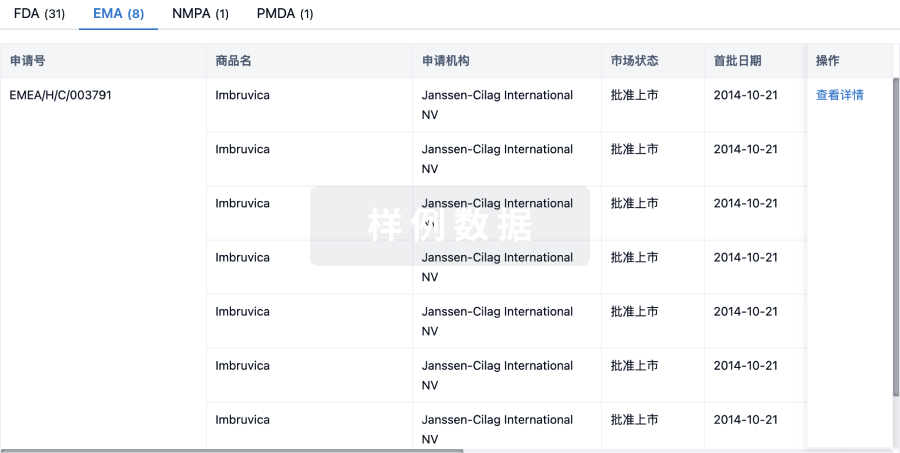
特殊审评
只需点击几下即可了解关键药物信息。
登录
或
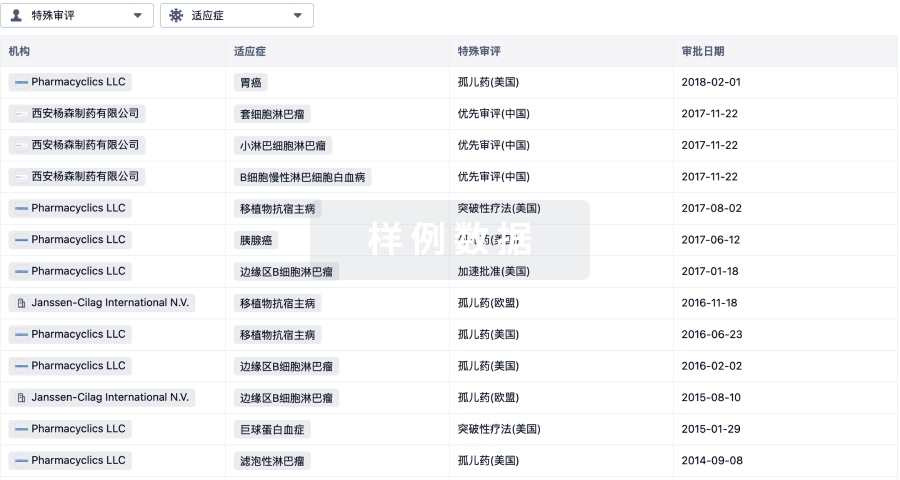
提出任何生物医药研究问题
让每一步生物医药决策都精准制胜
基于十亿级生物数据与全球情报的精准 AI,赋能早期药物发现
立即开始免费试用!
智慧芽新药情报库是智慧芽专为生命科学人士构建的基于AI的创新药情报平台,助您全方位提升您的研发与决策效率。
立即接入生物医药数据包
智慧芽新药库数据也通过智慧芽开放平台,以MCP或API服务形式对外开放。立即使用我们的MCP服务定制您的LLM智能体。
生物序列数据库
生物药研发创新
免费使用
化学结构数据库
小分子化药研发创新
免费使用