预约演示
更新于:2026-08-15
theaflavin
茶黄素
更新于:2026-08-15
概要
基本信息

结构/序列
分子式C29H24O12 |
InChIKeyIPMYMEWFZKHGAX-ZKSIBHASSA-N |
CAS号4670-05-7 |
关联
1
项与 茶黄素 相关的临床试验JPRN-UMIN000020049
Randomized double-blind study for the effect of theaflavin on oral bacterial flora

100 项与 茶黄素 相关的临床结果
登录后查看更多信息
100 项与 茶黄素 相关的转化医学
登录后查看更多信息
100 项与 茶黄素 相关的专利(医药)
登录后查看更多信息
1,425
项与 茶黄素 相关的文献(医药)2026-12-01Toxicology reports
Molecular dynamics and predictive toxicity insights into theaflavin as a potential inhibitor of MMP−2 and MMP−9 in breast cancer
Article
作者: Lingganingrum, Farid Sri ; Fakih, Taufik Muhammad ; Juliani, Nining ; Kamarulzaman, Ezatul Ezleen ; Purwowidodo, Iwan Benny ; Novitasari, Dhania ; Prasetiawati, Riska ; Muchtaridi, Muchtaridi
Breast cancer is one of the most commonly diagnosed malignancies in women and remains a leading cause of cancer-related mortality worldwide. Matrix metalloproteinases (MMPs), particularly Matrix Metalloproteinase-2 (MMP-2) and Matrix Metalloproteinase-9 (MMP-9), play critical roles in cancer invasion, metastasis, and angiogenesis, making them attractive therapeutic targets. Theaflavin, a major polyphenolic compound derived from black tea (Camellia sinensis), has demonstrated anticancer properties, notably through modulation of the nuclear factor kappa B (NF-κB) signaling pathway and suppression of MMP expression. This study aims to evaluate the inhibitory potential of theaflavin against MMP-2 and MMP-9 in breast cancer using molecular docking and molecular dynamics (MD) simulations. The ligand and receptor structures were obtained from PubChem and the Protein Data Bank (PDB), respectively. Molecular docking was conducted using AutoDock to predict binding affinities and identify key residue interactions. Thereafter, 200-nanosecond molecular dynamics (MD) simulations were performed using Assisted Model Building with Energy Refinement (AMBER), employing the leap-frog integrator and Linear Constraint Solver (LINCS) constraints to evaluate the dynamic stability of the ligand-protein complexes. Binding free energies were further assessed through Molecular Mechanics Generalized Born Surface Area (MM-GBSA) analysis to estimate thermodynamic contributions to ligand binding. Docking results revealed that theaflavin exhibited a stronger binding affinity toward MMP-9 (-11.91 kcal/mol) compared to MMP-2 (-10.11 kcal/mol), although favorable binding interactions were observed with both targets. In the MMP-9 active site, theaflavin formed stable interactions with key catalytic residues, including HIS226, HIS230, HIS236, and GLU227 within the MMP-9 active site. Theaflavin also demonstrated stable binding within the MMP-2 active site, supporting its potential inhibitory activity against this gelatinase. MD simulations further confirmed the superior stability of the theaflavin-MMP-9 complex, as evidenced by consistent root mean square deviation (RMSD) and root mean square fluctuation (RMSF) fluctuations, compact conformational profiles, and favorable solvent accessibility. MM-GBSA calculations further validated these findings, indicating significant van der Waals and electrostatic contributions to complex stabilization. In addition, predictive toxicity analysis was performed to evaluate the safety profile of theaflavin relative to the native ligands. Hence, theaflavin demonstrates inhibitory potential against both MMP-2 and MMP-9, with stronger and more stable interactions observed for MMP-9, suggesting its role as a promising natural compound for breast cancer therapy. These computational findings support the potential of theaflavin as a candidate for further in vitro and in vivo studies targeting matrix metalloproteinase-driven breast cancer progression.
2026-09-01FITOTERAPIA
Targeted isolation and inhibitory activities against 3C-like protease of theaflavin derivatives from the biotransformed theaflavin fraction
Article
作者: Wang, Meiyan ; Huang, Changliang ; Ma, Baiping ; Song, Juan ; Yao, Lan ; Chen, Xiaojuan ; Sun, Qing ; Wang, Xiu ; Liang, Haizhen
Theaflavins (TFs), an important type of tea polyphenols, have demonstrated promising antiviral activity. However, it is challenging to obtain TF monomers from the direct extraction of tea due to the limited contents after fermentation, which hinders further development of TFs. In the present study, one commercial biotransformed theaflavin fraction (CBTF) was utilized to prepare the high-purity TF derivatives. Firstly, the fingerprints obtained through UHPLC-CAD confirmed the consistency across different batches of CBTF, and UHPLC-QTOF-MS analysis revealed the abundance of TFs in CBTF. Subsequent targeted isolation was performed and a total of fifteen TF derivatives were isolated from CBTF, including two undescribed compounds (9 and 15). Their structures were determined via a comprehensive analysis of NMR and HRMS data. The inhibitory activities against 3CLpro of isolated TFs were evaluated and nine compounds exhibited significant inhibition of 3CLpro in a concentration-dependent manner, with IC50 values ranging from 0.26 μM to 8.26 μM. The structure-activity relationship highlighted the importance of the theaflavin scaffold and gallate unit on 3CLpro inhibition.
2026-08-01FOOD CHEMISTRY
Synergistic inhibition of α-glucosidase by epigallocatechin gallate and theaflavin-3-gallate from black tea: Insights from multi-spectroscopic analysis and molecular docking
Article
作者: Wang, Jinjin ; Li, Jia ; Yu, Xiao-Lan ; Yuan, Haibo
Black tea contains characteristic polyphenols, including epigallocatechin gallate (EGCG) and theaflavins, which demonstrate potent α-glucosidase inhibitory activity. This study systematically investigated the synergistic inhibition of α-glucosidase by EGCG and theaflavin-3-gallate (TF3G), experimentally selected as the representative theaflavin. Using multi-spectroscopy and molecular docking, it was demonstrated that the mixture of EGCG and TF3G at a 4:1 M ratio produced significant synergistic effects (CI < 1) with enhanced inhibition of the enzyme-substrate complex. Fluorescence quenching confirmed static mechanisms, while circular dichroism revealed a unique synergistic conformation. Molecular docking showed that EGCG and TF3G bind concurrently to two distinct, non-overlapping pockets (C1 and C3) on α-glucosidase with additional interactions in the ternary complex. These findings elucidate a novel complex multi-target mechanism and provide a scientific basis for developing black tea-based functional ingredients for postprandial hyperglycemia management.
100 项与 茶黄素 相关的药物交易
登录后查看更多信息
研发状态
10 条进展最快的记录, 后查看更多信息
登录
| 适应症 | 最高研发状态 | 国家/地区 | 公司 | 日期 |
|---|---|---|---|---|
| 炎症 | 临床前 | 中国 | 2025-11-01 | |
| 炎症 | 临床前 | 日本 | 2025-11-01 | |
| 肥胖 | 临床前 | 中国 | 2025-11-01 | |
| 肥胖 | 临床前 | 日本 | 2025-11-01 | |
| 新型冠状病毒感染 | 临床前 | 中国台湾 | 2020-06-01 |
登录后查看更多信息
临床结果
临床结果
适应症
分期
评价
查看全部结果
登录后查看更多信息
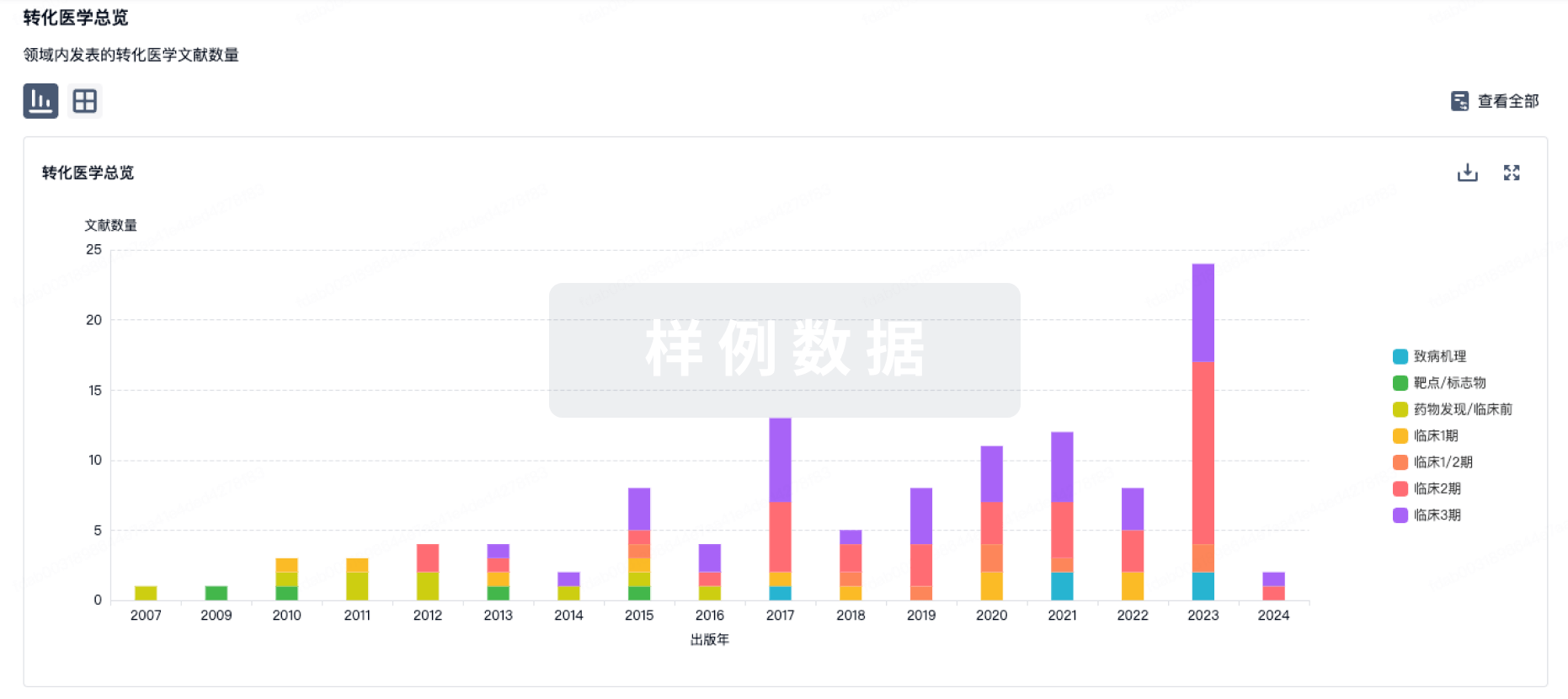
转化医学
使用我们的转化医学数据加速您的研究。
登录
或
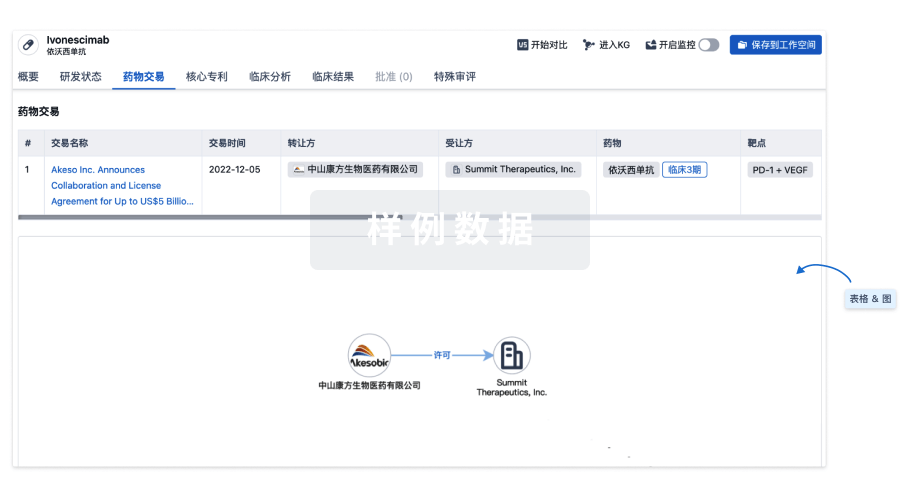
药物交易
使用我们的药物交易数据加速您的研究。
登录
或
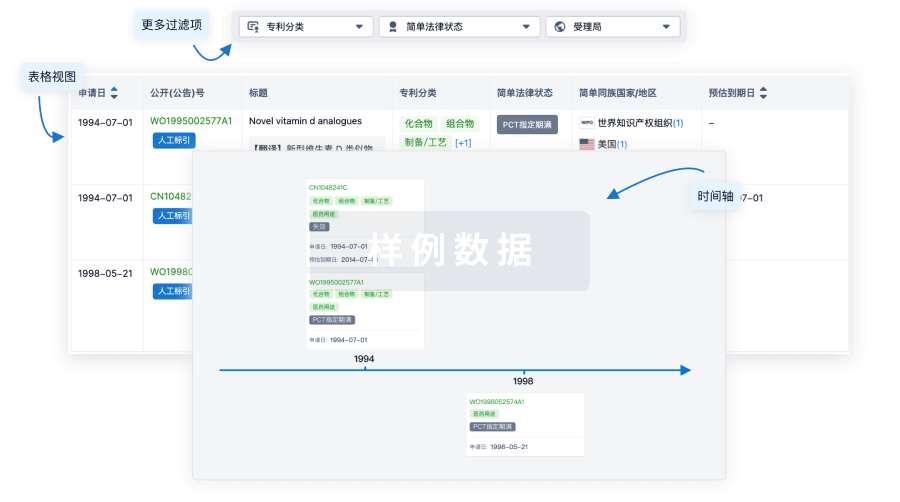
核心专利
使用我们的核心专利数据促进您的研究。
登录
或
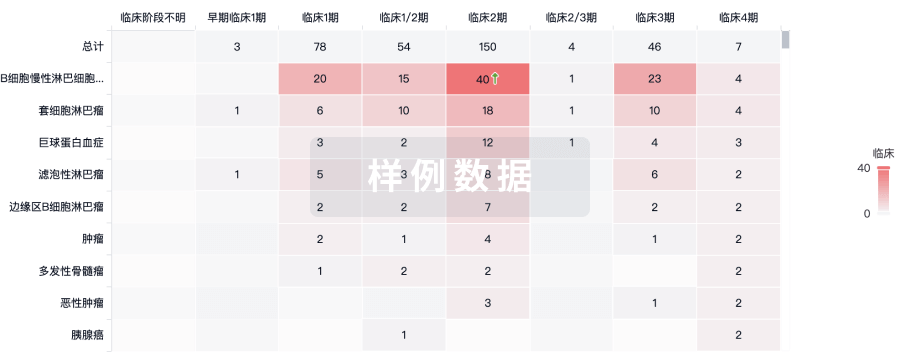
临床分析
紧跟全球注册中心的最新临床试验。
登录
或
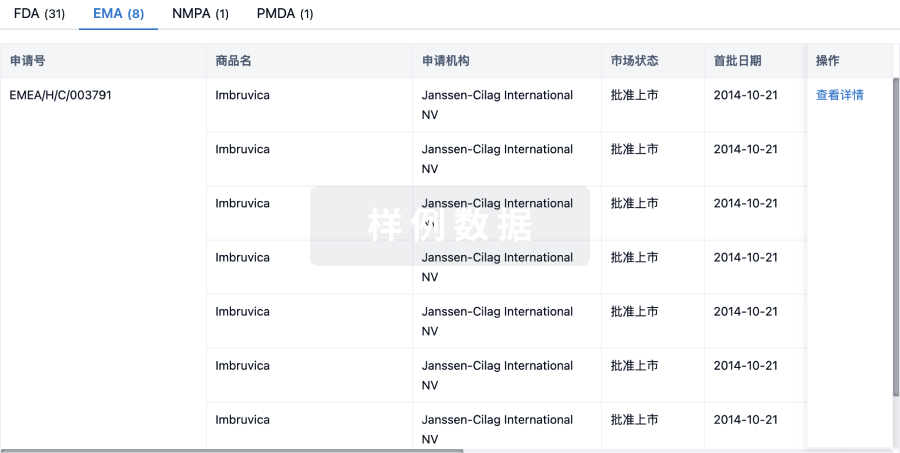
批准
利用最新的监管批准信息加速您的研究。
登录
或
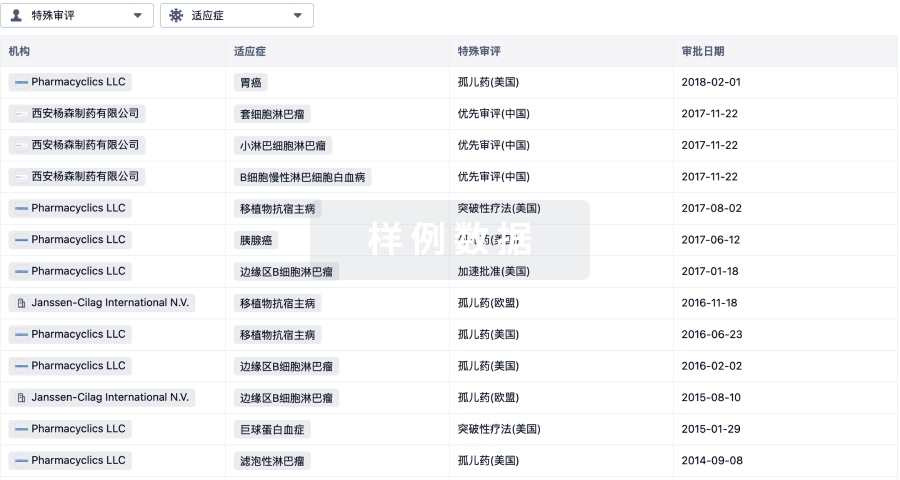
特殊审评
只需点击几下即可了解关键药物信息。
登录
或
提出任何生物医药研究问题
让每一步生物医药决策都精准制胜
基于十亿级生物数据与全球情报的精准 AI,赋能早期药物发现
立即开始免费试用!
智慧芽新药情报库是智慧芽专为生命科学人士构建的基于AI的创新药情报平台,助您全方位提升您的研发与决策效率。
立即接入生物医药数据包
智慧芽新药库数据也通过智慧芽开放平台,以MCP或API服务形式对外开放。立即使用我们的MCP服务定制您的LLM智能体。
生物序列数据库
生物药研发创新
免费使用
化学结构数据库
小分子化药研发创新
免费使用