预约演示
更新于:2026-08-22
5-HT2A receptor antagonists(Korea Research Institute of Chemical Technology)
更新于:2026-08-22
概要
基本信息
药物类型 小分子化药 |
别名 Compound 15f(Korea Research Institute of Chemical Technology) |
作用方式 拮抗剂 |
作用机制 5-HT2A receptor拮抗剂(5-羟色胺2A受体拮抗剂) |
在研适应症 |
非在研适应症- |
非在研机构- |
权益机构- |
最高研发阶段临床前 |
首次获批日期- |
最高研发阶段(中国)- |
特殊审评- |


关联
100 项与 5-HT2A receptor antagonists(Korea Research Institute of Chemical Technology) 相关的临床结果
登录后查看更多信息
100 项与 5-HT2A receptor antagonists(Korea Research Institute of Chemical Technology) 相关的转化医学
登录后查看更多信息
100 项与 5-HT2A receptor antagonists(Korea Research Institute of Chemical Technology) 相关的专利(医药)
登录后查看更多信息
504
项与 5-HT2A receptor antagonists(Korea Research Institute of Chemical Technology) 相关的文献(医药)2026-09-01·PHARMACOLOGY BIOCHEMISTRY AND BEHAVIOR
Inhibition of compulsive behavior by dextromethorphan on schedule-induced polydipsia in rats: Role of NMDA, sigma-1, and 5-HT receptors
Article
作者: Van Fossen, Madeline T ; Dalton, Alexia G ; Prus, Adam J
Dextromethorphan (DM) is an FDA-approved treatment for major depressive disorder when combined with bupropion. DM functions as an inhibitor for 5-HT membrane transporters and antagonist for sigma-1 receptors (S1Rs) and NMDA receptors, which are pharmacological actions potentially therapeutically relevant for obsessive-compulsive disorder (OCD). The present study examined DM and compounds selective for these receptor mechanisms using the schedule-induced polydipsia (SIP) procedure, a preclinical model of compulsive behavior. Rats were food-restricted and given a fixed-time 60-s schedule of food pellet delivery during experimental sessions. After 20 sessions, rats were ranked by water consumption and divided into low (LD) and high (HD) drinkers. DM, the 5-HT2A/C receptor agonist DOI, the S1R agonist SA4503, and noncompetitive NMDA receptor antagonist racemic ketamine were tested. Additionally, dose-combination tests assessed whether the 5-HT2A receptor antagonist M100907, the NMDA receptor agonist NMDA, or the S1R antagonist BD1047 reversed DM's effects. DM dose-dependently reduced water consumption in both LD and HD rats, and ketamine selectively reduced water intake in only HD rats. Both SA4503 and DOI reduced water consumption in the LD and HD rats. None of the antagonists reversed DM's suppression of SIP. These findings demonstrate that DM acutely reduces compulsive-like drinking in a SIP paradigm, suggesting further investigations into DM as a treatment for OCD.
2026-07-01·NEUROPHARMACOLOGY
Differential effects of cariprazine, LY379268 and donepezil on EEG oscillations and auditory steady-state response in MK-801-treated rats: relevance for schizophrenia drug development
Article
作者: Maurin, Anne ; Chassignolle, Morgane ; Carvalho, Kevin ; Herbel, Heloise ; Viardot, Geoffrey ; Delpy, Eric ; Adraoui, Florian W ; Violas, Maëlle ; L'Hostis, Philippe ; Rochelle, Christophe Drieu La ; Tugler, Samuel ; Hettak, Kenza
Treating patients affected by schizophrenia (SZ) remains highly challenging for drug developers. While available antipsychotics mostly reduce positive symptoms, their effects on cognitive and social deficits as well as their underlying pathophysiology remain insufficient. Disinhibition in SZ patients' cortex is considered a key player in the genesis of these symptoms and would result from N-methyl-D-aspartate receptor (NMDAr) hypofunction on interneurons. Besides, electroencephalography-based biomarkers of these mechanisms including spontaneous and evoked gamma oscillations have been highlighted. These strongly depend on NMDAr function, associate with symptoms and therefore represent translational tools for drug development. However, reversing these circuit abnormalities is challenging for the field and finding drugs engaging them would constitute a major milestone. Here, we tested three different drugs whose features attract scientists for restoration of excitation/inhibition balance: cariprazine (D2/D3 receptor partial agonist and 5-HT2A receptor antagonist), LY379268 (mGlur2/3 receptor agonist) and donepezil (acetylcholinesterase inhibitor). We investigated their effects on spontaneous oscillations and auditory steady-state responses (ASSR, measuring evoked gamma oscillations) in a rat model of SZ induced by MK-801, a selective NMDAr blocker. MK-801 increased locomotor activity, impaired spontaneous and evoked gamma oscillations and altered spontaneous oscillations in delta, alpha and beta frequencies of male Sprague Dawley rats. Remarkably, both cariprazine and LY379268 normalized spontaneous gamma oscillations. Moreover, cariprazine normalized alpha and beta waves and LY379268 selectively corrected delta activity. Interestingly, only cariprazine mitigated the ASSR deficit. These differential normalization profiles, including cariprazine's unique broad-spectrum signature, reveal distinct patterns of circuit engagement and provide a translational pharmaco-EEG framework for circuit-level target engagement in SZ drug development.
2026-06-15·JOURNAL OF EXPERIMENTAL BIOLOGY
Serotonin stimulates proliferation of ionocytes via the 5-HT2A receptor in zebrafish larvae
Article
作者: Jonz, Michael G. ; Gillespie, Ethan P. ; MacDonald, Willamina M.
ABSTRACT:
Osmoregulation is an essential process in all living organisms. For aquatic organisms, such as freshwater fishes whose natural environment is hypoosmotic, specialized cells, called ionocytes, are present in the skin during developmental stages and contribute to the maintenance of osmotic homeostasis. Such cells are known to proliferate in response to osmotic or ionic stress, but the molecular mechanism by which that process is regulated remains poorly characterized. In this study, using immunohistochemistry and confocal microscopy, we demonstrate that cutaneous ionocytes in developing zebrafish (Danio rerio) express serotonin 2A (5-HT2A) receptors by co-labelling with other known ionocyte markers, such as the Na+/K+-ATPase, Concanavalin A and Mitotracker. Furthermore, by quantifying ionocyte number through early stages of development, we implicate 5-HT2A receptors in initiating ionocyte proliferation. Exposure of zebrafish embryos and larvae to acidic pH, or exogenous 5-HT, increased the number of cutaneous ionocytes. The effects of both stimuli were abolished in the presence of the 5-HT2A receptor-specific antagonist, ketanserin. Moreover, activation of 5-HT2A receptors led to increased detection of ionocytes with phosphorylated extracellular signal-regulated kinase (ERK), a key regulator of cell division and differentiation linked with 5-HT2A. We used tetrabenazine, an inhibitor of vesicular monoamine transporter 2 (vmat2) and 5-HT storage, to deplete potential sources of 5-HT. Tetrabenazine treatment in fish exposed to acidic pH reduced ionocyte proliferation, implicating a source of 5-HT that uses vmat2 in the regulation of ionocyte populations. These results demonstrate the importance of a pathway initiated by 5-HT2A activation that regulates ionocyte proliferation in developing zebrafish exposed to environmental acidification.
100 项与 5-HT2A receptor antagonists(Korea Research Institute of Chemical Technology) 相关的药物交易
登录后查看更多信息
研发状态
10 条进展最快的记录, 后查看更多信息
登录
| 适应症 | 最高研发状态 | 国家/地区 | 公司 | 日期 |
|---|---|---|---|---|
| 结直肠癌 | 临床前 | 韩国 | 2025-01-06 | |
| 结直肠癌 | 临床前 | 韩国 | 2025-01-06 |
登录后查看更多信息
临床结果
临床结果
适应症
分期
评价
查看全部结果
| 研究 | 分期 | 人群特征 | 评价人数 | 分组 | 结果 | 评价 | 发布日期 |
|---|
No Data | |||||||
登录后查看更多信息
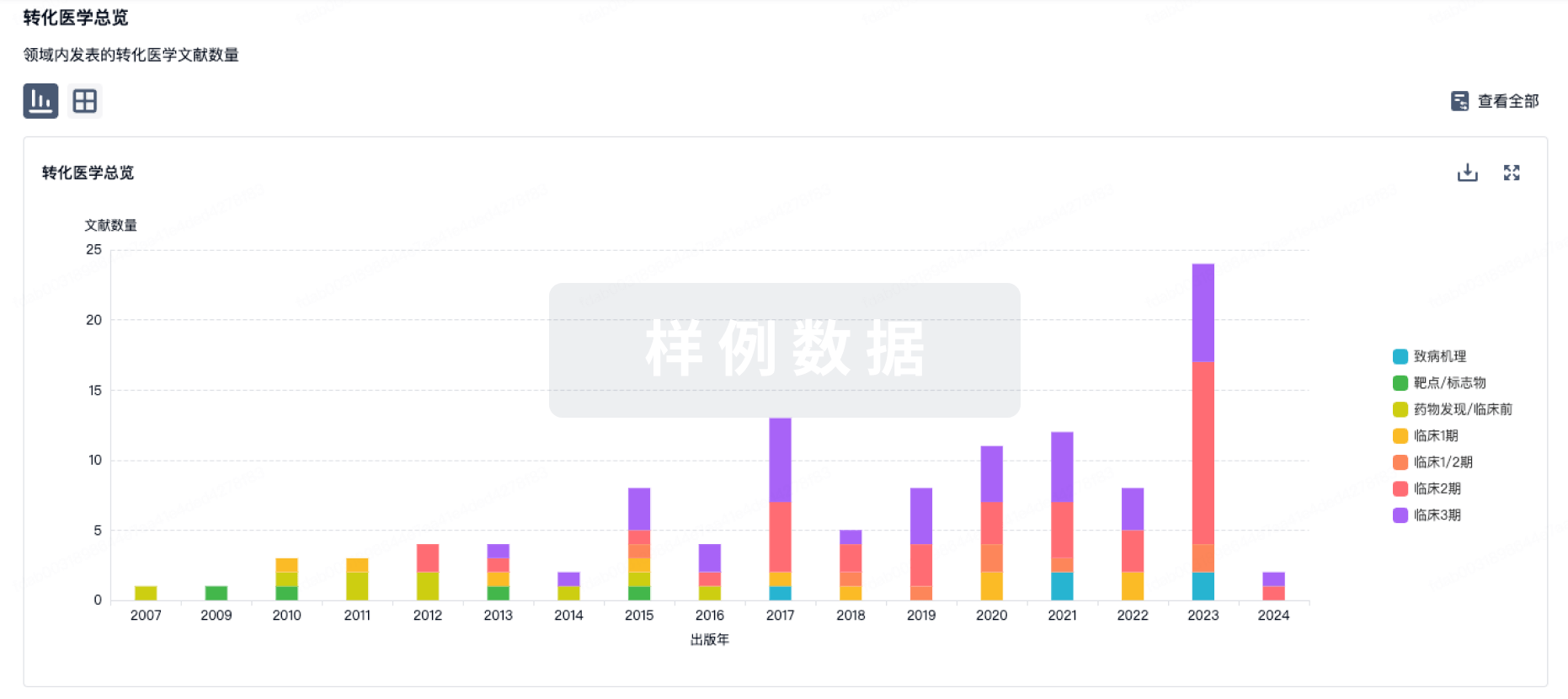
转化医学
使用我们的转化医学数据加速您的研究。
登录
或
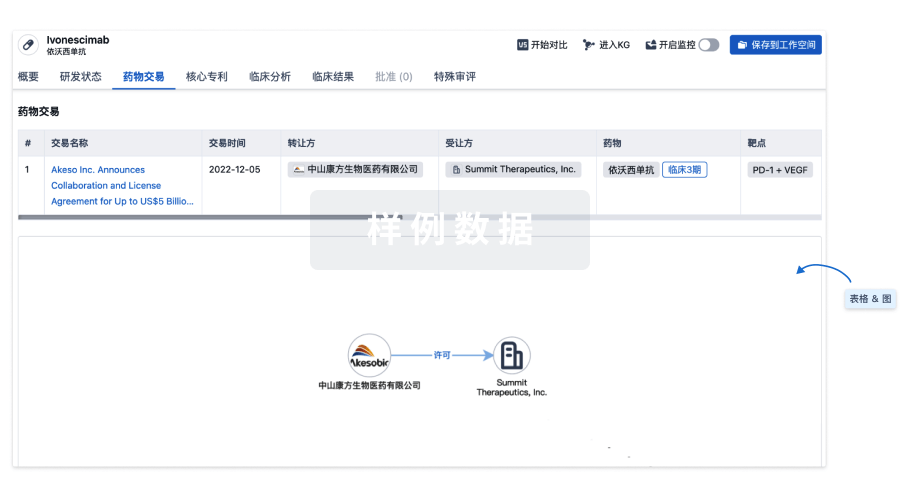
药物交易
使用我们的药物交易数据加速您的研究。
登录
或
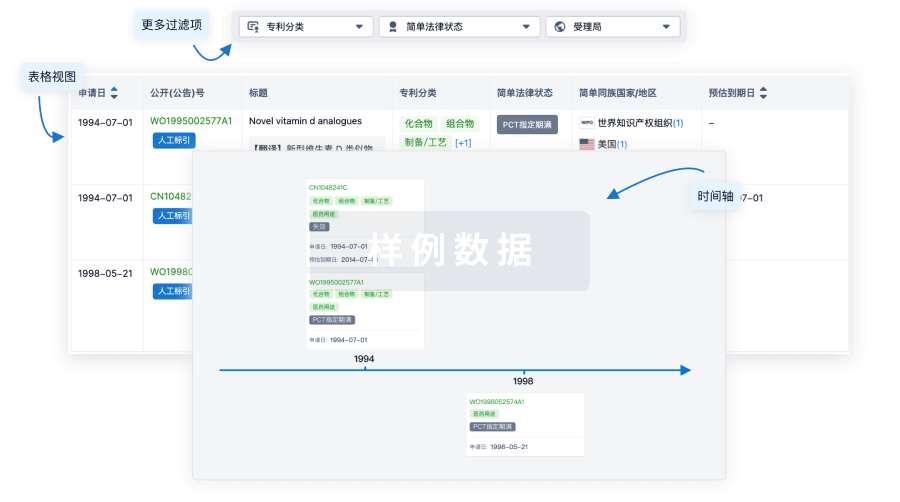
核心专利
使用我们的核心专利数据促进您的研究。
登录
或
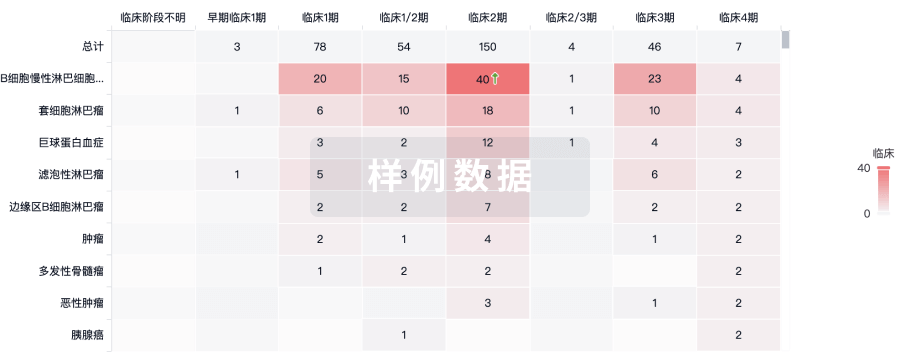
临床分析
紧跟全球注册中心的最新临床试验。
登录
或
批准
利用最新的监管批准信息加速您的研究。
登录
或
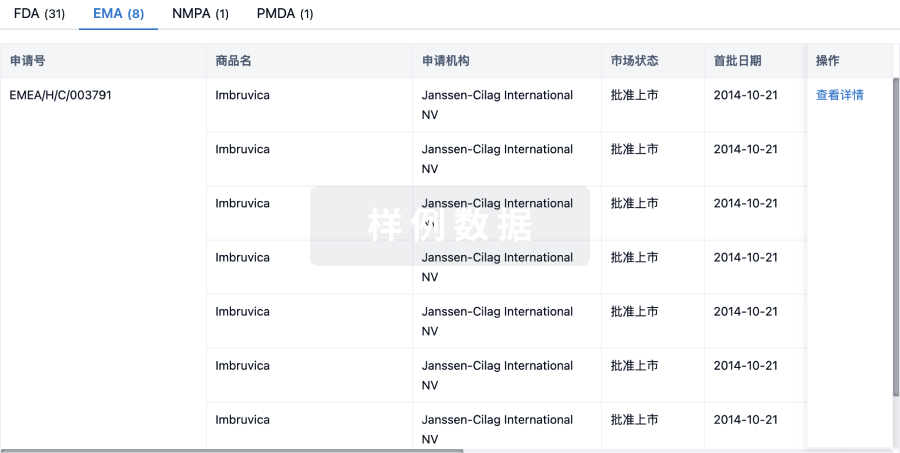
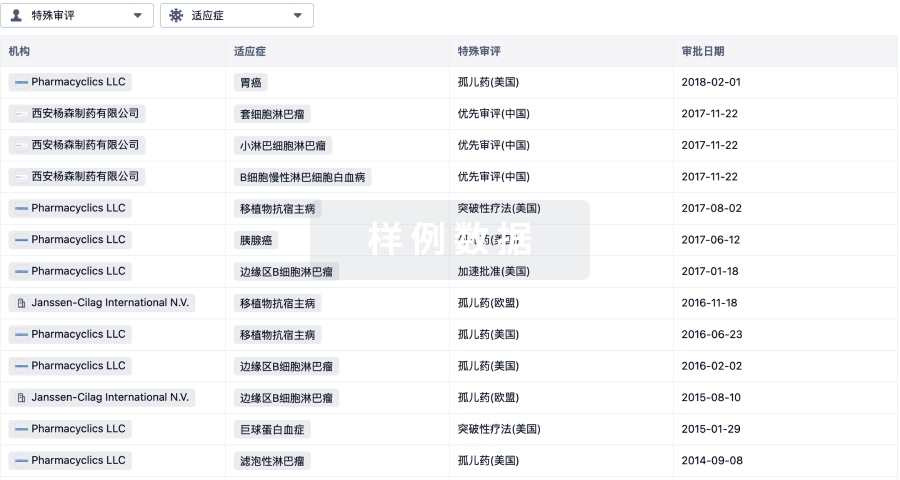
特殊审评
只需点击几下即可了解关键药物信息。
登录
或
提出任何生物医药研究问题
让每一步生物医药决策都精准制胜
基于十亿级生物数据与全球情报的精准 AI,赋能早期药物发现
立即开始免费试用!
智慧芽新药情报库是智慧芽专为生命科学人士构建的基于AI的创新药情报平台,助您全方位提升您的研发与决策效率。
立即接入生物医药数据包
智慧芽新药库数据也通过智慧芽开放平台,以MCP或API服务形式对外开放。立即使用我们的MCP服务定制您的LLM智能体。
生物序列数据库
生物药研发创新
免费使用
化学结构数据库
小分子化药研发创新
免费使用