预约演示
更新于:2026-08-21
Pidotimod
匹多莫德
更新于:2026-08-21
概要
基本信息
原研机构 |
权益机构- |
最高研发阶段批准上市 |
最高研发阶段(中国)批准上市 |
特殊审评- |

登录后查看时间轴
结构/序列
分子式C9H12N2O4S |
InChIKeyUUTKICFRNVKFRG-WDSKDSINSA-N |
CAS号121808-62-6 |
关联
18
项与 匹多莫德 相关的临床试验CTR20231689
评价匹多莫德颗粒辅助治疗儿童反复呼吸道感染的有效性及安全性的多中心 、随机、双盲、 安慰剂平行对照的临床研究
评价匹多莫德颗粒辅助治疗儿童反复呼吸道感染的有效性和安全性。
开始日期2023-08-31 |
申办/合作机构 |

NCT04322669
Pidotimod in Children With Recurrent Respiratory Tract Infections (RRI), A Randomized, Double Blind, Placebo Controlled Clinical Trial (P-CRESCENT)
The purpose of this study is to assess the efficacy of pidotimod as treatment in participants with recurrent respiratory tract infections.
开始日期2021-08-04 |
申办/合作机构 |

CTR20200104
匹多莫德分散片辅助治疗反复发作的尿路感染的有效性和安全性随机、双盲、安慰剂平行对照、多中心临床试验
主要研究目的:评价匹多莫德分散片辅助治疗反复发作的尿路感染的有效性 次要研究目的:评价匹多莫德分散片辅助治疗反复发作的尿路感染的安全性
开始日期2020-04-07 |
申办/合作机构 内蒙古科诺医药开发有限公司 [+1] |
100 项与 匹多莫德 相关的临床结果
登录后查看更多信息
100 项与 匹多莫德 相关的转化医学
登录后查看更多信息
100 项与 匹多莫德 相关的专利(医药)
登录后查看更多信息
172
项与 匹多莫德 相关的文献(医药)2026-03-01·Zhongguo Zhong yao za zhi = Zhongguo zhongyao zazhi = China journal of Chinese materia medica
[Intervention of Yupingfeng Powder and Sijunzi Decoction in treatment of lung and heart co-injury in rats with recurrent respiratory tract infection based on theory of "lung governing management and regulation"].
Article
作者: Yang, Jin-Hu ; Gao, Jin-Sheng ; Gao, Shao-Fang ; Tian, Ya-Jing ; Yang, Jing-Jing ; An, Jia-Sheng ; Tang, Dan ; Wang, Jia-Cheng ; Liu, Huai-Yang
This study aims to validate the intervention effect of Yupingfeng Powder and Sijunzi Decoction(YPSD) on "lung's failure in management and regulation" in rats with recurrent respiratory tract infection(RRTI) by utilizing macroscopic characterization evaluation and comparing lung and heart tissue damage. Additionally, it aims to predict the possible mechanisms underlying co-treatment of RRTI and myocardial damage(MD) based on network pharmacology methods. Thirty rats were randomly divided into a control(Co) group, a model(Mo) group, a pidotimod(Pg) group, a low-dose YPSD(Lg) group, and a high-dose YPSD(Hg) group. After the RRTI modeling and interventions, macroscopic characterization indicators were evaluated based on the manifestations of "lung's failure in management and regulation". The levels of lung and heart tissue damage were compared. Network pharmacology experiments were used to predict potential therapeutic targets and possible mechanisms of YPSD in treating RRTI and MD, which were further validated through in vivo experiments. The experimental results showed that YPSD could effectively improve the macroscopic characterization evaluation indicators in RRTI rats and alleviate the damage levels of lung and heart tissue during the pathological process. Network pharmacology results identified protein kinase B(Akt) as the core functional protein. In vivo experimental results demonstrated that YPSD could effectively upregulate the activated Akt protein levels in lung and heart tissue, with a significantly increased ratio of B lymphoblastoma-2 gene(Bcl-2) to Bcl-2-associated X protein(Bax). YPSD can effectively intervene in the outcome of "lung's failure in management and regulation" in RRTI rats, achieving the effect of concurrent lung and heart treatment. Its intervention effects on RRTI and MD may function by regulating the activation level of the Akt protein.
2026-01-16·MEDICINE
Two rare case reports of familial cyclic neutropenia caused by ELANE gene mutation
Article
作者: Zhu, Jihong ; Huang, Wenfeng ; Wang, Kai
Rationale::
This article presents 2 exceptionally rare cases of familial cyclic neutropenia (CN), along with a comprehensive review of the relevant literature. It further explores the clinical manifestations, laboratory examination characteristics, diagnostic approaches, and treatment strategies, as well as prognosis associated with CN. The aim of this paper is to enhance clinicians’ awareness of these rare diseases, thereby facilitating early diagnosis and appropriate management.
Patient concerns::
Case 1: a 47-year-old female who had suffered from bacillary dysentery, recurrent rectal abscess, anal fistula, gingivitis, and periodontitis from the age of 28, otherwise she had suffered from upper respiratory tract infection twice or 3 times every year with neutrophil count nadir of 0.18 × 10
9
/L. Exome sequencing of blood of the woman and her family revealed this woman and her 7 years old daughter had the same c.416C > T(p.P139L) heterozygous mutation in the ELANE gene. Case 2: this patient was the daughter of case 1. The patient developed bronchial infection from the age of 2, and the blood routine showed the neutrophils were abnormally low. In addition, repeated cough, sputum and fever occurred during the year, and neut decreased in 7 of the 11 routine blood tests. The result of exome sequencing of blood revealed that she had the same c.416C > T(p.P139L) heterozygous mutation in the ELANE gene.
Diagnoses::
The 2 patients were diagnosed with familial CN.
Interventions::
Intermittent Chinese medicine, pidotimod, mannanopeptide treatment, and symptomatic treatment.
Outcomes::
A rare case of familial transmission involving 2 instances of mother–daughter pairs. Blood exome sequencing revealed that both pairs harbored the identical heterozygous mutation c.416C > T(p.P139L) in the ELANE gene, leading to a definitive diagnosis of familial CN caused by this ELANE gene mutation. At present, the patients’ conditions are improved and the outpatient clinic is followed up regularly.
Lessons::
If the patient presents with recurrent infections, fever, and other periodic symptoms annually, accompanied by neutropenia as indicated by a complete blood count, CN should be considered as a potential diagnosis. Genetic testing is imperative to ascertain the presence of any gene mutations for an accurate diagnosis. Cyclic neutropenia can be diagnosed based on the patient’s clinical manifestations, laboratory tests, and genetic testing results.
2025-12-31·Urologiia (Moscow, Russia : 1999)
A prospective observational comparative multicenter clinical study assessing the efficiency and safety of pidotimod for treatment and prevention of exacerbations of uncomplicated chronic recurrent cystitis in women
Article
作者: Shulzhenko A, E ; Polovinko A, L ; Zuykova I, N ; Zheltikova E, A ; Kotov S, V ; Rasner P, I ; Pulbere S, A ; Shchubelko R, V
INTRODUCTION:
Rising antimicrobial resistance combined with a high recurrence rate of chronic cystitis in women necessitates the search for additional non-antimicrobial approaches to treatment and prevention.
AIM:
To evaluate the efficiency and safety of pidotimod immunotherapy for treatment and prevention of exacerbations of uncomplicated chronic recurrent cystitis in women.
MATERIALS AND METHODS:
This prospective observational study was carried out in 2023-2024 at clinical centers in 21 cities across Russia. A total of 401 women with chronic recurrent cystitis during an exacerbation were enrolled and assigned to two groups. The study group (n=361) received standard antibacterial therapy combined with pidotimod 800 mg twice daily for 14 days, followed by maintenance pidotimod 800 mg once daily for 60 days. The control group (n=40) received antibacterial therapy only. The primary endpoint was the change in recurrence rate by month 6; secondary endpoints included time to first recurrence, changes in urinary immunological markers, and safety in the immunotherapy group.
RESULTS:
Pidotimod significantly reduced the total number of chronic recurrent cystitis recurrences compared with the control group over 6 months of follow-up (p<0.0001). The recurrence-free interval was longer in the immunotherapy group (101.3 days vs 74.2 days; p=0.02). Normalization of the pro-/anti-inflammatory cytokine balance with increased urinary IFN- and sIgA suggests an immunomodulatory effect of pidotimod and activation of local immune response. Adverse events during pidotimod therapy were reported in 3.2% of cases and did not require treatment discontinuation.
CONCLUSION:
Adding pidotimod to standard antibacterial therapy in women with chronic recurrent cystitis reduces recurrence frequency, prolongs remission, and improves local immunological parameters, with a favorable safety profile.
17
项与 匹多莫德 相关的新闻(医药)2026-08-20
好药推荐学习合集
施维舒——是为舒,用了它胃好舒服,好药推荐施维舒
有耐心,必有回报:耐信,治疗胃病好药
好药推荐——让妈妈放心的香港进口儿童药——抗生素类(阿莫灵)
好药推荐:阿奇霉素片(希舒美)
好药推荐——可乐必妥(左氧氟沙星)
好药推荐——左洛复(舍曲林)
不伤肾脏的降糖好药-糖适平-格列硅酮
治疗糖尿病以德服人,虚怀若谷的好药德谷胰岛素,优势在哪里?
不伤肝肾的降糖好药欧唐宁
好药推荐-治疗慢阻肺的三联药物全再乐
治疗慢阻肺哮喘的好药——布地格福
流感,妈妈爸爸一起柔纱般地关心-玛巴洛沙韦-迅速幸福到达-速福达
要问流感神药,“达菲”所问!
帕博利珠单抗联合化疗改善低PD-L1表达患者5年生存率
司美格鲁肽:糖尿病治疗的全新选择(诺和泰)
抗生素的神奇力量:好药拜复乐探秘
抗菌好药克拉仙,克拉霉素
好药推荐-新山地明(环孢素软胶囊)-副作用需注意!
治疗厌氧菌感染的好药——奥硝唑
第二代头孢抗菌好药——希刻劳
富露施治疗慢阻肺(好药推荐)
乙肝治疗好药-韦立得-富马酸丙酚替诺福韦的全面解析
急性支气管炎有痰咳不出,难受,好药吉诺通来帮助
不明原因难治性咳嗽,试试加巴喷丁
止咳化痰老药、好药、便宜药-溴己新
好药推荐:应用广泛的依木兰(硫唑嘌呤)
拜瑞妥(利伐沙班)——抗凝好药
治疗失眠的好药右佐匹克隆
治疗帕金森病的好药-森福罗(盐酸普拉克索片)
治疗骨关节炎好药-维固力(硫酸氨基葡萄糖胶囊)
门冬氨酸钾镁片,好药要用对地方
抗过敏好药-开瑞坦-氯雷他定
奥司他韦还是玛巴洛沙韦?2 张表告诉你常用抗流感药物怎么选!
国内还未上市的痛风新药Zurampic
替尔泊肽、CagriSema、Retatrutide......2023 肠促胰素治疗肥胖的 5 大关键进展!
十大抗过敏药物介绍
氯雷他定、地氯雷他定、枸橼酸地氯雷他定的区别
Teplizumab:延缓1型糖尿病发病的突破
托珠单抗在类风湿关节炎治疗中的优势和可能不良反应
使用氨溴索需注意哪些不良反应的发生?
为什么老年人使用他汀类药物会增加肌病的风险?
抗过敏良药非索非那定
倍他乐克:心血管领域的全能药物
治疗缺铁性贫血的好药——莫诺菲
icodec胰岛素和索马鲁肽联合治疗2型糖尿病
重磅,糖尿病患者福利!一周一次的超长效icodec胰岛素快来了!
是药三分毒,纯天然不例外
阿比特龙与低钾血症
除了增加性功能,伟哥可能还能预防老年痴呆症
美阿沙坦钾:高效降压新选择
最强沙坦类降压药来了——美阿沙坦钾
治疗青春痘的外用良药——过氧苯甲酰
青春痘的外用药物甲硝唑凝胶介绍
口服异维A酸治疗青春痘
新型抗精神病药物,也用于双相-卡利拉嗪
治疗胃病好药——枸橼酸铋钾
药王可瑞达-治疗多种恶性肿瘤的好药
严重的痤疮,可以考虑西咪替丁和螺内酯,学习了!
吃益生菌的注意事项
春节注意,吃安眠药不要喝酒,当心一醉不起!
医学科普 | 认知胰岛素
利福喷丁与利福平在肺结核治疗中的药效对比
二甲双胍引起消瘦怎么办?
哮喘新药Dupilumab的安全性和注意事项
血小板糖蛋白Ⅱb/Ⅲa受体拮抗药依替巴肽
地舒单抗序贯双磷酸盐或特立帕肽治疗骨质疏松
不成瘾的止痛好药有吗?说不定就会实现!
当心,哮喘和慢阻肺当心使用这些药物!
抗性淀粉(RS):探索糖尿病患者血糖控制的新前景
糖尿病疫苗:解密未来的治疗前景
地尔硫䓬的合理用药
胰岛素的最新分类和用法,一文掌握!
利培酮片(维思通):探秘精神疾病的治疗先锋
多潘立酮片(吗丁啉):攻克消化不良的得力利器
阿莫西林不是消炎药,不可乱用!
新生儿要尽早接种乙肝疫苗
治疗重症肌无力的药物-溴吡斯的明片
乙肝抗病毒药物进化的壮丽史诗
痛风治疗好药苯溴马隆
降压药优选培哚普利-对于心肌梗死、心力衰竭、糖尿病患者
止泻好药——思密达
卡维地洛相较于倍他乐克的降血压优势
有抗过敏功效的益生菌
乐唯初(尼塞韦单抗)-保护新生儿免受呼吸道合胞病毒感染
胆固醇结石可用熊去氧胆酸治疗
SGLT-2抑制剂“降压”证据确凿
维生素D在尿病方面的作用以及对风湿性关节炎(RA)的效果
哮喘靶向药物的上游、中游、下游药物
好药富马酸比索洛尔:解读心血管系统用药
糖尿病又有痛风,就选这种药了!
降压好药雅施达-培哚普利:第三代ACE抑制剂的降压明星
吃这些药千万不能吃葡萄柚!
老年糖尿病,格列奈比磺脲类更为安全
洛丁新(盐酸贝那普利片): 血压的守护者
心血管疾病用药:比索洛尔VS美托洛尔,谁更合适?
RNA干扰(RNAi)与siRNA疗法:突破与应用
水蛭素治疗冠心病
硝酸酯类药物知多少
盐酸托鲁地文拉法辛缓释片:抗抑郁新选择
阿托品眼药水在儿童近视治疗中的效果和安全性分析
Lanadelumab改善遗传性血管性水肿患者的月发作率,安全性良好
TCI在特应性皮炎治疗中的应用及管理策略
海藻酸盐在胃食管反流病治疗中的作用及临床应用
磷酸二酯酶4抑制剂在特应性皮炎治疗中的临床应用及管理探讨
Ruxolitinib乳膏改善儿童特应性皮炎的睡眠障碍和瘙痒:新希望的曙光
哮喘慢阻肺干粉吸入剂的保存要点
新的研究揭示:胆固醇药物或成为清除PFAS的潜在治疗方法
多塞平治疗失眠,哪些人合适?
高血压治疗领域的新里程碑:Tryvio的问世
“血脂疫苗”英克司兰(Inclisiran)用药须知。
RNA干扰(RNAi)与siRNA疗法:突破与应用
JAK抑制剂在特应性皮炎治疗中的应用及管理探讨
特应性皮炎治疗中口服抗组胺药的应用与管理
第一个被批准用于非酒精性脂肪肝病的药物,如何逆转肝纤维化
小气道病变,由超微颗粒对付(哮喘慢阻肺)
氯胺酮在难治性抑郁中的应用与治疗效果探究
二甲双胍缓释片应用须知
这3类药物可能跟骨质疏松有关,值得注意!|用药“泌”诀
地平类药物为什么引起下肢水肿,怎么办?
氨氯地平和贝尼地平的比较
止痛药,会上瘾吗?
服用他汀,没注意这些,可能送命
创新降脂破局者|旨立达®在华获批,革新血脂「心」方向
熊去氧胆酸胶囊介绍
硝酸酯类药物给药,您“偏心”了吗?
硝酸酯类药物治疗冠心病
冠心病患者服用硝酸甘油千万不能吃“伟哥”,有危险!
硝酸酯类易耐药,如何处置?这篇帮你搞定
为什么硝酸酯类药物需要“偏心给药”?
双受体降血糖,增效同时减副作用
药源性高血压-小心药物造成血压升高
默沙东新止咳药P2X3受体拮抗剂gefapixant
孟鲁司特钠是哮喘好药,但不是止咳万用药,超说明书使用需谨慎!
头孢拉定胶囊(泛捷复)中文说明书
各代头孢介绍
贝尼地平:缓解心绞痛的“冠军药”
降压好药拜新同控释片
治疗痛风新药——普瑞凯希
治疗心绞痛药物一览
远大医药两款全球创新哮喘治疗复方制剂恩卓润®比斯海乐®、恩明润®比斯海乐®纳入国家医保目录
甲钴胺和维生素 B12 ,是同一种药物吗?
Sargmalin(沙格司亭)吸入剂日本获批治疗自身免疫性肺泡蛋白沉积症(aPAP)
盐酸奥布卡因凝胶:局麻药新秀的应用与特点
喜讯!特应性皮炎新药IL-13抑制剂曲罗芦单抗(Adtralza)扩大适用人群,12-17岁中重度患者均可使用
湿疹的杀手锏——度普利尤单抗(dupilumab)在治疗特发性湿疹的临床应用
【每日一药】特应性皮炎用药——他克莫司软膏
他克莫司/吡美莫司为什么可以治疗特应性皮炎?怎么用?要注意什么?
特应性皮炎新兴药物——2%克立硼罗软膏
特应性皮炎治疗新突破—2%克立硼罗软膏
同时接种多种疫苗,宝宝受得了吗?
吸入性PDE4抑制剂:开启慢阻肺治疗新纪元
不一样的止吐药,奥氮平
对抗记忆“橡皮擦”,老年痴呆的最新疗法来了!
眩晕常用药「倍他司汀」,3个方面搞清楚!
降低血脂中的甘油三酯药物治疗建议
软吸入激素,未来哮喘吸入激素的方向
帕金森病是多巴胺缺乏造成的,为什么不直接用多巴胺?而是用左旋多巴。
特应性皮炎的治疗:外用鲁索替尼乳膏的临床有效性和安全性
特应性皮炎10余种新药应用指南
坦索罗辛:男女通用的泌尿科'神药'
爱全乐用药注意事项
他汀会升血糖,糖友还能吃吗?
默沙东慢性咳嗽新药gefapixant二次遭FDA拒绝,已无领先优势
治疗慢性难治性咳嗽临床3期新药:Camlipixant (BLU-5937)
小儿胃食管反流用「奥美拉唑」,剂量怎么调?
皮炎反复发作、难治好?需高度警惕这个病……用对6种药很重要!
度普利尤单抗在降低哮喘发作率方面的优势
治疗便秘的双效药物利那洛肽:畅通与止痛的交响曲
伊伐布雷定在心血管疾病的应用 ——在心衰治疗中的地位已确立
伊伐布雷定,减缓心率,保护心肌的药物
伊伐布雷定什么时候用?
胃肠道无力,消化不良?伊托必利来帮忙!
个体化精准用药—CYP2C19基因检测指导氯吡格雷用药
抑郁失眠用药——曲唑酮(记忆:失眠抑郁了去坐桶里面就好了!?)
支气管扩张大咯血,常用这4种药物!
阿奇霉素合理应用指南:避免潜在的危险
普伐他汀和匹伐他汀的优缺点
治疗感冒的好药——雾化吸入利巴韦林
美敏伪麻口服液,感冒后咳嗽推荐好药
长效干扰素治疗乙肝的优劣势及适用人群
哮喘治疗中的吸入类固醇:效果与副作用
严重高甘油三酯血症,新药Plozasiran带来希望
【规范与指南】德谷门冬双胰岛素临床应用专家指导意见
超好胰岛素——德谷门冬双胰岛素!
甘精胰岛素U300:独特缓释机制,低血糖风险更低的新一代基础胰岛素
肺动脉高压的新药——索塔西普带来新希望
不愧为神药,竟然开发出这种疗效!
抗体-药物偶联物:新一代癌症治疗的希望之光
氟化二胺银(SDF),牙齿防蛀利器
糖尿病药物二甲双胍竟然有这作用!
一文汇总:炎症性肠病(IBD)有哪些治疗药物?
外用激素七大误区
避免激素的坑
局部类固醇撤退综合征
β-激动剂与哮喘死亡率
了解耳毒性药物:保护听力健康的关键
抗幽门螺杆菌治疗失败怎么办?
优化克立硼罗治疗:增强特应性皮炎疗效的创新方法
甲氧氯普胺的正确使用和“雷区”
他汀类药物引起血糖高?真的吗?怎么办?
乌帕替尼治疗中重度特应性皮炎效果显著
202.愈创木酚甘油醚:美国食品药品监督管理局(FDA)唯一批准的祛痰药物
203.利多卡因止咳,靠谱吗?
204.吗啡类药物止咳
205.药物吗啡详细介绍
206.偏头痛新药!辉瑞新一代 CGRP 受体拮抗剂国内获批上市
207.【指南与共识】替格瑞洛临床应用中国专家共识
208.iHuman Mini Review|GPCR靶向小分子药物集锦|缓解偏头痛的拉米地坦
209.硝苯地平普通片不能作为降压的首选
210.偏头痛治疗药物曲坦类有心血管风险,但是有替代药物
211.色甘酸钠吸入装置哪里有的卖?
212.莫沙必利、西尼必利、伊托必利......促胃肠动力有何区别?
213.治疗甲亢药物甲巯咪唑片说明书
214.普瑞巴林治疗特应性皮炎中国指南共识相关推荐
215.降压药卡维地洛当心低血糖
216.强效降脂药瑞舒伐他汀钙片,这5点一定要知道
217.治疗类风湿的药物艾拉莫德详细介绍
218.消化性溃疡的个体化用药
219.益生菌,能治疗幽门螺杆菌感染吗?
220.4张表,带你理清指南推荐的抗骨质疏松药物!
221.抗骨质疏松症药物的要点,三张表帮你搞定!
222.双膦酸盐、地舒单抗、特立帕肽......抗骨质疏松药应用 7 问 7 答!
223.治疗骨质疏松症的特立帕肽有这些不良反应
224.使胃舒服的好药——施维舒(使胃舒)——替普瑞酮(Teprenone) :一文详细介绍!(治疗胃炎胃溃疡好药)
225.那些和饭一起吃的药——随餐药物
226.那些餐前服用的药物
227.为什么甲亢首选使用的非选择性β-受体阻滞剂是普萘洛尔,而不是选择性β1-受体阻滞剂如美托洛尔?
228.《糖尿病神经病变:警惕这些症状,及早治疗是关键》——甲钴胺是针对好药
229.肉毒杆菌素如何帮助人们打嗝:一项革新性的治疗方法
230.促胃(肠)动力药:消化性溃疡治疗的得力助手
231.伏诺拉生:预防高风险消化性溃疡再出血的新晋竞争者
232.糖尿病周围病变引起疼痛用这些药
233.胰岛素治疗在糖尿病管理中的重要性
234.特泽鲁单抗:新型哮喘生物制剂的临床应用与机制研究
235.治疗哮喘中最有效的药物
236.Gefapixant在难治性慢性咳嗽中的地位:解读最新研究成果
237.普通维生素D和活性维生素D,怎么补?
238.骨质疏松症联合用药
239.已经服用了活性维生素D,为什么还要补充普通维生素D?
240.骨质疏松症治疗方案选择与序贯应用的科学指南
241.骨质疏松药物和其它药物相互作用
242.AIMOVIG/erenumab安莫疼(偏头痛药)中文说明书
243.巴瑞替尼—类风湿性关节炎,斑秃患者的福音 毛发再生 有效缓解关节244.疼痛、肿胀 疗效分析 不再受关节炎、斑秃的困扰!
245.JAK抑制剂治疗类风湿关节炎
246.及早启动固定三联疗法对慢阻肺病的重要性
247.治疗胃溃疡的麦滋林详细介绍
248.那些需要空腹服用的药物!
249.那些睡前用效果更好的药物
250.小细胞肺癌新药:Tarlatamab(塔拉妥单抗)
251.托伐普坦药物详细介绍
252.托伐普坦,推迟多囊肾患尿毒症时间
253β受体阻滞剂在哮喘治疗中的应用探讨
254.辅酶 Q10:益处、适用人群与正确使用
255.心衰患者普利和沙坦的选择
256.降糖神药司美格鲁肽的不良反应及应对措施
257.钙调磷酸酶抑制剂在自身免疫病治疗中的应用
258.特应性皮炎的靶向治疗新进展
259.复方+缓释双管齐下,降糖从此更简单!
260.治疗糖尿病好药-安达唐(达格列净片)
261.高血压一线用药---培哚普利
262.复发降压好药培哚普利氨氯地平片(Ⅲ)(开素达)中文说明书
263.世界高血压日 | 个性化降压很重要,注意特殊人群用药宜忌及用药注意!、
264.降压新药阿普昔腾坦:一种全新降压药被批准上市,40年来首次
265.糖尿病合并肾脏病患者如何选择口服降糖药
266.格列美脲片(亚莫利)中文说明书
267.诺和龙与亚莫利治疗 2 型糖尿病的差异与优势
268.磺脲类药物降血糖,您用对了吗?
269.降糖药物系列之——磺脲类药物
270.特应性皮炎:他克莫司、舒坦明和鲁索替尼的比较
271.治疗特应性皮炎的好药——鲁索替尼
272.乙肝抗病毒好药富马酸替诺福韦用药须知
273.益普舒有什么功效(化疗后口腔溃疡)
274.【科普文章】药品知识科普 (扎来普隆分散片)
275.【每日一药】 催眠药——扎来普隆片
276.儿童慢性咳嗽治疗指南:抗菌药、抗组胺药及呼吸道保护措施全面解析
277.激素和类风湿的恩怨情仇
278.治疗甲亢药物赛治副作用注意。
279.缓释茶碱,控制重症哮喘的二三线药物
280.用胺碘酮:当心间质性肺炎
281.复方消化酶胶囊(达吉®)用药注意事项
282.抗组胺药物及其对睡眠的影响
283.浅析特应性皮炎治疗新进展:JAK抑制剂的临床应用与注意事项
284.新一类常用降压药:血管紧张素受体脑啡肽酶抑制剂(ARNI)
285.螺内酯、依普利酮、非奈利酮之间的区别
286.肠易激综合征IBS 患者治疗:匹维溴铵联合曲美布汀的效果与安全性
287.阿托品、山莨菪碱、间苯三酚、匹维溴铵、奥替溴铵五种胃肠解痉药该怎么选?匹维溴铵和奥替溴铵有何区别?【药师谈药】
288.4张表格了解肠易激综合征的药物选用
289.腹泻型肠易激综合征的综合治疗方案:复方嗜酸乳杆菌与马来酸曲美布汀的联合应用
290.改善糖尿病微循环药物——前列腺素
291.高选择性的JAK1抑制剂治疗特应性皮炎
292.'谷氨酰胺在双相情感障碍治疗中的潜在作用'
293.'木糖酸与抗抑郁药的协同作用:探索新型抑郁症治疗'
294.聚卡波非钙治疗便秘型肠易激综合征
295.布地格福吸入气雾剂
296.便秘型肠易激综合征IBS-C药物治疗新趋势解析:从泻剂到促分泌剂
297.乌美溴铵维兰特罗吸入粉雾剂
298.女性骨质疏松为何要补充雌激素?雌激素对骨骼健康有哪些影响?
299.解锁便秘型肠易激综合征IBS-C治疗新突破:利那洛肽的中国崛起
300.甲状旁腺素:治疗骨质疏松症的独特选择
301.使用莫西沙星抗感染需谨慎:错误处方案例解析与正确用药指南
302.降脂新星阿利西尤单抗注射液:用药指南与注意事项
303.诺欣妥的正确用法用量
304.神仙打架:两大降脂神药:依洛尤单抗VS阿利西尤单抗
305.【每日一药】恩格列净片
306.骨质疏松患者福音:特立帕肽,效果显著!
307.很棒的降压新药:平稳降压同时稳心率,还不升高血糖、血脂——第四代β受体阻滞剂贝凡洛尔!!!
308.戒烟又能减肥,还能抗抑郁的药——安非他酮
309.骨质疏松“克星”——地舒单抗
310.利用基因组预测哮喘儿童对美泊利单抗的反应
311.FDA批准IL-1β抑制剂canakinumab新适应证——成人痛风发作
312.治疗灰指甲神药——阿莫罗芬(甲真菌感染克星)
313.酮康唑洗剂(采乐®)用药注意事项
314.重磅!新药Tarlatamab获准上市,延长生存期2倍!同步开展3款DLL3新药的临床招募。
315.复方消化酶胶囊(达吉®)用药注意事项
316.新近列入第二类精神药品管理,“苏沃雷生”是一种怎样的药?
317.注射用磷霉素钠可以单用吗?
318.鲁索替尼乳膏:全新突破,助力特应性皮炎患者重拾健康生活
319.掌握心血管健康密码:阿托伐他汀的三大“黄金搭档”组合,让你的血脂控制更高效!
320.褪黑素受体激动剂:雷美替胺和特斯美尔通如何改善失眠及其安全性优势褪黑素受体激动剂的独特作用机制
321.特应性皮炎的靶向治疗新进展:从生物制剂到小分子抑制剂
322.美托洛尔和贝凡洛尔:经典与创新的碰撞——高血压伴心率快怎么治?两种常见降压药物详解,帮你选出适合的那个!
323.长期服用施慧达:效果显著,但这些副作用不可忽视!如何避免并应对?
324.深入探讨抗组胺H1受体药物:多西拉敏和苯海拉明在失眠治疗中的应用与安全性
325.类风湿关节炎治疗应用艾拉莫德,如何联合用药“锦上添花”?
326.儿童咳嗽用什么药?是否有痰是指导如何用药的关键!
327.β-受体阻滞剂在甲亢治疗中扮演着不可或缺的角色!
328.“催眠药”新星——苏沃雷生
329.口服避孕药还有这个风险?
330.骨质疏松症新选择——单抗类药物 RANKL抑制剂
331.治疗抑郁和焦虑,如何在SSRIs和SNRIs之间做出选择?
332.儿童咳嗽用什么药?是否有痰是指导如何用药的关键!
333.类风湿关节炎治疗应用艾拉莫德,如何联合用药“锦上添花”?
334.新一代“洛尔”,平稳降压稳心率,不升高血脂血糖尿酸,兼改善男性功能
335.二甲双胍并未过时,它和维格列汀一起焕发新春!
336.降糖药物系列之——DPP4抑制剂
337.利伐沙班的合理用药
338.奥美拉唑 vs 雷贝拉唑,同为「拉唑」,有何区别?
339.二甲双胍不一定是首选,14种特殊类型糖尿病「MODY」的治疗策略,一文汇总
340.GD甲亢 131I 治疗前的准备工作及注意事项
341.诊断他汀不耐受,需满足四个条件!阜外医院李建军和窦克非等发表中国共识
342.降糖药——SGLT-2抑制剂
343.降糖药——α-糖苷酶抑制剂
344.降糖药——α-糖苷酶抑制剂
345.冀连梅 | 速福达(玛巴洛沙韦):家长必知的五个真相
346.氟替美维(全再乐)吸入粉雾剂,这样操作(哮喘慢阻肺看过来)
347.久咳不愈,竟是服药导致!
348.【佳文荐读】胰高血糖素样肽1受体激动剂类药物用药指导(2023版)
349.柳叶刀 | 阿托吉泮:首个预防性治疗慢性偏头痛的口服药物
350.偏头痛、紧张性头痛、丛集性头痛,3 种不同类型头痛的用药如何选择?
351.地平、普利、沙坦、噻嗪、洛尔...常见降压药用法一表总结
352.带状疱疹,规范用药很重要
353.曲坦类治疗偏头痛,越早应用效果越好!
354.二甲双胍并未过时,它和维格列汀一起焕发新春!
355.维生素,您了解吗?
356.降糖药——α-糖苷酶抑制剂
357.骨质疏松症的药物治疗:开源节流方案
358.双环醇、水飞蓟、多烯磷脂酰胆碱,3 种「护肝药」有何异同?
359.骨质疏松症新选择——单抗类药物 RANKL抑制剂
360.阿布昔替尼(希必可)的副作用、药代动力学与使用注意事项
361.抗生素不是消炎药,不能滥用
362.降压药,“药”知道!
363.酮替芬,有解痉作用,但一般哮喘不用,除非有过敏性鼻炎
364.【新药速递】地达西尼-国内镇静催眠领域16年创新突破
365.关于降压新宠——沙库巴曲缬沙坦,你需要了解这些!
366.肾性贫血的治疗药物-罗沙司他
367.治疗耐药结核的好药——贝达喹啉
368.治疗过敏性鼻炎好药——盐酸左卡巴斯汀鼻喷雾剂
369.治疗过敏性鼻炎好药——盐酸氮卓斯汀鼻喷雾剂
370.过敏性鼻炎用药大全,太实用了!
371.鼻用糖皮质激素是过敏性鼻炎的首选
372.抗甲状腺药物需要监测药物副作用
373.关于优甲乐,患者最关心的5个问题!
374.孕激素的分类,临床应用及进展
375.【屈螺酮炔雌醇片(Ⅱ)(优思悦)】用药指导,孪生优思明,多效多妙用,”顺便“避个孕
376.重磅!100%有效!lenacapavir在女性中的HIV预防用途上显示出100%的有效性!
377.六大类抗失眠药物,如何优选用药?
378.咳嗽难治?试试加巴喷丁!
379.131I治疗格雷夫斯病对生殖和癌症的影响
380.痤疮“杀手”过氧化苯甲酰——如何使用以及减少刺激性!
381.西替利嗪、氯雷他定...临床 11 种常见抗组胺药应用要点一文总结
382.“一周注射一次”的胰岛素,真的要来了!欧洲糖尿病研究协会官方杂志发文
383.每月打一针让血尿酸持续达标?尿酸氧化酶普瑞凯希并非痛风终结者
384.首个新机制慢阻肺新药ensifentrine(恩塞芬汀)获批!
385.慢性难治性咳嗽,普瑞巴林有奇效
386.“达必妥之父”赛诺菲再推新药,瑞扎布鲁替尼治疗哮喘效果显著
387.外周性镇咳药物汇总
388.氟喹诺酮类药物的抗菌活性、不良反应及使用注意事项
389.这个止咳药到处在用,也很有效,但我从来没用过,因为……
390.一种剧毒的生物碱——乌头碱
391.强大的止痛膏药——洛索洛芬钠凝胶贴膏,你需要知道的那些事儿
392.吉非替尼(易瑞沙)的服用方法及副作用说明
393.吉非替尼(伊瑞可)中文说明书:非小细胞肺癌(NSCLC)靶药
394.首个肺癌小分子靶向药——吉非替尼
395.国内已批准的第三代EGFR-TKIs
396.浅谈EGFR-TKIs之争:奥希替尼遥遥领先,觊觎者不断涌现
397.青春痘使用抗生素,你“药”知道
398.青春痘患者福音,痤疮新神药——FDA 批准新型痤疮治疗药物 Cabtreo:创新与疗效
399.为啥医生建议把「阿托伐他汀」换成「瑞舒伐他汀」?这4方面原因,必须清楚
400.治疗青春痘(痤疮)好药——阿达帕林:用药要注意这些……
401.没有完美的降糖药,聪明降糖药利格列汀的不足
402.哮喘患者注意了,有效反而送命!单用万托林就是饮鸩止渴!
403.糖尿病治疗强强联合……利格列汀联合胰岛素治疗T2DM的优势与依据
404.渗透性泻药用药注意事项
405.降钙素:作用机制、临床应用与安全性考量
406.褪黑激素受体激动剂适合入睡困难,不适合睡眠维持太短
407.注意非苯二氮卓类安眠药这两点使用风险
408.失眠有救了:莱博雷生:助眠新选择,为失眠患者带来希望
409.苯二氮卓受体激动剂在失眠治疗中的应用与潜在问题
410.安眠药物一览表
411.有2型炎症的用于慢阻肺的新药Dupilumab:COPD治疗领域的新突破
科学服用依帕司他:要点与注意事项 糖尿病周围神经病变患者看过来。
依赖性镇咳药物的使用与注意事项
那些通便的渗透性泻药
治疗偏头痛的新药,神药瑞美吉泮口崩:祥瑞!偏头痛没羁绊……瑞美吉泮:瑞,没羁绊
抗癫痫类药物在三叉神经痛治疗中的应用与注意事项
治疗贫血的神药:EPO
大环内酯类药物的抗菌作用、副作用及使用注意事项
治疗特应性皮炎(湿疹)的好药!——舒坦明
人工泪液辅助治疗过敏性结膜炎
度普利尤单抗治疗中结膜炎怎么办?
痤疮患者,阿达帕林凝胶怎么用,一定要了解!
好药美托洛尔的优势和禁忌症
利拉鲁肽结合运动,减肥才能不反弹
非依赖性镇咳药物的使用与注意事项
血脂正常的缺血性中风患者需要用他汀吗?
富马酸依美斯汀滴眼液:缓解过敏性结膜炎的“秘密武器”
一种新的安眠药,莱博雷生,适合失眠的您吗
【神经科学】工欲善其事必先利其器--静脉溶栓治疗新进展之新型溶栓药物替奈普酶
【药事常识】溶栓神药——阿替普酶
达克宁散——用于脚气部位非常超声的好选择
痘肌福音来了,抗痘最新神药,还你一张顺滑的脸!
既能治疗脱发,又能治疗痤疮的新药——克拉考特酮霜
甲硝唑、替硝唑、奥硝唑的相同和不同点,你知道吗?
疼痛克星~氟比洛芬凝胶贴膏:各种疼痛一网打尽
尼可地尔:冠脉微血管病变治疗的有力“武器”
预防偏头痛的药物选择:托吡酯与氟桂利嗪的那些事儿
硝苯地平控释片:长效降压的奥秘与使用要点
依库珠单抗注射液:罕见病治疗的新曙光
硫糖铝:胃黏膜的“保护神”
这些药需要注意静脉滴注速度控制
护胃良药铝碳酸镁
异烟肼耐药肺结核治疗方案
【用药笔记】认识舒普深——一种强效抗生素
头孢哌酮/舒巴坦 ——舒普深介绍
韦立得,治疗乙肝强效药
乙肝患者骨质疏松和慢性肾病选什么药……ETV或TAF
偏头痛治疗 | 10 + 用药方案汇总,建议收藏
难治性抑郁患者选用电休克疗法还是氯胺酮?关键看这几个临床因素
预防偏头痛——当偏头痛碰上抗抑郁药
常见镇痛药物详解
探索特应性皮炎治疗的创新药物:PDE4 抑制剂
你买的鱼油可能没什么效果,还有害!真正有效的是这种鱼油
毒性多结节性甲状腺肿与毒性甲状腺腺瘤的 131I 治疗
美沙拉嗪:作用、用法与注意事项
甲硝唑、替硝唑、奥硝唑……仅一字之差,有何区别?
关节疼痛如何补钙?这些细节要知道(转发)
左氧氟沙星与氨茶碱联合使用的风险警示
氟比洛芬凝胶贴膏的使用小技巧
贝那利珠单抗治疗严重嗜酸性粒细胞性哮喘:真实世界XALOC-1(转发)
止痛好药西乐葆:西乐葆,疼痛去,喜乐保!好药也要注意该如何使用!避免踩坑!
癫痫缓释片:更好效果,更小副作用——作用机制与显著优势
炉甘石洗剂:并非万能的止痒“神器”
吸入性生物制剂在哮喘疾病中的开发进展及前景
正确使用桉柠蒎肠溶胶囊,发挥最佳药效
地塞米松在退热治疗中的应用与禁忌
基因检测:卡马西平用药安全的护航者
他汀类药物的全面解析与合理选择
胃病抗酸新宠——伏诺拉生的深度解析
感冒药这么多,到底选哪种?
司美格鲁肽:真的能减肥吗?降糖与减肥的奥秘
早泄患者早知道!这个药效果好。不过要医生检查后开 不要自行乱服药
曲美他嗪:抗心绞痛良药与兴奋剂的双重角色
达泊西汀与西地那非:能否联合使用及用药须知
如何防治高同型半胱氨酸血症
艾地苯醌:疾病治疗中的“能量使者”
减轻胆汁淤积,改善肝功能的降脂好药:考来烯胺:作用机制、用途与注意事项全解析
吸入装置各有优缺点,哮喘慢阻肺患者需要根据其自身特点选择吸入方法
关于盐酸特比萘芬乳膏的详细解读
氟康唑胶囊的用药指南
复方磺胺嘧啶锌凝胶:烧伤,烫伤好药
强直性脊柱炎的靶向药物治疗选择
茶碱治疗哮喘已经逐渐地位下降
Dupilumab:治疗特应性皮炎的生物疗法新里程
低剂量磺脲类与 DPP-4 抑制剂联合:糖尿病治疗的新探索
深入解读抗IL-5/抗IL-5R单克隆抗体在哮喘治疗中的应用
正确使用外用糖皮质激素:摆脱误区,科学治疗皮肤病
慷彼申:治疗消化不良的理想选择
急性痔疮神药地奥司明
比伟哥还神奇的阳痿神药他达那非使用注意(勃起功能障碍)
深入了解抗新冠病毒药:奈玛特韦片/利托那韦片
抗感染好药~头孢呋辛酯片(西力欣)
治疗抑郁障碍良药~氟西汀胶囊~百忧解~忧郁症解决靠他
氯沙坦钾片:功效、用法与注意事项
鬼臼毒素酊:治疗尖锐湿疣的有效药物
硝酸异山梨酯与单硝酸异山梨酯:差异与使用要点
PD-1与PD-L1:免疫系统中的关键角色及抗癌疗法
B 族维生素:缓解各种小毛病的“神奇助手”
右佐匹克隆与佐匹克隆的差异解析
氨氯地平引起水肿的应对策略
安眠药使用的禁忌人群与注意事项
胰岛素使用与血糖控制不佳的应对策略
654-2(山莨菪碱)的合理使用与注意事项
关于非布司他,你至少应知道这五点!
降脂药他汀药物的正确使用
依托咪酯~一种独特的麻醉药
慢阻肺新药Ensifentrine:创新机制与治疗突破
解析咳嗽治疗中抗过敏药的应用
硝酸异山梨酯片:深入了解与正确使用
妥布霉素滴眼液:正确使用与全面了解
曲咪新乳膏介绍
诺欣妥,降压还能治疗心衰,如何用?
急性胰腺炎的镇痛治疗
哮喘患者β受体激动剂长期使用效果变差的原因及应对策略
布瑞哌唑:抗精神病领域的新突破
布瑞哌唑:抗精神病领域的新力量
咪达唑仑:谨慎使用,警惕风险
注射用氯诺昔康:镇痛的优选之药
战“痘”神药异维A酸,使用的时候千万注意这些!
甲磺酸伊马替尼片:用药须知全攻略
西柚:从天堂之果到“夺命柚”
世上真有聪明药?
新型降糖药:为糖尿病治疗带来新契机
正确选择治疗失眠的药物,告别不眠之夜
碘酊与碘伏:差异与正确使用
糖尿病怕他~伊怕死他了,依帕司他~糖尿病并发症的“克星”——依帕司他
劳拉替尼:晚期 ALK+NSCLC 脑转移患者的新希望
甲硝唑:价廉效优,应对多种疾病
奥利司他:减肥药的正确使用与体重管理
阿替洛尔:全面了解与正确使用
桉柠蒎肠溶胶囊:呼吸系统疾病治疗的良药
丁螺环酮与劳拉西泮:抗焦虑药物的比较与应用
普罗布考与他汀:降脂治疗的协同与差异
头孢特仑新戊酯片:强大的第三代口服头孢菌素
两分钟解析第四代β受体阻滞剂贝凡洛尔
慢阻肺三联药 (全再乐篇-内附视频)
药物代谢酶 一篇文章带您了解CYP2C19
盐酸度洛西汀肠溶胶囊(欣百达)中文说明书
对抗抑郁症良药~度洛西汀
治疗灰指甲好药~盐酸阿莫罗芬搽剂的详细介绍与使用指南
带状疱疹后神经痛的外用好药~利多卡因凝胶贴膏的全面解读与使用须知
吡美莫司乳膏的详细介绍与使用指南
正确使用达喜:守护胃肠健康的关键
伏诺拉生:抗酸相关性疾病的创新力量
奥美拉唑:使用需谨慎,并非胃病万能药
治愈丙肝的药物——索磷布韦维帕他韦片
痛风神药普瑞凯希(Krystexxa):慢性痛风治疗药的重要安全须知
盐酸可乐定片:功效、用法与注意事项~副作用太大,不作为一线药物
催眠良药扎来普隆用药全指南
利伐沙班用药详解
奥拉帕利:用药须知全攻略
关于氯沙坦钾与高钾血症的那些事儿
萘哌地尔片:治疗前列腺增生排尿障碍的良药
依诺肝素用药全知道
肺癌靶向药~奥希替尼
妥布霉素地塞米松滴眼液的详细解读
过敏性哮喘都可以选用奥马珠单抗吗?
降压药中的β受体阻滞剂:原理、成员与注意事项
达格列净片:新型降糖药的全面解读
镇咳良药枸橼酸喷托维林片
醋酸地塞米松口腔贴片:应对口腔溃疡的良药
列净类药物:降糖与护心的多面手
【说明书】艾司唑仑片
他汀与麦布的联用:时机与注意事项
外用抗真菌好药~曲安奈德益康唑乳膏:抗真菌的有效选择
战胜头皮屑的有效武器~康王复方酮康唑发用洗剂:
治疗霉菌性阴道炎的好药~克霉唑阴道片:治疗念珠菌性外阴阴道病的有效选择
治疗脚气神药~硝酸咪康唑乳膏:广谱抗真菌的有力武器
干眼症救星~玻璃酸钠滴眼液
护胃良药~铝碳酸镁咀嚼片:抗酸与胃黏膜保护的良药
维生素 B12 及其活性辅酶甲钴胺的奥秘
氨溴特罗口服溶液:平喘祛痰的有效之选
补铁便宜良药~硫酸亚铁片:对抗缺铁性贫血的有力武器
温和治疗便秘良药~乳果糖口服溶液
帕博利珠单抗:肿瘤治疗的强大武器
解析肿瘤免疫治疗中的常见药物 ~bity Ok
老年人高尿酸血症的治疗与用药须知
格拉司琼透皮贴片:化疗止吐新利器
五代头孢的特点与应用
对抗真菌好药伏立康唑
厄贝沙坦片:高血压治疗的有效选择
哮喘好药孟鲁司特钠咀嚼片:呼吸科的常用药
葡醛内酯片:肝脏健康的守护者
辅酶Q10片:心脏健康的守护者
夫西地酸乳膏:皮肤科的有效抗生素
头孢哌酮/舒巴坦的超说明书用药探讨
探索心衰治疗新希望:艾地苯醌的潜力与应用
正确应对二甲双胍所致腹泻,莫轻易停药
备受关注的减肥药~奥利司他
好药甲钴胺片(弥可保)用药须知
头孢拉定胶囊:详细解析与用药指南
白蛋白中的战斗机——奥达
玛巴洛沙韦:新一代抗流感药物的特点与使用~妈妈爸爸和流感罗刹对抗维护孩子健康~玛巴洛沙韦
阿莫西林:正确使用的关键问题
K 药:免疫治疗的王者之路
优甲乐:你必须了解的关键问题
糖尿病周围神经痛止痛新药~苯磺酸美洛加巴林片介绍~副作用更小
幽门螺杆菌根除失败的原因与应对策略
减肥好药左旋肉碱:促进脂肪代谢的神奇物质,但是只是辅助,不能夸大
地西泮鼻喷雾剂:癫痫治疗的创新突破
奥司他韦干混悬剂的“正确打开方式”
哮喘患者选对药物是关键
谷维素:功效、用法与注意事项
酒精性肝炎的防治与美他多辛的作用
勃起功能障碍的药物治疗指南
这个抗抑郁药物国内用得多,但我认为不作为优选~黛力新
硝酸甘油片:正确使用与妥善保存的关键
米诺环素:功效、不良反应与注意事项
倍他司汀:缓解眩晕的得力助手
艾司唑仑:治疗失眠的“利器”与注意事项
美爱克®颗粒:儿童抗菌的优质选择
达格列净与恩格列净的异同解析
抗骨质疏松药的正确使用与骨折预防
解析治疗骨质疏松的三种注射药物
关于普利类降压药的全面解读
维立西呱:心力衰竭治疗的新型药物
缓释片都不能掰开服用?
非布司他与苯溴马隆联合治疗痛风合并高尿酸血症的探讨
氟替美维吸入粉雾剂-您用对了吗?
诺欣妥沙库巴曲缬沙坦的用药禁忌
碳青霉烯类抗生素:亚胺培南、美罗培南、比阿培南、厄他培南的特点解析
维立西呱:心力衰竭治疗的新型药物
重大进展:超长效针“来那卡帕韦”能显著抑制HIV-1和HIV-2!
莫格利珠单抗获批上市,700万分之一的皮肤T细胞淋巴瘤患者的新选择!
吲哚布芬片:抗血小板的有力武器
深入了解盐酸替扎尼定片
舌下含服硝苯地平片降压的风险与正确应对高血压危象
心力衰竭治疗新药维利西呱的应用解析
头孢与罗红霉素能否同时服用
【药品安全】警惕!“王牌”痛风治疗药物非布司他,不是你想用就能用的
利尿型抗高血压药--氢氯噻嗪片
【案例】曲安奈德缓释微球
地坦类药物在偏头痛治疗中的应用
坎地沙坦酯:降压药的“意外本领”——预防偏头痛
外用抗生素在痤疮治疗中的应用与注意事项
深入了解甘精胰岛素:长效控糖的利器
全面了解青霉素 V:经典抗生素的特性与应用
深入了解克拉霉素
沙格列汀片的药理机制与糖尿病综合管理
挖宝贝又怕被那擒拿,就这么抑郁和焦虑~抑郁焦虑新选择~瓦贝那嗪胶囊:精神健康治疗的创新选择
降压,信赖你的诺言!赖诺普利:一线降压药的全方位解读
骁悉(吗替麦考酚酯胶囊)的用量及器官移植后的康复要点
氧化锌软膏:皮肤科的多面手与使用要点
阿利吉仑:独特的肾素抑制剂在高血压治疗中的应用
阿利吉仑在高血压治疗中的应用与局限
降压好药诺欣妥~沙库巴曲缬沙坦钠片的治疗应用与注意事项
止痛多面手普瑞巴林
骨关节炎关节内注射激素就选他~zilretta~曲安奈德缓释微球在膝关节骨关节炎治疗中的应用
全面认识保肝药物双环醇
全面了解马来酸曲美布汀片:胃肠动力调节的良药
瑞戈非尼片:消化系统肿瘤治疗的有力武器
高血压患者都需要叶酸叶酸服用!?
非布司他:降尿酸的“利器”与使用要点
双氯芬酸钠的使用要点与注意事项
治疗特应性皮炎的新武器司普奇拜单抗
正确使用来曲唑,你需要知道这些
深入了解药物性肺损伤
详解德谷门冬双胰岛素注射液
他克莫司软膏在皮肤科的多样应用
螺内酯:经典老药的多样用途
妥布霉素地塞米松滴眼液的详细解读
过敏性哮喘都可以选用奥马珠单抗吗?
降压药中的β受体阻滞剂:原理、成员与注意事项
达格列净片:新型降糖药的全面解读
泌尿路上探索路辛苦~坦索罗辛:泌尿系统疾病的治疗利器
说明书说坦索罗辛治疗前列腺,为什么女性尿路结石用上了?
说明书说坦索罗辛治疗前列腺,为什么女性尿路结石用上了?
他达拉非:治疗勃起功能障碍竟然有意外收获!
他达拉非:作用、用法与注意事项
吡非尼酮 VS. 尼达尼布,治疗肺纤维化该如何选择?
盖世好药~盖世龙®马来酸伊索拉定片——胃黏膜保护的神奇力量
痘坑填充方法——透明质酸双平面注射技术
痤疮治疗方法你最想知道的都在这里
阿哌沙班:特性、用途与注意事项
利拉鲁肽:改善外周动脉疾病的新希望
奥卡西平:治疗三叉神经痛的有效药物
利西拉肽与帕金森病:基于 GLP-1 的降糖治疗新发现
肺癌患者紫杉醇类药物的选择指南
奥沙利文,台球之王,奥沙利铂,抗癌之王~关于奥沙利铂:一种第三代铂类抗肿瘤药物的全面解读
肺癌不同靶点代表着什么?不同靶点的药物概览
肺癌常见靶点及靶向药物的深度解析
大盘点!6款铂类化疗药物对比:顺铂、卡铂、环硫铂、奈达铂、奥沙利铂、洛铂
瑞美吉泮,可用于预防及治疗偏头痛的新药
瑞海特药|醋酸氟氢可的松片,21-OHD患者用药可及
尘肺患者特发性纤维化的治疗:尼达尼布的应用与分析
沙星类抗生素:特性、应用与注意事项
“血脂疫苗”英克司兰:强效降脂新选择
外用重组人碱性成纤维细胞生长因子简介
对乙酰氨基酚与布洛芬:退热用药的区别与选择
孩子使用多西环素的要点须知
安非他酮:药理特性、临床应用与注意事项
卡马西平和奥卡西平在三叉神经痛治疗中的差异
哮喘治疗中为何信必可都保为ICS 与 LABA 联合使用?懂得这个道理了哮喘患者用了就安心了!
【科普】帕金森病药物治疗
奥卡西平:药物特性、用途与不良反应
贝伐珠单抗:肿瘤治疗的重要药物及其相关知识
玛巴洛沙韦:抗流感病毒的新选择
奥利司他:助力青少年安全减脂
尼塞韦单抗注射液:婴儿呼吸道合胞病毒感染的新防线
奥利司他对青少年肥胖所致非酒精性脂肪肝的治疗作用
性爱促进剂~睾酮:作用与提升策略
探秘肾性贫血治疗药物——罗沙司他
牛磺酸:健康的多能助手
苯扎氯铵溶液简介
达比加群酯胶囊 | 药品说明书解读
镁元素:守护健康的关键矿物质
鲁拉西酮的药理特性与应用
丁螺环酮与劳拉西泮:抗焦虑药物的差异
环磷腺苷:抗心绞痛药的全面解读
奥马环素:抗感染治疗的新利器
培美曲塞在非鳞型 NSCLC肺癌 治疗中的重要应用
一文了解奥马珠单抗
病例报道:米托坦(Mitotane、利舒仁)单药治疗晚期肾上腺皮质癌(ACC)可获得完全缓解,无病生存期延长!
“秃”然有你,好幸福~拯救发际线:米诺地尔酊的奥秘
失眠患者的感受,坐着比较舒坦,那就用唑吡坦助眠吧~合理使用唑吡坦,保障优质睡眠
痤疮治疗新视角:胰岛素增敏剂的应用
太能抗菌~泰能~全面了解注射用亚胺培南西司他丁钠(泰能)
新药分享 | 多发性硬化患者的福音-奥瑞珠单抗
剂量越大,效果越好,副作用没有明显加大~炎症性肠病治疗药物之氨基水杨酸
对付炎症性肠炎幸好有你~5 - ASA 新型制剂之美沙拉嗪的应用与特点
肺癌化疗药物中的紫杉醇类详解
肺癌治疗中培美曲塞联合铂类药物的应用分析
索托拉西布联合化疗方案:KRAS G12C 突变晚期非小细胞肺癌的新希望
【一帮医】新药索托拉西布/sotorasib/LUMAKRAS/安进510 药品中文说明书
化疗药物培美曲塞预处理应服用哪种规格的叶酸?
【药说】注射用胰蛋白酶和注射用糜蛋白酶
【药说】聚桂醇注射液
揭秘β肾上腺素受体阻断药:心绞痛救星,临床应用与使用注意
揭秘瑞舒伐他汀:现代降脂利器的作用与安全性全解析
依折麦布片:血脂调节的有效药物
吲达帕胺:很好的利尿降压药
培哚普利吲达帕胺片:高血压治疗的有效复方制剂
匹伐他汀全解析:降脂药物的现代先锋与使用指南
比索洛尔氨氯地平片:高血压治疗的新选择
惊天逆转【必妥维】美国FDA获批治疗耐药性的HIV感染者 疗效好
“秃”然助你~探索富血小板血浆在雄激素型脱发治疗中的潜力
“秃”然要你~非那雄胺片:治疗雄激素脱发多面功效与使用要点
监测血药浓度外,“他”还需要......
抗肺纤维化药物——尼达尼布Vs吡非尼酮
阿达木单抗~类风湿性关节炎的新治疗曙光:阿达木单抗
抗生素替卡西林:全面解读
高血压治疗中的α受体阻滞剂
咪达普利:长效降压的特性与优势~同类acei中咳嗽几率最低
降压,降脂,还治疗前列腺增生~特拉唑嗪,但是需要注意这个副作用
瑞格列奈:短效降糖的崛起~诺和龙
两性霉素 B 及其含脂制剂的全面解读
注射用重组人促黄体激素α(乐芮)药品说明书
盐酸特泊替尼片(拓得康)药品说明书
乳腺癌好药———深入了解枸橼酸他莫昔芬片的疗效与使用注意事项
苯磺酸左旋氨氯地平虽佳,三类人群需慎用
避孕失败的无奈之选~了解米非司酮片:孕激素受体拮抗剂的作用与使用,小心副作用!
警惕阿奇霉素的用药风险
阿昔洛韦乳膏:外用抗病毒的有效武器
降脂药普罗布考,普罗大众不考虑,这类人是特效药~普罗布考片——降胆固醇的“卫士”
米格列奈:速效降糖的新力量~快如妥
阿司匹林哮喘你知道吗?
度普利尤单抗注射液(达必妥)使用说明
卡培他滨片:详细解读与用药须知
术后新希望:奥希替尼大幅降低肺癌复发风险
阿片类镇痛药不良反应的应对之策
常用α受体激动药物介绍
足癣治疗的新利器——卢立康唑
法罗培南钠颗粒的详细介绍
吡仑帕奈——癫痫治疗的新利器
脚气克星~卢立康唑乳膏——皮肤真菌的克星
常用的雾化吸入用药物大盘点(2024)
肺癌——革命性NSCLC治疗:FDA批准拉泽替尼与阿米万他单抗联合疗法
芬特明:减肥药中的中枢抑制力量~一般不用,需严格管控
肺癌,消化道肿瘤化疗药物~伊立替康:化疗药全知道
牙痛治疗新选择:甲硝唑口颊片
新型局部雄激素受体拮抗剂clascoterone:痤疮治疗新希望
Eroxon 凝胶:男性勃起功能障碍新选择
新型抗勃起功能障碍Eroxon凝胶与西地那非:能否一较高下?
性福!勃起功能障碍的外用新药Eroxon,点燃男(难)士的新(性)希望
拉肚子呕吐就选他~守护健康的“液体盾牌”——口服补液盐 III
长期服用他汀类药物的注意事项~记住三查两忌!
秋水仙碱:痛风治疗的重要药物
赖氨葡锌颗粒:助力儿童成长与健康
西甲硅油乳剂:缓解肠胃不适的有效药物
索法酮干混悬剂:胃炎治疗的有效药物
盐酸金霉素眼膏的多种用途及正确使用方法
盐酸贝那普利片:高血压与心力衰竭治疗的常用药
止痛好药依托考昔片
地奈德乳膏:皮肤病治疗的常用选择
盐酸西替利嗪糖浆:抗过敏良药详解
酸西替利嗪糖浆:抗过敏良药详解
好药希舒美~阿奇霉素干混悬剂:儿童常用抗菌药详解
痛风“克星”别嘌醇及其风险
胃溃疡的“克星”——奥美拉唑
苯妥英钠:癫痫与心律失常治疗的老牌药物
头孢克洛:抗菌先锋需谨慎
阿昔洛韦:疱疹病毒的“劲敌”
雾化吸入用药物全面解析:从基础到应用
达格列净与二甲双胍:降糖药物的对比与选择
高剂量吸入ICS患者中评估炎症表型重要性
DPP-4 抑制剂:2 型糖尿病治疗的新利器
克立硼罗软膏:特应性皮炎的新希望
呋塞米与托拉塞米:强效利尿剂的对比解析
铂类药物:抗癌利器
布洛芬片:全面了解与正确使用
对乙酰氨基酚片:正确使用指南
“减肥神针”——GLP-1 受体激动剂全解析
莫西沙星:用药须知与安全指南
N-乙酰半胱氨酸对 COPD 和 pre-COPD 的积极作用
“沙星”之险:警惕跟腱损伤与合理用药
“聪明药”艾地苯醌片:功效与应用
普伐他汀:低调而可靠的他汀之选
【屈螺酮炔雌醇片II(优思悦)】服药方法,保证看懂!扣细节,圈日历
醛固酮受体拮抗剂的演进:从螺内酯到新一代药物
非奈利酮:心衰治疗新突破
哮喘的两种炎症类型解析:探讨高剂量ICS和OCS下的难治性炎症管理
诺欣妥:强效降压与心肾双护的新选择
深入了解 β₂受体激动剂在哮喘治疗中的作用与风险
他达拉非:正确认识与合理使用,勃起功能障碍的克星
房颤抗凝是不是都选“沙班”,不是,这两种情况一定选华法令!
玫瑰痤疮的刷酸治疗
摆脱脱发困扰,重拾自信人生~且看米诺地尔
全面了解法莫替丁钙镁咀嚼片
氯吡格雷用药与CYP2C19基因检测的关系
护肝好药复方甘草酸苷片
警惕“药驾”这个隐匿的交通杀手
固定剂量沙丁胺醇联合布地奈德吸入器显著降低哮喘严重恶化风险:MANDALA研究
易善复,肝脏容易恢复~多烯磷脂酰胆碱胶囊:肝病治疗的得力助手
地西泮、劳拉西泮、艾司唑仑......让人听之色变的安定类药物,这些优缺点一定要知道
唯可同维立西呱片(Vericiguat):心力衰竭患者的救星,创新sGC激活机制带来新希望,助您从容面对健康挑战。
特立帕肽:骨质疏松治疗的新利器
全面了解双相情感障碍常用药:喹硫平
头孢哌酮舒巴坦不同配比的差异与选用要点
瑞格列奈片:正确使用指南
艾司西酞普兰:抗抑郁药的特点与局限
布洛芬使用需谨慎:并非万能止痛药,六类人群风险大
异甘草酸镁:护肝的得力助手
希舒美~阿奇霉素干混悬剂:用途、用法与注意事项
吡格列酮:糖尿病患者预防痴呆症的新希望
托匹司他:痛风与高尿酸血症的创新治疗选择
沙库巴曲缬沙坦:合理用药的要点解析
阿利吉仑:高血压治疗中的肾素抑制药
治疗失眠好药阿戈美拉汀也有这些缺点
吃米就胖,吃米氮平也一样~米氮平:深入了解其作用与副作用
非奈利酮:糖尿病肾病治疗的新利器
他克莫司,吡美莫司和激素的优缺点比较
外用糖皮质激素(TCS)分为超强效、强效、中效和弱效4类。
乙肝干扰素治疗常见问题解析
乙肝新药与长效干扰素联合带来治愈新希望
曲氟尿苷替匹嘧啶片 | 药品说明书解读
正确认识丙种球蛋白,拒绝滥用
眼用剂型:乙酰半胱氨酸滴眼液
老药、好药肌苷
高血压患者警惕:这些常见药物可能让血压升高
CAR-T 细胞疗法:系统性红斑狼疮治疗新希望
M 受体阻断剂在呼吸系统疾病(哮喘慢阻肺)中的应用
降血脂好药——益适纯介绍(依折麦布)
复方醋酸氯己定,治疗女性阴道炎
柚子与药同吃有风险,这些你一定要知道
抗过敏神药西替利嗪,你真的用对了吗?
慢阻肺患者正确使用吸入装置——杰润
护肝良药甘利欣~认识甘草酸二铵胶囊
诺和益~2 型糖尿病新型降糖好药——德谷胰岛素利拉鲁肽注射液
昂丹司琼口溶膜:止吐新利器
吸入他汀类药物:哮喘治疗研究新方向
慢乙肝口服核苷(酸)类抗病毒药物的使用指南
应对大量胰岛素降糖不佳的有效方案
长效硝酸酯类药物在心绞痛治疗中的应用与注意事项
前列腺癌治疗新利器——艾瑞恩(瑞维鲁胺片)
不是伟哥胜似伟哥~伐地那非:勃起功能障碍治疗的后起之秀
Rezdiffra(resmetirom)治疗非酒精性脂肪性肝炎中文说明书
一次治疗,长期缓解!CAR-T细胞治疗重度哮喘,疗效惊人
脑卒中的药物治疗
非布司他:痛风降尿酸的重要选择及注意事项
别嘌醇在高尿酸血症与痛风治疗中的关键作用及注意事项
糖皮质激素在痛风治疗中的应用与考量
痛风治疗中的非甾体抗炎药:作用、用法与风险
痛风治疗中的秋水仙碱:作用机制、用法与注意事项
甲状旁腺素类似物在老年骨质疏松症治疗中的应用策略
雷洛昔芬在老年女性骨质疏松症治疗中的应用与风险考量
探秘西格列汀:DPP-4 抑制剂降糖密码
探索遏制哮喘发作的新途径——Piezo1 与 Yoda1 的潜力
硝酸酯家族:心肌缺血的守护卫士
降脂新利器——英克司兰钠全解析
慢乙肝口服核苷(酸)类抗病毒药物的使用指南
硝酸甘油使用禁忌:五类患者需警惕
他汀降脂药物服用注意事项全知道
硝酸甘油服药正确姿势:为心脏健康护航
非酒精性脂肪性肝炎治疗新突破:首款药物Resmetirom获批上市
非酒精脂肪性肝炎的新希望:瑞色替罗
Tezspire:严重哮喘治疗的新突破
硝酸酯类药物耐药性应对
单硝酸异山梨酯与硝酸异山梨酯的细节差异解析
冠心病常用药之美托洛尔与比索洛尔详解及注意事项
硝酸甘油的正确使用:走出误区,守护心脏健康
特非那定:抗过敏的有效利器
盐酸曲马多片:癌痛管理的有效武器
PRP(富血小板血浆)的海绵体内注射在ED(勃起功能障碍)患者中的应用
关于厄贝沙坦氢氯噻嗪片,你需要知道这五点!
新药:全球唯一一款治疗哮喘的TSLP单抗:特泽鲁单抗(Tezepelumab、Tezspire)说明书
甘草酸苷、谷胱甘肽……八类保肝药物的选用技巧
曲普坦,地坦 or 吉泮?跟着指南学偏头痛用药选择
「单硝酸异山梨酯」和「硝酸异山梨酯」一字之差,差的不止一点!
收藏| 单克隆抗体 (mAb) 命名规则
这种降压药能增加性功能!——高血压治疗与性功能障碍:药物影响及应对策略
抗 IL - 13 单克隆抗体 Lebrikizumab:为重度哮喘治疗带来新希望
羧甲司坦:慢阻肺治疗的有效药物,又便宜又好!
类风湿关节炎外用制剂:缓解关节肿痛的好选择
佐米曲普坦片:偏头痛急性期的特异性治疗药物
咪达普利:心衰治疗中的独特优势选择(降压药)
普利类降压药的选择指南:从卡托普利到培哚普利
普利类降压药的选择指南:从卡托普利到培哚普利
血脂调节“小能手”——阿昔莫司胶囊
痒!痒!痒!过敏性结膜炎该用什么眼药水?
NEJM:头孢吡肟-他尼硼巴坦3期临床结果发表!治疗复杂性尿路感染优于美罗培南
依西美坦:精准解决乳腺癌
晚期胃癌药物替吉奥胶囊——抗肿瘤及免疫调节药详解
紧急避孕药米非司酮
晚期胃癌药物替吉奥胶囊——抗肿瘤及免疫调节药详解
吸入剂使用——噻托溴铵喷雾剂
止血药肾上腺色腙片介绍
改善你的大脑功能!胞磷胆碱——脑血管疾病用药
保胎药利托君详解
国产舒利迭~哮喘患者新选择——健可畅在京东健康首发
礼来替尔泊肽(替西帕肽)减重效果炸裂,完胜司美格鲁肽
军团菌肺炎高发,首选治疗药物是?这篇文章给你讲清楚!
活性维生素 D 及其类似物在抗骨质疏松中的应用
多奈哌齐在血管性痴呆与路易体痴呆中的应用
替奈普酶:急性心肌梗死的有力武器
尿激酶、阿替普酶、瑞替普酶、替奈普酶之间的区别!
茶碱类药物的最佳服药时间与哮喘防治
阿布昔替尼:特应性皮炎治疗新希望
伊伐布雷定:抗心力衰竭的独特力量
化痰药氯化铵:药理特性、临床应用、注意事项全解析
抗生素:谨慎使用,莫入误区
关注他汀类药物的相互作用,确保用药安全
他汀类药物:正确认识,合理使用
盐酸特泊替尼片:MET 突变非小细胞肺癌的有力武器
布格替尼:ALK 阳性肺癌治疗的有力武器
舒沃替尼:非小细胞肺癌EGFR耐药治疗新突破
舒沃替尼:EGFR 罕见突变肺癌治疗新希望
肺癌化疗药物罗列
高血压降压药应用要点:科学用药,平稳降压
心血管好药——阿司匹林:药理特性、临床应用、不良反应及注意事项
化痰药愈创甘油醚:祛痰药的药理特性与临床应用
他汀类药物降胆固醇:疗效、量效关系与临床应用
心衰治疗“新四联”,新希望
沙坦PK地平,降压药你选谁?
血脂异常选药
考格列汀片——新型口服降糖药详解
注射用曲妥珠单抗——抗肿瘤明星药物详解
治疗类风湿好药巴瑞替尼片还有许多用途
“索磷布韦”之后,“丙肝”再无'神药'!
索磷维伏片——让丙肝治愈率近100%-丙型肝炎治疗失败后的希望之光
类风湿性关节炎治疗药物
贝达喹啉:耐多药结核的新希望
他汀类药物相关性肌病怎么办?(降脂需知)
贝达喹啉:耐多药结核的新希望
血小板抑制剂--硫酸氢氯吡格雷片
β肾上腺素受体阻滞剂--盐酸普萘洛尔缓释片
氯雷他定、西替利嗪......抗过敏药该如何正确区别选用?这一篇讲透了!
甲氨蝶呤(MTX)治疗特应性皮炎(AD)的给药共识
Nemolizumab:中重度特应性皮炎治疗的新希望
正确认识吸入激素,畅享健康呼吸(哮喘慢阻肺)
抗抑郁药物的更换:策略与考量
Fremanezumab:偏头痛治疗新突破与潜在的抑郁缓解作用~一药双效
成人偏头痛的治疗与依瑞奈尤单抗的作用
波生坦:肺动脉高压治疗的重要药物
微血管性心绞痛的药物治疗策略
冠心病人降压优选贝尼地平片
贝尼地平:独特的长效钙通道阻滞剂
固力康,固力康,骨头有力又健康~维生素k2~四烯甲萘醌软胶囊:全面了解其特性与使用
骨化三醇:全面了解其合理用药要点(骨质疏松)
全球肥胖症药物研发:曲折历程与新希望
抗风湿好药爱若华~来氟米特详细介绍
雾化吸入疗法特殊人群用药要点
正确认识与使用奥美拉唑治疗胃病
脑卒中抗血小板药物应用
SGLT-2 抑制剂副作用的防治
SGLT-2抑制剂:糖尿病与心血管保护的新选择
阿昔洛韦软膏:外用抗病毒药物
呼吸道合胞病毒RSV 预防新利器:尼塞韦单抗
喷昔洛韦外用药物全指南
乙胺丁醇:抗结核一线药物
吡嗪酰胺:抗结核良药
老药地高辛:口服强心药
噻吗洛尔滴眼液,治疗青光眼良药
环吡酮胺外用治疗真菌感染
价格公布!康悦达(司普奇拜单抗)开启中重度特应性皮炎治疗双9时代
喜辽妥:功效、使用注意与常见疑问解答(可用于特应性皮炎,血肿,静脉炎)
乌司奴单抗:炎症性肠病治疗的新选择
Fremanezumab:偏头痛治疗新突破与潜在的抑郁缓解作用~一药双效
烟酸类药物:降脂多面手与注意事项
更昔洛韦眼用药物
新型降脂药表格
烟酸类调血脂药之阿西莫司详解(升高密度)
Evinacumab:家族性高胆固醇血症治疗新希望
盐酸考来维仑——高血脂与肥胖的新克星
考来烯胺,降血脂的少有选择
多磺酸粘多糖乳膏(喜辽妥)用药须知
维生素 E 与脂肪肝治疗的探讨
HPV病毒杀手——瑞贝生
宫颈糜烂可选它~重组人干扰素 a2b 凝胶:作用与使用指南
糖尿病患者与降血压:防治策略与药物选择
治疗便秘良药——聚卡波非钙:了解这种容积性泻药
通便止腹痛~一举两得的好药利那洛肽:便秘型肠易激综合征IBS-C 的新希望
恩沙替尼:ALK 阳性非小细胞肺癌的新选择
抑制 MET 激酶的口服靶向药赛沃替尼用药全攻略
头孢地尼用药注意事项
琥乙红霉素用药详解
经典抗菌药罗红霉素介绍
降脂药的总结,就服这 4 张表!
了解抗癫痫药奥卡西平:作用、用法与注意事项
西乐葆——塞来昔布:了解其作用、用途与注意事项
认识骨关节炎治疗药——双醋瑞因胶囊
他汀降脂不佳,依折麦布来助力
安眠药使用的三原则
阿达帕林凝胶:痤疮治疗的得力助手
痤疮色素沉着怎么办?壬二酸乳膏:肌肤问题的多面能手
加巴喷丁与普瑞巴林:止痛药物大比拼
警惕药源性帕金森综合征:这些药物需谨慎使用
蒙脱石散的正确使用方法
硫辛酸:神奇的天然抗氧化剂与健康的多面手
治疗肝癌和甲状腺癌的好药~仑伐替尼
甲硝唑与“血尿”现象解析
千万不能直接吃~泡腾片的正确使用方法及风险警示
高钙血症怎么治疗?
T-DM1:HER2 阳性转移性乳腺癌的治疗新选择
拉帕替尼:乳腺癌治疗的重要药物
曲妥珠单抗:乳腺癌治疗的重要药物
创新药艾拉司群:晚期乳腺癌治疗的新突破
诺欣妥:全面了解其在高血压与心力衰竭治疗中的应用
哮喘治疗中的吸入型糖皮质激素
双氯芬酸钠:非甾体抗炎药的临床应用与安全警示
秋水仙碱在痛风防治中的正确使用
心血管系统好药~吲哚布芬片:作用与使用注意事项
氨曲南:单环抗菌先锋
HPV疫苗是不是价越高越好,男性可以打吗?
依托咪酯:麻醉良药还是危险之物?
新药美洛加巴林:为“糖痛”患者带来新希望
湿疹良药盐酸非索非那定片
利奈唑胺介绍
胰岛素治疗:糖尿病降糖的重要手段
硝苯地平、非洛地平与氨氯地平:三种常见地平类降压药的差异解析
泮托拉唑与氯吡格雷能否同服
伐昔洛韦:抗病毒好药
布地格福吸入装置的正确使用指南(慢阻肺哮喘患者避坑)
美托洛尔用药须知:切勿突然停药
这个止咳药常见但我不推荐~复方甘草片:止咳神药背后的风险警示
盐酸左西替利嗪片用药全指南
垂体催乳素腺瘤的治疗之溴隐亭的应用
为什么临床上常常应用甲泼尼龙琥珀酸钠(甲强龙)来治疗哮喘严重发作?
哮喘治疗中对吸入型糖皮质激素感觉效果差就对了。感觉会骗人,吸入激素才是最有效
阿昔莫司:血脂调节的有效药物
PCSK9 抑制剂:降脂新利器
四环素类抗菌药物:抗菌谱与活性的全面解析
尼可地尔:冠心病防治的得力助手
优甲乐:甲状腺患者的必备指南
维得利珠单抗——抗整合素制剂在炎症性肠病治疗中的神奇力量
用于治疗炎症性肠病的7种生物制剂,效果如何?
骨关节炎全的病因、症状与治疗
醋酸钙与碳酸钙:钙剂选择的科学指导
降压护心好药阿替洛尔
苯妥英钠的药理特性与应用风险
难治性高血压新药阿普昔腾坦的介绍
半年用一次的降压药——Zilebesiran:一种具有潜力的新型降压药
降压药的多元价值:不仅仅是降压
肝肾友好的降压新药阿利沙坦酯
新型凝胶止痛贴:舒适与疗效兼备
锌与儿童支气管哮喘的关系探究
Tezspire(特泽鲁单抗):严重哮喘治疗的新希望
特应性皮炎治疗新突破:本维莫德乳膏
特应性皮炎与激素软膏的正确使用
卡马西平:药理特性、临床应用与不良反应
盐酸阿普林定片:了解其特性与正确使用
2 型糖尿病治疗新选择:二甲双胍复方制剂
阿司匹林不耐受的替代治疗~吲哚布芬:更优的抗血小板药物选择
治疗过敏性鼻炎好药~糠酸莫米松鼻喷雾
他汀类与胆固醇吸收抑制剂联合使用:降脂新策略
苯丁酸钠颗粒:尿素循环异常的辅助治疗选择
匹多莫德颗粒:增强免疫力的有效选择
地西泮片:缓解焦虑与促进睡眠的良药
信迪利单抗注射液:抗肿瘤的有力武器
他汀类药物及其他降脂药物的使用与糖尿病
特非那丁片:了解其特性与正确使用
西吡氯铵含漱液:口腔护理的得力助手
血管紧张素转换酶抑制剂(ACEI)和血管紧张素 II 受体拮抗剂(ARB)在高血压治疗中的应用及注意事项
β 受体阻滞剂在心血管疾病治疗中的应用及注意事项
利尿剂在高血压治疗中的应用及注意事项
钙通道阻滞剂(CCB)在降压治疗中的应用及特点
早期使用吸入性糖皮质激素(ICS)防止咳嗽变异性哮喘(Cough Variant Asthma,简称CVA)发展为典型哮喘
更昔洛韦:抗病毒的有力武器
二甲双胍格列吡嗪:糖尿病治疗的有力组合
四环素类儿童能用吗?
优乐思(多替诺雷片):痛风与高尿酸血症治疗新突破
克霉唑阴道片:霉菌性阴道炎的克星
布洛芬与右布洛芬之全面对比
早泄良药达泊西汀需注意副作用
干眼良药玻璃酸钠滴眼液
三代头孢之头孢地尼与头孢克肟比较
老年痴呆好药盐酸多奈哌齐片(安理申
多奈哌齐:阿尔兹海默症治疗好药
赛洛多辛与坦索罗辛:良性前列腺增生治疗药物
枸橼酸:泌尿系结石的有力克星
风湿免疫药物~认识环孢素
为什么慢阻肺氨茶碱不首先推荐?~慢阻肺治疗:甲基黄嘌呤类药物的考量
ADHD儿童服用哌甲酯的饮食指导与家庭照护要点
适合控制过敏性结膜炎症状的好药——吡嘧司特钾滴眼液:不适合急性期治疗
适合控制过敏性结膜炎病情的好药——色甘酸钠滴眼液:不适合急性期用药
治疗结膜炎好药——普罗纳克
缓解眼部炎症的好药——普拉洛芬滴眼液
复方甘草酸苷:使用需谨慎的五类禁忌人群
芦可替尼乳膏:白癜风特应性皮炎治疗新希望
思诺思:谨慎使用的双刃剑
伊奈利珠单抗注射液:为视神经脊髓炎谱系疾病带来新希望
来那度胺胶囊(安显):全面了解多发性骨髓瘤治疗药物
利奈唑胺~斯沃:重度感染的强力克星
奥沙利铂:怕冷的化疗“明星”
德拉沙星:治疗社区获得性肺炎的新一代氟喹诺酮类抗生素
复方α-酮酸片:慢性肾病患者的新希望?
伊奇珠单抗:强直性脊柱炎治疗新突破
双氯芬酸钠:高效镇痛抗炎解热药
达克罗宁胶浆:胃镜检查好帮手
奥瑞巴坦:一种治疗急性细菌性皮肤和皮肤结构感染的糖肽类抗生素
第一、二、三、四、五代头孢,到底如何选用???常用药物剂量??详细介绍
头孢洛林:第五代头孢菌素
复方消化酶胶囊(II)与复方消化酶胶囊:差异解析
丙泊酚:麻醉领域的璀璨之星
酮咯酸氨丁三醇注射液:特性与应用
尼莫地平:功效、用法与注意事项
尼莫地平:独特的钙拮抗剂
低血糖的应对与阿卡波糖低血糖的特殊情况处理
琥乙红霉素颗粒:抗菌治疗的有效药物
乙酰半胱氨酸泡腾片:慢性呼吸系统疾病的有效治疗药物
醋甲唑胺片:青光眼辅助治疗的重要药物
吡罗昔康搽剂:缓解疼痛的外用良药
来曲唑片:晚期乳腺癌治疗的重要选择
替吉奥胶囊:晚期胃癌治疗的有力武器
去氧氟尿苷片:肿瘤治疗的重要药物选择
醋酸甲羟孕酮分散片:肿瘤姑息治疗的重要药物
榄香烯口服乳:辅助治疗食管癌与胃癌的有效药物
六甲蜜胺胶囊:肿瘤治疗的重要选择
巯嘌呤片:白血病等疾病治疗的重要药物
氯膦酸二钠胶囊:应对高钙血症与骨质疏松的有效药物
甲巯咪唑乳膏:治疗甲亢的局部用药之选
吡拉西坦胶囊:改善记忆与认知的好药
硫普罗宁在酒精性肝病治疗中的作用
腺苷蛋氨酸在酒精性肝病中的作用机制
丙基硫氧嘧啶在酒精性肝病治疗中的应用探讨
多烯磷脂酰胆碱在酒精肝治疗中的应用
还原型谷胱甘肽在酒精肝患者肝脏保护中的作用
己酮可可碱在酒精性肝病治疗中的应用前景
糖皮质激素在酒精性肝病治疗中的应用与争议
奥贝爽~丙酸氟替卡松乳膏:治疗炎症性和瘙痒性皮肤病的有效选择
澳能~卤米松乳膏:非感染性炎症性皮肤病的有效治疗选择
派立噻~布林佐胺噻吗洛尔滴眼液:开角型青光眼与高眼压症的有效治疗选择
聚乙二醇干扰素α是一种能够帮助慢性乙型肝炎患者实现临床治愈的重要药物。
干扰素治疗乙肝
使用地舒单抗治疗骨质疏松症需要注意补充足够的钙和维生素D
地舒单抗应用于骨质疏松和骨髓瘤
过敏后用它,双眼依然美丽~富马酸依美斯汀滴眼液:缓解过敏性结膜炎的有效选择
半年一次的强效降脂良药英克司兰钠注射液
托百士~妥布霉素滴眼液~眼病细菌感染良药
降糖药之噻唑烷二酮类药物的起伏之路
依奇珠单抗~17诛,礼来创新之路与未来挑战
强直性脊柱炎生物制剂应用
阿布昔替尼治疗特应性皮炎:不良反应及应对策略
阿达帕林过氧苯甲酰凝胶:强力复方祛痘新选择
抗凝血药“磺达肝癸钠”---人工合成的肝素衍生物!
二甲双胍与达格列净:降糖好搭档的正确使用
仑卡奈单抗:阿尔茨海默症治疗新希望
警惕!吃他汀类药物可能引发的罕见病
我每天都吃的降压良药~络活喜~苯磺酸氨氯地平
伐尼克兰鼻喷雾剂:缓解干眼的新选择
维生素 D 与骨质疏松症:科学补充的全面指南
拉考沙胺在儿童局灶性癫痫治疗中的优势
布南色林片:新型抗精神病药物的特点与应用
祛痰好药愈创甘油醚
阿罗洛尔:多效抗心律失常及心血管疾病药物
诺欣妥~沙库巴曲缬沙坦:抗心力衰竭与治疗高血压的重要药物
重组人脑利钠肽:抗心力衰竭的有效药物
氨力农:抗心力衰竭的重要药物选择
米力农:抗心力衰竭的重要药物
地尔硫䓬:抗心绞痛及多种心血管疾病的重要药物
三磷酸腺苷二钠:抗心律失常及多种疾病的重要药物
伊伐布雷定:抗心力衰竭及特定心绞痛的独特药物
间羟胺:抗休克的重要血管活性药
异丙肾上腺素:抗休克与缓解哮喘的重要药物
【共识】复方磺胺甲噁唑治疗药物监测临床应用专家共识
多巴胺:抗休克及心血管调节的重要药物
环磷腺苷葡胺:抗心力衰竭及心律失常的重要药物
速乐涓—蛇毒血凝酶注射液
止痛良药吡罗昔康贴片:缓解疼痛的好帮手~特乐思特®
生物制剂与结核病风险:强直患者的担忧与应对
甲硝唑:抗菌抗虫多面手,谨慎使用保安全
胃痛别滥用止痛药,小心引发严重后果
捷扶康:抗 HIV 复方制剂的卓越之选
必安维:抗 HIV 复方制剂的卓越代表
德思卓:抗 HIV 复方制剂的新突破
三协唯:抗 HIV 复方制剂
两性霉素 B:抗真菌领域的重要力量
绥美凯:抗 HIV 复方制剂的卓越代表
普泽力:抗 HIV 复方制剂的独特力量
镇痛药分类及适应证详解
达可挥:抗 HIV 复方制剂的新选择
咪康唑:抗真菌治疗的多面能手
奈替米星雾化吸入治疗:呼吸系统疾病的新选择
生物制剂Dupilumab治疗特应性皮炎的不良反应及应对
JAK抑制剂治疗特应性皮炎的不良反应及应对
套细胞淋巴瘤的希望~阿卡替尼:新一代 BTK 抑制剂的突破之路
肿瘤免疫疗法新突破:“私人订制” 的 CAR-T 细胞疗法
α娶波霸,就出钱,别出血~阿伐曲波帕:升血小板的新利器
卡里拉清单有一亿,我的精神疾病也好了~卡利拉嗪:独特机制与广泛应用的抗精神病药物
阿奇霉素“用三停四”疗法的合理性探讨
认识糖肽类抗菌药万古霉素
认识抗真菌药氟康唑
糖皮质激素与促肾上腺皮质激素在急性痛风治疗中的应用与考量
急性痛风性关节炎的预防治疗:低剂量秋水仙碱的价值与风险
特应性皮炎的防晒指南及鲁索替尼乳膏介绍
喹诺酮类药物特点用法
FDA 批准肾上腺素新剂型鼻用喷雾剂:为过敏反应紧急治疗带来新选择
缬苯那嗪新剂型:为亨廷顿病和迟发性运动障碍患者带来新希望
艾伏尼布:抗击胶质瘤的新希望
克林霉素全知道:适应症、用法用量与注意事项
林可酰胺类抗菌药物:适应证与注意事项全解析
制霉菌素与那他霉素:抗真菌的两把利器
奥硝唑简介
替硝唑简介
瑞司美替罗~首款 NASH 药物获批:开启肝病治疗新纪元
蒿甲醚:抗疟战线的有力武器
塞克硝唑:抗虫抗菌的有力武器
左奥硝唑:抗菌新力量,用药需谨慎
多伟托:创新抗 HIV 复方制剂
青蒿琥酯:抗疟战场上的闪耀之星
本芴醇:抗击恶性疟的有力武器
哌喹:抗疟与防硅肺的重要药物
乙胺嘧啶:疟疾防治的重要药物
古唯久:国产抗 HIV 复方制剂
他克莫司软膏:功效、用法与注意事项全解析
他汀类药物用于哮喘
氟胞嘧啶:抗真菌药物的特性与应用
萘替芬酮康唑乳膏:治疗真菌皮肤病的有效药物
青蒿素:抗疟传奇之药
萘替芬:抗真菌药物的特性与应用
阿托品:作用、用法与注意事项
瑞司美替罗:非酒精性脂肪性肝炎的创新疗法
双氢青蒿素:抗疟战场的有力武器
非酒精性脂肪性肝炎创新药——瑞司美替罗详解
氯喹:抗疟老药的新认识
Juluca:抗 HIV 复方制剂
Evotaz,抗HIV药
喹宁:抗疟老药的历史与现代价值
Dutrebis:抗 HIV 复方制剂
地高辛:一把危险的“手术刀”
阿兹夫定:抗病毒
二硫化硒洗剂
帕昔洛韦:抗击新冠肺炎
克韦:抗 HIV 复方制剂
羟氯喹:多效药物的作用与风险
特拉唑嗪用药须知:为何睡前服用?
Symtuza:创新抗 HIV 复方制剂
莫诺拉韦:抗击新冠病毒的利器
两性霉素 B 脂质体:抗真菌治疗的好选择
咯萘啶:抗疟药
卡泊三醇:银屑病治疗的得力助手
马昔腾坦片:肺动脉高压治疗的新选择
安立生坦:肺动脉高压治疗的新选择
Odefsey:抗 HIV 复方制剂
吡硅酮送瘟神~血吸虫病:从肆虐千年到有效防控
Cabenuva:创新抗 HIV 药物
替拉依:抗 HIV 复方制剂
哮喘治疗新突破:生物制剂的作用与应用前景
芬太尼透皮贴:缓解疼痛的有效利器
止痛药科学认知,合理使用
卡利拉嗪:探索其在不同抑郁症状群中的治疗潜力
沙坦类降压药大比拼:谁是降压王者?
非兴奋剂药物择思达:ADHD 治疗的新选择
降脂好药阿托伐他汀钙片:血脂管理与心血管保护的重要药物
舒洛地特软胶囊:血栓防治的得力助手
降血压非常有效的复傲坦~奥美沙坦酯氢氯噻嗪片
复傲坦~老年高血压的治疗新选择:ARB+利尿剂组合
替米沙坦(美卡素):高血压治疗的有力武器与潜在挑战
厄贝沙坦(安博维):高血压治疗的多面手与潜在风险
缬沙坦(代文):高血压治疗的得力助手与潜在挑战
能降尿酸的降压药~氯沙坦(科素亚):高血压及高尿酸血症患者的新选择与挑战
降压药“新秀”阿齐沙坦:创新之处与优势解读
益康唑:抗真菌领域的可靠力量
间苯三酚:平滑肌解痉的得力助手
克得唑:抗真菌的有力 “战士”
氢氯噻嗪也有可能诱发咳嗽
骨质疏松症与维生素 D:科学补充,守护骨骼健康
佐匹克隆与右佐匹克隆:选对“良药”,安享睡眠
芦曲泊帕:慢性肝病血小板减少症的创新治疗选择
促血小板生成药物全解析:rhTPO、罗普司亭及多种 TPO-RA
海曲泊帕:创新血小板生成素受体激动剂的临床应用解析
艾曲波帕:血小板减少症的有效治疗选择
TNFα抑制剂在类风湿关节炎治疗中的应用与注意事项
艾拉莫德在类风湿关节炎治疗中的价值
雷公藤制剂在类风湿关节炎治疗中的作用与局限
类风湿关节炎治疗中糖皮质激素的合理应用
甲磺酸多沙唑嗪缓释片:全面了解与正确使用
高血压急症的有效治疗选择:乌拉地尔
贝尼地平:独特的降压良药
巴尼地平:肾性高血压治疗的优选!
降压良药乐卡地平:八大优势引领高血压治疗新方向
好抗菌药头孢噻肟
治疗肺纤维化神奇之药——吡非尼酮
治疗恶性高热药物丹曲洛林
传奇之药——奎宁
争议之药——培高利特
酮康唑:抗真菌的经典之选
伏立康唑:抗真菌的强大力量
儿童变应性鼻炎与白三烯受体拮抗剂应用
儿童过敏性哮喘与奥马珠单抗
咪康唑:抗真菌的有力武器
拉西地平:“地平”家族中的佼佼者尼莫地平:脑血管健康的守护者和降压药
拉西地平:高血压治疗的新选择
血压像地一样平~地平类药物:高血压治疗的多面能手
尼群地平片:高血压患者的得力助手
丙酸氯倍他索乳膏:皮肤病治疗的强效武器
高浓度 EPA:降血脂的新希望
银屑病治疗新突破:新型外用药物Vtama(Tapinarof)乳膏和本维莫德崛起
狐臭治疗新突破:爱考拉软膏
替尔泊肽:肥胖相关高血压患者的新希望
糖肽类抗菌药物:特性、用途与注意事项
糖皮质激素撤药综合征:认识与应对
降低糖皮质激素诱导的肾上腺功能不全风险之策略探讨
糖皮质激素诱导的肾上腺功能不全:风险与认知
糖皮质激素:作用广泛但需警惕不良反应,特别是肾上腺皮质萎缩
异维 A 酸联合用药:突破玫瑰痤疮反复发作困境的希望之光
抗菌药物联用这些药可能失效,你必须知道!
叶酸补多会致癌?别慌,科学解析叶酸真相
曲贝替定:深入探寻抗癌新药的奥秘
卢非酰胺:开启癫痫治疗新路径的抗癫痫药物
泊沙康唑:抗真菌领域的关键角色与潜在风险
奈韦拉平:抗击人类免疫缺陷病毒(HIV),探究其作用、功效与副作用
尼莫司汀:癌症治疗药物的深度剖析
治疗库欣综合征的美替拉酮:全面认知其作用、功效与副作用
仑卡奈单抗:开启阿尔茨海默病治疗新征程
乳腺癌治疗好药曲妥珠单抗:深度剖析其作用、功效与副作用
希爱力:男性勃起功能障碍治疗好药
甲氨蝶呤:深入了解用药禁忌与不良反应
非奈利酮片:副作用及应对策略
利伐沙班:禁忌与副作用
羟氯喹在系统性红斑狼疮治疗中的多学科共识详解
全面认识环丙沙星:抗菌良药的特点与使用
索米妥昔单抗:卵巢癌治疗的新突破
必妥维:抗击 HIV 的新利器
新型口服抗凝药阿哌沙班:为健康护航的“抗凝卫士”
认识耐甲氧西林金黄色葡萄球菌(MRSA)肺炎及抗生素选择
鞘氨醇 - 1 - 磷酸受体调节剂:溃疡性结肠炎治疗的新希望
美多芭:帕金森病治疗的“双刃剑”
阿莫罗芬:广谱高效抗真菌药的特性与应用
红斑狼疮治疗新选择:霉酚酸酯的崛起与挑战
艾拉莫得:类风湿治疗的后起之秀
羟氯喹在类风湿关节炎治疗中的作用与风险
柳氮磺吡啶:类风湿治疗中的独特角色
好药来氟米特在类风湿治疗中的角色
甲氨蝶呤~类风湿关节炎锚定药!
美多芭:帕金森病治疗的优选
治疗帕金森病好药吡贝地尔缓释片(泰舒达)
帕金森病的新希望:罗匹尼罗
帕金森病治疗首选药——左旋多巴,你用对了吗?
为什么帕金森病应用复方左旋多巴,而不是直接用左旋多巴
西咪替丁片:胃酸分泌的有效抑制剂
卢利康唑:抗真菌的新选择
硫康唑:抗真菌领域的有力武器
联苯苄唑:抗真菌的有力武器
噻康唑:抗真菌领域的重要药物
美帕曲星:抗真菌与改善前列腺增生的多效药物
阿尼芬净:抗真菌药物的特性与应用
布替萘芬:抗真菌药物的特性与应用
米卡芬净:抗真菌药物的卓越之选
卡泊芬净:抗真菌药物的卓越代表
特比萘芬:强效抗真菌药物的特性与应用
特康唑:抗真菌药物在阴道炎治疗中的应用
伊曲康唑:抗真菌的重要力量
卡维地洛:心血管疾病治疗的好药
氯唑西林:半合成青霉素
苯唑西林介绍
替卡西林:广谱抗菌的重要力量
头孢替安:广谱抗菌
头孢泊肟酯:强大的第三代头孢菌素
乙酰半胱氨酸:呼吸道疾病治疗的多面手
氨溴索:呼吸道祛痰的优质之选
溴己新:祛痰的得力助手
依普利酮PK螺内酯,胜在“专一”~选药如择偶:论“专一”在药物选择中的重要性
高血压治疗的全面指南:ABCDE 策略详解
他汀 + 依折麦布:降血脂的强效搭档与注意事项
吡格列酮联合二甲双胍与达格列净:为糖尿病患者带来新希望
丙泊酚:合理使用是治病良药,滥用则成夺命毒药
地塞米松的配伍禁忌:安全用药的关键知识
依达拉奉:急性脑梗塞治疗的关键药物解析
博来霉素注射剂:癌症治疗中的双刃剑
奈必洛尔:心血管疾病治疗中的多面手与潜在风险
依普利酮:降压同时保护靶器官
维泊妥珠单抗:癌症免疫治疗新希望
门冬酰胺酶:肿瘤治疗中的好药
马西替坦:肺动脉高压治疗好药
盐酸氟桂利嗪胶囊:缓解偏头痛和眩晕的有效药物
醋酸奥曲肽注射液简介
阿贝西利片:乳腺癌治疗的新希望
注射用谷胱甘肽:多领域应用的解毒与修复“助手”
阿普唑仑片:功效、禁忌与注意事项
维生素 K1 注射液:凝血与解痉的“多面手”
维生素 B6 注射液:用途广泛的营养补充与治疗药物
盐酸羟考酮缓释片:镇痛良药与安全使用须知
盐酸纳洛酮注射液介绍
芦比前列通软胶囊:便秘患者的福音
糖尿病患者阿司匹林治疗的风险与获益
α - 肾上腺素能受体阻滞剂:良性前列腺增生药物治疗的关键
最佳防蚊虫药剂~避蚊胺(DEET)
狼疮性肾炎 LN 生物治疗:前沿进展与突破
赛洛多辛与坦索罗辛:前列腺增生治疗药物大揭秘
赛洛多辛:前列腺增生治疗的新突破
小细胞肺癌化疗方案全解析
莫博赛替尼:EGFR 20外显子插入突变肺癌治疗的新希望
钙离子拮抗剂降压药常见副作用——牙龈增生怎么应对
泰它西普:系统性红斑狼疮治疗的新希望之光
我国治疗系统性红斑狼疮的三大生物制剂解析
系统性红斑狼疮生物制剂治疗的前沿进展
美罗华利妥昔单抗:自身免疫性神经系统疾病治疗的双刃剑
三种慢阻肺三联吸入药物全面介绍
阿伐那非片:治疗勃起功能障碍的好药
氟胞嘧啶片:应对特定真菌感染的药物知识及真菌感染防范
必妥维(比克恩丙诺片):艾滋病治疗中的重要药物及其相关知识
夜间服用脱氢表雄酮的奥秘:益处、证据与注意事项
特应性皮炎生物制剂(如达必妥)的使用时机探讨
阿布昔替尼对特应性皮炎的治疗效果:既往药物治疗无效后的新希望
环吡酮胺:广谱抗真菌药的特性与应用
雷诺昔芬可能副作用
苯巴比妥:用途、用法与注意事项
异戊巴比妥:药理特性、使用方法与注意要点
格鲁米特:药物特性、应用场景与注意要点
水合氯醛:药理特性、使用方法与安全要点
司可巴比妥:特性、应用与注意事项
溴替唑仑:药理特性、使用规范与安全警示
咪达唑仑:药理作用、使用方法与注意事项
异丙托溴铵:慢性呼吸道疾病治疗的重要药物解读(哮喘慢阻肺)
阿立哌唑:精神分裂症治疗的关键药物解析
度洛西汀:抑郁症治疗中的重要药物深度解析
司来吉兰:帕金森病治疗中的关键药物
苯海索:抗帕金森病及相关病症的重要药物
别嘌醇:痛风患者的“救星”,但使用需谨慎
倍氯米松:治疗呼吸道疾病的常用西药
冬季高血压患者的降压好帮手——奥美沙坦酯氨氯地平片~思卫卡
糖尿病患者用药:警惕氯吡格雷与瑞格列奈的冲突
氯吡格雷联用“拉唑”类药物有讲究
氯吡格雷用药前需关注 CYP2C19 基因检测
固力康,固力康,骨头有力又健康~维生素k2~四烯甲萘醌软胶囊:全面了解其特性
α娶波霸,就出钱,别出血~阿伐曲波帕:升血小板的新利器
盐酸羟考酮缓释片:镇痛良药与安全使用须知
奈必洛尔简介
丁二磺酸腺苷蛋氨酸肠溶片:用法与注意
替尔泊肽:肥胖症治疗中的王中王
维生素 D 在骨关节炎治疗中的重要作用与禁忌
司普奇拜单抗:中重度特应性皮炎治疗的新突破
生物制剂达必妥(度普利尤单抗):特应性皮炎患者的用药指南
新型外用药罗氟司特乳膏:特应性皮炎治疗的新希望
舍他康唑:抗真菌领域的多面能手
托萘酯:抗真菌药物的特点与应用
西卡宁:抗真菌抗生素的特性与应用
泊沙康唑:抗真菌药物的强大力量
利拉萘酯:强效抗真菌药物的特性与应用
雷诺昔芬可能副作用
碘酊和碘伏:你所不知的消毒用品差异与使用要点
利拉鲁肽:肥胖症治疗中的一种药物选择
GLP-1RA:糖尿病肾病治疗的新希望
胰高血糖素样肽 - 1 受体激动剂(GLP - 1RA):心血管的守护天使
胰高血糖素样肽 - 1 受体激动剂(GLP - 1RA):减重领域的新势力
胰高血糖素样肽 - 1 受体激动剂(GLP - 1RA)的降糖奥秘
胰高血糖素样肽 - 1 受体激动剂(GLP - 1RA):适应证与禁忌证全知晓
胰高血糖素样肽 - 1 受体激动剂(GLP - 1RA)药物介绍
胰高血糖素样肽 - 1 受体激动剂(GLP - 1RA):2 型糖尿病治疗新突破
尼麦角林:脑健康守护者的多面性与长期用药考量
服他汀这些食物不能吃
奥利司他:肥胖症治疗中的重要药物
贝那鲁肽:肥胖症治疗中的一种选择
利奈唑胺:耐药结核治疗中的重要药物
结核病治疗中的关键药物——异烟肼
噻托溴铵:哮喘治疗中的重要角色
贝达喹啉:耐多药结核治疗中的关键角色
莫西沙星在耐多药结核治疗中的作用
左氧氟沙星治疗多耐药结核:功效、不良反应与注意事项
雷米普利口服给药:功效、注意事项
吗替麦考酚酯(MMF):正确使用
利妥昔单抗超说明书用药:多疾病治疗的新视角
痛风患者的选择~丙磺舒片
利伐沙班:新型口服抗凝药
哌替啶:药理作用、适用范围与注意事项
高血压联合用药之二氢吡啶类 CCB 与噻嗪类利尿剂
高血压联合用药之 ACEI/ARB 与噻嗪类利尿剂
硫唑嘌呤:器官移植后免疫抑制药物的兴衰之路
全面认识环丙沙星:抗菌良药的特点与使用
司美格鲁肽减重版:肥胖管理的新希望
芬特明—托吡酯:肥胖治疗中的药物搭档
茶碱类药物比较:茶碱、氨茶碱、二羟丙茶碱与多索茶碱,哮喘慢阻肺注意
哮喘治疗新视角:二甲双胍、GLP-1RAs等降糖药物或将成为哮喘管理的新星 转发
胰岛素:高甘油三酯血症性急性胰腺炎治疗新视角(血脂异常如何治疗)
胰岛素:高甘油三酯血症性急性胰腺炎的“降酯利器”(降血脂的降糖药)
抗骨质疏松药物特立帕肽可能副作用
氯吡格雷:心血管疾病治疗中的抗血小板药物
尼可地尔在冠心病治疗中的作用与价值
辅酶 I 在心血管疾病中的重要作用
辅酶 Q10 在心血管疾病中的作用与注意事项
曲美他嗪在心力衰竭治疗中的作用与注意事项
盐酸吡格列酮:治疗糖尿病的重要药物
罗氟司特乳膏:特应性皮炎的新选择与长期疗效安全性探索
特应性皮炎与阿布昔替尼:深入了解与正确使用
雷奈酸锶:骨质疏松症治疗中的应用与注意事项
呋喃唑酮片:说明书修订后的新认知
尼扎替丁:胃溃疡治疗的有效利器
降压药与男性勃起功能障碍:功效、副作用及注意事项全解析
他汀多元联合:血脂调控的进阶策略
警惕!这些药物不利于高血压治疗
他汀与胆固醇吸收抑制剂:降胆固醇的强力组合
肼屈嗪:降压领域的独特血管舒张剂
ω-3 脂肪酸:血脂调节能手
高血压治疗新突破:Zilebesiran 长效降压的希望之光
左甲状腺素钠(优甲乐)的正确服用
美泊利珠单抗治疗儿童哮喘:痰嗜酸性粒细胞亚群的新发现
中等强度他汀与依折麦布联合降血脂治疗:心血管疾病一级预防的新探索
血脂异常防治复合制剂:依折麦布阿托伐他汀钙片(Ⅱ)纳入医保
二甲双胍:糖尿病预防的有力“武器”
二甲双胍在多囊卵巢综合征治疗中的应用与意义
高血压联合用药之二氢吡啶类 CCB 与 ACEI/ARB
德谷门冬双胰岛素注射液:糖尿病治疗的重要药物
沙格列汀可能副作用
乳腺癌 ADC 药物:开启精准治疗新时代
ADC药物:乳腺癌抗 HER2 治疗的新征程与挑战
德曲妥珠单抗:乳腺癌治疗的创新之光
培美曲塞在非小细胞肺癌治疗中的应用与进展
紫杉醇类药物在非小细胞肺癌治疗中的应用与特点
多西他赛:肿瘤治疗中的重要药物
膝关节骨关节炎的腔内透明质酸钠治疗
骨关节炎的药物治疗
甲磺司特:过敏性哮喘治疗的二三线药物
秋水仙碱:国外用它治疗心血管疾病治疗的新用途
痛风急性发作用药
秋水仙碱:痛风治疗中的关键角色
红斑狼疮不是绝症,这么治疗有希望
冠心病抗缺血药物:一线与二线用药汇总
尼可地尔:开启抗心绞痛治疗新征程
冠心病治疗好药尼可地尔
冬季呼吸系统疾病来袭:家庭备药要知道
抗菌增效剂:甲氧苄啶~协同作用的重要角色
化痰常用药~标准桃金娘油
稀释痰液好药羧甲司坦
乙酰半胱氨酸:呼吸系统疾病治疗中的重要药物
祛痰药氨溴索
化痰老药溴己新
喷托维林:镇咳药的用药要点
右美沙芬与相关药物:特性、注意事项与特殊人群用药
苯丙哌林:一种常用镇咳药
德曲妥珠单抗:乳腺癌治疗的创新之光
帕金森患者用药:雷沙吉兰与文拉法辛避免合用
吃以下药物不要吃柚子
双氯芬酸二乙胺乳胶剂:外用消炎镇痛药
治疗肠道细菌感染的好药~利福昔明片
甘草酸二铵:从肝病治疗到皮肤科应用的拓展
枸橼酸托瑞米芬片:乳腺癌治疗中的关键角色
减肥神药司美格鲁肽:开启体重管理与健康新征程
血脂达标后他汀类药物的使用:因人而异的决策
他汀类药物服用时间:打破误区,科学用药
解密中风神药
阿托伐他汀钙片与补钙:澄清误解,正确认知药物作用
替奈普酶与阿替普酶:急性缺血性脑卒中治疗的溶栓药物对比
维生素 A 与哮喘:关系及补充策略
林旦:治疗疥疮选项
克罗米通,治疗疥疮药物
咪喹莫特:尖锐湿疣治疗中的有效药物
鬼臼毒素治疗尖锐湿疣,使用要谨慎!
复方倍氯米松樟脑乳膏:消炎止痒好药
哈西奈德:皮肤科常用药物的特性与注意事项
糠酸莫米松:皮肤疾病治疗中的有效常用外用药物
卤米松:皮肤科用药的特性与注意事项
阿达帕林:痤疮治疗中的有效药物及其使用要点
维胺酯:功效、注意事项与禁忌
他扎罗汀,银屑病等皮肤病的好选择
卡泊三醇:银屑病治疗的有效药物
他卡西醇:银屑病治疗中的重要药物
地蒽酚,银屑病的选项
阿维A:功效、注意事项与禁忌
环吡酮胺:皮肤抗真菌的有力武器
阿莫罗芬:皮肤抗真菌的有效药物
联苯苄唑抗真菌药:守护皮肤健康
过氧苯甲酰:皮肤问题的“多面手”
缺铁性贫血治疗新视野:多糖铁复合物的深度解析
列净类降糖药:糖尿病治疗的新希望与考量
昂丹司琼:药物的临床应用与不良反应
吡拉西坦:大脑功能修复的助力者
维生素 E 与老年痴呆:真相与误区
盐酸多奈哌齐片:阿尔茨海默病治疗药物的特点与注意事项
利斯的明透皮贴:阿尔茨海默病患者的用药指南
降压药与血尿酸水平的关系:痛风警惕升高血尿酸的降压药物
ARB类药物与降尿酸作用
哮喘慢阻肺药物噻托溴铵介绍
抗胆碱能药物:在呼吸系统疾病中的应用与注意事项,哮喘慢阻肺药物
β受体激动剂的不良反应哮喘患者注意
雌激素替代疗法治疗骨质疏松的风险和收益
男性骨质疏松激素替代治疗风险和收益
降压药使用的常见误区:耐药与频繁换药
降压好药第四代β受体阻滞剂贝凡洛尔
注射用甲磺酸萘莫司他:血液净化与多病症治疗药物
多格列艾汀:开启 2 型糖尿病治疗新征程
利奥西呱:肺动脉高压治疗的靶向新希望
注射用泰它西普:自身免疫疾病治疗的新突破(红斑狼疮福音)
罗沙司他胶囊:慢性肾脏病贫血治疗的创新药
去氨加压素:夜尿,尿崩,出血等多面效用的药物奥秘
左西孟旦注射液:急性失代偿心力衰竭治疗新助力
英夫利西单抗:自身免疫性疾病治疗的单抗好药
替罗非班:抗血小板聚集的关键角色
地佐辛注射液:镇痛药物之选
吡非尼酮:特发性肺纤维化治疗的好药
尼达尼布:特发性肺纤维化治疗的有效
培莫沙肽注射液:慢性肾脏病贫血治疗的良药
地舒单抗:治疗骨质疏松良药~骨骼健康的守护先锋
非奈利酮:糖尿病肾病治疗的新希望
活性维生素 D 及其类似物的合理选用指南(骨质疏松)
骨质疏松的治疗
替诺福韦也会耐药,怎么防治?
氟桂利嗪的合理使用与安全须知
磺脲类药物在糖尿病治疗中的作用与联合用药
降糖药与哮喘防治:突破传统认知的新发现
哮喘治疗的新药研究:Lunsekimig 双重靶向机制的突破与展望
钠 - 葡萄糖共转运蛋白 2 抑制剂:糖尿病治疗的新希望
二甲双胍:糖尿病治疗的多面手
SGLT-2i 相关生殖、泌尿道感染的应对策略
苯溴马隆:促进尿酸排泄的有效药物及注意事项
氯硝西泮对于失眠伴焦虑的患者具有较好的疗效
硝酸甘油用药误区剖析与正确指引:为生命护航
肝功能不全患者与降糖药 SGLT-2i 的用药策略
降糖药SGLT-2i 在特殊人群中的使用探讨
失眠治疗新突破:食欲素受体拮抗剂
探秘芳香烃受体调节剂(ARH):特应性皮炎治疗的新突破
外用 JAK 抑制剂:特应性皮炎治疗的新前沿
PDE-4 抑制剂:特应性皮炎治疗的好药
止痛药氨酚羟考酮片(泰勒宁)用药注意事项
认识注射用环磷腺苷:一种多效的药物
环磷酰胺的作用原理
解密降压药最佳服用时间:晨?午?晚?
降糖药SGLT-2 抑制剂:降压领域的潜力新星
咳嗽最少的普利~探寻 ACEI 中的“宝藏”——咪达普利
培哚普利:高血压与心力衰竭的“克星”
变异型心绞痛的药物治疗:合理用药的关键要点
在研减肥药新秀Orforglipron:口服小分子的减重新希望
氨基葡萄糖:骨关节健康的关键角色及禁忌人群
糖尿病并发症胃轻瘫的治疗与管理
前列腺增生,探索路上很艰辛就用坦索罗辛~前列腺增生好药
骨化醇类药物的差异与应用全解析
奈替米星在慢阻肺急性加重期的应用与防治
硫酸奈替米星注射液:应对肺炎克雷伯菌感染的有力武器
胞磷胆碱钠胶囊:颅脑损伤来应用
氯化钾缓释片:多维度解析与应用
抗微生物耐药性:认识与应对
普伐他汀钠片:降血脂良药
硫酸奈替米星注射液的多重优势
硼酸:皮肤科的多功能药剂
PD-1抑制剂与HPV疫苗联合治疗复发宫颈癌的探索与前景
曲安奈德:剂型多样的多领域治疗利器
司来帕格片:肺动脉高压治疗中的应用
阿昔莫司胶囊:降低甘油三酯老药
米拉贝隆缓释片:功效、注意事项与相关知识全解析
丁苯酞:防治脑相关疾病的作用与科学服用要点
β3受体激动剂在前列腺增生治疗中的应用与相关考量
氨氯地平——降压背后的作用机制与相关知识
前列地尔治疗勃起功能障碍的详细介绍
M受体拮抗剂在前列腺增生治疗中的应用与注意要点
盐酸拓扑替康胶囊:功效、不良反应及使用注意事项全解析
5α还原酶抑制剂在前列腺增生治疗中的应用与注意事项
爱普列特:前列腺疾病治疗中的有效药物
Esaxerenone:新型降压利器的奥秘
氨氯地平与便秘:关联及应对之道
降血脂前沿:探索前蛋白转化酶枯草溶菌素9型(PCSK9)抑制剂:降低心血管事件和卒中风险的最新研究成果
维生素B3-烟酸的多种作用及其在预防和治疗中的应用
注射用硫普罗宁:全面了解其成分、功效、用法及不良反应
硝酸酯家族:心肌缺血的守护卫士
前列地尔:勃起功能障碍治疗中的重要药物~阳痿伟哥不见效还有药!
司美格鲁肽:糖尿病药物在肾脏保护中的新突破
依折麦布:降低卒中复发的神奇“卫士”,你了解多少?
慢阻肺急性加重患者的治疗药物
慢阻肺使用祛痰药和抗氧化剂的注意事项
使用罗氟司特的注意事项
重度哮喘的常规药物治疗与管理
一加一远远大于二~ICS 联合 LABA 在哮喘治疗中的作用:超越单药的协同效果
扎来普隆:失眠治疗的重要药物
丙戊酸钠缓释片:癫痫及相关疾病治疗中的关键药物
索拉非尼:几种癌症治疗中的关键药物解读
替格瑞洛:抗血小板治疗
替格瑞洛与氯吡格雷:抗血小板药物的差异解析
达格列净,不只是降糖,还有多种作用
阿莫西林:合理使用与潜在风险
佐匹克隆、劳拉西泮和艾司唑仑:失眠及相关病症用药选择
甲钴胺注射液:合理应用的关键要点
碳青霉烯类药物:抗菌利器的合理应用
利福布汀,对比利福平,利福喷丁治疗结核的优势
阿拓莫兰:细胞守护者与健康助力剂
抗巨细胞病毒更昔洛韦
预防偏头痛的药物选择:托吡酯与氟桂利嗪的那些事儿
降脂新利器——英克司兰钠全解析
房颤治疗新选择:决奈达隆与胺碘酮的全面剖析
降脂新选择:中等强度他汀联合依折麦布为老年患者健康护航
兰索拉唑肠溶片:功效、用法与安全使用指南
非奈利酮:心衰治疗新希望?深度解析其疗效与潜力
马来酸左氨氯地平片:高血压与心绞痛治疗的有力武器
头晕用药指南:氟桂利嗪与倍他司汀的抉择
高血压急症的“救星”——硝普钠
羟苯磺酸钙胶囊:功效、用法与安全使用指南
异福酰胺片:结核病治疗的关键药物
阿普昔腾坦:难治性高血压治疗新曙光
小儿布洛芬栓:儿童发热与疼痛的缓解良药
全面认识盐酸拉贝洛尔片:高血压治疗的得力助手
合理使用糠酸莫米松鼻喷剂,为孩子鼻炎康复护航
合理使用糠酸莫米松鼻喷剂,为孩子鼻炎康复护航
玛巴洛沙韦:流感防治的新希望
玛巴洛沙韦:流感治疗中的新型抗病毒药物
伊曲康唑胶囊:功效、用法与用药注意事项全解析
托特罗定:膀胱过度活动症的有效治疗药物
全球首款抗炎药Dupixent获批治疗慢阻肺,开启治疗新纪元
罗通定片:功效、用法与安全使用
前列腺增生药物托特罗定:膀胱过度活动症的有效治疗药物
神奇的富血小板血浆(PRP):开启脱发与面部年轻化治疗新篇章
慢性心力衰竭,13种治疗药物一览! 转发
甲苯磺酸拉帕替尼片:乳腺癌治疗的关键药物解析
前列腺增生的药物治疗全攻略
酒石酸托特罗定片的知识科普
熊去氧胆酸片:功效、用法与注意事项
卡维地洛片:药理、应用与安全使用指南
瑞格列奈片:2 型糖尿病治疗的关键药物
sGC刺激剂——慢性心衰治疗的新突破
抗流感病毒药物的分类及作用机制
让你的心脏像有威力的西瓜~维立西呱——心力衰竭治疗的新希望
玛巴洛沙韦:抗流感新“利器”
盐酸坦索罗辛缓释胶囊的多用途解析与联合用药方案
乙酰半胱氨酸泡腾片使用指南:正确用法与关键注意事项
质子泵抑制剂引发胰岛素自身免疫综合征:别忽视的潜在风险
心衰治疗中的“五朵金花”
SGLT2i与GLP-1RA联合治疗的心肾效应优势
新指南引领慢性冠脉综合征管理新时代:氯吡格雷的关键角色
探索替尔泊肽:改写脂肪代谢的新钥匙
ARNI——高血压合并冠心病治疗的新希望
抗菌药药敏敏感却治疗无效之谜:原因与对策
祛痰药之战:乙酰半胱氨酸与氨溴索的全面对决
左氧氟沙星使用指南:避开风险,确保安全
非诺贝特酸胆碱缓释胶囊:降脂新选择,医保惠民生
感染性休克升压药之选:为何去甲肾上腺素优于多巴胺?
2024中国高血压防治指南:依普利酮的新机遇
警惕药物“黑手”:这些药可能会加重咳喘
“左右手”药物——右旋布洛芬
甲流的防治与奥司他韦、玛巴洛沙韦的区别
流感克星玛巴洛沙韦
阿托伐他汀与瑞舒伐他汀之深度剖析:如何抉择与合理应用
肠促胰素 GIP:血糖稳态背后的力量
使用吸入性糖皮质激素(ICS)治疗慢性阻塞性肺疾病(慢阻肺)的注意事项
流感抗病毒药物及治疗推荐
莫匹罗星软膏:应用指南
良性前列腺增生(BPH)药物种类及作用机制
α1肾上腺能受体阻滞剂:前列腺增生的有效治疗方案
奥立扑酶α:酸性鞘磷脂酶缺乏症的创新治疗方案
谨慎用药:金戈(枸橼酸西地那非片)的禁忌与注意事项
降压药与脚痛之谜:探寻尿酸背后的隐情
利妥昔单抗:血液病治疗的希望之光
泽立美®乳膏:特应性皮炎治疗的新选择
双环醇:肝脏炎性损伤的多面守护者
骨化醇类药物的差异与应用全解析
玻璃酸钠注射液:多维度解析与应用指南
痛风“救星”秋水仙碱:全面解析与应用指南
流感小英雄的使命:常用药的注意事项
利尿剂应用与应对策略:多维度解析
伊伐布雷定:治疗慢性心力衰竭的重要药物
CCB在心绞痛治疗中的应用与策略
感冒药使用指南:守护肝脏,正确用药
坦索罗辛胶囊介绍
激素大揭秘:可的松、泼尼松、地塞米松的区别与应用
打破他汀“伤肝”迷思:科学认识与合理用药
一文读懂:颈动脉斑块与他汀用药的科学判断
对抗真菌的有力武器:伏立康唑
一文读懂!达格列净联合用药全攻略
探秘丙酚替诺福韦:乙肝治疗的“新希望”
2025降压药新势力:4大创新药物引领高血压治疗新变革
替诺福韦:治疗慢性乙肝,还有意外惊喜!
肺癌ALK阳性靶向药大盘点:开启精准抗癌新征程
解锁肺癌治疗密码:EGFR基因突变与靶向药物
四代EGFR药争议不断,肺癌耐药难题能否攻克
哮喘治疗的“秘密武器”:糖皮质激素使用指南
解析ACS早期降脂:PCSK9抑制剂的关键抉择
门诊肺炎治疗全攻略:β-内酰胺类与左克的联合奥秘
深度剖析医院获得性肺炎:致病菌、治疗药物全解析
探秘抗菌知识宝库:药物谱、抗生素
布洛芬,别把它当“万能药”!过量服用危害大
SGLT2i:降压新发现,开启健康新路径
结核病预防性治疗:为健康构筑坚固防线
SGLT2i:糖尿病治疗的多面“奇兵”
用好他汀,这些细节别错过
SGLT2i:为多种疾病患者带来曙光的神奇药物
别把布洛芬当“万能钥匙”!超量服用危害大
司美格鲁肽:心衰与代谢难题的“多面救星”
降糖药SGLT2i的常见不良反应及处理措施
糖皮质激素:IgAV治疗的关键帮手
新型乳膏为特应性皮炎患者带来曙光
抗抑郁药使用指南:避开这些“雷区”
服药小课堂:科学用药,远离危险
列净类药物的“矛盾”谜题:血肌酐升高,护肾还是伤肾?
解码“司美格鲁肽”:名字背后的降糖奥秘与研发历程
他汀与沙库巴曲缬沙坦联用:风险与应对全解析
高血压新解:SPC,强化降压的秘密武器
降压新选择:单片复方制剂(SPC)全解析
降脂攻略:常见药物与注意要点
降压“小卫士”:认识β受体阻滞剂
氨基己酸:抗纤溶止血的医学利器
环磷酰胺:抗癌战场上的“双面利刃”
华法林钠:血栓防治的“双面卫士”
布美他尼:利水消肿的“小能手”
吡格列酮:2型糖尿病治疗的多面剖析
熊去氧胆酸:肝胆健康的守护星
别嘌醇:痛风治疗的双刃剑,如何安全使用?
消旋卡多曲:腹泻治疗的“小救星”
氨甲环酸:止血小能手的多面剖析
阿利吉仑:高血压治疗中的独特角色
【用药宝典】 糖皮质激素剂量换算与使用注意事项! 转发自议药社
沙库巴曲缬沙坦:降压良药的使用密码
精氨酸布洛芬:疼痛克星的进阶之路
一文读懂7种“沙坦”类降压药,高血压患者必看!
别再谈“激素”色变!冬季皮肤问题与外用药全解析
莫西沙星:强效抗菌背后的双面性
感冒用药大揭秘:吃还是不吃?
聚卡波非钙:肠道健康的“贴心管家”
警惕!阿片类物质中毒,这些知识你必须知道
几块钱一瓶的碘甘油,竟是口腔溃疡的“救星”
开塞露使用全攻略:科学方法与健康提示
Navarixin(SCH-527123或MK-7123)用于哮喘治疗的最新研究
硝酸酯类药物:硝酸异山梨酯与单硝酸异山梨酯的差异探秘
为什么环索奈德在哮喘ICS中副作用最小?
恩格列净:为慢性肾脏病治疗带来新转机
胰岛素增敏剂:多囊卵巢综合征不孕患者的生育新希望
普萘洛尔治疗血管瘤:实用指南与注意要点
儿童用药安全无小事,警惕药物中毒风险
曲美他嗪:用法、用量与禁忌
甲氧氯普胺:使用需谨慎,这些要点要牢记
胰岛素知识大揭秘:十问十答助你控糖
索磷布韦/维帕他韦抗HCV病毒的关键要点与应用指南
甲亢治疗:放射性碘疗法
胰岛素使用全解析:常见问题与解答
流感季聚焦玛巴洛沙韦:疗效与风险并存
破解他汀与柚子的饮食谜题:安全用药指南
探秘他达拉非与维生素D联用:改善男性功能障碍的新希望
降压新星贝尼地平:卓越功效与独特优势
比拉斯汀:荨麻疹治疗的新希望
探秘舍尼亭:解析其可能引发的不良反应
头孢哌酮钠舒巴坦钠的特点及应用
探秘长效降压药:高血压治疗的关键钥匙
拉氧头孢:抗菌领域的多面手
培美曲塞:非鳞型NSCLC化疗的中流砥柱
儿童肿瘤靶向药物治疗
探秘DPP-4抑制剂:糖尿病治疗的新希望
别让错误用药伤了眼!聊聊炉甘石洗剂的正确用法
认识酒石酸托特罗定:缓解膀胱过度活动症的有效药物
别嘌醇:痛风治疗的“良药”,用法用量及注意事项全知道
卡马西平:多面手药物
苯妥英钠:神经系统疾病治疗的关键药物
疼痛与痉挛的纠葛及新型解决方案:盐酸替扎尼定的医学突破
呵护口腔健康的得力助手——丁硼乳膏
丙戊酸钠:癫痫及双相情感障碍治疗的关键药物
硫酸拉罗替尼胶囊:精准抗癌的新利器
乳酸依沙吖啶软膏:皮肤创伤护理的可靠伙伴
盐酸罗匹尼罗片:帕金森病治疗的新希望
超长效降糖药:开启2型糖尿病治疗新篇章
鞣柳硼三酸散:手足癣治疗的有效良方
哈西奈德乳膏:皮肤疾病治疗的多面手
马来酸硫乙拉嗪:对抗恶心呕吐的多面手
米诺地尔:脱发治疗领域的探索之光
甲苯磺酸妥舒沙星分散片:抗菌消炎的得力武器
儿童吸入药物的风险与应对策略,哮喘患者注意
战“痘”必备!阿达帕林凝胶全解析
降脂神药依洛尤单抗:深度解析与使用指南
Reslizumab在重度无法控制的哮喘中的应用适应证
tezepelumab靶向胸腺基质淋巴细胞生成素(TSLP):哮喘治疗的新希望
重新认识激素:别再谈“激素”色变!
肌酸:从“健身宠儿”到“抑郁克星”的奇妙探索
地屈孕酮:孕期健康的“守护秘钥”
常见通便药
理性看待碘伏:功效与误区全解析
氨溴索与氨溴特罗:祛痰药物的科学抉择
警惕!三阴乳腺癌的“偏爱”人群与防治要点
解锁米诺地尔:脱发难题的破局密码
益赛普,一款在风湿免疫疾病治疗中具有重要价值的药物
硫酸拉罗替尼胶囊:癌症治疗的新希望
深度解析:哮喘儿童吸入激素与口服激素的关键差异
学习~吡非尼酮VS尼达尼布,谁更胜一筹?
硝酸异山梨酯:呵护心脏的“血管调节剂”
孕二烯酮:揭开短效口服避孕药的神秘面纱
恩塞芬汀:为慢阻肺治疗带来曙光
异维A酸抗痘全攻略:正确使用与注意事项
乙酰唑胺:高原反应的“克星”?一文带你全面了解
每日一片药,三年“毒”缠身:牛黄解毒片背后的健康隐忧
柑橘黄酮片与地奥司明片:静脉健康的守护者,你了解多少?
阿利沙坦酯片:高血压治疗的“得力助手”,你了解多少?
盐酸氨溴索口服溶液:呼吸道健康的“清道夫”,这些知识要牢记
硫糖铝混悬凝胶:胃肠道健康的守护者,这些知识你要知道
探秘奈诺沙星:新一代抗菌药物的优与缺
深入了解头孢特仑新戊酯胶囊:抗菌原理与临床应用
中风急救新希望:依达拉奉右莰醇舌下片的医学突破
探秘缺血性卒中治疗药物:六大类药物的神奇作用
枸橼酸氢钾钠:泌尿结石防治的得力助手
合理选择降压药物是治疗高血压急症
解锁HPV疫苗:为女性健康撑起保护伞
一文读懂新型抗凝药:利伐沙班那些你不得不知的事儿
全面了解尼卡地平:用法用量与注意事项
氨氯地平——降压背后的作用机制与相关知识
尼卡地平与尼莫地平:看似相似,实则大不同
非奈利酮:心力衰竭治疗的新曙光
阿奇霉素:支原体肺炎的“得力克星”
全面了解尼卡地平:用法用量与注意事项
高血压急症“救星”尼卡地平:高效安全使用指南
解锁硅酮祛疤密码:从原理到应用全解析
硫酸氢氯吡格雷:心血管健康的“守护者”
盐酸哌仑西平
丙谷胺
曲安奈德:剂型多样的多领域治疗利器
依卡倍特
爱普列特:前列腺疾病治疗中的作用与科学服用指南
曲硫嗪
β3受体激动剂在前列腺增生治疗中的应用与相关考量
依折麦布:降低卒中复发的神奇“卫士”,你了解多少?
丁苯酞:防治脑相关疾病的作用与科学服用要点
降脂药物:安全与风险的博弈,卒中预防的关键抉择
罗沙替丁
碳酸钙甘氨酸:胃部健康的守护者
Esaxerenone:新型降压利器的奥秘
米拉贝隆缓释片:功效、注意事项与相关知识全解析
5α还原酶抑制剂在前列腺增生治疗中的应用与注意事项
树脂类调脂药物:作用机制、疗效与注意事项
M受体拮抗剂在前列腺增生治疗中的应用与注意要点
司来帕格片:肺动脉高压治疗中的应用与相关要点
贝特类调脂药物:功效、机制与使用须知
揭秘调脂药物:科学选择与合理应用
烟酸类调脂药物:特性、功效与应用考量
认识酒石酸托特罗定:缓解膀胱过度活动症的有效药物
他汀类药物:血脂管理的明星药物
维U颠茄铝
普罗罗布考:血脂调节中的独特存在
丙胺太林
右兰索拉唑
探秘他达拉非:为何每日5mg是更优之选
沙库巴曲缬沙坦降压:五大关键细节全解析
解惑他达拉非:长期服用真会耐药、药效变差?
二甲双胍使用指南:牢记“3要4不要”,守护健康血糖
一文读懂生长激素:剂型差异与科学选择
降脂新选择:贝派度酸,为心血管健康“护航”
降脂新宠贝派地酸:能撼动他汀的“霸主”地位吗?
乙酰半胱氨酸:不止是祛痰,肝衰竭早期的“隐形救星”
磷酸西格列汀片:2型糖尿病患者的血糖“调控助手”
伏格列波糖分散片:餐后血糖的精准“调控师”
伊曲康唑胶囊:真菌性疾病治疗的“秘密武器”
硝酸甘油:冠心病患者的“生命保护神”,这些知识一定要知道!
探秘环孢素:从神秘土壤到医学“明星”的蜕变与应用
吡罗昔康贴片:疼痛缓解的“贴心小帮手”
富马酸伏诺拉生片:反流性食管炎的“劲敌”
羟苯磺酸钙胶囊:血管健康的“守护精灵”
沙格列汀:2型糖尿病治疗的“新利器”
他汀降不下来的“最后一截”怎么办?这种药每天只吃10mg,却让降脂治疗彻底换了思路——依折麦布全解析
他汀已经这么强了,为什么还有人用阿昔莫司?一文讲清:它到底降什么血脂、谁适合用、有哪些副作用
COPD一直喘、反复急性加重,吸入药该怎么升级?2026最新指南把治疗路径讲清楚了
阿托伐他汀吃得好好的,为什么医生却换成瑞舒伐他汀?这5种情况要搞懂,别再认为“换药就是药效不好”
叶酸吃了,同型半胱氨酸还是高?别急着继续加量!真正该查的是这3件事
慢阻肺治疗迎来“大升级”:吸入三联都控制不住?科学家正在寻找让肺重新“修复”的新突破!
前列腺越大,越要“刹车”!非那雄胺、度他雄胺如何改变前列腺增生进程?很多男性吃错了药!
紧急提醒:吃降脂药的注意了!这两种常见药千万别一起吃,当心“肌肉溶解”!
类风湿治疗别走两个极端:长期吃激素“压症状”不可取,3个月控制不好也别无限加药!新版指南给出治疗升级路线
耐药结核不等于“无药可治”!MDR/RR-TB迎来新方案:含贝达喹啉短程全口服治疗,9个月告别漫长输液时代
一粒小药丸,改变千万男性“排尿困难”人生!坦索罗辛背后的探索之路:从前列腺增生治疗到男性健康革命
免费无副作用“降压药”!——每天15分钟“慢呼吸”,血压可能下降5mmHg!高血压患者别忽视这个免费的降压方法
这些降脂神药必须了解——能救命,降胆固醇“新武器”PCSK9抑制剂:一次注射,为什么能让坏胆固醇大幅下降?哪些人真正需要?
痛风患者福星——伏欣奇拜——痛风治疗迎来“精准抗炎时代”!伏欣奇拜单抗:一针阻断痛风炎症核心开关,福星,有奇效,拜托了!
降糖药里的“餐后血糖守门员”——糖苷酶抑制剂:不刺激胰岛、不容易低血糖,但很多糖友用错了!
糖尿病遇上肥胖,降糖药不能只盯血糖!这3类“减重型降糖药”正在改变治疗理念:血糖降了,体重也下来了
96%的哮喘死亡发生在这里!全球权威发声:别再滥用这种“止喘神药”了,真正救命的其实是它!
贫血如何补铁补血?脸色苍白、乏力、心慌,可能不是“身体虚”!缺铁性贫血
发现?补铁别乱吃,选对铁剂很关键
重磅!这8款偏头痛“靶向神药”晋升一线首选!
它是救心药,却是哮喘的“夺命符”!吃错药比不吃更可怕
惊喜!治疗便秘的药可能治疗抑郁症!
头皮屑越洗越多、头皮又痒又油?可能不是没洗干净!皮肤科医生:洗发水选错了,越洗越严重
哮喘救命神药氨茶碱,为何不能随便吃?
甲亢患者的新希望?不用吞药,把甲巯咪唑涂在脖子上真的能控制甲状腺吗?医生揭秘“经皮治甲亢”新技术
长期吃瑞舒伐他汀的人注意:这些让降脂药变成伤肌药!很多人每天都在犯错
有治愈乙肝的药物吗?这种药给出新希望——Bepirovirsen
同样是抗乙肝“神药”,TDF、TAF、TMF到底怎么选?吃错伤肾还伤骨!
为什么“长效抗胆碱能药物”常被忽视?——重度哮喘治疗中的用药盲区
每天大把吃降压药,肝肾受不了?全球顶尖“3合1”降压神药全面普及:每天只需1片,血压稳如泰山!
全球爆火新药来了!IL-13精准靶向突破,中重度特应性皮炎或迎“低频高效”时代
JAK口服药能长期吃吗?血栓、感染、肿瘤风险一次说清,医生最真实答案来了!
血压正常了,心跳太快也不行!医生大实话:这类“洛尔”药,关键时刻能保命。
半年只需打一针?全球最新“靶向神药”问世,重症哮喘患者的终极救星来了!国内还未上市
SGLT-2抑制剂有哪些常见的副作用?
【辟谣】吃他汀会得糖尿病,所以要停药?2026全球指南紧急发声:千万别干这种“捡芝麻丢西瓜”的傻事!
你的吸入药吸多了还是少了?2025全球最新“药物等效剂量表”大公开!
血压药这样选,才是真的科学降压:一篇讲透个体化用药逻辑(医生都在用的方案)
【重磅】别再把激素当饭吃!重度哮喘“断根”新希望:打一针,真的能摆脱药罐子?
“由于害怕伤肝,我停了他汀”:医生叹息,这个致命误区正在害死无数糖友!
吃他汀、激素、抗抑郁药?小心“药物性糖尿病”!最新指南:这几类人必须马上查血糖!
恐怖的“三重打击”!降压药+止痛药=急性肾衰?2026最新“用药黑名单”曝光,家里有的赶紧查!
高血压首选“普利”还是“沙坦”?2026最新用药金标准:除了降压,它竟然还能降尿酸?
几块钱一瓶的“降压神药”,被误解太深了!医生大实话:这4类人离不开它。
别再乱用氨茶碱了!呼吸科“老药”新解:这3种茶碱的区别,90%的患者都没搞清楚。
一针下去,心脏骤停?医生紧急提醒:这支“救命钙”,千万别碰这4条红线!
2026-07-31
·重症随想
我们常听说“提高免疫力”,但你知道吗,当严重的细菌感染发展到晚期——脓毒症阶段,身体里的免疫部队不是“不想打”,而是整个指挥系统“死机”了,医学上称之为“免疫麻痹”。
此时,T细胞这支主力军几乎全军覆没,NK细胞这支快速反应部队也消耗殆尽,B细胞兵工厂更是停产。 常规的抗生素已经无法解决这个死局,因为前线的士兵已经不会打仗了。
怎么办?现代医学拿出了四大类“免疫增强剂”,但它们的用法非常讲究:有的是输送“教官”去训练新兵,有的是传送“情报”让细胞学会识别敌人,还有的则是直接输入“成品弹药”。
本文将带你了解,在ICU里,医生们是如何把这些药物当作“代码”,去精准“重启”患者崩溃的免疫系统的。
一、先看懂那四大类“免疫增强剂”
1、免疫因子类——直接“发援军”或“派教官”
⑴免疫球蛋白(“外援特种兵”)
①本质:主要从健康人血浆中提取的多价抗体(主要成分为IgG)。
②作用:输注后直接中和毒素、病原体,属于被动免疫。其中静注人免疫球蛋白(IVIG)还兼有免疫调节作用(如治格林-巴利)。
③临床注意:用于感染时是“直接给兵”,而非刺激自身免疫系统产生抗体。
⑵胸腺肽/胸腺法新(“T细胞教官”)
①本质:促进T细胞分化成熟。
②区分:胸腺法新(胸腺肽α1),为单一合成成分,安全性高;胸腺肽为动物提取混合物,有过敏风险。
③用途:肿瘤、慢性乙肝、重症感染等的辅助免疫调节,相当于把“懒散新兵”赶进训练营。
⑶转移因子(“情报传递员”):
①本质:从免疫供体(如牛脾或健康人白细胞)提取的小分子肽,传递特异性免疫记忆。
②作用:属于过继免疫,将供体“作战经验”传给患者淋巴细胞。
③临床定位:用于难治性病毒(如带状疱疹)、真菌或某些胞内菌感染的辅助支持,但循证证据相对较弱,多作为“替补队员”使用。
⑷干扰素/白细胞介素(“全军集结号”):
①干扰素:直接干扰病毒复制,并激活NK细胞(快速清除异常细胞)。
②白细胞介素-2(IL-2):主要激活T细胞增殖(其次才是NK),属于广谱免疫激活。
③注意:此类药物副作用明显(发热、寒战、毛细血管渗漏),临床应用比前三类更谨慎。
2、微生物制剂类——让免疫系统“演习备战”
他用减毒或无毒的细菌成分,去轻轻“撩拨”一下免疫系统,让它兴奋起来。
①卡介苗:虽然是结核疫苗,但它的成分能强力激活巨噬细胞(清道夫)。现在临床上经典的做法是膀胱癌术后灌注,让高浓度的卡介苗直接刺激膀胱局部的免疫细胞去杀灭残存肿瘤。这是它作为免疫增强剂的典型应用。
②短小棒状杆菌:同理,也是激活巨噬细胞,用于肿瘤辅助。
3、化学合成药物——意想不到的“副业”它是人工合成的普通药物,后来发现有免疫调节作用。
①左旋咪唑:出身是驱虫药,后发现能激活吞噬细胞、诱导T细胞分化,辅助恢复免疫力。但需警惕粒细胞缺乏、味觉异常等不良反应,作为免疫调节剂现已很少口服使用。
②匹多莫德:为免疫调节而合成,主要促进非特异性和特异性免疫反应,在部分国家用于儿童反复呼吸道感染的预防,但对其有效性仍存在一定争议,需理性看待。
4、中药及中成药——缓慢“调态”
往往含多种成分,特别是多糖类,能温和地扶助正气。通过激活巨噬细胞、树突状细胞等抗原呈递细胞,缓慢改善机体免疫识别能力,而非剧烈刺激。
如玉屏风散(黄芪、白术、防风),是益气固表的代表,好比给体虚易感冒的人加了一面屏风。此类药物作用温和,多用于缓解期的体质调理。必须注意:若患者正处于急性外感发热、咽喉肿痛、痰黄黏稠(实热证)时,禁用!
小结
① 抗体类: 免疫球蛋白,属于 外援特种兵,他直接补兵力,用于急性感染/免疫缺陷。
② 胸腺激素类: 胸腺法新/胸腺肽,属于T细胞教官,他主要是训新兵上岗,用于 肿瘤、慢乙肝、重症感染辅助。辅助。
③ 细胞因子类: 干扰素/白介素-2,他属于全军集结号,是广谱调兵遣将,用于抗病毒/抗肿瘤(副作用大)
④ 传递因子类: 转移因子,他是情报传递员, 传作战经验,用于 难治性病毒(替补)。
⑤ 微生物制剂: 卡介苗(BCG),他是局部点火放火引主力,用于膀胱癌局部灌注。
⑥ 合成小分子: 左旋咪唑/匹多莫德,他是后勤练兵,属于辅助唤醒基础战力,用于特定辅助(匹多莫德限儿童)
⑦ 中药扶正类: 玉屏风散/香菇多糖,是 慢火熬粥/立屏风,属于温和固本培元,用于缓解期预防(忌用于实热急症)。
注意:免疫系统追求的是平衡。盲目增强可能诱发自身免疫病。所以这些药必须有指征,比如反复感染、明确的淋巴细胞减少。
二、脓毒症晚期的“免疫麻痹”
普通免疫力低,是军队数量少;而脓毒症晚期,是整个部队彻底“关机”了,医学上叫免疫麻痹。这时,身体陷入极度免疫抑制,各种继发感染难以控制。
1、我们通过流式细胞术检测,会看到:
①T细胞大军全线崩溃:CD3(总T)、CD4(辅助/指挥T)、CD8(杀伤T)都锐减。
②NK细胞这支快反部队也消耗殆尽。
③B细胞这制造抗体的兵工厂也停产了。
④针对这种“全面崩溃”,就不是简单“增强”了,而是针对性地“补充和唤醒”。
2、针对T细胞和NK细胞减少:细胞层面的精准补充
⑴胸腺肽α1(胸腺法新):
这是目前临床上最常用、证据最多的选择。它既是T细胞的“教官”,又能激活NK细胞,非常对症。在重症领域,胸腺肽α1是II级推荐。但它的起效很慢(通常需要1-2周),对于ICU里“等不起”的患者,医生往往需要联合用药:一边用GM-CSF快速拉升单核细胞的HLA-DR(恢复抗原提呈),一边用胸腺法新慢慢训导T细胞,这叫“边复工,边扩编”。
⑵白细胞介素-7(IL-7):
这是前沿王牌,T细胞的特效增殖因子。它的核心作用是让淋巴细胞大量增殖,并阻止它们凋亡。它能在脓毒症时有效回升T细胞数量,且不引发致命“炎症风暴”,非常精准。
⑶白细胞介素-15(IL-15):
这是NK细胞的特效激活剂。当NK细胞耗竭,IL-15是把它重新“拉回战场”的关键药物。
⑷GM-CSF:
这个药主要作用于髓系细胞。在免疫麻痹状态下,HLA-DR这个指标会下降,它反映的是抗原提呈细胞的工作能力。HLA-DR很低,说明前线情报员也罢工了。使用GM-CSF能让它恢复表达,是逆转免疫麻痹的经典指标性用药。
3、针对B细胞下降:补足弹药
静脉注射免疫球蛋白(IVIg):B细胞、浆细胞减少,抗体生产线就停了,体内各类免疫球蛋白水平会急剧降低,无法中和毒素。
这时,直接输注健康的免疫球蛋白(IgG、IgM、 IgA等),相当于直接送弹药上前线。
虽然大型研究不主张脓毒症常规使用,但当检测发现球蛋白极度低下时,临床常会用它来“救火”。
4、PD-1/PD-L1抑制剂有用吗?
⑴核心机制:
T细胞耗竭。长期的严重感染,会让T细胞表面高表达PD-1,这是一种“刹车”。而肿瘤或病原会表达其配体PD-L1,踩下刹车,让T细胞瘫痪。这就是T细胞耗竭的核心机制。
⑵临床现状:
用抗PD-1/PD-L1抗体(如纳武利尤单抗)相当于“松开刹车”。从机制上看简直完美,动物实验也有效。但目前在脓毒症患者身上的人体试验,没有能显著改善整体死亡率。因此,它有潜力但尚未获批,仍属于临床研究阶段,远未成为常规手段。
三、从理论到临床思维
脓毒症早期往往是“炎症风暴”(SIRS)与晚期“免疫麻痹”(CARS)在时间轴上重叠。如果您在不恰当的时机(比如患者还在高热、降钙素原极高时)使用IL-2或干扰素这类“集结号”,无异于往熊熊大火里扔火药,直接引爆多器官衰竭。因此,用药的前提是流式细胞术确诊“麻痹”(如HLA-DR<8000 AB/c),否则绝不动手。
1、胸腺法新和IL-7,具体区别在哪?
⑴胸腺法新:像“教官”,让现有的幼稚T细胞成熟并激活NK。起效相对平稳,是临床日常就能用的武器。
⑵IL-7:像“特赦繁殖令”,直接命令淋巴细胞大量增殖、减少死亡。它是实验性更强、作用更迅猛的“核武器”,能直接拉升细胞数量。
2、治疗脓毒症晚期免疫麻痹,如何评估药物是否起效?
⑴看指标(客观):
①淋巴细胞绝对计数:最直观。用了药,T、NK、B细胞总数有没有回升?
②免疫标志物:每周查一次单核细胞HLA-DR。如果从很低回升到正常,说明免疫麻痹在逆转,GM-CSF这类药起效了。
③免疫球蛋白定量:IVIg后,IgG水平是否稳定。
⑵看临床(根本):
①感染是否控制:体温、血象、C反应蛋白、降钙素原是否好转。能否撤掉升压药、呼吸机。
②有无新的继发感染:免疫麻痹被纠正的标志,就是不再出现新的、机会性的感染。
③器官功能趋势:休克、肾衰、意识状态是否在改善。
四、一些总结:
说到底,脓毒症晚期的治疗,是一场在悬崖边上的精细平衡术。我们不能简单地认为“免疫力低就猛补”,那可能适得其反。
最精准的“钥匙”其实不止是药物,而是“滴定”。 在ICU,医生不会机械地每周查一次指标,而是每天看淋巴细胞绝对值的变化,动态调整剂量。如果用药后淋巴细胞回升过快,医生会立刻减量甚至停药,因为过快恢复的免疫细胞冲进受损的肺或肾脏,会诱发免疫重建损伤。
对于患者和家属而言,当听到医生提到“免疫麻痹”这个词时,意味着治疗进入了最艰难的攻坚阶段。
在抗感染和支持治疗的基础上,精准使用胸腺肽α1这类“唤醒剂”,并通过监测淋巴细胞计数和HLA-DR来判断疗效,是现代医学对抗脓毒症的最后一搏。
虽然前方仍有IL-7、PD-1抑制剂等前沿药物在探索中,但最核心的临床思维始终未变:用最精准的钥匙,去打开那扇被病原体锁死的免疫之门。
谢谢大家的阅读,如果有错误请留言指正!!
2026-06-13
·知乎专栏
一个普通人花了两年时间查资料、问医生、亲身体验后的完整回答先亮明我的结论,避免误会:我不是中医粉,也不是西医黑。我认为西医在急救、外科、感染控制上无可替代。我认为中医在慢性病调理、功能性疾病的治疗、预防保健上有不可替代的优势。我认为中西医不应该是敌人,应该是队友。最重要的是:中医不是一门“技术”,它是一种“道”。治理国家需要道,治理人体也需要道。它们是同一个层面的东西。这篇文章我会尽量做到:有数据、有案例、有逻辑、有出处、有深度。如果你看完还是觉得中医是“安慰剂”,我尊重你的观点。但请你至少看完再下结论。目录一、一个普通人的困惑:为什么中西医一定要你死我活?二、从大数据看中医:疗效可以被量化吗?三、中医的五大核心理念:为什么说它“有道理”?四、很多西药,源头就在中医古籍里(青蒿素、匹多莫德、脾胺肽、土霉素)五、亚健康:西医的盲区,中医的主场六、胃病:一个被过度检查、却治不好的典型七、三个真实案例:亲身体验告诉我,针灸不是安慰剂八、AI能学会“号脉开方”,恰恰证明中医不是玄学九、《黄帝内经》的本质:一本被遗忘的“人体使用说明书”十、为什么很多学医的人也黑中医?说几句得罪人的话十一、结论:中西医不是非黑即白,而是各司其职十二、回答几个常见的质疑(Q&A)十三、从“学医天赋”到“人生选择”:大数据时代,每个人都有权利知道自己适合什么十四、中医不是“术”,是“道”附录:你的“中西医选择”速查表一、一个普通人的困惑:为什么中西医一定要你死我活?我最早注意到这个问题,是在知乎上。刷到一个问题:“中医是不是伪科学?”下面几千个回答,吵得不可开交。一边说“中医是千年智慧”,一边说“中医是封建糟粕”。两边都情绪激动,谁也不让谁。我当时的感受是:我一个普通人,生病了只想把病治好,你们吵赢了跟我有什么关系?于是我决定自己做功课。花了两年的时间,读了十几本书、查了几百篇论文、咨询了不下十位医生(中西医都有)、自己也亲身试过针灸和中药。这篇文章,就是我两年学习的沉淀。我的核心观点很简单:用锤子的人说螺丝刀没用,用螺丝刀的人说锤子落后——错的是人,不是工具。二、从大数据看中医:疗效可以被量化吗?很多人说中医“说不清楚”“没有数据支持”。这句话在十年前可能还有几分道理,但在大数据时代,情况已经完全不同了。2.1 大数据验证中医治疗新冠后遗症的效果2023年发表的一项研究,纳入1331例新冠后遗症患者,利用机器学习模型评估中医治疗的效果。结果显示:中医治疗的预测准确率超过90%。这意味着中医的治疗效果不是随机的、不是安慰剂,而是可以被算法捕捉到的稳定规律。2.2 中药治疗慢性肾炎的有效率另一项针对102例慢性肾炎患者的研究显示,中药治疗的总有效率达到了92.16%。不仅仅是患者主观感受改善,24小时尿蛋白定量等核心客观指标也显著下降。2.3 AI解析中药的分子机制基于180万个现代药物数据开发的AI系统,成功预测了中药的活性成分及其作用靶点。研究发现,中药复方的“多靶点”作用模式,与现代药物研发中的“组合疗法”理念高度一致。2.4 大数据挖掘名老中医经验通过对7471个腰痛复方的数据挖掘,研究发现这些方剂的用药规律高度一致:苦温药物为主,多作用于“肝、脾、肾”三经。这不是“随便开的”,是有规律可循的。2.5 2024-2026年新进展:生成式AI进一步解析中医辨证逻辑近两年,随着大语言模型的爆发,AI不仅能“套方”,更能模拟老中医的辨证思维。通过对海量医案的学习,AI可以生成完整的辨证推理过程,甚至能在临床测试中达到与资深医师高度一致的诊断结论。这为中医的标准化传承提供了前所未有的技术支撑。小结: 大数据时代的中医,已经从“经验医学”向“循证医学”迈进。那些说“中医没有数据”的人,可能没有看过这些研究。三、中医的五大核心理念:为什么说它“有道理”?如果你问中医最核心的思想是什么,我会用这五个关键词来概括:3.1 治未病:不等你病,先调你身它包括三个层次:未病先防(没病就调理)、既病防变(刚生病就控制,防恶化)、瘥后防复(病好了巩固,防复发)。对比一下现代医学:西医的体检是“筛查问题”,查出来才算,查不出来就“没病”。但很多病在“指标异常”之前就已经有症状了——疲劳、失眠、怕冷、大便不成形——西医说“没病”,中医说“要调了”。这不是中医更“玄”,是中医的“诊断窗口”比西医更宽。3.2 整体观念:头疼不一定医头你的脸上长痘,不一定是皮肤问题,可能是“肺胃郁热”;你的失眠,不一定是神经问题,可能是“心肾不交”。这不是瞎联系,而是几千年来反复观察到的规律。这个规律现在正在被现代医学验证——肠道菌群影响情绪、压力影响免疫、睡眠影响内分泌……这些都是“整体观念”的现代版。3.3 辨证论治:同病异治,一人一方两个人都是“感冒”,一个用银翘散,一个用麻黄汤。为什么?因为一个人是“风热”,一个人是“风寒”。这不是“随意”,这是基于患者具体状态的精细化分层治疗。现代医学也在朝这个方向走——“精准医疗”本质上就是“辨证论治”的高科技版本。3.4 复方协同:多靶点网络调节西药大多是“一药一靶”——一个分子,打一个靶点。精准,但对复杂疾病(癌症、高血压、糖尿病)往往不够用。中药复方是“多药多靶”——一张方子里十几味药,各有分工:君药(主攻)、臣药(辅助)、佐药(制约毒性)、使药(调和诸药)。这不是“乱炖”,这是精密的网络化打击。现代药物研发的前沿——多靶点治疗、组合疗法——本质上就是在模仿中药复方的思路。3.5 非药物疗法:针灸、拔罐、推拿这些方法已经被WHO认可对100多种疾病有效。尤其是慢性疼痛和功能性疾病的治疗,大量高质量的RCT研究已经证实了它们的疗效。小结: 中医的核心理念,不是“玄学”,而是一套基于观察的系统生物学。它的很多思想,现代医学正在用更精密的技术重新发现。四、很多西药,源头就在中医古籍里这是一个很多人不知道、但一旦知道就无法忽视的事实。4.1 青蒿素:诺贝尔奖级别的例子屠呦呦获得诺贝尔奖,靠的就是从中医古籍中找到青蒿素的线索。关键细节: 东晋葛洪的《肘后备急方》里写:“青蒿一握,以水二升渍,绞取汁,尽服之。”——注意是“绞取汁”,不是“煎煮”。正是这个细节让屠呦呦意识到高温可能破坏有效成分,于是她改用低沸点溶剂提取,成功分离出青蒿素。这个故事告诉我们: 中医古籍用上千年的临床经验,已经把“怎么用”写明白了。现代科学用它的技术手段,验证了“为什么对”。4.2 匹多莫德与中医的“脾为之卫”匹多莫德是一种免疫调节剂。但你注意到没有——它和中医“健脾益气”类的中药,经常被放在一起研究,而且联合用药效果更好。一项针对小儿反复呼吸道感染的临床研究:单用匹多莫德组有效率83.67%,而匹多莫德+参芪固肺汤(健脾补气方)组有效率高达97.92%。为什么会这样?因为中医有一个理论叫“脾为之卫”——脾不光管消化,还管免疫力。现代科学发现,肠道菌群和肠道黏膜免疫系统占了全身免疫细胞的70%以上。而中医“健脾”的药物,恰恰被证明可以调节肠道菌群。殊途同归。4.3 脾胺肽:向中医“脾主免疫”致敬的现代药物脾胺肽,是一种从猪脾脏中提取的小分子多肽,临床用于调节免疫力、治疗反复呼吸道感染。它的研发逻辑是什么?从“脾”这个免疫器官里提取有效成分,来增强人体的免疫力。这不就是中医“脾为之卫”的现代版吗?中医说“健脾可以增强免疫力”,现代制药说“从脾里提取成分做成药”。 说的是同一个道理,走的是两条不同的路。一条是几千年前的经验总结,一条是几十年前的实验室发现。最后指向的,是同一个生物学事实。4.4 关于土霉素:经验重合,而非超前发明电影《医痴叶天士》里有一个情节:清朝某地爆发疫情,名医叶天士用“灶心土”(伏龙肝)泡水给老百姓喝,化解了疫情。有意思的是,后来人们从土壤微生物中提取出了土霉素。而“灶心土”——经过长期火烧的黄土——本身就富含矿物质和微生物代谢产物。这里需要特别说明: 古人用灶心土,是经验性的,他们不懂微生物,也不懂抗生素。现代科学提取土霉素,是基于微生物学和化学的严谨研究。两者路径不同,但起点惊人地重合。这不是说“古人早就发明了抗生素”,而是说:经验有时能走在理论前面。中医用上千年的“试错—有效—记录”循环,积累了大量有效经验,其中一部分被现代科学验证并超越了。4.5 核心结论中医用“试错—有效—记录—传承”的方式,积累了海量的经验数据。现代科学用“分离—提纯—验证”的方式,从同一个自然源头找到有效成分。路径不同,终点一样。谁也没比谁“低级”,只是时代不同、方法不同。五、亚健康:西医的盲区,中医的主场5.1 一个尴尬的现实你去医院,说:我累、我睡不好、我怕冷、我吃完饭就胀气……医生让你抽血、做CT、做B超。结果出来,医生说:“指标都正常,你很健康。”你很困惑:可我不舒服啊。医生说:“那回去好好休息,别熬夜。”这不是医生不负责,是西医的诊断体系里没有给“功能失调”留空间。 它的工具只能看到“器质性病变”:炎症、肿瘤、坏死。对于系统内部的“失衡”,它的仪器是盲的。5.2 中医怎么看?同样是那些症状,中医会看你的舌苔、号你的脉象、问你的细节,然后告诉你:你这是“脾虚湿盛”或“肝郁气滞”。然后下针、拔罐、开药——你的症状开始缓解。这不是玄学,这是基于几千年临床观察总结出的“状态诊断”。5.3 两种医学的分工维度西医中医诊断依据影像、化验、病理症状、舌苔、脉象治疗目标消除病灶恢复系统平衡适用场景急性、器质性、感染性慢性、功能性、系统性对亚健康的处理无法诊断、无法治疗可以诊断、可以治疗小结: 西医不是“万能”的,它有自己的边界。亚健康就是这个边界之外的地带。在这个地带,中医不是“替代方案”,而是目前最好的可用方案。六、胃病:一个被过度检查、却治不好的典型你觉得自己胃不舒服:吃完饭就胀、嗳气。你去医院,医生让你做胃镜。结果出来:浅表性胃炎(几乎等于没病),幽门螺杆菌阴性。医生说:“没什么大问题,给你开点促胃动力的药,回去注意饮食。”吃了药,好了一点。停药,又回来了。6.1 中医怎么看胃病?中医看胃病,不只看“胃”这个器官。脾胃虚弱:吃完饭就胀、大便不成形、乏力 → 补脾健胃肝气犯胃:一生气就胃痛、两肋胀满 → 疏肝和胃寒热错杂:既怕冷又口苦 → 调和寒热关键是:这些“证型”不需要胃镜看到溃疡才能诊断。 看症状、看舌苔、看脉象就够了。然后一张方子下去,胃胀好了、大便成形了、睡眠也改善了。6.2 为什么会这样?因为中医不是只盯着“胃”这个器官,而是调整了整个消化-免疫-神经系统的协同状态。你的胃不舒服,可能不是胃本身“坏了”,而是整个系统的调控出了问题。西医的促胃动力药只能治标,中医的系统调节可以治本。七、三个真实案例:亲身体验告诉我,针灸不是安慰剂理论说了那么多,不如讲几个真事。案例一:1000块的体检不如老中医三根手指两年前,我身体不对劲——手脚心发热、睡眠不好、浑身难受。去医院花了1000多块做体检,报告出来密密麻麻写了好多“小问题”。医生看了看说:“都还没到需要治疗的程度,回去注意休息。”第二天朋友领我去找当地一位老中医。老中医三根手指搭在我的脉搏上,又看舌象,然后在纸上简单写了脾、肝胆、肾等几个字,互相一交叉,随口就把医院检查出的“毛病”一个不差地说了出来。我就问你神不神?很多人不信中医,是你没有遇到真正的中医高手!然后他给我针灸、刺血、拔罐。回家后感觉整个人像卸掉了一层重物。那天晚上睡了很久以来最好的一觉。时至2026年,我的身体状态依然保持良好,这绝非短期安慰剂效应可以解释。案例二:“掉线风”——西医开药无效,针灸三次解决我在针灸时,遇到一个高中生女孩,睡觉起来得了“掉线风”(面神经麻痹)。到三院神经内科开了营养神经的药,吃了几天不管用,慕名而来找迟老中医。老中医都不用号脉,直接在脸上和手上的穴位扎了下去。留针不到一小时,起针的时候,嘴正过来七八成了。第二天又扎了一次,基本恢复正常。总共三次。这件事让我明白:在“功能性”疾病上,西医的武器库太有限了,它只能等你的神经自己修复。但中医的针灸可以主动干预,把“卡住”的系统重新启动。案例三:脑血栓+新冠后遗症,医院束手无策,一针解决下面这个案例的主人公是全国孝老爱亲模范褚老师。2023年,他来我们这儿讲课。他有脑血栓前兆,讲课当天可能太紧张,脑血管出问题了,当场被送到医院。住院期间又感染了新冠。等他把这两样都扛过去之后,留下了一个后遗症——气管痉挛。气管突然像抽筋一样收缩,喘不上来气,随时可能发作。医院用了各种方法:平喘的、激素的、镇静的……都无效。后来实在没办法了,大家把他从医院接出来,送到了迟老中医那里。迟老中医了解情况后,拿出银针,在身上选了1个穴位,一针下去之后,当时就不喘了。就一针。你说神不神?这个案例告诉我们:西医在抢救脑血栓、治疗新冠重症上,立下了汗马功劳。但进入后遗症阶段,当身体出现“功能紊乱”时,西医的强大武器突然“失灵”了。因为这不是器质性问题,是功能性问题。这种“功能病”,正是中医针灸的看家本领。针灸的本质是调节神经-内分泌-免疫网络,一针下去,向大脑和身体发出一个“重启”信号,让痉挛的组织松开,让紊乱的系统恢复秩序。八、AI能学会“号脉开方”,恰恰证明中医不是玄学这是一个很硬的逻辑。如果有人跟你说“中医是玄学、没规律、全靠瞎蒙”,你只需要反问一句:“如果它完全没有规律,那AI是怎么学会的?”8.1 AI目前能做到什么?脉诊数字化:智能脉诊仪用压力传感器采集脉搏波形,AI算法分类脉象,准确率达80%-90%。舌诊自动化:手机拍照上传舌象,AI分析舌色、舌苔等,几分钟给出辨证结果。辨证模型:输入一组症状,AI可以输出“风寒表实证→麻黄汤主之”。辅助开方:基于数万个历代名医验方,AI推荐“君、臣、佐、使”配伍合理的方剂。生成式AI辨证推理:2024-2026年,大语言模型不仅能“套方”,更能模拟老中医的辨证思维,生成完整的推理过程,在临床测试中达到与资深医师高度一致的诊断结论。8.2 这说明什么?每一环,AI都在把中医“翻译”成现代科技能理解的语言。可重复、可量化、可编码——这是科学性的基础。8.3 一个反证:为什么没有“AI算命”被医院采用?如果有人训练一个AI来“算命”——输入生辰八字,输出明日运势。这个AI能通过临床测试吗?不能。因为算命的规律是假的,换一组数据结果全变,没有可重复性。但中医AI不一样:同样的舌象、脉象、症状,输出同样的辨证结果。小结: AI是最讲逻辑和数据的技术。AI能学中医,恰恰证明中医有逻辑、有数据、有规律。没规律的东西,AI学不会。九、《黄帝内经》的本质:一本被遗忘的“人体使用说明书”你买了台电脑,会有一本说明书:怎么开机、怎么散热。但你拥有身体几十年,有人给过你一本“人体使用说明书”吗?《黄帝内经》,本质上就是那本说明书。9.1 它说了什么?“法于阴阳,和于术数,食饮有节,起居有常,不妄作劳。”翻译:跟着自然规律走,用对的方法生活,饮食有节制,作息有规律,不瞎折腾、不过度消耗。然后它说:这样能做到“形与神俱,而尽终其天年,度百岁乃去”。两千多年前的书,把现代医学花了几千亿研究出来的健康建议,用几十个字说完了。9.2 顺四时:跟着季节走,不是跟着空调走“春夏养阳,秋冬养阴。”夏天要适当出汗,别整天待在空调房里喝冰水;冬天要养精蓄锐,别剧烈运动出大汗。你对照一下现代人的生活,然后生病了,去医院查,指标“正常”,但你就是不舒服。《黄帝内经》在两千年前就告诉你为什么了:你逆着自然规律生活,身体不出问题才怪。9.3 子午流注:人体的生物钟中医说:子时(23:00-1:00)胆经旺——此时不睡,胆汁代谢异常;丑时(1:00-3:00)肝经旺——此时不睡,肝脏解毒受影响。现代科学在2017年拿了诺贝尔奖的研究是什么?——生物钟的分子机制(昼夜节律)。中医说“子时睡觉养胆”,诺贝尔奖说“昼夜节律基因调控全身代谢”。说的是同一件事,时间差了至少一千五百年。9.4 情志致病:情绪不是心理问题,是生理攻击“怒伤肝,喜伤心,思伤脾,忧伤肺,恐伤肾。”现代研究证实:长期愤怒→血压升高、肝脏炎症因子增加;长期焦虑→免疫功能抑制;长期思虑过度→消化功能紊乱……你去看现代心身医学,翻开“情绪与疾病”那一章,基本就是在翻译这十个字。9.5 两种医学的定位西医是“维修手册”:坏了怎么修。中医是“使用说明书”:怎么用不容易坏。两者都重要。但你更需要哪一本?十、为什么很多学医的人也黑中医?说几句得罪人的话这个问题我思考了很久。为什么连一些学中医的人也在黑中医?我的观察是这几种情况:10.1 只用西医逻辑理解中医好比一个只懂英文的人说法语是鸟语——因为他的“解码器”不兼容。中医的核心概念——气、阴阳、经络——不是物理实体,是功能模型。用解剖学的尺子去量这些东西,当然量不出来。量不出来不等于不存在。 重力在牛顿之前也存在。10.2 中医学生被“中西医结合”教得四不像很多中医院校的教育是:70%西医课+30%中医课。学生用西医思维去考中医,自然觉得中医“不严谨”“说不清楚”。不是中医说不清楚,是教的人没教清楚。10.3 认知固化承认中医在某些方面有效,就等于挑战自己多年建立的信仰体系。这需要勇气。大多数人不缺智商,缺的是“承认自己可能错了”的勇气。10.4 被庸医污名化学中医需要有天赋。但我们的中医大学招了很多没有天赋的学生,大学教授很多也不在“道”上,不是真正的中医高手在授课。这导致很多中医大夫医疗水平不行,大家才觉得中医无效。这不是中医的错,是教育和传承的错。10.5 最根本的问题:学医的初心变了我们过去说“医者仁心”——你得有那份仁爱之心,你才能去当医生。古代学医的人,有几个是为了发财的?张仲景、孙思邈、李时珍……他们是真正想为老百姓做点事。现在考医学院的孩子,有几个人是冲着“为人民服务”去的?大部分人选择学医,是因为医生这个职业稳定、收入不错、社会地位高、父母觉得体面。当大部分人都是冲着稳定和收入去的,这个行业的“温度”还剩多少?10.6 初心变了,看病的方式就变了你去看病的时候,有没有这样的体验?医生全程没抬头看你一眼,对着电脑咔咔打字你说不到三句话,对方已经把药开好了你多问一句,他就露出不耐烦的表情他的眼睛只盯着报告单上的数字,好像你的身体不重要,指标才重要因为他学的就是这一套——标准化的流程、标准化的诊断、标准化的处方。10.7 中医为什么更依赖“仁心”?中医的诊断,靠的是望、闻、问、切。这意味着:他必须看你的脸他必须听你的声音、闻你的气味他必须跟你对话他必须把手搭在你的手腕上这四个动作,没有一个是可以隔着屏幕、对着数据完成的。所以中医自古以来就特别强调“医德”。不是因为中医的道德水平更高,而是中医这个行当,天然就要求医生跟病人产生连接。10.8 一个扎心的对比维度现代医学教育传统中医传承学医的初心稳定工作、体面收入救人济世、传承技艺诊断方式看报告单、看化验望闻问切、面对面医患关系医生是专家,病人是病例号医生是大夫,病人是“人”衡量成功的标准发了多少论文、升了多高职治好了多少人、老百姓认不认10.9 这个问题怎么破?医学院招生的时候,不只看分数,也看看这个人为什么要学医。医学教育里,加一门“医患关系”必修课,让学生真正坐到病人对面。评价好医生的标准,不能只看论文数量,老百姓的评价也应该算进去。10.10 说句实在话系统不要求你有仁心,但你自己可以有。那些最终被患者记住、被老百姓念叨的好医生——不论中医还是西医——他们身上都有一样东西:仁心。这不是口号。这是一个行业最后的底线。十一、结论:中西医不是非黑即白,而是各司其职我的最终观点,用三个比喻来说:比喻一:消防队 vs 物业管家西医是消防队:房子着火了,冲进去救人灭火。快、准、狠。中医是物业管家:平时检查电路老化、清理楼道杂物,提醒你别乱扔烟头。最好的状态:平时听物业的话→别让房子着火;真着火了赶紧打119→别犹豫;火灭了之后找物业修复→防止复燃。比喻二:维修手册 vs 使用说明书西医是维修手册:坏了怎么修。中医是使用说明书:怎么用不容易坏。比喻三:狙击手 vs 园丁西医是狙击手:一枪打一个靶点,精准、高效。中医是园丁:看的是整个生态——土壤、水分、阳光、养分。一句话总结:西医救急,中医养人。急性重症、车祸外伤、细菌感染 → 找西医,别犹豫。慢性调理、功能紊乱、查不出的难受 → 找中医,别耽误。平时按《黄帝内经》的智慧生活 → 尽量别让自己走到需要“大修”的那一步。中西医不是敌人,是队友。中西医结合才是正道!那些非黑即白、你死我活的争论,除了制造对立,对治病救人没有任何意义。十二、回答几个常见的质疑(Q&A)Q1:你说中医有效,有双盲随机对照试验(RCT)证据吗?A: 有,而且越来越多。针灸治疗慢性疼痛、中药治疗某些类型的心血管疾病,都有高质量的RCT研究发表在国际顶级期刊上。但需要承认:不是所有中医治疗都有RCT证据。原因有三:1)中医是“一人一方”,与RCT要求的“标准化”存在方法学矛盾;2)中药复方成分复杂,提纯和质控难度大;3)中药难申请专利,药企缺乏投入动力。没有RCT证据不等于无效,只意味着“还没用RCT的方法验证过”。青蒿素在被分离出来之前,中医用了上千年——它一直有效。Q2:中医的“经络”到底存不存在?A: 这取决于怎么定义“存在”。如果“存在”意味着“可以被解剖刀切出来”——那经络不存在。但如果“存在”意味着“在特定条件下可以被感知或测量”——那经络存在。研究发现:穴位区域的皮肤电阻、温度、血流量与非穴位区域存在差异;循经感传现象(针刺时出现沿经络走向的酸麻胀重感)是客观存在的。目前学界的主流看法是:经络可能不是一个独立的“管道系统”,而是神经、血管、淋巴、结缔组织的功能复合体。Q3:中药的毒副作用呢?何首乌伤肝、马兜铃酸致癌A: 这个质疑是对的,必须正视。中药不是“纯天然无害”。马兜铃酸事件是惨痛教训,含有马兜铃酸的药物已被禁用。何首乌确实有肝毒性,需在医生指导下使用。但需要理性看待:1)西药的毒副作用同样存在——对乙酰氨基酚(泰诺)是美国急性肝衰竭的首要原因;2)中药的问题是监管和科普跟不上——很多人自己乱吃药,出了问题怪中医;3)正确的态度是:中药也是药,需要在专业医生指导下使用。Q4:中医是不是被资本和利益集团炒作?A: 这个问题反过来问也同样成立:西医是不是被跨国药企的资本推动?资本没有立场,只逐利。西药有专利保护,利润高,所以药企愿意投入巨资。中药大多是古方,没法申请专利,利润薄,所以没有大资本去推它。真正的问题不是“中医有没有被炒作”,而是“我们没有投入足够的资源去研究和规范中医”。Q5:你为什么花这么大功夫写这篇文章?你是中医从业者吗?A: 我不是中医从业者,也不是西医从业者。我是一个普通老百姓,但我是中医的受益者。我写这篇文章的原因是:在花了两年时间学习之后,我发现很多人在讨论这个话题时,根本没有基本的事实基础。他们不是在讨论,是在站队。我希望能提供一个有事实、有逻辑、有亲身体验的视角。你可以不同意我的结论,但至少我们的讨论可以基于事实,而不是情绪。十三、从“学医天赋”到“人生选择”:大数据时代,每个人都有权利知道自己适合什么我们前面花了很多篇幅讨论“学医需要天赋”“现在的筛选机制只看分数不看天赋”。但这个问题,远不止于医学教育。它触及的是:我们这个时代,每个人都在被同一个标准衡量——分数、学历、收入、职位。13.1 我们现在的大环境:一个标准衡量所有人从小到大,我们被问的都是同一个问题:“你考了多少分?”“你上的是什么学校?”“你一个月挣多少钱?”从来没有人问过你:“你擅长什么?”“你对什么有感觉?”“你做什么的时候觉得不累、还有兴趣?”我们被放进同一个赛道,用同一把尺子量。擅长死记硬背的人 → 考高分 → 被认为是“成功者”不擅长考试、但动手能力极强的人 → 考低分 → 被贴上“不行”的标签这是多大的误解?13.2 学医,尤其需要天赋我们现在的医学院招生,看的是什么?分数。至于你有没有“当医生的天赋”——没人关心。但医学——尤其是中医——是需要“手感”“眼力”“悟性”的。号脉:浮沉迟数弦滑涩濡,这些脉象的区别,只有“手上有感觉”的人才能分辨。看舌苔:舌质是淡红还是绛红?苔是薄白还是黄腻?需要“眼力”。问诊:有天赋的医生会追问出十个细节;没天赋的照着“十问歌”念一遍,该漏的还是漏。很多庸医是怎么产生的?不是因为他不想好好看病,是他根本没有那个天赋。13.3 中医,尤其需要“悟性”中医里最顶级的天赋,不是记忆力,是触类旁通的能力、关联的能力、顿悟的慧根。病是活的,人是活的,没有一个病人是照着教科书生病的。真正的大医,能从表象看到规律,能把碎片串成系统,能在积累之后“顿悟”。就像禅宗说的:“手指指月,指非月。” 文字是手指,道是月亮。很多人学了一辈子,只学会了“手指”,没看见“月亮”。13.4 大数据时代:我们可以做更多古代没有条件,只能靠“试错”。大部分人试不起——选错一次,一辈子翻不了身。很多有天赋的人,终其一生都不知道自己有这个天赋。现在不一样了。我们有心理学、认知科学、神经科学。一个人有什么特质、适合做什么,是可以被“看见”的。我们完全可以建立“天赋-职业”数据库,从小学开始做天赋筛查,让高考变成“分数+天赋测评”,让每个人都在自己最擅长的赛道上奔跑。不累、有兴趣、还能出成绩。这才是真正的“以人为本”。十四、中医不是“术”,是“道”14.1 治国与治人,同一个“道”治理国家是需要“道”的。治理人体也是需要“道”的。它是一个层面、一个层次的东西。好的君主,不是靠“术”治国,他靠的是顺应天道、顺应民心、顺应规律。好的医生,不是靠“术”治病,他靠的是顺应人体的规律、顺应四时的变化、顺应病人的体质。治国和治人,用的是同一个“道”。老子说的“道法自然”,治国适用,治人同样适用。《黄帝内经》说的“法于阴阳,和于术数”,治国适用,治人同样适用。14.2 把“道”降格为“术”,是对中医最大的误解现在很多人对中医最大的误解是什么?他们把中医当成了“术”。他们问:“这个方子治什么病?”——这是术他们问:“这个穴位管什么?”——这是术他们用“随机双盲对照试验”去验证中医——这是在用“术”的标准衡量“道”“道”是体,“术”是用。先有“道”,然后才有“术”。如果你只学了“术”,没悟到“道”,你就只能“套方子”,不会“变通”。14.3 为什么古代的大医,往往也是大思想家?张仲景不只是医生,还是长沙太守。孙思邈不只是医生,还是道士、隐士。陶弘景不只是医生,还是宰相级的谋士。因为他们把握到了“道”。他们不是在“学医”,他们是在“悟道”。医学,只是他们“道”的一个应用。14.4 “道”不是玄学,是规律很多人听到“道”,就觉得是“玄学”“神秘主义”“说不清楚”。不是的。“道”,就是规律。万有引力是规律——这是物理学的“道”。自然选择是规律——这是生物学的“道”。阴阳消长是规律——这是中医的“道”。中医的伟大在于:它在几千年前,就用“阴阳”“五行”“气血”“经络”这些概念,把人体运行的规律描述出来了。虽然语言是古代的,但指向的规律是永恒的。14.5 最后一句中医不是“术”。是“道”。是“顺应自然规律”的智慧,是“把人当作一个整体”的系统观,是“治未病、不治已病”的前瞻思维,是“天人合一、道法自然”的哲学在人体上的应用。如果你用“术”的标准去衡量“道”,你永远看不懂中医。就像你用“手指”的标准去衡量“月亮”,你永远看不到月亮。手指可以量长短、粗细、颜色。但月亮不在那个维度上。中医,也不在“术”的维度上。它在“道”的维度上。附录:你的“中西医选择”速查表情况推荐方向理由急性外伤(骨折、大出血、车祸)第一时间去西医急诊西医在外科急救上无可替代高烧不退、严重感染第一时间去西医抗生素和现代抗感染手段是关键器质性病变(肿瘤、器官衰竭)以西医为主,中医为辅西医精准打击病灶,中医调理全身状态慢性疼痛(腰痛、肩颈痛)以中医为主针灸、推拿对此类问题有大量高质量研究支持功能性消化问题(胃胀、嗳气、肠易激)以中医为主西医对此类问题手段有限,中医系统调节优势明显长期疲劳、失眠、怕冷等亚健康状态找中医这是西医的盲区,中医的主场新冠/流感后遗症中西医结合西医度过急性期,中医修复功能紊乱过敏性疾病(鼻炎、湿疹、哮喘)中西医结合西医控制急性发作,中医改善过敏体质高血压、糖尿病等慢病预防按《黄帝内经》生活食饮有节、起居有常、不妄作劳,尽量不走到“需要大修”那一步记住两句话:该看西医的时候看西医,该看中医的时候看中医。两者不矛盾。听风就是雨的人,最容易吃亏。最后的最后:一篇长文的诞生感谢你读到这里。这篇文章,前前后后写了几个月。不是一直在写,而是一直在想、在查、在问、在体验。我的收获是:中医到底有没有价值?我的回答是:有。而且这个价值,不在“术”的层面,在“道”的层面。如果你是一个坚定的中医支持者,我想说:别神话中医,它不能包治百病。过分神话和过分贬低一样有害。如果你是一个坚定的中医反对者,我想说:在你否定一切之前,至少去看看那些研究数据、去听听那些真实案例、去了解一下AI在中医领域的应用。你可能不会改变立场,但至少你的否定会更有依据。如果你是一个普通人,只想把病治好——那么我的建议很简单:该看西医的时候看西医,该看中医的时候看中医。最后,用一句话总结我的全部思考:西医是“术”的巅峰,中医是“道”的传承。一个修身体,一个养生命。两者都是人类智慧的瑰宝。我们不需要二选一。我们只需要——用对地方。参考文献(部分)屠呦呦. Qinghaosu (Artemisinin) as an Antimalarial Drug. Nature Medicine, 2011.Vickers AJ, et al. Acupuncture for chronic pain: individual patient data meta-analysis. Arch Intern Med, 2012.Wang Y, et al. Traditional Chinese Medicine for COVID-19: A Real-World Study. Frontiers in Pharmacology, 2023.匹多莫德联合中药治疗小儿反复呼吸道感染的临床研究.《中国中西医结合儿科学》, 2021.基于数据挖掘的中药治疗腰痛用药规律分析.《中国中药杂志》, 2020.《黄帝内经·素问》张仲景.《伤寒杂病论》慧能.《六祖坛经》老子.《道德经》欢迎理性讨论,谢绝情绪输出。关东剑侠2026年6月12日
100 项与 匹多莫德 相关的药物交易
登录后查看更多信息
研发状态
批准上市
10 条最早获批的记录, 后查看更多信息
登录
| 适应症 | 国家/地区 | 公司 | 日期 |
|---|---|---|---|
| 呼吸道感染 | 中国 | 2001-01-01 | |
| 泌尿道感染 | 中国 | 2001-01-01 |
未上市
10 条进展最快的记录, 后查看更多信息
登录
| 适应症 | 最高研发状态 | 国家/地区 | 公司 | 日期 |
|---|---|---|---|---|
| 脑梗塞 | 临床3期 | 中国 | - | 2013-10-25 |
| 细菌感染 | 临床2期 | 中国 | 2014-11-09 | |
| 慢性阻塞性肺疾病 | 临床2期 | 中国 | 2014-11-09 | |
| 妇科感染 | 临床1期 | 中国 | 2013-11-21 | |
| 下呼吸道感染 | 临床1期 | 中国 | 2013-11-21 | |
| 中耳炎 | 临床1期 | 中国 | 2013-11-21 | |
| 支气管炎 | 临床1期 | 中国 | 2013-10-29 | |
| 支气管炎 | 临床1期 | 中国 | - | 2013-10-29 |
| 支气管炎 | 临床1期 | 中国 | 2013-10-29 |
登录后查看更多信息
临床结果
临床结果
适应症
分期
评价
查看全部结果
| 研究 | 分期 | 人群特征 | 评价人数 | 分组 | 结果 | 评价 | 发布日期 |
|---|
No Data | |||||||
登录后查看更多信息
转化医学
使用我们的转化医学数据加速您的研究。
登录
或
药物交易
使用我们的药物交易数据加速您的研究。
登录
或
核心专利
使用我们的核心专利数据促进您的研究。
登录
或
临床分析
紧跟全球注册中心的最新临床试验。
登录
或
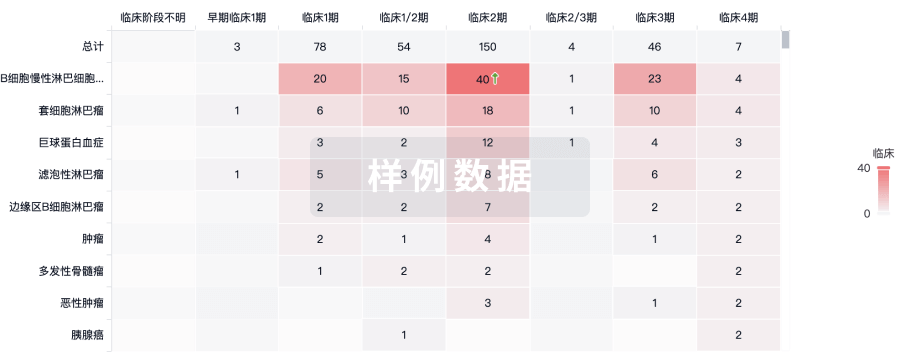
批准
利用最新的监管批准信息加速您的研究。
登录
或
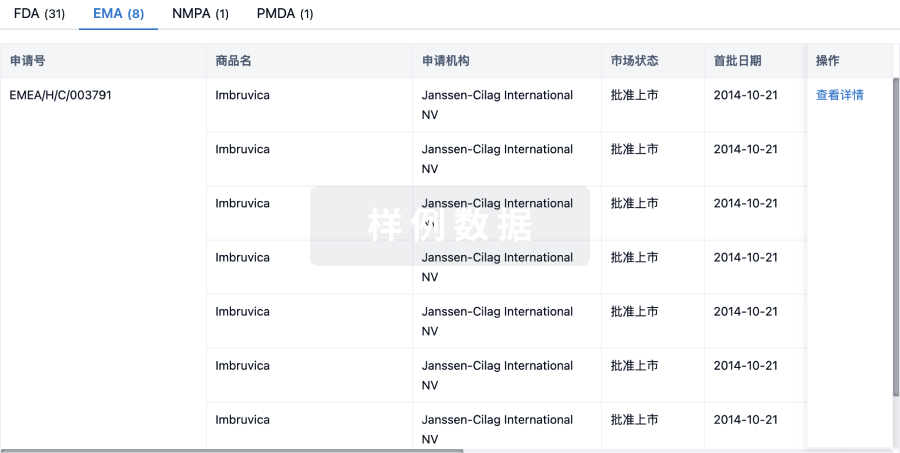
特殊审评
只需点击几下即可了解关键药物信息。
登录
或
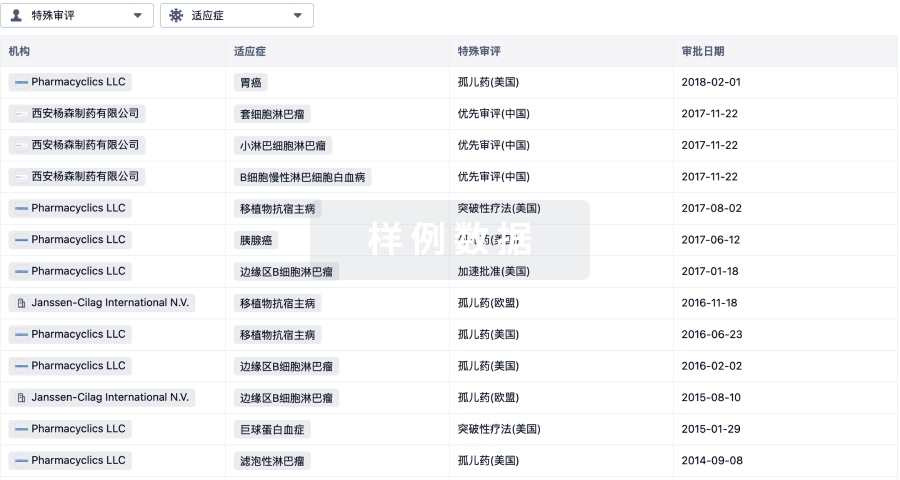
提出任何生物医药研究问题
让每一步生物医药决策都精准制胜
基于十亿级生物数据与全球情报的精准 AI,赋能早期药物发现
立即开始免费试用!
智慧芽新药情报库是智慧芽专为生命科学人士构建的基于AI的创新药情报平台,助您全方位提升您的研发与决策效率。
立即接入生物医药数据包
智慧芽新药库数据也通过智慧芽开放平台,以MCP或API服务形式对外开放。立即使用我们的MCP服务定制您的LLM智能体。
生物序列数据库
生物药研发创新
免费使用
化学结构数据库
小分子化药研发创新
免费使用