预约演示
更新于:2026-08-18

JSR Corp.
更新于:2026-08-18
概览
疾病领域得分
一眼洞穿机构专注的疾病领域

技术平台
公司药物应用最多的技术
靶点
公司最常开发的靶点
关联
靶点 |
作用机制 |
在研机构 |
原研机构 |
在研适应症 |
非在研适应症 |
最高研发阶段 |
首次获批国家/地区 |
首次获批日期 |

靶点 |
作用机制 |
在研机构 |
原研机构 |
在研适应症 |
非在研适应症 |
最高研发阶段 |
首次获批国家/地区 |
首次获批日期 |

靶点 |
作用机制 |
在研机构 |
原研机构 |
在研适应症 |
非在研适应症 |
最高研发阶段 |
首次获批国家/地区 |
首次获批日期 |

JPRN-UMIN000043945
Developmental relationships between the gut microbiome and biopsychological characteristics in human children and their mothers: A cross-sectional study
JPRN-UMIN000041135
Development of Artificial Intelligence (AI) to accelerate Drug Target discovery
JPRN-UMIN000022742
Clinical validation study of RAKSET-B, a multiple detection kit for BRAF and RAS gene mutations in colorectal cancer
100 项与 JSR Corp. 相关的临床结果
登录后查看更多信息
登录后查看更多信息
2026-06-30RHEUMATOLOGY
Concordance for myositis-specific autoantibody detection between commercial ELISA and line blot assays: a multicentre study conducted across the Asia-Pacific region
Article
作者: Low, Andrea Hsiu Ling ; Agarwal, Vikas ; Limaye, Vidya ; Gono, Takahisa ; Hasegawa, Kimiko ; Murakami, Akihiro ; Kuwana, Masataka ; Isayama, Takuya ; So, Ho ; Raja, Jasmin ; Fong, Warren ; Gupta, Latika ; Wangkaew, Suparaporn
Abstract:
Objectives:
Laboratory detection of myositis-specific autoantibodies (MSAs) utilizes ELISA and multianalyte line blot assays (LBA). We sought to evaluate the concordance and reliability of these two commercial assays.
Methods:
Serum samples from patients with idiopathic inflammatory myopathies (IIMs) were obtained from seven countries across the Asia-Pacific region. Anti-Jo-1, anti-EJ, anti-PL-7, anti-PL-12, anti-MDA5, anti-Mi-2 and anti-TIF1-γ antibodies were centrally measured with commercial ELISA and LBA kits. The positive percentage agreement (PPA), negative percentage agreement (NPA) and Cohen’s kappa were calculated by comparing the two assays. Sera with discordant results were subjected to ‘gold-standard’ immunoprecipitation (IP) assays.
Results:
Serum samples obtained from 485 patients with IIMs, including 180 with DM, 44 with amyopathic DM, seven with JDM, 197 with PM or immune-mediated necrotizing myopathy and 57 with IBM, were subjected to ELISA and LBA. The PPA was the highest for anti-Jo-1 at 0.98, followed by 0.94 for anti-PL-7, 0.93 for anti-EJ, 0.93 for anti-MDA5, 0.89 for anti-TIF1-γ, 0.78 for anti-PL-12 and 0.67 for anti-Mi-2, whereas the NPA was high (ranging from 0.97 to 1 for all MSAs). Kappa values exceeded 0.80 for anti-Jo-1, anti-EJ, anti-MDA5 and anti-TIF1-γ, whereas anti-PL-7, anti-PL-12 and anti-Mi-2 exhibited low values. IP assays using sera with discordant results revealed a high rate of false positives for anti-PL-7 and anti-Mi-2 in LBA.
Conclusion:
Discrepancies in the measurement results were observed between commercially available ELISA and LBA, especially for anti-PL7 and anti-Mi-2. ELISA is more accurate than LBA.
2026-05-01JOURNAL OF MICROBIOLOGICAL METHODS
Rapid identification of non-tuberculosis mycobacteria in simulated positive blood cultures with MALDI-TOF MS and Mycobacterium multiplex PCR detection panel
Article
作者: Aono, Akio ; Hosokawa, Naoto ; Kuzukawa, Junya ; Mitarai, Satoshi ; Itasaka, Naoki ; Chikamatsu, Kinuyo ; Hosoya, Makiko ; Watanabe, Naoki ; Murase, Yoshiro ; Otsuka, Yoshihito ; Suzuki, Akinori ; Watari, Tomohisa ; Ebisu, Yosuke
BACKGROUND:
Non-tuberculosis mycobacteria (NTM) cause bloodstream and disseminated infections, for which early treatment initiation following accurate pathogen identification is critical. Rapid identification using MALDI-TOF MS and the PCR-reverse sequence-specific oligonucleotide (PCR-rSSO)-based mycobacteria detection panel are potentially useful. However, their direct application to NTM-positive blood cultures has not been evaluated. We aimed to assess the feasibility of applying these assays directly to blood culture broth without prior subculturing.
METHODS:
Simulated blood culture broth samples with 10 NTM species-comprising type strains and clinical isolates-were prepared. Identification accuracy was assessed by comparison with the reference identifications based on type strains or whole-genome sequencing.
RESULTS:
A total of 34 samples were prepared; Mycobacterium haemophilum was excluded because of identification-related quality issues, leaving 31 samples for analysis. MALDI-TOF MS showed 67.7% concordance with reference identifications (kappa coefficient, 0.64 [95% confidence interval (CI), 0.46-0.82]), with a higher concordance in rapidly growing mycobacteria (RGM) than in slowly growing mycobacteria (SGM). Concordance rates were 100% (kappa coefficient, 1.0) for RGM and 16.7% (kappa coefficient, 0.13 [95% CI, -0.03-0.29]) for SGM. Meanwhile, the PCR-rSSO panel achieved 87.1% overall agreement with the reference identifications (kappa coefficient, 0.86 [95% CI, 0.73-0.99] and enabled rapid detection of RGM and SGM, except for Mycobacterium mageritense, which was not covered by this panel.
CONCLUSION:
MALDI-TOF MS provided accurate identification of RGM, whereas the PCR-rSSO panel demonstrated high identification performance for RGM and SGM. These methods are complementary; their combined utility warrants further evaluation in clinical settings.
2026-05-01JOURNAL OF THERMAL BIOLOGY
Thermal anomaly of erythrocyte osmotic fragility and aquaporin function at body temperature
Article
作者: Artmann, Aysegül Temiz ; Uysal, Karya ; Firat, Ipek Seda ; Weiergräber, Oliver H ; Artmann, Gerhard M
The recently proposed Interfacial Water Quantum Transition (IWQ) model presents a novel framework for functional changes in proteins at critical temperatures. Building on this, we hypothesized that red blood cell (RBC) osmotic fragility (OF) and aquaporin (AQP) function might exhibit similar transitions. We assessed the osmotic resistance of human and chicken RBCs across 24-50 °C. Mean corpuscular fragility (MCF50) was obtained by logistic curve fitting. In human RBCs, MCF50 consistently decreased with increasing temperature in whole blood, washed RBCs, and HgCl2-treated (known to reduce AQP water permeability) RBCs. Washed RBCs were more fragile, indicating a protective role of plasma proteins. An abrupt MCF50 drop at Tc = 36.0 ± 0.4 °C in washed RBCs abolished group differences, suggesting a functional transition at the critical temperature, TC. For chicken RBCs at Tc = 41.0 ± 0.5 °C, a phase transition-like decrease in MCF50 was observed, where it dropped from 0.32 at 40 °C to 0.28 at 41 °C. This decrease remained consistent above TC, unlike the peak-like curve shape in human RBCs around TC. These results suggest a species-specific, temperature-triggered anomaly and an osmotic regulation mechanism. The OF transitions found align with known hemoglobin temperature transitions, highlighting the physiological relevance of thermo-sensitive protein-water interactions. The findings of this study could foster the understanding of temperature-regulated water transport in red blood cells and for the development of AQP-specific applications in transfusion medicine or bioengineered membranes.
2026-08-15
100 项与 JSR Corp. 相关的药物交易
登录后查看更多信息
100 项与 JSR Corp. 相关的转化医学
登录后查看更多信息
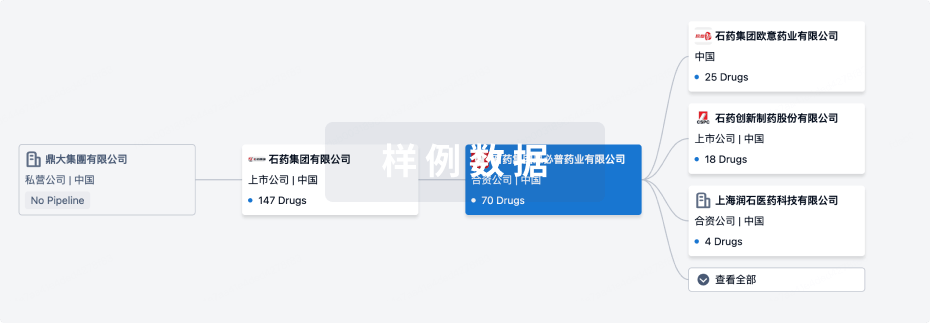
组织架构
使用我们的机构树数据加速您的研究。
登录
或
管线布局
2026年08月27日管线快照
管线布局中药物为当前组织机构及其子机构作为药物机构进行统计,早期临床1期并入临床1期,临床1/2期并入临床2期,临床2/3期并入临床3期
临床前
6
1
批准上市
其他
6
登录后查看更多信息
当前项目
登录后查看更多信息
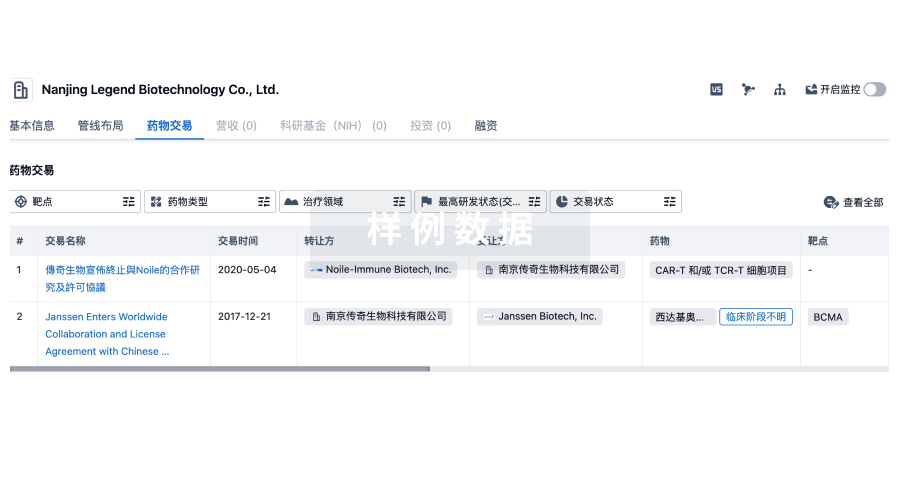
药物交易
使用我们的药物交易数据加速您的研究。
登录
或
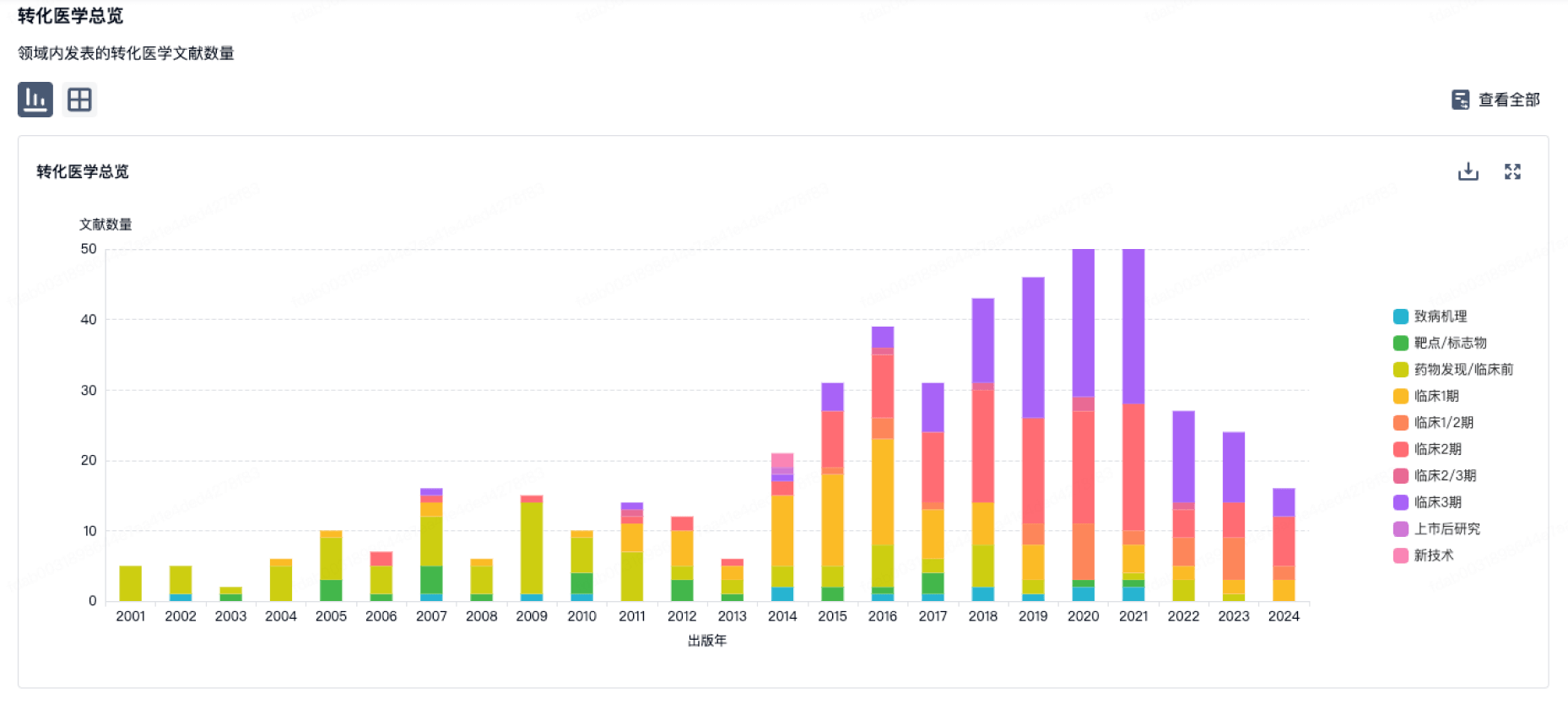
转化医学
使用我们的转化医学数据加速您的研究。
登录
或
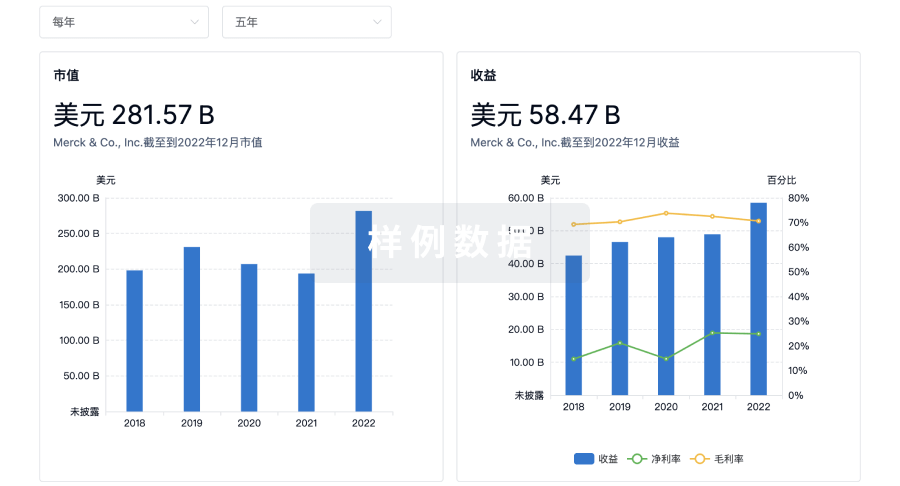
营收
使用 Synapse 探索超过 36 万个组织的财务状况。
登录
或
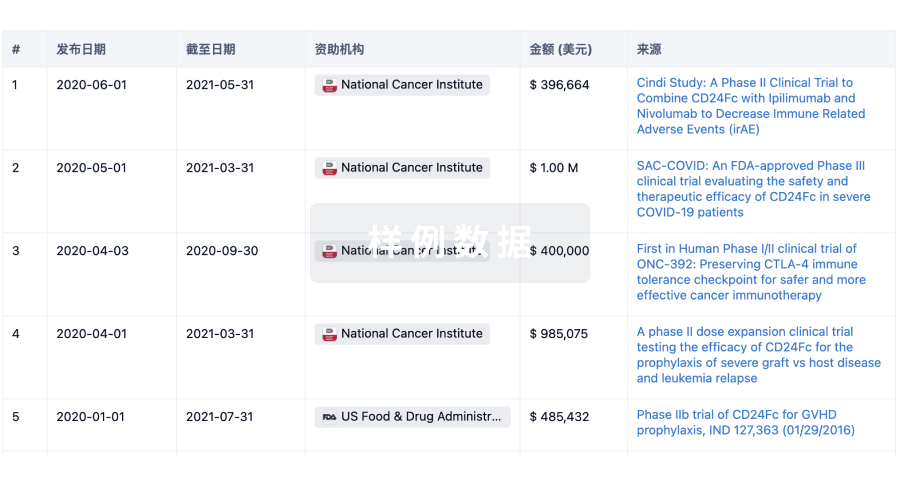
科研基金(NIH)
访问超过 200 万项资助和基金信息,以提升您的研究之旅。
登录
或
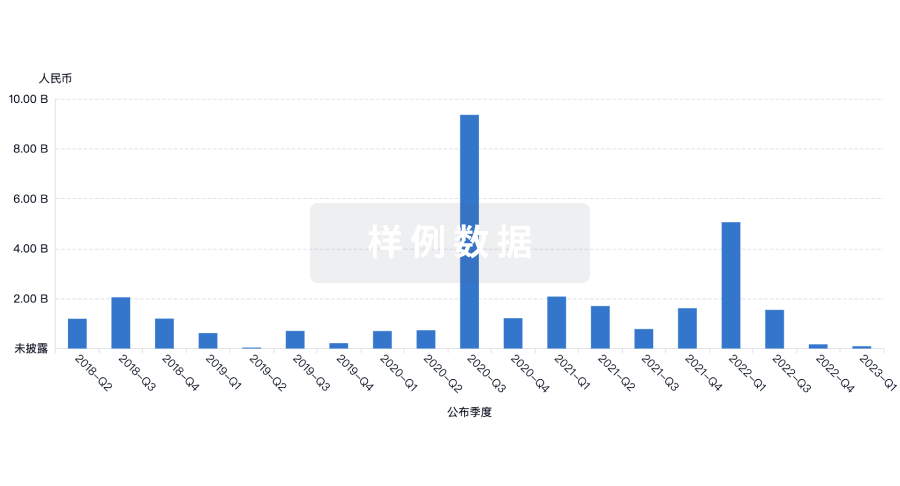
投资
深入了解从初创企业到成熟企业的最新公司投资动态。
登录
或
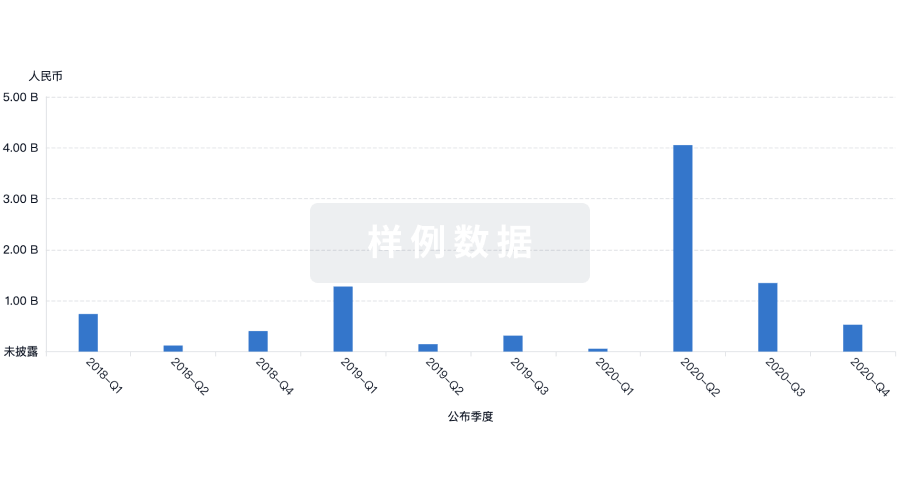
融资
发掘融资趋势以验证和推进您的投资机会。
登录
或
提出任何生物医药研究问题
让每一步生物医药决策都精准制胜
基于十亿级生物数据与全球情报的精准 AI,赋能早期药物发现
立即开始免费试用!
智慧芽新药情报库是智慧芽专为生命科学人士构建的基于AI的创新药情报平台,助您全方位提升您的研发与决策效率。
立即接入生物医药数据包
智慧芽新药库数据也通过智慧芽开放平台,以MCP或API服务形式对外开放。立即使用我们的MCP服务定制您的LLM智能体。
生物序列数据库
生物药研发创新
免费使用
化学结构数据库
小分子化药研发创新
免费使用