预约演示
更新于:2026-07-06

Guangzhou Wondfo Biotech Co., Ltd.
更新于:2026-07-06
概览
关联
NCT04207554
Clinical Investigation for the Preview® hCG Urine/Serum Combo Pregnancy Test
NCT03907449
Preview Rapid Strep A Test Method Comparison Study
100 项与 广州万孚生物技术股份有限公司 相关的临床结果
登录后查看更多信息
登录后查看更多信息
2026-01-01COLLOIDS AND SURFACES B-BIOINTERFACES
Surface-engineered MnO₂@Au@ZIF-67 hierarchical catalysts for acid-triggered antibacterial therapy and infected wound healing
Article
作者: Wang, Yan ; Wang, LinGe ; Yu, Xiaolin ; Dong, Xuehui ; Yu, Qianqian ; Gao, Li ; Tang, Zhe ; Yang, Bo ; Xu, Mengmeng ; Liu, Yuan
Rational surface engineering of nanocatalysts offers new solutions against antibiotic-resistant infections. We designed and fabricated hierarchical MnO₂@Au@ZIF-67 nanoparticles (NPs) with triple interfacial functionalities for synergistic antibacterial therapy. The acid-responsive ZIF-67 surface degrades in infected wounds, releasing Co²⁺ to catalyze •OH generation via Fenton-like reactions at the material-bacteria interface. Simultaneously, ultrasmall Au surfaces deplete glucose through oxidase-mimetic catalysis, producing gluconic acid that accelerates ZIF-67 dissolution. The MnO₂ core surface decomposes H₂O₂ to supply O₂, enhancing Au catalysis and alleviating hypoxia. Comprehensive surface characterization (TEM, SEM, XPS, XRD) confirmed structural integrity and reactive sites. In vitro, the NPs achieved > 99 % bacterial killing (S. aureus/E. coli) through ROS-mediated membrane disruption (validated by SEM/CLSM). In vivo, they enabled 98.45 % bacterial clearance and accelerated wound healing via collagen reorganization (H&E/Masson staining). This surface-engineered platform demonstrates how interfacial catalytic cascades can be harnessed for effective non-antibiotic antimicrobial applications.
2022-07-01Biosensors & bioelectronics1区 · 工程技术
Argonaute-integrated isothermal amplification for rapid, portable, multiplex detection of SARS-CoV-2 and influenza viruses
1区 · 工程技术
Article
作者: Li, Zhonglei ; Liu, Qian ; Wang, Hanming ; Feng, Yan ; Liu, Tao ; Li, Kai ; Sun, Junwei ; Zhao, Pengshu ; Wang, Li ; Xu, Sihong ; Zhao, Weili ; Huang, Jun ; Guo, Xiang ; Wang, Jihua ; Zhou, Haiwei ; Liu, Donglai ; Xu, Heshan ; Ye, Xingyu
Isothermal amplification methods are a promising trend in virus detection because of their superiority in rapidity and sensitivity. However, the generation of false positives and limited multiplexity are major bottlenecks that must be addressed. In this study, we developed a multiplex Argonaute (Ago)-based nucleic acid detection system (MULAN) that integrates rapid isothermal amplification with the multiplex inclusiveness of a single Ago for simultaneous detection of multiple targets such as SARS-CoV-2 and influenza viruses. Owing to its high specificity, MULAN can distinguish targets at a single-base resolution for mutant genotyping. Moreover, MULAN also supports portable and visible devices with a limit of detection of five copies per reaction. Validated by SARS-CoV-2 pseudoviruses and clinical samples of influenza viruses, MULAN showed 100% agreement with quantitative reverse-transcription PCR. These results demonstrated that MULAN has great potential to facilitate reliable, easy, and quick point-of-care diagnosis for promoting the control of infectious diseases.
2021-12-01CHINESE CHEMICAL LETTERS
The point-of-care-testing of nucleic acids by chip, cartridge and paper sensors
作者: Zuozhong Wu ; Yuan Guo ; Song Li ; Zhu Chen ; Lei Cai ; Yan Deng ; Xiaoni Zhao ; Nongyue He ; Jinqu Yan ; Tao Wang ; Yuyue Xu ; Lian Jin
A review.Point-of-care nucleic acid testing (POCNAT) has played an important role in the outbreak of infectious diseases (e.g., COVID-19) over recent years.POCNAT aims to realize the rapid, simple, and automatic detection of nucleic acid.Thanks to the development of manufacturing technol., electronic information technol., artificial intelligence technol., and biol. information technol. in recent years, the development of the POCNAT device has led to significant advancement.Instead of the normal nucleic acid detection methods used in the laboratory, some novel exptl. carriers have been applied, such as chips, cartridges, and papers.The application of these exptl. carriers has realized the automation and integration of nucleic acid detection.The entire process of nucleic acid detection is normally divided into 3 steps (nucleic acid extraction, target amplification, and signal detection).All of the reagents required by the process can be pre-stored on these exptl. carriers, without unnecessary manual operation.Furthermore, all of the processes are carried out in this exptl. carrier, with the assistance of a specific control device.Although they are complicated to manufacture and precise in design, their application provides a significant step forwards in nucleic acid detection and realizes the integration of nucleic acid detection.This technol. has great potential in the field of point-of-care mol. diagnostics in the future.This paper focuses on the relevant content of these exptl. carriers.
100 项与 广州万孚生物技术股份有限公司 相关的药物交易
登录后查看更多信息
100 项与 广州万孚生物技术股份有限公司 相关的转化医学
登录后查看更多信息
组织架构
使用我们的机构树数据加速您的研究。
登录
或
管线布局
2026年08月22日管线快照
无数据报导
登录后保持更新
药物交易
使用我们的药物交易数据加速您的研究。
登录
或
转化医学
使用我们的转化医学数据加速您的研究。
登录
或
营收
使用 Synapse 探索超过 36 万个组织的财务状况。
登录
或
科研基金(NIH)
访问超过 200 万项资助和基金信息,以提升您的研究之旅。
登录
或
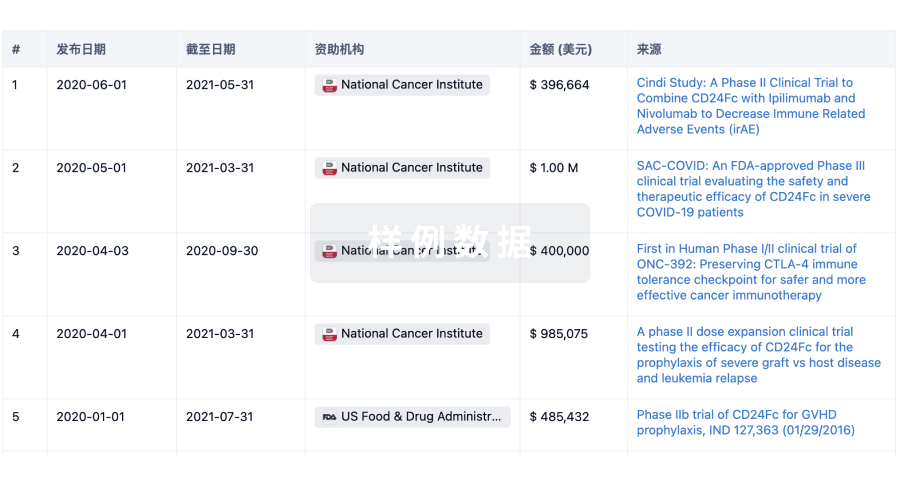
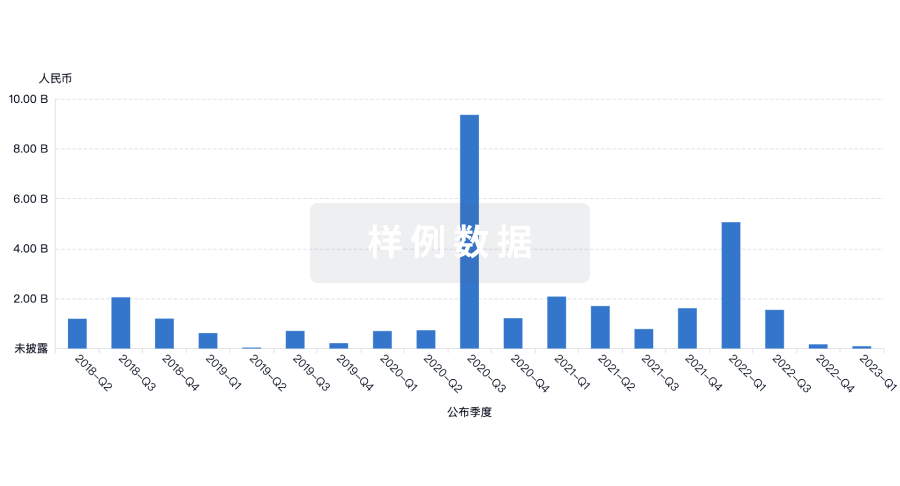
投资
深入了解从初创企业到成熟企业的最新公司投资动态。
登录
或
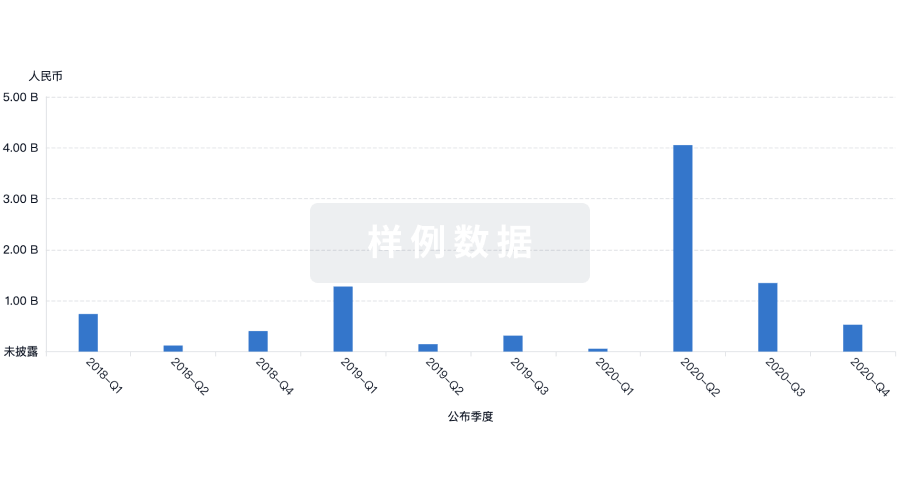
融资
发掘融资趋势以验证和推进您的投资机会。
登录
或
提出任何生物医药研究问题
让每一步生物医药决策都精准制胜
基于十亿级生物数据与全球情报的精准 AI,赋能早期药物发现
立即开始免费试用!
智慧芽新药情报库是智慧芽专为生命科学人士构建的基于AI的创新药情报平台,助您全方位提升您的研发与决策效率。
立即接入生物医药数据包
智慧芽新药库数据也通过智慧芽开放平台,以MCP或API服务形式对外开放。立即使用我们的MCP服务定制您的LLM智能体。
生物序列数据库
生物药研发创新
免费使用
化学结构数据库
小分子化药研发创新
免费使用