预约演示
更新于:2026-08-20

Natera, Inc.
更新于:2026-08-20
概览
关联
NCT07689812
A Multicenter Randomized Open-Label Trial Evaluating ctDNA-Guided Interruption Versus Standard of Care Continuous Immune-Checkpoint Inhibitor (ICI) Therapy In Patients With Advanced/Metastatic Solid Tumors
NCT07339384
Circulating Tumor DNA Assessment in Early-Stage Endometrial Cancer (SIGNAL-EMC 101)
NCT07292285
The Surveillance Nonoperative Watch & Wait (SNOWW) Rectal Cancer Trial

100 项与 Natera, Inc. 相关的临床结果
登录后查看更多信息
登录后查看更多信息
2026-07-01JOURNAL OF HEART AND LUNG TRANSPLANTATION
Comparing DSA-negative and DSA-positive antibody-mediated rejection in heart transplants: Results from the Trifecta-Heart study
Article
作者: Prewett, Adam ; Melenovsky, Vojtěch ; Gong, Timothy ; Patel, Snehal ; Olympios, Michael ; Madill-Thomsen, Katelynn S ; Hall, Shelley ; Kim, Daniel H ; Felius, Joost ; Lowe, Dave ; Hidalgo, Luis G ; Przybylowski, Piotr ; Halloran, Philip F ; Campbell, Patrick ; Tseliou, Eleni ; Uriel, Nir ; Stehlik, Josef ; Kuczaj, Agnieszka ; Maliakkal, Neville ; Sayer, Gabriel ; Mackova, Martina ; Demko, Zach
BACKGROUND:
Antibody-mediated rejection (ABMR) in heart transplants is often negative for donor-specific antibody (DSA). We explored potential molecular differences between DSA-negative and DSA-positive molecular ABMR in 212 heart endomyocardial biopsies from the prospective Trifecta-Heart study (NCT04707872).
METHODS:
We characterized rejection in biopsies by the Molecular Microscope Diagnostic System (MMDx) and by histology, and at the time of biopsy, measured donor-derived cell-free DNA (dd-cfDNA, the Prospera test, Natera, Inc) and central plasma DSA (One Lambda Inc, assessed by L.G.H.).
RESULTS:
MMDx ABMR was 53% (33/63) DSA-positive and 79% (50/63) dd-cfDNA positive. DSA-negative (N = 33) and DSA-positive (N = 30) molecular ABMR were similar in days post-transplant (861 vs 1,119), percent dd-cfDNA as a fraction of total cfDNA positivity (76% vs 83%), and mean left ventricular ejection fraction (LVEF) (58.5 vs 56.5); DSA-negative ABMR had lower mean molecular ABMR activity (ABMRProb score 0.55 vs 0.70, p = 0.02). Gene expression profiles were essentially identical between DSA-negative and DSA-positive molecular ABMR, including interferon-gamma (IFNG)-inducible genes (e.g., CXCL11, CXCL9, and IDO1) and NK-expressed genes (e.g., KLRD1 and GNLY), compatible with a role for natural killer (NK) cells in both DSA-negative and DSA-positive ABMR.
CONCLUSIONS:
Molecular features of heart transplant biopsies with DSA-negative ABMR are virtually identical to those with DSA-positive ABMR and both are associated with high plasma dd-cfDNA.
2026-06-01JOURNAL OF HEART AND LUNG TRANSPLANTATION
A two-threshold donor-derived cell-free DNA algorithm improves detection of molecular rejection in heart transplantation
Article
作者: Prewett, Adam ; Kaur, Navchetan ; Madill-Thomsen, Katelynn S ; Suresh, Niraja ; Mackova, Martina ; Halloran, Dr Philip F ; Gong, Timothy ; Stehlik, Josef ; Patel, Snehal R ; Uriel, Nir ; Tseliou, Eleni ; Przybylowski, Piotr ; Kim, Daniel H ; Campbell, Patrick T ; Melenovsky, Vojtech ; Demko, Zachary P ; Olympios, Michael ; Bhorade, Sangeeta ; Hall, Shelley ; Sayer, Gabriel ; Gauthier, Patrick T ; Kuczaj, Agnieszka ; Biagini, D Giovanni
BACKGROUND:
Donor-derived cell-free DNA (dd-cfDNA), a noninvasive biomarker for heart allograft rejection, was initially developed based on the percent of total cfDNA. A two-threshold algorithm (2TA) was recently developed, assigning high risk of rejection if dd-cfDNA was ≥0.26% or donor-quantity score (DQS) was ≥18 copies/mL based on histologic biopsy assessment. The present study evaluated 2TA for its performance in detecting molecular rejection using the Molecular Microscope Diagnostic System (MMDx).
METHODS:
We assessed endomyocardial biopsies with matched dd-cfDNA assessments from the multicenter, prospective Trifecta-Heart study (ClinicalTrials.gov, NCT04707872).
RESULTS:
Among 366 biopsy-matched samples from 236 patients, MMDx classified 108 biopsies as rejection and 258 as no rejection. Median dd-cfDNA% and DQS were significantly higher in rejection vs non-rejection (0.67% vs 0.07%; 44 vs 1 copies/mL; p<0.001 for both) and were higher in antibody-mediated, T cell-mediated, and mixed rejection. Compared to the previous 0.15% dd-cfDNA cutoff, 2TA provided higher specificity (83.7% vs 76.7%) but similar sensitivity (83.3% vs 82.4%), reducing false positives by 30% with AUC of 0.87, a net reclassification index of 7.23%, and detecting molecular rejection better than histologic rejection. Each 0.05% increase in dd-cfDNA% and 5-copy/ml increase in DQS raised the odds of MMDx rejection by 14% and 20%, respectively.
CONCLUSIONS:
Using dd-cfDNA% with DQS for heart transplant rejection improves specificity and AUC compared to the previous cutoff, predicting molecular rejection better than histologic rejection.
2026-05-01JOURNAL OF MOLECULAR DIAGNOSTICS
Authors’ Reply
Letter
作者: Lennerz, Jochen K ; Bisson, Tom
2026-08-16
免疫疗法抗体药物偶联物上市批准诊断试剂细胞疗法
2026-08-13
·循因缉药
100 项与 Natera, Inc. 相关的药物交易
登录后查看更多信息
100 项与 Natera, Inc. 相关的转化医学
登录后查看更多信息
组织架构
使用我们的机构树数据加速您的研究。
登录
或
管线布局
2026年08月21日管线快照
管线布局中药物为当前组织机构及其子机构作为药物机构进行统计,早期临床1期并入临床1期,临床1/2期并入临床2期,临床2/3期并入临床3期
其他
1
登录后查看更多信息
当前项目
登录后查看更多信息
药物交易
使用我们的药物交易数据加速您的研究。
登录
或
转化医学
使用我们的转化医学数据加速您的研究。
登录
或
营收
使用 Synapse 探索超过 36 万个组织的财务状况。
登录
或
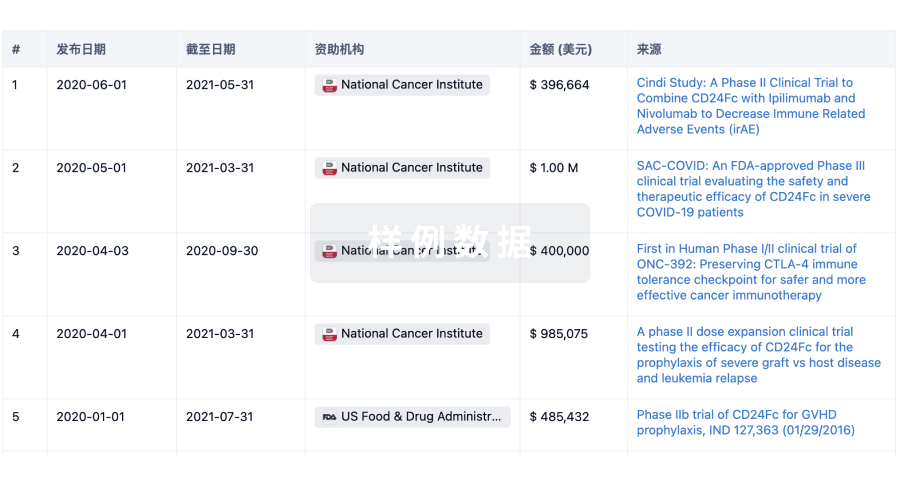
科研基金(NIH)
访问超过 200 万项资助和基金信息,以提升您的研究之旅。
登录
或
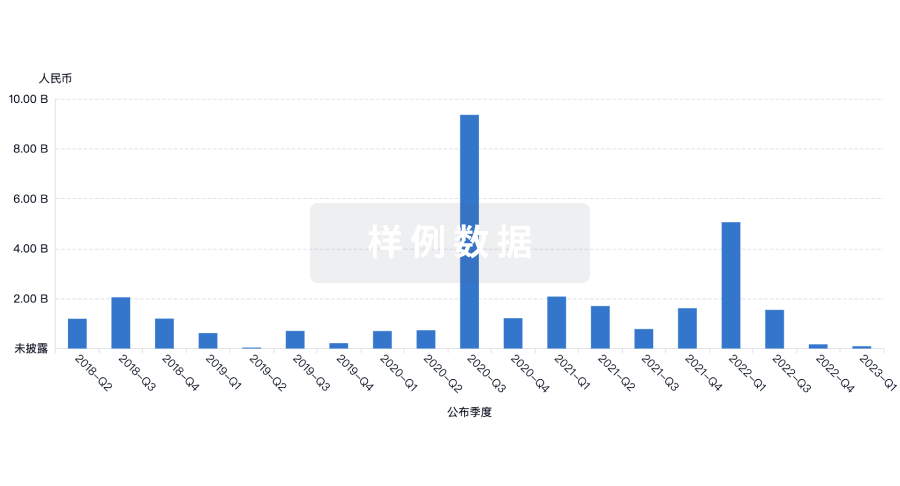
投资
深入了解从初创企业到成熟企业的最新公司投资动态。
登录
或
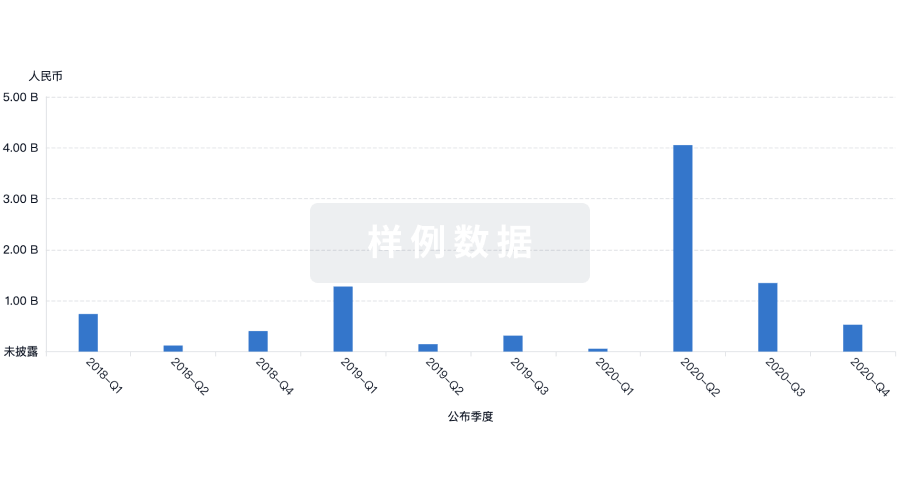
融资
发掘融资趋势以验证和推进您的投资机会。
登录
或
提出任何生物医药研究问题
让每一步生物医药决策都精准制胜
基于十亿级生物数据与全球情报的精准 AI,赋能早期药物发现
立即开始免费试用!
智慧芽新药情报库是智慧芽专为生命科学人士构建的基于AI的创新药情报平台,助您全方位提升您的研发与决策效率。
立即接入生物医药数据包
智慧芽新药库数据也通过智慧芽开放平台,以MCP或API服务形式对外开放。立即使用我们的MCP服务定制您的LLM智能体。
生物序列数据库
生物药研发创新
免费使用
化学结构数据库
小分子化药研发创新
免费使用