预约演示
更新于:2026-08-20

InSilico Medicine Hong Kong Ltd.
更新于:2026-08-20
概览
标签
肿瘤
其他疾病
内分泌与代谢疾病
小分子化药
化学药
ADC
疾病领域得分
一眼洞穿机构专注的疾病领域

技术平台
公司药物应用最多的技术
靶点
公司最常开发的靶点
关联
靶点 |
作用机制 |
在研机构 |
原研机构 |
在研适应症 |
非在研适应症 |
最高研发阶段 |
首次获批国家/地区 |
首次获批日期 |
靶点 |
作用机制 |
在研机构 |
原研机构 |
在研适应症 |
非在研适应症 |
最高研发阶段 |
首次获批国家/地区 |
首次获批日期 |
靶点 |
作用机制 |
在研机构 |
原研机构 |
在研适应症 |
非在研适应症 |
最高研发阶段 |
首次获批国家/地区 |
首次获批日期 |
NCT06724042
First-in-human Phase 1a/b, Open-Label, Multicenter, Dose Escalation, Optimization and Expansion Study of ISM5939 in Patients With Advanced and/or Metastatic Solid Tumors
NCT07687459
A Prospective Phase 3, Randomized, Double-blind, Placebo-controlled, Parallel-group Study Evaluating the Efficacy and Safety of Rentosertib (INS018_055) Administered Orally Over 52 Weeks in Patients With Idiopathic Pulmonary Fibrosis (IPF)
NCT07581431
A Phase 1, Randomized, Double-Blind, Placebo-Controlled Study to Evaluate the Safety, Tolerability, Pharmacokinetics, and Pharmacodynamics of Single and Multiple Ascending Oral Doses of ISM8969 in Healthy Adult and Elderly Participants and Obese Adult Participants at Risk of Cardiovascular Disease
100 项与 英矽智能(香港)有限公司 相关的临床结果
登录后查看更多信息
登录后查看更多信息
2026-07-01Advanced Science
Lessons From Drug Discovery for Cryoprotective Agent Design: An AI‐Oriented Perspective
Article
作者: Valdés-Hernández, Jesús ; Bernales, Varinia ; Zhavoronkov, Alex ; Aspuru-Guzik, Alán ; Wilczok, Dominika
ABSTRACT:
Cryopreservation is the storage of biological materials like cells, tissues, or even organs at cryogenic temperatures. This technology is a key enabler for biobanking, reproductive medicine, and cell therapy, and is positioned as a vital part of the future of transplantation. Successful cryopreservation relies on cryoprotective agents (CPAs) that protect biological structures from ice‐induced damage. However, CPAs can have significant drawbacks, including toxicity, particularly at the high concentrations required for vitrification. As efforts advance toward preserving more sensitive cells, whole organs, and, ultimately, entire organisms, there is a pressing need for new CPAs with improved profiles across multiple parameters. The drug discovery discipline has long recognized that an effective compound must meet many criteria beyond potency, absorption, distribution, metabolism, elimination, and toxicity (ADME‐T), and that these criteria must be balanced through multiparameter optimization. Similarly, an ideal cryoprotectant must simultaneously satisfy a broad spectrum of requirements. In this perspective, lessons from drug discovery are applied to the design of cryoprotectants. Treating cryoprotectant development as a multiparameter optimization challenge, akin to drug lead optimization, could enable systematic design of the next generation of safer and more effective CPAs.
2026-04-01BIOORGANIC & MEDICINAL CHEMISTRY
Conformational restriction of hinge carboxamide leading to potent lactam-based PKMYT1 inhibitors
Article
作者: Wang, Xiaomin ; Wang, Chao ; Zhavoronkov, Alex ; Zhang, Man ; Wang, Yazhou ; Aliper, Alex ; Liu, Tingting ; Cai, Xin ; Ding, Xiao ; Ren, Feng
Through structure-based design to optimize protein kinase membrane-associated tyrosine/threonine 1 (PKMYT1) inhibitors, we developed two distinct conformational restriction strategies: intermolecular hydrogen bonding and cyclization. The hinge-binding carboxamide cyclized derivative B3 demonstrated potent enzymatic inhibition (IC50 = 3.5 nM) and cellular CDK1 phosphorylation suppression (IC50 = 65-114 nM), selectively inhibited proliferation of CCNE1-amplified cancer cells (IC50 = 0.56-0.88 μM) through induction of γH2AX accumulation. Furthermore, compared to the first-in-class PKMYT1 inhibitor RP-6306, B3 exhibited enhanced solubility (176 vs 45 μM) and favorable in vivo metabolic stability (mouse clearance 58.2 vs 85.7 mL/min/kg), underscoring cyclization as a productive design strategy to improve drug-likeness of PKMYT1 inhibitors.
2026-02-13Aging-US
Toward actionable interventions in human aging (12th ARDD meeting, 2025)
Article
The 12th Aging Research and Drug Discovery (ARDD) meeting convened at the University of Copenhagen, presenting a comprehensive overview of recent advancements in the biology of aging. A central theme across sessions was the field's gradual shift from descriptive, correlational studies to mechanistic understandings enabling the engineering of personalized therapeutic interventions aimed at extending human healthspan. Key discussions highlighted the convergence of multiple disciplines. Presentations detailed how fundamental biological insights are being integrated with artificial intelligence and machine learning platforms for accelerated target identification and drug development. Furthermore, the development and application of novel preclinical research models were presented as critical for improving the translational pipeline to human clinical trials. Scientific discourse has advanced from cataloging the established hallmarks of aging to identifying and modulating the specific molecular mechanisms that regulate them. This focus is predicated on the hypothesis that aging is not solely a result of stochastic damage accumulation but may be a tractable, modifiable, and potentially reversible biological process amenable to intervention. This report summarizes the principal research directions and conceptual frameworks presented at the conference.
100 项与 英矽智能(香港)有限公司 相关的药物交易
登录后查看更多信息
100 项与 英矽智能(香港)有限公司 相关的转化医学
登录后查看更多信息
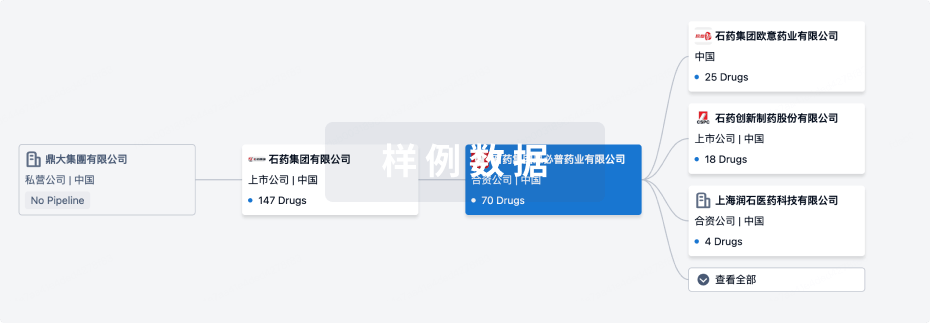
组织架构
使用我们的机构树数据加速您的研究。
登录
或
管线布局
2026年08月23日管线快照
管线布局中药物为当前组织机构及其子机构作为药物机构进行统计,早期临床1期并入临床1期,临床1/2期并入临床2期,临床2/3期并入临床3期
药物发现
5
35
临床前
临床1期
4
2
临床2期
临床3期
1
2
其他
登录后查看更多信息
当前项目
登录后查看更多信息
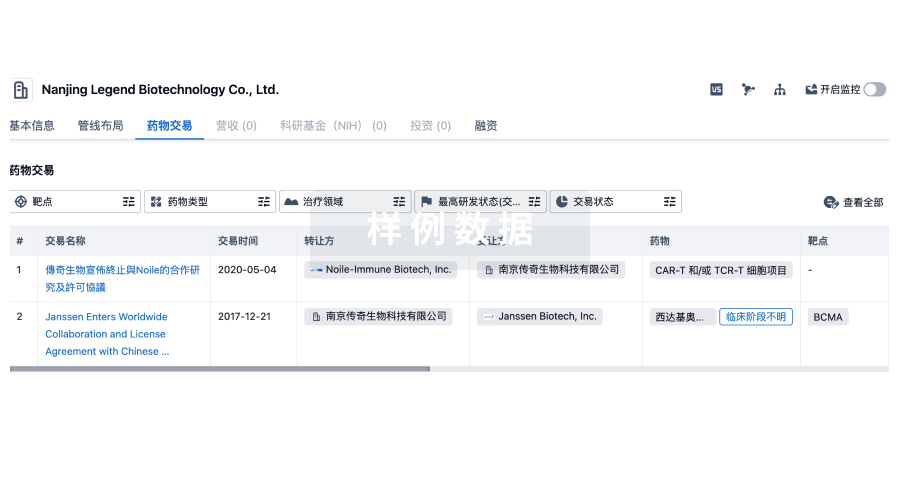
药物交易
使用我们的药物交易数据加速您的研究。
登录
或
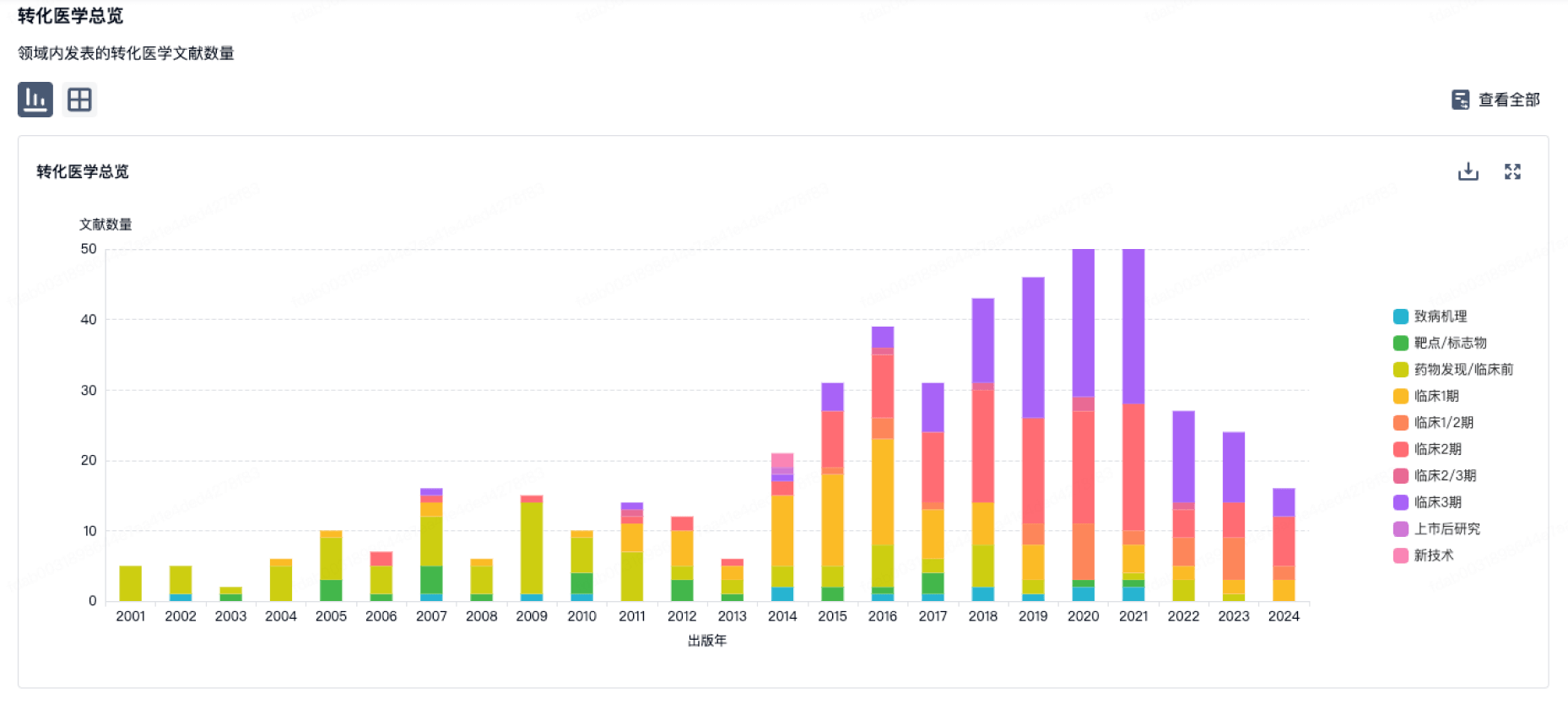
转化医学
使用我们的转化医学数据加速您的研究。
登录
或
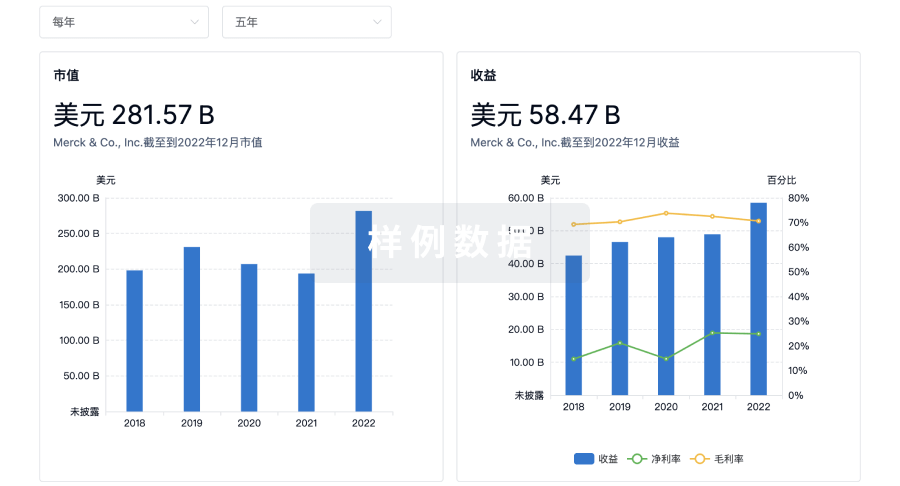
营收
使用 Synapse 探索超过 36 万个组织的财务状况。
登录
或
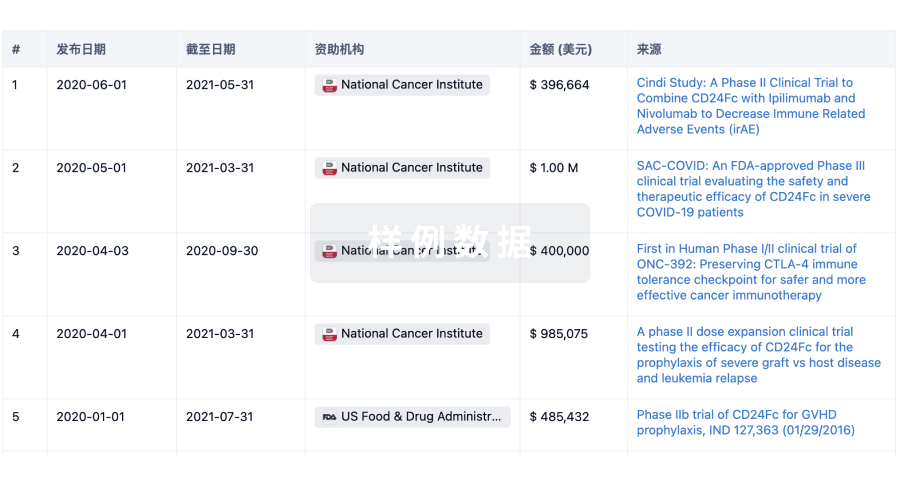
科研基金(NIH)
访问超过 200 万项资助和基金信息,以提升您的研究之旅。
登录
或
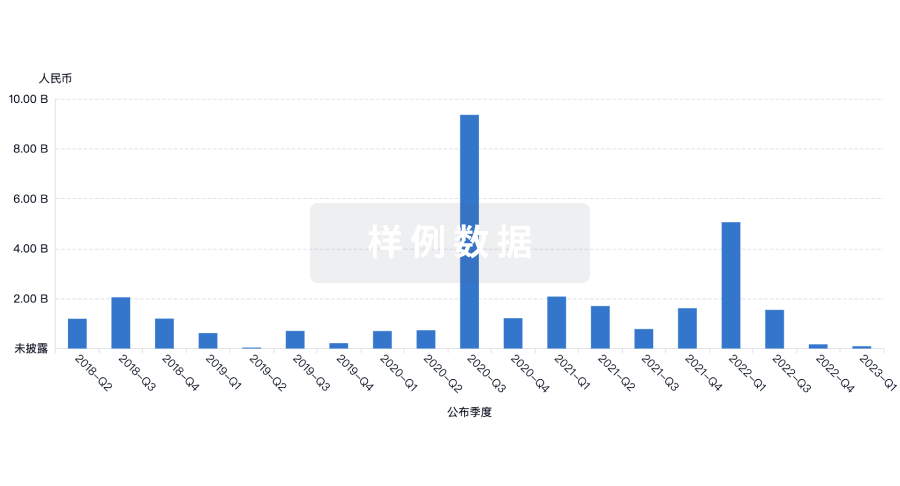
投资
深入了解从初创企业到成熟企业的最新公司投资动态。
登录
或
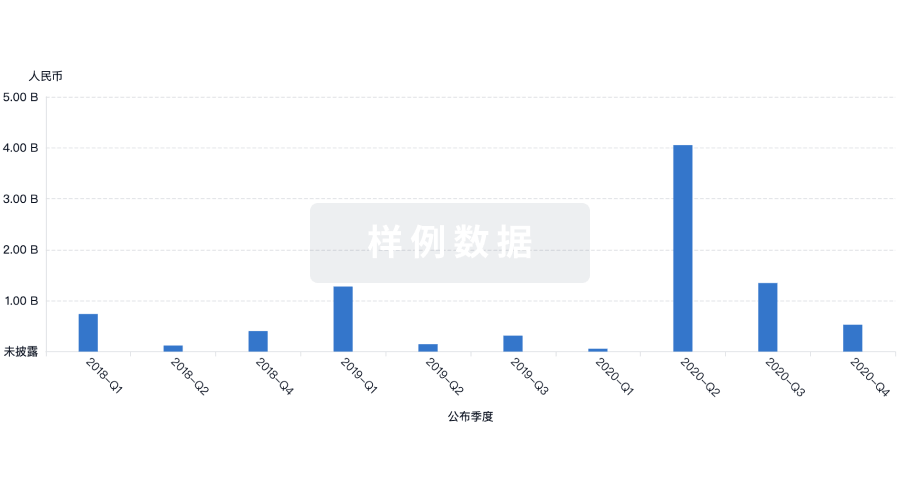
融资
发掘融资趋势以验证和推进您的投资机会。
登录
或
提出任何生物医药研究问题
让每一步生物医药决策都精准制胜
基于十亿级生物数据与全球情报的精准 AI,赋能早期药物发现
立即开始免费试用!
智慧芽新药情报库是智慧芽专为生命科学人士构建的基于AI的创新药情报平台,助您全方位提升您的研发与决策效率。
立即接入生物医药数据包
智慧芽新药库数据也通过智慧芽开放平台,以MCP或API服务形式对外开放。立即使用我们的MCP服务定制您的LLM智能体。
生物序列数据库
生物药研发创新
免费使用
化学结构数据库
小分子化药研发创新
免费使用