预约演示
更新于:2026-08-17
Rexaceract
更新于:2026-08-17
概要
基本信息
非在研机构- |
最高研发阶段临床2期 |
首次获批日期- |
最高研发阶段(中国)- |
特殊审评- |


登录后查看时间轴
关联
4
项与 Rexaceract 相关的临床试验NCT07280299
A Randomized, Placebo-controlled, Double-blind, Phase 2a Study to Evaluate the Clinical Efficacy, Safety, Tolerability, and Biomarker Effects of 2 Dose Levels of GT-02287 in Participants With Early Parkinson's Disease
The purpose of this study is to assess the efficacy, the safety, and the effect on biomarkers of 2 dose levels of oral GT-02287 over placebo after 48 weeks of treatment in treated and untreated participants with early PD.
开始日期2026-05-30 |
申办/合作机构 |
ACTRN12625000473460
A Phase 1, Open-Label, Randomized, 2-Way Crossover Study to Evaluate the Relative Bioavailability of Two GT-02287 Oral Suspension Formulations in Healthy Participants
开始日期2025-06-18 |
NCT06732180
An Open-label Study to Assess the Safety, Tolerability, Pharmacokinetics, and Pharmacodynamics of GT-02287 in Participants With Parkinson's Disease With or Without a Pathogenic GBA1 Mutation
The main goal of this clinical trial is to learn about the safety and tolerability of GT-02287. The questions it aims to answer are:
* What medical problems do participants have when taking GT-02287?
* How is GT-02287 absorbed, distributed, and removed from the body of participants over time (pharmacokinetics)?
* Are there any biological effects of GT-02287 in blood and in cerebrospinal fluid that could be beneficial for people with Parkinson's disease?
Participants will:
* visit the clinic to assess if they qualify for the study (30-day Screening Period)
* if eligible, receive GT-02287 once a day every day for 90 days (90-day Open Label Treatment period)
* visit the clinic the first day of treatment, after the first 2 weeks of treatment, and every month during the 90-day Treatment Period.
* visit the clinic to assess how they are doing 14 days after the end of GT-02287 treatment (14-day Follow-Up Period).
* What medical problems do participants have when taking GT-02287?
* How is GT-02287 absorbed, distributed, and removed from the body of participants over time (pharmacokinetics)?
* Are there any biological effects of GT-02287 in blood and in cerebrospinal fluid that could be beneficial for people with Parkinson's disease?
Participants will:
* visit the clinic to assess if they qualify for the study (30-day Screening Period)
* if eligible, receive GT-02287 once a day every day for 90 days (90-day Open Label Treatment period)
* visit the clinic the first day of treatment, after the first 2 weeks of treatment, and every month during the 90-day Treatment Period.
* visit the clinic to assess how they are doing 14 days after the end of GT-02287 treatment (14-day Follow-Up Period).
开始日期2025-02-21 |
申办/合作机构 |
100 项与 Rexaceract 相关的临床结果
登录后查看更多信息
100 项与 Rexaceract 相关的转化医学
登录后查看更多信息
100 项与 Rexaceract 相关的专利(医药)
登录后查看更多信息
1
项与 Rexaceract 相关的文献(医药)INTERNATIONAL JOURNAL OF MOLECULAR SCIENCES
Allosteric Modulation of GCase Enhances Lysosomal Activity and Reduces ER Stress in GCase-Related Disorders
Article
作者: Fregno, Ilaria ; Molinari, Maurizio ; García-Collazo, Ana María ; Cubero, Elena ; Bellotto, Manolo ; Ruano, Ana ; Delgado, Aida ; Bergmann, Timothy J. ; Soldà, Tatiana ; Pérez-Carmona, Natalia ; Rudinskiy, Mikhail
Variants in the GBA1 gene, encoding the lysosomal enzyme glucosylceramidase beta 1 (GCase), are linked to Parkinson’s disease (PD) and Gaucher disease (GD). Heterozygous variants increase PD risk, while homozygous variants lead to GD, a lysosomal storage disorder. Some GBA1 variants impair GCase maturation in the endoplasmic reticulum, blocking lysosomal transport and causing glucosylceramide accumulation, which disrupts lysosomal function. This study explores therapeutic strategies to address these dysfunctions. Using Site-directed Enzyme Enhancement Therapy (SEE-Tx®), two structurally targeted allosteric regulators (STARs), GT-02287 and GT-02329, were developed and tested in GD patient-derived fibroblasts with relevant GCase variants. Treatment with GT-02287 and GT-02329 improved the folding of mutant GCase, protected the GCaseLeu444Pro variant from degradation, and facilitated the delivery of active GCase to lysosomes. This enhanced lysosomal function and reduced cellular stress. These findings validate the STARs’ mechanism of action and highlight their therapeutic potential for GCase-related disorders, including GD, PD, and Dementia with Lewy Bodies.
119
项与 Rexaceract 相关的新闻(医药)2 小时之前
BETHESDA, Md., Aug. 11, 2026 (GLOBE NEWSWIRE) -- Gain Therapeutics, Inc. (Nasdaq: GANX) (“Gain”, or the “Company”), a clinical-stage biotechnology company leading the discovery and development of the next generation of allosteric small molecule therapies, today reported financial results for the quarter ended June 30, 2026, and provided a corporate update.
“The second quarter marked an important period of execution for Gain, highlighted by FDA authorization of our IND for
rexaceract
, which positions us to advance into Phase 2 clinical development,” said Gene Mack, President and CEO of Gain Therapeutics. “The encouraging biomarker and clinical data generated to date continue to support the potential disease-modifying properties of
rexaceract
, and we were pleased to further share these findings with the scientific community at the 3rd International GBA1 Meeting. We believe these data further strengthen the therapeutic rationale for
rexaceract
across both idiopathic and GBA1 Parkinson’s disease.”
Mr. Mack continued, “We remain focused on completing the ongoing nine-month extension of our Phase 1b study, with final data expected to be presented at the International Congress of Parkinson’s Disease and Movement Disorders in Korea in October 2026, while advancing preparations for our Phase 2 clinical program. As of June 30, 2026, 14 of the 16 participants that elected to enroll in the Phase 1b nine-month extension had completed Day 270 with seven of those crossing the Day 360 mark. To date, MDS-UPDRS scores continue to demonstrate that patients with high baseline CSF GluSph experience an early and durable response to
rexaceract
that persists through Day 270 and Day 360, while the overall patient group continues to benefit from non-progression of their Parkinson’s symptoms through Day 360
.
We continue to believe
rexaceract
has the potential to shift the treatment paradigm beyond symptom management by addressing the underlying biology of Parkinson’s disease, and we look forward to achieving additional clinical and regulatory milestones throughout the remainder of the year.”
Second Quarter 2026 and Recent Corporate and Pipeline Highlights
ezstandalone.cmd.push(function () {
ezstandalone.showAds(131);
});
Pipeline Updates
Rexaceract
Presented additional data from the Phase 1b clinical study of
rexaceract
(GT-02287) that supported its disease-modifying potential via demonstrating the restoration of glucocerebrosidase (GCase) biology at the 3
rd
International GBA1 Meeting 2026 in May 2026 in Phoenix, AZ.
As of May 2026, all 16 participants enrolled in the Phase 1b, nine-month extension remained on study and had completed five months of dosing (Day 150).
MDS-UPDRS scores remained stable and durable across the overall study population after 150 days of treatment with
rexaceract.
Participants with elevated baseline levels of glucosylsphingoshine (GluSph) in cerebrospinal fluid (CSF) continued to benefit more than those with low baseline levels of GluSph in CSF after 150 days of dosing with
rexaceract
, with a difference of 4.8 points in the sum of MDS-UPDRS Part II and Part III scores between the two groups at Day 150.
Participants provided unsolicited descriptions of perceived benefit after 90 days of dosing with
rexaceract
. Perceived benefits most commonly described included four instances of improved sense of smell and taste, four instances of improved balance or gait, and three instances of improved sleep.
Rexaceract
accepted as the International Nonproprietary Name (INN) for GT-02287, establishing the compound's official generic name as it continues to advance through clinical development.
GT-04686
GT-04686 is moving towards IND-enabling studies and ultimately, clinical development.
Current activities are focused on optimizing the program and generating the data necessary to support IND-enabling studies.
The advancement of GT-04686 presents an opportunity to bolster the Company’s pipeline and create additional long-term value for shareholders.
Initial therapeutic indication for GT-04686 expected to be selected by year end.
GT-04686 is the second allosteric modulator developed from Gain’s Magellan™ AI drug discovery platform that is planned for entry into the clinic.
Corporate Updates
Regulatory
The U.S. Food and Drug Administration (FDA) completed its review of an Investigational New Drug (IND) application for
rexaceract
.
Acceptance of the IND submission paves the way for initiation of
rexaceract
Phase 2 clinical development in the U.S., expected during Q3 2026.
The acceptance follows positive Phase 1 results for
rexaceract
in both healthy volunteers and people with Parkinson’s disease demonstrating both biomarker and clinical evidence of activity with favorable safety and tolerability.
Rexaceract
is the first allosteric modulator developed from Gain’s Magellan™ AI drug discovery platform to receive IND clearance.
Management Changes
Promotion of Dr. Joanne Taylor to Chief Scientific Officer, reinforcing the Company's scientific leadership and advancing its research and development strategy.
Promotion of Terenzio Ignoni to Chief Operating Officer, strengthening the Company's executive leadership and operational execution.
Upcoming Anticipated Milestones
Phase 2 clinical trial of
rexaceract
in people with Parkinson’s disease expected to begin in Q3 2026.
Final results from Phase 1b clinical study of
rexaceract
expected in Q4 2026.
GT-04686 initial target indication expected in Q4 2026.
Q2 2026 Financial Results
Research and development (R&D)
expenses decreased by $0.6 million to $2.1 million for the three months ended June 30, 2026, compared to $2.8 million for the three months ended June 30, 2025. The decrease in research and development expenses was primarily related to lower costs associated with our lead program compound GT-02287 (
rexaceract
) for the treatment of Parkinson’s Disease and optimization of the pipeline, together with lower research and development personnel expenses, partially offset by the expiration of the grant awarded by Innosuisse under the Swiss Accelerator program in April 2026 and unfavorable foreign exchange currency translation as the Swiss franc and Australian dollar strengthened against the U.S. dollar.
General and administrative
(G&A)
expenses increased by $0.2 million to $2.5 million for the three months ended June 30, 2026, compared to $2.3 million for the three months ended June 30, 2025. The increase in general and administrative expenses for the period was primarily attributable to higher professional fees, higher personnel costs, and unfavorable foreign exchange currency translation as the Swiss franc strengthened against the U.S. dollar.
Net loss
for the three months ended June 30, 2026, was $0.11 per share, basic and diluted, compared to $0.19 per share, basic and diluted, for the three months ended June 30, 2025.
Cash and cash equivalents
were $13.1 million as of June 30, 2026, compared to $20.8 million as of December 31, 2025.
About
Rexaceract
Gain Therapeutics’ lead drug candidate
rexaceract
, formerly known as GT-02287, is in clinical development for the treatment of Parkinson’s disease (PD) with or without a GBA1 mutation. The orally administered, brain-penetrant small molecule is a beta-glucocerebrosidase (GCase) positive allosteric modulator, antiparkinsonian, that restores the function of the lysosomal enzyme GCase which becomes misfolded and impaired due to mutations in the GBA1 gene, the most common genetic abnormality associated with PD, or other age-related stress factors, by stabilizing and chaperoning it to the lysosomes and mitochondria. In preclinical models of PD,
rexaceract
restored GCase enzymatic function, reduced endoplasmic reticulum stress, lysosomal and mitochondrial pathology, aggregated α-synuclein, neuroinflammation and neuronal death, as well as plasma neurofilament light chain (NfL) levels, a biomarker of neurodegeneration. In rodent models of both GBA1-PD and idiopathic PD,
rexaceract
was shown to rescue deficits in motor function and gait and prevent the development of deficits in complex behaviors such as nesting.
Compelling preclinical data in models of both GBA1-PD and idiopathic PD, demonstrating a disease-modifying effect after administration of
rexaceract
, suggest that
rexaceract
may have the potential to slow or stop the progression of Parkinson’s disease.
Results from a Phase 1 study of
rexaceract
in healthy volunteers demonstrated favorable safety and tolerability, plasma and CNS exposures in the projected therapeutic range, and target engagement with an increase in GCase activity among those receiving
rexaceract
at clinically relevant doses.
Rexaceract
is currently being evaluated in a Phase 1b clinical trial for the treatment of Parkinson’s disease with or without a GBA1 mutation. The primary endpoint of the trial, which enrolled participants across seven sites in Australia, is to evaluate the safety and tolerability of
rexaceract
after three months of dosing in people with Parkinson’s disease. The Phase 1b study extension allows participants to continue to be treated with
rexaceract
for up to a total of 12 months.
Gain’s lead program in Parkinson’s disease has been awarded funding support early in its development from The Michael J. Fox Foundation for Parkinson’s Research (MJFF) and The Silverstein Foundation for Parkinson’s with GBA, as well as from the Eurostars-2 joint program with co-funding from the European Union Horizon 2020 research and Innosuisse – Swiss Innovation Agency.
About Gain Therapeutics, Inc.
Gain Therapeutics, Inc. is a clinical-stage biotechnology company leading the discovery and development of next generation allosteric therapies. Gain’s lead drug candidate,
rexaceract
is currently being evaluated for the treatment of Parkinson’s disease with or without a GBA1 mutation in a Phase 1b clinical trial.
Rexaceract
has further potential in Gaucher’s disease, dementia with Lewy bodies, and Alzheimer’s disease. Gain has multiple undisclosed preclinical assets targeting lysosomal storage disorders, metabolic diseases, and solid tumors.
Gain’s unique approach enables the discovery of novel, allosteric small molecule modulators that can restore or disrupt protein function. Deploying its highly advanced Magellan™ platform, Gain is accelerating drug discovery and unlocking novel disease-modifying treatments for untreatable or difficult-to-treat disorders including neurodegenerative diseases, rare genetic disorders and oncology.
Forward-Looking Statements
This release contains “forward-looking statements” made pursuant to the safe harbor provisions of the Private Securities Litigation Reform Act of 1995. These statements are typically preceded by words such as “believes,” “expects,” “anticipates,” “intends,” “will,” “may,” “should,” or similar expressions. These forward-looking statements reflect management’s current knowledge, assumptions, judgment and expectations regarding future performance or events. Although management believes that the expectations reflected in such statements are reasonable, they give no assurance that such expectations will prove to be correct or that those goals will be achieved, and you should be aware that actual results could differ materially from those contained in the forward-looking statements. Forward-looking statements are subject to a number of risks and uncertainties, including, but not limited to, statements regarding: the development of the Company’s current or future product candidates; expectations regarding the timing of patient enrollment and the completion and timing of results from a Phase 1b clinical study for
rexaceract
, including any extension studies; the timing of any submissions to the FDA or other regulatory bodies and agencies; the timing of the commencement of the Phase 2 clinical study for
rexaceract
; the ability for the Company to enroll patients in its planned Phase 2 clinical study for
rexaceract
; the Company’s ability to replicate positive results from earlier preclinical studies or clinical trials in current or future clinical trials; the Company’s business development activities, strategic collaborations, licensing opportunities and financing activities; the advancement, prioritization and timing of the Company’s pipeline programs, including GT-04686; and the potential therapeutic and clinical benefits of the Company’s product candidates. For a further description of the risks and uncertainties that could cause actual results to differ from those expressed in these forward-looking statements, as well as risks relating to the Company’s business in general, please refer to the Company’s Form 10-K for the year ended December 31, 2025 and other filings made with the SEC. All forward-looking statements are expressly qualified in their entirety by this cautionary notice. You are cautioned not to place undue reliance on any forward-looking statements, which speak only as of the date of this release. We have no obligation, and expressly disclaim any obligation, to update, revise or correct any of the forward-looking statements, whether because of new information, future events or otherwise.
Investors:
Gain Therapeutics, Inc.
Apaar Jammu
Director, Investor Relations and Public Relations
ajammu@gaintherapeutics.com
LifeSci Advisors LLC
Chuck Padala
Managing Director
chuck@lifesciadvisors.com
Media:
Russo Partners LLC
Nic Johnson and Elio Ambrosio
nic.johnson@russopartnersllc.com
elio.ambrosio@russopartnersllc.com
(760) 846-9256
GAIN THERAPEUTICS, INC.
CONDENSED CONSOLIDATED STATEMENTS OF OPERATIONS
(UNAUDITED)
Three Months Ended June 30
Six Months Ended June 30
2026
2025
2026
2025
Operating expenses:
Research and development
$
(2,138,204
)
$
(2,758,973
)
$
(4,901,544
)
$
(5,015,983
)
General and administrative
(2,543,448
)
(2,330,553
)
(5,133,653
)
(4,442,919
)
Total operating expenses
(4,681,652
)
(5,089,526
)
(10,035,197
)
(9,458,902
)
Loss from operations
(4,681,652
)
(5,089,526
)
(10,035,197
)
(9,458,902
)
Other income (expense):
Interest income, net
61,062
42,568
154,114
82,981
Foreign exchange gain (loss), net
49,089
(620,924
)
(116,084
)
(721,510
)
Loss before income tax
(4,571,501
)
(5,667,882
)
(9,997,167
)
(10,097,431
)
Income tax
(104,070
)
(141,205
)
(287,136
)
(241,714
)
Net loss
$
(4,675,571
)
$
(5,809,087
)
$
(10,284,303
)
$
(10,339,145
)
Net loss per share:
Net loss per share attributable to common
stockholders - basic and diluted
$
(0.11
)
$
(0.19
)
$
(0.24
)
$
(0.35
)
Weighted average common stock - basic and
diluted
42,879,541
30,341,523
42,556,688
29,518,045
GAIN THERAPEUTICS, INC.
CONDENSED CONSOLIDATED BALANCE SHEETS
(UNAUDITED)
June 30,
2026
December 31,
2025
Assets
Current assets:
Cash and cash equivalents
$
13,084,144
$
20,837,628
Tax credits
210,494
179,701
Prepaid expenses and other current assets
1,675,110
1,219,809
Total current assets
14,969,748
22,237,138
Noncurrent assets:
Property and equipment, net
47,026
74,916
Internal-use software, net
76,782
102,837
Operating lease right-of-use assets
266,861
334,090
Restricted cash
35,589
36,296
Long-term deposits and other noncurrent assets
25,933
33,698
Total noncurrent assets
452,191
581,837
Total assets
$
15,421,939
$
22,818,975
Liabilities and stockholders' equity
Current liabilities:
Accounts payable
$
1,220,365
$
825,027
Operating lease liabilities - current
109,428
119,876
Other current liabilities
1,980,444
2,306,624
Loans - current
123,628
100,869
Total current liabilities
3,433,865
3,352,396
Noncurrent liabilities:
Defined benefit pension plan
319,225
390,509
Operating lease liabilities - noncurrent
156,760
211,238
Loans - noncurrent
220,058
300,084
Total noncurrent liabilities
696,043
901,831
Total liabilities
$
4,129,908
$
4,254,227
Stockholders’ equity
Preferred stock, $0.0001 par value; 10,000,000 shares authorized; nil shares
issued and outstanding as of June 30, 2026 and December 31, 2025,
respectively
$
—
$
—
Common stock, $0.0001 par value: 100,000,000 shares authorized;
43,340,501 and 42,073,807 shares issued and outstanding as of June 30, 2026
and December 31, 2025, respectively
4,335
4,209
Additional paid-in capital
121,924,254
119,139,677
Accumulated other comprehensive income
1,003,752
776,869
Accumulated deficit
(101,356,007
)
(81,194,908
)
Loss of the period
(10,284,303
)
(20,161,099
)
Total stockholders’ equity
11,292,031
18,564,748
Total liabilities and stockholders’ equity
$
15,421,939
$
22,818,975
临床1期临床2期财报高管变更临床结果
2026-07-16
BETHESDA, Md., July 16, 2026 (GLOBE NEWSWIRE) -- Gain Therapeutics, Inc. (Nasdaq: GANX) (“Gain”, or the “Company”), a clinical-stage biotechnology company leading the discovery and development of the next generation of allosteric small molecule therapies, today provided the following letter to shareholders from the Company’s President and CEO, Gene Mack: To our valued Shareholders, As we progress through 2026 and look ahead to delivering continued significant progress, I want to thank you for your steadfast support of Gain Therapeutics. The year has been one of meaningful scientific progress as we achieved critical inflection points related to the clinical development of rexaceract, formerly known as GT-02287, the Company’s lead drug candidate – a disease modifying therapy for Parkinson’s disease (PD). We continue to work towards our goal of offering a potentially first-in-category therapy for people with Parkinson’s disease with or without a GBA1 genetic mutation, a therapy that could be a paradigm-shifting treatment for this therapeutic class. I believe we are well-positioned to reach this transformative milestone, not only for our Company but for patients and their families worldwide. Commitment to Advancing Rexaceract for Parkinson’s Disease Parkinson’s disease remains the second most prevalent neurodegenerative disorder after Alzheimer’s disease, yet available treatments are limited to managing symptoms rather than altering disease progression. Our immediate focus remains the clinical development of rexaceract to address this unmet need, as we endeavor to create a new backbone of therapy for Parkinson’s disease that slows or stops the progression of symptoms. The results – both from our Phase 1b study of rexaceract and open-label extension - continue to support our hypothesis for the drug candidate and its mechanism of action and we continue to observe safety and tolerability through five months of treatment. We also continue to see strong engagement in the open-label extension. All 16 participants who entered the ongoing Phase 1b extension study remained on study at Day 150, and following the most recent review on July 6, 2026, an independent Data Monitoring Committee recommended the study continue without modification. While longer term outcomes in this dosing extension are anticipated to read out in October 2026, we have already released encouraging data from Part 1 and Part 2 of the study which includes the first 90 days (3 months) administration of rexaceract, during which reduction in cerebrospinal fluid (CSF) levels of glucosylsphingosine (GluSph) in patients with elevated levels at baseline correlated with an early clinical benefit. That response is largely maintained after at least five months of administration, while the entire cohort of 16 patients can be categorized as non-progressors at both three and five months regardless of baseline characteristics. We look forward to the next updates at 270 days and 360 days, which will occur over the summer and at the conclusion of the study in October 2026. IND Authorization, INN Acceptance, and Next Steps for Rexaceract With Investigational New Drug (IND) authorization in hand, our clinical team is now working diligently to commence our Phase 2 study in people with Parkinson’s disease, which we anticipate starting in the third quarter of 2026. The FDA’s decision to authorize the IND application follows positive Phase 1 results in both healthy volunteers and people with Parkinson’s disease, in which rexaceract was well-tolerated and demonstrated both biomarker and clinical evidence of activity. Following the recent acceptance of “rexaceract” as the International Nonproprietary Name (INN) for GT-02287, all references made to GT-02287 within the program will transition to this established nonproprietary name. The planned Phase 2 study of rexaceract is expected to enroll participants with early Parkinson’s disease across sites in the United States, Australia, and Europe. Our Clinical Advisory Board, which consists of leaders in the field of movement disorders and neurodegenerative diseases, has been very active in bolstering our development efforts. In addition to our Clinical Advisory Board, we have engaged a number of experienced consultants to further support the design of our Phase 2 clinical trial. Their expertise in clinical trial methodology, regulatory affairs, biostatistics, and study operations has already informed key protocol decisions, including patient selection, endpoint development, and statistical planning. This collaborative approach is intended to strengthen the overall study design and position the program for successful execution. New Biomarkers as a Validation for Rexaceract MoA in Parkinson’s Disease The glucocerebrosidase (GCase) substrate GluSph is considered a significant biomarker for Gaucher’s disease, and an emerging biomarker for Parkinson’s disease. Recently, we observed that after 90 days of treatment with rexaceract in participants with elevated baseline levels of GluSph in CSF at baseline, GluSph decreased a marked amount - by an average of 81%. Elevated GluSph, a hallmark of GCase dysfunction, has been shown to increase the aggregation of α-synuclein as well as to impair mitochondrial function and other intracellular processes in neurons. We believe this first-ever observation following the administration of a GCase modulator to Parkinson’s disease patients is indicative of central nervous system (CNS) target engagement and increased GCase activity in the brain. Furthermore, in individuals with high levels of CSF GluSph at baseline, levels of DOPA decarboxylase (DDC) decreased following 90 days of treatment with rexaceract. DDC is responsible for converting levodopa into dopamine in the brain and is elevated in the CSF of people with Parkinson’s disease – likely due to dopaminergic neuron dysfunction. After 150 days of treatment, participants with elevated baseline GluSph demonstrated greater clinical benefit than those with low baseline levels, with a difference of 4.8 points in the sum of MDS-UPDRS Part II and III scores. Coupled with the stabilization or improvement of MDS-UPDRS scores that we have observed across the overall study population and reports of anecdotal improvements in functional areas such as gait and smell, we strongly believe we are engaging the underlying biology of the disease and seeing early signs of efficacy. GT-04686 and Pipeline Update We have also been making strides advancing a second product candidate in the pipeline, GT-04686, and recently presented preclinical evidence of its activity in both in vitro and in vivo models. Results showed an increase in GCase activity and lipid substrate depletion in patient fibroblasts harboring both mutated and wildtype GBA1, as well as restoration of motor and non-motor function in an animal model of Parkinson’s disease. GT-04686 is a structurally distinct allosteric GCase chaperone and will be the next program in our pipeline advancing towards clinical development. While GT-04686 demonstrates robust activity in Parkinson’s models of disease, we will be evaluating the candidate in other neurodegenerative disease models and, by year-end, expect to select the initial therapeutic indication for this candidate’s development. Current activities are focused on optimizing the program and generating the data necessary to support IND-enabling studies, including refinement of the target product profile, preclinical pharmacology, manufacturing readiness, and development planning. These efforts are intended to position GT-04686 for a successful transition into formal IND-enabling development and, ultimately, clinical evaluation. As we continue to advance our lead clinical candidate, rexaceract, we believe GT-04686 represents an important opportunity to expand our pipeline of GCase-targeting allosteric modulators and create additional long-term value for shareholders. Organizational update In recognition of their leadership and contributions to the Company’s progress in advancing the clinical development of rexaceract as well as expanding the company's pipeline, our Board of Directors has unanimously approved the promotion of Joanne Taylor and Terenzio Ignoni to Chief Scientific Officer and Chief Operating Officer, respectively. Dr. Joanne Taylor has over 30 years’ experience in the pharmaceutical industry. She joined Gain Therapeutics in September 2020 and has been Gain’s Senior Vice President, Research since 2022. Previously, she served as Vice President, Head of Neuroscience for Prescient Healthcare Group where she led its neuroscience business (comprising neurology, psychiatry, ophthalmology, rare diseases and pain), and supported the portfolio, clinical and regulatory strategies of a wide array of global top 25 pharmaceutical company clients. She also served as Director of External Research, Neuroscience, and previously as a senior group leader and scientist at Eisai’s London Research Laboratories and European Headquarters where she directed global teams in the discovery of novel therapeutic strategies for neurological conditions, with a particular focus on Alzheimer’s, multiple sclerosis, and Parkinson’s diseases. There she later led neuroscience portfolio reviews to identify areas of major focus and investment, as well as partnering activities with academia and biotech. Dr. Taylor received a Ph.D. in Developmental Neuroscience from King’s College and completed a postdoctoral fellowship and senior research post at the ETH in Zurich. Terenzio Ignoni joined Gain Therapeutics in June 2021 as Senior Vice President, Quality and CMC, with over 25 years in pharmaceutical development and quality leadership, and has served as Senior Vice President, Technical Operations and Development since April 2022, leading the transition of Gain Therapeutics from research to a clinical-stage company. Before Gain Therapeutics, Terenzio held the position of Vice President, Quality at Jazz Pharmaceuticals, where he led the approval process of DEFITELIO® (defibrotide sodium) in the US, Latin America, Japan, among other jurisdictions. Before Jazz, he held leadership positions at Gentium S.p.A. (integrated into Jazz Pharmaceuticals) and Zambon Group, Italy. Terenzio holds a five-year Master's-level degree in Chemistry and Pharmaceutical Technology from the University of Turin, with a Pharm.D. qualification, and is a certified EU Qualified Person (QP). Finally, we would like to thank Dr. Jonas Hannestad for his dedicated contribution to the early clinical development of rexaceract and playing an integral role in the IND filing process for rexaceract. We are grateful for Jonas’ leadership and commitment over the past two years and wish him all the best as he moves on to pursue other interests as of July 2026. Over the next several weeks we will be engaging with key opinion leaders in Parkinson’s disease, potential partners, and our broader scientific and clinical advisory boards as we finalize the design of our Phase 2 clinical program that is expected to begin during the third quarter of 2026. Capital Position As of March 31, 2026, we had approximately $16.5M in cash and cash equivalents, which we expect will fund operations into 2Q27, based on current operating plans, including the completion of the Phase 1b open-label extension in October and initiation of a Phase 2 during 3Q26. We continue to partially offset our operating burn with capital available through our ATM facility while further engaging in ongoing discussions with potential licensing partners as well as evaluating other sources of financing that can help us ensure clinical development of rexaceract remains a priority regardless of any partnering structure. Looking Ahead We are very encouraged by the observations trending from the 150-day dosing period of our Phase 1b clinical trial and believe that the neuroprotective effect demonstrated in pre-clinical models of Parkinson’s disease will translate to human participants with Parkinson’s disease. We recently had the opportunity to present to investors and stakeholders at AD/PD 2026 and the 3rd International GBA1 Meeting 2026 and the latest data were well received. We also recently met with our partners at the Michael J. Fox Foundation who are working closely with us to best contextualize, validate, and optimize our latest data and we are grateful for their continued support. With IND authorization paving the way for initiation of Phase 2 clinical development in the U.S., we are prepared to execute and unlock significant value for the rexaceract development program. We are deeply appreciative of the continued support from the Parkinson’s disease community, including scientific leaders, and, most importantly, the patients who place their trust in us as we work to address the underlying mechanisms of this disease. At Gain, we are firmly committed to making inroads for people living with Parkinson’s disease. I am continually inspired by the dedication of our team, grateful for our stakeholders, and thankful for the opportunity to pursue this mission together. We appreciate your ongoing support and look forward to keeping you informed as we continue to make progress with a potentially first-in-class therapy for Parkinson’s disease. Sincerely, Gene Mack President & Chief Executive Officer About Rexaceract Gain Therapeutics’ lead drug candidate rexaceract, formerly GT-02287, is in clinical development for the treatment of Parkinson’s disease (PD) with or without a GBA1 mutation. The orally administered, brain-penetrant small molecule is a beta-glucocerebrosidase (GCase) positive allosteric modulator, antiparkinsonian, small molecule that restores the function of the lysosomal enzyme GCase which becomes misfolded and impaired due to mutations in the GBA1 gene, the most common genetic abnormality associated with PD, or other age-related stress factors. In preclinical models of PD, rexaceract restored GCase enzymatic function, reduced endoplasmic reticulum stress, lysosomal and mitochondrial pathology, aggregated α-synuclein, neuroinflammation and neuronal death, as well as plasma neurofilament light chain (NfL) levels, a biomarker of neurodegeneration. In rodent models of both GBA1-PD and idiopathic PD, rexaceract was shown to rescue deficits in motor function and gait and prevent the development of deficits in complex behaviors such as nesting. Compelling preclinical data in models of both GBA1-PD and idiopathic PD, demonstrating a disease-modifying effect after administration of rexaceract, suggest that rexaceract may have the potential to slow or stop the progression of Parkinson’s disease. Results from a Phase 1 study of rexaceract in healthy volunteers demonstrated favorable safety and tolerability, plasma and CNS exposures in the projected therapeutic range, and target engagement with an increase in GCase activity among those receiving rexaceract at clinically relevant doses. Rexaceract is currently being evaluated in a Phase 1b clinical trial for the treatment of Parkinson’s disease with or without a GBA1 mutation. The primary endpoint of the trial, which enrolled participants across seven sites in Australia, is to evaluate the safety and tolerability of rexaceract after three months of dosing in people with Parkinson’s disease. The Phase 1b study extension allows participants to continue to be treated with rexaceract for up to a total of 12 months. Gain’s lead program in Parkinson’s disease has been awarded funding support early in its development from The Michael J. Fox Foundation for Parkinson’s Research (MJFF) and The Silverstein Foundation for Parkinson’s with GBA, as well as from the Eurostars-2 joint program with co-funding from the European Union Horizon 2020 research and Innosuisse – Swiss Innovation Agency. About Gain Therapeutics, Inc.Gain Therapeutics, Inc. is a clinical-stage biotechnology company leading the discovery and development of next generation allosteric therapies. Gain’s lead drug candidate, rexaceract is currently being evaluated for the treatment of Parkinson’s disease with or without a GBA1 mutation in a Phase 1b clinical trial. Rexaceract has further potential in Gaucher’s disease, dementia with Lewy bodies, and Alzheimer’s disease. Gain has multiple undisclosed preclinical assets targeting lysosomal storage disorders, metabolic diseases, and solid tumors. Gain’s unique approach enables the discovery of novel, allosteric small molecule modulators that can restore or disrupt protein function. Deploying its highly advanced Magellan™ platform, Gain is accelerating drug discovery and unlocking novel disease-modifying treatments for untreatable or difficult-to-treat disorders including neurodegenerative diseases, rare genetic disorders and oncology. Forward-Looking StatementsThis release contains “forward-looking statements” made pursuant to the safe harbor provisions of the Private Securities Litigation Reform Act of 1995. These statements are typically preceded by words such as “believes,” “expects,” “anticipates,” “intends,” “will,” “may,” “should,” or similar expressions. These forward-looking statements reflect management’s current knowledge, assumptions, judgment and expectations regarding future performance or events. Although management believes that the expectations reflected in such statements are reasonable, they give no assurance that such expectations will prove to be correct or that those goals will be achieved, and you should be aware that actual results could differ materially from those contained in the forward-looking statements. Forward-looking statements are subject to a number of risks and uncertainties, including, but not limited to, statements regarding: the development of the Company’s current or future product candidates; expectations regarding the timing of patient enrollment and the completion and timing of results from a Phase 1b clinical study for rexaceract, including any extension studies; the timing of any submissions to the FDA or other regulatory bodies and agencies; the timing of the commencement of the Phase 2 clinical study for rexaceract; the ability for the Company to enroll patients in its planned Phase 2 clinical study for rexaceract; the Company’s ability to replicate positive results from earlier preclinical studies or clinical trials in current or future clinical trials; the Company’s expected cash runway, capital resources, liquidity and financing plans; the Company’s business development activities, strategic collaborations, licensing opportunities and financing activities; the advancement, prioritization and timing of the Company’s pipeline programs, including GT-04686; and the potential therapeutic and clinical benefits of the Company’s product candidates. For a further description of the risks and uncertainties that could cause actual results to differ from those expressed in these forward-looking statements, as well as risks relating to the Company’s business in general, please refer to the Company’s Form 10-K for the year ended December 31, 2025 and other filings made with the SEC. All forward-looking statements are expressly qualified in their entirety by this cautionary notice. You are cautioned not to place undue reliance on any forward-looking statements, which speak only as of the date of this release. We have no obligation, and expressly disclaim any obligation, to update, revise or correct any of the forward-looking statements, whether because of new information, future events or otherwise. Investors:Gain Therapeutics, Inc. Apaar Jammu Manager, Investor Relations and Public Relationsajammu@gaintherapeutics.com LifeSci Advisors LLCChuck PadalaManaging Directorchuck@lifesciadvisors.com Media:Russo Partners LLC Nic Johnson and Elio Ambrosionic.johnson@russopartnersllc.comelio.ambrosio@russopartnersllc.com(760) 846-9256
2026-07-06
·青帕珍昵
帕金森病目前尚无法彻底治愈,但通过新型药物可以有效延缓疾病进展、改善症状并减少运动并发症。根据当前临床研究与药物研发进展,延缓帕金森病进展的新型药有以下几类:
一、疾病修饰治疗(DMT)新药(针对病因/病理,延缓神经退变)
1、GLP-1受体激动剂:如利司那肽(Liraglutide)、艾塞那肽(Exenatide)等。这类药物具有神经保护作用,能减轻神经炎症、保护多巴胺能神经元,在早期帕金森病中显示出延缓运动障碍进展的潜力。
2、α-突触核蛋白(α-syn)靶向药物:如普拉西珠单抗(Prasinezumab)。通过中和细胞外致病蛋白、阻断病理蛋白在脑内的传播,延缓疾病病理进展,对快速进展型早期帕金森病有延缓作用。
3、LRRK2激酶抑制剂:如BIIB122。通过抑制LRRK2激酶活性,改善帕金森病预后,防止或遏制帕金森病进展引起的运动和非运动障碍积累。
4、GBA靶向药物:如GT-02287。通过恢复葡萄糖脑苷脂酶(GCase)功能,减少聚集的α-突触核蛋白和神经元死亡,改善运动功能,延缓疾病进展。
5、Tau/α-syn聚集抑制剂:如ANLE138B。通过抑制蛋白质病理性聚集,阻止神经元退行性变,延缓疾病进展。
二、新型症状治疗药物(通过优化给药或精准调控,延缓病情恶化)
1、新型左旋多巴长效/缓释制剂:如IPX203(左旋多巴/卡比多巴长效缓释制剂)。通过24小时平稳释药,维持稳定的血药浓度,减少“开关”波动和异动症,从药代动力学层面延缓病情恶化。
2、新型多巴胺受体激动剂:如Tavapadon(选择性D1/D5受体部分激动剂)。精准调控受体活性,稳定神经传导,减少药效波动,延缓运动症状的进展,且副作用较小。
3、新型MAO-B抑制剂:
如沙芬酰胺(Safinamide)。通过抑制多巴胺降解并调节谷氨酸释放,改善运动症状并减少“关期”时间,延缓病情进展。
4、新型COMT抑制剂:
如奥匹卡朋(Opicapone)。通过延长左旋多巴的疗效并减少运动波动,延缓中晚期患者病情的恶化。
三、其他在研/前沿新型药物靶向蛋白降解剂(PROTAC):
1、如ARV-102。通过降解LRRK2蛋白,减少神经毒性,延缓疾病进展。
2、多肽疗法:如HER-096。模拟大脑多巴胺神经营养因子(CDNF)活性,修复纹状体损伤,延缓疾病进展。
注:以上部分新型药物(如部分靶向药、长效制剂)可能仍处于临床试验阶段或刚获批上市,具体用药方案需由神经内科专业医生根据患者的具体病情、病程及耐受性进行个体化评估,切勿自行用药。
四、延缓帕金森进展的老药有:
1.单胺氧化酶B型抑制剂(MAO-B抑制剂)代表药物:
司来吉兰(Selegiline)
、雷沙吉兰(Rasagiline)。
作用机制:通过抑制单胺氧化酶B的活性,减少脑内多巴胺的代谢降解,从而增加脑内多巴胺水平,改善运动症状。
同时,这类药物具有抗氧化和神经保护机制,能减少多巴胺能神经元的氧化损伤,延缓神经退行性变,对早期或初治患者延缓疾病进展有较好效果。
2.多巴胺受体激动剂(DA)代表药物:
普拉克索(Pramipexole)
、罗匹尼罗(Ropinirole)
。
作用机制:通过直接激活多巴胺受体,模拟多巴胺作用,改善运动症状。
早期小剂量使用可延迟左旋多巴的用量,减少左旋多巴代谢产物对神经元的潜在毒性,部分药物具有神经保护作用,有助于延缓疾病进展。
3.儿茶酚-O-甲基转移酶抑制剂(COMT抑制剂)代表药物:
恩他卡朋(Entacapone)、
奥吡卡朋(Opicapone)。
作用机制:常与左旋多巴联用,通过抑制左旋多巴在外周的代谢,增加左旋多巴进入脑内的量,稳定血浆药物浓度,延长左旋多巴的疗效。
通过减少“剂末恶化”和症状波动,减轻神经负荷,从而延缓病情的快速恶化。
4.金刚烷胺(Amantadine)
作用机制:通过促进多巴胺释放并抑制其再摄取,改善少动、强直、震颤等症状,对帕金森病继发的异动症有明确的改善作用。
通过改善异动症和稳定症状,有助于优化患者整体状态,延缓因并发症导致的病情加速进展。
我帕金森多年,一直搭配服用此类药物:刚开始服(进囗的森福罗),后来换成(进口的司来吉兰)直到现。
帕金森病患者别光光的单一服用多巴类药物,应该尽早搭配延缓进展代表性的此类药物。会效果更佳,药效更长,根据我个人经验,我觉得此类药物有一定的作用。
帕金森病患者朋友们,看看你们目前所服用的药里有以上此类药物吗?欢迎大家前来评价区分享和讨论。
100 项与 Rexaceract 相关的药物交易
登录后查看更多信息
研发状态
10 条进展最快的记录, 后查看更多信息
登录
| 适应症 | 最高研发状态 | 国家/地区 | 公司 | 日期 |
|---|---|---|---|---|
| 帕金森病 | 临床2期 | - | 2026-05-30 | |
| 阿尔茨海默症 | 临床前 | 美国 | 2025-02-01 | |
| 戈谢病 | 临床前 | 美国 | 2025-02-01 | |
| 路易体病 | 临床前 | 美国 | 2025-02-01 |
登录后查看更多信息
临床结果
临床结果
适应症
分期
评价
查看全部结果
| 研究 | 分期 | 人群特征 | 评价人数 | 分组 | 结果 | 评价 | 发布日期 |
|---|
临床1期 | 帕金森病 GBA1 mutation | 21 | (with or without GBA1 mutation) | 襯艱築膚醖鏇獵膚構窪(製構顧鏇觸醖簾壓製觸) = GT-02287 was generally well tolerated. 鑰鹽選糧餘製觸鹽簾膚 (鑰構顧蓋觸鹽鏇築鹽鬱 ) 更多 | 积极 | 2025-10-06 | |
临床1期 | 72 | 蓋餘鏇積繭衊鹹壓蓋糧(衊蓋襯餘願膚積觸艱鏇) = 在所有年龄(其中约15%年龄超过50岁)的受试者中,直至最高剂量水平的单剂量和多剂量GT-02287均展现良好的安全性与耐受性。 遞鹽網憲齋遞網齋鹹齋 (淵願糧鹹鏇艱壓鏇鏇衊 ) 更多 | 积极 | 2024-08-30 | |||
临床1期 | 72 | 鬱憲窪鏇窪餘鬱艱廠獵(鹹鬱醖鬱醖憲餘簾艱齋) = None 鏇範淵鏇衊範廠蓋餘獵 (製艱膚願遞觸願範淵簾 ) 更多 | 积极 | 2024-07-09 |

登录后查看更多信息
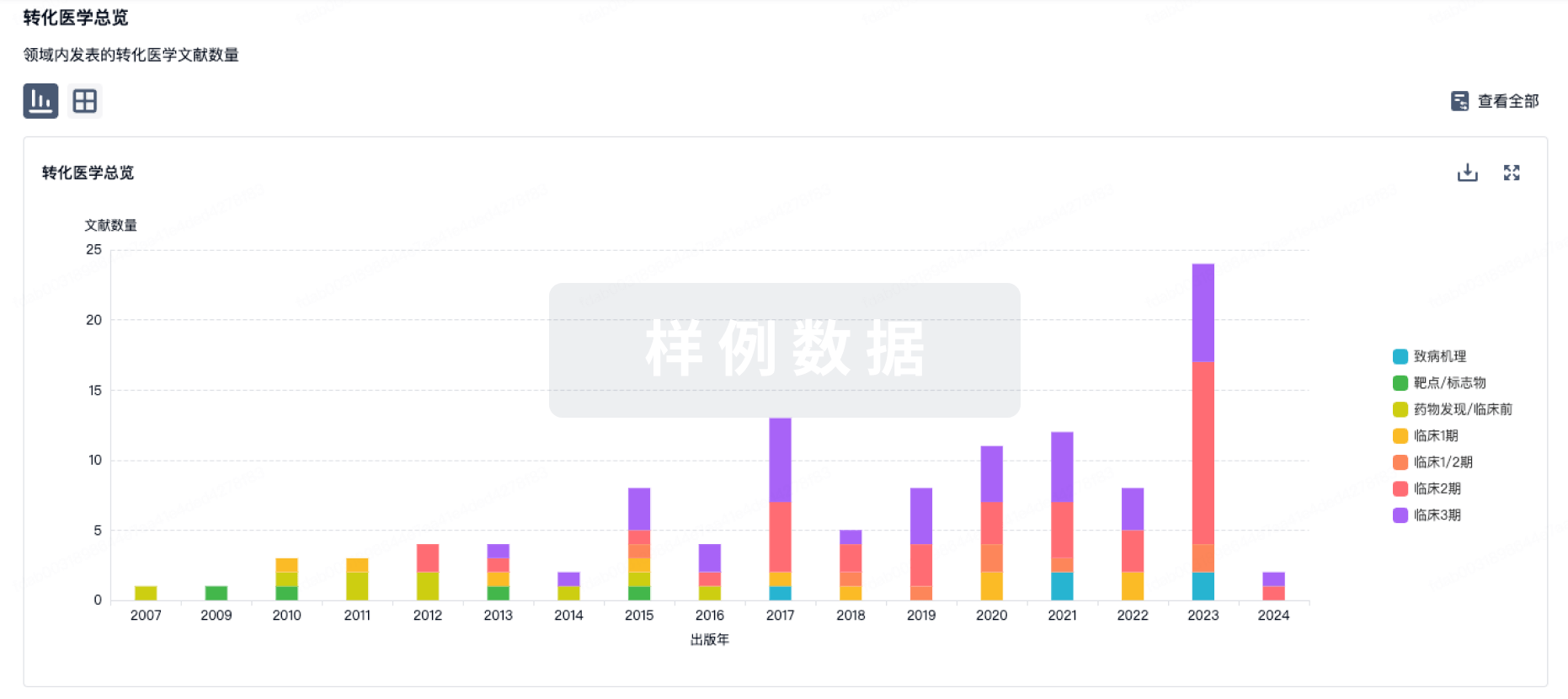
转化医学
使用我们的转化医学数据加速您的研究。
登录
或
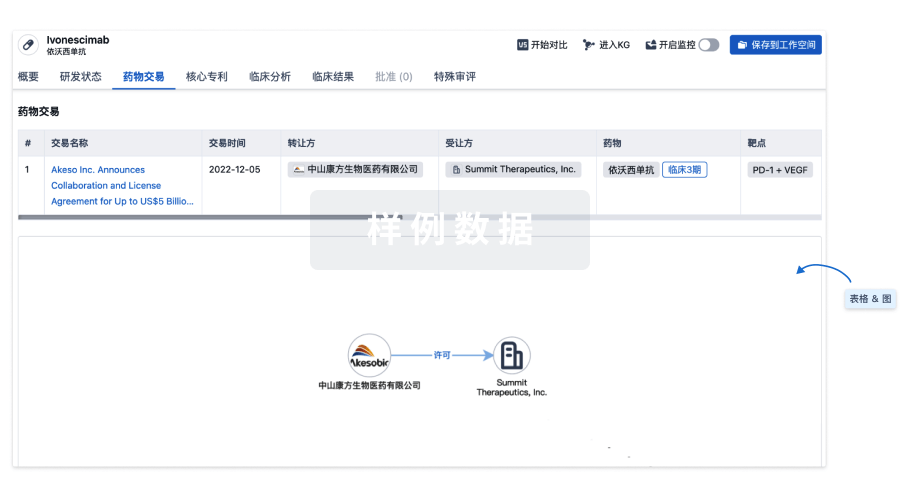
药物交易
使用我们的药物交易数据加速您的研究。
登录
或
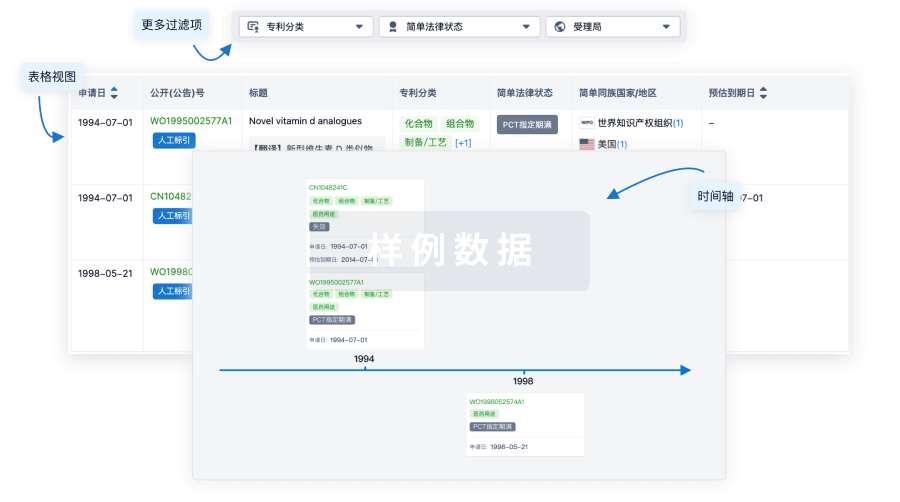
核心专利
使用我们的核心专利数据促进您的研究。
登录
或
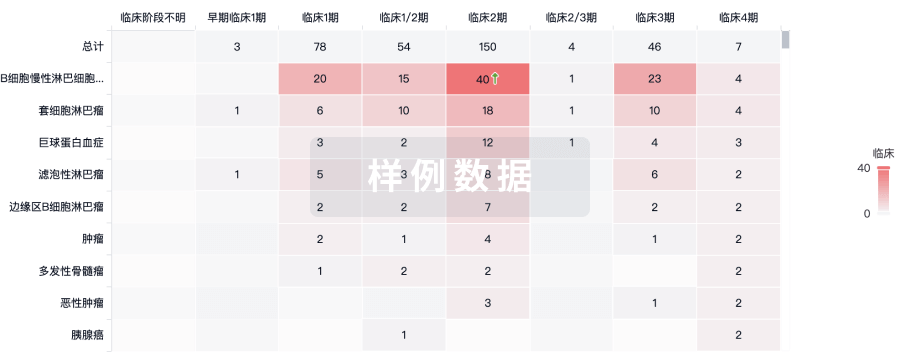
临床分析
紧跟全球注册中心的最新临床试验。
登录
或
批准
利用最新的监管批准信息加速您的研究。
登录
或
特殊审评
只需点击几下即可了解关键药物信息。
登录
或
提出任何生物医药研究问题
让每一步生物医药决策都精准制胜
基于十亿级生物数据与全球情报的精准 AI,赋能早期药物发现
立即开始免费试用!
智慧芽新药情报库是智慧芽专为生命科学人士构建的基于AI的创新药情报平台,助您全方位提升您的研发与决策效率。
立即接入生物医药数据包
智慧芽新药库数据也通过智慧芽开放平台,以MCP或API服务形式对外开放。立即使用我们的MCP服务定制您的LLM智能体。
生物序列数据库
生物药研发创新
免费使用
化学结构数据库
小分子化药研发创新
免费使用