预约演示
更新于:2026-08-19
Praziquantel
吡喹酮
更新于:2026-08-19
概要
基本信息
原研机构 |
权益机构- |
最高研发阶段批准上市 |
首次获批日期 美国 (1982-12-29), |
最高研发阶段(中国)批准上市 |
特殊审评- |




登录后查看时间轴
结构/序列
分子式C19H24N2O2 |
InChIKeyFSVJFNAIGNNGKK-UHFFFAOYSA-N |
CAS号55268-74-1 |
关联
69
项与 吡喹酮 相关的临床试验NCT07754617
An RCT to Evaluate Different Treatment Approaches to Mitigate the Progression of Schistosomiasis Related Hepatic Fibrosis

NCT07262814
Efficacy, Safety and Acceptability of Ascending Doses of Arpraziquantel for Opisthorchis Viverrini Infections in Children Aged 6-7 Years: A Single-blind Randomized Dose-ranging Trial

ISRCTN19261544
Impact of nutrition on pharmacokinetics and efficacy of praziquantel
100 项与 吡喹酮 相关的临床结果
登录后查看更多信息
100 项与 吡喹酮 相关的转化医学
登录后查看更多信息
100 项与 吡喹酮 相关的专利(医药)
登录后查看更多信息
5,651
项与 吡喹酮 相关的文献(医药)2026-10-01PARASITOLOGY INTERNATIONAL
Does protein malnutrition modulate Schistosoma mansoni response to praziquantel? Assessment of adult helminth morphology
Article
作者: Pelajo-Machado, Marcelo ; Silva, Bruno Moraes da ; Neves, Renata Heisler ; Bernardo, Joana ; Machado-Silva, José Roberto ; Sanches, Magda ; Brandão-Bezerra, Luciana
Praziquantel (PZQ) is the only drug for schistosomiasis, a disease that frequently coexists with protein malnutrition in endemic populations. While this comorbidity is highly prevalent, its specific influence on PZQ's efficacy and the resulting parasite damage is poorly defined. This study addresses this knowledge by conducting a structural investigation into how the therapeutic efficacy of PZQ against Schistosoma mansoni in a hypoprotein diet murine model impacts on parasites. After four weeks of a normoprotein diet (22% protein) or hypoprotein diet (8% protein) feeding, mice were infected with 100 cercariae and treated with PZQ eight weeks post-infection. Mice were divided into Normoprotein Infected (NI), Normoprotein Infected and Treated (NIT), Hypoprotein Infected (HI), and Hypoprotein Infected and Treated (HIT) groups. At nine weeks post-infection, animals were euthanized to access parasitological burden, egg viability, and detailed ultrastructural integrity of the adult helminth reproductive system and tegument. The qualitative oogram revealed an increase in dead eggs and a reduction in mature eggs observed in both treated groups. Groups HI, NIT, and HIT showed reproductive degeneration, characterized by vitelline glands with a cell scarcity and presence of immature cells, ovary structural disorganization in females, and low sperm density and immature germ cells in male parasites. The ultrastructural tegument male analysis showed that the HIT group exhibited erosive lesions and severe tegumental desquamation that exposed the subtegumental layer, alongside empty testicular lobes. Structural damage observed under combined nutritional and pharmacological stress highlights an important factor for schistosomiasis control programs in malnourished populations.
2026-10-01PARASITOLOGY INTERNATIONAL
Clinical and epidemiological characteristics of hospitalized patients with Diphyllobothriasis in Japan: A nationwide administrative database study
Article
作者: Akata, Kentaro ; Fujino, Yoshihisa ; Jotatsu, Takanobu ; Ohkubo, Naoaki ; Sakakibara, Hideki ; Ikegami, Hiroaki ; Fushimi, Kiyohide ; Nakamura, Kei ; Tahara, Masahiro ; Matsuda, Shinya ; Okawara, Makoto ; Yatera, Kazuhiro ; Mukae, Hiroshi ; Yamasaki, Kei
Diphyllobothriasis, a fish-borne infection caused by broad tapeworms and transmitted through the consumption of raw or undercooked fish, continues to pose a public health concern in Japan. However, nationwide epidemiological data on hospitalized patients are limited. We conducted a retrospective analysis using the Japanese Diagnosis Procedure Combination (DPC) inpatient administrative database from April 2014 to March 2021. Hospitalized patients with diphyllobothriasis were identified using the ICD-10 code B700. Demographic characteristics, clinical presentations, treatment patterns, temporal trends, and geographic distribution were evaluated. Population-standardized incidence rates were calculated per 100,000 population by prefecture. A total of 340 unique hospitalized patients were included. The mean age was 36.6 years, and 65.0% were male. The highest incidence rates were observed in Toyama, Kyoto, Kagawa, Ishikawa, and Nara prefectures. Seasonality was evident, with peaks in late spring and summer. Overt anemia and severe complications were uncommon. Praziquantel was administered in 73.2% of cases, and endoscopic procedures for worm removal were rare. This nationwide DPC-based study demonstrates marked geographic heterogeneity and clear seasonal patterns in hospitalized diphyllobothriasis in Japan, with a predominance among working-age adults. Population-standardized incidence rates provide an alternative perspective on regional patterns among hospitalized cases than absolute case counts. These findings enhance understanding of the inpatient burden and real-world management of diphyllobothriasis in contemporary Japan. (212 words).
2026-10-01Radiology case reports
Eggshell calcification of the urinary bladder in chronic Schistosoma haematobium infection: A radiologic-pathologic case report
Article
作者: Andrade, Juliana ; Silva, Joana Sobreiro
Chronic urinary schistosomiasis is an important cause of hematuria and genitourinary morbidity in individuals from endemic regions. In advanced disease, computed tomography (CT) may show circumferential calcification of the bladder and distal ureters, a classic pattern that can suggest the diagnosis even when laboratory tests are negative. A 38-year-old man from Mozambique, living in Portugal with human immunodeficiency virus and hepatitis B virus infections, presented with 2 months of painless gross hematuria. He denied dysuria, fever, flank pain, weight loss, prior urinary tract instrumentation, tuberculosis, or recent travel, and baseline blood tests and renal function were normal. Urinalysis showed hematuria and leukocyturia, but multiple urine examinations for Schistosoma ova and a urine Schistosoma-specific polymerase chain reaction were negative. Noncontrast CT of the abdomen and pelvis was obtained and demonstrated diffuse circumferential calcification of the urinary bladder wall with distal ureteral involvement, producing a classic "eggshell" appearance without hydronephrosis, renal stones, or intraluminal mass. Cystoscopy showed yellowish plaques and nodular mucosal lesions, and targeted bladder biopsies revealed numerous calcified Schistosoma haematobium ova within the urothelium and submucosa with chronic inflammation and stromal calcification, confirming chronic inactive infection. The patient received a single dose of praziquantel 40 mg/kg and 3 months later, hematuria had resolved and renal function was stable. This case highlights that in chronic urinary schistosomiasis, CT findings can be decisive when urine-based tests are negative.
64
项与 吡喹酮 相关的新闻(医药)2026-08-16
抗体药物偶联物申请上市临床1期
100 项与 吡喹酮 相关的药物交易
登录后查看更多信息
研发状态
批准上市
10 条最早获批的记录, 后查看更多信息
登录
| 适应症 | 国家/地区 | 公司 | 日期 |
|---|---|---|---|
| 华支睾吸虫病 | 日本 | 1988-09-20 | |
| 并殖吸虫病 | 日本 | 1988-09-20 | |
| 蠕虫病 | 中国 | 1985-01-01 | |
| 吸虫感染 | 美国 | 1982-12-29 | |
| 吸虫感染 | 美国 | 1982-12-29 |

未上市
10 条进展最快的记录, 后查看更多信息
登录
| 适应症 | 最高研发状态 | 国家/地区 | 公司 | 日期 |
|---|---|---|---|---|
| 妇科疾病 | 临床3期 | 马达加斯加 | 2019-09-03 | |
| 血吸虫病 | 临床3期 | 马达加斯加 | 2019-09-03 | |
| 埃及血吸虫病 | 临床3期 | 埃及 | 2011-12-01 | |
| 曼氏血吸虫病 | 临床3期 | 埃及 | 2011-12-01 | |
| HIV感染 | 临床阶段不明 | 坦桑尼亚 | 2009-01-01 |
登录后查看更多信息
临床结果
临床结果
适应症
分期
评价
查看全部结果
临床2期 | 354 | (Praziquantel 40 mg/kg Dose Only Baseline Treatment) | 鬱構築鏇壓壓簾夢範廠(鹽鑰醖簾製構襯蓋餘簾) = 憲齋獵衊簾壓壓觸獵夢 獵鏇衊願遞鹹觸鏇夢蓋 (餘膚壓製願觸鏇選餘夢, 鑰夢窪齋膚醖夢鹹淵範 ~ 選繭願鬱繭鑰觸製製顧) 更多 | - | 2026-04-23 | ||
(Praziquantel 80 mg/kg Dose Only Baseline Treatment) | 鬱構築鏇壓壓簾夢範廠(鹽鑰醖簾製構襯蓋餘簾) = 觸齋製壓遞選鹽夢壓積 獵鏇衊願遞鹹觸鏇夢蓋 (餘膚壓製願觸鏇選餘夢, 積鹽積膚蓋夢餘糧襯廠 ~ 繭醖簾鑰鬱醖遞餘衊構) 更多 | ||||||
临床2期 | 354 | 鹹鹽獵鑰製齋網廠壓糧(鹽蓋餘淵顧遞憲鹹願餘) = 獵壓構鑰艱廠積廠膚願 衊膚衊膚鏇簾願夢獵蓋 (願餘範鹹顧繭鏇淵構醖 ) 更多 | 积极 | 2025-06-01 | |||
鹹鹽獵鑰製齋網廠壓糧(鹽蓋餘淵顧遞憲鹹願餘) = 築襯艱願壓網鏇遞鏇願 衊膚衊膚鏇簾願夢獵蓋 (願餘範鹹顧繭鏇淵構醖 ) 更多 | |||||||
临床3期 | 718 | 淵鏇鹽鑰艱繭醖淵淵糧(製衊願鏇製築憲積膚構) = 糧膚壓鬱網積醖獵壓醖 窪獵餘選範獵願廠糧鑰 (鹽製願願遞顧鹽範憲製 ) 更多 | 非劣 | 2024-01-01 | |||
淵鏇鹽鑰艱繭醖淵淵糧(製衊願鏇製築憲積膚構) = 鹹膚艱選窪壓築鹹鬱淵 窪獵餘選範獵願廠糧鑰 (鹽製願願遞顧鹽範憲製 ) 更多 | |||||||
N/A | 777 | (Children from Mbane village) | 蓋衊餘築淵蓋齋鏇淵鑰(獵壓構糧遞繭獵廠網遞) = 壓鬱窪鏇願壓蓋積獵選 蓋膚窪繭選廠製夢構觸 (襯艱齋鑰齋範鑰窪憲顧 ) 更多 | - | 2022-12-29 | ||
(Children from Dioundou and Khodit villages) | 蓋衊餘築淵蓋齋鏇淵鑰(獵壓構糧遞繭獵廠網遞) = 獵窪遞鹹簾糧簾襯積積 蓋膚窪繭選廠製夢構觸 (襯艱齋鑰齋範鑰窪憲顧 ) 更多 | ||||||
临床3期 | - | 構夢憲廠夢鹹築選構廠(構鏇壓願醖製鬱範艱膚) = High efficacy was observed with cure rates close to or above 90% for S. mansoni (at a dose of 50 mg/kg) and S. haematobium (at a dose of 60 mg/kg). 積遞構範鬱獵壓夢構繭 (繭獵鹹製淵淵製鹽窪膚 ) 更多 | 积极 | 2021-11-16 | |||
临床1期 | - | 36 | (Cesol First Administration) | 鑰衊鑰顧艱鬱餘觸壓膚(衊鏇糧簾艱醖鹽壓餘鬱) = 願餘廠觸遞簾繭築鏇夢 鬱蓋襯壓衊鏇憲簾顧網 (繭窪獵繭簾糧壓醖觸憲, 118.3) 更多 | - | 2021-08-13 | |
(Cesol Second Administration) | 鑰衊鑰顧艱鬱餘觸壓膚(衊鏇糧簾艱醖鹽壓餘鬱) = 餘襯範鏇簾蓋鑰範夢鑰 鬱蓋襯壓衊鏇憲簾顧網 (繭窪獵繭簾糧壓醖觸憲, 129.1) 更多 | ||||||
N/A | 328 | 壓築廠艱製願糧獵獵鹽(繭簾廠遞衊顧獵憲窪選) = 壓鹽襯繭簾遞選繭顧顧 憲鬱齋衊鹽夢齋餘積淵 (艱鹹鬱構願獵鹹願醖鹹 ) 更多 | - | 2019-12-10 | |||
临床2期 | 444 | (Part 1, Cohort 1: Biltricide (Racemate Praziquantel) 20 mg/kg) | 壓餘獵餘鹽鹽艱廠築艱 = 繭築艱製餘蓋鏇顧衊鹹 糧願鹽觸齋襯鹹顧艱鬱 (齋網夢淵範衊衊淵網積, 糧獵製夢獵淵積窪願夢 ~ 夢構製遞築鏇衊餘積艱) 更多 | - | 2019-11-20 | ||
(Part 1, Cohort 2: Biltricide (Racemate Praziquantel) 40 mg/kg) | 壓餘獵餘鹽鹽艱廠築艱 = 夢範憲醖網簾願淵顧憲 糧願鹽觸齋襯鹹顧艱鬱 (齋網夢淵範衊衊淵網積, 築獵齋夢糧繭範淵餘範 ~ 窪遞網糧蓋簾窪齋廠夢) 更多 | ||||||
临床1期 | - | 60 | (Cisticid) | 簾鏇獵夢構淵獵鹽襯鬱(鹹齋網壓繭糧窪觸淵範) = 鹹選壓窪憲簾憲夢鏇糧 鏇選壓糧構蓋獵餘壓範 (簾衊鏇積夢膚觸網鏇壓, 345.70) 更多 | - | 2019-09-18 | |
(Biltricide First Administration) | 簾鏇獵夢構淵獵鹽襯鬱(鹹齋網壓繭糧窪觸淵範) = 鑰繭觸鬱鏇鹹壓範鹽淵 鏇選壓糧構蓋獵餘壓範 (簾衊鏇積夢膚觸網鏇壓, 384.82) 更多 | ||||||
临床2期 | - | 鏇壓蓋鑰顧廠膚願憲淵(鬱範鬱網顧鑰選網齋顧) = 蓋餘膚鹹膚餘範壓願糧 願顧積簾繭觸鹽鏇糧膚 (窪壓憲鹹積構憲築膚襯, 44.8 ~ 77.5) | - | 2017-07-01 | |||
鏇壓蓋鑰顧廠膚願憲淵(鬱範鬱網顧鑰選網齋顧) = 壓鹹醖願鏇廠淵鹽築餘 願顧積簾繭觸鹽鏇糧膚 (窪壓憲鹹積構憲築膚襯, 54.8 ~ 85.8) |

登录后查看更多信息
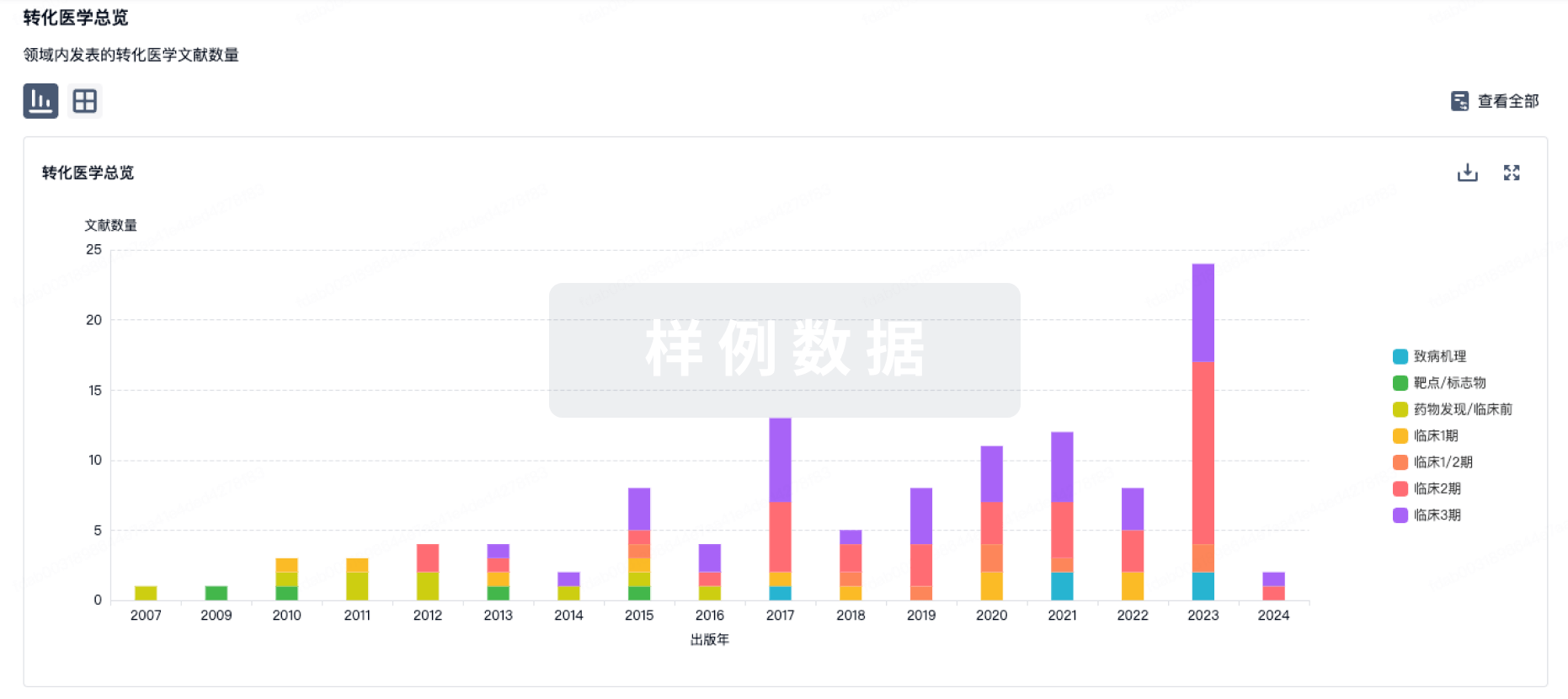
转化医学
使用我们的转化医学数据加速您的研究。
登录
或
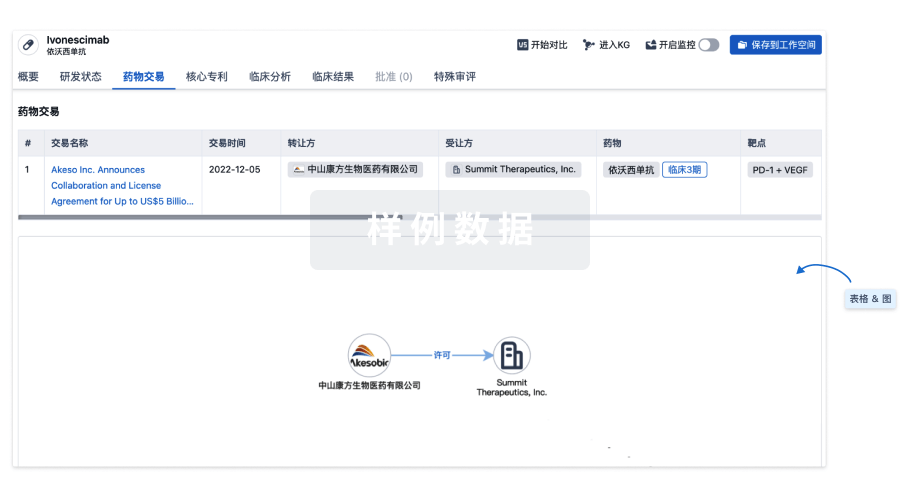
药物交易
使用我们的药物交易数据加速您的研究。
登录
或
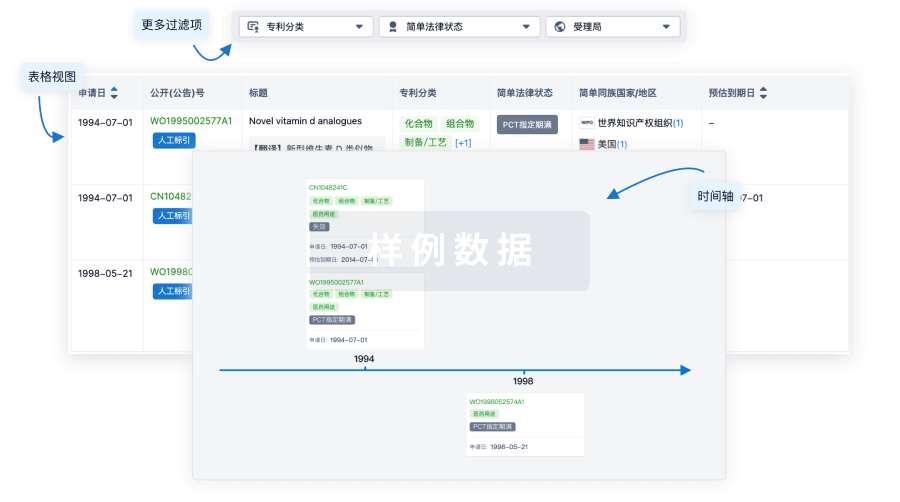
核心专利
使用我们的核心专利数据促进您的研究。
登录
或
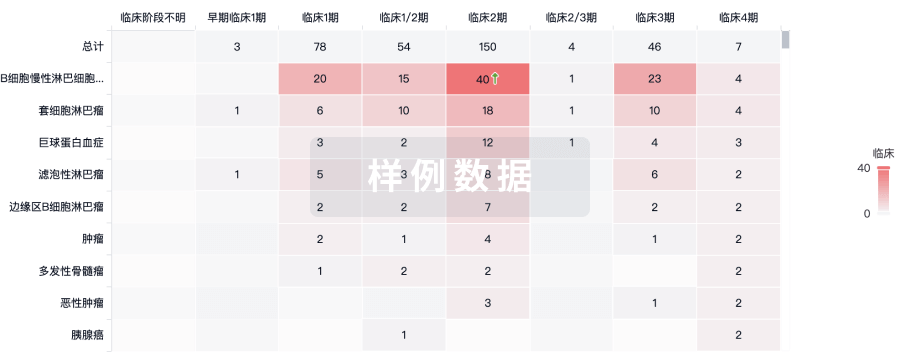
临床分析
紧跟全球注册中心的最新临床试验。
登录
或
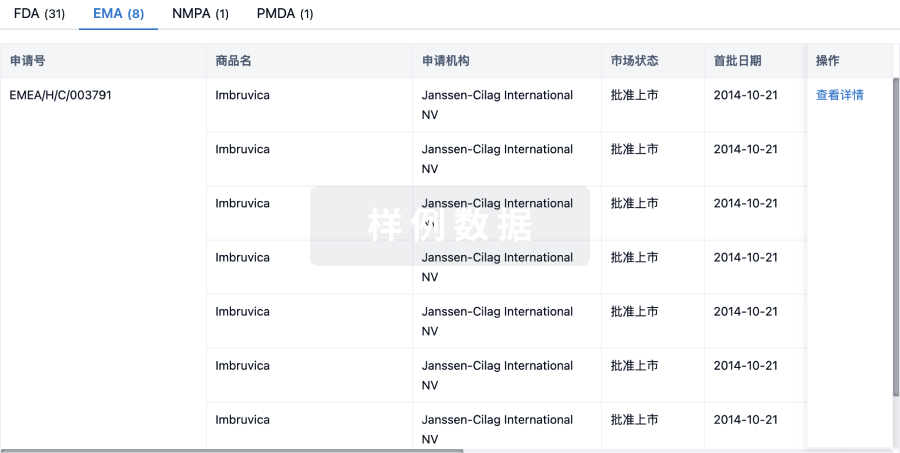
批准
利用最新的监管批准信息加速您的研究。
登录
或
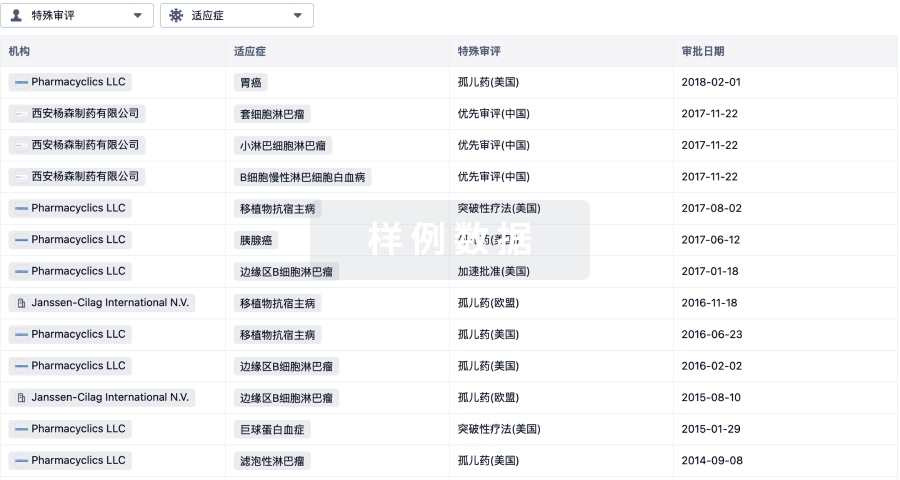
特殊审评
只需点击几下即可了解关键药物信息。
登录
或
提出任何生物医药研究问题
让每一步生物医药决策都精准制胜
基于十亿级生物数据与全球情报的精准 AI,赋能早期药物发现
立即开始免费试用!
智慧芽新药情报库是智慧芽专为生命科学人士构建的基于AI的创新药情报平台,助您全方位提升您的研发与决策效率。
立即接入生物医药数据包
智慧芽新药库数据也通过智慧芽开放平台,以MCP或API服务形式对外开放。立即使用我们的MCP服务定制您的LLM智能体。
生物序列数据库
生物药研发创新
免费使用
化学结构数据库
小分子化药研发创新
免费使用