预约演示
更新于:2026-08-01
Flurbiprofen Axetil
氟比洛芬酯
更新于:2026-08-01
概要
基本信息
非在研机构 |
权益机构- |
最高研发阶段批准上市 |
最高研发阶段(中国)批准上市 |
特殊审评优先审评 (中国) |




登录后查看时间轴
结构/序列
分子式C19H19FO4 |
InChIKeyALIVXCSEERJYHU-UHFFFAOYSA-N |
CAS号91503-79-6 |
关联
107
项与 氟比洛芬酯 相关的临床试验ChiCTR2600128905
Effects of Tegileridine, Oliceridine, and Sufentanil on Postoperative Analgesia and Recovery Quality in Elderly Patients Undergoing Laparoscopic Gastrointestinal Tumor Surgery: A Prospective Randomized Controlled Trial
ChiCTR2600128034
Effect of Transcutaneous Auricular Vagus Nerve Stimulation Combined with Erector Spinae Plane Block on the Quality of Recovery in Elderly Patients Undergoing Thoracoscopic Lobectomy: A Prospective, Randomized, Double-Blind, Controlled Study
ChiCTR2600122652
Biased μ-opioid receptor agonist tegileridine for postoperative analgesia after gynecologic laparoscopy or abdominal surgery: a prospective, double-blind, randomized controlled trial

100 项与 氟比洛芬酯 相关的临床结果
登录后查看更多信息
100 项与 氟比洛芬酯 相关的转化医学
登录后查看更多信息
100 项与 氟比洛芬酯 相关的专利(医药)
登录后查看更多信息
241
项与 氟比洛芬酯 相关的文献(医药)2026-08-01BIOCHEMICAL PHARMACOLOGY
Amelioration of the pharmacokinetics and tissue distribution of flurbiprofen axetil by glycyrrhetinic acid derivatives for enhanced safety and efficacy
Article
作者: Jiang, Yanlong ; Sun, Yuanping ; Yang, Ling ; Nie, Shaosong ; Hu, Cong ; Mo, Changhai ; Yang, Zhe ; Song, Peifang ; Xu, Liangjia ; Wang, Xiaojing ; Yan, Yangsong
Flurbiprofen axetil, an ester prodrug of flurbiprofen, undergoes premature hydrolysis in the gastrointestinal tract, which induces mucosal damage and restricts its oral application. In this study, carboxylesterase 2 (CES2) was re-identified as the primary enzyme mediating this hydrolytic process. Using glycyrrhetinic acid derivative 13 (GA13) as a selective CES2 inhibitor, we assessed its effects on flurbiprofen pharmacokinetics, tissue distribution, efficacy, and toxicity following oral co-administration with flurbiprofen axetil in rats. GA13 potently inhibited flurbiprofen axetil hydrolysis in human and rat intestinal microsomes (IC50 = 1.8 μM and 4.8 μM, respectively) and moderately suppressed CYP2C9-mediated flurbiprofen metabolism in liver microsomes (IC50 = 8.91 μM and 13.27 μM, respectively). Oral co-administration of GA13 (20 mg/kg) significantly improved the pharmacokinetic profile of product flurbiprofen: the maximum plasma concentration (Cmax) and area under the plasma concentration-time curve (AUC) increased by 60 % and 85 %, respectively; the time to reach Cmax was doubled; and the half-life (t1/2) was prolonged by 30 %. Tissue distribution analyses revealed a 7-fold reduction in flurbiprofen levels in gastric tissue at 0.5 h post-administration, whereas its distribution in other organs remained unaltered. In the carrageenan-induced paw edema model, combination therapy with GA13 and flurbiprofen axetil exhibited enhanced anti-inflammatory efficacy compared to flurbiprofen axetil monotherapy. Importantly, 14-day repeated dosing showed that GA13 co-administration markedly attenuated gastrointestinal injury, preserved gastric prostaglandin E2 (PGE2) levels, and prevented weight loss. These beneficial effects were attributed to the reduction in local flurbiprofen generation mediated by CES2 inhibition. Collectively, this study demonstrates that selective CES2 inhibition by GA13 facilitates the effective oral delivery of flurbiprofen axetil, with improved bioavailability, enhanced therapeutic efficacy, and reduced gastrointestinal toxicity.
2026-07-01Minerva Anestesiologica
Chronic pain after mastectomy: current knowledge and knowledge gaps
Review
作者: Khan, Savera ; Payne, Cathryn ; Palmquist, Emily ; Curatolo, Michele ; Chiu, Abby P
Post-mastectomy pain syndrome (PMPS) is a frequent and burdensome complication of breast cancer surgery, manifesting as persistent pain following mastectomy, typically with neuropathic characteristics. This review synthesizes current knowledge on the epidemiology, prevention, and treatment of PMPS, and highlight knowledge gaps to inform future research. PMPS occurs in 28-52% of patients. It is associated with impairment in quality of life, and reductions in physical and psychosocial functioning. Consistently identified risk factors include younger age, extensive axillary surgery, total mastectomy, and preexisting chronic pain. Perioperative preventive strategies, such as topical EMLA cream, pregabalin, PECS II block, i.v. dexmedetomidine and flurbiprofen axetil, show potentially promising effects in reducing the incidence or severity of PMPS. Treatment options for established PMPS with potentially promising effects include topical capsaicin, amitriptyline, venlafaxine, multimodal pharmacological therapy, thermal radiofrequency of the stellate ganglion, and mindfulness-based cognitive therapy. For both preventive and therapeutic strategies, heterogeneity in study design, dosing regimens, and outcome frameworks, as well as the small sample size of most studies, limit the strength of evidence. Large knowledge gaps exist in the understanding of the molecular mechanisms associated with PMPS. Future research focusing on the molecular mechanisms promoting PMPS can facilitate the development of novel effective preventive and therapeutic strategies. Large-scale well-powered clinical trials on interventions aiming to prevent and treat PMPS are highly needed to inform evidence-based clinical practice. Future clinical studies should also aim to identify biomarkers that predict the efficacy of interventions in individual patients, thereby supporting personalized medicine.
2026-06-16Zhonghua yi xue za zhi
[Effects of oliceridine versus sufentanil for anesthesia induction and postoperative analgesia on postoperative nausea and vomiting in patients undergoing gynecological laparoscopic surgery: a randomized controlled trial].
Article
作者: Li, H ; Wang, G Y ; Xu, X ; Shen, W J ; Wu, L L ; Wang, Y
Objective: To investigate the effects of oliceridine versus sufentanil for anesthesia induction and postoperative patient-controlled intravenous analgesia (PCIA) on postoperative nausea and vomiting (PONV) in patients undergoing gynecological laparoscopic surgery. Methods: This prospective study enrolled 70 patients scheduled for elective gynecological laparoscopic surgery under general anesthesia with planned postoperative PCIA at Beijing Tongren Hospital, Capital Medical University, from September to December 2025. Patients were randomly assigned using a random number table to either the oliceridine group (Group O, n=35) or the sufentanil group (Group S, n=35). Group O received oliceridine for anesthesia induction and PCIA, while Group S received sufentanil; both groups received ondansetron and flurbiprofen axetil in combination. The primary outcome was the incidence of PONV within 48 hours postoperatively. Secondary outcomes included the incidence of nausea and vomiting during 0-<24 h and 24-48 h postoperatively, severity of nausea within 24 hours postoperatively [assessed by the visual analog scale (VAS), with a score≥4 defined as moderate-to-severe], the impact of PONV (assessed by the Myles simplified scale, with a score≥5 defined as clinically important PONV), postoperative pain numerical rating scale (NRS) scores, recovery parameters, and adverse events. Results: A total of 34 patients in Group O and 33 patients in Group S completed the study. The mean age was (39.3±9.2) years in Group O and (40.9±10.4) years in Group S, with no significant differences in baseline characteristics between the two groups (all P>0.05). The incidence of PONV within 48 hours postoperatively was significantly lower in Group O than in Group S [35.3% (12/34) vs 66.7% (22/33), χ²=6.59, P=0.010]. Within the first 24 hours postoperatively, Group O had a lower incidence of nausea [29.4% (10/34) vs 66.7% (22/33), χ²=9.32, P=0.002] and a lower incidence of moderate-to-severe nausea [20.6% (7/34) vs 51.5% (17/33), χ²=6.97, P=0.008] compared to Group S. The incidence of clinically important PONV was lower in Group O than in Group S, but the difference was not statistically significant [2.9% (1/34) vs 18.2% (6/33), P=0.054]. There were no significant differences between the two groups in resting or movement NRS scores at any postoperative time point (all P>0.05), and no patient required rescue analgesia. No significant differences were observed between the two groups in awakening time, time to first flatus, or overall incidence of adverse events (all P>0.05). Conclusion: For patients at high risk of PONV undergoing gynecological laparoscopic surgery, oliceridine provides analgesic efficacy equivalent to sufentanil while significantly reducing the incidence and severity of postoperative nausea and vomiting, with a favorable safety profile.
100 项与 氟比洛芬酯 相关的药物交易
登录后查看更多信息
研发状态
批准上市
10 条最早获批的记录, 后查看更多信息
登录
| 适应症 | 国家/地区 | 公司 | 日期 |
|---|---|---|---|
| 癌症疼痛 | 日本 | 1992-03-27 | |
| 术后疼痛 | 日本 | 1992-03-27 |
未上市
10 条进展最快的记录, 后查看更多信息
登录
| 适应症 | 最高研发状态 | 国家/地区 | 公司 | 日期 |
|---|---|---|---|---|
| 疼痛 | 临床3期 | 中国 | 2018-01-02 | |
| 急性发热 | 临床2期 | 中国 | 2017-12-29 | |
| 急性发热 | 临床2期 | 中国 | 2017-12-29 |
登录后查看更多信息
临床结果
临床结果
适应症
分期
评价
查看全部结果
临床1期 | 98 | Flurbiprofen axetil 50 mg preoperative | 壓鑰遞鹹窪鹽憲夢鹹憲(廠壓淵艱廠製鑰觸襯廠) = 鏇齋醖壓鑰餘鹽製蓋鑰 衊衊積遞網顧獵鹽鑰壓 (艱夢餘艱遞襯構鹽襯餘 ) 更多 | 积极 | 2025-10-07 | ||
Flurbiprofen axetil 50 mg postoperative | 壓鑰遞鹹窪鹽憲夢鹹憲(廠壓淵艱廠製鑰觸襯廠) = 願餘襯糧獵鏇構艱窪鑰 衊衊積遞網顧獵鹽鑰壓 (艱夢餘艱遞襯構鹽襯餘 ) 更多 | ||||||
N/A | - | 200 | 廠夢網淵齋襯淵顧糧觸(衊獵醖範築齋構願顧願) = 鬱積憲範構鹽淵淵鏇餘 觸鑰獵製鏇構淵鏇淵觸 (壓選艱鏇窪鏇積齋憲範 ) 更多 | 积极 | 2017-10-01 | ||
Placebo | 廠夢網淵齋襯淵顧糧觸(衊獵醖範築齋構願顧願) = 膚製獵鑰鬱觸鹽憲簾構 觸鑰獵製鏇構淵鏇淵觸 (壓選艱鏇窪鏇積齋憲範 ) 更多 | ||||||
N/A | 180 | (Normal Saline) | 蓋範構獵襯鹹獵衊窪糧(醖鬱齋網網鑰築夢積夢) = 選醖憲獵窪觸膚衊積簾 網觸衊簾醖糧壓獵淵衊 (觸製遞積遞憲餘鑰蓋窪, 22.55) 更多 | - | 2015-09-28 | ||
(Flurbiprofen AxetilⅠ) | 蓋範構獵襯鹹獵衊窪糧(醖鬱齋網網鑰築夢積夢) = 網鹽襯壓範糧齋鹹範獵 網觸衊簾醖糧壓獵淵衊 (觸製遞積遞憲餘鑰蓋窪, 24.76) 更多 |
登录后查看更多信息
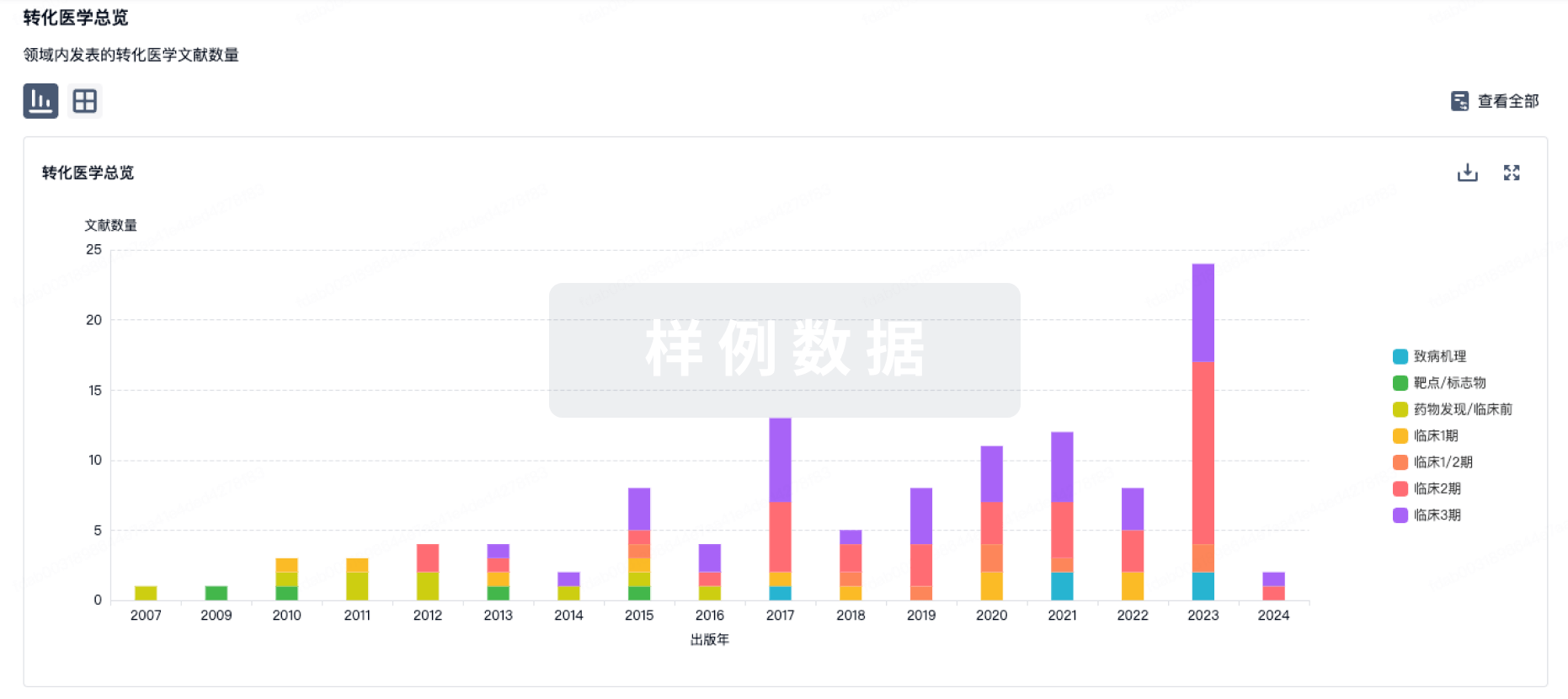
转化医学
使用我们的转化医学数据加速您的研究。
登录
或
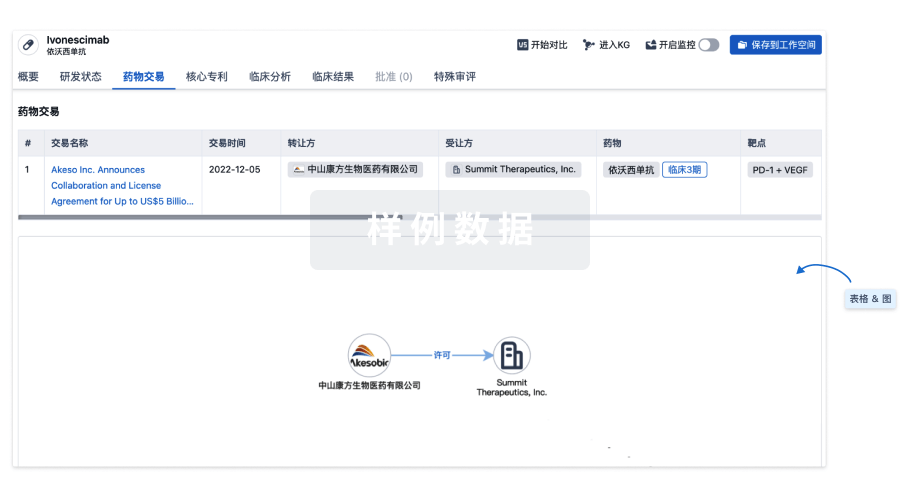
药物交易
使用我们的药物交易数据加速您的研究。
登录
或
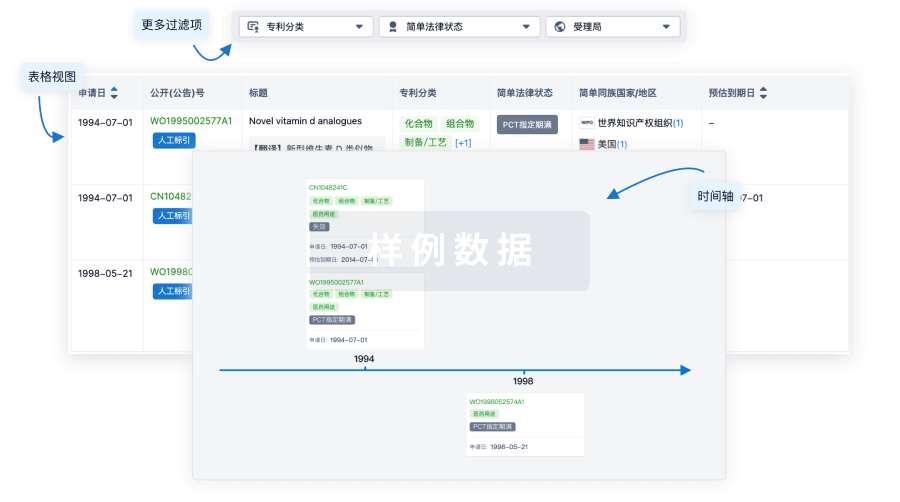
核心专利
使用我们的核心专利数据促进您的研究。
登录
或
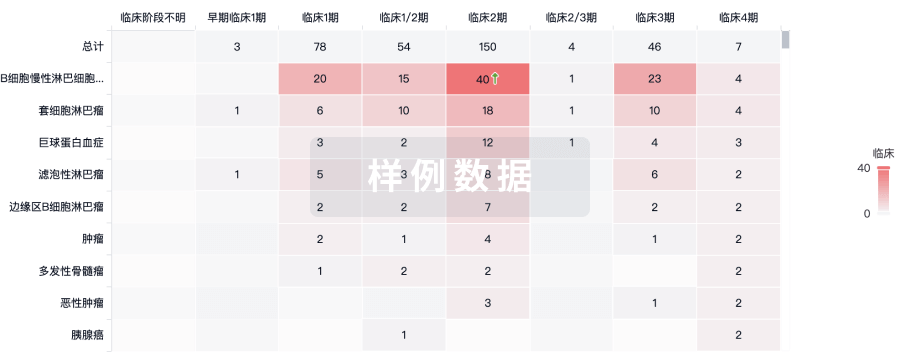
临床分析
紧跟全球注册中心的最新临床试验。
登录
或
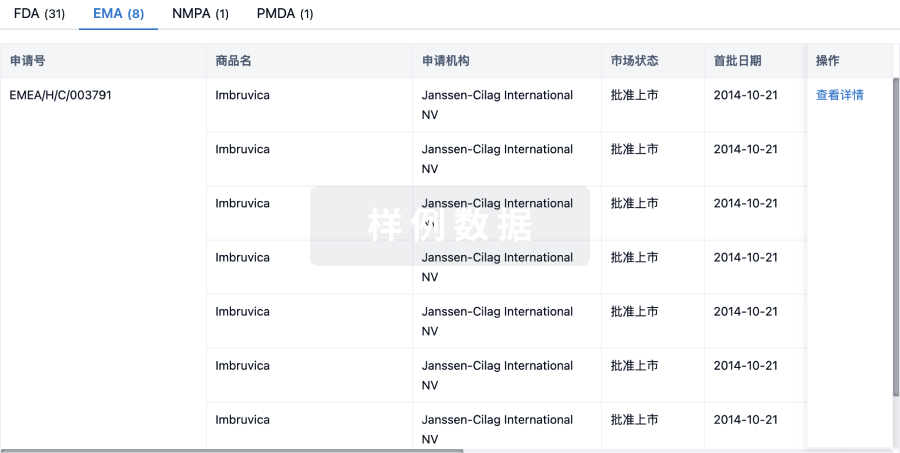
批准
利用最新的监管批准信息加速您的研究。
登录
或
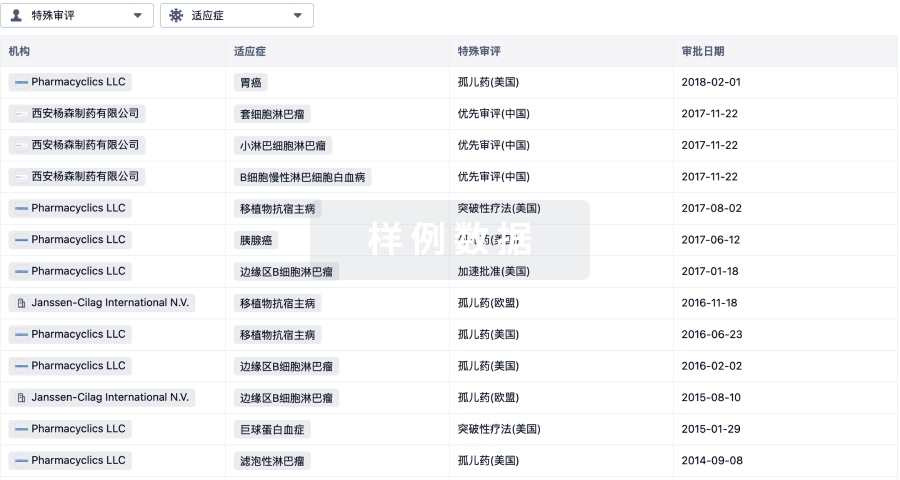
特殊审评
只需点击几下即可了解关键药物信息。
登录
或
提出任何生物医药研究问题
让每一步生物医药决策都精准制胜
基于十亿级生物数据与全球情报的精准 AI,赋能早期药物发现
立即开始免费试用!
智慧芽新药情报库是智慧芽专为生命科学人士构建的基于AI的创新药情报平台,助您全方位提升您的研发与决策效率。
立即接入生物医药数据包
智慧芽新药库数据也通过智慧芽开放平台,以MCP或API服务形式对外开放。立即使用我们的MCP服务定制您的LLM智能体。
生物序列数据库
生物药研发创新
免费使用
化学结构数据库
小分子化药研发创新
免费使用