预约演示
更新于:2026-08-08
Ginsenoside C-K
人参皂苷C-K
更新于:2026-08-08
概要
基本信息
在研机构 |
非在研机构 |
权益机构- |
最高研发阶段临床1期 |
首次获批日期- |
最高研发阶段(中国)临床1期 |
特殊审评特殊审批 (中国) |


登录后查看时间轴
结构/序列
分子式C36H62O8 |
InChIKeyFVIZARNDLVOMSU-IRFFNABBSA-N |
CAS号39262-14-1 |
关联
9
项与 人参皂苷C-K 相关的临床试验CTR20171472
人参皂苷C-K片对类风湿关节炎患者 安全性、药代动力学和初步疗效的 Ib期临床研究
NCT03755258
A Phase Ib Study to Evaluate the Safety, Efficacy and Pharmacokinetics of GCK in Rheumatoid Arthritis Patients
ACTRN12614001302640
A double blinded, randomised controlled trial to determinea) the efficacy of alpha-cyclodextrin on cholesterol control, andb) the efficacy of Compound K on glycaemic controlin overweight and obese participants with pre-diabetes.
100 项与 人参皂苷C-K 相关的临床结果
登录后查看更多信息
100 项与 人参皂苷C-K 相关的转化医学
登录后查看更多信息
100 项与 人参皂苷C-K 相关的专利(医药)
登录后查看更多信息
800
项与 人参皂苷C-K 相关的文献(医药)2026-12-01MOLECULAR BIOLOGY REPORTS
Ginsenosides as epigenetic modulators: HDAC, DNMT, and miRNA-targeted mechanisms in tumour suppression
Review
作者: Goel, Falguni ; Rajput, Mithun Singh ; Saini, Neha
Panax ginseng contains bioactive compounds called ginsenosides, which have become the subject of many studies investigating their anticancer actions. Ginsenosides act by modulating epigenetic processes, as aberrant functioning of the epigenome through abnormal methylation of DNA, modification of histones or expression of miRNA represents an important mechanism regulating the initiation and progression of cancer. Specifically, ginsenosides act through pathological pathways to inhibit tumor development by acting on the key regulators of epigenetic processes, such as HDACs or DNMTs, to restore normal expression of genes in cancer cells. Ginsenosides such as Rg3, Rh2, and compound K inhibit the activity of HDACs, thereby increasing acetylation of histones and promoting re-expression of tumor suppressor genes via this mechanism. In addition, ginsenosides regulate the activities of DNMTs, promoting the demethylation of the hypermethylated promoter regions, thereby reactivating genes that would otherwise remain silenced. Ginsenosides also modulate cancer-associated miRNA profiles, influencing cellular signaling pathways involved in proliferation, apoptosis, metastasis, and angiogenesis. Thus, through the regulation of miRNA networks, ginsenosides inhibit oncogenic signaling pathways and re-establish cellular homeostasis. In summary, ginsenosides provide an epigenetically multi-targeted strategy for treating cancer and provide a means of inhibiting tumor formation with fewer side effects than traditional chemotherapy. Thus, ongoing studies (preclinical and clinical) are needed to understand the mechanisms by which ginsenosides provide their anticancer action and to further define their clinical utility in cancer treatment.
2026-08-01Molecular Oral Microbiology
Ginsenoside Compound K Plays an Anti‐Inflammatory Role in Gingival Epithelial Cells Stimulated With
Porphyromonas gingivalis
by Regulating Pyruvate Kinase M2
Article
作者: Lu, Lin ; He, Hongbing ; Jin, Luxin ; Jiao, Yang ; Wang, Yanchun
ABSTRACT:
Background:
Globally prevalent periodontitis, an inflammatory disease, may be associated with glucose metabolism disorders. Pyruvate kinase M2 (PKM2), the key enzyme of glycolysis, is potentially implicated in periodontitis pathogenesis, although its precise role is unclear. Ginsenoside compound K (CK) has strong anti‐inflammatory effects. Prior studies indicate that CK down‐regulates PKM2 expression, yet it remains unclear whether CK can regulate PKM2 to modulate the inflammatory response. Furthermore, CK's role in periodontitis lacks pharmacological investigation.
Methods:
A periodontitis cell model was established by stimulating human gingival epithelial cells (HGECs) with
Porphyromonas gingivalis
(
Pg
), and subsequently intervened with CK. Western blotting assessed the expressions of PKM2, phospho‐PKM2 (Tyr105), nuclear factor kappa‐B P65 (NF‐κB P65), and phosphorylated NF‐κB p65 (Ser536). Enzyme‐linked immunosorbent assay measured interleukin 1β (IL‐1β) and tumor necrosis factor‐α (TNF‐α) levels in culture supernatants.
Results:
Pg
stimulation induced NF‐κB p65 (Ser536) activation and the secretion of IL‐1β and TNF‐α in HGECs and promoted PKM2 (Tyr105) phosphorylation. PKM2 was found to be the upstream regulator of NF‐κB p65, and NF‐κB p65 activated PKM2 through positive feedback to promote IL‐1β and TNF‐α production, forming a feedback regulatory loop. CK inhibited
Pg
‐induced inflammation and NF‐κB p65 (Ser536) and PKM2 (Tyr105) phosphorylation in HGECs. Furthermore, PKM2 overexpression significantly reversed CK's anti‐inflammatory effects.
Conclusions:
The PKM2/NF‐κB p65 pathway is involved in regulating the expression of inflammatory cytokines in
Pg
‐stimulated HGECs and serves as a crucial inflammatory regulatory pathway in the
Pg
‐stimulated HGECs model. CK exhibits anti‐inflammatory activity by inhibiting the PKM2‐mediated NF‐κB signaling pathway and has potential as PKM2 modulator for treating periodontitis and other inflammatory diseases.
2026-07-01British Journal of Pharmacology
Ginsenoside compound K up‐regulates β‐subunits of long‐chain L‐3‐hydroxyacyl‐CoA (HADHB) to promote fatty acid oxidation recovery and improve the balance of macrophage polarization in mice with ulcerative colitis
Article
作者: Chen, Jingyu ; Liu, Mengxue ; Wang, Qiao ; Zeng, Xuran ; Zhang, Yanqiu ; Liu, Lili
Background and Purpose:
Ulcerative colitis (UC) is characterized by mucosal inflammation and a range of clinical symptoms, including abdominal pain, diarrhoea and bloody stools. Evidence indicates that UC is associated with an imbalance M1/M2 polarization of macrophages. Ginsenoside compound K (GCK) has anti‐inflammatory potential the mechanism of action remains unclear. Whether GCK regulates macrophage polarization via β‐subunits of long‐chain L‐3‐hydroxyacyl‐CoA (HADHB)‐mediated fatty acid oxidation (FAO)b was investigated.
Experimental Approach:
The expression of HADHB and macrophage polarization were analysed in both UC patients and dextran sodium sulfate (DSS)‐induced UC mice. The effects of GCK on macrophage polarization and FAO‐related indicators were evaluated using a DSS‐induced UC mouse model and LPS‐stimulated RAW264.7 cells, via flow cytometry, western blot, RT‐qPCR, dual‐luciferase reporter assay and metabolite detection.
Key Results:
In both UC patients and DSS‐induced UC mice, HADHB expression in macrophages was decreased, a finding significantly correlated with the imbalance between M1 and M2 macrophage polarization. GCK activated the glucocorticoid receptor (GR/NR3C1), up‐regulated HADHB expression, promoted FAO in macrophages and modulated M1/M2 polarization in RAW264.7 cells. GCK treatment up‐regulated HADHB expression, restored M1/M2 macrophage polarization balance and ameliorated colonic inflammation in DSS‐induced UC mice; these effects of GCK were mediated via GR activation.
Conclusions and Implications:
GCK regulates the M1/M2 balance of macrophages through the GR‐HADHB‐FAO axis, thereby alleviating UC. This study reveals for the first time a novel mechanism by which GCK regulates macrophage polarization through metabolic reprogramming, offering a new potential therapeutic target and candidate drug for the clinical treatment of UC.
100 项与 人参皂苷C-K 相关的药物交易
登录后查看更多信息
研发状态
10 条进展最快的记录, 后查看更多信息
登录
| 适应症 | 最高研发状态 | 国家/地区 | 公司 | 日期 |
|---|---|---|---|---|
| 类风湿关节炎 | 临床1期 | 中国 | 2014-06-26 | |
| 类风湿关节炎 | 临床1期 | 中国 | 2014-06-26 | |
| 类风湿关节炎 | 临床1期 | 中国 | 2014-06-26 | |
| 肿瘤 | 临床阶段不明 | 韩国 | - | |
| 炎症性肠病 | 临床前 | 中国 | 2024-04-11 |

登录后查看更多信息
临床结果
临床结果
适应症
分期
评价
查看全部结果
登录后查看更多信息
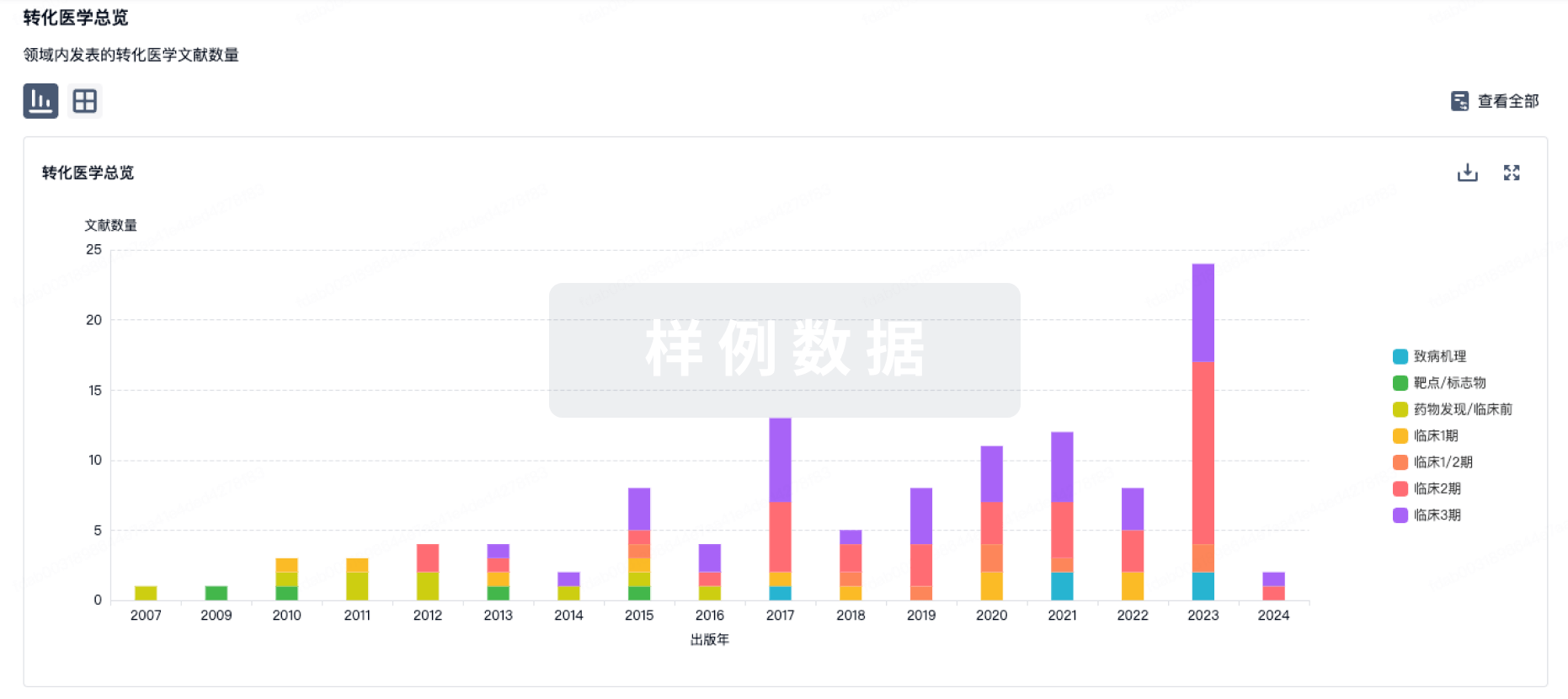
转化医学
使用我们的转化医学数据加速您的研究。
登录
或
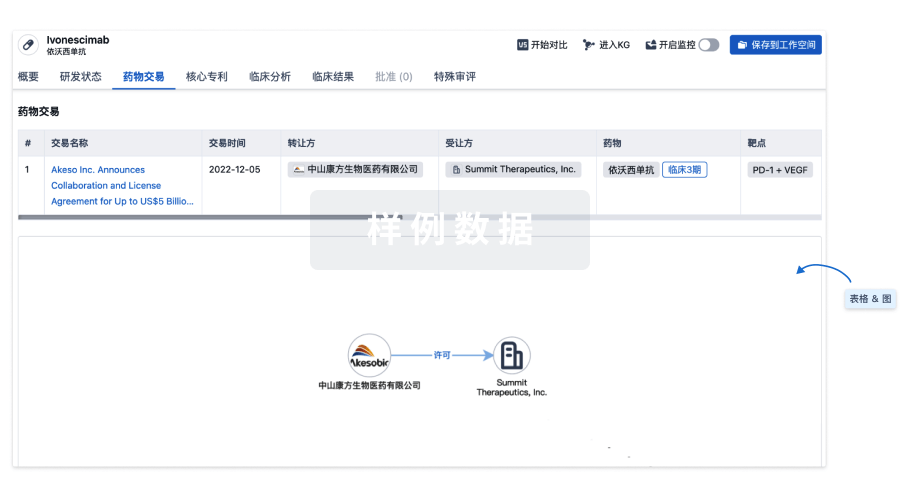
药物交易
使用我们的药物交易数据加速您的研究。
登录
或
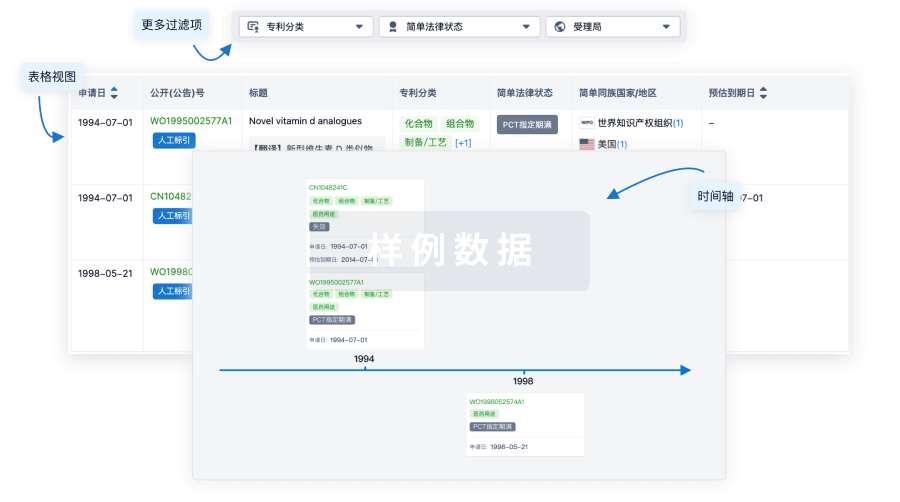
核心专利
使用我们的核心专利数据促进您的研究。
登录
或
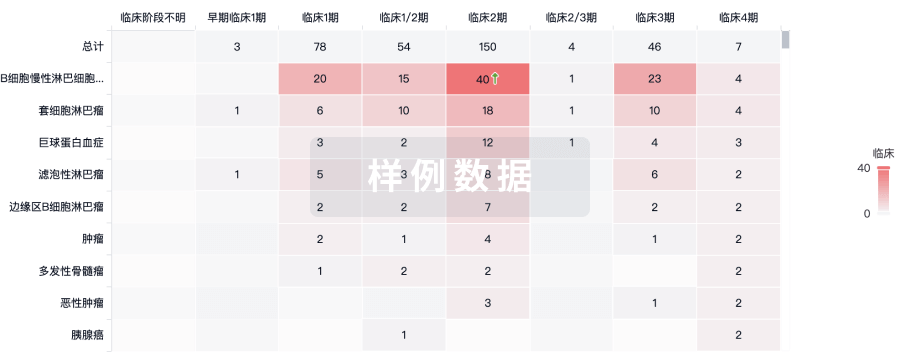
临床分析
紧跟全球注册中心的最新临床试验。
登录
或
批准
利用最新的监管批准信息加速您的研究。
登录
或
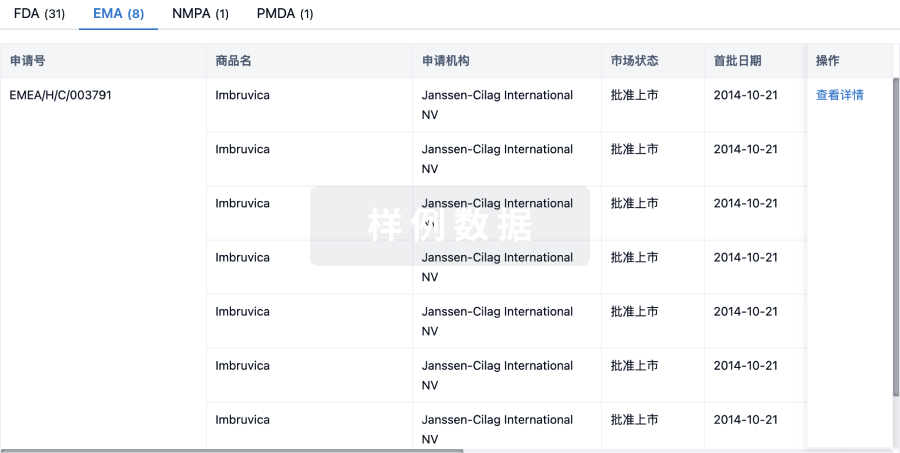
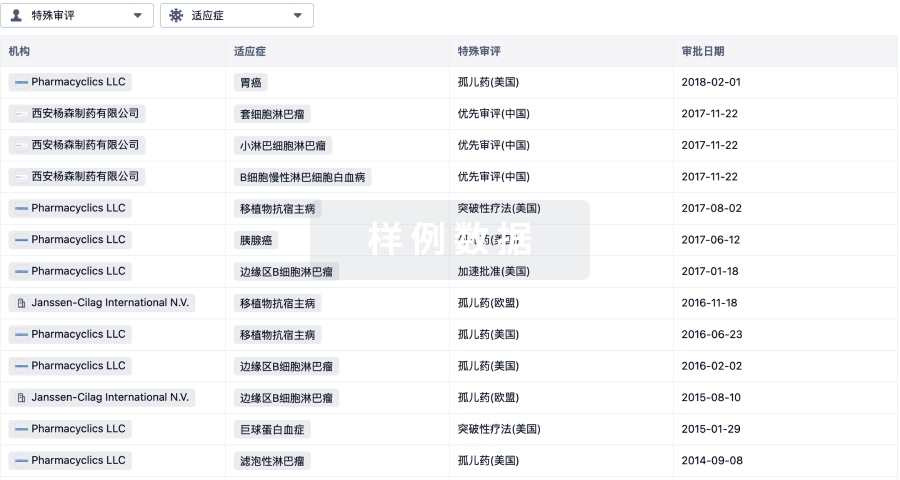
特殊审评
只需点击几下即可了解关键药物信息。
登录
或
提出任何生物医药研究问题
让每一步生物医药决策都精准制胜
基于十亿级生物数据与全球情报的精准 AI,赋能早期药物发现
立即开始免费试用!
智慧芽新药情报库是智慧芽专为生命科学人士构建的基于AI的创新药情报平台,助您全方位提升您的研发与决策效率。
立即接入生物医药数据包
智慧芽新药库数据也通过智慧芽开放平台,以MCP或API服务形式对外开放。立即使用我们的MCP服务定制您的LLM智能体。
生物序列数据库
生物药研发创新
免费使用
化学结构数据库
小分子化药研发创新
免费使用