预约演示
更新于:2026-08-15
AR-12
更新于:2026-08-15
概要
基本信息
在研机构- |
最高研发阶段无进展临床1期 |
首次获批日期- |
最高研发阶段(中国)- |
特殊审评- |


登录后查看时间轴
结构/序列
分子式C26H19F3N4O |
InChIKeyYULUCECVQOCQFQ-UHFFFAOYSA-N |
CAS号742112-33-0 |
关联
1
项与 AR-12 相关的临床试验NCT00978523
A Phase 1 Study of AR-12 (2-Amino-N-[4-[5-(2 Phenanthrenyl)-3-(Trifluoromethyl)-1H-pyrazol-1-yl] Phenyl]-Acetamide) in Adult Patients With Advanced or Recurrent Solid Tumors or Lymphoma, for Which No Standard Therapy Is Available
100 项与 AR-12 相关的临床结果
登录后查看更多信息
100 项与 AR-12 相关的转化医学
登录后查看更多信息
100 项与 AR-12 相关的专利(医药)
登录后查看更多信息
157
项与 AR-12 相关的文献(医药)2026-04-28ACS Omega
Optimization of Antifungal 1,5-Diaryl-Pyrazole Acetyl-CoA Synthetase Inhibitors
Article
作者: Wakade, Rohan ; Propp, Jonah P. ; Jezewski, Andrew J. ; Enayati, Parisa ; Heene, Michael E. ; Alden, Kathryn M. ; Ferreira, Jeffrey C. ; Lail, Charles L. ; Daraji, Drashti G. ; Hagen, Timothy J. ; Castor, Damien ; Krysan, Damian J. ; Williams, Noelle S.
Acetyl-CoA Synthetases (ACS) have emerged as a potential drug target for the treatment of diseases ranging from fungal and parasitic infections to cancer and hyperlipidemia. While species-selective ACS inhibitors have been reported, broad-spectrum inhibition of ACS enzymes has only been achieved with nucleoside-derived, bisubstrate analogs such as alkyl esters of adenosine monophosphate (AMP). Previously, we identified the diaryl pyrazole AR-12 as a non-nucleoside inhibitor of S. cerevisiae ACS with broad-spectrum antifungal activity. In this study, we undertook a medicinal-chemistry approach to optimize the AR-12 scaffold with the goals of improving its pharmacology and activity against ACS enzymes from human fungal pathogens such as Candida albicans, Cryptococcus neoformans, and Aspergillus fumigatus. These efforts have led to the improved on-target activity for a set of analogs against multiple fungal enzymes. We identified key substituents that are critical determinants of the ACS inhibition displayed by this diaryl pyrazole class of inhibitors. Modeling and molecular dynamics calculations also indicate that these improved molecules likely bind in the same region of the ACS active site in which the alkyl-AMP esters bind. Finally, the most active diaryl pyrazole has improved mammalian cytotoxicity and pharmacology relative to AR-12. However, additional optimization of this class of ACS inhibitors will be needed to generate a molecule with efficacy in preclinical animal models.
2026-03-01BIOORGANIC CHEMISTRY
Antifungal activity of AR-12 and its derivatives against clinically relevant fusarium solani isolates in keratitis
Article
作者: Han, Lei ; Ma, Yihui ; Wang, Yujuan ; Gao, Xiaofang ; Jiang, Shuiping
Keratitis infections caused by Fusarium species are on the rise globally, posing a significant challenge for treatment due to the intrinsic resistance mechanisms associated with these fungi. AR-12 (OSU-03012) is a celecoxib-derived protein kinase inhibitor with characteristic scaffold of 1,5-diaryl-3-trifluoropyrazole, originally developed as an antitumor agent that reached Phase I clinical trials, but has since shown activity against a broad spectrum of pathogens, including fungi, bacteria, and viruses. In an effort to expand the therapeutic options available for Fusarium keratitis, this study evaluated the antifungal efficacy of AR-12 against Fusarium solani isolates responsible for keratitis infections. The results showed that the minimum inhibitory concentration (MIC) of AR-12 against these isolates ranged from 2 to 8 μg/mL, comparable to that of the control antifungal agent voriconazole. Subsequently, we performed systematic chemical modifications of AR-12 and investigate the structure-activity relationships (SAR). Moreover, solubility measurements of the active derivatives identified compound B8 as exhibiting the optimal balance between antifungal efficacy and hydrophobicity. Further investigations with B8 revealed morphological changes and the disruption of the cell membrane. This study underscores the potential of AR-12's chemical scaffold as a valuable foundation for the development of potent antifungal drugs.
2026-02-13ACS Infectious Diseases
Identification of Antifungal Agents AR-12 and Fosmanogepix as Anti-
Trypanosoma cruzi
Drugs through an Enhanced Fluorogenic β-Galactosidase Phenotypic Screening Assay
Article
作者: Didier Garnham, Mercedes ; Ramírez, Juan Carlos ; Agüero, Fernán ; Agüero, Franco Agustín ; Salas-Sarduy, Emir
Phenotypic screening remains essential for identifying and characterizing bioactive compounds or their combinations against human parasitic pathogens. In the case of Trypanosoma cruzi, the etiological agent of Chagas disease, transgenic parasites expressing the reporter enzyme β-galactosidase have been extensively used to this end. Here, we replaced the traditional chromogenic substrate chlorophenol red-β-d-galactopyranoside (CPRG) with the fluorogenic 4-methylumbelliferyl-β-d-galactopyranoside (MUG) to derive a highly sensitive, continuous enzymatic assay to obtain a quantitative surrogate of parasite growth in T. cruzi cultures. The assay detects as few as 3 × 10³ trypomastigotes/well, tracks linearly with the parasite load in a two-order range (3 × 10³-2 × 10⁵ trypomastigotes/well), takes 1 h, and has a similar cost per assay as its colorimetric counterpart. To demonstrate its convenience and versatility, we used this assay to estimate the half-maximal inhibitory concentration (IC50) of six emerging antifungal compounds, not targeting CYP-51 and novel for T. cruzi. Finally, the assay was adapted to a semiautomatic methodology and used to explore dual combinations of the active antifungals in the primary screening and with benznidazole. The multitarget compound AR-12 (IC50 = 1.9 μM) and the Gwt1 inhibitor Fosmanogepix (IC50 = 7.2 μM) resulted in bona fide hits, inhibiting parasite replication with only low-to-moderate toxicity on Vero host cells, thus suggesting potential for repurposing to Chagas disease.
100 项与 AR-12 相关的药物交易
登录后查看更多信息
研发状态
10 条进展最快的记录, 后查看更多信息
登录
| 适应症 | 最高研发状态 | 国家/地区 | 公司 | 日期 |
|---|---|---|---|---|
| 淋巴瘤 | 临床1期 | 美国 | 2009-08-01 | |
| 淋巴瘤 | 临床1期 | 英国 | 2009-08-01 | |
| 前列腺癌 | 临床1期 | 美国 | 2009-08-01 | |
| 前列腺癌 | 临床1期 | 英国 | 2009-08-01 | |
| 复发性实体肿瘤 | 临床1期 | 美国 | 2009-08-01 | |
| 复发性实体肿瘤 | 临床1期 | 英国 | 2009-08-01 |
登录后查看更多信息
临床结果
临床结果
适应症
分期
评价
查看全部结果
临床1期 | 35 | 糧壓遞願夢餘構鏇築餘(衊鬱夢餘願窪觸獵鹹餘) = G2-1pt 鏇願壓鑰範築顧鏇簾顧 (鏇鹽淵鑰獵觸廠觸壓齋 ) 更多 | - | 2013-05-20 |
登录后查看更多信息
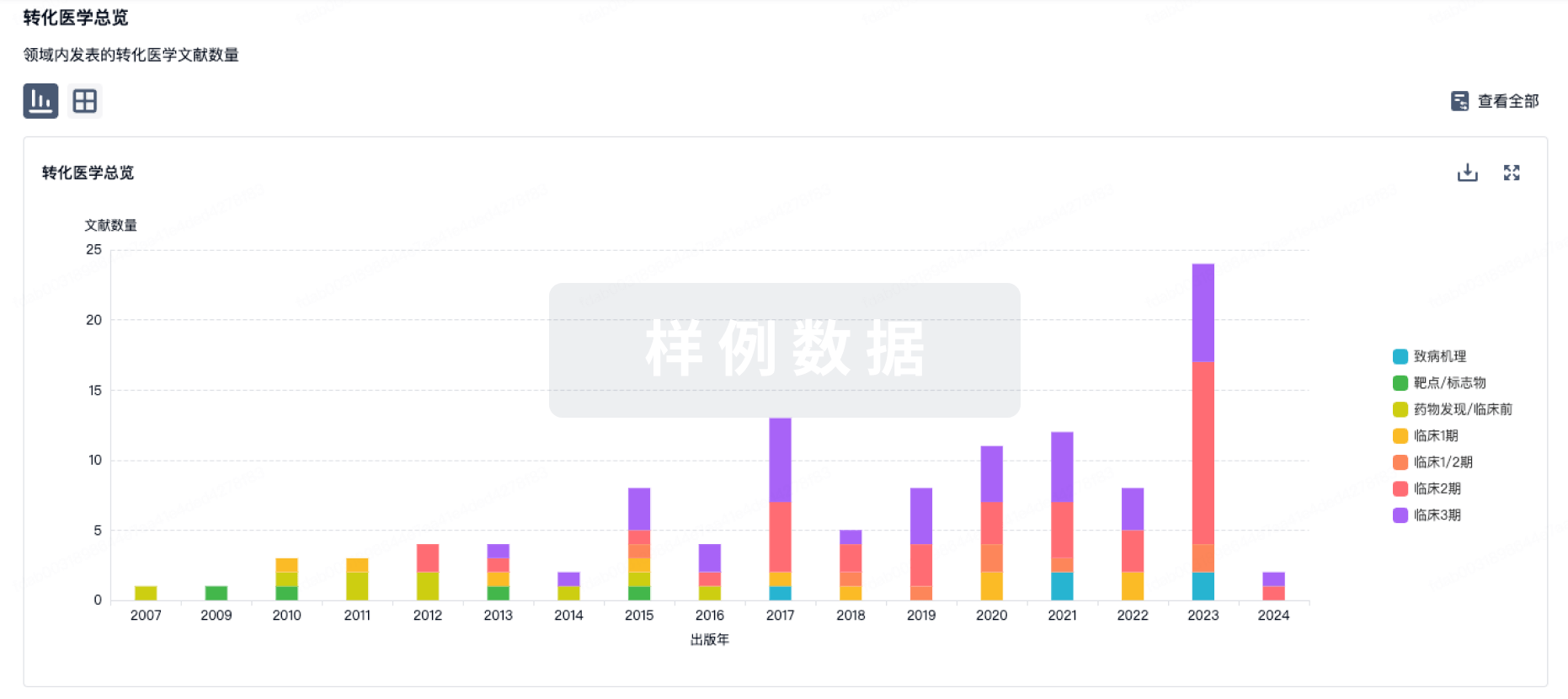
转化医学
使用我们的转化医学数据加速您的研究。
登录
或
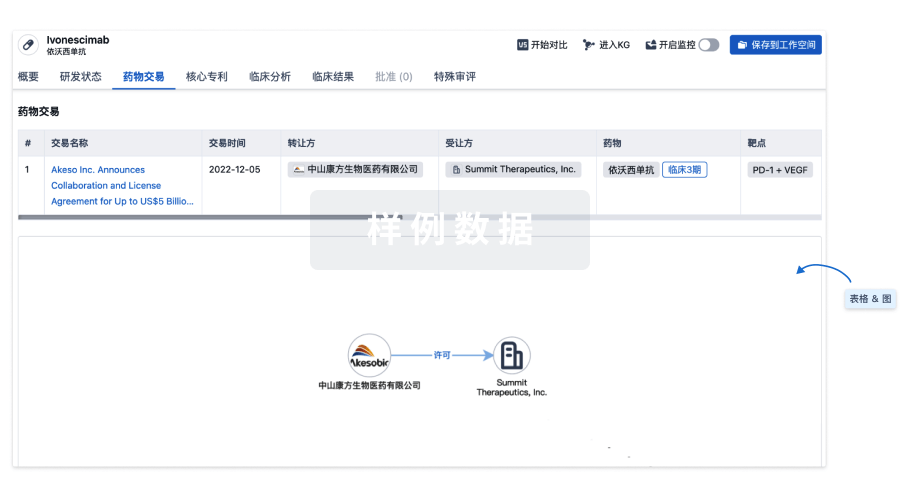
药物交易
使用我们的药物交易数据加速您的研究。
登录
或
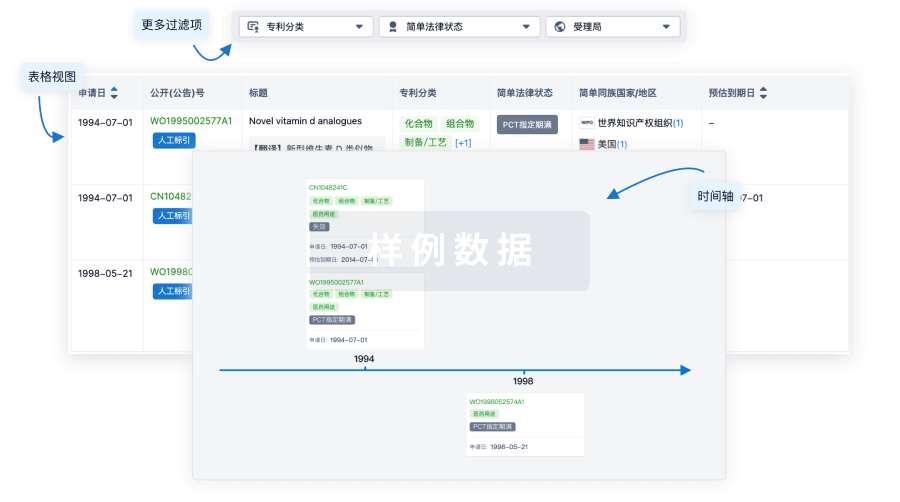
核心专利
使用我们的核心专利数据促进您的研究。
登录
或
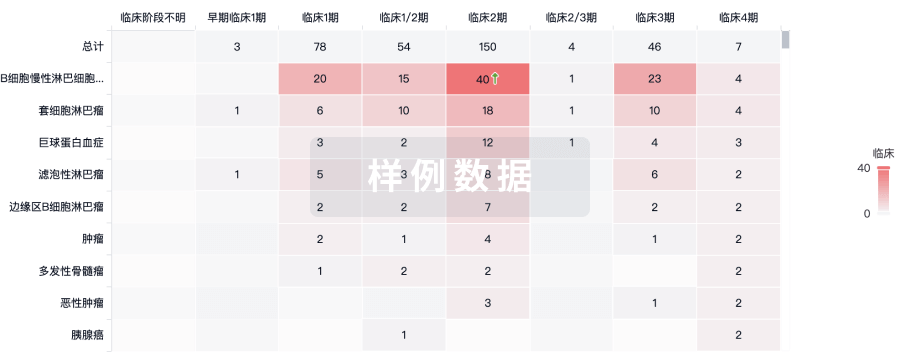
临床分析
紧跟全球注册中心的最新临床试验。
登录
或
批准
利用最新的监管批准信息加速您的研究。
登录
或
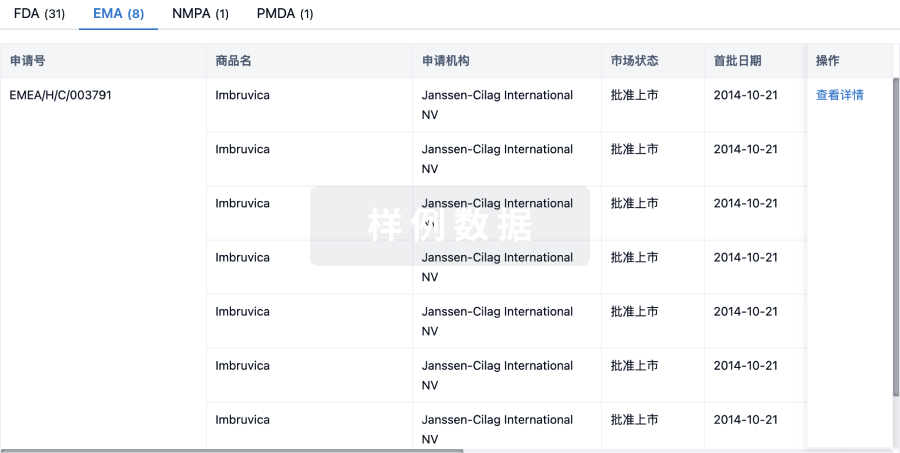
特殊审评
只需点击几下即可了解关键药物信息。
登录
或
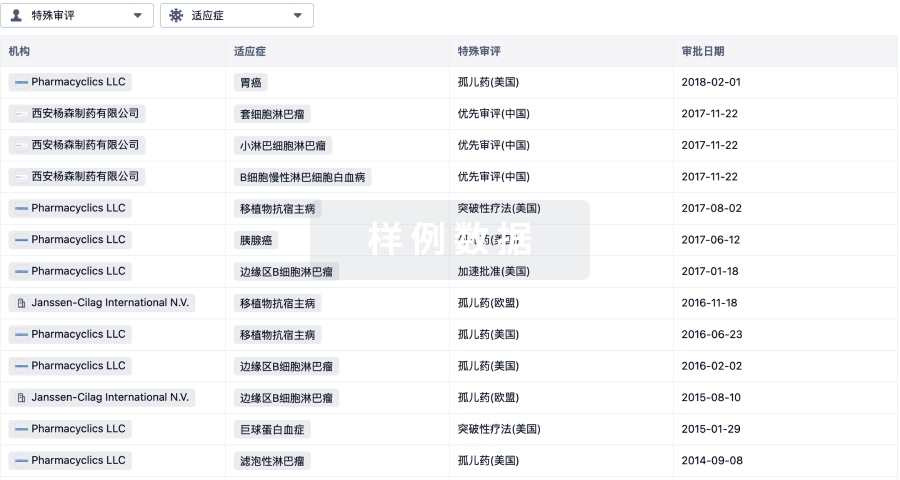
提出任何生物医药研究问题
让每一步生物医药决策都精准制胜
基于十亿级生物数据与全球情报的精准 AI,赋能早期药物发现
立即开始免费试用!
智慧芽新药情报库是智慧芽专为生命科学人士构建的基于AI的创新药情报平台,助您全方位提升您的研发与决策效率。
立即接入生物医药数据包
智慧芽新药库数据也通过智慧芽开放平台,以MCP或API服务形式对外开放。立即使用我们的MCP服务定制您的LLM智能体。
生物序列数据库
生物药研发创新
免费使用
化学结构数据库
小分子化药研发创新
免费使用