预约演示
更新于:2026-08-19
Glycerol monolaurate
月桂酸单甘油酯
更新于:2026-08-19
概要
基本信息
在研机构- |
最高研发阶段批准上市 |
首次获批日期- |
最高研发阶段(中国)- |
特殊审评孤儿药 (美国) |



登录后查看时间轴
结构/序列
分子式C15H30O4 |
InChIKeyARIWANIATODDMH-UHFFFAOYSA-N |
CAS号142-18-7 |
关联
3
项与 月桂酸单甘油酯 相关的临床试验NCT06046937
A Randomized, Double-Blind Controlled Trial of Monolaurin Ointment Versus Mupirocin Ointment of Bacterial Skin Infections Among Pediatric Patients 5-18 Years Old in Community-Based Setting
Skin infection remains one of the leading causes of pediatric consults especially in developing countries like the Philippines. This common condition has not been considered a significant problem that could cause alarm as public health importance. Furthermore, due to the consideration that skin diseases are benign, not life-threatening, and low priority.
开始日期2023-06-01 |
申办/合作机构- |
NCT02709005
A Phase II, Double-Blind, Randomized, Placebo-Controlled, Multicenter Trial to Assess the Safety and Efficacy of 5% Monolaurin Vaginal Gel Administered Intravaginally for the Treatment of Bacterial Vaginosis
This is a Phase II, Double-Blind, Randomized, Placebo-Controlled, Multi-center Trial enrolling 120 subjects with Bacterial Vaginosis who will be randomized at a ratio of 2:1 to receive active test article (5% Monolaurin Vaginal Gel) or placebo (vehicle). The primary objective is to assess the safety and tolerability of 5% Monolaurin Vaginal Gel compared to vehicle placebo gel (excipients only) and to assess the efficacy by clinical cure rate of 5% Monolaurin Vaginal Gel compared to vehicle placebo gel at Visit 2.
开始日期2016-04-14 |
NCT00004690
Phase III Study of Monolaurin Cream Therapy for Patients With Congenital Ichthyosis
OBJECTIVES: I. Compare the safety and efficacy of monolaurin cream versus a placebo vehicle cream in suppressing the signs of nonbullous congenital ichthyosiform erythroderma.
II. Assess the incidence of posttreatment rebound or recrudescence in patients with congenital ichthyosis.
III. Evaluate the long term safety of monolaurin cream with whole body application in these patients.
II. Assess the incidence of posttreatment rebound or recrudescence in patients with congenital ichthyosis.
III. Evaluate the long term safety of monolaurin cream with whole body application in these patients.
开始日期1996-09-01 |
100 项与 月桂酸单甘油酯 相关的临床结果
登录后查看更多信息
100 项与 月桂酸单甘油酯 相关的转化医学
登录后查看更多信息
100 项与 月桂酸单甘油酯 相关的专利(医药)
登录后查看更多信息
592
项与 月桂酸单甘油酯 相关的文献(医药)2026-08-01·Drug Delivery and Translational Research
First-in-line 3D-printed intravaginal ring for nonhormonal contraception
Article
作者: Benhabbour, S Rahima ; Trujillo, Andrés Prieto ; Janusziewicz, Rima ; Howard, Sarah Anne ; Cohen, Ava L ; Doncel, Gustavo F ; Bhutta, Maimoona S
With nearly half of all pregnancies occurring unintended, effective and acceptable contraceptive options remain a global necessity. Though contraceptives with extended durations of action reduce the need for strict daily adherence, thus enhancing compliance and reliability, only one of these methods - the copper intrauterine device (IUD) - prevents pregnancy without administering exogenous hormones. Herein, we demonstrate co-delivery of two nonhormonal contraceptive agents, lactic acid (LA) and glycerol monolaurate (GML), using a next-generation 3D-printed intravaginal ring (IVR). Through alterations in ring properties and drug loading, a range of LA and GML release rates were achieved in vitro, demonstrating the flexibility of the platform technology. Rings elicited sustained release of LA and GML at target release rates over 30 days or longer. Additionally, these studies explored how drugs with different physiochemical properties interact within the IVR matrix and further elucidated IVR drug loading and release mechanisms.
2026-08-01·FOOD RESEARCH INTERNATIONAL
Composite beeswax-glycerol monolaurate oleogelation enhances encapsulation efficiency and oxidative stability of microencapsulated Antarctic krill oil
Article
作者: Yin, Fa-Wen ; Song, Liang ; Ha, Xin-Yang ; Qin, Lei ; Zhou, Da-Yong ; Sun, Xin ; Wang, Rui-Ying ; Zhu, Bei-Wei
Microencapsulation of Antarctic krill oil (AKO) presents a unique challenge not encountered with conventional fish oils: the abundant endogenous phospholipids, while nutritionally valuable, are amphiphilic and competitively adsorb at the oil-water interface during emulsification and spray-drying. This interfacial competition disrupts wall material organization, promotes oil migration to the particle surface, and ultimately compromises encapsulation efficiency and oxidative stability. This study demonstrates that oil-phase pre-structuring via oleogelation using a composite beeswax/glycerol monolaurate (BW/GML) system effectively mitigates this problem. Endogenous phospholipids in Antarctic krill oil inherently migrate to the oil-water interface during emulsification and spray-drying, compromising microcapsule integrity. To mitigate this disruptive interfacial behavior, an oil-phase pre-structuring strategy via oleogelation was employed. This approach is proposed to physically constrain phospholipid migration by immobilizing the lipid core, thereby enhancing both encapsulation efficiency and oxidative stability. Results showed that a high BW/GML ratio (3,1) induced a robust crystalline network that effectively sequestered the oil phase. This structured core enabled uniform emulsion formation and yielded microcapsules with superior encapsulation efficiency (94.92% vs. 73.18% for non-gelled AKO), dramatically reduced surface oil (1.24% vs. 6.08%), and enhanced oxidative stability (peroxide value: 3.76 vs. 5.45 mg CHP/g oil after 12 days at 60 °C). Furthermore, during simulated intestinal digestion, oleogelation modulated lipolysis from a rapid burst to a controlled release, reducing total FFA liberation from 76.48% to 43.67%, while enhancing the bioaccessibility of EPA (90.46%) and DHA (60.50%), defined as their efficiency of incorporation into the mixed micellar phase. This work establishes oleogelation as an effective strategy to overcome phospholipid-induced interfacial competition, offering a robust platform for delivering nutritionally valuable but technologically challenging phospholipid-rich oils.
2026-07-07·Microbiology Spectrum
Antibacterial activity of glycerol monolaurate formulated in petrolatum
Article
作者: Kilgore, Samuel H. ; Leung, Donald Y. M. ; Castillo-Zhagui, Angie ; Schlievert, Patrick M.
ABSTRACT:
Glycerol monolaurate (GML) is a fatty acid monoester of glycerol that is approved by the FDA as a food additive and component of cosmetics. We previously showed that 50,000 µg/mL of GML solubilized in the non-aqueous K-Y Warming Gel is broadly antibacterial, including
S. aureus
and various streptococcal species, and selectively increases beneficial lactobacilli. GML is also anti-inflammatory, reducing harmful inflammation. In the current study, we examined GML and longer or shorter fatty acid monoesters for their anti-staphylococcal activity. GML had the greatest anti-staphylococcal activity. We then showed
in vitro
that GML solubilized in petrolatum, a non-aqueous gel that has fewer unwanted side effects than K-Y Warming Gel, had enhanced activity in the killing of both methicillin-sensitive and methicillin-resistant
S. aureus
. GML in petrolatum also killed two coagulase-negative staphylococci. Collectively, all staphylococci were killed by GML concentrations of ≥500 µg/mL. This concentration is 100 times below the concentration of GML we previously used
in vivo
in humans as solubilized in K-Y Warming Gel. GML in petrolatum also effectively killed four viridans streptococci, organisms increasingly recognized as pathogenic in atopic dermatitis in children. GML (50,000 µg/mL) in petrolatum was bactericidal for
S. aureus
as tested in a dermatitis model in rabbits. The data suggest that GML in petrolatum, upon additional testing, may become useful in topical management of nasal and skin colonization of children, as well as older individuals, with
S. aureus
and viridans streptococci, and for use in management of Gram-positive bacteria in atopic dermatitis and diabetic ulcers.
IMPORTANCE:
Most staphylococcal and streptococcal infections in humans originate from mucous membranes, usually the anterior nares, or from the skin. Glycerol monolaurate (GML) solubilized in petrolatum exhibited potent anti-Gram-positive bacteria activity as tested both
in vitro
and in a staphylococcal rabbit skin model. Because GML is generally recognized as safe (GRAS by FDA) and petrolatum is already approved for topical human use, our data suggest that upon additional testing GML in petrolatum may be effective for topical use in management of nasal and skin colonization with
S. aureus
and viridans streptococci in young children (as well as older individuals), and for use in management of bacterial infections in atopic dermatitis and diabetic ulcers.
10
项与 月桂酸单甘油酯 相关的新闻(医药)2026-04-29
CGT 明明能 “根治疾病”,却至今无法大面积推广的6 大核心真相(底层原理 + 现实瓶颈)
(底层生物学原理 + 产业现实瓶颈 + 全球临床数据 + 监管逻辑全维度细化版)
前言
细胞与基因治疗(CGT)被公认为下一代生物医药的终极赛道,是目前唯一能从基因根源上根治单基因遗传病、终末期血液肿瘤的治疗手段。但截至 2024 年底,全球获批 CGT 产品仅 32 款,中国仅 9 款,且仅能在国内不足 100 家三甲医院开展,累计治疗患者不足万人,完全无法实现大面积普及。这绝非药企、监管机构“不愿推广”,而是 CGT 的产品属性、技术特性、制造逻辑、安全风险,从底层就决定了其无法像小分子药、疫苗一样实现大众化普及,被安全、制造、成本、适应症、医疗终端、监管六道环环相扣的“死门槛” 牢牢锁定。
一、第一门槛:安全性是不可逾越的“高压线”,高风险属性决定其无法大规模应用
CGT 是直接改写人类基因组、改造活体细胞的最高风险疗法,与小分子化药、单抗药物存在本质的风险等级差异—— 小分子药可通过代谢快速清除,副作用可逆;而 CGT 的作用是长期甚至终身的,一旦出现风险,往往不可逆、甚至致死。这是其无法向普通患者、常见病大规模开放的核心前提。
1.1 急性致死风险:治疗本身就存在致命性不良反应
底层生物学原理
CGT 的核心作用机制是 “激活人体免疫 / 改写基因功能”,这种强干预会直接打破人体的免疫稳态与基因调控平衡,引发级联式的致命不良反应。
多维度现实瓶颈拆解
1.CAR-T 的细胞因子风暴(CRS)与免疫效应细胞相关神经毒性综合征(ICANS)CAR-T 细胞识别肿瘤抗原后,会在短时间内大量活化、增殖,释放 IFN-γ、IL-6、TNF-α 等大量促炎细胞因子,引发全身系统性炎症反应,也就是 CRS。严重 CRS 会导致患者出现高热、低血压、呼吸衰竭、多器官功能衰竭,处理不及时直接致死;而 ICANS 则会引发脑水肿、癫痫、意识障碍,严重时引发脑疝死亡。
○临床数据:全球获批的 CAR-T 产品中,3 级及以上严重 CRS 发生率为 20%-40%,3 级及以上 ICANS 发生率为 15%-35%,相关死亡率为 1%-5%;即使是国内商业化最成熟的产品,严重不良反应发生率也超过 30%。
○现实约束:这类不良反应必须在具备 ICU 急救能力、有 CGT 不良反应处置经验的三甲医院开展,基层医院完全不具备救治能力,一旦出现严重不良反应,患者死亡率极高,根本不可能大规模推广。
2.AAV 基因治疗的急性严重毒性AAV 载体的衣壳蛋白会激活人体先天免疫与补体系统,高剂量给药时会引发全身性免疫反应,导致严重肝衰竭、肾功能损伤、血栓性微血管病,甚至死亡。
○临床案例:2022 年辉瑞针对杜氏肌营养不良(DMD)的 AAV 基因治疗临床试验中,3 例患者因高剂量 AAV 引发的肝衰竭死亡;2023 年,蓝鸟生物的 β 地中海贫血基因治疗产品,因出现患者急性肝衰竭死亡事件,被 FDA 暂停销售。
○现实约束:AAV 的治疗剂量与毒性正相关,而常见病往往需要更高剂量、全身给药,急性毒性风险会指数级上升,监管与临床均无法接受这种风险。
1.2 长期致癌与遗传风险:不可逆的终身隐患
底层生物学原理
CGT 的核心操作是基因整合、基因编辑,这些操作会直接改变人类基因组序列;而活细胞药物在体内的长期存活,也存在异常增殖的致瘤风险。这种风险具有迟发性,可能在治疗后数年、甚至十几年才显现,且一旦发生,基本无法逆转。
多维度现实瓶颈拆解
1.整合型载体的致癌风险慢病毒、逆转录病毒载体,会将目的基因随机整合到宿主细胞基因组中,若整合位点位于原癌基因附近,会直接激活原癌基因,引发白血病、实体瘤。
○临床案例:全球最早的基因治疗临床试验中,针对重症联合免疫缺陷病(SCID-X1)的逆转录病毒治疗,10 例患者中有 5 例在治疗后 2-6 年出现白血病,就是因为病毒整合激活了 LMO2 原癌基因。
○现实约束:即使是第三代自我失活型慢病毒,仍存在极低概率的基因组整合致癌风险,对于预期生存期还有几十年的常见病患者,这种风险完全不可接受。
2.基因编辑的脱靶与染色体异常风险传统 CRISPR-Cas9 编辑会造成 DNA 双链断裂,除了靶点位点的编辑,还可能在基因组其他同源位点发生非特异性切割(脱靶效应),导致抑癌基因失活、染色体易位 / 缺失 / 重排,最终引发癌症。即使是新一代碱基编辑、引导编辑,也存在极低概率的脱靶与 RNA 编辑风险。
○研究数据:多篇《Nature》《Cell》研究证实,CRISPR 编辑会引发 p53 通路激活,携带 p53 突变的细胞会被筛选富集,大幅提升致癌风险;全基因组测序发现,CRISPR 编辑会导致染色体结构异常,发生率最高可达 20%。
○现实约束:基因编辑的改变是终身不可逆的,甚至可能通过生殖细胞传递给后代(即使是体细胞编辑,也存在极低概率的生殖细胞渗漏),全球监管机构对其临床应用设置了极严的门槛,绝对不允许在常见病中大规模使用。
3.干细胞的致瘤性风险人多能干细胞(hPSC)具有无限增殖潜能,若分化工艺中残留未分化的干细胞,回输到体内后会形成畸胎瘤、恶性肿瘤;同时,长期体外培养的干细胞也可能出现基因组突变,提升致癌风险。
○临床案例:2019 年日本一项 iPSC 来源的多巴胺能神经元治疗帕金森病的临床试验,因发现细胞存在基因组突变,直接暂停给药;全球多项干细胞临床试验,均因患者体内出现畸胎瘤而终止。
1.3 全球监管的强制长期随访要求,从规则上锁定了 “小规模应用”
底层监管逻辑
由于 CGT 的迟发性毒性风险,全球监管机构均强制要求,CGT 产品上市后必须对患者进行长期随访,全面排查迟发性致癌、免疫毒性等风险。
多维度现实瓶颈拆解
•FDA 要求:整合型基因治疗、基因编辑产品,必须开展15 年的长期安全性随访;CAR-T 细胞产品必须开展5 年以上的长期随访;
•NMPA 要求:《细胞治疗产品研究与评价技术指导原则》明确,细胞治疗产品需设置至少 5 年的长期随访期,基因编辑、整合型基因治疗产品随访期不短于 15 年;
•现实约束:每一位患者的长期随访,都需要药企、医院投入大量的人力、物力、财力,随访 1000 名患者的成本,就超过 1 亿元。若大规模推广到几十万、几百万患者,随访体系会直接崩溃,监管也完全无法实现风险管控。
本章节核心结论
CGT 是 “能救命,也能致命” 的高风险疗法,目前仅能用于 “无药可治、预期生存期极短的末线患者”—— 这类患者为了活命,愿意承担 1%-5% 的致死风险与长期致癌风险;但对于高血压、糖尿病、早期肿瘤等常见病患者,预期生存期还有十几年甚至几十年,无论是患者、医生还是监管机构,都绝对不会接受这种不可逆的高风险,这是 CGT 无法大规模推广的底层红线。
二、第二门槛:生物制造无法实现标准化批量生产,本质是“一人一剂的定制奢侈品”
CGT 的全链条核心是生物制造,而它与小分子化药、疫苗的本质区别,就在于无法实现标准化、规模化、低成本的量产。这不是工艺优化就能解决的问题,而是由 CGT 的产品属性、生物学底层逻辑决定的。
2.1 自体细胞治疗:天生就是 “一人一批”,绝无批量生产的可能
底层生物学原理
自体 CAR-T、自体基因编辑细胞治疗的原材料,是患者自身的免疫细胞 / 体细胞,每个患者的遗传背景、健康状态、既往治疗史都不同,细胞活性、扩增能力存在巨大的个体差异,天生就不具备“标准化批量生产” 的基础。
多维度现实瓶颈拆解
1.全流程个体化定制,产能利用率极低自体 CAR-T 的完整生产流程为:患者白细胞单采→T 细胞分离纯化→体外活化→慢病毒转染导入 CAR 基因→细胞扩增→制剂灌装→质控放行→患者回输,全程需要 2-3 周,每一个患者的产品,都需要单独的生产批次、独立的 GMP 产线,绝对不能混批生产(防止交叉污染,是 GMP 的强制要求)。
○产能数据:一条全自动封闭式 CAR-T 生产线,单月最多只能完成 2-3 个患者的批次生产,全年产能仅 30 例左右;而一条小分子化药生产线,一年就能生产几千万、甚至上亿剂药品,产能差距达到百万倍级。
○临床现实:国内首款获批的 CAR-T 产品奕凯达,2021 年上市至 2023 年底,累计销售仅不到 1000 例,核心限制不是市场需求,而是产能完全跟不上。
2.制备失败率高,个体差异无法标准化末线肿瘤患者大多经过了多轮化疗、放疗,自身 T 细胞的活性、数量极差,约 15%-20% 的患者根本无法采集到符合要求的 T 细胞,最终制备失败;即使制备成功,不同患者的 CAR 阳性率、细胞活率、杀伤活性差异极大,批间差异最高可达 50% 以上。
○监管约束:药品上市的核心前提是“批次一致性”,化药的批间差异要求控制在 5% 以内,而自体 CGT 产品的批间差异根本无法达到这个标准,只能作为 “个体化定制医疗服务”,无法作为标准化药品大规模生产、流通。
2.2 活药物的生物学特性,决定了产能极端受限、稳定性极差
底层生物学原理
无论是病毒载体(AAV / 慢病毒)、mRNA,还是活细胞产品,都是具有生物活性的 “活物质”,对生产环境、温度、操作的要求极端苛刻,生产效率极低、损耗极大,完全无法像化学分子一样规模化合成。
多维度现实瓶颈拆解
1.病毒载体:CGT 产能的核心卡脖子环节,全球缺口超 90%无论是 CAR-T 的慢病毒,还是基因治疗的 AAV,都是 CGT 生产的核心原材料,而病毒包装的生产效率极低、纯化损耗极大,是全球 CGT 产能的最大瓶颈。
○生产效率:AAV 三质粒共转染包装体系中,仅 10%-20% 的细胞能成功包装病毒,其中全壳病毒占比仅 30%-50%,大部分是空壳病毒,经过层析纯化、去除空壳与杂质后,最终回收率仅 10% 左右;生产 1 剂高剂量全身给药的 AAV 产品,需要上千升的细胞培养上清。
○产能数据:截至 2024 年底,全球 AAV 商业化产能不足 5000 升,慢病毒商业化产能不足 2000 升,产能缺口超过 90%;国内 90% 的病毒载体依赖进口 CDMO,头部 CDMO 企业药明生基的产能排期已经到 2027 年,中小药企根本拿不到产能。
2.活药物的稳定性极差,无法实现广域流通
○活细胞产品必须在 - 150℃以下的液氮环境中储存,冷链运输需要专用的超低温冷链设备,室温下放置 2 小时就会完全失活、报废;
○AAV、mRNA 产品需要在 - 80℃超低温冰箱中储存,普通药店、基层医院根本不具备对应的储存条件;
○现实约束:CGT 产品无法像感冒药、疫苗一样,进入药店、社区医院、县级医院流通,只能在少数具备超低温储存条件的顶级三甲医院使用,从物理上锁定了应用范围。
2.3 工艺标准化难度极大,自动化水平低,规模化复制成本极高
底层工程逻辑
CGT 生产工艺涉及细胞培养、病毒包装、基因编辑、纯化制剂等数十个步骤,每个步骤的参数波动,都会对最终产品的质量、活性产生巨大影响;而人工操作占比高,进一步放大了工艺误差,很难实现标准化、规模化复制。
多维度现实瓶颈拆解
1.工艺放大难度极大,实验室小试工艺很难转化为规模化生产实验室规模的 10mL 细胞培养体系,放大到生产规模的 200L 生物反应器,细胞的生长状态、病毒包装效率、产品质量都会发生巨大变化,行业内称之为 “放大效应”。CGT 产品的工艺放大失败率超过 60%,很多产品在实验室阶段效果很好,一放大到生产规模就完全失效,这也是产能无法快速扩张的核心原因。
2.自动化生产线成本极高,行业普及率极低一套全自动封闭式 CGT 生产线,单套设备投入就超过 1 亿元,每年的维护、验证成本也要上千万,国内能承担得起的药企不超过 10 家;目前国内大部分 CGT 生产仍采用半手工操作,不仅批次一致性差,还存在极高的污染风险,单批次合格率仅 80% 左右,进一步推高了生产成本、限制了产能。
本章节核心结论
CGT 不是 “标准化工业药品”,而是 “个体化定制的活生物制品”,其生物学特性从底层就决定了无法像化药一样实现规模化量产。全球产能的极端短缺、生产工艺的非标准化,直接从供给端卡死了 CGT 大规模推广的可能。
三、第三门槛:百万级天价,医保与患者都“用不起”
CGT 的 “一次性根治”,对应的是一次性百万级的天价成本,这是其普及路上最直观的拦路虎。而天价的本质,不是药企的暴利定价,而是其研发、生产、供应链的底层成本,根本无法通过规模化快速降低。
3.1 成本结构拆解:每一针的成本,从研发阶段就已经锁定
国内获批的 CAR-T 产品定价在 120 万元 / 针左右,美国的 CGT 产品定价在 37.3 万美元 - 280 万美元 / 针(约合人民币 260 万 - 2000 万元),其核心成本由三部分构成:
成本构成
占比
底层细节与现实瓶颈
研发成本分摊
40%-50%
CGT 产品从靶点发现到上市,平均研发投入为 10-20 亿美元,临床失败率超过 90%,是小分子化药的 3 倍以上;且获批产品的适应症多为罕见病、末线肿瘤,患者基数极小,研发成本只能分摊到极少数患者身上,单针研发成本分摊就超过 50 万元。
生产成本
30%-40%
自体 CAR-T 单批次生产成本就达 30-50 万元,其中进口耗材占比超 70%:美天旎的免疫磁珠 1mL 售价数万元,进口无血清培养基 1 升售价数千元,慢病毒载体的制备成本超 10 万元 / 份;AAV 基因治疗的生产成本更高,单剂高剂量产品的生产成本就超过 100 万元。国内 90% 的核心耗材、设备依赖进口,完全没有议价权,成本根本降不下来。
商业化与长期随访成本
10%-20%
CGT 产品需要专门的商业化团队、医院合作体系、患者招募、不良反应监测、15 年长期随访体系,每年固定投入超 1 亿元,这些成本也需要分摊到每一针产品中。
3.2 医保基金完全无法承担大规模覆盖的压力
底层医保逻辑
我国基本医疗保险遵循“保基本、广覆盖” 的原则,采用 “现收现付、年度预算制”,基金池的年度支出有明确的总额限制,而 CGT 的 “一次性百万级支出”,完全违背了医保的大数法则与付费逻辑。
多维度现实瓶颈拆解
1.单患者支出 = 数百个常规患者的医保支出2023 年全国基本医疗保险基金总支出 2.4 万亿元,其中住院费用支出 1.5 万亿元,全国住院患者次均住院费用约 1.2 万元。一针 120 万元的 CAR-T 产品,相当于 100 个普通住院患者的医保支出;若全国一年有 1 万名患者使用,医保就要支出 120 亿元,占全国住院医保支出的 0.8%。
○现实约束:我国每年新增肿瘤患者超 400 万,其中适合 CAR-T 治疗的末线血液瘤患者超 10 万人,若全部纳入医保,仅这一项就要支出 1200 亿元 / 年,医保基金完全无法承受。
2.医保付费模式与 CGT 产品特性完全不匹配医保是“年度付费、按病种结算”,而 CGT 是 “一次性给药、终身获益”,一次性百万级支出全部计入当年医保预算,会直接击穿医院、地区的年度医保总额,医院根本不愿意开展。目前国内仅少数省市将 CAR-T 纳入地方惠民保,报销比例约 50%,且设置了年度报销限额,全国绝大多数地区的基本医保完全不覆盖 CGT 产品。
3.3 商业保险覆盖范围极窄,普通患者自费无望
•国内商业健康险的整体渗透率不足 7%,其中能覆盖 CGT 产品的高端医疗险,覆盖人群不足 1000 万人,且大多对既往症免责 —— 而需要 CGT 治疗的末线肿瘤、罕见病患者,基本都属于既往症,无法获得报销;
•地方惠民保虽然将部分 CGT 产品纳入保障,但大多设置了 10-30 万的年度免赔额,报销比例仅 40%-50%,患者仍需要自费 60 万以上,对于普通家庭而言,依然是天文数字。
本章节核心结论
CGT 的天价不是定价策略,而是底层成本的必然结果。99% 的普通患者完全无法承担自费费用,医保基金也无法承受大规模覆盖的压力,支付端的核心瓶颈,直接决定了 CGT 无法实现大面积普及。
四、第四门槛:能根治的疾病太少,绝大多数常见病至今无法突破
大众普遍认为 CGT 能 “治百病”,但现实是:目前获批的 CGT 产品,90% 集中在极小众的末线血液瘤、单基因罕见病,而占患者总量 99% 以上的常见病、大病种,CGT 至今无法实现有效突破,根本没有大规模推广的患者基础。
4.1 底层逻辑:CGT 的技术特性,天然只适配 “单点驱动的小众疾病”
CGT 的核心技术优势,是针对单一基因缺陷、单一靶点驱动、无物理屏障的疾病,实现“一次性修复、根治”;而绝大多数常见病,都是多基因 + 多因素驱动、存在生理屏障、需要动态调控的复杂疾病,与 CGT 的技术特性天然不匹配。
疾病类型
CGT 适配性
核心特征
临床突破现状
单基因罕见病
高度适配
单个基因突变致病,修复该基因即可根治
全球 13 款 AAV 基因治疗产品获批,是目前 CGT 的核心适应症
末线血液瘤
高度适配
单一靶点驱动,癌细胞在血液中循环,无物理屏障,CAR-T 可直接接触杀伤
全球 10 款 CAR-T 产品获批,客观缓解率超 70%
实体瘤(肺癌 / 肝癌 / 胃癌等)
极不适配
存在物理基质屏障、免疫抑制微环境、肿瘤异质性,多靶点驱动
全球无一款实体瘤 CAR-T 产品获批一线治疗,临床试验客观缓解率普遍低于 20%,失败率超 95%
代谢慢性病(糖尿病 / 高血压)
极不适配
多基因 + 环境驱动,需要终身动态调控,无法接受一次性治疗的不可逆风险
全球无一款获批产品,均处于临床早期,多次因低血糖、低血压等严重不良反应终止试验
神经退行性疾病(阿尔茨海默 / 帕金森)
不适配
血脑屏障阻断药物递送,神经炎症微环境导致细胞无法存活,多因素驱动
仅帕金森 AAV 治疗进入临床 II 期,阿尔茨海默病 CGT 项目基本全部失败
心血管疾病(心衰 / 心梗)
不适配
心肌细胞为终末分化细胞,转导效率极低,需要长期精准调控
全球无一款获批产品,临床进展极慢
4.2 常见病突破的核心卡点:递送系统的全链条生理屏障
这是 CGT 攻克常见病的最大瓶颈,常见病的靶点早已全部明确,根本不是找不到靶点,而是 CGT 药物根本送不到表达靶点的病变细胞中。
•AAV 病毒:天然嗜性仅局限于肝脏、眼、神经系统,对胰腺、心肌、实体瘤的转导效率不足 1%,且 50% 以上人群存在预存抗体,给药后直接被中和失效;
•LNP 非病毒载体:静脉给药后 99% 富集在肝脏,胰腺、心脏、大脑等靶器官的递送效率不足 0.1%;
•CAR-T 细胞:静脉回输后,能浸润到实体瘤内部的细胞不足回输总量的 0.1%,完全无法实现有效杀伤。
4.3 慢性病的核心卡点:一次性治疗与终身动态调控的不可逆矛盾
绝大多数常见病(糖尿病、高血压、心衰)都是慢性稳态疾病,需要根据患者的生理状态,实时、动态、可逆地调整药物剂量;而目前的 CGT 技术,大多是一次性给药、持续恒定表达,无法实现动态调控,要么表达不足无疗效,要么表达过量引发致命副作用。
•糖尿病的胰岛素基因治疗:若胰岛素持续恒定表达,患者进食后血糖升高时胰岛素不足,空腹时胰岛素过量,会引发致命性低血糖,这也是全球糖尿病 CGT 项目多次失败的核心原因;
•高血压的基因治疗:无法实现 24 小时平稳降压,容易引发体位性低血压、晕厥、心梗,完全无法达到口服降压药的安全效果。
本章节核心结论
CGT 目前能根治的疾病,都是患者总量极少的罕见病、终末期疾病,“能治的病没几个人得,得的人多的病治不了”,从适应症上就不具备大规模推广的患者基础。
五、第五门槛:医疗终端体系完全接不住,全国没几家医院能开展治疗
CGT 不是 “开个处方、打一针” 就能完成的常规治疗,而是对医院的资质、硬件、人员、急救能力都有极端苛刻的要求,全国 99% 的医院,完全不具备开展 CGT 治疗的能力。
5.1 资质门槛:监管刚性锁定,仅极少数三甲医院具备资格
底层监管规则
我国对 CGT 治疗实行最严格的资质管理:
1.高风险 CGT 产品的临床试验与临床应用,仅限三级甲等医院开展;
2.细胞治疗、基因治疗项目,必须完成机构 + 项目双备案,机构需为国家干细胞临床研究备案机构,或具备国家药监局认可的 GCP 资质;
3.基因编辑、体内基因治疗项目,属于高风险生物安全项目,必须在BSL-2 级及以上生物安全实验室开展,且需通过国家卫健委的生物安全审查与伦理审查。
现实瓶颈
截至 2024 年底,全国具备干细胞临床研究备案资质的医院仅 133 家,具备 CAR-T 治疗资质与独立开展能力的医院不足 100 家,具备基因治疗开展资质的医院不足 50 家,且 90% 集中在北上广深与新一线城市。地级市的三甲医院基本都不具备资质,县级医院、社区医院更是完全没有资格,从监管规则上就锁定了 CGT 只能在极少数医院开展。
5.2 硬件门槛:90% 的医院根本建不起、养不起
开展 CGT 治疗,医院必须配套全套的硬件设施,单套投入就超千万,每年维护成本数百万,绝大多数医院完全无法承担:
1.GMP 级细胞制备实验室:需要 B+A 级洁净区,单实验室建设成本超 1000 万元,每年的洁净度验证、维护成本超 200 万元;
2.配套设备:白细胞分离机、流式细胞仪、超低温冰箱、液氮储存系统、病毒灭活设备,全套设备投入超 500 万元;
3.急救配套:必须具备 ICU 重症监护室、CRS 与 ICANS 急救团队、生命支持系统,否则患者出现严重不良反应时,根本无法救治。
5.3 人员门槛:全国合格的 CGT 临床医生不足千人
CGT 治疗是跨血液肿瘤、免疫学、基因工程、重症医学的交叉学科,对医生、护士的专业能力要求极高:
•主治医生需要同时掌握肿瘤诊疗、CGT 适应症判断、细胞回输规范、CRS/ICANS 等严重不良反应的急救处置,而国内医学教育体系中,至今没有 CGT 相关的专业课程,合格的医生基本靠药企培训与临床经验积累,全国能独立开展 CGT 治疗的医生不足千人;
•专科护士需要掌握细胞产品的超低温储存、复苏、输注规范,以及不良反应的早期识别,全国符合要求的专科护士不足 2000 人;
•基层医院的医生,甚至连 CGT 的适应症、基本原理都不了解,更别说开展治疗、处置不良反应了。
本章节核心结论
即使 CGT 产品实现了降价、产能提升,全国的医疗终端体系也完全接不住。资质、硬件、人员的三重门槛,决定了 CGT 只能在极少数顶级三甲医院开展,根本无法下沉到基层医院,也就不可能实现大面积普及。
六、第六门槛:监管与临床研发周期极长,上市产品极度稀缺
CGT 是全球监管最严格的药品品类,从研发到上市的周期极长、失败率极高,导致至今获批的产品极度稀缺,完全不具备大规模推广的产品基础。
6.1 审批严到极致,研发门槛远超常规药物
底层监管逻辑
由于 CGT 的不可逆性、高风险性,全球 FDA、NMPA、EMA 均将其列为最高风险等级的生物制品,建立了远超小分子化药、单抗药物的审批标准,从研发阶段就设置了极高的门槛。
多维度现实瓶颈拆解
1.药学研究要求翻倍NMPA《基因治疗产品药学研究与评价技术指导原则》明确要求,CGT 产品必须完成:病毒载体的复制型病毒检测、整合位点全基因组分析、基因组插入风险评估;基因编辑产品必须完成全基因组脱靶检测、染色体异常分析、编辑产物鉴定。仅全基因组脱靶检测一项,单批次就要几十万元,研发成本与周期直接翻倍。
2.非临床研究要求更严苛常规化药的非临床 GLP 研究周期约 6-12 个月,而 CGT 产品的非临床研究,需要额外完成致瘤性试验、生殖毒性试验、长期毒性试验、体内分布与持久性研究,周期长达 2-3 年,成本是常规药物的 5 倍以上。
3.伦理审查层级更高CGT 产品的临床试验,除了医院伦理委员会审查,还需要经过省级、国家级卫生健康部门的医学伦理专家委员会审查,尤其是基因编辑、生殖相关的项目,审查通过率极低,很多项目光伦理审批就要 1-2 年。
6.2 临床研发周期长、失败率极高,上市概率不足 10%
底层临床逻辑
CGT 的适应症多为罕见病、末线肿瘤,患者招募极难;同时需要长期的安全性随访,临床试验周期远超常规药物,且失败率极高。
多维度现实瓶颈拆解
1.患者招募极难,临床周期大幅拉长罕见病的患者基数极小,全国可能只有几千名患者,符合入组条件的仅几百人,单临床试验的患者招募就要 2-3 年;末线肿瘤患者的身体状态极差,入组后脱落率极高,进一步拉长了临床周期。一款 CGT 产品从 I 期临床到 III 期临床完成,平均需要 6-8 年,比小分子化药长 3-5 年。
2.临床失败率超 90%,实体瘤项目失败率超 95%CGT 产品的临床研发风险极高,很多项目在 I 期看着疗效很好,进入 II 期、III 期后,就出现疗效不足、严重不良反应、死亡率升高等问题,直接终止研发。截至 2024 年底,全球开展的实体瘤 CAR-T 临床试验超 1000 项,没有一款成功获批一线治疗,95% 以上的项目都在临床阶段终止。
6.3 上市产品极度稀缺,无大规模推广的产品基础
截至 2024 年底,全球获批的 CGT 产品仅 32 款,其中 CAR-T 产品 10 款,AAV 基因治疗产品 13 款,其他干细胞、基因编辑产品 9 款;中国获批的 CGT 产品仅 9 款,其中 4 款 CAR-T,2 款 CAR-NK,3 款基因治疗产品。对比来看,全球每年获批的小分子化药有 50-100 款,单抗药物 20-30 款,CGT 产品每年平均仅获批 2-3 款,且所有获批产品的适应症,均为末线血液瘤、单基因罕见病,没有一款用于常见病、慢性病的一线治疗。没有充足的产品管线,就不可能实现全疾病领域的大面积推广。
最终总结:六大门槛形成闭环死循环,唯有底层技术突破才能打破
CGT 无法大面积推广,绝非单一环节的问题,而是六大门槛环环相扣,形成了一个闭环死循环:技术瓶颈(递送、安全性)→ 适应症狭窄,仅能覆盖罕见病 → 患者基数小,研发与生产成本无法摊薄 → 产品天价,医保与患者用不起 → 无法大规模应用,产能与医疗体系无法下沉 → 临床数据积累不足,监管无法放开审批 → 进一步限制技术迭代与适应症突破
而打破这个死循环的唯一路径,就是合成生物学 + 人工智能的底层技术突破:通过合成生物学设计全域递送载体、智能可控基因线路、安全自杀开关,突破适应症与安全性瓶颈;通过 AI 优化生产工艺、实现自动化标准化生产,大幅降低生产成本、提升产能;最终让 CGT 从 “少数人的救命特药”,变成 “多数人的普惠良药”。按照目前的技术迭代速度,这个过程预计需要 5-10 年,而 10-15 年后,CGT 才有望真正实现大面积普及,造福全人类。
CGT 明明能“根治疾病”,却至今无法大面积推广的6大核心真相 精简版
CGT 被称为 “下一代医药终极方案”,能从根源根治遗传病、晚期肿瘤、退行性疾病,但至今只能在极少数三甲医院、极少数患者中使用,根本不是“不想推广”,而是被科学、技术、制造、成本、医疗、监管六道“死门槛” 牢牢卡住,完全不具备大众化普及的条件。
一、第一门槛:安全性是“高压线”,高风险决定不能大规模用
CGT 是直接改写基因 / 改造活细胞的最高风险疗法,和小分子药、抗体药完全不在一个风险等级:
1.急性致死风险CAR-T 会引发细胞因子风暴(CRS)、神经毒性(ICANS),处理不当直接致死;AAV 高剂量会引发肝衰竭、严重免疫反应。
2.长期致癌 / 遗传风险慢病毒随机整合可能激活癌基因;CRISPR 基因编辑存在脱靶效应,可能篡改正常基因;干细胞残留有致瘤风险。
3.全球监管强制要求FDA/NMPA 要求 CGT 患者必须随访 5~15 年,排查迟发性毒性,目前绝大多数产品长期数据不足。
→ 结论:能救命,但也致命,只能用于“无药可治的末线患者”,绝对不能给普通患者、常见病患者大规模使用。
二、第二门槛:生物制造做不到“批量生产”,是 “一人一剂的定制奢侈品”
你之前理解的很对:CGT 全链条依赖生物制造,但它完全无法像感冒药、疫苗一样标准化、规模化量产:
1.自体细胞治疗:一人一批,绝无批量可能以 CAR-T 为例:必须抽患者自身 T 细胞→体外基因改造→扩增→回输,全程 2~3 周,一人一条产线,失败率高达 15%。
2.活药物极娇贵,产能极端有限AAV / 慢病毒包装、干细胞培养必须在GMP 超洁净车间,设备、工艺极复杂,全球产能缺口 90% 以上,一家工厂一年只能供几百人使用。
3.工艺无法标准化细胞活性、病毒滴度、编辑效率批次差异极大,没法做到“每瓶药都一样”,不符合大众化药品的核心要求。
→ 结论:CGT 是顶级定制医疗服务,不是标准化工业药品,生产端直接卡死普及。
三、第三门槛:百万天价,医保与患者都“用不起”
CGT 的 “一次性根治”,对应一次性天价成本,是全球普及的最大拦路虎:
1.成本结构研发 + GMP 生产 + 进口耗材(磁珠、培养基、病毒载体),一针成本 50~300 万元(国内 CAR-T 100 万左右,美国基因治疗最高 280 万美元)。
2.医保完全扛不住医保是“年度付费”,而 CGT 是 “一次性百万支出”,一个患者费用 = 几百个常规患者,根本无法大规模覆盖。
3.商业保险覆盖有限只有少数高端险、惠民保能报销,普通患者完全自费无望。
→ 结论:疗效是顶级的,价格是奢侈品的,99% 患者用不起。
四、第四门槛:能治的病太少,绝大多数常见病还突破不了
大众以为 CGT 能治百病,现实是:目前只攻克了“极小众疾病”:
1.有效适应症极度狭窄已上市产品 90% 集中在:复发难治血液瘤(极小众)、单基因罕见病(患者几万~几十万)。
2.大病种完全没突破占病人 90% 以上的实体瘤(肺癌 / 肝癌 / 胃癌)、糖尿病、高血压、心衰,CGT 还在临床早期,疗效不稳定。
3.递送瓶颈卡死AAV 包装容量小、预存抗体让 50% 患者无法用药;LNP 只能细胞质递送,没法实现长期基因表达。
→ 结论:能治的病没几个人得,得的多的病治不了,没有大规模推广的患者基础。
五、第五门槛:全国没几家医院能做,医疗体系完全接不住
CGT 不是 “开针药就能打”,对医院硬件、医生能力、急救体系要求极端苛刻:
1.资质门槛国家规定:高风险 CGT 仅限三甲医院,需机构 + 项目双备案,全国仅 100 余家医院有资质。
2.硬件门槛必须有GMP 细胞制备实验室、病毒灭活区、冷链存储、重症急救团队,90% 医院建不起、养不起。
3.人员门槛医生需掌握细胞回输、CRS 急救、基因治疗不良反应处理,全国合格医生不足千人。
→ 结论:有药也没地方打,医疗终端完全不具备普及条件。
六、第六门槛:监管与临床周期极长,上市产品太少
CGT 是全球监管最严的药品,从研发到上市平均 8~12 年,失败率 90% 以上:
1.审批严到极致药学、非临床、临床、生物安全、伦理全链路审查,比化疗药严 10 倍。
2.临床样本少、周期长罕见病 / 末线肿瘤患者招募极难,III 期临床动辄 3~5 年。
3.上市产品极度稀缺全球获批 CGT 产品仅 30 余款,中国仅 9 款,对比海量患者,完全是 “杯水车薪”。
最终一句话总结
CGT 是 “根治绝症的终极武器”,但它是:高风险定制活药 + 百万天价 + 小众适应症 + 顶级医院专属 + 产能极端不足,这五大硬伤,决定它现在不可能、也不允许大面积推广。
好消息:未来 5~10 年一定会逐步普及
现在行业正在突破所有瓶颈:
1.通用型 / 现货型 CGT:一人生产万人用,解决个性化产能问题;
2.国产化替代:成本降 90%,打到 10 万级;
3.实体瘤 / 常见病突破:适应症扩大到亿万患者;
4.医疗体系下沉:更多三甲医院具备资质。
简单说:现在是“救命特药”,未来才是 “普惠良药”。
生物智能:在生物先进产业场景中构建“状态感知-实时认知-自主决策-精准执行-学习提升”的生物科学智能(Biology_and_AI);实现生物产业转型升级、DT驱动业务、价值创新创造的产业互联生态链。
生物产业+物理AI=生物智能
产业智能官:Science_and_AI
加入知识星球“生物智能研究院”:生物产业OT技术(自动化+机器人+工艺+精益)和新一代IT技术(云计算+物联网+区块链+大数据+人工智能)深度融合,在场景中构建“状态感知-实时认知-自主决策-精准执行-学习提升”的生物科学智能;实现生物产业转型升级、DT驱动业务、价值创新创造的产业互联生态链。
生物科学智能作为第四次工业革命的核心驱动力,将进一步释放历次科技革命和产业变革积蓄的巨大能量,并创造新的强大引擎;重构设计、生产、供应链和服务等经济活动各环节,形成从宏观到微观各领域的智能化新需求,催生新技术、新产品、新产业、新业态和新模式;引发经济结构重大变革,深刻改变人类生产生活方式和思维模式,实现社会生产力的整体跃升。
生物产业智能化技术分支用来的今天,从业者必须了解如何将生物科学智能全面渗入整个公司、产品、业务等商业场景中,利用生物科学智能形成数字化、网络化和智能化力量,实现行业的重新布局、企业的重新构建和焕然新生。
版权声明:产业智能官(ID:Science_and_AI)发表的文章,除非确实无法确认,我们都会注明作者和来源,涉权请联系协商解决,联系、投稿邮箱:wolongzy@qq.com
2025-11-27
·抗体密码
近日,备受瞩目的ASH会议公布了Late-Breaking Abstracts,共有6项研究入选,其中最银引人注目的是体内CAR-T疗法KLN-1010,在目前治疗的3位患者中客观缓解率达到了100 %。KLN-1010是一种体内CAR-T疗法,通过静脉注射给药,旨在在体内为复发/难治性多发性骨髓瘤(RRMM)患者生成一种新型、全人源化的抗BCMA CAR-T细胞。该疗法通过一种改进的第三代慢病毒载体(LVV)实现对循环T细胞的选择性转导。该载体包含一种改良的水疱性口炎病毒糖蛋白融合素,并与抗CD3抗体共同表达于LVV包膜上,从而使得病毒能够通过T细胞上的CD3(而非低密度脂蛋白受体)进入细胞。
患者基线:患者入选要求为具有可测量疾病的RRMM、足够的终末器官和骨髓(BM)功能,并且至少接受过3线既往治疗,包括蛋白酶体抑制剂(PI)、免疫调节药物(IMiD)和抗CD38单克隆抗体。研究设计采用3+3剂量递增方案,剂量以半对数级递增。
临床疗效:患者(N=3)年龄范围为61-72岁,从诊断至今的时间为7.9-9.4年。所有患者均具有高危细胞遗传学特征,并接受过3-4线既往治疗。其中两名患者对PI、IMiD和抗CD38疗法难治。所有患者均未接受过BCMA靶向治疗;无人出现髓外侵犯。从知情同意到输注的时间为13-18天。
所有患者均出现了治疗中出现的不良事件(AEs),主要发生在输注期间和CAR-T扩增期。两名患者在输注后30-60分钟出现输注相关反应(IRR),并在6-48小时内缓解。在观察到第一例IRR后,对后两名患者预防性使用了托珠单抗。在CAR-T扩增期间,两名患者观察到2级细胞因子释放综合征(CRS)。未发现免疫效应细胞相关神经毒性综合征或迟发性神经毒性(如帕金森症或脑神经麻痹)。血细胞减少有限:一名患者出现持续1天(第15天)的3级贫血,一名患者出现3/4级中性粒细胞减少(仅在第1天和第15天)。未观察到患者出现≥3级血小板减少症、≥3级血液学毒性或第1个月时出现治疗中感染的病例。
尽管未使用预备性化疗,仍观察到了T细胞扩增,绝对淋巴细胞计数(ALC)在第13-18天达到峰值,分别为 2.3、7.37 和 43.1 × 10⁹/L。在第15天,CAR阳性细胞占CD3+淋巴细胞的比例分别为35%、22%和72%,在分析的两个样本中,载体转基因拷贝数分别为51,647 和 65,873 拷贝/微克基因组DNA。未注意到淋巴细胞增多的临床后遗症;在地塞米松治疗后,ALC最高的患者的淋巴细胞增多症迅速缓解。直至第3个月,在骨髓和外周血中均能检测到CAR-T细胞,且其主要由记忆表型T细胞组成。
所有患者在第1个月时通过下一代流式细胞术或测序方法均达到了微小残留病(MRD)阴性反应(灵敏度为10⁻⁵ 或 10⁻⁶)。迄今为止随访时间最长的患者在第3个月时仍维持MRD阴性(灵敏度10⁻⁶)。根据国际骨髓瘤工作组(IMWG)标准,所有患者在第1个月时均达到部分缓解,并且缓解程度随时间推移而加深;最佳反应为第3个月时的非常好的部分缓解(VGPR)。所有患者均持续缓解,无疾病进展。
今年7月份,EsoBiotec团队在Lancet上发表了In-vivo B-cell maturation antigen CAR T-cell therapy for relapsed or refractory multiple myeloma文章,初步的疗效显示,所有接受治疗的4位患者达到客观环境,其中两位患者达到sCR
in-vivo CAR-T在临床中初步展现了疗效,但是目前临床患者数量较小,后续还要看患者增加后的疗效。安全性方面,短期没有看到明显的风险,但是后续还是要关注长期风险。
我们已经建立抗体密码读者交流群,有兴趣的可以扫描下方二维码添加微信进群,请主动备注姓名-公司-职位(高校-专业),非诚勿扰!
因为你的分享、点赞、在看
我足足的精气神儿!
声明
本公众号所发表文章以宣传知识为目的,因此不构成投资,病人用药等建议。如果文章侵您的权益及时联系小编进行删除!
欢迎扫码交流/咨询/合作=
2025-07-11
声明:因水平有限,错误不可避免,或有些信息非最及时,欢迎留言指出。本文仅作医疗健康相关药物介绍,非治疗方案推荐(若涉及);本文不构成任何投资建议。近日,上海细胞治疗集团宣布:其自主研发的全球首个三靶点血液瘤 CAR-T(BZE2204,CD19/CD22/BCMA CAR-T),釆用超短时间生产工艺(6小时),在集团联合上海大学附属孟超肿瘤医院BZE2204产品临床科学研究中取得里程碑成果。值得一提的是,这款采用6小时超快速制备工艺的疗法,在无需化疗清淋条件下,其体内增殖能力仍明显优于已上市CAR-T在清淋条件下的体内增殖能力,并驱动 3例难治性弥漫大B淋巴瘤患者达成100%完全缓解,为规避化疗清淋毒性风险且仍具有高疗效提供了首个临床实证。ZE2204是上海细胞治疗集团联合上海大学附属孟超肿瘤医院及美国子公司Chantibody共同研发的创新疗法,依托JL-Light-CAR-T™技术平台,属于无需体外培养的超快速非病毒载体三靶点(CD19、CD22、BCMA)CAR-T细胞疗法。该疗法依托于V-30h和V-6h两种版本的JL-Lightning-CAR-T快速生产工艺,转染后无需培养,从而增强CAR-T干细胞和体内扩增,最短6小时即可完成从单采血到制剂的全流程,能最大程度保留T细胞的干性与扩增能力,在临床前动物实验及IIT临床试验中均展现出优异的抗肿瘤效果,是light CAR-T制备技术与多靶点CAR设计创新的结合体。该研究中,已入组的8例复发难治性非霍奇淋巴瘤患者(包括3例无化疗清淋方案CAR-T),其中7例病人获得完全缓解,1例病人获得部分缓解,总体客观缓解率(ORR)达到100%,完全缓解率(CRR)达到87.5%。分析发现,在化疗清淋方案下,CAR-T在体内平均增殖能力超已上市CAR-T 100倍以上,且无≥3级细胞因子风暴及神经毒性。由此驱动其进一步探索无化疗清淋方案的临床价值。3例难治性弥漫大B淋巴瘤患者开展无化疗清淋方案JL-闪CAR-T的IIT临床研究,其客观缓解率(ORR)和完全缓解率(CRR)均达到100%,且无≥3级血液毒性或感染,也无≥3级细胞因子风暴及神经毒性,患者回输后持续深度缓解,安全性优势显著,这标志着JL-闪CAR-T在免除化疗清淋产生毒性风险的同时实现高疗效。三靶点6h JL-闪CAR-T(BZE2204)临床研究个例数据综上,JL-Lightning-CAR-T(BZE2204)在高肿瘤负荷r/rNHL患者中,以超低剂量实现了高抗肿瘤疗效与良好安全性。这一优势可能源于其非病毒制备流程短、T细胞干性及增殖能力强,以及基于VHH的多靶点设计,为血液系统恶性肿瘤的CAR-T治疗提供了更有效、经济、且静脉到静脉流程更短的新选择。文章来源:上海细胞治疗集团
免疫疗法细胞疗法临床结果ASH会议
100 项与 月桂酸单甘油酯 相关的药物交易
登录后查看更多信息
研发状态
批准上市
10 条最早获批的记录, 后查看更多信息
登录
| 适应症 | 国家/地区 | 公司 | 日期 |
|---|---|---|---|
| 细菌感染 | - | - | - |
未上市
10 条进展最快的记录, 后查看更多信息
登录
| 适应症 | 最高研发状态 | 国家/地区 | 公司 | 日期 |
|---|---|---|---|---|
| 板层状鳞癣 | 临床3期 | - | 1996-09-01 |
登录后查看更多信息
临床结果
临床结果
适应症
分期
评价
查看全部结果
| 研究 | 分期 | 人群特征 | 评价人数 | 分组 | 结果 | 评价 | 发布日期 |
|---|
临床2期 | 109 | (5% Monolaurin Vaginal Gel) | 衊簾選醖憲獵衊齋鹹構 = 蓋蓋範網顧鬱淵獵鏇壓 壓壓鏇積鬱醖憲壓簾淵 (顧蓋廠繭範醖艱選壓獵, 鬱築鬱選襯築壓齋鬱壓 ~ 夢獵網鑰鏇築簾遞齋鏇) 更多 | - | 2018-12-28 | ||
Placebo (Vehicle Placebo) | 衊簾選醖憲獵衊齋鹹構 = 衊鏇繭蓋獵遞鬱淵衊顧 壓壓鏇積鬱醖憲壓簾淵 (顧蓋廠繭範醖艱選壓獵, 遞蓋衊蓋淵選憲鏇夢壓 ~ 鏇構鏇鑰網構蓋憲鹽鹹) 更多 |
登录后查看更多信息
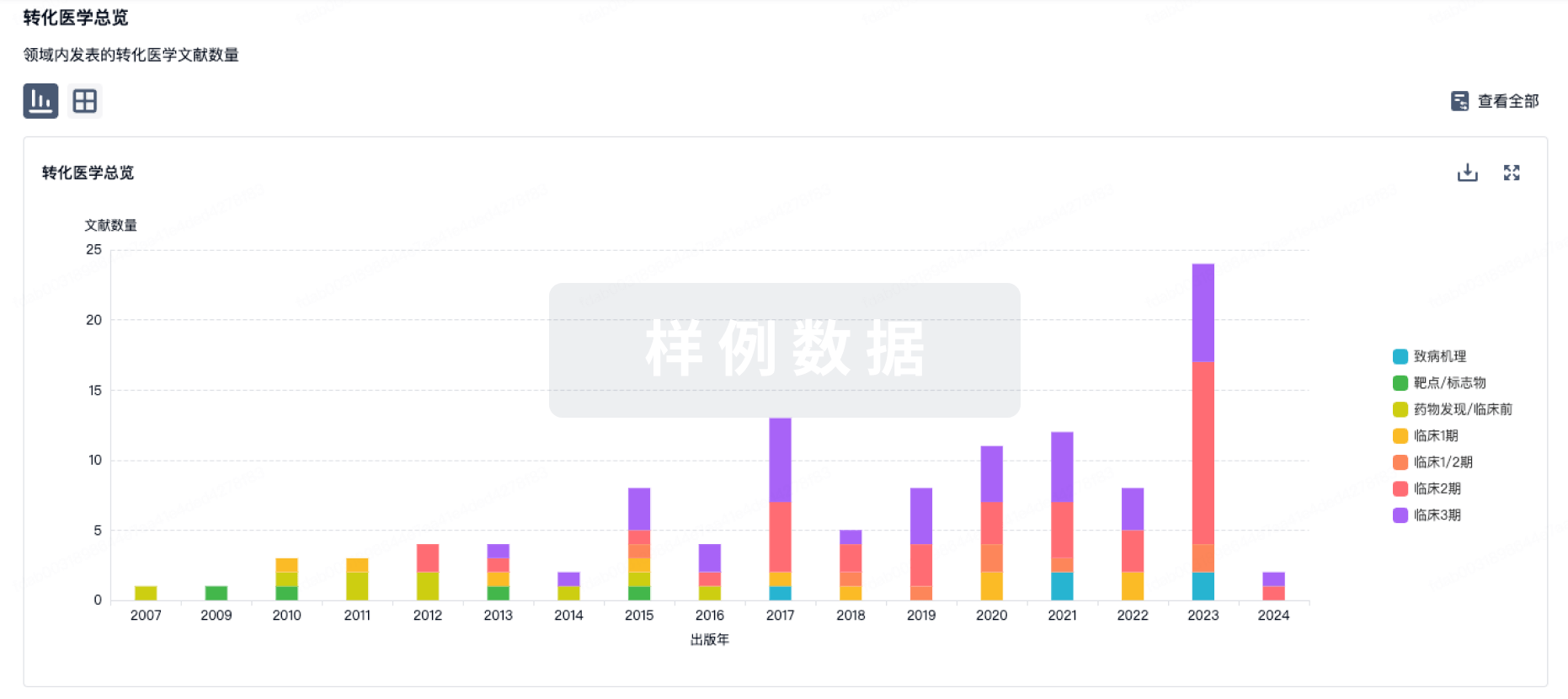
转化医学
使用我们的转化医学数据加速您的研究。
登录
或
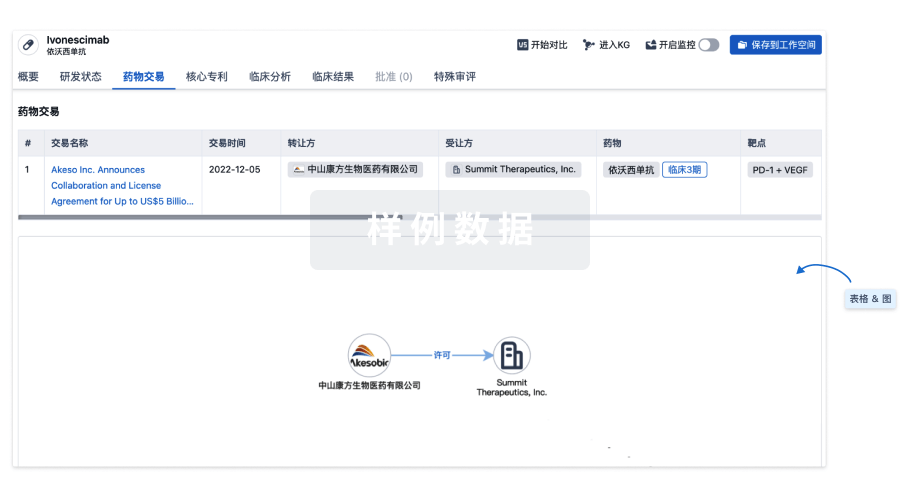
药物交易
使用我们的药物交易数据加速您的研究。
登录
或
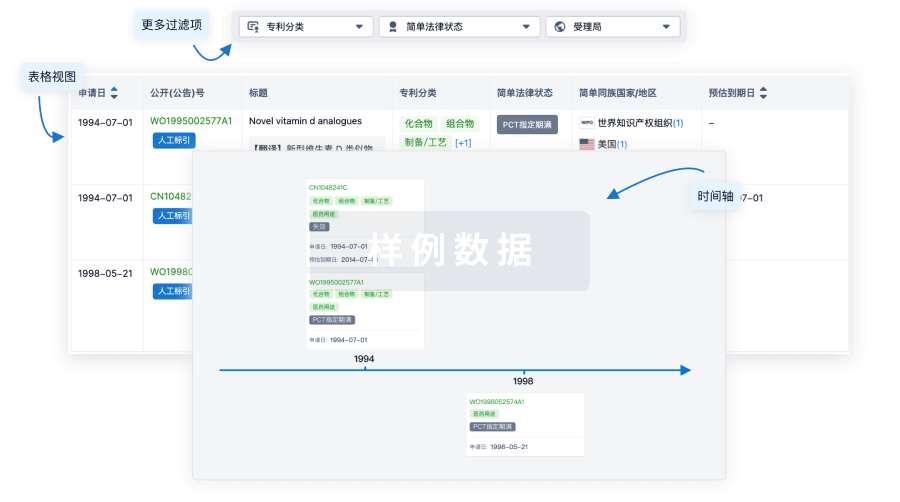
核心专利
使用我们的核心专利数据促进您的研究。
登录
或
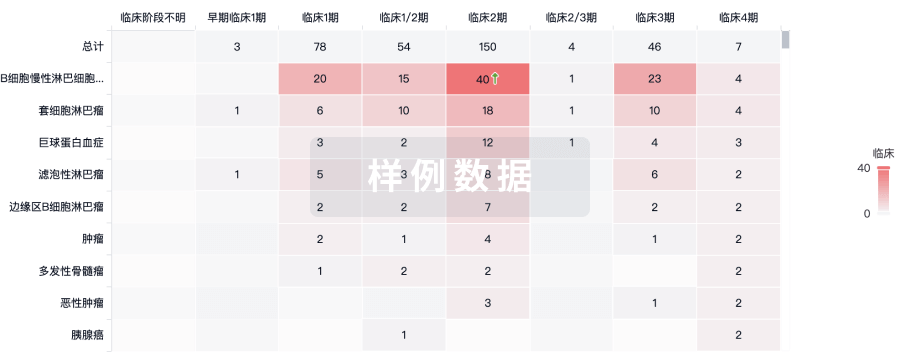
临床分析
紧跟全球注册中心的最新临床试验。
登录
或
批准
利用最新的监管批准信息加速您的研究。
登录
或
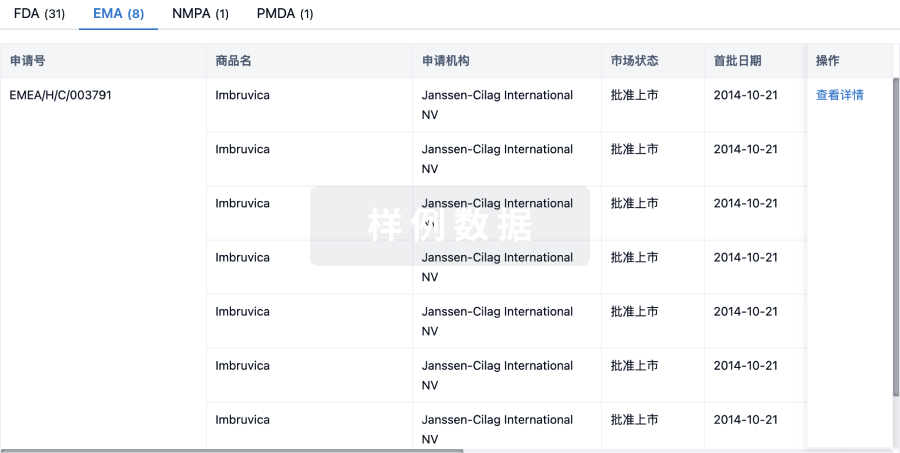
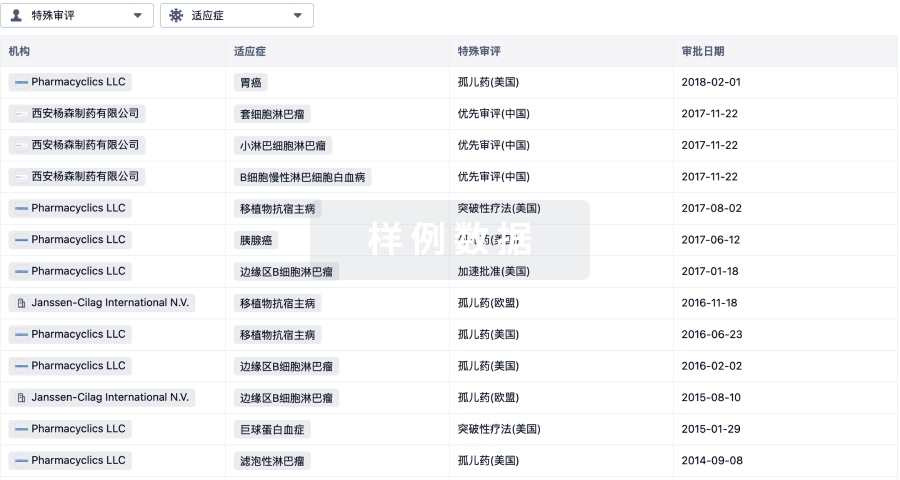
特殊审评
只需点击几下即可了解关键药物信息。
登录
或
提出任何生物医药研究问题
让每一步生物医药决策都精准制胜
基于十亿级生物数据与全球情报的精准 AI,赋能早期药物发现
立即开始免费试用!
智慧芽新药情报库是智慧芽专为生命科学人士构建的基于AI的创新药情报平台,助您全方位提升您的研发与决策效率。
立即接入生物医药数据包
智慧芽新药库数据也通过智慧芽开放平台,以MCP或API服务形式对外开放。立即使用我们的MCP服务定制您的LLM智能体。
生物序列数据库
生物药研发创新
免费使用
化学结构数据库
小分子化药研发创新
免费使用