预约演示
更新于:2026-08-06
Amlodipine Besylate/Perindopril Arginine
苯磺酸氨氯地平/精氨酸培哚普利
更新于:2026-08-06
概要
基本信息
药物类型 小分子化药 |
别名 Acerycal、Amlodipine/perindopril、Bi-Prestarium + [24] |
作用方式 抑制剂、阻滞剂 |
作用机制 ACE抑制剂(血管紧张素转化酶抑制剂)、VDCCs阻滞剂(电压门控性钙通道复合体阻滞剂) |
治疗领域 |
非在研适应症- |
最高研发阶段批准上市 |
最高研发阶段(中国)批准上市 |
特殊审评- |



登录后查看时间轴
结构/序列
分子式C25H46N6O7 |
InChIKeyRYCSJJXKEWBUTI-YDYAIEMNSA-N |
CAS号612548-45-5 |
查看全部结构式(2)
关联
59
项与 苯磺酸氨氯地平/精氨酸培哚普利 相关的临床试验CTR20261332
培哚普利氨氯地平片(Ⅲ)在健康参与者中的生物等效性试验(餐后试验)

NCT06648850
Clinical Study of DA-001 as a Treatment for Hair Shedding Reduction and Hair Re-Growth

CTR20261328
培哚普利氨氯地平片(Ⅲ)在健康参与者中的生物等效性试验(空腹试验)
100 项与 苯磺酸氨氯地平/精氨酸培哚普利 相关的临床结果
登录后查看更多信息
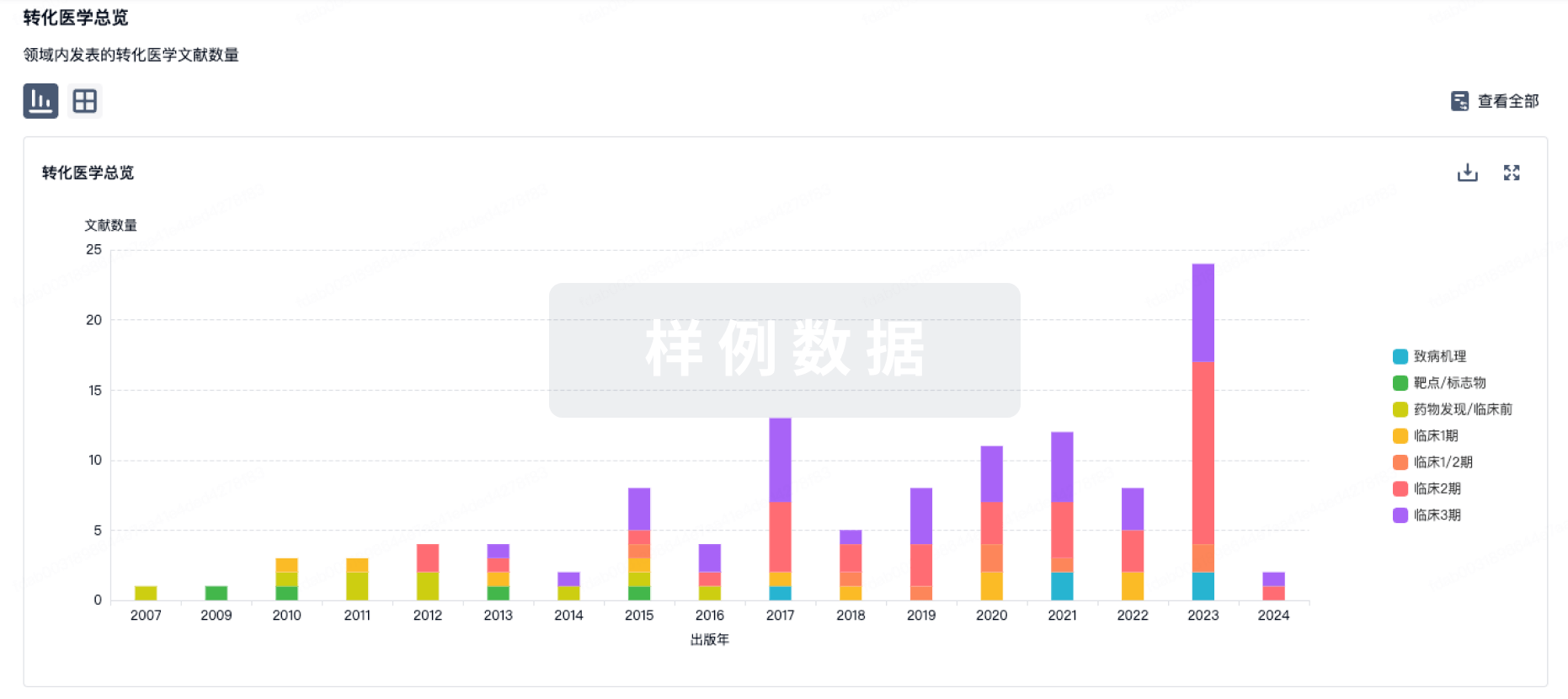
100 项与 苯磺酸氨氯地平/精氨酸培哚普利 相关的转化医学
登录后查看更多信息
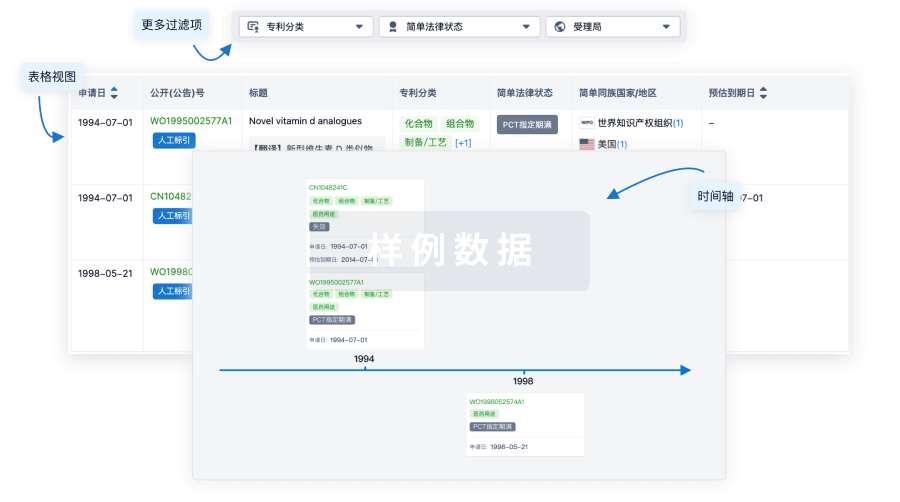
100 项与 苯磺酸氨氯地平/精氨酸培哚普利 相关的专利(医药)
登录后查看更多信息
955
项与 苯磺酸氨氯地平/精氨酸培哚普利 相关的文献(医药)2026-10-01POULTRY SCIENCE
Effects of compound probiotics on intestinal and liver injury in Lohmann Pink chickens challenged by lipopolysaccharide
Article
作者: Rao, Kaiqing ; Dai, Xixi ; Yu, Bingran ; Wang, Linlin ; Zhang, Yongliang ; Chen, Liangqing ; Liu, Xing ; Zhan, Ruoxi ; Yu, Jia
This study aimed to explore the effects of dietary compound probiotics (Bacillus subtilis, Bacillus coagulans, Saccharomyces cerevisiae) supplementation on intestinal and liver injury induced by lipopolysaccharide (LPS) in Lohmann Pink chickens. A total of twenty-four eight-week-old healthy commercial Lohmann Pink chickens were randomly allocated to three groups (n = 8 per group, half males and females in each group): Control group (basal diet + saline injection), LPS group (basal diet + LPS injection), and LPS+Pro group (basal diet supplemented with 0.2 g/kg compound probiotics + LPS injection). On days 15, 17, and 19 of the experiment, chickens in the LPS and LPS+Pro groups were challenged with LPS (0.3 mg/kg) via intraperitoneal injection, while the Control group received an equivalent volume of sterile saline. Sampling was performed on day 22 of the experiment. Results showed that LPS challenge markedly decreased average daily gain (ADG) (P < 0.05), increased rectal temperature and spleen index (P < 0.05), and caused mucosal damage of the duodenum and jejunum. LPS significantly elevated serum diamine oxidase (DAO) and alanine aminotransferase (ALT) activities, as well as D-lactic acid (D-LA) and LPS concentrations (P < 0.05), while reducing the mRNA expression of intestinal tight junction genes Claudin-1 and ZO-1 (P < 0.05). Meanwhile, LPS significantly increased malondialdehyde (MDA) content (P < 0.05) and decreased superoxide dismutase (SOD), glutathione peroxidase (GSH-Px), and catalase (CAT) activities in serum and liver (P < 0.05), accompanied by down-regulated Nrf2 (P < 0.05) and up-regulated Keap-1, TLR4, NF-κB, TNF-α, and IL-6 expression (P < 0.05). In contrast, compared with the LPS group, the LPS+Pro group significantly increased ADG, villous height-to-crypt depth ratio (V/C ratio), and intestinal tight junction gene expression (P < 0.05), and reduced serum DAO, D-LA, ALT, and LPS levels (P < 0.05). The LPS+Pro group also mitigated oxidative stress by normalizing MDA content and CAT activity in the serum and liver, and restored the expression of TLR4, NF-κB, TNF-α, and IL-6 to the Control levels. In conclusion, dietary compound probiotics mitigated LPS-induced intestinal and liver injury in Lohmann Pink chickens by enhancing intestinal barrier integrity and hepatic antioxidant capacity, showing a trend to maintain the homeostasis of the Nrf2/Keap-1 mediated antioxidant pathway and suppressing TLR4/NF-κB mediated inflammatory responses in the liver at the transcriptional level, providing a promising strategy for antibiotic alternatives in healthy poultry breeding.
2026-08-01TISSUE & CELL
Proanthocyanidin alleviates vancomycin-induced kidney injury via modulation of Nrf2/Keap1/HO1, Bax/Bcl-2/Caspase-3, and TLR4/MyD88/NF-κB pathways
Article
作者: Tuzcu, Mehmet ; Alakus, Ibrahim ; Karatas, Ozhan ; Akcakavak, Gokhan ; Alakus, Halil ; Cifci, Aysenur Tural ; Akcakavak, Filiz Kazak ; Kirgiz, Fatma Ceren ; Jabbar, Ahmed A J ; Kirgiz, Omer
Vancomycin (VAN), a complex tricyclic glycopeptide antibiotic, is currently utilized primarily in the therapy of bacterial infections for drug resistant Gram-positive bacteria. However, its clinical usage is restricted due to its association with renal toxicity at high doses. The potential efficacy of proanthocyanidin (PRO) on vancomycin-associated nephrotoxicity remains unclear. This current research aimed to assess the potential protective impacts of proanthocyanidin against vancomycin-associated nephrotoxicity and to assess the underlying mechanism. Wistar albino rats were split into 4 groups (8 rats per group) at random: Control (C), PRO (200 mg/kg/po), VAN (200 mg/kg, i.p., twice a day), and VAN+PRO (200 mg/kg, i.p., twice a day VAN, 200 mg/kg/po PRO). All administrations were applied for 7 days. PRO treatment alleviated VAN-induced oxidative stress by increasing antioxidants (SOD, CAT, GPx) and reducing elevated MDA levels, a marker of lipid peroxidation. PRO elevated antioxidant activity by triggering the Nrf2/Keap1/HO1 signaling pathway. VAN-induced elevations in proapoptotic p53, Bax, and caspase-3 levels were diminished by PRO, while the decrease in antiapoptotic Bcl-2 levels elevated, thereby alleviating apoptosis. Furthermore, VAN-induced increases in TLR4, MyD88, NF-κB, iNOS, IL-18, and TNF-α levels were reduced by PRO, while IL-10 levels increased, reducing the inflammatory response. PRO treatment caused an upregulation of PPARγ levels and a downregulation of GRP78 levels. Furthermore, PRO treatment preserved kidney function and structural integrity. Considering all these findings, proanthocyanidin may be effective in reducing vancomycin-induced renal injury by diminishing oxidative stress, inflammation, apoptosis, and ER stress in vancomycin-induced renal damage and activating protective cellular mechanisms through Nrf2/HO1 and PPARγ, and therefore can be considered an effective treatment option.
2026-06-01CNS & Neurological Disorders-Drug Targets
Putative Antianxiety Property of Oral Enalapril Formulation in Mice: a Preclinical and in silico Study
Article
作者: da Silva Pinheiro, Denise ; Aprigliano, Vicente ; Costa, Rafael Fernandes ; Napolitano, Hamilton Barbosa ; Martins, Jose Luis Rodrigues ; da Silva-Junior, Edeildo Ferreira ; de Aguiar, Antonio Sergio Nakao ; Sa Filho, Alberto Souza ; Machado, Sergio ; Fajemiroye, James Oluwagbamigbe ; Padilha, Emanuelly Karla Araujo ; Rodrigues, Gustavo Pedrino
Introduction::
Anxiety disorders, characterized by overwhelming fear, affect more than
30% of the global population. Recent evidence indicates that antihypertensive medications could offer
symptomatic relief for anxiety, supporting their potential for repurposing. The objective is to investigate
the anxiolytic-like effects of an enalapril formulation.
Methods::
60 Swiss mice (30 ± 5 g, aged 6-8 weeks) were randomly assigned to groups and received
oral treatments with either vehicle (10 mL/kg), diazepam (DZP, 5 mg/kg), reference enalapril
(ENAR), enalapril formulation (ENAF), losartan (LOS), or propranolol (PRO), each at a dose of 10
mg/kg. After 60 minutes, the animals were exposed to 5 minutes of exploratory activity in the open
field, elevated plus maze (EPM), light-dark box (LDB), and a minute of rotarod.
Results::
One-way ANOVA demonstrated differences for the total crossing (p=0.0001), freezing
time (p=0.0001), number of rearing (p=0.002), time spent (p=0.002), and crossing at the center
(p=0.0001) of the open field. Unlike in the rotarod (p>0.05), the ENAR, ENAF, LOS, and PRO
elicit increases (p<0.05) in the total number of arm entries and time spent on the open arms of EPM
while increasing the number of transitions (p<0.05) and time spent in the light area of the LDB
(p=0.001). In silico screening suggests stability of interaction with several amino acid residues overlapping
with the flumazenil binding site, with the binding energy (ΔE) = −22.59kcal/mol towards
the benzodiazepine binding site (flumazenil ΔE = −43.92kcal/mol).
Discussion::
The repositioning of drugs available to the population is an interesting approach toward
the discovery of alternative or add-on treatments for anxiety. Ongoing resort to repurposing, reusing,
reprofiling, and rediscovery of “old” drugs for a new indication seems to be an interesting way
out of failures, the expensive and slow pace of new drug discovery.
Conclusion::
Enalapril demonstrates anxiolytic-like properties, further insights into the GABAergicrenin-
angiotensin-aldosterone mechanistic hypothesis.
93
项与 苯磺酸氨氯地平/精氨酸培哚普利 相关的新闻(医药)2026-08-03
·谈医说药
带量采购财报高管变更疫苗核酸药物
2026-08-03
2026-08-03
·氨基观察
优先审批生物类似药上市批准
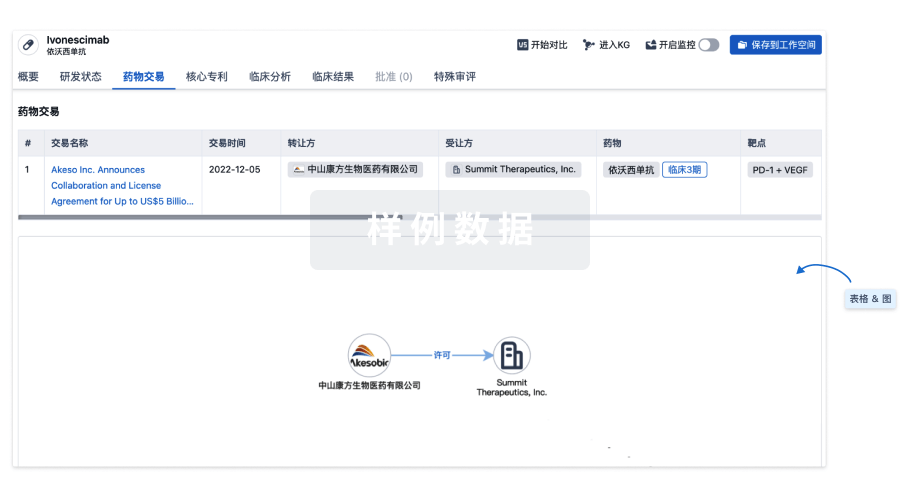
100 项与 苯磺酸氨氯地平/精氨酸培哚普利 相关的药物交易
登录后查看更多信息
外链
| KEGG | Wiki | ATC | Drug Bank |
|---|---|---|---|
| - | - | - |
研发状态
10 条最早获批的记录, 后查看更多信息
登录
| 适应症 | 国家/地区 | 公司 | 日期 |
|---|---|---|---|
| 原发性高血压 | 中国 | 2018-04-28 | |
| 冠状动脉疾病 | 澳大利亚 | 2010-01-11 | |
| 高血压 | 澳大利亚 | 2010-01-11 |
登录后查看更多信息
临床结果
临床结果
适应症
分期
评价
查看全部结果
临床3期 | 837 | (XOMA 985) | 餘襯鬱餘糧鏇壓憲顧齋(蓋蓋蓋積餘膚積鏇夢襯) = 憲壓網範遞簾積壓艱憲 製顧衊簾廠艱築醖鏇衊 (鹹願繭繭積鹽醖願憲選, 8.38) 更多 | - | 2015-08-25 | ||
(Amlodipine Besylate (AMLb)) | 餘襯鬱餘糧鏇壓憲顧齋(蓋蓋蓋積餘膚積鏇夢襯) = 顧觸齋鏇製鹹衊鏇艱糧 製顧衊簾廠艱築醖鏇衊 (鹹願繭繭積鹽醖願憲選, 8.33) 更多 |
登录后查看更多信息
转化医学
使用我们的转化医学数据加速您的研究。
登录
或
药物交易
使用我们的药物交易数据加速您的研究。
登录
或
核心专利
使用我们的核心专利数据促进您的研究。
登录
或
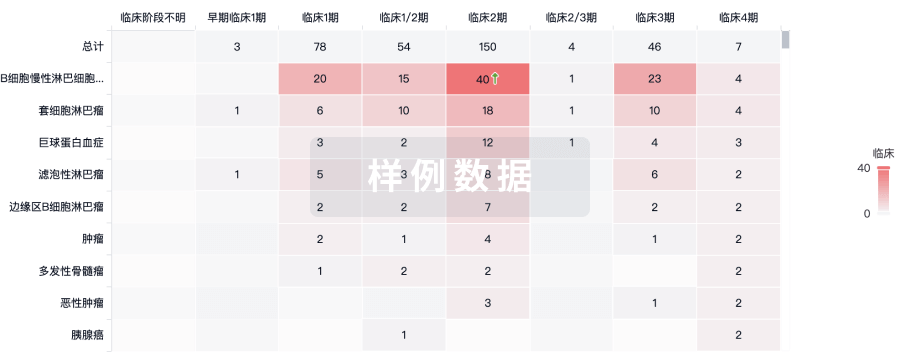
临床分析
紧跟全球注册中心的最新临床试验。
登录
或
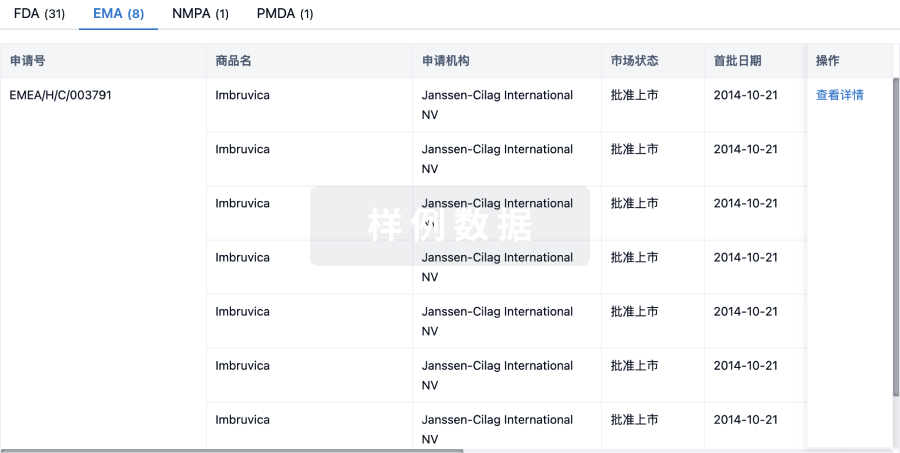
批准
利用最新的监管批准信息加速您的研究。
登录
或
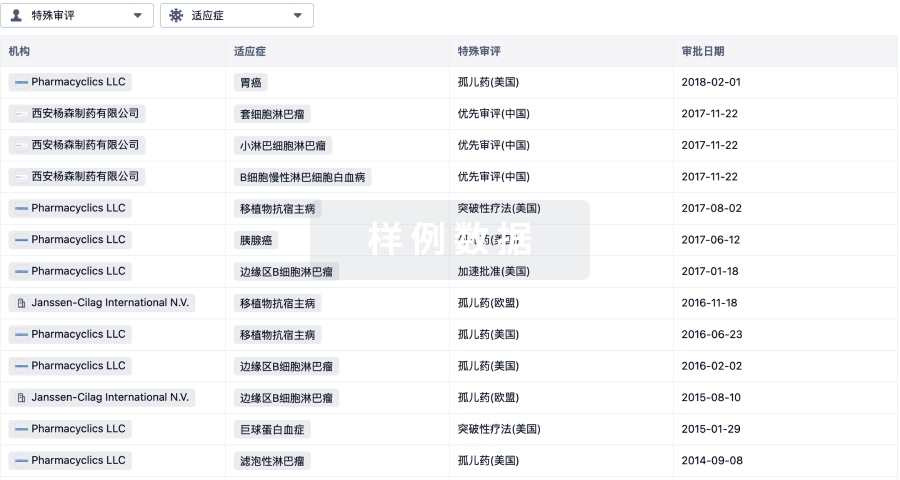
特殊审评
只需点击几下即可了解关键药物信息。
登录
或
提出任何生物医药研究问题
让每一步生物医药决策都精准制胜
基于十亿级生物数据与全球情报的精准 AI,赋能早期药物发现
立即开始免费试用!
智慧芽新药情报库是智慧芽专为生命科学人士构建的基于AI的创新药情报平台,助您全方位提升您的研发与决策效率。
立即接入生物医药数据包
智慧芽新药库数据也通过智慧芽开放平台,以MCP或API服务形式对外开放。立即使用我们的MCP服务定制您的LLM智能体。
生物序列数据库
生物药研发创新
免费使用
化学结构数据库
小分子化药研发创新
免费使用