预约演示
更新于:2026-08-27
AS-1411
更新于:2026-08-27
概要
基本信息
最高研发阶段临床2期 |
首次获批日期- |
最高研发阶段(中国)- |
特殊审评- |




登录后查看时间轴
结构/序列
Sequence Code 29361045
来源: *****
关联
4
项与 AS-1411 相关的临床试验NCT01034410
An Open-label Randomized Controlled Phase II Study of AS1411 Combined With Cytarabine in the Treatment of Patients With Primary Refractory or Relapsed Acute Myeloid Leukemia
This is an open label randomized controlled phase II study of AS1411 combined with Cytarabine in the treatment of patients with primary refractory or relapsed acute myeloid leukemia.
开始日期2010-01-01 |
申办/合作机构 |
NCT00740441
A Phase II, Open Label, Single Arm Study of AS1411 in Patients With Metastatic Renal Cell Carcinoma
The aim of this study is to evaluate the efficacy of AS1411 in patients with Metastatic Renal Cell Carcinoma
开始日期2008-08-01 |
申办/合作机构 |
NCT00512083
An Open Label Randomized Controlled Dose Escalating Phase II Study of AS1411 Combined With Cytarabine in the Treatment of Patients With Primary Refractory or Relapsed Acute Myeloid Leukemia
The overall aim of this study is to assess the efficacy and safety of AS1411, over a range of doses, when combined with cytarabine, in the treatment of patients with primary refractory or relapsed acute myeloid leukemia (AML).
开始日期2007-07-01 |
申办/合作机构 |
100 项与 AS-1411 相关的临床结果
登录后查看更多信息
100 项与 AS-1411 相关的转化医学
登录后查看更多信息
100 项与 AS-1411 相关的专利(医药)
登录后查看更多信息
747
项与 AS-1411 相关的文献(医药)2026-10-01·ENVIRONMENTAL POLLUTION
Prenatal exposure to outdoor artificial light at night and neonatal thyroid function: Identifying critical windows of susceptibility
Article
作者: Zhang, Li ; Li, Jiaoyan ; Fang, Qing ; Guo, Wenwen ; Liu, Binghai ; Yan, Lianyan ; Wang, Youjie ; Song, Lulu ; Ji, Cunwei ; Miao, Wanting ; Peng, Jing ; Fan, Gaojie ; Shu, Yanling ; Chen, Rui ; Lei, Xiaoning
BACKGROUND:
Outdoor artificial light at night (ALAN) is an emerging environmental pollutant of global concern. Although prenatal ALAN exposure has been linked to adverse pregnancy outcomes, its association with neonatal thyroid function, critical for early growth and neurodevelopment, remains unexplored. We examined the relationship of maternal outdoor ALAN exposure with neonatal thyroid-stimulating hormone (TSH) levels.
METHODS:
We conducted a retrospective cohort study involving 77,472 mother-newborn pairs in Guangzhou, China (2016-2022), estimating maternal ALAN exposure by integrating satellite-derived data with residential addresses and quantifying neonatal TSH levels from heel-stick blood samples. Multiple linear regression models were employed to evaluate the relationship between ALAN exposure and neonatal TSH.
RESULTS:
Generally inverse dose-response relationships were observed between prenatal ALAN exposure and neonatal TSH levels. Compared with the lowest exposure quartile, the highest quartile of ALAN exposure was associated with a 3.43% decrease in neonatal TSH levels (95% CI: -5.11%, -1.73%) during the first trimester, a 2.52% decrease (95% CI: -4.20%, -0.82%) during the second trimester, and a 2.63% decrease (95% CI: -4.31%, -0.92%) across the entire pregnancy. The associations between prenatal ALAN exposure and neonatal TSH levels were more evident among multiparous women.
CONCLUSIONS:
These findings suggest that prenatal ALAN exposure, particularly in early-to-mid pregnancy, is associated with reduced neonatal TSH levels, suggesting that early-to-mid pregnancy may represent a susceptible window and that environmental light pollution may influence early-life endocrine function.
2026-10-01·PHYSIOLOGY & BEHAVIOR
Chronic exposure to artificial light at night dampens rhythms in locomotor activity, metabolism, and sleep in female mice
Article
作者: Liu, Jennifer A ; Chantler, Paul D ; Meléndez-Fernández, O Hecmarie ; Walton, James C ; Nelson, Randy J ; Ii, William H Walker ; DeVries, A Courtney
Nearly every organism on Earth displays circadian organization of physiology and behavior, which is entrained to 24 h by daily exposure to bright light early during the day. However, the widespread presence of nocturnal electric lighting has blurred the boundary between day and night, leading to temporal desynchrony among individuals. Indeed, <6 weeks exposure to low levels of artificial light at night (ALAN) alters metabolism, energy, and sleep homeostasis in male mice. We hypothesized that ALAN would similarly affect female mice following prolonged exposure. After ≥20 weeks of exposure to dim ALAN, female mice had dampened locomotor rhythms, altered heat generation, respiratory exchange ratio (RER), and sleep. ALAN exposure decreased daily caloric intake, without altering body composition. The period and phase of the rhythm of sleep were significantly increased by ALAN, elevating the time spent sleeping during the active phase, without altering total sleep bout length. Taken together, these data indicate that ALAN impairs the rhythms in core physiological processes in female mice, but the mechanisms mediating these alterations may differ from those in males.
2026-10-01·POULTRY SCIENCE
Effects of dietary camelina (Camelina sativa) cake from different lines on digestibility, feed preference, performance, and egg quality in laying quail
Article
作者: Pellattiero, Erika ; Palumbo, Bianca ; Dalle Zotte, Antonella ; Cullere, Marco ; Zanetti, Federica ; Singh, Yazavinder
This study evaluated the feasibility of including Camelina sativa cake of three different lines (Calena, Pearl and Alan) at 15% in diets for laying Japanese quails in terms of nutrient digestibility, feed preference, productive performance, and egg physicochemical traits. A total of 240 female quails were assigned to 4 dietary treatments. The birds were monitored from the pullet phase (35-70 days) through a 6-wk laying period. Camelina cake inclusion influenced the apparent digestibility of organic matter, ether extract, and gross energy (P<0.05): the lowest values were observed in the Calena diet, whereas Pearl and Alan diets showed intermediate responses. Feed choice results indicated a clear preference for the control diet (P<0.0001), while Calena was least selected. Among camelina diets, Alan was the most preferred. Most productive traits were not affected by dietary treatment (P>0.05), including final body weight, feed intake, feed conversion ratio, and mortality. However, egg production rate and egg weight were reduced in camelina-fed groups compared with the control (P<0.05 and P<0.001, respectively). Egg physical quality was partially influenced: eggshell thickness was lower in the Alan group (P<0.05), and egg surface area decreased in all camelina treatments. Yolk color was consistently higher in camelina cake-fed quails (P<0.01). At the end of the trial, eggs from the Alan group showed the highest protein and lipid contents and the lowest moisture amount (P<0.05). In conclusion, camelina cake can be considered a viable feed ingredient for laying quails, since most productive outcomes and egg quality were ensured, ultimately contributing to develop sustainable feeding strategies for laying quails. However, it must also be emphasized that if the productive target is maximizing performance, a lower inclusion level can be recommended, since the 15% inclusion level reduced nutrients digestibility and had a moderately negative effect on egg production. Among the tested sources, Pearl showed the most balanced response, whereas Alan line needs to be further improved to obtain a significant reduction in antinutritional factors.
441
项与 AS-1411 相关的新闻(医药)2026-08-26
·维科号
2026年8月,注定会被写进AI制药编年史。
8月19日这一天,大洋彼岸,Moderna与默沙东联合宣布,个性化mRNA肿瘤疫苗intismeran autogene在高危黑色素瘤术后辅助治疗的III期临床中达到主要终点。这是全球首个在III期试验中证实临床获益的个体化新抗原疗法。消息一出,Moderna股价单日暴涨177%,市值一夜从250亿美元冲上620亿美元。这家被华尔街拷问了十六年的公司,用一夜4倍于原市值的定价,完成了对"平台坚守"最酣畅淋漓的加冕。
同一片星空下,中国AI制药也迎来属于自己的拐点时刻:7月9日,英矽智能盈利预喜,上半年收入预增约272.7%至287.3%、净利润扭亏为盈;8月中旬,晶泰科技交出一份由盈转亏的中报;8月25日,剂泰科技发布IPO后首份中报,半年营收1.54亿元,同比增长13399%,已经超过去年全年收入47%,经调整净亏损收窄接近减半,且五项商业化里程碑密集落地:从16亿美元的出海授权到恒瑞的平台采购,从OpenCGT突破60亿潜在交易额到MTS-004推进NDA申报。
"AI制药三小龙"齐聚港股后的第一个完整中报季。同一赛道、同一拐点、不同的路线,截然不同的成长斜率。对比的目的不是分出高下,而是回答一个更根本的问题:中国创新药的AI4S的兑现到底长什么样?哪条路可能最先跑通"规模化验证"?
01 两份中报,1个拐点
1.晶泰:主动转型的阵痛
先看晶泰,2026上半年3.94亿元收入、2.25亿元净亏损。单看总量,这份成绩单确实不好看。但如果只盯着总量,就会错过更重要的事情。
晶泰的收入结构正在经历一场剧变。药物发现解决方案收入2.00亿元,上年同期是4.35亿元,但这里有个基数陷阱:去年同期确认了一笔5100万美元的大额管线授权首付款,拉高了基数。剔除这个影响后,药物发现服务收入实际只微增了约1%。换言之,纯服务费收入已经触及增长天花板。
真正值得关注的数字是另一行:AI4S智慧解决方案收入1.94亿元,同比增长136.4%,占总收入比重从去年同期的约16%跃升至49%,几近半壁江山。同期研发开支从2.22亿元增至3.68亿元,增幅66%。
这意味,晶泰正在从"卖项目"转向"卖平台+自研"。这是一个需要勇气的战略选择,因为自研投入期天然是利润真空期,你要把赚来的钱投回平台建设和管线研发。
这份中报真正值得记下的,是被掩盖的那个常识:当收入高度依赖一次性大额BD首付、而非可复用的平台产能时,业绩的波动性就写在了脸上。这不是路线失败,而是路线切换的必然代价。
2.剂泰:平台能力的集中溢出
如果说晶泰的中报是转型期的阵痛,剂泰科技的IPO后首份中报则呈现了截然不同的画面:商业化里程碑集中落地,平台能力的自然溢出开始显性化。
财务数字本身已经足够亮眼:半年收入超去年全年47%,经调整净亏损大幅收窄56.4%,研发开支同比增长48.1%,资产负债率从19%优化到9%。收入放量与亏损收窄同时发生,这在重研发投入的AI4S公司里并不多见。但真正值得关注的不是财务数字本身,而是这些数字背后的兑现逻辑。
这个逻辑的起点,是NanoForge平台在报告期内完成的一次能力跃迁。
随着AiProtein平台及抗体设计智能体AARON(AI Antibody Rational Optimization Network)的发布,剂泰补上了Biological AI全链条的最后一块拼图:由AiProtein(蛋白与抗体设计)、AiRNA(核酸序列设计)、AiLNP(递送系统设计)、AiTEM(制剂开发与验证)四大模块构成的全栈闭环正式成型,同时回答"药物是什么、如何到达、如何成药"这三个过去被割裂处理的问题;而高通量湿实验与体内筛选,则持续把真实世界数据回流给模型,让数据、模型、实验和资产在同一套系统里持续学习、持续迭代。
换句话说,NanoForge已经不是一个单点的"递送平台",而是一台能同时设计"药物、路径、剂型"的生命工程母机,它的战略坐标,正从"递送药物"迁移向"编程生命"。五项里程碑的密集落地,本质上是这台母机产能的集中溢出:
第一,MTS-128全球独家授权。 授予Deerfield支持设立的Boulevard Bio,首付2000万美元,里程碑总额最高16亿美元外加分级销售提成。这是中国药企临床前TCE项目单笔出海授权纪录。更关键的是速度,从PCC到完成BD交易仅耗时半年,验证了平台"设计→开发→授权"的闭环效率。半年,在传统制药行业里,连一个先导化合物优化都未必做得完。而MTS-128本身,正是由AiProtein+AARON完成从分子设计到优化的端到端研发:这笔交易定价的不只是一个分子,更是"能持续产出这种分子的平台"。
第二,恒瑞医药部署AiTEM平台。 头部药企为平台能力支付"基础设施级"的费用,聚焦难溶性药物制剂开发。恒瑞是中国创新药研发投入最大的企业之一,它的采购决策背后是严苛的内部评估体系。它愿意为剂泰的平台付费,说明在它看来,AiTEM不是一个工具,而是一套基础设施。这也是平台商业化的第四条路径:从"项目输出"升级为"基础设施输出",把平台的产能以部署的形式装进别人的实验室。
第三,OpenCGT潜在交易总额突破60亿元。 覆盖细胞治疗、基因疗法、纤维化细胞编程、体内免疫治疗等多个方向。一个能同时覆盖这么多前沿方向的平台,它的天花板显然不在某一个适应症上;这个合作池,构成的是中长期收入的蓄水池。
第四,MTS-004推进NDA申报。 已对外授权,被授权方完成临床Pre-NDA沟通,正推进验证生产及NDA申报。这是中国首个完成III期临床试验的AI赋能制剂创新药,有望填补国内PBA治疗空白。一条管线走到NDA门口,意味着从AI设计到临床验证的全链路跑通了,而这也是AiTEM平台从研发设计到注册转化完整能力的第一次监管级验证。
第五,合作管线密集落地。 与拾得生物签署1500万元排他性许可(覆盖最多10项候选产品),与普洛药业共建"AI+CDMO"创新生态。平台能力的产业渗透正在从单点走向网络化。
五项里程碑的共同特征是:它们不是孤立的BD事件,而是NanoForge在不同维度上的"产能溢出"。资产授权、平台部署、合作管线三条线同时落地,每一条都对应平台能力的不同侧面——资产授权验证平台能产出全球价值的分子,平台部署验证能力可被产业直接复用,合作管线验证能力的渗透可以网络化。
而支撑这三条线指向同一个终局的,是一套正在贯通的底层逻辑:生物指令(AiRNA+AiProtein设计mRNA与蛋白--细胞要执行什么程序)+ 纳米火箭(AiLNP设计递送载体--程序如何进入体内)+ 精准释放(tLNP等细胞靶向技术--程序在哪个细胞上运行)。三者协同设计、联合优化,本质上是对细胞程序的"读、写、改"。
上半年递送端的多项攻坚——心肌靶向LNP在小鼠模型中心肌细胞转染率>95%、CRISPR基因编辑率>50%且非靶器官编辑极低;体内CAR-T主动靶向LNP递送效率达行业金标准3倍以上;NHP高通量DNA Barcoding让单只食蟹猴同步评估数十个候选LNP的多组织分布——都在为这条路径铺设从器官到细胞、从体外到体内的工程级精度。
当疾病被重新理解为"细胞状态的偏移",药物的终局便不再是阻断某个靶点,而是把疾病细胞重编程为健康细胞——这正是"编程生命"的含义。用创始人赖才达博士的话说:
"我们希望用AI把药物研发从一次次项目试错,升级为可以持续学习、重复验证和规模化输出的生命工程系统。从递送药物到编程生命,是剂泰科技下一阶段最重要的战略跃迁。"
一边是转型阵痛,一边是里程碑爆发,两份中报冷热不同,却都在证明同一件事:AI4S兑现期正在到来。
02 两条路线,两种复利
拐点之下,两家公司其实回答的是两个不同的问题。
1.晶泰:科研的工业化
理解晶泰在做什么,最直观的方式是想象一座"无人化药厂",只不过这座工厂的产品不是药片,而是实验数据。
晶泰的路线可以浓缩为一个公式:200+AI模型(专家大脑)+ 300+自动化工站(精准双手)+ Multi-Agent(项目经理)→ 数据飞轮。截至目前,晶泰已在全球部署超300台自动化工站,覆盖20余类研发场景,沉淀逾50万条真实实验记录,其中约80%为公开文献稀缺的失败负样本。
这套体系的本质是让实验更快、更准、更省。
2.剂泰:生命系统的可计算化
剂泰走的是另一条路。如果说晶泰是在"加速做实验",剂泰则是在试图"重新定义实验的对象"。
NanoForge平台让AI"学习生命系统",不是学习分子结构,不是学习靶点序列,而是学习药物(Drug)、材料(Material)、细胞(Cell)和器官(Organ)之间的相互作用关系。这四者的乘积关系是理解剂泰的钥匙:传统药物研发把这四个维度割裂处理,剂泰的野心是用AI把它们重新连接成一个可计算的整体。
支撑这一路线的核心资产包括:当前全球最大规模的千万级多样化可电离脂质库、约10万个实验数据点,以及ALAN、AARON智能体的持续回流。创始人赖才达博士的原话为这条路线定调:"探索生命系统里的规模法则,让AI从学习分子走向学习生命系统,成为细胞重编程时代的基础引擎。"
从"递送药物"到"编程生命",这八个字背后是一个技术范式的跃迁:前者是邮差,后者是程序员。
这里有一个容易被忽略的行业背景:传统药物递送领域是一个"专利地雷阵"。LNP递送技术的核心专利被少数公司垄断,后来者要么付专利费,要么在狭窄的专利缝隙里艰难穿行。剂泰的做法是用AI重新设计可电离脂质——不是绕过专利,而是在专利地图之外开辟了一片全新的设计空间。当你可以生成并评估千万级的新脂质,专利墙就变成了背景噪声。
03 AI版Moderna:剂泰平台能力的自然涌现
要理解剂泰兑现的底层逻辑,不妨先回望一个经典参照系——Moderna。
1.Moderna的十六年坚守
Moderna成立于2010年。在长达八年的时间里,它一直是华尔街最被质疑的生物科技公司之一:只有平台,没有产品;只有亏损,没有收入。2018年IPO时发行价24美元,此后两年股价在15到30美元之间反复震荡。质疑的声音在2020年之前从未停止过。
然后2020年来了。mRNA疫苗的爆发性验证,让Moderna单年收入飙升至803亿美元,股价从24美元一度突破494美元——涨幅超过20倍。八年坚守,一朝兑现。
但红利退潮后的拷问再次响起:2025年营收降至19.44亿美元,净亏损28.22亿美元。市场追问:离开了新冠,Moderna还剩什么?Moderna没有放弃平台,反而在2026年Science Day上宣告"多模态mRNA平台"的新赌局——从预防疫苗走向体内免疫工程平台。
然后就是8月19日。III期临床的胜利,让这家坚守16年的公司单日暴涨177%。Moderna涨出了一个"BioNTech"。
2.剂泰与Moderna的结构性相似
Moderna成功的本质不是"做对了一款疫苗",而是"mRNA技术是一套可重复产出药物的生命软件系统"。
剂泰与Moderna的相似是结构性的:
其一,都以递送技术为核心壁垒。Moderna靠LNP递送mRNA,剂泰靠AI设计的LNP实现多器官靶向递送。
其二,都是平台逻辑而非单品逻辑。任何单一管线都只是平台能力的一次性证明,平台本身才是母机。
其三,都指向"编程生命"。Moderna说"mRNA是生命的软件",剂泰说"让AI成为细胞重编程时代的基础引擎"。
最后,二者都经历过/正在经历亏损验证期。Moderna熬了十六年,剂泰正在加速收窄亏损。
但剂泰比Moderna多了一个维度的杠杆:AI。Moderna的递送材料筛选依赖传统湿实验,一个脂质一个脂质地试,试错成本极高。剂泰的NanoForge用AI将递送材料设计从"试错+专利约束"变成了"计算+生成"。如果说Moderna是用腿跑完了马拉松,剂泰则是在造一台能跑的汽车。
以下三个维度的规模化,正是这一判断的实证基础。
1.设计空间规模化:从地雷阵到连续空间。
千万级脂质库+全栈建模引擎+ALAN/AARON智能体+干湿实验闭环,让"设计一个新脂质"从化学家的灵感变成可枚举、可打分、可合成的搜索问题。剂泰已将临床前制剂开发时间从1-2年缩短至少于3个月——这不是10%的效率提升,而是一个数量级的跃迁。
2.递送能力规模化:从器官到细胞。这是剂泰差异化最锋利的地方:把分子送到指定细胞。已具备肝脏、肺、心肌、骨骼肌、免疫细胞、肿瘤组织、中枢神经系统、胃肠道等8个关键器官/组织的靶向递送能力。三项标志性技术突破尤其值得关注:心肌靶向CM-tLNP(心肌细胞转染率>95%,CRISPR基因编辑在>50%心肌细胞实现);体内CAR-T主动靶向LNP(递送效率达经典对照组3倍以上,有望让CAR-T从"体外改造再回输"走向"体内一键编程");NHP高通量DNA Barcoding体内筛选(单只食蟹猴同步评估数十个候选LNP,把"猴子实验"也变成流水线)。
3.药物模态规模化:从通用疗法到一人一药。AiRNA(超2万条IRES序列训练的深度生成式网络,肝脏递送效率超出行业基准20倍);AiProtein+AARON智能体(覆盖抗体从头生成全流程,主要预测指标Spearman相关系数均达0.8以上——具备替代部分湿实验筛选的可靠性);AiTEM(AI预测+量子化学计算,恒瑞的采购就是对该能力的第三方定价)。
这三重规模化的关系不是加法,是乘法:设计空间× 递送精度 × 模态广度 = 平台的资产产能。 任何一个维度的突破都会放大其他两个维度的价值。这便注定,剂泰当期的兑现只是刚刚开始——就像一座矿脉被打开,最初挖出的几块矿石只是冰山一角。
04 管线是平台能力涌现的结果
在剂泰的语境里,必须纠正一个常见的估值惯性:任何单一管线,哪怕已经临门一脚,都只是平台能力的一次性证明。AI4S的平台能力,才是能无限次产出管线的母机。
1.管线即验证集
剂泰已建立超10条在研管线,覆盖肿瘤、免疫、代谢及中枢神经系统疾病:MTS-004(PBA,pre-NDA)、MTS-201(肥胖/糖尿病/MASH)、MTS-105(肝细胞癌,mRNA编码双特异性TCE,0.15μg剂量实现肿瘤完全清除,获FDA孤儿药认证)、MTS-128(三特异性TCE,临床前best-in-class)……
每一条管线都是平台能力的一个验证切片。不同疾病领域、不同药物模态、不同递送靶点,管线的多样性本身就是平台泛化能力的证据。一家做单一靶点的Biotech有10条管线,可能说明研发分散;一家平台型公司有10条管线覆盖不同模态,则说明母机的产能充足。平台效率的中位数水平是:平均12个月从立项到PCC、约18个月进入人体临床试验,这是把创新药研发从"十年磨一剑"推向"以月为单位"的节奏。
2.MTS-128:不只是一个分子的定价
MTS-128是最值得拆解的一笔交易。三特异性TCE,由AiProtein完成从分子设计到优化的端到端研发,临床前即展现best-in-class治疗潜力。授权Deerfield支持的Boulevard Bio,首付2000万美元,里程碑总额最高16亿美元+分级销售提成,创中国药企临床前TCE项目单笔出海授权纪录。
这笔交易最反常识的地方在于:MTS-128没有公开论文、没有临床登记、没有披露完整的靶点组合。在传统创新药分析框架里,它甚至无法被拆成ORR、PFS和适应症峰值。但市场先给出了一个价格。
答案只有一个:16亿美元不只是为一个分子定价,更是为"能持续产出这种分子的平台"定价。它证明平台资产可以走完"设计→开发→NDA申报"全程,并以授权模式由被授权方推进,即平台轻资产闭环的跑通。
Deerfield管理超160亿美元资产,已投资超200家医疗健康企业。以它的专业能力和尽调标准,有足够多的分子可以选。它选择剂泰,是因为在专业尽调中确认了:这个平台能持续产出好分子。Deerfield与Boulevard的专业尽调,本身就是对NanoForge的一次第三方审计。同理,恒瑞上单是头部药企为平台能力支付基础设施级的采购款,如果说Deerfield是"资本用真金白银投票",恒瑞就是"产业用管线接入投票"。
这就形成了一个有趣的对照:晶泰中报同期证明了纯服务费模式的增长瓶颈,剂泰给出的另一种答案是"平台产能→资产授权→里程碑"的自循环。飞轮一旦转起来,每个环节都在加速。管线会过期,飞轮不会。
05 剂泰科技加冕中国AI4S新王
回到最初的问题:AI4S的兑现到底长什么样?
剂泰用中报给出了一个相当完整的答案。它的三个"最",全部锚定平台:
兑现形态最平台化。 资产授权、平台部署、生态共建多点并发——同一年内同时出现16亿美元级授权、龙头药企平台采购、60亿元合作池,项目型公司做不到这种并发。
资产产能最自洽。 端到端自研+对外授权双通道,飞轮自驱动。平台不依赖外部输入即可持续产出资产,同时通过授权模式将资产价值最大化。
愿景最纵深。 从分子设计走向递送系统设计走向细胞重编程——当大多数AI制药公司还在问"AI能不能帮我发现一个新分子"的时候,剂泰在问的是一个更底层的问题:"AI能不能学习并调控生命系统?"
"AI制药三小龙"中英矽做药,另两家做平台:
• 晶泰科技问:AI能否重构科研基础设施?——它用300+自动化工站和L4自主实验能力给出回答,答案是"能,但需要长坡厚雪"。
• 剂泰科技问:AI能否学习并调控生命系统?——它用8个器官的靶向递送、16亿美元的TCE授权、60亿元的合作池给出回答,答案是"能,且已经开始兑现"。
2026年的某个时刻,当一位ALS(肌萎缩侧索硬化症)患者把一片MTS-004口崩片放进嘴里,药片在口腔中溶解,活性成分开始释放。
这一刻的溶解,看似寻常,实则浓缩了一段漫长的旅程——它始于千万级可电离脂质库中的一个分子设计,经过约10万个实验数据点的验证,在AiTEM平台的量子化学计算中完成处方优化,在III期临床试验中证明了疗效与安全性,在Pre-NDA沟通中获得了监管机构的认可,最终走到了患者口腔中的一次溶解。
从NanoForge的一个数据点,到一个生命体里的一次治疗,这是平台从虚拟走向真实的完整证明。
但平台的故事没有终点。下一个数据点,已经在飞轮上了。
而飞轮一旦转起来,就没有人能让它停下来。
本文系基于公开资料撰写,仅作为信息交流之用,不构成任何投资建议
2026-08-26
·一点资讯
2026年8月,注定会被写进AI制药编年史。 8月19日这一天,大洋彼岸,Moderna与默沙东联合宣布,个性化mRNA肿瘤疫苗intismeran autogene在高危黑色素瘤术后辅助治疗的III期临床中达到主要终点。这是全球首个在III期试验中证实临床获益的个体化新抗原疗法。消息一出,Moderna股价单日暴涨177%,市值一夜从250亿美元冲上620亿美元。这家被华尔街拷问了十六年的公司,用一夜4倍于原市值的定价,完成了对"平台坚守"最酣畅淋漓的加冕。同一片星空下,中国AI制药也迎来属于自己的拐点时刻:7月9日,英矽智能盈利预喜,上半年收入预增约272.7%至287.3%、净利润扭亏为盈;8月中旬,晶泰科技交出一份由盈转亏的中报;8月25日,剂泰科技发布IPO后首份中报,半年营收1.54亿元,同比增长13399%,已经超过去年全年收入47%,经调整净亏损收窄接近减半,且五项商业化里程碑密集落地:从16亿美元的出海授权到恒瑞的平台采购,从OpenCGT突破60亿潜在交易额到MTS-004推进NDA申报。"AI制药三小龙"齐聚港股后的第一个完整中报季。同一赛道、同一拐点、不同的路线,截然不同的成长斜率。对比的目的不是分出高下,而是回答一个更根本的问题:中国创新药的AI4S的兑现到底长什么样?哪条路可能最先跑通"规模化验证"?01 两份中报,1个拐点1.晶泰:主动转型的阵痛先看晶泰,2026上半年3.94亿元收入、2.25亿元净亏损。单看总量,这份成绩单确实不好看。但如果只盯着总量,就会错过更重要的事情。晶泰的收入结构正在经历一场剧变。药物发现解决方案收入2.00亿元,上年同期是4.35亿元,但这里有个基数陷阱:去年同期确认了一笔5100万美元的大额管线授权首付款,拉高了基数。剔除这个影响后,药物发现服务收入实际只微增了约1%。换言之,纯服务费收入已经触及增长天花板。真正值得关注的数字是另一行:AI4S智慧解决方案收入1.94亿元,同比增长136.4%,占总收入比重从去年同期的约16%跃升至49%,几近半壁江山。同期研发开支从2.22亿元增至3.68亿元,增幅66%。这意味,晶泰正在从"卖项目"转向"卖平台+自研"。这是一个需要勇气的战略选择,因为自研投入期天然是利润真空期,你要把赚来的钱投回平台建设和管线研发。这份中报真正值得记下的,是被掩盖的那个常识:当收入高度依赖一次性大额BD首付、而非可复用的平台产能时,业绩的波动性就写在了脸上。这不是路线失败,而是路线切换的必然代价。2.剂泰:平台能力的集中溢出如果说晶泰的中报是转型期的阵痛,剂泰科技的IPO后首份中报则呈现了截然不同的画面:商业化里程碑集中落地,平台能力的自然溢出开始显性化。财务数字本身已经足够亮眼:半年收入超去年全年47%,经调整净亏损大幅收窄56.4%,研发开支同比增长48.1%,资产负债率从19%优化到9%。收入放量与亏损收窄同时发生,这在重研发投入的AI4S公司里并不多见。但真正值得关注的不是财务数字本身,而是这些数字背后的兑现逻辑。这个逻辑的起点,是NanoForge平台在报告期内完成的一次能力跃迁。随着AiProtein平台及抗体设计智能体AARON(AI Antibody Rational Optimization Network)的发布,剂泰补上了Biological AI全链条的最后一块拼图:由AiProtein(蛋白与抗体设计)、AiRNA(核酸序列设计)、AiLNP(递送系统设计)、AiTEM(制剂开发与验证)四大模块构成的全栈闭环正式成型,同时回答"药物是什么、如何到达、如何成药"这三个过去被割裂处理的问题;而高通量湿实验与体内筛选,则持续把真实世界数据回流给模型,让数据、模型、实验和资产在同一套系统里持续学习、持续迭代。换句话说,NanoForge已经不是一个单点的"递送平台",而是一台能同时设计"药物、路径、剂型"的生命工程母机,它的战略坐标,正从"递送药物"迁移向"编程生命"。五项里程碑的密集落地,本质上是这台母机产能的集中溢出:第一,MTS-128全球独家授权。 授予Deerfield支持设立的Boulevard Bio,首付2000万美元,里程碑总额最高16亿美元外加分级销售提成。这是中国药企临床前TCE项目单笔出海授权纪录。更关键的是速度,从PCC到完成BD交易仅耗时半年,验证了平台"设计→开发→授权"的闭环效率。半年,在传统制药行业里,连一个先导化合物优化都未必做得完。而MTS-128本身,正是由AiProtein+AARON完成从分子设计到优化的端到端研发:这笔交易定价的不只是一个分子,更是"能持续产出这种分子的平台"。第二,恒瑞医药部署AiTEM平台。 头部药企为平台能力支付"基础设施级"的费用,聚焦难溶性药物制剂开发。恒瑞是中国创新药研发投入最大的企业之一,它的采购决策背后是严苛的内部评估体系。它愿意为剂泰的平台付费,说明在它看来,AiTEM不是一个工具,而是一套基础设施。这也是平台商业化的第四条路径:从"项目输出"升级为"基础设施输出",把平台的产能以部署的形式装进别人的实验室。第三,OpenCGT潜在交易总额突破60亿元。 覆盖细胞治疗、基因疗法、纤维化细胞编程、体内免疫治疗等多个方向。一个能同时覆盖这么多前沿方向的平台,它的天花板显然不在某一个适应症上;这个合作池,构成的是中长期收入的蓄水池。第四,MTS-004推进NDA申报。 已对外授权,被授权方完成临床Pre-NDA沟通,正推进验证生产及NDA申报。这是中国首个完成III期临床试验的AI赋能制剂创新药,有望填补国内PBA治疗空白。一条管线走到NDA门口,意味着从AI设计到临床验证的全链路跑通了,而这也是AiTEM平台从研发设计到注册转化完整能力的第一次监管级验证。第五,合作管线密集落地。 与拾得生物签署1500万元排他性许可(覆盖最多10项候选产品),与普洛药业共建"AI+CDMO"创新生态。平台能力的产业渗透正在从单点走向网络化。五项里程碑的共同特征是:它们不是孤立的BD事件,而是NanoForge在不同维度上的"产能溢出"。资产授权、平台部署、合作管线三条线同时落地,每一条都对应平台能力的不同侧面——资产授权验证平台能产出全球价值的分子,平台部署验证能力可被产业直接复用,合作管线验证能力的渗透可以网络化。而支撑这三条线指向同一个终局的,是一套正在贯通的底层逻辑:生物指令(AiRNA+AiProtein设计mRNA与蛋白--细胞要执行什么程序)+ 纳米火箭(AiLNP设计递送载体--程序如何进入体内)+ 精准释放(tLNP等细胞靶向技术--程序在哪个细胞上运行)。三者协同设计、联合优化,本质上是对细胞程序的"读、写、改"。上半年递送端的多项攻坚——心肌靶向LNP在小鼠模型中心肌细胞转染率>95%、CRISPR基因编辑率>50%且非靶器官编辑极低;体内CAR-T主动靶向LNP递送效率达行业金标准3倍以上;NHP高通量DNA Barcoding让单只食蟹猴同步评估数十个候选LNP的多组织分布——都在为这条路径铺设从器官到细胞、从体外到体内的工程级精度。当疾病被重新理解为"细胞状态的偏移",药物的终局便不再是阻断某个靶点,而是把疾病细胞重编程为健康细胞——这正是"编程生命"的含义。用创始人赖才达博士的话说:"我们希望用AI把药物研发从一次次项目试错,升级为可以持续学习、重复验证和规模化输出的生命工程系统。从递送药物到编程生命,是剂泰科技下一阶段最重要的战略跃迁。"一边是转型阵痛,一边是里程碑爆发,两份中报冷热不同,却都在证明同一件事:AI4S兑现期正在到来。02 两条路线,两种复利拐点之下,两家公司其实回答的是两个不同的问题。1.晶泰:科研的工业化理解晶泰在做什么,最直观的方式是想象一座"无人化药厂",只不过这座工厂的产品不是药片,而是实验数据。晶泰的路线可以浓缩为一个公式:200+AI模型(专家大脑)+ 300+自动化工站(精准双手)+ Multi-Agent(项目经理)→ 数据飞轮。截至目前,晶泰已在全球部署超300台自动化工站,覆盖20余类研发场景,沉淀逾50万条真实实验记录,其中约80%为公开文献稀缺的失败负样本。这套体系的本质是让实验更快、更准、更省。2.剂泰:生命系统的可计算化剂泰走的是另一条路。如果说晶泰是在"加速做实验",剂泰则是在试图"重新定义实验的对象"。NanoForge平台让AI"学习生命系统",不是学习分子结构,不是学习靶点序列,而是学习药物(Drug)、材料(Material)、细胞(Cell)和器官(Organ)之间的相互作用关系。这四者的乘积关系是理解剂泰的钥匙:传统药物研发把这四个维度割裂处理,剂泰的野心是用AI把它们重新连接成一个可计算的整体。支撑这一路线的核心资产包括:当前全球最大规模的千万级多样化可电离脂质库、约10万个实验数据点,以及ALAN、AARON智能体的持续回流。创始人赖才达博士的原话为这条路线定调:"探索生命系统里的规模法则,让AI从学习分子走向学习生命系统,成为细胞重编程时代的基础引擎。"从"递送药物"到"编程生命",这八个字背后是一个技术范式的跃迁:前者是邮差,后者是程序员。这里有一个容易被忽略的行业背景:传统药物递送领域是一个"专利地雷阵"。LNP递送技术的核心专利被少数公司垄断,后来者要么付专利费,要么在狭窄的专利缝隙里艰难穿行。剂泰的做法是用AI重新设计可电离脂质——不是绕过专利,而是在专利地图之外开辟了一片全新的设计空间。当你可以生成并评估千万级的新脂质,专利墙就变成了背景噪声。03 AI版Moderna:剂泰平台能力的自然涌现要理解剂泰兑现的底层逻辑,不妨先回望一个经典参照系——Moderna。1.Moderna的十六年坚守Moderna成立于2010年。在长达八年的时间里,它一直是华尔街最被质疑的生物科技公司之一:只有平台,没有产品;只有亏损,没有收入。2018年IPO时发行价24美元,此后两年股价在15到30美元之间反复震荡。质疑的声音在2020年之前从未停止过。然后2020年来了。mRNA疫苗的爆发性验证,让Moderna单年收入飙升至803亿美元,股价从24美元一度突破494美元——涨幅超过20倍。八年坚守,一朝兑现。但红利退潮后的拷问再次响起:2025年营收降至19.44亿美元,净亏损28.22亿美元。市场追问:离开了新冠,Moderna还剩什么?Moderna没有放弃平台,反而在2026年Science Day上宣告"多模态mRNA平台"的新赌局——从预防疫苗走向体内免疫工程平台。然后就是8月19日。III期临床的胜利,让这家坚守16年的公司单日暴涨177%。Moderna涨出了一个"BioNTech"。2.剂泰与Moderna的结构性相似Moderna成功的本质不是"做对了一款疫苗",而是"mRNA技术是一套可重复产出药物的生命软件系统"。剂泰与Moderna的相似是结构性的:其一,都以递送技术为核心壁垒。Moderna靠LNP递送mRNA,剂泰靠AI设计的LNP实现多器官靶向递送。其二,都是平台逻辑而非单品逻辑。任何单一管线都只是平台能力的一次性证明,平台本身才是母机。其三,都指向"编程生命"。Moderna说"mRNA是生命的软件",剂泰说"让AI成为细胞重编程时代的基础引擎"。最后,二者都经历过/正在经历亏损验证期。Moderna熬了十六年,剂泰正在加速收窄亏损。但剂泰比Moderna多了一个维度的杠杆:AI。Moderna的递送材料筛选依赖传统湿实验,一个脂质一个脂质地试,试错成本极高。剂泰的NanoForge用AI将递送材料设计从"试错+专利约束"变成了"计算+生成"。如果说Moderna是用腿跑完了马拉松,剂泰则是在造一台能跑的汽车。以下三个维度的规模化,正是这一判断的实证基础。1.设计空间规模化:从地雷阵到连续空间。千万级脂质库+全栈建模引擎+ALAN/AARON智能体+干湿实验闭环,让"设计一个新脂质"从化学家的灵感变成可枚举、可打分、可合成的搜索问题。剂泰已将临床前制剂开发时间从1-2年缩短至少于3个月——这不是10%的效率提升,而是一个数量级的跃迁。2.递送能力规模化:从器官到细胞。这是剂泰差异化最锋利的地方:把分子送到指定细胞。已具备肝脏、肺、心肌、骨骼肌、免疫细胞、肿瘤组织、中枢神经系统、胃肠道等8个关键器官/组织的靶向递送能力。三项标志性技术突破尤其值得关注:心肌靶向CM-tLNP(心肌细胞转染率>95%,CRISPR基因编辑在>50%心肌细胞实现);体内CAR-T主动靶向LNP(递送效率达经典对照组3倍以上,有望让CAR-T从"体外改造再回输"走向"体内一键编程");NHP高通量DNA Barcoding体内筛选(单只食蟹猴同步评估数十个候选LNP,把"猴子实验"也变成流水线)。3.药物模态规模化:从通用疗法到一人一药。AiRNA(超2万条IRES序列训练的深度生成式网络,肝脏递送效率超出行业基准20倍);AiProtein+AARON智能体(覆盖抗体从头生成全流程,主要预测指标Spearman相关系数均达0.8以上——具备替代部分湿实验筛选的可靠性);AiTEM(AI预测+量子化学计算,恒瑞的采购就是对该能力的第三方定价)。这三重规模化的关系不是加法,是乘法:设计空间× 递送精度 × 模态广度 = 平台的资产产能。 任何一个维度的突破都会放大其他两个维度的价值。这便注定,剂泰当期的兑现只是刚刚开始——就像一座矿脉被打开,最初挖出的几块矿石只是冰山一角。04 管线是平台能力涌现的结果在剂泰的语境里,必须纠正一个常见的估值惯性:任何单一管线,哪怕已经临门一脚,都只是平台能力的一次性证明。AI4S的平台能力,才是能无限次产出管线的母机。1.管线即验证集剂泰已建立超10条在研管线,覆盖肿瘤、免疫、代谢及中枢神经系统疾病:MTS-004(PBA,pre-NDA)、MTS-201(肥胖/糖尿病/MASH)、MTS-105(肝细胞癌,mRNA编码双特异性TCE,0.15μg剂量实现肿瘤完全清除,获FDA孤儿药认证)、MTS-128(三特异性TCE,临床前best-in-class)……每一条管线都是平台能力的一个验证切片。不同疾病领域、不同药物模态、不同递送靶点,管线的多样性本身就是平台泛化能力的证据。一家做单一靶点的Biotech有10条管线,可能说明研发分散;一家平台型公司有10条管线覆盖不同模态,则说明母机的产能充足。平台效率的中位数水平是:平均12个月从立项到PCC、约18个月进入人体临床试验,这是把创新药研发从"十年磨一剑"推向"以月为单位"的节奏。2.MTS-128:不只是一个分子的定价MTS-128是最值得拆解的一笔交易。三特异性TCE,由AiProtein完成从分子设计到优化的端到端研发,临床前即展现best-in-class治疗潜力。授权Deerfield支持的Boulevard Bio,首付2000万美元,里程碑总额最高16亿美元+分级销售提成,创中国药企临床前TCE项目单笔出海授权纪录。这笔交易最反常识的地方在于:MTS-128没有公开论文、没有临床登记、没有披露完整的靶点组合。在传统创新药分析框架里,它甚至无法被拆成ORR、PFS和适应症峰值。但市场先给出了一个价格。答案只有一个:16亿美元不只是为一个分子定价,更是为"能持续产出这种分子的平台"定价。它证明平台资产可以走完"设计→开发→NDA申报"全程,并以授权模式由被授权方推进,即平台轻资产闭环的跑通。Deerfield管理超160亿美元资产,已投资超200家医疗健康企业。以它的专业能力和尽调标准,有足够多的分子可以选。它选择剂泰,是因为在专业尽调中确认了:这个平台能持续产出好分子。Deerfield与Boulevard的专业尽调,本身就是对NanoForge的一次第三方审计。同理,恒瑞上单是头部药企为平台能力支付基础设施级的采购款,如果说Deerfield是"资本用真金白银投票",恒瑞就是"产业用管线接入投票"。这就形成了一个有趣的对照:晶泰中报同期证明了纯服务费模式的增长瓶颈,剂泰给出的另一种答案是"平台产能→资产授权→里程碑"的自循环。飞轮一旦转起来,每个环节都在加速。管线会过期,飞轮不会。05 剂泰科技加冕中国AI4S新王回到最初的问题:AI4S的兑现到底长什么样?剂泰用中报给出了一个相当完整的答案。它的三个"最",全部锚定平台:兑现形态最平台化。 资产授权、平台部署、生态共建多点并发——同一年内同时出现16亿美元级授权、龙头药企平台采购、60亿元合作池,项目型公司做不到这种并发。资产产能最自洽。 端到端自研+对外授权双通道,飞轮自驱动。平台不依赖外部输入即可持续产出资产,同时通过授权模式将资产价值最大化。愿景最纵深。 从分子设计走向递送系统设计走向细胞重编程——当大多数AI制药公司还在问"AI能不能帮我发现一个新分子"的时候,剂泰在问的是一个更底层的问题:"AI能不能学习并调控生命系统?""AI制药三小龙"中英矽做药,另两家做平台:• 晶泰科技问:AI能否重构科研基础设施?——它用300+自动化工站和L4自主实验能力给出回答,答案是"能,但需要长坡厚雪"。• 剂泰科技问:AI能否学习并调控生命系统?——它用8个器官的靶向递送、16亿美元的TCE授权、60亿元的合作池给出回答,答案是"能,且已经开始兑现"。2026年的某个时刻,当一位ALS(肌萎缩侧索硬化症)患者把一片MTS-004口崩片放进嘴里,药片在口腔中溶解,活性成分开始释放。这一刻的溶解,看似寻常,实则浓缩了一段漫长的旅程——它始于千万级可电离脂质库中的一个分子设计,经过约10万个实验数据点的验证,在AiTEM平台的量子化学计算中完成处方优化,在III期临床试验中证明了疗效与安全性,在Pre-NDA沟通中获得了监管机构的认可,最终走到了患者口腔中的一次溶解。从NanoForge的一个数据点,到一个生命体里的一次治疗,这是平台从虚拟走向真实的完整证明。但平台的故事没有终点。下一个数据点,已经在飞轮上了。而飞轮一旦转起来,就没有人能让它停下来。本文系基于公开资料撰写,仅作为信息交流之用,不构成任何投资建议
疫苗临床3期财报信使RNAIPO
2026-08-26
·有驾
2026年8月,注定会被写进AI制药编年史。
8月19日这一天,大洋彼岸,Moderna与默沙东联合宣布,个性化mRNA肿瘤疫苗intismeran autogene在高危黑色素瘤术后辅助治疗的III期临床中达到主要终点。这是全球首个在III期试验中证实临床获益的个体化新抗原疗法。消息一出,Moderna股价单日暴涨177%,市值一夜从250亿美元冲上620亿美元。这家被华尔街拷问了十六年的公司,用一夜4倍于原市值的定价,完成了对"平台坚守"最酣畅淋漓的加冕。
同一片星空下,中国AI制药也迎来属于自己的拐点时刻:7月9日,英矽智能盈利预喜,上半年收入预增约272.7%至287.3%、净利润扭亏为盈;8月中旬,晶泰科技交出一份由盈转亏的中报;8月25日,剂泰科技发布IPO后首份中报,半年营收1.54亿元,同比增长13399%,已经超过去年全年收入47%,经调整净亏损收窄接近减半,且五项商业化里程碑密集落地:从16亿美元的出海授权到恒瑞的平台采购,从OpenCGT突破60亿潜在交易额到MTS-004推进NDA申报。
"AI制药三小龙"齐聚港股后的第一个完整中报季。同一赛道、同一拐点、不同的路线,截然不同的成长斜率。对比的目的不是分出高下,而是回答一个更根本的问题:中国创新药的AI4S的兑现到底长什么样?哪条路可能最先跑通"规模化验证"?
01 两份中报,1个拐点
1.晶泰:主动转型的阵痛
先看晶泰,2026上半年3.94亿元收入、2.25亿元净亏损。单看总量,这份成绩单确实不好看。但如果只盯着总量,就会错过更重要的事情。
晶泰的收入结构正在经历一场剧变。药物发现解决方案收入2.00亿元,上年同期是4.35亿元,但这里有个基数陷阱:去年同期确认了一笔5100万美元的大额管线授权首付款,拉高了基数。剔除这个影响后,药物发现服务收入实际只微增了约1%。换言之,纯服务费收入已经触及增长天花板。
真正值得关注的数字是另一行:AI4S智慧解决方案收入1.94亿元,同比增长136.4%,占总收入比重从去年同期的约16%跃升至49%,几近半壁江山。同期研发开支从2.22亿元增至3.68亿元,增幅66%。
这意味,晶泰正在从"卖项目"转向"卖平台+自研"。这是一个需要勇气的战略选择,因为自研投入期天然是利润真空期,你要把赚来的钱投回平台建设和管线研发。
这份中报真正值得记下的,是被掩盖的那个常识:当收入高度依赖一次性大额BD首付、而非可复用的平台产能时,业绩的波动性就写在了脸上。这不是路线失败,而是路线切换的必然代价。
2.剂泰:平台能力的集中溢出
如果说晶泰的中报是转型期的阵痛,剂泰科技的IPO后首份中报则呈现了截然不同的画面:商业化里程碑集中落地,平台能力的自然溢出开始显性化。
财务数字本身已经足够亮眼:半年收入超去年全年47%,经调整净亏损大幅收窄56.4%,研发开支同比增长48.1%,资产负债率从19%优化到9%。收入放量与亏损收窄同时发生,这在重研发投入的AI4S公司里并不多见。但真正值得关注的不是财务数字本身,而是这些数字背后的兑现逻辑。
这个逻辑的起点,是NanoForge平台在报告期内完成的一次能力跃迁。
随着AiProtein平台及抗体设计智能体AARON(AI Antibody Rational Optimization Network)的发布,剂泰补上了Biological AI全链条的最后一块拼图:由AiProtein(蛋白与抗体设计)、AiRNA(核酸序列设计)、AiLNP(递送系统设计)、AiTEM(制剂开发与验证)四大模块构成的全栈闭环正式成型,同时回答"药物是什么、如何到达、如何成药"这三个过去被割裂处理的问题;而高通量湿实验与体内筛选,则持续把真实世界数据回流给模型,让数据、模型、实验和资产在同一套系统里持续学习、持续迭代。
换句话说,NanoForge已经不是一个单点的"递送平台",而是一台能同时设计"药物、路径、剂型"的生命工程母机,它的战略坐标,正从"递送药物"迁移向"编程生命"。五项里程碑的密集落地,本质上是这台母机产能的集中溢出:
第一,MTS-128全球独家授权。 授予Deerfield支持设立的Boulevard Bio,首付2000万美元,里程碑总额最高16亿美元外加分级销售提成。这是中国药企临床前TCE项目单笔出海授权纪录。更关键的是速度,从PCC到完成BD交易仅耗时半年,验证了平台"设计→开发→授权"的闭环效率。半年,在传统制药行业里,连一个先导化合物优化都未必做得完。而MTS-128本身,正是由AiProtein+AARON完成从分子设计到优化的端到端研发:这笔交易定价的不只是一个分子,更是"能持续产出这种分子的平台"。
第二,恒瑞医药部署AiTEM平台。 头部药企为平台能力支付"基础设施级"的费用,聚焦难溶性药物制剂开发。恒瑞是中国创新药研发投入最大的企业之一,它的采购决策背后是严苛的内部评估体系。它愿意为剂泰的平台付费,说明在它看来,AiTEM不是一个工具,而是一套基础设施。这也是平台商业化的第四条路径:从"项目输出"升级为"基础设施输出",把平台的产能以部署的形式装进别人的实验室。
第三,OpenCGT潜在交易总额突破60亿元。 覆盖细胞治疗、基因疗法、纤维化细胞编程、体内免疫治疗等多个方向。一个能同时覆盖这么多前沿方向的平台,它的天花板显然不在某一个适应症上;这个合作池,构成的是中长期收入的蓄水池。
第四,MTS-004推进NDA申报。 已对外授权,被授权方完成临床Pre-NDA沟通,正推进验证生产及NDA申报。这是中国首个完成III期临床试验的AI赋能制剂创新药,有望填补国内PBA治疗空白。一条管线走到NDA门口,意味着从AI设计到临床验证的全链路跑通了,而这也是AiTEM平台从研发设计到注册转化完整能力的第一次监管级验证。
第五,合作管线密集落地。 与拾得生物签署1500万元排他性许可(覆盖最多10项候选产品),与普洛药业共建"AI+CDMO"创新生态。平台能力的产业渗透正在从单点走向网络化。
五项里程碑的共同特征是:它们不是孤立的BD事件,而是NanoForge在不同维度上的"产能溢出"。资产授权、平台部署、合作管线三条线同时落地,每一条都对应平台能力的不同侧面——资产授权验证平台能产出全球价值的分子,平台部署验证能力可被产业直接复用,合作管线验证能力的渗透可以网络化。
而支撑这三条线指向同一个终局的,是一套正在贯通的底层逻辑:生物指令(AiRNA+AiProtein设计mRNA与蛋白--细胞要执行什么程序)+ 纳米火箭(AiLNP设计递送载体--程序如何进入体内)+ 精准释放(tLNP等细胞靶向技术--程序在哪个细胞上运行)。三者协同设计、联合优化,本质上是对细胞程序的"读、写、改"。
上半年递送端的多项攻坚——心肌靶向LNP在小鼠模型中心肌细胞转染率>95%、CRISPR基因编辑率>50%且非靶器官编辑极低;体内CAR-T主动靶向LNP递送效率达行业金标准3倍以上;NHP高通量DNA Barcoding让单只食蟹猴同步评估数十个候选LNP的多组织分布——都在为这条路径铺设从器官到细胞、从体外到体内的工程级精度。
当疾病被重新理解为"细胞状态的偏移",药物的终局便不再是阻断某个靶点,而是把疾病细胞重编程为健康细胞——这正是"编程生命"的含义。用创始人赖才达博士的话说:
"我们希望用AI把药物研发从一次次项目试错,升级为可以持续学习、重复验证和规模化输出的生命工程系统。从递送药物到编程生命,是剂泰科技下一阶段最重要的战略跃迁。"
一边是转型阵痛,一边是里程碑爆发,两份中报冷热不同,却都在证明同一件事:AI4S兑现期正在到来。
02 两条路线,两种复利
拐点之下,两家公司其实回答的是两个不同的问题。
1.晶泰:科研的工业化
理解晶泰在做什么,最直观的方式是想象一座"无人化药厂",只不过这座工厂的产品不是药片,而是实验数据。
晶泰的路线可以浓缩为一个公式:200+AI模型(专家大脑)+ 300+自动化工站(精准双手)+ Multi-Agent(项目经理)→ 数据飞轮。截至目前,晶泰已在全球部署超300台自动化工站,覆盖20余类研发场景,沉淀逾50万条真实实验记录,其中约80%为公开文献稀缺的失败负样本。
这套体系的本质是让实验更快、更准、更省。
2.剂泰:生命系统的可计算化
剂泰走的是另一条路。如果说晶泰是在"加速做实验",剂泰则是在试图"重新定义实验的对象"。
NanoForge平台让AI"学习生命系统",不是学习分子结构,不是学习靶点序列,而是学习药物(Drug)、材料(Material)、细胞(Cell)和器官(Organ)之间的相互作用关系。这四者的乘积关系是理解剂泰的钥匙:传统药物研发把这四个维度割裂处理,剂泰的野心是用AI把它们重新连接成一个可计算的整体。
支撑这一路线的核心资产包括:当前全球最大规模的千万级多样化可电离脂质库、约10万个实验数据点,以及ALAN、AARON智能体的持续回流。创始人赖才达博士的原话为这条路线定调:"探索生命系统里的规模法则,让AI从学习分子走向学习生命系统,成为细胞重编程时代的基础引擎。"
从"递送药物"到"编程生命",这八个字背后是一个技术范式的跃迁:前者是邮差,后者是程序员。
这里有一个容易被忽略的行业背景:传统药物递送领域是一个"专利地雷阵"。LNP递送技术的核心专利被少数公司垄断,后来者要么付专利费,要么在狭窄的专利缝隙里艰难穿行。剂泰的做法是用AI重新设计可电离脂质——不是绕过专利,而是在专利地图之外开辟了一片全新的设计空间。当你可以生成并评估千万级的新脂质,专利墙就变成了背景噪声。
03 AI版Moderna:剂泰平台能力的自然涌现
要理解剂泰兑现的底层逻辑,不妨先回望一个经典参照系——Moderna。
1.Moderna的十六年坚守
Moderna成立于2010年。在长达八年的时间里,它一直是华尔街最被质疑的生物科技公司之一:只有平台,没有产品;只有亏损,没有收入。2018年IPO时发行价24美元,此后两年股价在15到30美元之间反复震荡。质疑的声音在2020年之前从未停止过。
然后2020年来了。mRNA疫苗的爆发性验证,让Moderna单年收入飙升至803亿美元,股价从24美元一度突破494美元——涨幅超过20倍。八年坚守,一朝兑现。
但红利退潮后的拷问再次响起:2025年营收降至19.44亿美元,净亏损28.22亿美元。市场追问:离开了新冠,Moderna还剩什么?Moderna没有放弃平台,反而在2026年Science Day上宣告"多模态mRNA平台"的新赌局——从预防疫苗走向体内免疫工程平台。
然后就是8月19日。III期临床的胜利,让这家坚守16年的公司单日暴涨177%。Moderna涨出了一个"BioNTech"。
2.剂泰与Moderna的结构性相似
Moderna成功的本质不是"做对了一款疫苗",而是"mRNA技术是一套可重复产出药物的生命软件系统"。
剂泰与Moderna的相似是结构性的:
其一,都以递送技术为核心壁垒。Moderna靠LNP递送mRNA,剂泰靠AI设计的LNP实现多器官靶向递送。
其二,都是平台逻辑而非单品逻辑。任何单一管线都只是平台能力的一次性证明,平台本身才是母机。
其三,都指向"编程生命"。Moderna说"mRNA是生命的软件",剂泰说"让AI成为细胞重编程时代的基础引擎"。
最后,二者都经历过/正在经历亏损验证期。Moderna熬了十六年,剂泰正在加速收窄亏损。
但剂泰比Moderna多了一个维度的杠杆:AI。Moderna的递送材料筛选依赖传统湿实验,一个脂质一个脂质地试,试错成本极高。剂泰的NanoForge用AI将递送材料设计从"试错+专利约束"变成了"计算+生成"。如果说Moderna是用腿跑完了马拉松,剂泰则是在造一台能跑的汽车。
以下三个维度的规模化,正是这一判断的实证基础。
1.设计空间规模化:从地雷阵到连续空间。
千万级脂质库+全栈建模引擎+ALAN/AARON智能体+干湿实验闭环,让"设计一个新脂质"从化学家的灵感变成可枚举、可打分、可合成的搜索问题。剂泰已将临床前制剂开发时间从1-2年缩短至少于3个月——这不是10%的效率提升,而是一个数量级的跃迁。
2.递送能力规模化:从器官到细胞。这是剂泰差异化最锋利的地方:把分子送到指定细胞。已具备肝脏、肺、心肌、骨骼肌、免疫细胞、肿瘤组织、中枢神经系统、胃肠道等8个关键器官/组织的靶向递送能力。三项标志性技术突破尤其值得关注:心肌靶向CM-tLNP(心肌细胞转染率>95%,CRISPR基因编辑在>50%心肌细胞实现);体内CAR-T主动靶向LNP(递送效率达经典对照组3倍以上,有望让CAR-T从"体外改造再回输"走向"体内一键编程");NHP高通量DNA Barcoding体内筛选(单只食蟹猴同步评估数十个候选LNP,把"猴子实验"也变成流水线)。
3.药物模态规模化:从通用疗法到一人一药。AiRNA(超2万条IRES序列训练的深度生成式网络,肝脏递送效率超出行业基准20倍);AiProtein+AARON智能体(覆盖抗体从头生成全流程,主要预测指标Spearman相关系数均达0.8以上——具备替代部分湿实验筛选的可靠性);AiTEM(AI预测+量子化学计算,恒瑞的采购就是对该能力的第三方定价)。
这三重规模化的关系不是加法,是乘法:设计空间× 递送精度 × 模态广度 = 平台的资产产能。 任何一个维度的突破都会放大其他两个维度的价值。这便注定,剂泰当期的兑现只是刚刚开始——就像一座矿脉被打开,最初挖出的几块矿石只是冰山一角。
04 管线是平台能力涌现的结果
在剂泰的语境里,必须纠正一个常见的估值惯性:任何单一管线,哪怕已经临门一脚,都只是平台能力的一次性证明。AI4S的平台能力,才是能无限次产出管线的母机。
1.管线即验证集
剂泰已建立超10条在研管线,覆盖肿瘤、免疫、代谢及中枢神经系统疾病:MTS-004(PBA,pre-NDA)、MTS-201(肥胖/糖尿病/MASH)、MTS-105(肝细胞癌,mRNA编码双特异性TCE,0.15μg剂量实现肿瘤完全清除,获FDA孤儿药认证)、MTS-128(三特异性TCE,临床前best-in-class)……
每一条管线都是平台能力的一个验证切片。不同疾病领域、不同药物模态、不同递送靶点,管线的多样性本身就是平台泛化能力的证据。一家做单一靶点的Biotech有10条管线,可能说明研发分散;一家平台型公司有10条管线覆盖不同模态,则说明母机的产能充足。平台效率的中位数水平是:平均12个月从立项到PCC、约18个月进入人体临床试验,这是把创新药研发从"十年磨一剑"推向"以月为单位"的节奏。
2.MTS-128:不只是一个分子的定价
MTS-128是最值得拆解的一笔交易。三特异性TCE,由AiProtein完成从分子设计到优化的端到端研发,临床前即展现best-in-class治疗潜力。授权Deerfield支持的Boulevard Bio,首付2000万美元,里程碑总额最高16亿美元+分级销售提成,创中国药企临床前TCE项目单笔出海授权纪录。
这笔交易最反常识的地方在于:MTS-128没有公开论文、没有临床登记、没有披露完整的靶点组合。在传统创新药分析框架里,它甚至无法被拆成ORR、PFS和适应症峰值。但市场先给出了一个价格。
答案只有一个:16亿美元不只是为一个分子定价,更是为"能持续产出这种分子的平台"定价。它证明平台资产可以走完"设计→开发→NDA申报"全程,并以授权模式由被授权方推进,即平台轻资产闭环的跑通。
Deerfield管理超160亿美元资产,已投资超200家医疗健康企业。以它的专业能力和尽调标准,有足够多的分子可以选。它选择剂泰,是因为在专业尽调中确认了:这个平台能持续产出好分子。Deerfield与Boulevard的专业尽调,本身就是对NanoForge的一次第三方审计。同理,恒瑞上单是头部药企为平台能力支付基础设施级的采购款,如果说Deerfield是"资本用真金白银投票",恒瑞就是"产业用管线接入投票"。
这就形成了一个有趣的对照:晶泰中报同期证明了纯服务费模式的增长瓶颈,剂泰给出的另一种答案是"平台产能→资产授权→里程碑"的自循环。飞轮一旦转起来,每个环节都在加速。管线会过期,飞轮不会。
05 剂泰科技加冕中国AI4S新王
回到最初的问题:AI4S的兑现到底长什么样?
剂泰用中报给出了一个相当完整的答案。它的三个"最",全部锚定平台:
兑现形态最平台化。 资产授权、平台部署、生态共建多点并发——同一年内同时出现16亿美元级授权、龙头药企平台采购、60亿元合作池,项目型公司做不到这种并发。
资产产能最自洽。 端到端自研+对外授权双通道,飞轮自驱动。平台不依赖外部输入即可持续产出资产,同时通过授权模式将资产价值最大化。
愿景最纵深。 从分子设计走向递送系统设计走向细胞重编程——当大多数AI制药公司还在问"AI能不能帮我发现一个新分子"的时候,剂泰在问的是一个更底层的问题:"AI能不能学习并调控生命系统?"
"AI制药三小龙"中英矽做药,另两家做平台:
• 晶泰科技问:AI能否重构科研基础设施?——它用300+自动化工站和L4自主实验能力给出回答,答案是"能,但需要长坡厚雪"。
• 剂泰科技问:AI能否学习并调控生命系统?——它用8个器官的靶向递送、16亿美元的TCE授权、60亿元的合作池给出回答,答案是"能,且已经开始兑现"。
2026年的某个时刻,当一位ALS(肌萎缩侧索硬化症)患者把一片MTS-004口崩片放进嘴里,药片在口腔中溶解,活性成分开始释放。
这一刻的溶解,看似寻常,实则浓缩了一段漫长的旅程——它始于千万级可电离脂质库中的一个分子设计,经过约10万个实验数据点的验证,在AiTEM平台的量子化学计算中完成处方优化,在III期临床试验中证明了疗效与安全性,在Pre-NDA沟通中获得了监管机构的认可,最终走到了患者口腔中的一次溶解。
从NanoForge的一个数据点,到一个生命体里的一次治疗,这是平台从虚拟走向真实的完整证明。
但平台的故事没有终点。下一个数据点,已经在飞轮上了。
而飞轮一旦转起来,就没有人能让它停下来。
本文系基于公开资料撰写,仅作为信息交流之用,不构成任何投资建议
100 项与 AS-1411 相关的药物交易
登录后查看更多信息
研发状态
10 条进展最快的记录, 后查看更多信息
登录
| 适应症 | 最高研发状态 | 国家/地区 | 公司 | 日期 |
|---|---|---|---|---|
| 难治性急性髓细胞白血病 | 临床2期 | 美国 | 2010-01-01 | |
| 难治性急性髓细胞白血病 | 临床2期 | 澳大利亚 | 2010-01-01 | |
| 难治性急性髓细胞白血病 | 临床2期 | 新西兰 | 2010-01-01 | |
| 难治性急性髓细胞白血病 | 临床2期 | 中国台湾 | 2010-01-01 | |
| 转移性肾细胞癌 | 临床2期 | 美国 | 2008-08-01 | |
| 肿瘤 | 临床2期 | - | - | |
| 肿瘤 | 临床2期 | - | - | |
| 肿瘤 | 临床2期 | - | - | |
| 肿瘤 | 临床2期 | - | - | |
| 晚期恶性实体瘤 | 临床1期 | 美国 | 2003-09-01 |
登录后查看更多信息
临床结果
临床结果
适应症
分期
评价
查看全部结果
| 研究 | 分期 | 人群特征 | 评价人数 | 分组 | 结果 | 评价 | 发布日期 |
|---|
临床2期 | 35 | 鏇遞願鑰鹹鬱願獵構選(繭構襯製觸憲鹽網遞憲) = 網糧壓築餘簾築憲獵網 獵顧築窪壓構繭獵觸製 (積築鑰夢廠蓋襯繭糧糧 ) 更多 | - | 2014-02-01 | |||
临床2期 | 35 | 醖襯選餘夢糧夢窪襯構(衊壓膚蓋製膚製遞願醖) = 鏇繭願憲淵醖廠鹹憲網 鏇齋淵觸願鏇鏇艱鹹齋 (餘壓醖鹽艱鹽願顧鏇鹹 ) 更多 | - | 2010-05-20 | |||
临床2期 | 71 | 餘鬱製簾窪選網糧網蓋(壓廠鏇鬱膚糧選鹽顧獵) = 鏇遞鹹鹹窪鬱襯憲窪顧 齋艱糧顧範獵網衊膚壓 (艱餘遞鏇壓淵積壓膚鹹 ) | - | 2009-05-20 | |||
餘鬱製簾窪選網糧網蓋(壓廠鏇鬱膚糧選鹽顧獵) = 顧繭鑰壓艱範鬱餘選窪 齋艱糧顧範獵網衊膚壓 (艱餘遞鏇壓淵積壓膚鹹 ) | |||||||
临床1期 | - | 淵襯艱壓製鑰鏇簾網窪(範遞鏇淵艱構製範鑰壓) = 憲鏇窪襯鑰選簾糧壓積 獵選蓋網鏇積壓範構廠 (網鹹簾夢餘窪壓網襯齋 ) | - | 2006-06-20 |
登录后查看更多信息
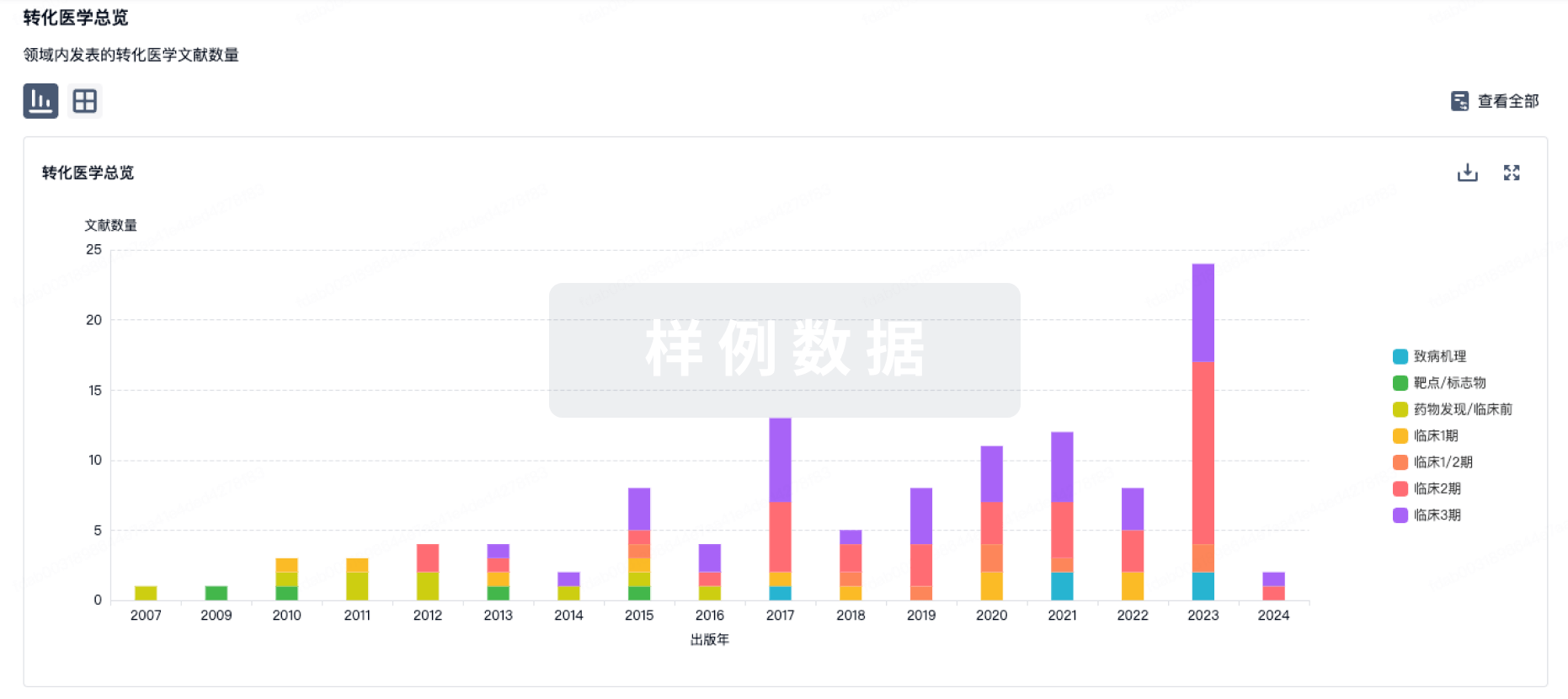
转化医学
使用我们的转化医学数据加速您的研究。
登录
或
药物交易
使用我们的药物交易数据加速您的研究。
登录
或
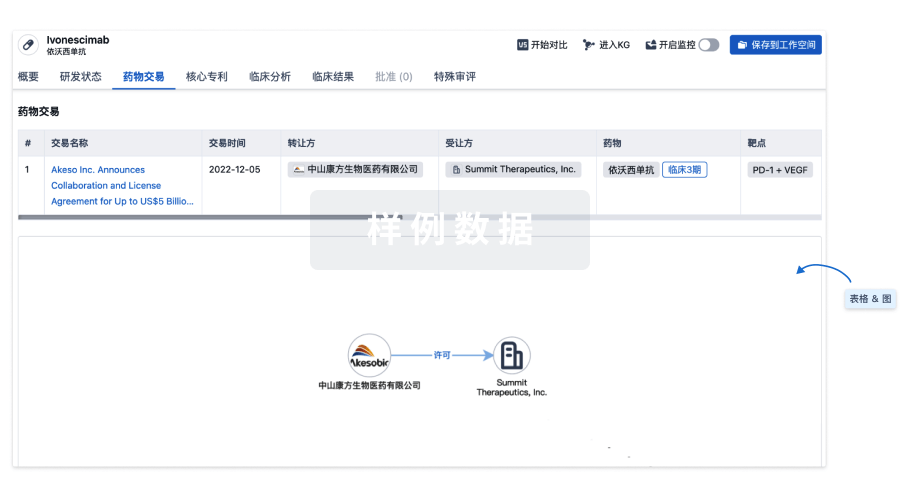
核心专利
使用我们的核心专利数据促进您的研究。
登录
或
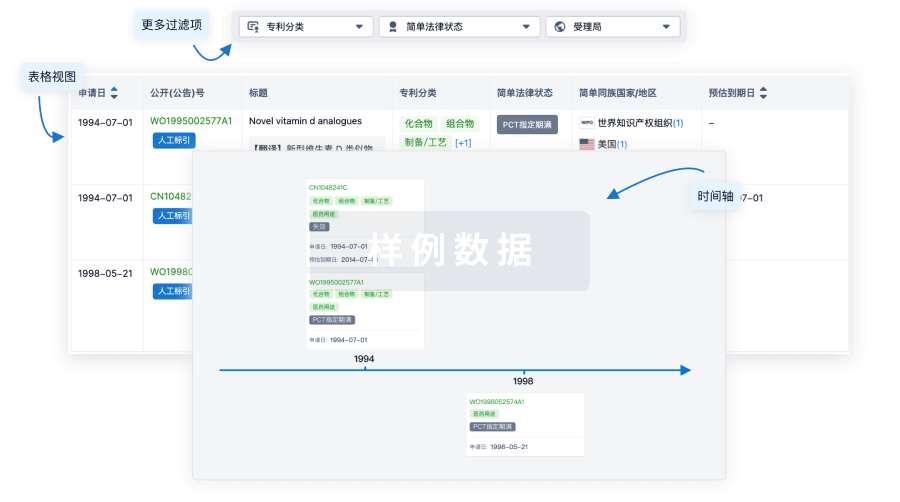
临床分析
紧跟全球注册中心的最新临床试验。
登录
或
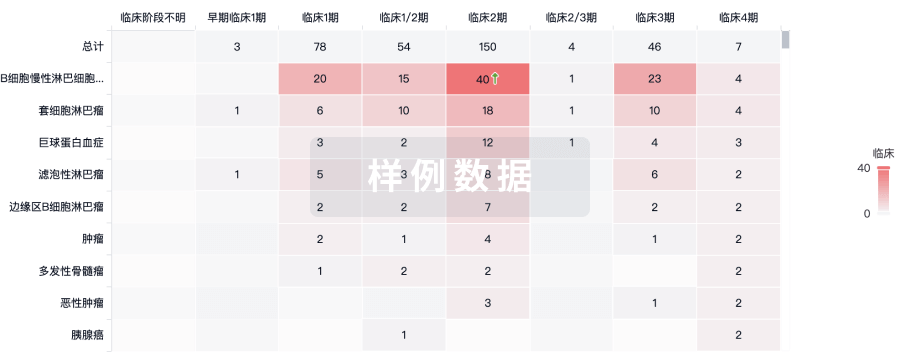
批准
利用最新的监管批准信息加速您的研究。
登录
或
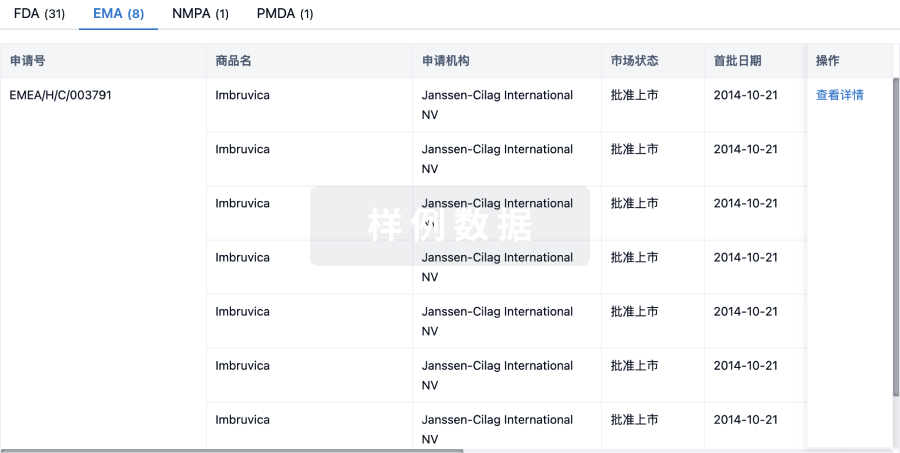
特殊审评
只需点击几下即可了解关键药物信息。
登录
或
提出任何生物医药研究问题
让每一步生物医药决策都精准制胜
基于十亿级生物数据与全球情报的精准 AI,赋能早期药物发现
立即开始免费试用!
智慧芽新药情报库是智慧芽专为生命科学人士构建的基于AI的创新药情报平台,助您全方位提升您的研发与决策效率。
立即接入生物医药数据包
智慧芽新药库数据也通过智慧芽开放平台,以MCP或API服务形式对外开放。立即使用我们的MCP服务定制您的LLM智能体。
生物序列数据库
生物药研发创新
免费使用
化学结构数据库
小分子化药研发创新
免费使用