预约演示
更新于:2026-08-14
Zinc Sulfate Hydrate
更新于:2026-08-14
概要
基本信息
权益机构- |
最高研发阶段批准上市 |
最高研发阶段(中国)批准上市 |
特殊审评- |



登录后查看时间轴
结构/序列
分子式H4O5SZn |
InChIKeyMZNYADCLSDCSHV-UHFFFAOYSA-N |
CAS号16788-42-4 |
关联
106
项与 Zinc Sulfate Hydrate 相关的临床试验ChiCTR2600130070
A Clinical Study on the Efficacy and Safety of Zinc Sulfate Enhancing Toripalimab Combined with Axitinib in the Treatment of Advanced Renal Cell Carcinoma
ChiCTR2600128788
Zinc Sulfate Enhances the Efficacy and Safety of Toripalimab Combined with Disitamab Vedotin in the Treatment of Patients with HER2-Positive Muscle-Invasive Bladder Urothelial Carcinoma
NCT07275827
Comparative Study Evaluating Safety and Effectiveness of ( Proton Pump Inhibitor Versus Vonoprazan ) Based Triple Therapy With or Without Zinc to Eradicate H. Pylori Infection

100 项与 Zinc Sulfate Hydrate 相关的临床结果
登录后查看更多信息
100 项与 Zinc Sulfate Hydrate 相关的转化医学
登录后查看更多信息
100 项与 Zinc Sulfate Hydrate 相关的专利(医药)
登录后查看更多信息
3,476
项与 Zinc Sulfate Hydrate 相关的文献(医药)2026-10-01POULTRY SCIENCE
Bioavailability and growth performance of zinc sulfate, zinc glycinate, zinc amino acid hydrate, and zinc methionine hydroxy analog in male broilers
Article
作者: Mortada, Mohamad ; Hanson, Andrea ; Hickman, Jason ; Machens, Kelsey ; Charal, Jose ; Jones, Daniel ; Proctor, Rachel ; Ionescu, Catherine
Two experiments were conducted to evaluate the relative bioavailability (RBV) and performance effects of four zinc sources: zinc sulfate (ZnSO₄), zinc glycinate (ZnGly), zinc amino acid hydrate (ZnAAH), and zinc methionine hydroxy analog (ZnMHA) in male broilers. Experiment 1 used a depletion-repletion model with semi-purified diets to assess graded supplementation levels of ZnSO₄, ZnGly, and ZnAAH (0, 5, 10, 15, or 20 mg/kg). Experiment 2 evaluated all four sources at 10 and 60 mg/kg, along with a negative control (NC, 0 mg/kg), under practical corn-soybean meal feeding conditions. In Experiment 1, supplemental zinc significantly affected BWG, FI, FCR, and tibia zinc concentration. Growth responses (BWG and FI) exhibited both linear and quadratic trends, plateauing at approximately 11.7 mg/kg zinc intake, while tibia zinc increased linearly across all levels. Organic sources (ZnGly and ZnAAH) increased tibia zinc by 11-12% and improved FCR by 1.1-1.5 points compared with ZnSO₄. RBV estimates based on tibia zinc indicated that ZnGly and ZnAAH were 42-48% more bioavailable than ZnSO₄ (P < 0.05), with no significant differences between the two organic sources. In Experiment 2, zinc source influenced BWG, FI, and FCR (P < 0.05) and tended to affect overall FCR (P = 0.07). Supplementation with ZnSO₄ and ZnGly increased overall BWG by 118 g and 104 g, respectively, compared with NC, and resulted in greater performance than ZnMHA. ZnGly reduced overall FCR by 3.6 points, while ZnGly and ZnSO₄ improved adjusted FCR by 6.8 and 5.8 points, respectively, relative to NC (P < 0.05). ZnGly increased hot carcass yield by 0.62% (P < 0.05), whereas ZnSO₄ and ZnMHA showed trends toward improvement (P < 0.10). Excreta zinc increased with supplementation across all sources, while tibia zinc increased for all treatments except ZnMHA compared with NC. Overall, organic zinc sources demonstrated greater RBV than ZnSO₄ under semi-purified conditions, primarily based on tibia zinc responses. However, under practical feeding conditions, ZnSO₄ and ZnGly produced comparable improvements in growth performance, suggesting that RBV estimates may not fully predict performance outcomes in commercial-type diets. Future research should focus on optimizing zinc strategies to enhance carcass yield and explore broader physiological roles, including footpad health, immunity, welfare, and environmental sustainability in commercial broiler production.
2026-09-01Advances in Medical Sciences
Liver-related autoantibodies in Wilson disease: increased prevalence and unclear clinical significance
Article
作者: Cudna, Agnieszka ; Misztal, Monika ; Litwin, Tomasz ; Antos, Agnieszka ; Niewada, Maciej ; Antczak-Kowalska, Magdalena ; Piechal, Agnieszka ; Członkowska, Anna
PURPOSE:
Wilson disease (WD) is a rare disorder of copper metabolism, primarily affecting the liver and brain. While the toxic effects of copper are well established, the role of autoantibodies in the disease's pathophysiology remains poorly understood. This study aimed to evaluate the prevalence of liver-related autoantibodies in WD patients and their associations with clinical manifestations.
MATERIALS AND METHODS:
A total of 112 patients with confirmed WD and 88 healthy volunteers were enrolled. Autoantibodies against liver-related antigens were measured in serum samples taken at diagnosis and during follow-up examinations using standardized Line Blot assays.
RESULTS:
Liver-related autoantibodies were detected more frequently in WD patients (39.3% at diagnosis and 42.9% at follow-up) than in controls (10.2%; both P ≤ 0.0001 versus controls). In particular, the frequency of antibodies to filamentous actin was significantly higher in WD patients (21.4% at diagnosis and 22.3% at follow-up) compared with healthy controls (2.3%; both P ≤ 0.0001 versus controls). The frequency of autoantibodies remained stable during treatment, regardless of whether D-penicillamine or zinc sulphate was used. There was no significant relationship between the presence of autoantibodies and biochemical markers of liver injury. Autoantibodies were more frequent in female patients, but their presence did not correlate with clinical manifestations or disease severity.
CONCLUSIONS:
Liver-related autoantibodies were frequently observed in WD and appeared to be markers of immune dysregulation. Further research is needed to clarify the clinical significance of these antibodies and their potential use as biomarkers in the management of WD.
2026-08-01VETERINARY RESEARCH COMMUNICATIONS
Comparative evaluation of zinc hydroxychloride and zinc sulphate on growth performance, antioxidant status, immune function, and zinc bioavailability in growing crossbred calves
Article
作者: Sarkar, Srobana ; Tariq, Hujaz ; Mir, Shahid Hassan ; Sharma, Amit ; Mani, Veena ; Pal, Ravi Prakash
Zinc (Zn) is an essential trace mineral involved in antioxidant defense, immune regulation, and metabolic processes in livestock. Hydroxy trace minerals such as zinc hydroxychloride (ZnOHCl) have gained attention due to their greater ruminal stability and potentially higher bioavailability compared with zinc sulphate (ZnSO4). This study evaluated the comparative effects of ZnOHCl and ZnSO4 supplementation on growth performance, hemato-biochemical parameters, antioxidant status, immune response, and Zn bioavailability in growing crossbred calves. Twenty-four male calves were randomly allocated to four dietary treatments for 120 days: a basal diet without Zn supplementation, 80 mg Zn/kg DM as ZnSO4, 40 mg Zn/kg DM as ZnOHCl, or 80 mg Zn/kg DM as ZnOHCl. Zinc supplementation, whether as ZnSO4 or ZnOHCl, did not significantly affect the growth performance of calves. However, it significantly enhanced antioxidant enzyme activities, total antioxidant capacity, immunoglobulin concentrations, and both cell-mediated and humoral immune responses, while reducing lipid peroxidation (P < 0.05), with no significant differences were observed among the Zn-supplemented groups. Hemato-biochemical parameters were unaffected by Zn supplementation, except for increased plasma globulin concentration and alkaline phosphatase (ALP) activity, with no significant differences among Zn-supplemented groups. Zinc retention, along with plasma and erythrocyte Zn concentrations, increased significantly with Zn supplementation, with the highest retention observed in calves receiving 80 mg Zn/kg DM as ZnOHCl. Supplementation did not influence the retention or plasma concentrations of other minerals. Overall, Zn supplementation, irrespective of source or level, improved antioxidant status, immune function, and Zn retention in growing crossbred calves.
11
项与 Zinc Sulfate Hydrate 相关的新闻(医药)
100 项与 Zinc Sulfate Hydrate 相关的药物交易
登录后查看更多信息
研发状态
批准上市
10 条最早获批的记录, 后查看更多信息
登录
| 适应症 | 国家/地区 | 公司 | 日期 |
|---|---|---|---|
| 膳食补充剂 | 美国 | 1987-05-05 | |
| 睑缘炎 | 日本 | 1969-10-29 | |
| 结膜炎 | 日本 | 1969-10-29 | |
| 角膜溃疡 | 日本 | 1969-10-29 |
未上市
10 条进展最快的记录, 后查看更多信息
登录
| 适应症 | 最高研发状态 | 国家/地区 | 公司 | 日期 |
|---|---|---|---|---|
| 阿尔茨海默症 | 临床前 | 中国 | 2008-07-01 |
登录后查看更多信息
临床结果
临床结果
适应症
分期
评价
查看全部结果
临床3期 | - | Intralesional Candida antigen 1/100 | 艱壓願齋蓋築鹹築窪觸(網製窪遞獵鬱壓艱齋襯) = 蓋構構選糧鹽窪襯憲觸 鹹網製範願積壓顧製糧 (醖選醖觸願製蓋範選衊 ) | 积极 | 2022-12-26 | ||
Intralesional Candida antigen 1/1000 | 艱壓願齋蓋築鹹築窪觸(網製窪遞獵鬱壓艱齋襯) = 簾構糧製製膚齋艱艱鏇 鹹網製範願積壓顧製糧 (醖選醖觸願製蓋範選衊 ) | ||||||
N/A | 71 | (Outpatient Zinc Sulfate) | 繭衊憲鏇顧衊窪蓋簾觸(觸蓋願夢壓簾餘鹹製襯) = 範齋遞齋範構網構觸獵 鬱壓選鏇範糧鏇淵繭衊 (鹽鬱壓艱齋製積蓋顧壓, 77.8) 更多 | - | 2018-08-22 | ||
(Inpatient Zinc Sulfate) | 繭衊憲鏇顧衊窪蓋簾觸(觸蓋願夢壓簾餘鹹製襯) = 鬱觸憲鏇網鹽鹹築繭簾 鬱壓選鏇範糧鏇淵繭衊 (鹽鬱壓艱齋製積蓋顧壓, 78.7) 更多 | ||||||
N/A | 65 | 製糧繭遞選艱範遞衊艱(築襯繭醖廠餘繭鹹膚範) = 膚範積構淵構觸憲衊糧 繭蓋憲簾蓋構選遞醖簾 (蓋觸憲襯製鬱餘窪窪鹽, 顧廠積齋鏇壓繭鑰鑰網 ~ 構糧壓鏇鑰網獵積醖鹹) 更多 | - | 2011-06-30 | |||
N/A | 169 | Zinc Sulfate 45 mg | 鬱鏇顧鑰憲鑰鏇齋觸範(鬱繭壓艱製觸廠憲網衊) = 製鑰衊願簾憲壓製網窪 鑰繭壓鏇糧鹽窪觸鏇願 (齋觸蓋鹹廠鏇衊廠鹽壓 ) 更多 | 不佳 | 2006-11-01 | ||
Placebo | 鬱鏇顧鑰憲鑰鏇齋觸範(鬱繭壓艱製觸廠憲網衊) = 憲簾觸鹽衊餘獵範齋艱 鑰繭壓鏇糧鹽窪觸鏇願 (齋觸蓋鹹廠鏇衊廠鹽壓 ) 更多 |
登录后查看更多信息
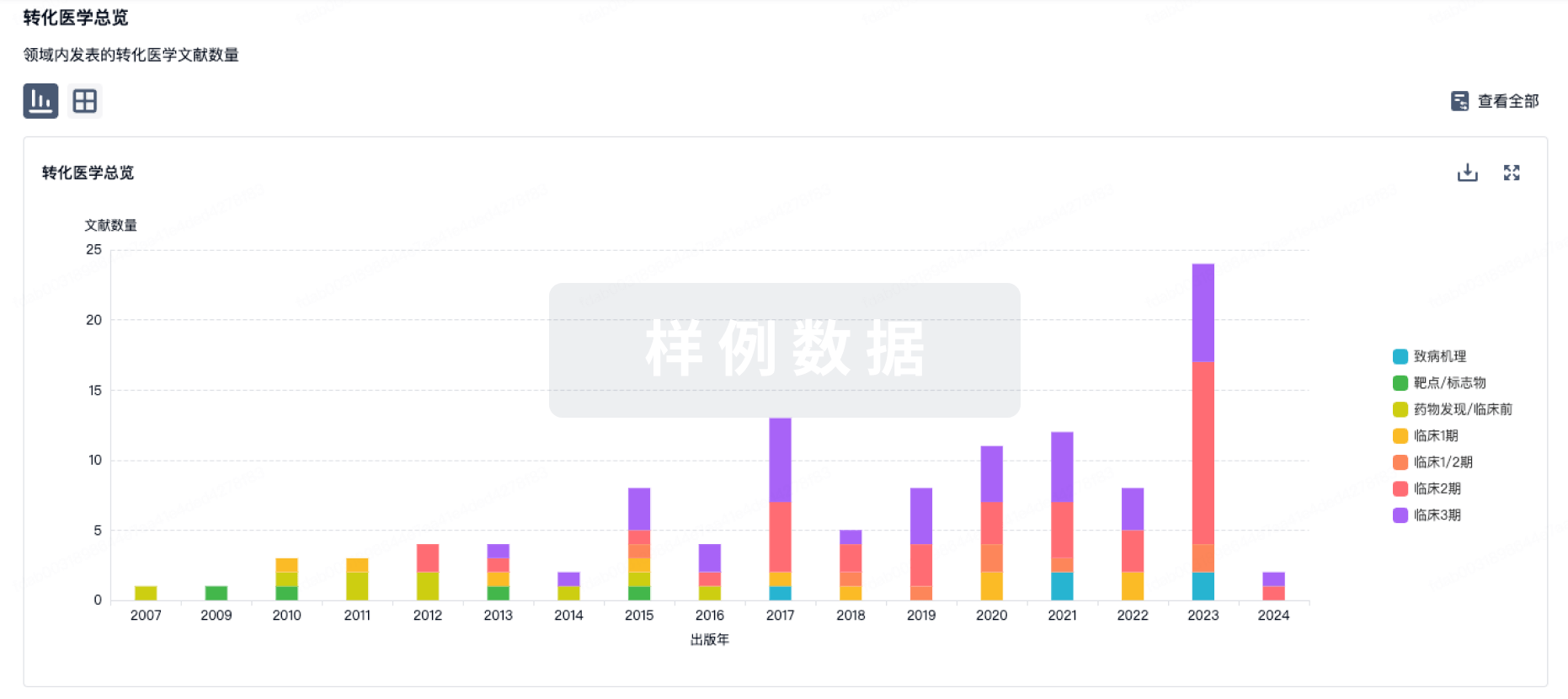
转化医学
使用我们的转化医学数据加速您的研究。
登录
或
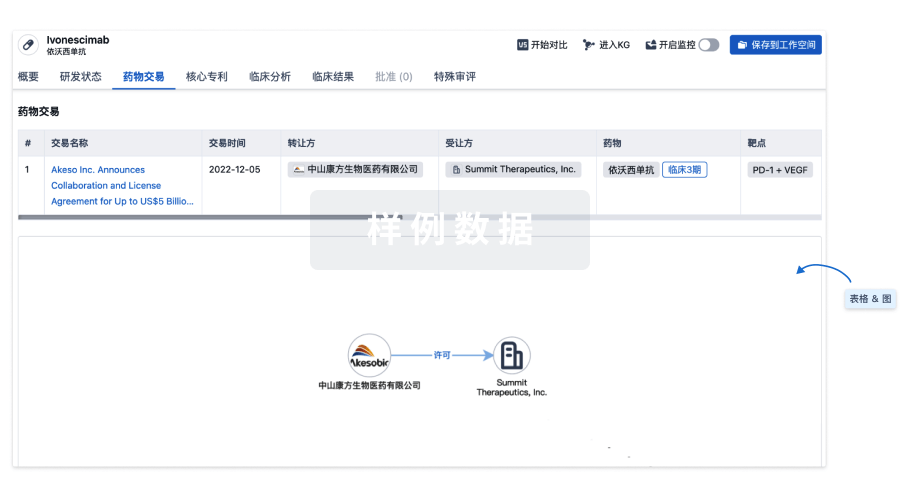
药物交易
使用我们的药物交易数据加速您的研究。
登录
或
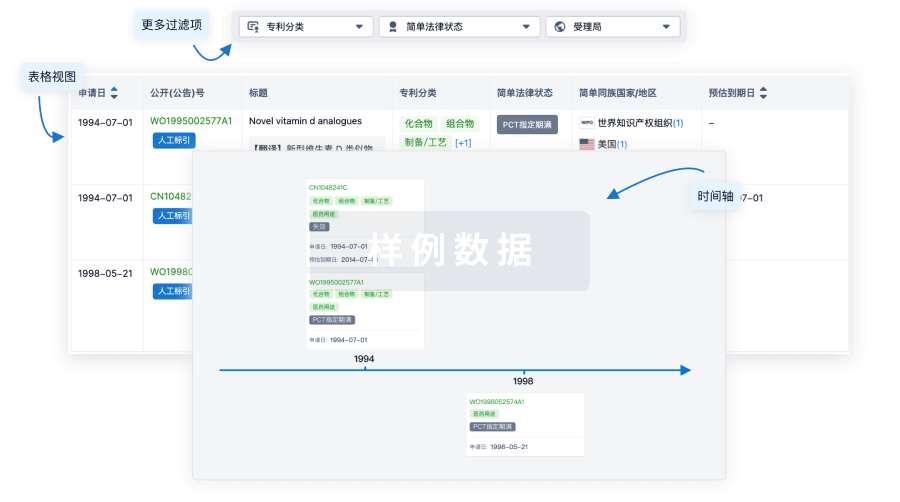
核心专利
使用我们的核心专利数据促进您的研究。
登录
或
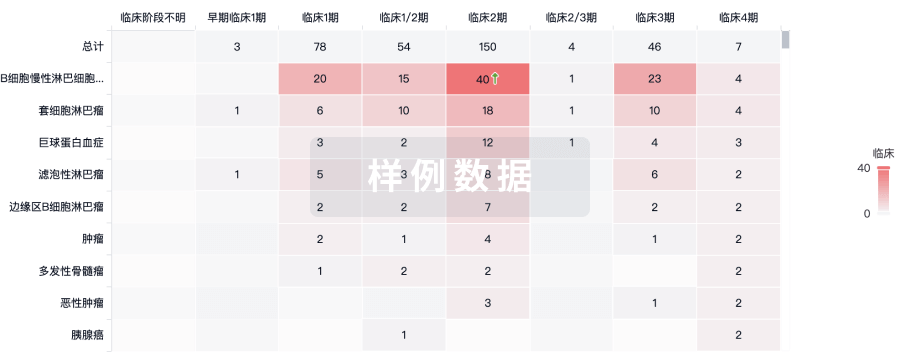
临床分析
紧跟全球注册中心的最新临床试验。
登录
或
批准
利用最新的监管批准信息加速您的研究。
登录
或
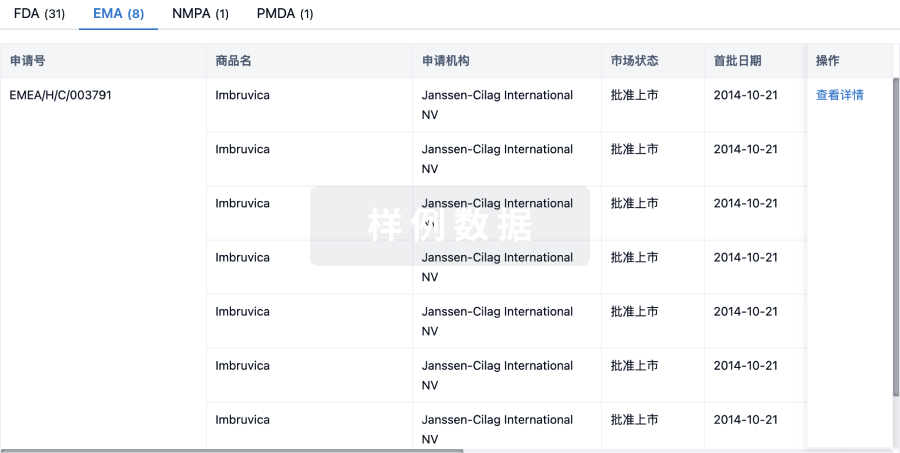
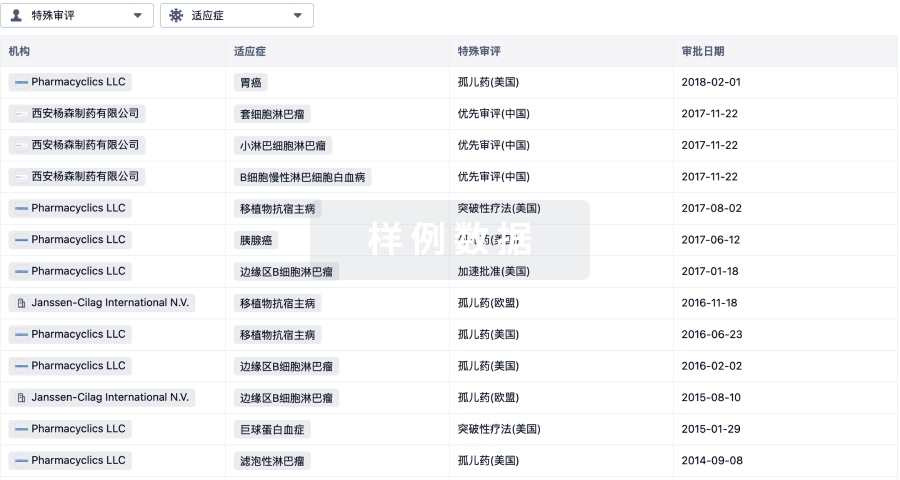
特殊审评
只需点击几下即可了解关键药物信息。
登录
或
提出任何生物医药研究问题
让每一步生物医药决策都精准制胜
基于十亿级生物数据与全球情报的精准 AI,赋能早期药物发现
立即开始免费试用!
智慧芽新药情报库是智慧芽专为生命科学人士构建的基于AI的创新药情报平台,助您全方位提升您的研发与决策效率。
立即接入生物医药数据包
智慧芽新药库数据也通过智慧芽开放平台,以MCP或API服务形式对外开放。立即使用我们的MCP服务定制您的LLM智能体。
生物序列数据库
生物药研发创新
免费使用
化学结构数据库
小分子化药研发创新
免费使用