预约演示
更新于:2026-08-15
Centre Hospitalier Universitaire de Besancon
更新于:2026-08-15
概览
标签
肿瘤
其他疾病
呼吸系统疾病
合成肽疫苗
治疗性疫苗
疾病领域得分
一眼洞穿机构专注的疾病领域

技术平台
公司药物应用最多的技术
靶点
公司最常开发的靶点
关联
靶点 |
作用机制 |
在研机构 |
原研机构 |
在研适应症 |
非在研适应症 |
最高研发阶段 |
首次获批国家/地区 |
首次获批日期 |

NCT07759700
Left Bundle Branch Area Pacing Versus Conventional Right Ventricular Pacing as Initial Strategy for Patients With Permanent Atrial Fibrillation and Preserved Left Ventricular Ejection Fraction Requiring Cardiac Pacing: an Open-label, Multicenter, Randomized Clinical Trial. - the BEAT Study -

NCT07679906
ALZEVIT: A Nationwide Decentralized Digital Cohort for Population APOE Genotyping, Longitudinal Characterization of APOE ε4/ε4 Trajectories, and Trial-readiness for Precision Prevention in Early Alzheimer's Disease

NCT07632521
CLAP: Single Center Prospective Study to Compare the Quality of 3D Modeling of the Wrist Based on the Cone Beam to the Gold Standard of CT SCAN in 6 Healthy Volunteers.
100 项与 Centre Hospitalier Universitaire de Besancon 相关的临床结果
登录后查看更多信息
登录后查看更多信息
2026-07-01EUROPEAN JOURNAL OF CLINICAL MICROBIOLOGY & INFECTIOUS DISEASES
Choice of antimicrobial therapy for infective endocarditis caused by viridans streptococci: an international practice survey
Article
作者: Giannella, Maddalena ; Moby, Vanessa ; Tribouilloy, Christophe ; Vandenesch, François ; Lecomte, Raphaël ; Le Bot, Audrey ; Ferry, Tristan ; Chirouze, Catherine ; Tazi, Asmaa ; Duval, Xavier ; Goehringer, François ; Le Moing, Vincent ; Beraud, Guillaume
OBJECTIVES: Guidelines recommend penicillin, amoxicillin or ceftriaxone for the treatment of streptococcal infective endocarditis (IE) but do not specify the criteria for choosing the β-lactam to be used. Our objectives were to identify which antibiotics are preferentially considered for susceptibility testing and treatment. METHODS: A practice survey was addressed to infectious disease specialists and clinical microbiologists. The questionnaire was diffused to international learned societies as an online google form between September 2022 and 2023. RESULTS: 94 responses were collected, mainly from participants residing in Europe (60/94, 69%). Over 80% (72/88) of respondents reported that minimum inhibitory concentrations (MICs) other than that of penicillin G were routinely measured, including those of ceftriaxone (43/88, 49%), and ampicillin/amoxicillin (55/88, 63%). For treatment of penicillin-susceptible increased exposure isolates (MIC > 0.125 mg/L and ≤ 2 mg/L), the ß-lactams with the lowest MIC were the molecules of choice for 61% (51/83) of respondents. For penicillin-resistant isolates (MIC > 2 mg/L), non-ß-lactam antibiotics were the preferred molecules, followed by the lowest MIC ß-lactam (48%, 38/79, and 43%, 34/79, respectively). CONCLUSIONS: Despite disparities in antibiotic susceptibility testing, we observed a converging approach toward the treatment of choice for IE due to penicillin-non-susceptible isolates, favoring the lowest MIC β-lactam. Further studies are needed to determine the optimal antibiotic therapy for difficult-to-treat streptococcal IE in order to revise future guidelines.
2026-06-01ARCHIVES OF DISEASE IN CHILDHOOD
Analysis of infectious complications in paediatric autoimmune neutropenia: a French nationwide retrospective cohort study
Article
作者: Marie-Cardine, Aude ; Moshous, Despina ; Petit, Audrey ; Cousin, Elie ; Jeziorski, Eric ; Blanc, Laurence ; Carausu, Liana ; Mallebranche, Coralie ; Dubée, Vincent ; Benadiba, Joy ; Guimard, Grégory ; Li Thiao Te, Valérie ; Azarnoush, Saba ; Trebucq, Estelle ; Plantaz, Dominique ; Pasquet, Marlène ; Aladjidi, Nathalie ; Grain, Audrey ; Rimbert, Marie ; Lejeune, Julien ; Beaupain, Blandine ; Dhersin, Robin ; Billet, Sandrine ; Donadieu, Jean ; Chastagner, Pascal ; Rouger-Gaudichon, Jérémie ; Thomas, Caroline ; Cheikh, Nathalie ; Abouchahla, Wadih ; Neumann, Florent ; Pellier, Isabelle
Background:
Autoimmune neutropenia (AIN) is the main cause of chronic neutropenia in children, but its infectious consequences remain poorly studied. The primary objective of this study was to evaluate infectious events leading to emergency department or hospital admissions during the first 2 years following the diagnosis of AIN in children.
Methods:
We performed a retrospective, multicentre analysis of medical records from 21 French university hospitals of patients aged under 18 years diagnosed with AIN with positive antineutrophils autoantibodies. We collected data on emergency room visits and hospitalisations in the 2 years following diagnosis, causes of these events, microbiology results, management and outcome.
Results:
One hundred and sixty-eight patients were enrolled. Median age at diagnosis of AIN was 13 months. AIN was predominantly diagnosed during an infectious episode (n=120, 71%). In the 2 years of follow-up after diagnosis, 248 events of emergency room visits and/or hospitalisations were reported (0.77 per patient-year). The most frequent diagnoses were common childhood viral or bacterial infections. The incidence rate of severe infections was 0.003 per patient-year. Despite the predominance of viral infections, 177 episodes (71%) led to hospitalisation and 166 (68%) to the initiation of antibiotic therapy, for a median duration of 7 days (IQR 3–10).
Conclusion:
The risk of severe infections in children with AIN is low. During follow-up, we suggest being attentive to signs of severity during fever, particularly in children over 3 years of age and/or with other immunological comorbidities but not proposing systematic hospitalisation or additional antibiotic therapy.
2026-04-01Clinical Nutrition ESPEN
Impact of parenteral nutrition on oral intake and eating pleasure in advanced cancer patients: A sub-analysis of a multicenter randomized controlled trial
Article
作者: Anota, A ; Bouleuc, C ; Garabige, V ; Marchal, T ; Grodard, G ; Aubry, R
BACKGROUND:
Malnutrition is highly prevalent in advanced cancer patients, contributing to reduced quality of life, impaired physical function, and decreased survival. Although parenteral nutrition (PN) is used to supplement oral intake, its effect on oral feeding behaviors and eating pleasure remains unclear. We therefore aimed to evaluate the impact of supplemental PN on oral food intake and eating pleasure in malnourished advanced cancer patients with an intact bowel function.
METHODS:
This study presents a sub-analysis of data from a larger, multicenter, randomized controlled trial. In this trial, advanced cancer patients with malnutrition and a functional gastrointestinal tract were assigned (1:1) to receive either supplemental PN plus standard oral feeding or oral feeding alone. Dietary intake was assessed at baseline and one month using a 24 h dietary recall, and eating pleasure was measured with the Self-Evaluation of Food Intake (SEFI) score.
RESULTS:
Eighty-nine patients were analyzed. In the overall cohort, mean daily energy intake assessed by 24 h recall increased significantly from 986 ± 475 kcal at baseline to 1082 ± 420 kcal at one month (p = 0.02), whereas SEFI score remained stable. At baseline, a significant positive correlation was found between the SEFI score and the ratio of calorie intake to estimated energy requirements (Spearman's ρ = 0.55, P < 0.001). In arm-specific analyses using paired t-test, patients in the oral-feeding arm experienced a significant rise at one month in mean energy intake (1009 ± 476 to 1224 ± 474 kcal; p = 0.045) with no significant change for patients in the PN arm (859 ± 437 to 856 ± 234 kcal, p = 0.71). Using McNemar's test, patients from the oral-feeding arm experienced a significant rise in oral nutritional supplement use ate one month compared with patients from the PN arm (6/19 % to 20/65 %, p = 0.01). Meal frequency, snack consumption, and pleasure to eat did not change in the overall population and in either arm.
CONCLUSION:
Supplemental PN does not negatively impact oral food intake or eating pleasure in malnourished advanced cancer patients with intact bowel function. These findings support the use of PN as a nutritional support option without compromising oral feeding behaviors.
REGISTRATION NUMBER OF CLINICAL TRIAL:
NCT02151214.
100 项与 Centre Hospitalier Universitaire de Besancon 相关的药物交易
登录后查看更多信息
100 项与 Centre Hospitalier Universitaire de Besancon 相关的转化医学
登录后查看更多信息
组织架构
使用我们的机构树数据加速您的研究。
登录
或
管线布局
2026年08月16日管线快照
管线布局中药物为当前组织机构及其子机构作为药物机构进行统计,早期临床1期并入临床1期,临床1/2期并入临床2期,临床2/3期并入临床3期
临床2期
1
登录后查看更多信息
当前项目
登录后查看更多信息
药物交易
使用我们的药物交易数据加速您的研究。
登录
或
转化医学
使用我们的转化医学数据加速您的研究。
登录
或
营收
使用 Synapse 探索超过 36 万个组织的财务状况。
登录
或
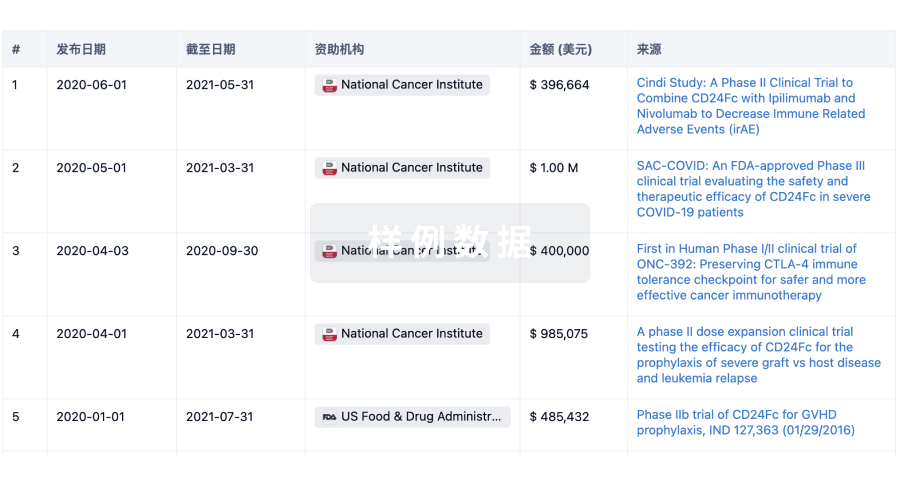
科研基金(NIH)
访问超过 200 万项资助和基金信息,以提升您的研究之旅。
登录
或
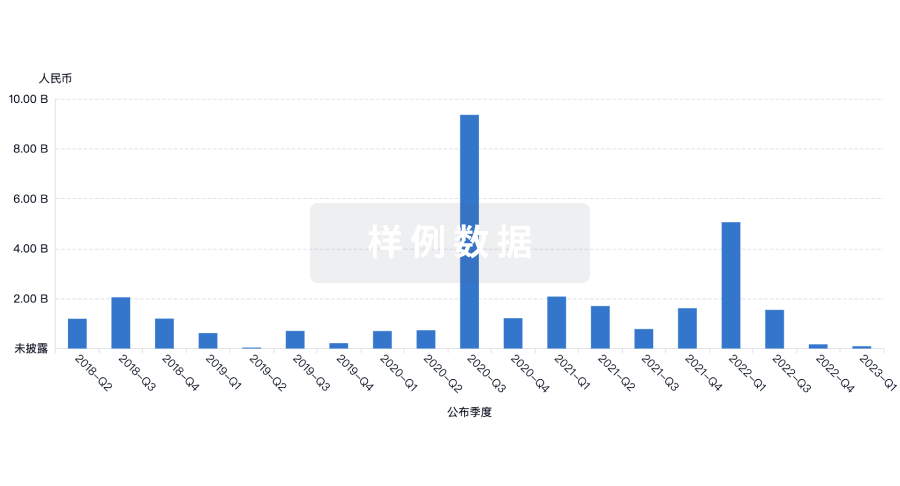
投资
深入了解从初创企业到成熟企业的最新公司投资动态。
登录
或
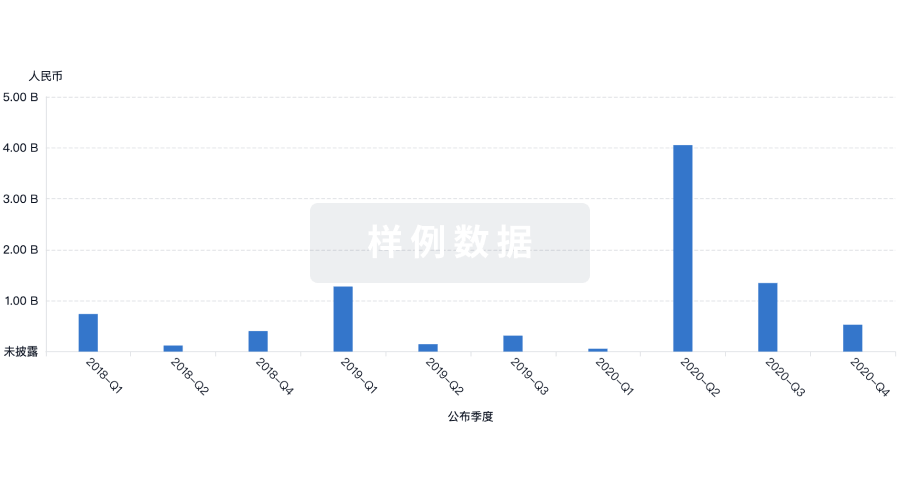
融资
发掘融资趋势以验证和推进您的投资机会。
登录
或
提出任何生物医药研究问题
让每一步生物医药决策都精准制胜
基于十亿级生物数据与全球情报的精准 AI,赋能早期药物发现
立即开始免费试用!
智慧芽新药情报库是智慧芽专为生命科学人士构建的基于AI的创新药情报平台,助您全方位提升您的研发与决策效率。
立即接入生物医药数据包
智慧芽新药库数据也通过智慧芽开放平台,以MCP或API服务形式对外开放。立即使用我们的MCP服务定制您的LLM智能体。
生物序列数据库
生物药研发创新
免费使用
化学结构数据库
小分子化药研发创新
免费使用