预约演示
更新于:2026-08-16

Ocean University of China
更新于:2026-08-16
概览
标签
肿瘤
其他疾病
神经系统疾病
小分子化药
蛋白水解靶向嵌合体(PROTAC)
化学药
疾病领域得分
一眼洞穿机构专注的疾病领域

技术平台
公司药物应用最多的技术
靶点
公司最常开发的靶点
关联
靶点 |
作用机制 |
在研机构 |
原研机构 |
在研适应症 |
非在研适应症 |
最高研发阶段 |
首次获批国家/地区 |
首次获批日期 |
靶点 |
作用机制 |
在研机构 |
原研机构 |
在研适应症 |
非在研适应症 |
最高研发阶段 |
首次获批国家/地区 |
首次获批日期 |
靶点 |
作用机制 |
在研机构 |
原研机构 |
在研适应症 |
非在研适应症 |
最高研发阶段 |
首次获批国家/地区 |
首次获批日期 |
NCT07020143
Chinese University Students' Death Attitudes and Their Initial Sandplay Characteristics
ISRCTN11246966
Effects of blood flow restriction training on metabolomics and proteomics in patients with obesity
CTR20251211
一项评价BG136在晚期结直肠癌受试者中的抗肿瘤疗效、安全性、耐受性及药代动力学特征的IIa期临床研究
100 项与 中国海洋大学 相关的临床结果
登录后查看更多信息
登录后查看更多信息
2026-12-01TALANTA
A dynamic nucleic acid extraction platform based on compressible chitosan cryogel for foodborne pathogen detection
Article
作者: Cao, Limin ; Wang, Xiudan ; Lin, Hong ; Sui, Jianxin ; Li, Weixuan ; Wang, Kaiqing
Extraction and purification of nucleic acids are essential for the detection of foodborne pathogens, yet conventional methods are often limited by operational complexity and reliance on specialized instrumentation, restricting their use in low-resource settings. Herein, we report a simple and efficient nucleic acid extraction platform based on a chitosan-derived sponge-like cryogel (CSC), enabling dynamic adsorption-elution-driven separation under mild conditions. The CSC exhibits high nucleic acid binding capacity (88 μg for DNA and 305 μg for RNA per 10 mg material) and rapid adsorption kinetics following a pseudo-second-order model. Isotherm analyses indicate that RNA and DNA binding follow the Langmuir and Freundlich models, respectively, suggesting a combined mechanism of electrostatic interaction and physical entanglement. Notably, the compressible and shape-recoverable structure enables dynamic extraction through simple aspiration-compression operations, eliminating the need for external equipment. For practical application, the CSC was integrated into a Pasteur pipette to construct a portable extraction device. This system allows rapid nucleic acid purification from Vibrio parahaemolyticus and Salmonella in bacterial cultures and milk samples, with direct compatibility for quantitative polymerase chain reaction (qPCR) and recombinase polymerase amplification (RPA)-clustered regularly interspaced short palindromic repeats (CRISPR)/Cas12a assay. The method achieved sensitive detection down to 103 CFU ·mL-1, outperforming a commercial kit. Importantly, the entire extraction process avoids chaotropic salts, organic solvents, and complex instrumentation, offering a simplified and environmentally friendly alternative. This work provides a practical and scalable strategy for nucleic acid purification with potential applications in point-of-care testing for food safety.
2026-11-01MARINE POLLUTION BULLETIN
Distribution patterns of microplastics in seawater and sediment, and their bioaccumulation by Manila clam (Ruditapes philippinarum) in the coastal regions of Qingdao, China
Article
作者: Yu, Yilei ; Jiang, Wenxian ; Zhang, Li ; Mehreen, Ashraf ; Liu, Xiaoshou
Microplastic pollution has become a growing concern in urban coastal ecosystems, where seawater, sediment, and benthic organisms may jointly reflect environmental contamination and biological exposure. This study investigated microplastics in seawater, sediment, and the clam Ruditapes philippinarum along the Qingdao coast, China. All samples contained microplastics, with mean abundances of 635.67 ± 247.94 items m-3 in seawater, 262.74 ± 147.80 items kg-1 DW in sediment, and 20.28 ± 15.72 items ind.-1 in clams. Microplastic abundances showed clear spatial and seasonal variation, with relatively high levels in highly urbanized and recreational areas during summer and autumn. Fibres were the dominant shape across seawater, sediment, and clam samples, while polyethylene (PE), polypropylene (PP), and polyamide (PA) were the major polymers. Multivariate analyses indicated partial compositional overlap among seawater, sediment, and clam samples, supporting possible compartmental connectivity. Exposure experiments showed that R. philippinarum could ingest, retain, and depurate ingested microplastics, with rapid early accumulation and slower clearance under controlled high-exposure concentrations. Overall, this study provides regional evidence of microplastic contamination and bioaccumulation potential in an intensively used coastal ecosystem, highlights shellfish as important biological receptors of coastal microplastics, and supports cautious interpretation of ecological risks and transfer-related processes.
2026-11-01BIOTECHNOLOGY ADVANCES
Biosensors with enzymatic amplification strategies for the detection of foodborne pathogenic microorganisms
Review
作者: Sun, Jianan ; Wang, Sai ; Jiang, Wenshan ; Li, Jiao ; Yu, Mengqi ; Feng, Rui ; Cui, Xinyao
Foodborne pathogenic microorganisms pose serious threats to public health, underscoring the critical need for rapid detection methods. Biosensors serve as promising alternatives by integrating biorecognition elements with signal transduction systems, enabling efficient and specific detection of such pathogens. This review systematically summarizes the recent advances in biosensors for the detection of common foodborne pathogenic microorganisms across diverse food matrices, including poultry, vegetables, dairy products, aquatic products, etc., with focus on signal amplification strategies ranging from traditional enzyme catalysis to emerging mimic enzyme-based platforms. Despite considerable progress, several challenges remain, like the limited stability of enzymatic components, interference from complex food matrices, and the need for improved reproducibility and standardization in practical applications. Future research should prioritize the translation of laboratory innovations into field by integrating advanced enzymes and recognition elements, sample pre-concentration techniques, smart devices, and artificial intelligence-driven data analysis, ultimately bridging the gap between proof-of-concept studies and real-world implementation.
100 项与 中国海洋大学 相关的药物交易
登录后查看更多信息
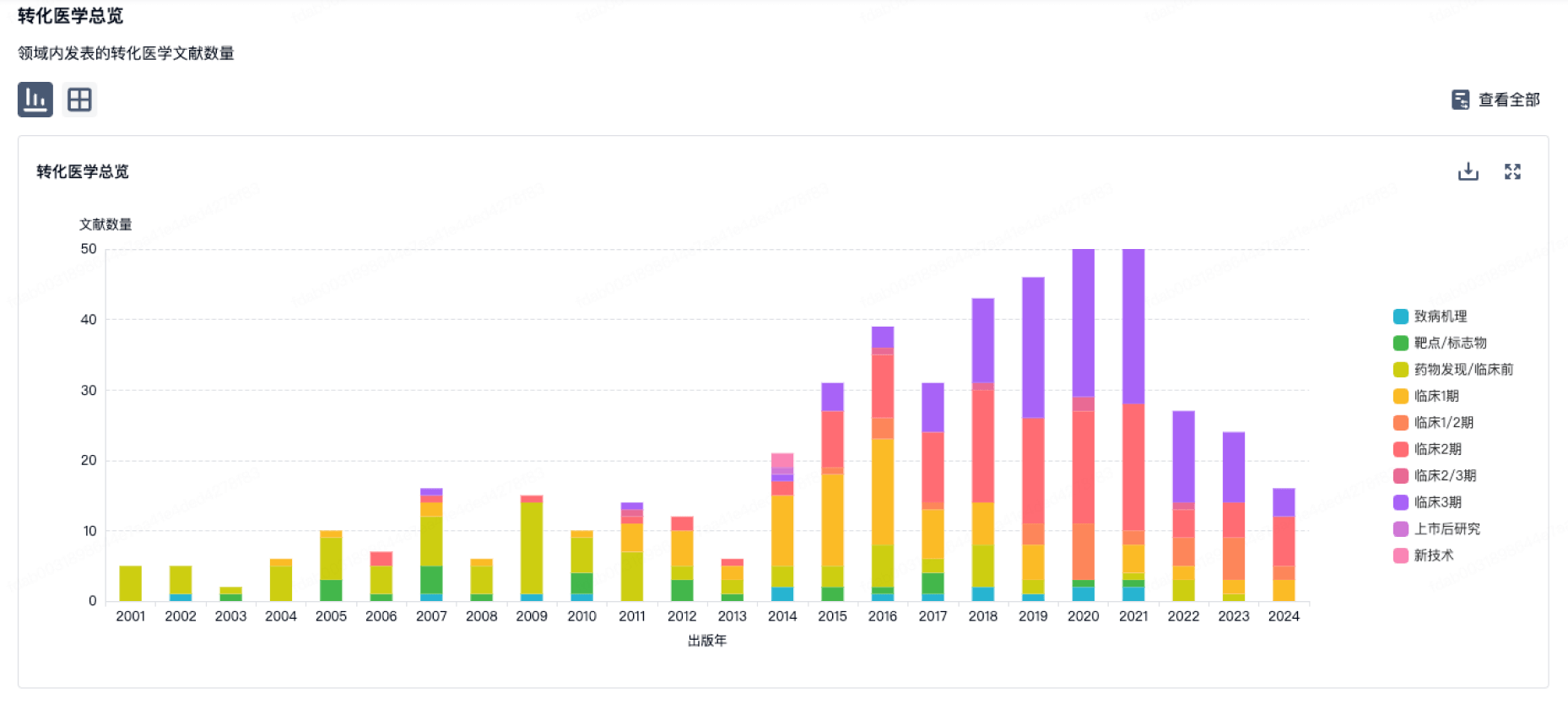
100 项与 中国海洋大学 相关的转化医学
登录后查看更多信息
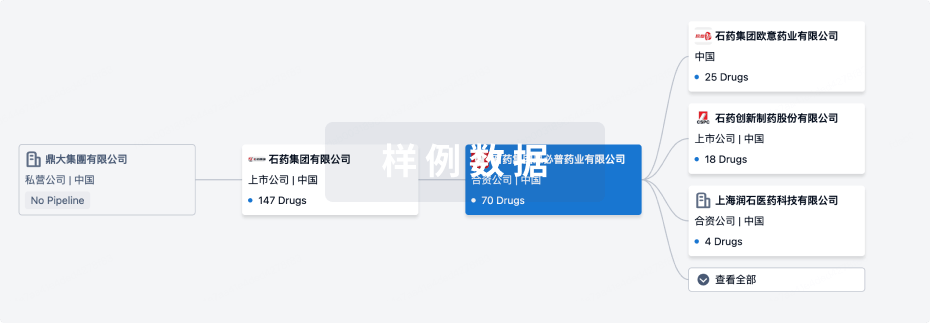
组织架构
使用我们的机构树数据加速您的研究。
登录
或
管线布局
2026年08月19日管线快照
管线布局中药物为当前组织机构及其子机构作为药物机构进行统计,早期临床1期并入临床1期,临床1/2期并入临床2期,临床2/3期并入临床3期
药物发现
24
83
临床前
临床申请批准
3
1
临床2期
其他
10
登录后查看更多信息
当前项目
登录后查看更多信息
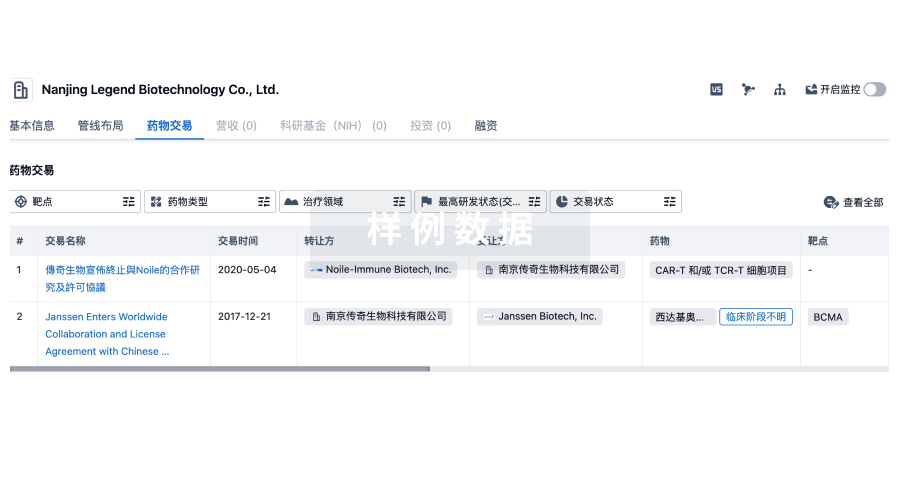
药物交易
使用我们的药物交易数据加速您的研究。
登录
或
转化医学
使用我们的转化医学数据加速您的研究。
登录
或
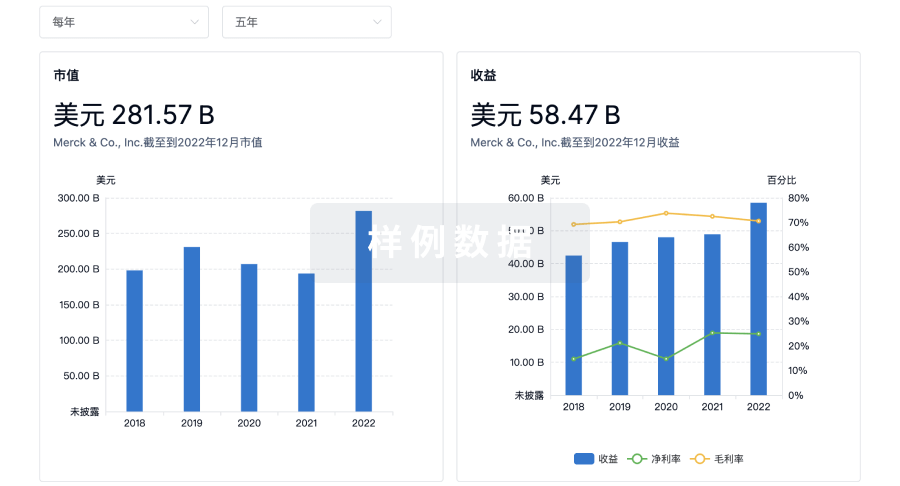
营收
使用 Synapse 探索超过 36 万个组织的财务状况。
登录
或
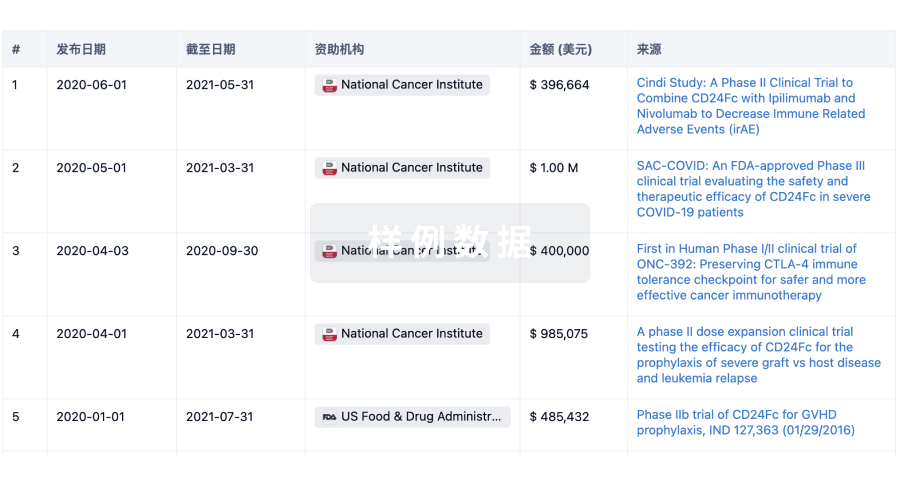
科研基金(NIH)
访问超过 200 万项资助和基金信息,以提升您的研究之旅。
登录
或
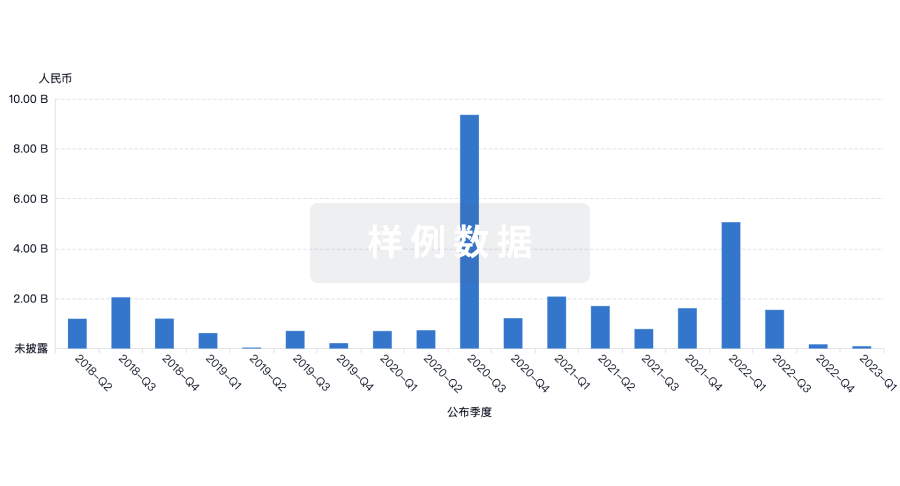
投资
深入了解从初创企业到成熟企业的最新公司投资动态。
登录
或
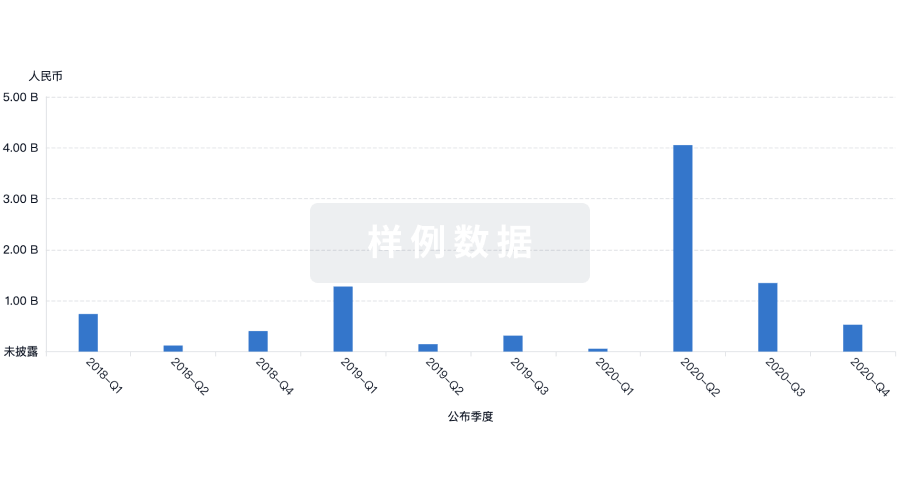
融资
发掘融资趋势以验证和推进您的投资机会。
登录
或
提出任何生物医药研究问题
让每一步生物医药决策都精准制胜
基于十亿级生物数据与全球情报的精准 AI,赋能早期药物发现
立即开始免费试用!
智慧芽新药情报库是智慧芽专为生命科学人士构建的基于AI的创新药情报平台,助您全方位提升您的研发与决策效率。
立即接入生物医药数据包
智慧芽新药库数据也通过智慧芽开放平台,以MCP或API服务形式对外开放。立即使用我们的MCP服务定制您的LLM智能体。
生物序列数据库
生物药研发创新
免费使用
化学结构数据库
小分子化药研发创新
免费使用