预约演示
更新于:2026-08-16

Hubei University of Technology
更新于:2026-08-16
概览
标签
感染
消化系统疾病
肿瘤
合成多肽
小分子化药
溶瘤病毒
疾病领域得分
一眼洞穿机构专注的疾病领域

技术平台
公司药物应用最多的技术
靶点
公司最常开发的靶点
关联
靶点 |
作用机制 |
在研机构 |
原研机构 |
在研适应症 |
非在研适应症 |
最高研发阶段 |
首次获批国家/地区 |
首次获批日期 |
靶点 |
作用机制 |
在研机构 |
原研机构 |
在研适应症 |
非在研适应症 |
最高研发阶段 |
首次获批国家/地区 |
首次获批日期 |
靶点 |
作用机制 |
在研机构 |
原研机构 |
在研适应症 |
非在研适应症 |
最高研发阶段 |
首次获批国家/地区 |
首次获批日期 |
100 项与 湖北工业大学 相关的临床结果
登录后查看更多信息
登录后查看更多信息
2026-10-01WATER RESEARCH
Elevated hydrostatic pressure promotes organic carbon mineralization in reservoir sediments
Article
作者: Liu, Jia ; Yang, Wenjun ; Liu, Defu ; Wang, Chenghao ; Lai, Shiping ; Zhu, Li ; Xia, Xinghui ; Cao, Huiqun ; Zhang, Yan ; Xiao, Shangbin ; Li, Shijian
Sediment organic carbon mineralization is a key biogeochemical process regulating the balance between organic carbon decomposition and preservation in aquatic systems. Reservoir impoundment substantially alters the hydrostatic pressure regime experienced by sediments, yet its impacts on sediment organic carbon mineralization remain poorly understood. Here, using a custom-built hydrostatic pressure simulation system, we show that increasing hydrostatic pressure (0.1-2.1 MPa) significantly accelerates sediment organic carbon mineralization. In non-sterilized sediment-water incubations, the apparent organic carbon mineralization rate (CMR) at 2.1 MPa was 1.45-, 2.01-, and 1.72-fold higher than at 0.1 MPa on day 3, 6, and 9, respectively. In water-only incubations, the stimulatory effect was even stronger initially, with the CMR at 2.1 MPa reaching 4.59-fold higher than at 0.1 MPa on day 10, but declined rapidly over time. In sterilized sediment-water incubations, overlying-water DOC at 2.1 MPa was 1.26-fold higher than at 0.1 MPa, indicating that hydrostatic pressure can enhance DOC release even when microbial activity is suppressed. These findings reveal hydrostatic pressure as an overlooked control on sediment organic carbon mineralization and suggest that pressure-driven carbon transformation may be relevant to assessments of organic carbon burial efficiency and greenhouse-gas production potential in deep reservoirs.
2026-09-01COLLOIDS AND SURFACES B-BIOINTERFACES
Rhodium nanozyme-functionalized mesenchymal stem cell-derived extracellular vesicle mimetics for the treatment of drug-induced liver injury
Article
作者: Ye, Zhilan ; Li, Lu ; Chang, Bingcheng ; Shen, Yu Wei ; Liu, Jia
Drug-induced liver injury (DILI) is a major cause of acute liver failure worldwide, with limited therapeutic options available. This condition progresses through a complex cascade involving oxidative stress, inflammation, and a failure to regenerate damaged tissue. To tackle these interconnected challenges, we developed an integrated biomimetic nanoplatform that synergistically combined rhodium nanozymes (Rhzymes) with mesenchymal stem cell-derived extracellular vesicle mimetics (MEMs). The Rhzymes provided potent multi-antioxidant activity by scavenging reactive oxygen and nitrogen species (ROS/RNS), thereby alleviating oxidative damage and inflammatory responses. Meanwhile, the MEMs functioned as smart delivery carriers with a natural affinity for the damaged liver. They enhanced the accumulation of the therapeutic cargo at the injury site and independently contributed to healing by promoting tissue repair and regeneration. Through this synergistic collaboration, the Rh@MEMs system not only improved targeted delivery to the damaged liver but also resolved the key pathological factors of DILI-oxidative damage, inflammation, and inadequate regeneration. As a result, the Rh@MEMs platform demonstrated significantly enhanced therapeutic efficacy against DILI both in vitro and in vivo. This study highlights the promise of synergistic nanozyme-biomimetic vesicle integration, as a multifunctional strategy for the treatment of DILI.
2026-09-01FOOD RESEARCH INTERNATIONAL
Deacetylation-dependent ice crystal growth inhibition of konjac glucomannan through water-activity regulation and interfacial-water reorganization
Article
作者: Wang, Fengxian ; Cheng, Xiangpeng ; Liu, Yi ; Jiang, Fatang ; Xiao, Man ; Wu, Kao ; Li, Yinbang
Konjac glucomannan (KGM) with different degrees of deacetylation (DD) was prepared to examine the effects of DD on ice crystal growth and its potential as a cryoprotectant in frozen foods. Deacetylated KGM (DK) samples were characterized by FT-IR and AFM, and their effects on water activity and ice crystal size were assessed. Time-resolved near-infrared (NIR) spectroscopy at -4 °C, with wavelet packet transform (WPT), was employed to resolve ice- and water-structure-related bands during ice growth. Native KGM showed linear chains, whereas increasing DD led to more curled and aggregated conformations and lowered water activity (aw). DK with a DD of 34.3% (DK34.3%) exhibited the strongest inhibition of ice growth, producing the smallest ice crystals (11.0 ± 0.4 μm at 0.8%, w/w), while further deacetylation (e.g., DK65.6%) weakened the inhibition, likely due to enhanced aggregation and reduced interfacial accessibility. NIR analysis showed that the ice Ih (hexagonal ice) marker band at 6118 cm-1 increased most slowly for DK34.3%, indicating a prolonged induction stage and the lowest apparent ice growth rate. High-resolution spectral components further showed the emergence of a strongly hydrogen-bonded, ice-associated water feature near ∼6693 cm-1 and the attenuation of a hydration-related band around ∼6880 cm-1, consistent with water-structure reorganization near the ice-solution interface during ice growth. In a model ice-cream mixture, DK34.3% (0.8%, w/w) reduced the area-weighted mean ice crystal diameter to 5.6 ± 0.2 μm compared with the control (6.8 ± 0.3 μm). These findings indicate that moderate deacetylation improved cryoprotection by modulating aw, molecular conformation, and interfacial water behavior, providing an effective natural polysaccharide-based cryoprotective ingredient for frozen foods.
2026-07-25
2026-07-21
100 项与 湖北工业大学 相关的药物交易
登录后查看更多信息
100 项与 湖北工业大学 相关的转化医学
登录后查看更多信息
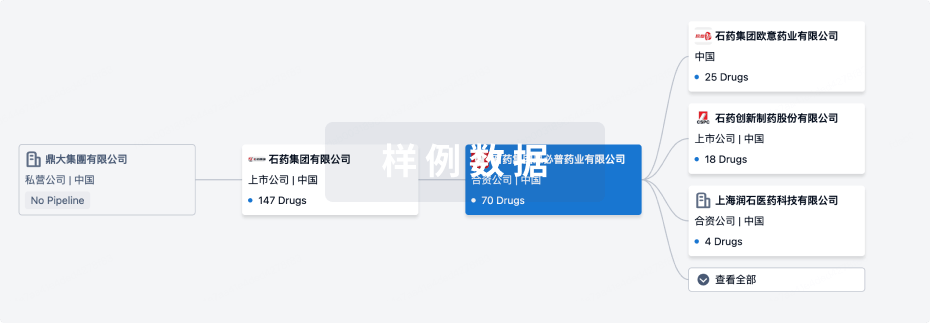
组织架构
使用我们的机构树数据加速您的研究。
登录
或
管线布局
2026年08月18日管线快照
管线布局中药物为当前组织机构及其子机构作为药物机构进行统计,早期临床1期并入临床1期,临床1/2期并入临床2期,临床2/3期并入临床3期
临床前
10
登录后查看更多信息
当前项目
登录后查看更多信息
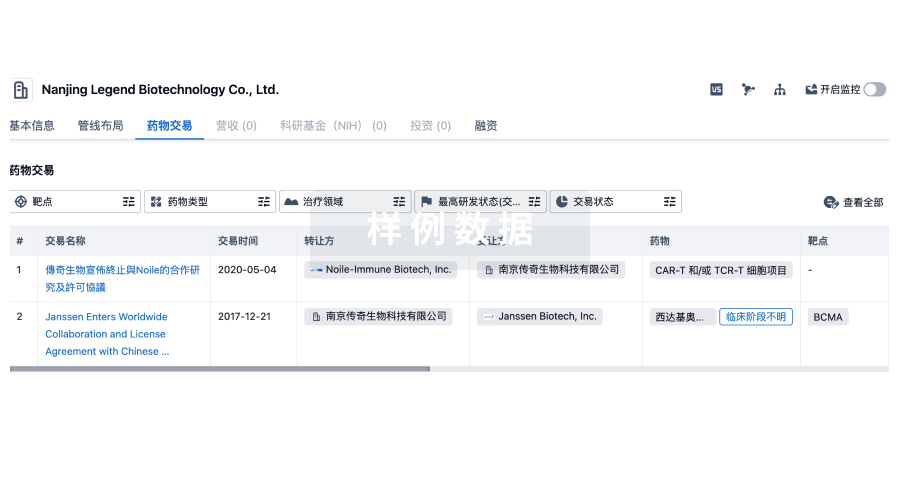
药物交易
使用我们的药物交易数据加速您的研究。
登录
或
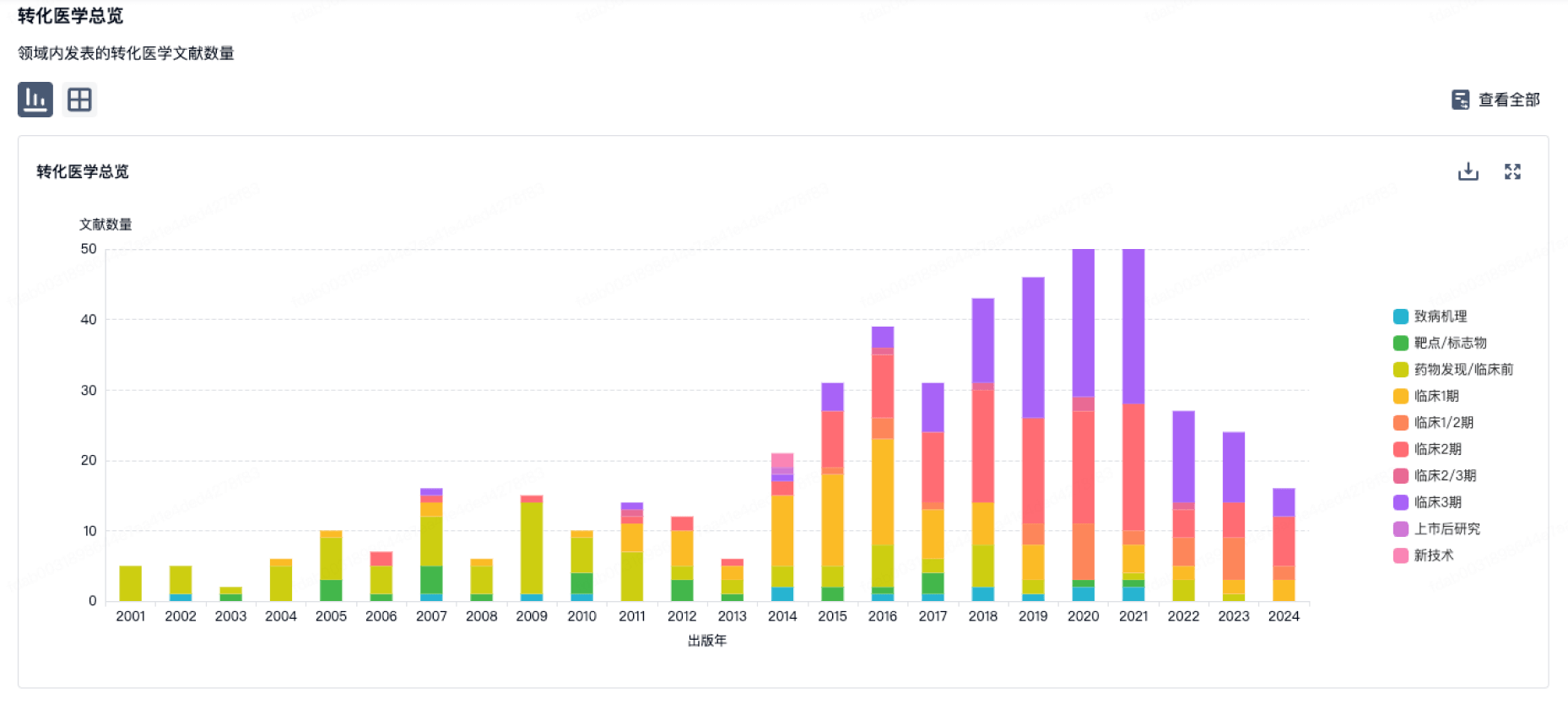
转化医学
使用我们的转化医学数据加速您的研究。
登录
或
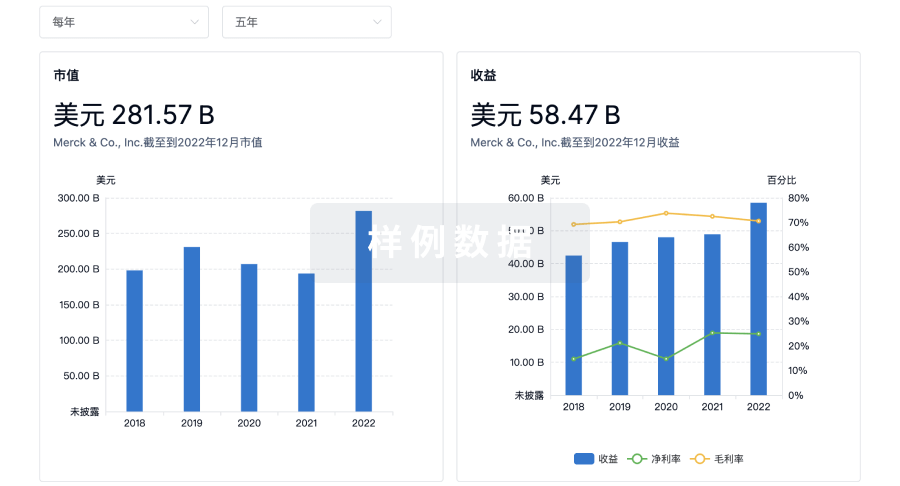
营收
使用 Synapse 探索超过 36 万个组织的财务状况。
登录
或
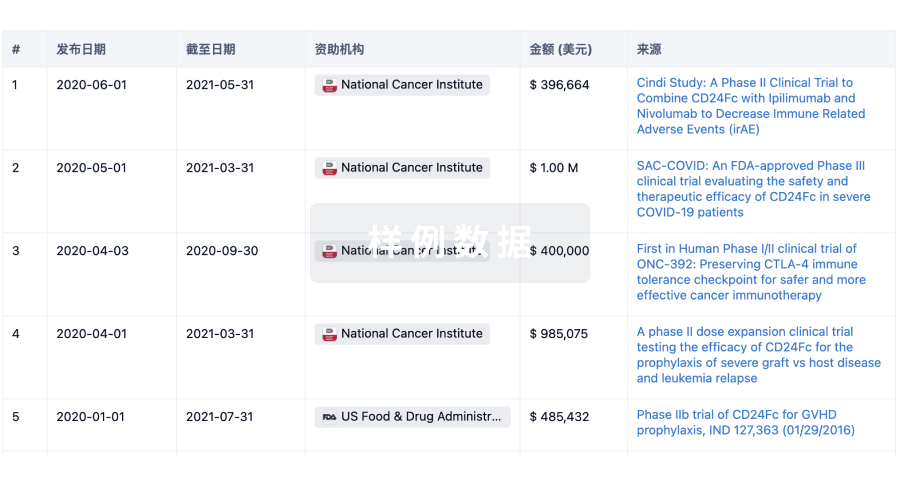
科研基金(NIH)
访问超过 200 万项资助和基金信息,以提升您的研究之旅。
登录
或
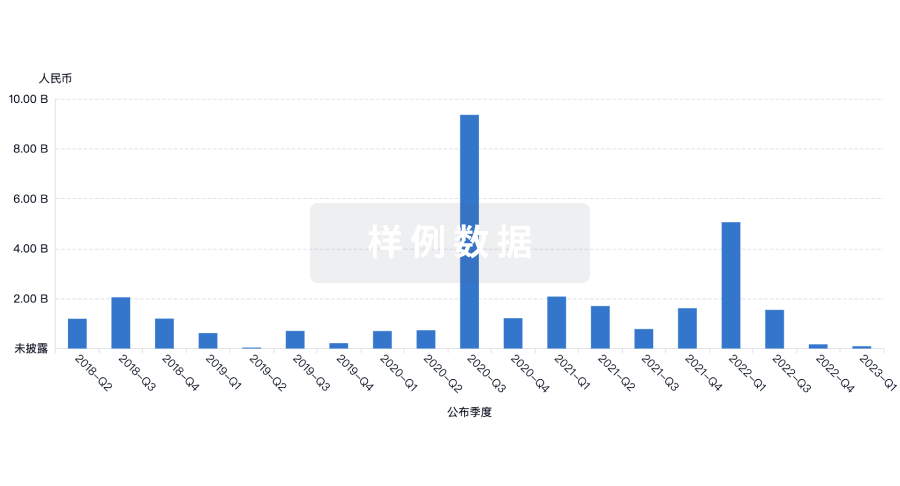
投资
深入了解从初创企业到成熟企业的最新公司投资动态。
登录
或
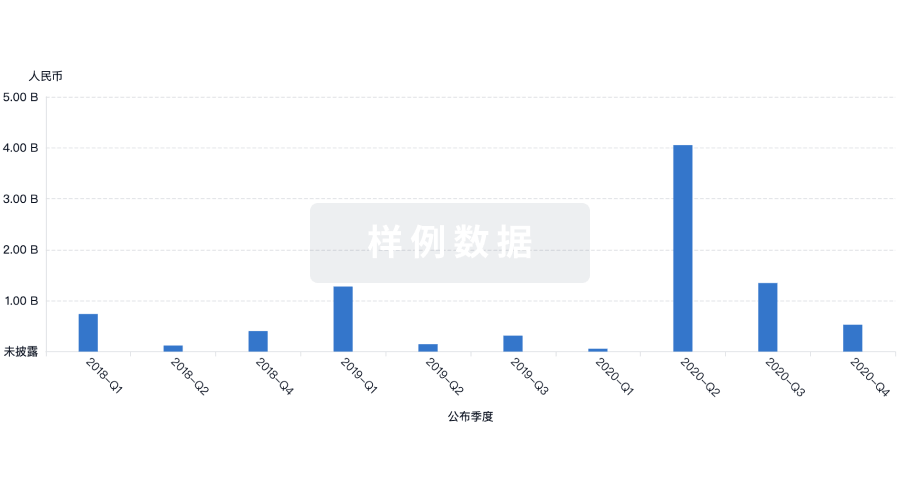
融资
发掘融资趋势以验证和推进您的投资机会。
登录
或
提出任何生物医药研究问题
让每一步生物医药决策都精准制胜
基于十亿级生物数据与全球情报的精准 AI,赋能早期药物发现
立即开始免费试用!
智慧芽新药情报库是智慧芽专为生命科学人士构建的基于AI的创新药情报平台,助您全方位提升您的研发与决策效率。
立即接入生物医药数据包
智慧芽新药库数据也通过智慧芽开放平台,以MCP或API服务形式对外开放。立即使用我们的MCP服务定制您的LLM智能体。
生物序列数据库
生物药研发创新
免费使用
化学结构数据库
小分子化药研发创新
免费使用