预约演示
更新于:2026-08-20

Gifu Pharmaceutical University
更新于:2026-08-20
概览
标签
遗传病与畸形
眼部疾病
神经系统疾病
小分子化药
造影剂
合成多肽
疾病领域得分
一眼洞穿机构专注的疾病领域

技术平台
公司药物应用最多的技术
靶点
公司最常开发的靶点
关联
靶点 |
作用机制 |
在研机构 |
原研机构 |
在研适应症 |
非在研适应症 |
最高研发阶段 |
首次获批国家/地区 |
首次获批日期 |
靶点 |
作用机制 |
在研机构 |
原研机构 |
在研适应症 |
非在研适应症 |
最高研发阶段 |
首次获批国家/地区 |
首次获批日期 |
靶点 |
作用机制 |
在研机构 |
原研机构 |
在研适应症 |
非在研适应症 |
最高研发阶段 |
首次获批国家/地区 |
首次获批日期 |

JPRN-UMIN000060214
The comparison of the pharmacokinetics between various formulations containing Brazilian green propolis in healthy volunteers.

JPRN-UMIN000054268
A study of the relationship between plasma concentrations of linezolid and its relationship with the frequency of adverse events and discontinuation factors.
JPRN-UMIN000052478
Studies on the relationship between plasma concentrations of linezolid and its efficacy and thrombocytopenia
100 项与 Gifu Pharmaceutical University 相关的临床结果
登录后查看更多信息
登录后查看更多信息
2026-07-18NATURAL PRODUCT RESEARCH
Study on the phenolic components of
Pontederia vaginalis
Burm. f
Article
作者: Oyama, Masayoshi ; Haba, Manami ; Suda, Takato ; Abe, Naohito ; Kashiwagi, Hirohito
Pontederia vaginalis Burm. f. is an aquatic plant widely distributed in East and Southeast Asia, where its young leaves and stems are traditionally consumed. Despite its regional use as a food source, the phytochemical constituents of this species have remained largely unexplored. In particular, it has not been determined whether P. vaginalis contains phenylphenalenone-type compounds, which are known from related species such as P. crassipes (syn. Eichhornia crassipes). In this study, phytochemical investigation on P. vaginalis led to the isolation of two novel diallylheptanoids-pontevagonols A (1) and B (2)-as well as a naturally occurring phenylphenalenone, 2-hydroxy-4-methoxy-9-phenylphenalen-1-one (3), and eight known phenolic derivatives. This represents the first report of these compound types from P. vaginalis, and clarifies the phenolic composition of the Pontederiaceae family.
2026-07-01Nihon yakurigaku zasshi. Folia pharmacologica Japonica
Light stress–induced damage to intracellular membrane organelles and its preventive strategies
Review
作者: Otsu, Wataru
Photoreceptor cells in the retina are highly specialized sensory cells that function as light receptors. During the conversion of light into neural signals, photoreceptors are constantly exposed to oxidative stress. Although environmental stressors, such as excessive light exposure, have been implicated in the progression of various retinal diseases, including dry age-related macular degeneration (AMD), the molecular mechanisms underlying the light-induced stress response remain incompletely elucidated. Excessive light exposure triggers the endoplasmic reticulum (ER) stress response in cells and also induces mitochondrial dysfunction characterized by depolarization and fragmentation, ultimately leading to cell death. We have shown that compounds derived from natural products, such as delphinidins and pentadecyl, exert protective effects against blue light-induced cellular damage. Furthermore, crocetin, a natural carotenoid pigment, has been shown to suppress ultraviolet-A (UV-A)-induced mitochondrial fragmentation in corneal epithelial cells. In this review, we provide an overview of light stress-induced injuries to intracellular membrane organelles, particularly mitochondria and the ER, and the cellular response mechanisms that are mediated through these organelles. These findings suggest that maintaining the homeostasis of intracellular membrane organelles represents an important therapeutic target for the prevention and treatment of retinal degenerative diseases.
2026-06-01Alzheimers & Dementia
Reduction in hippocampal cholinergic neurostimulating peptide enhances memory impairment in
App
NL‐G‐F
KI mice
Article
作者: Yuta Madokoro ; Hideaki Hara ; Noriyuki Matsukawa ; Kengo Suzuki ; Itsumi Nagai-Arakawa ; Takuya Ooba ; Toyohiro Sato ; Takashi Saito ; Hideki Hida ; Yuto Uchida ; Yo Tsuda
Abstract:
INTRODUCTION:
Whether cholinergic activity in the septohippocampal network affects cognitive dysfunction via hippocampal cholinergic neurostimulating peptide (HCNP) in Alzheimer's pathogenesis remains unclear.
METHODS:
An Alzheimer's pathogenesis by mutation in amyloid‐beta precursor protein gene (
App
NL‐G‐F
) knock‐in (KI) and HCNP precursor protein conditional knockout (HCNP‐pp cKO) mouse model was generated, exhibiting both cholinergic dysfunction and amyloid pathogenesis. Theta power‐related cholinergic function and long‐term potentiation (LTP) were evaluated in
App
NL‐G‐F
KI/HCNP‐pp cKO mice. Molecules associated with the cholinergic/glutamatergic neurons, amyloid beta (Aβ), and inflammation were examined.
RESULTS:
Reduced HCNP levels enhanced cognitive impairment, inhibiting theta power and LTP, although without accompanying pathological changes or inflammation. Decreased
N
‐methyl‐D‐aspartate receptor subunit 2A (NR2A), choline acetyltransferase (ChAT), and Vesicular acetylcholine transporter (VAChT) levels were observed in the hippocampus and ChAT in the medial septal nucleus (MSN) of
App
NL‐G‐F
KI/HCNP‐pp cKO mice.
DISCUSSION:
Cholinergic dysfunction in HCNP‐pp cKO mice exacerbates cognitive dysfunction in
App
NL‐G‐F
KI mice. The obtained mouse models are expected to be used to investigate cholinergic dysfunction and amyloid pathogenesis in AD.
100 项与 Gifu Pharmaceutical University 相关的药物交易
登录后查看更多信息
100 项与 Gifu Pharmaceutical University 相关的转化医学
登录后查看更多信息
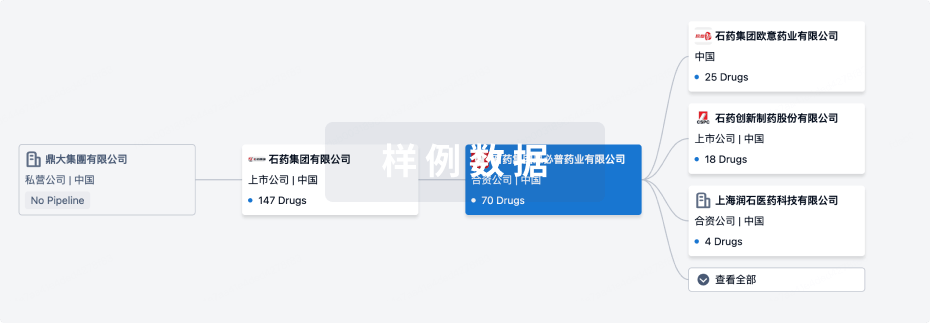
组织架构
使用我们的机构树数据加速您的研究。
登录
或
管线布局
2026年08月20日管线快照
管线布局中药物为当前组织机构及其子机构作为药物机构进行统计,早期临床1期并入临床1期,临床1/2期并入临床2期,临床2/3期并入临床3期
临床前
5
5
其他
登录后查看更多信息
当前项目
登录后查看更多信息
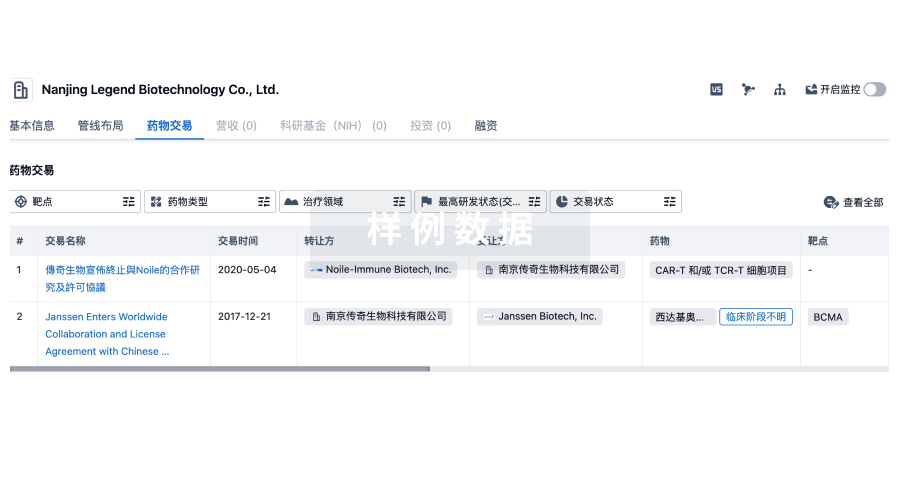
药物交易
使用我们的药物交易数据加速您的研究。
登录
或
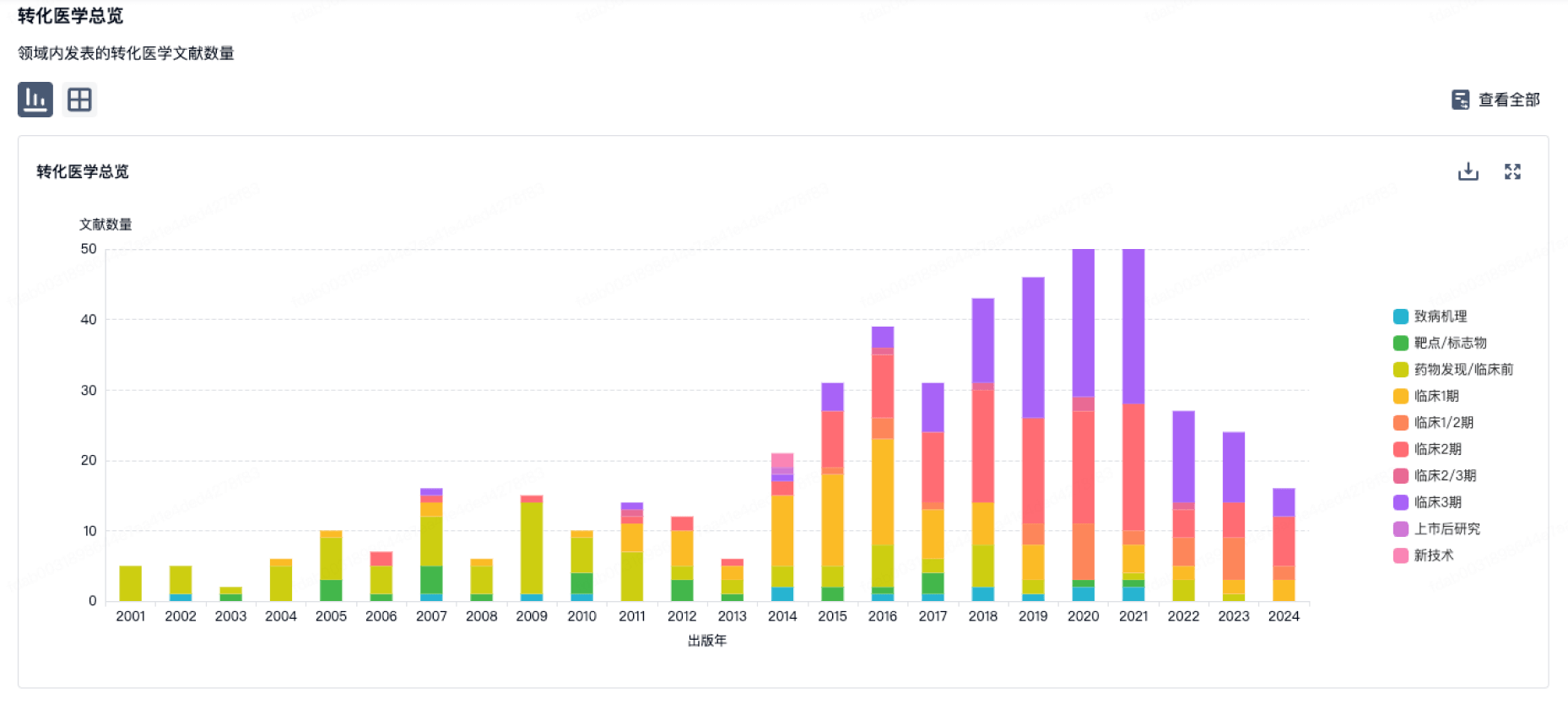
转化医学
使用我们的转化医学数据加速您的研究。
登录
或
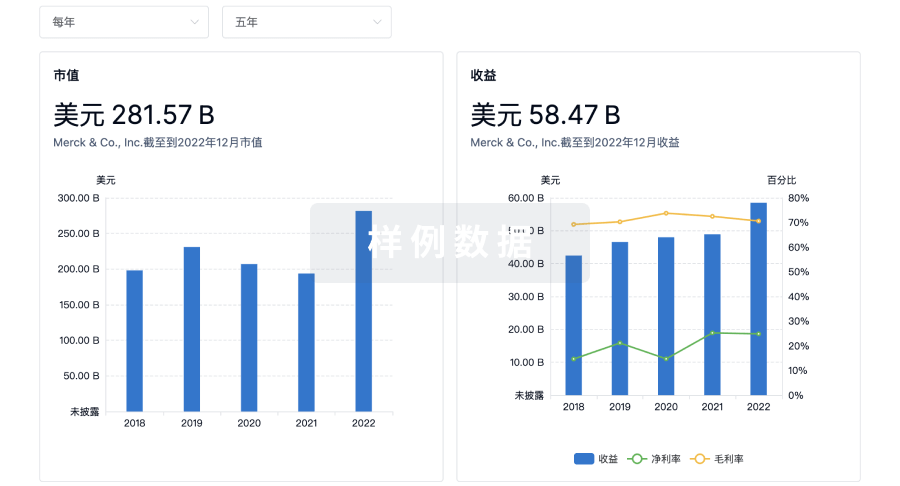
营收
使用 Synapse 探索超过 36 万个组织的财务状况。
登录
或
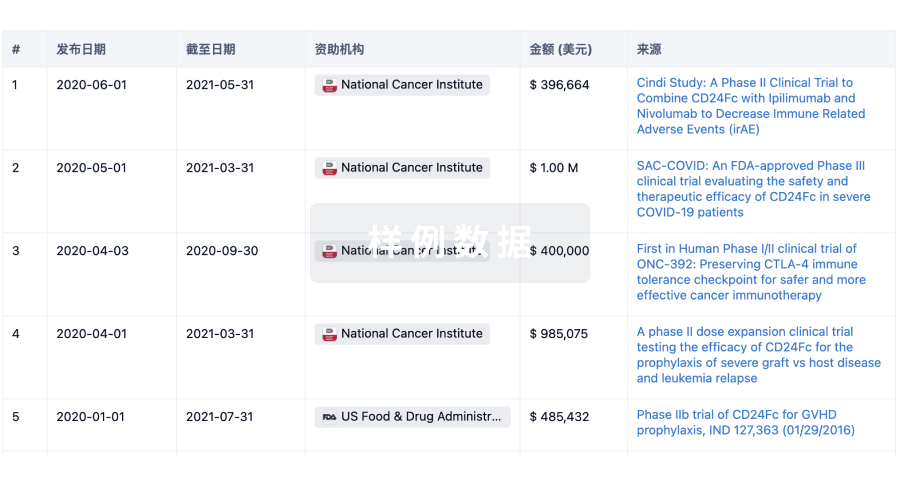
科研基金(NIH)
访问超过 200 万项资助和基金信息,以提升您的研究之旅。
登录
或
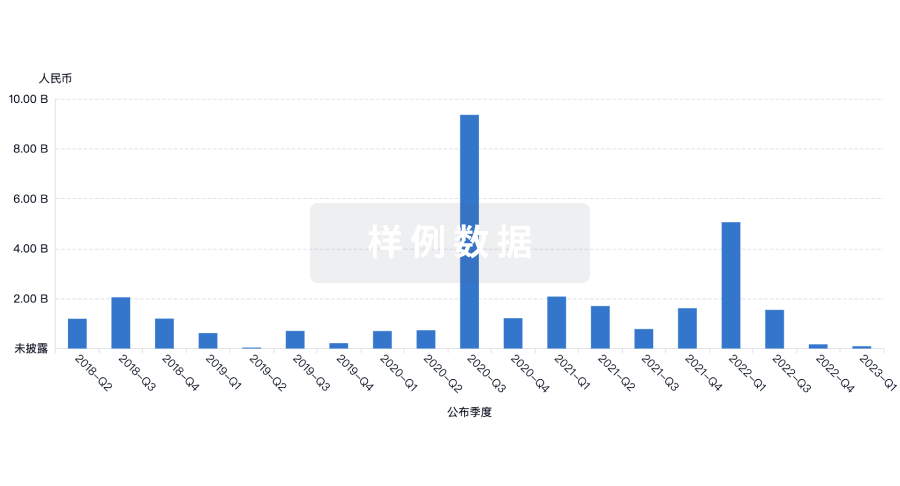
投资
深入了解从初创企业到成熟企业的最新公司投资动态。
登录
或
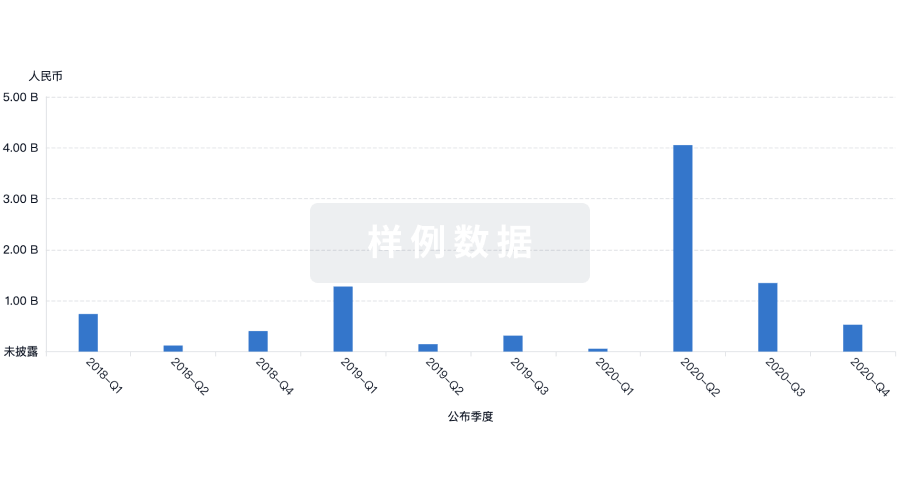
融资
发掘融资趋势以验证和推进您的投资机会。
登录
或
提出任何生物医药研究问题
让每一步生物医药决策都精准制胜
基于十亿级生物数据与全球情报的精准 AI,赋能早期药物发现
立即开始免费试用!
智慧芽新药情报库是智慧芽专为生命科学人士构建的基于AI的创新药情报平台,助您全方位提升您的研发与决策效率。
立即接入生物医药数据包
智慧芽新药库数据也通过智慧芽开放平台,以MCP或API服务形式对外开放。立即使用我们的MCP服务定制您的LLM智能体。
生物序列数据库
生物药研发创新
免费使用
化学结构数据库
小分子化药研发创新
免费使用