预约演示
更新于:2026-08-18

University of Chinese Academy of Sciences
更新于:2026-08-18
概览
标签
肿瘤
其他疾病
感染
小分子化药
蛋白水解靶向嵌合体(PROTAC)
化学药
疾病领域得分
一眼洞穿机构专注的疾病领域

技术平台
公司药物应用最多的技术
靶点
公司最常开发的靶点
关联
靶点 |
作用机制 |
在研机构 |
原研机构 |
在研适应症 |
非在研适应症 |
最高研发阶段 |
首次获批国家/地区 |
首次获批日期 |

靶点 |
作用机制 |
在研机构 |
原研机构 |
在研适应症 |
非在研适应症 |
最高研发阶段 |
首次获批国家/地区 |
首次获批日期 |
靶点 |
作用机制 |
在研机构 |
原研机构 |
在研适应症 |
非在研适应症 |
最高研发阶段 |
首次获批国家/地区 |
首次获批日期 |

NCT07035808
Efficacy and Safety of Iparomlimab and Tuvonralimab(QL1706) Combined With Chemotherapy ± Bevacizumab Induction Therapy Followed by Concurrent Chemoradiotherapy for High-risk Locally Advanced Cervical Cancer:a Single Arm, Phase II Multicenter Clinical Study

NCT07102953
The Effect of Focused Attention and Open Monitoring Meditation on Creativity in Scientific Researchers

NCT06783933
Artificial Intelligence-assisted Diagnosis of Congenital Heart Diseases on Chest X-ray

100 项与 中国科学院大学 相关的临床结果
登录后查看更多信息
登录后查看更多信息
2027-01-01TALANTA
Target-switchable molecular imaging platform for 3D protein mapping in single cells by synchrotron radiation hard X-ray nanotomography
Article
作者: Wang, Yaling ; Zhao, Yuliang ; Zhang, Shuhan ; Bai, Ru ; Chen, Chunying ; Guo, Yuecong ; Dang, Zheng ; Lu, Jingyi ; Zhang, Kai ; Chen, Ziwei ; Cui, Yanyan
Developing an accessible and scalable strategy for three-dimensional (3D) protein imaging with hard X-ray nanotomography at the single-cell level remains a major analytical challenge due to the lack of intrinsic molecular specificity. Here, we report a target-switchable nanoprobe system based on biotinylated metal nanoparticles (BioMNs) that enables dual-modal fluorescence and hard X-ray imaging of specific proteins in intact single cells. In this modular architecture, the metal nanoprobes serve as universal X-ray signal modules, while molecular specificity is introduced through streptavidin-mediated coupling to biotinylated antibodies, thereby decoupling molecular recognition from signal generation. Combined with synchrotron radiation hard X-ray nanotomography (SR-HXT), this platform allows 3D visualization of diverse protein targets by simply replacing the primary antibody, eliminating the need for customized probe synthesis for each new target. As a validation of its versatility, membrane-associated HER2 and nuclear Ki67 were imaged as representative targets, revealing distinct spatial distributions and nanoscale heterogeneity in intact cells. This target-switchable approach overcomes the constraints of conventional single-target probes and establishes a correlative fluorescence-X-ray workflow for scalable 3D molecular imaging at the single-cell level.
2027-01-01TALANTA
A nanowire-based fluorescent sensor for detecting hydrogen peroxide (H2O2) dyshomeostasis in cell body and synapse of Alzheimer's disease (AD) cell model
Article
作者: Ye, Na ; Shi, Wensheng ; Ma, Liyi ; Huang, Lushan ; Zhao, Qiaowen ; She, Guangwei ; Wang, Hongyuan ; Mu, Lixuan ; Zhu, Qichen
Revealing the levels of hydrogen peroxide (H2O2) in neuron's cell body and synapse with high spatial resolution is very important not only for clarifying the pathways between the fluctuation of H2O2 and neurotoxicity of amyloid-β oligomers (AβOs), but also for further understanding the pathogenesis of Alzheimer's disease (AD). Herein, a single nanowire-based H2O2 fluorescent sensor has been designed and developed by covalently modifying H2O2-responsive molecules onto the surface of silicon nanowires (SiNWs). The sensor features high spatial resolution, excellent selectivity and high sensitivity. By positioning SiNW sensors into both cellular compartments, respectively, the AβOs-induced alterations of H2O2 levels in cell body and synapse of neurons are detected. It is found that H2O2 levels in cell body and synapse are gradually elevated with prolonging AβOs exposure. Moreover, the elevation of H2O2 in synapse occurs prior to the increase in cell body. It is demonstrated that the clathrin-mediated endocytosis serves as a prime pathway mode for transporting exogenous AβOs into the cells, and plays a critical role in preferentially elevating H2O2 levels in synapse. The method developed in this work for monitoring H2O2 with high spatial resolution will be beneficial for exploring the critical role of H2O2 in AD pathogenesis.
2027-01-01Synthetic and Systems Biotechnology
Advancing our understanding of photosynthesis: discoveries and insights from aquatic plants
Review
作者: Yang, Jingjing ; Zhao, Xuyao ; Islam, Md Fakhrul ; Kazmi, Abeer ; Kimura, Seisuke ; Li, Xiaozhe ; Li, Gaojie ; Hou, Hongwei
Aquatic plants inhabit highly dynamic environments characterized by rapid and extreme fluctuations in CO2 availability, light intensity, hydrodynamics, temperature, and pH. These conditions have driven the evolution of exceptional photosynthetic plasticity. This review synthesizes recent advances in understanding how higher aquatic plants deploy a diverse array of carbon-concentrating mechanisms (CCMs), including canonical C3 and C4 pathways, C4-like and CAM-like metabolic flexibility, and efficient biophysical CCMs based on HCO3 - uptake, proton extrusion, and the coordinated action of internal and external carbonic anhydrases. We highlight key evolutionary innovations unique to aquatic lineages, such as single-cell C4 photosynthesis, dimorphic chloroplasts, and heterophylly, which together facilitate rapid optimization of carbon assimilation under shifting ecological conditions. A detailed comparison between terrestrial model species and aquatic macrophytes further illustrates how contrasting environmental pressures have shaped distinct morphological, anatomical, and physiological strategies. We also emphasize emerging model systems, including Ottelia ovalifolia, O. alismoides, Hygrophila difformis, and Rorippa aquatica, which provide powerful platforms for investigating the evolution, regulation, and integration of CCMs with phenotypic plasticity. Collectively, aquatic plants represent underexplored yet promising systems with significant potential for advancing carbon neutrality strategies, freshwater ecosystem management, crop improvement, and synthetic biology.
100 项与 中国科学院大学 相关的药物交易
登录后查看更多信息
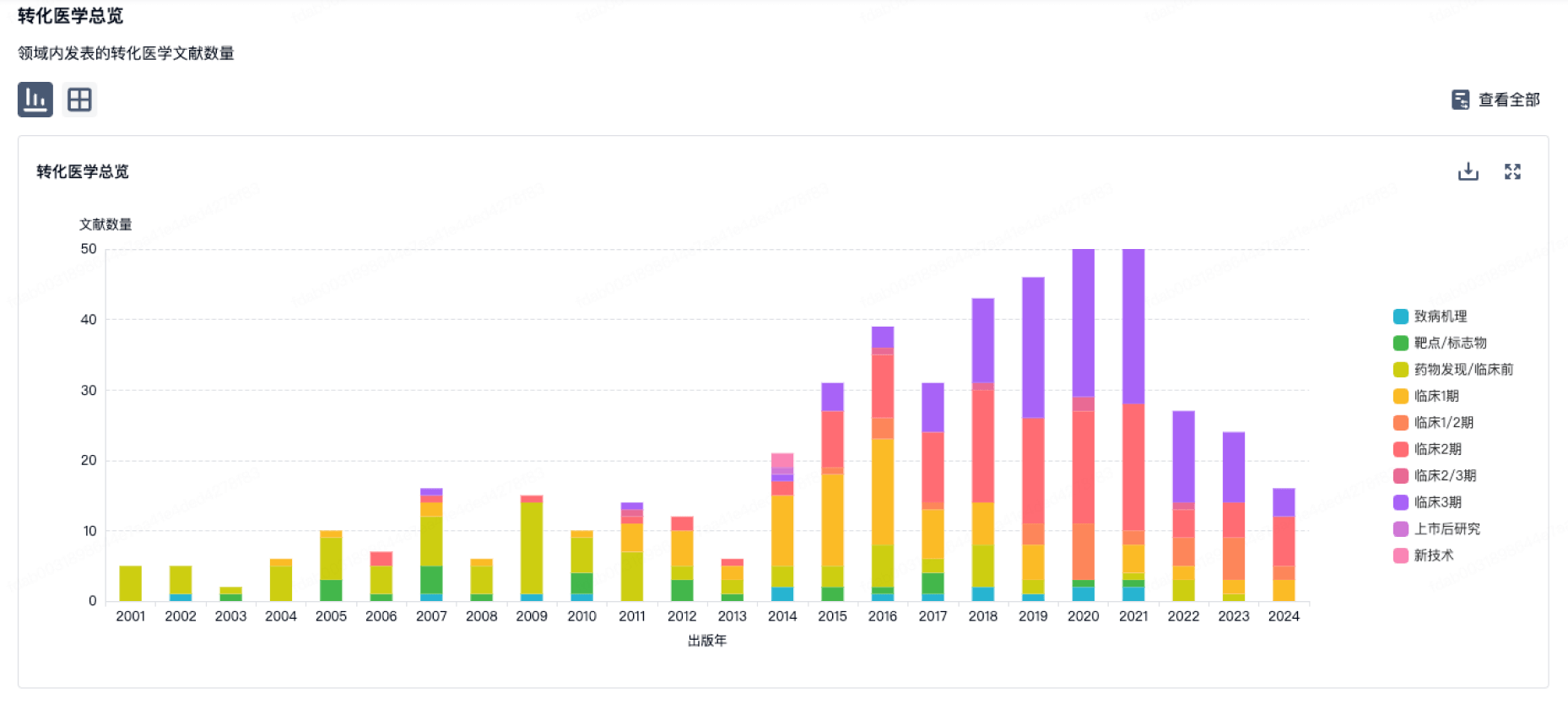
100 项与 中国科学院大学 相关的转化医学
登录后查看更多信息
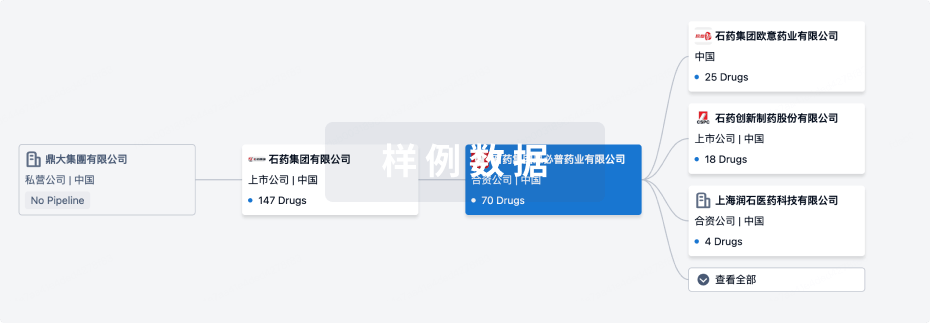
组织架构
使用我们的机构树数据加速您的研究。
登录
或
管线布局
2026年08月19日管线快照
管线布局中药物为当前组织机构及其子机构作为药物机构进行统计,早期临床1期并入临床1期,临床1/2期并入临床2期,临床2/3期并入临床3期
药物发现
6
146
临床前
其他
15
登录后查看更多信息
当前项目
登录后查看更多信息
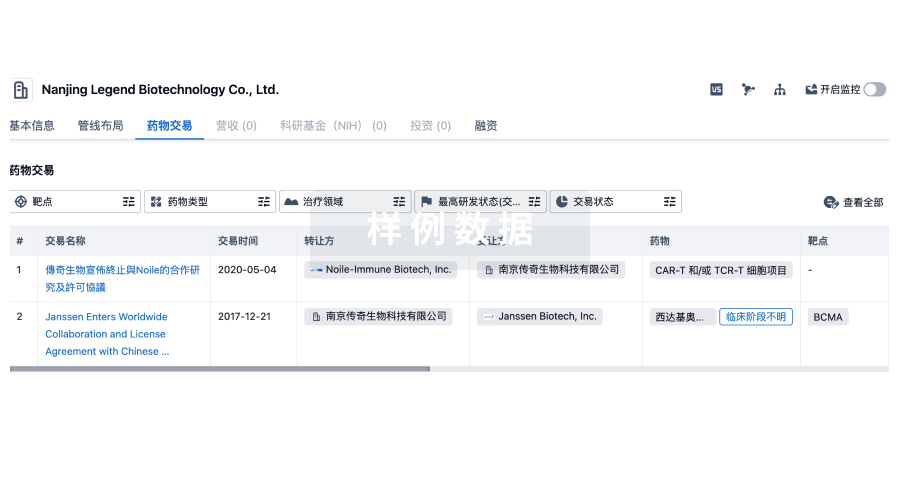
药物交易
使用我们的药物交易数据加速您的研究。
登录
或
转化医学
使用我们的转化医学数据加速您的研究。
登录
或
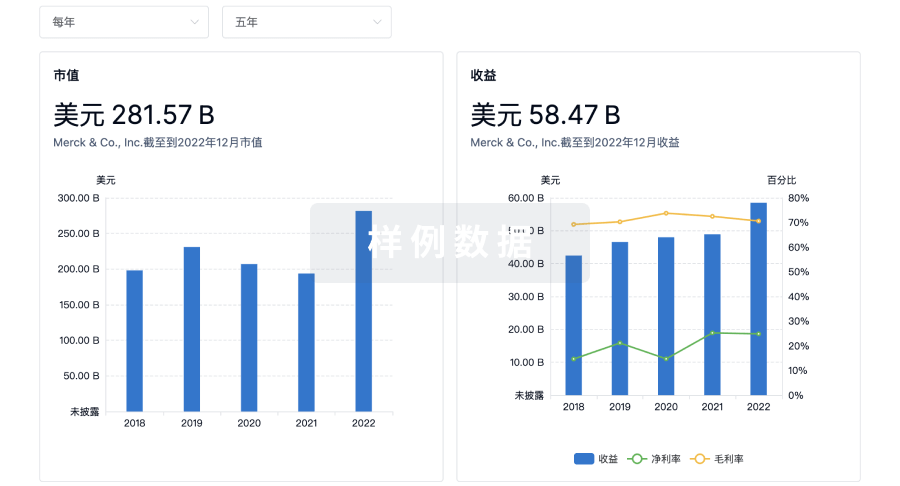
营收
使用 Synapse 探索超过 36 万个组织的财务状况。
登录
或
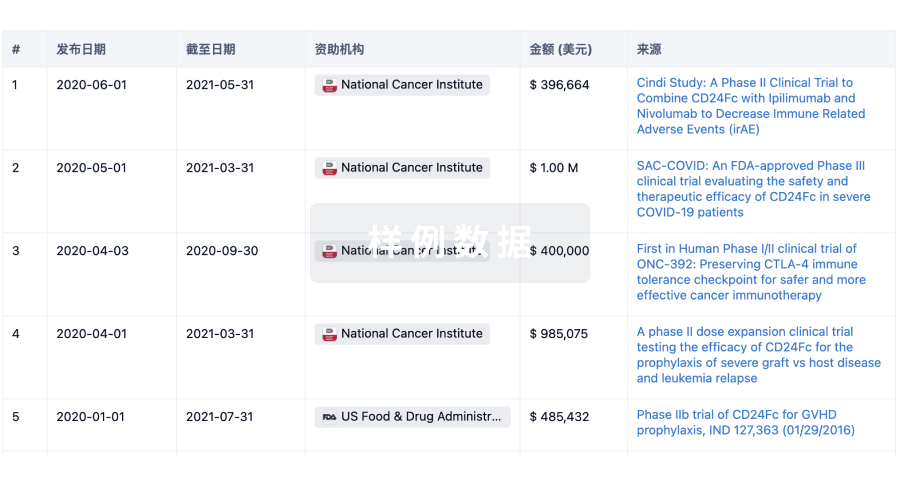
科研基金(NIH)
访问超过 200 万项资助和基金信息,以提升您的研究之旅。
登录
或
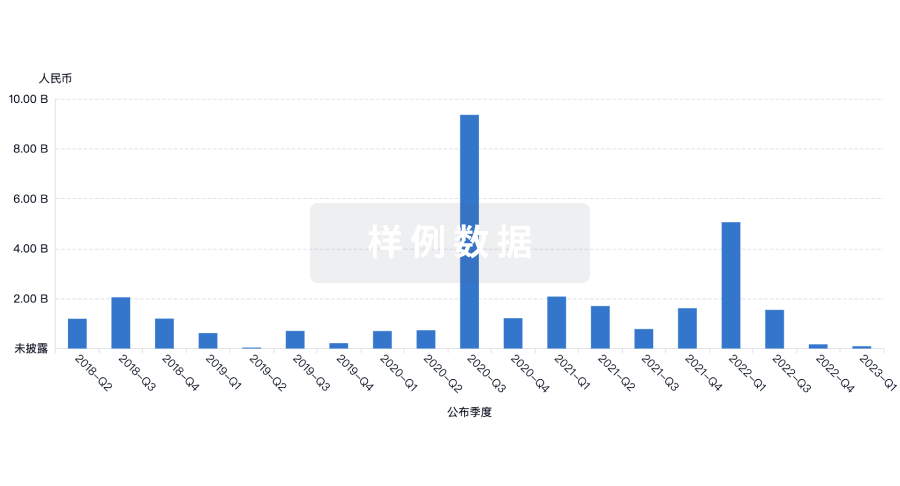
投资
深入了解从初创企业到成熟企业的最新公司投资动态。
登录
或
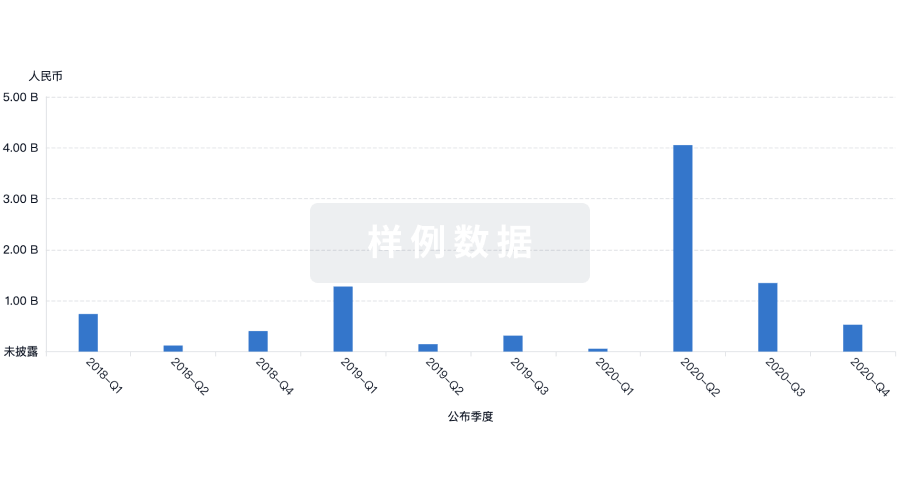
融资
发掘融资趋势以验证和推进您的投资机会。
登录
或
提出任何生物医药研究问题
让每一步生物医药决策都精准制胜
基于十亿级生物数据与全球情报的精准 AI,赋能早期药物发现
立即开始免费试用!
智慧芽新药情报库是智慧芽专为生命科学人士构建的基于AI的创新药情报平台,助您全方位提升您的研发与决策效率。
立即接入生物医药数据包
智慧芽新药库数据也通过智慧芽开放平台,以MCP或API服务形式对外开放。立即使用我们的MCP服务定制您的LLM智能体。
生物序列数据库
生物药研发创新
免费使用
化学结构数据库
小分子化药研发创新
免费使用