预约演示
更新于:2026-08-18

C. R. Bard, Inc.
更新于:2026-08-18
概览
关联
NCT07744945
A Prospective, Observational Pilot Study Evaluating the Performance and Clinical Acceptance of PureWick® When Used in the ICU for Urine Output Monitoring
NCT06934486
A Multi-Centre Prospective, Non-Comparative, Open, Post-Marketing Surveillance Study to Obtain Clinical Outcome Data on the Use of Tissue Patch in the Prevention of Air Leaks Following Lung Resection
NCT07282860
A Randomized, Controlled Crossover Study on the Safety, Efficacy, and Patient Reported Outcome Measures Comparing the PureWick™ System With an Established Comparator Overnight in the Home Setting for Incontinence in Adult Males
100 项与 C. R. Bard, Inc. 相关的临床结果
登录后查看更多信息
登录后查看更多信息
2011-09-01Journal of wound, ostomy, and continence nursing : official publication of The Wound, Ostomy and Continence Nurses Society3区 · 医学
Retention Cuff Pressure Study of 3 Indwelling Stool Management Systems
3区 · 医学
Article
作者: Joseph P. Corallo ; Jaime Ritter ; Floriano Marchetti ; Laurence R. Sands
PURPOSE:
The purpose of this study was to compare retention cuff pressures of 3 indwelling stool management systems while subjects assumed different body positions and while cuffs were inflated to different volumes.
METHODS:
Retention cuff pressure study of 3 indwelling stool management systems was a randomized, crossover, open-label pilot study of 10 healthy adult volunteers in 3 body positions (supine, right side, and left side), 3 head-of-bed elevations (20°, 30°, and 40°), and 3 cuff overfill volumes (5, 10, and 15 mL). The devices were DigniCare Stool Management System (device A; Bard Medical Division, C. R. Bard, Inc, Covington, Georgia), Flexi-Seal Fecal Management System (device B; ConvaTec, a division of E. R. Squibb & Sons, LLC, Princeton, New Jersey), and ActiFlo Indwelling Bowel Catheter System (device C; Hollister, Inc, Libertyville, Illinois). We assessed cuff pressure by manometry and rectal mucosa by digital examination and small-diameter, flexible endoscopy.
RESULTS:
Cuffs were appropriately seated in the rectal vault for all 3 devices in all body positions and overfill volumes. Rectal mucosal abnormalities were observed in 4 of 10 subjects (40%) after removal of device A, 1 of 5 (20%) after removal of device B, and 3 of 5 (60%) after removal of device C. Retention cuff pressure was at least 2-fold lower for device A than for device B or C in all body positions, head-of-bed elevations, and device overfill volumes. For example, mean pressure while subjects were on their left sides was 25.0 mm Hg for device A, 79.2 mm Hg for device B, and 67.2 mm Hg for device C. Corresponding pressures at 15 mL of overfill were 52.5, 102.0, and 94.0 mm Hg. Subject comfort scores were comparable for all 3 devices.
CONCLUSION:
All devices appeared to seat well within the rectal vault, but device A was associated with cuff pressure measurements that were consistently lower than those of devices B and C. More studies are needed to elucidate the clinical relevance of these findings and whether they translate to differences in patient safety or comfort.
2006-11-01Journal of the American College of Radiology : JACR2区 · 医学
From Medical Invention to Clinical Practice: The Reimbursement Challenge Facing New Device Procedures and Technology—Part 3: Payment
2区 · 医学
Review
作者: David H. Parr ; G. Gregory Raab
This paper, the last of 3 that discuss the reimbursement challenges facing new medical device technology in various issues of this journal, addresses the structural diversity of Medicare's various payment systems. These systems vary widely in how they establish prices, how they incorporate new technologies and procedures, and the means by which they are updated and maintained. Their importance extends beyond Medicare because other payers use these payment rates as a basis for setting rates of their own. Device manufacturers and medical practitioners must often navigate several of these payment systems concurrently to ensure that technologies and procedures (that are already coded properly and covered) receive a fair payment rate. It is important to recognize that coverage can be undermined without adequate payment and that this situation will dampen further product innovation. The 3 papers, taken together, document the challenges posed by insurer reimbursement policies and show that a close working relationship between the manufacturers that develop new medical technologies and physician practitioners is needed if reimbursement hurdles are to be managed and medical innovation is to continue.
2002-01-01Seminars in respiratory and critical care medicine3区 · 医学
Nonpharmacological Prevention of Hospital-Acquired Pneumonia
3区 · 医学
Article
作者: William M. Vaughan ; Marin H. Kollef ; Manuel G. Iregui
Hospital-acquired pneumonia (HAP) is the most common nosocomial infection occurring among mechanically ventilated patients. The benefits associated with the systematic prevention of HAP include fewer infections with high-risk antibiotic-resistant bacteria, lower rates of hospital mortality, reduced medical care costs, and shorter hospital lengths of stay. Unfortunately, many hospitals do not have an organized approach to the prevention of HAP. This review will describe the nonpharmacological approaches available for the prevention of HAP. It should help clinicians to design their own strategies for the prevention of this important hospital-acquired infection.
100 项与 C. R. Bard, Inc. 相关的药物交易
登录后查看更多信息
100 项与 C. R. Bard, Inc. 相关的转化医学
登录后查看更多信息
组织架构
使用我们的机构树数据加速您的研究。
登录
或
管线布局
2026年08月21日管线快照
管线布局中药物为当前组织机构及其子机构作为药物机构进行统计,早期临床1期并入临床1期,临床1/2期并入临床2期,临床2/3期并入临床3期
其他
1
登录后查看更多信息
药物交易
使用我们的药物交易数据加速您的研究。
登录
或
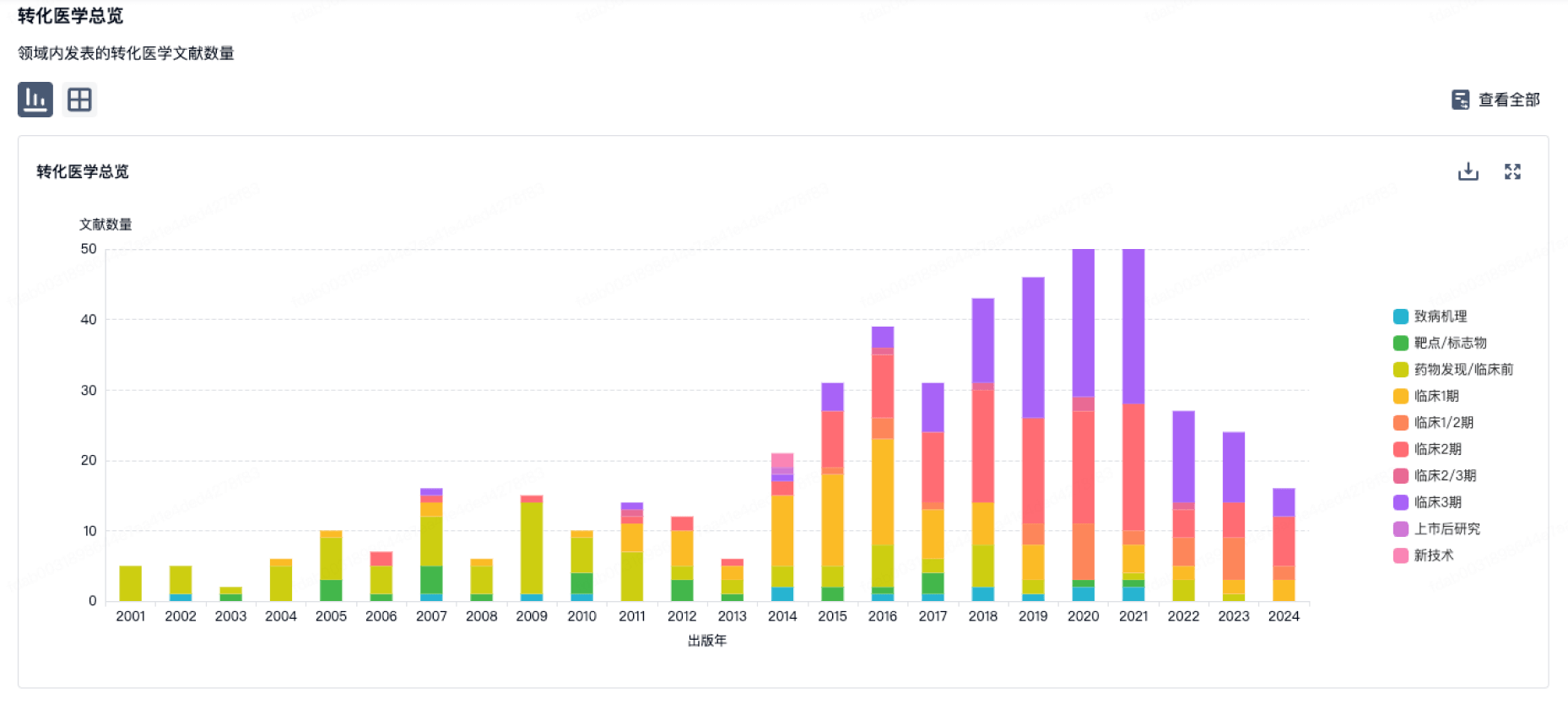
转化医学
使用我们的转化医学数据加速您的研究。
登录
或
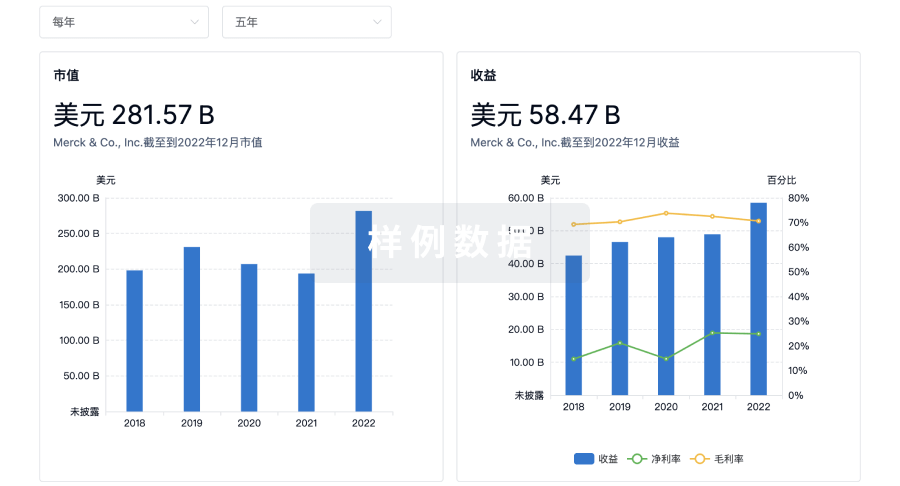
营收
使用 Synapse 探索超过 36 万个组织的财务状况。
登录
或
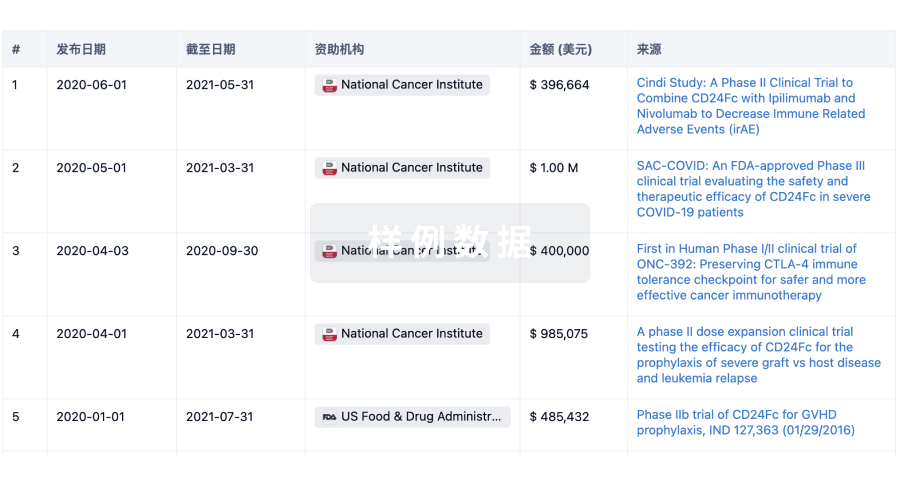
科研基金(NIH)
访问超过 200 万项资助和基金信息,以提升您的研究之旅。
登录
或
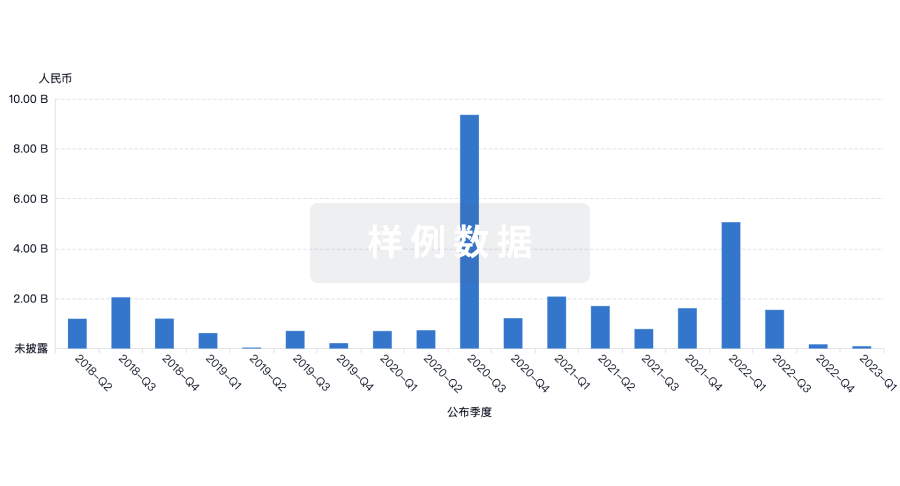
投资
深入了解从初创企业到成熟企业的最新公司投资动态。
登录
或
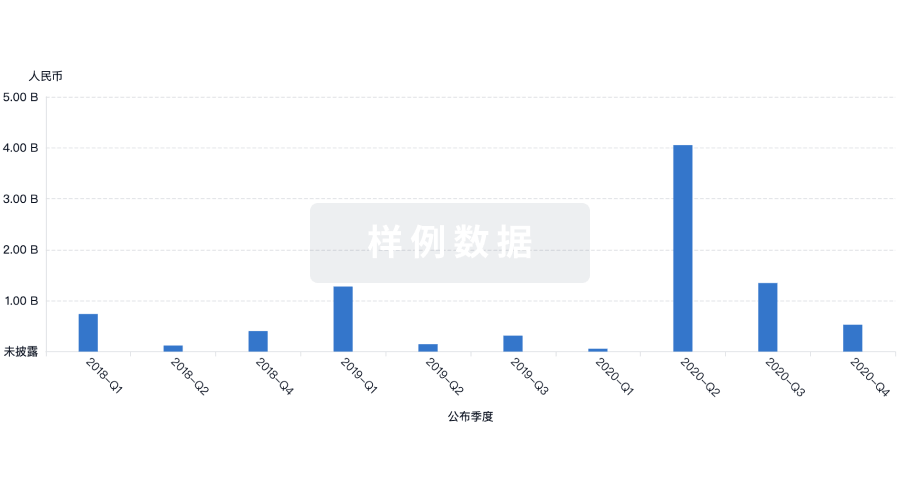
融资
发掘融资趋势以验证和推进您的投资机会。
登录
或
提出任何生物医药研究问题
让每一步生物医药决策都精准制胜
基于十亿级生物数据与全球情报的精准 AI,赋能早期药物发现
立即开始免费试用!
智慧芽新药情报库是智慧芽专为生命科学人士构建的基于AI的创新药情报平台,助您全方位提升您的研发与决策效率。
立即接入生物医药数据包
智慧芽新药库数据也通过智慧芽开放平台,以MCP或API服务形式对外开放。立即使用我们的MCP服务定制您的LLM智能体。
生物序列数据库
生物药研发创新
免费使用
化学结构数据库
小分子化药研发创新
免费使用