预约演示
更新于:2026-08-19

Oregon State University
更新于:2026-08-19
概览
标签
肿瘤
皮肤和肌肉骨骼疾病
感染
小分子化药
ASO
病毒样颗粒疫苗
疾病领域得分
一眼洞穿机构专注的疾病领域

暂无数据
技术平台
公司药物应用最多的技术
暂无数据
靶点
公司最常开发的靶点
暂无数据
| 排名前五的药物类型 | 数量 |
|---|---|
| 小分子化药 | 1 |
| ASO | 1 |
| 病毒样颗粒疫苗 | 1 |
| 预防性疫苗 | 1 |
| 排名前五的靶点 | 数量 |
|---|---|
| CD47(CD47蛋白) | 1 |
| LYZ(lysozyme) | 1 |
| Bcl-2(细胞凋亡调控因子Bcl-2) | 1 |
关联
3
项与 Oregon State University 相关的药物靶点 |
作用机制 Bcl-2调节剂 |
在研适应症 |
非在研适应症- |
最高研发阶段临床前 |
首次获批国家/地区- |
首次获批日期- |
靶点 |
作用机制 LYZ inhibitors |
在研机构 |
原研机构 |
在研适应症 |
非在研适应症- |
最高研发阶段临床前 |
首次获批国家/地区- |
首次获批日期- |

WO2025085868
专利挖掘靶点 |
作用机制- |
在研适应症 |
非在研适应症- |
最高研发阶段药物发现 |
首次获批国家/地区- |
首次获批日期- |
57
项与 Oregon State University 相关的临床试验NCT07564674
Investigating the Bioavailability of Broccoli Extract Supplements
The goal of this clinical trial is to compare how much glucoraphanin and sulforaphane from 3 different versions of broccoli extract supplements is absorbed into the body and excreted in urine. This study involves generally healthy adults age 18-60 years. The supplements contain glucoraphanin and myrosinase enzyme, both naturally occurring in cruciferous vegetables. Once ingested, glucoraphanin is converted to the bioactive compound sulforaphane, which is thought to have numerous health benefits, including cancer prevention.
Participants will:
* consume 3 different versions of broccoli extract supplements (glucoraphanin will range from 35-70 mg)
* complete 3 separate 24 hour study cycles
* submit blood and urine samples for 24 hours
* follow diet restrictions (no cruciferous vegetables or condiments or phytochemical/herbal supplements for 1 week prior to and during each study cycle)
Participants will:
* consume 3 different versions of broccoli extract supplements (glucoraphanin will range from 35-70 mg)
* complete 3 separate 24 hour study cycles
* submit blood and urine samples for 24 hours
* follow diet restrictions (no cruciferous vegetables or condiments or phytochemical/herbal supplements for 1 week prior to and during each study cycle)
开始日期2026-08-04 |
申办/合作机构 |
NCT07598773
Beta-cell Evaluation Through Data-driven Assessments (BETA): Study in Prediabetes Type 2 Diabetes
This study is testing the feasibility of using non-invasive, remote digital tools including continuous glucose monitors (CGMs) and the Oura Ring to predict the function of beta-cells, the cells in the pancreas that secrete insulin. This study is being done in individuals with prediabetes or Type 2 diabetes. The aim is to develop remote digital tools that can predict the health and functioning of the pancreas in people with prediabetes or Type 2 diabetes, allowing personalized treatment approaches to preserve insulin secretion.
开始日期2026-03-25 |
申办/合作机构 |
NCT07055854
Virtual Mindful After Cancer Intervention to Promote Sexual Health for Breast and Gynecologic Cancer Survivors
The goal of this study is to plan for a large scale evaluation of a program called Mindful After Cancer, or MAC. The MAC Program provides training in mindfulness, educational material about sexual health after cancer, and support to cancer survivors experiencing sexual and body image concerns.
The main study aims are to:
1. Develop effective plans for recruiting participants across multiple sites
2. Evaluate participation in the program and surveys
3. Develop plans to train and supervise the professionals who will deliver the program.
Researchers will compare study recruitment across three sites, aiming to identify the most efficient approach for a larger future trial.
Participants who are randomly assigned to receive the MAC program will receive access to the 8-week program delivered by a trained mindfulness coach using videoconference and online materials. They will asked to participate in an interview about their experiences at the end of the program.
Participants who are not randomly assigned to the MAC program will receive access to the program's educational materials after completing the final survey.
All study participants will be asked to complete 3 online surveys. Participants randomly assigned to the MAC Program will also be asked to complete a one-on-one interview about their experience in the program.
The main study aims are to:
1. Develop effective plans for recruiting participants across multiple sites
2. Evaluate participation in the program and surveys
3. Develop plans to train and supervise the professionals who will deliver the program.
Researchers will compare study recruitment across three sites, aiming to identify the most efficient approach for a larger future trial.
Participants who are randomly assigned to receive the MAC program will receive access to the 8-week program delivered by a trained mindfulness coach using videoconference and online materials. They will asked to participate in an interview about their experiences at the end of the program.
Participants who are not randomly assigned to the MAC program will receive access to the program's educational materials after completing the final survey.
All study participants will be asked to complete 3 online surveys. Participants randomly assigned to the MAC Program will also be asked to complete a one-on-one interview about their experience in the program.
开始日期2025-09-30 |
申办/合作机构 |
100 项与 Oregon State University 相关的临床结果
登录后查看更多信息
0 项与 Oregon State University 相关的专利(医药)
登录后查看更多信息
19,888
项与 Oregon State University 相关的文献(医药)2026-10-01·JOURNAL OF PSYCHIATRIC RESEARCH
Sleep health profiles of young adult college students: A latent profile analysis
Article
作者: Dietch, Jessica R ; Kim, Kelly N ; Huskey, Alisa ; Leete, Jacqueline J ; Emert, Sarah E ; Sy, John Richmond T ; Olson, Ethan A ; Bottrill, Kenneth ; Brombach, Ruth K ; Taylor, Daniel J ; Pauck, Kiley
BACKGROUND:
Poor sleep health is strongly associated with depression, anxiety, and stress among college students. This study used latent profile analysis (LPA) to identify sleep profiles and examine their associations with mental health.
METHODS:
College students (N = 276) from two U.S. universities completed 14 days of sleep diaries between March and December 2022. Six sleep health dimensions (regularity, satisfaction, alertness, timing, efficiency, and duration) were derived. Depression, anxiety, and stress were assessed daily. LPA was performed in R, and one-way ANOVAs tested differences in mental health across profiles.
RESULTS:
Five sleep profiles emerged: exhausted (n = 17), irregular (n = 13), inefficient (n = 27), typical (n = 162), and good sleepers (n = 57). ANOVAs revealed significant group differences for depression (F[4271] = 31.81, p < 0.001, η2 = 0.32), anxiety (F[4271] = 17.30, p < 0.001, η2 = 0.20), and stress (F[4271] = 14.83, p < 0.001, η2 = 0.18) severities. Exhausted sleepers had the highest mean levels of depression, anxiety, and stress, while good sleepers reported the lowest. There were also significant profile differences in variability of depression (F[4271] = 12.14, p < 0.001, η2 = 0.15) and anxiety (F[4271] = 11.82, p < 0.001, η2 = 0.15) but not stress (F[4271] = 2.15, p = 0.08, η2 = 0.03).
CONCLUSIONS:
Distinct sleep profiles are associated with both average and day-to-day variability in mental health among college students. Fatigue and irregularity appear particularly detrimental, highlighting the importance of screening for problematic sleep patterns and implementing targeted interventions to support student well-being.
2026-10-01·BIORESOURCE TECHNOLOGY
Corrigendum to “Influence of feedstock and operational parameters on the composition, temporal dynamics, and sensitivity of microbiomes from nineteen full-scale anaerobic municipal sludge digesters and anaerobic fat, oil, and grease co-digesters” [Bioresour. Technol. 456 (2026) 134877]
作者: Radniecki, Tyler S ; Berninghaus, Ashley E
2026-09-01·ACCIDENT ANALYSIS AND PREVENTION
Safety evaluation of chevron markers and speed reduction markings for mountainous freeway combined alignments: a driving simulator study
Article
作者: Ye, Xinchen ; Wang, Xuesong ; Lei, Jingyi ; Zhou, Ronggui ; Fu, Huidan ; Ye, Jianhong ; Hurwitz, David S
Mountainous freeways generally deploy safety countermeasures on crash-prone sections to mitigate crash risks from complex combined horizontal-vertical alignments, highlighting the importance of countermeasure evaluation in enhancing traffic safety. While international practices regarding safety improvements for crash-prone roadways have developed quantitative evaluation for implemented countermeasures, the specific design schemes of proposed countermeasures in the design stage usually rely on engineers combining engineering experience to make reasonable inferences based on design specifications, supplemented by crash features and cost-effectiveness. However, it is essential to validate the rationality of such proposed countermeasure design configurations (specifically for countermeasures involving complex driver-geometry interactions) before implementation, to provide quantitative references for engineers to refine their schemes. Driving simulation is a powerful tool for this purpose, as it complements engineering inferences with behavioral-level quantification to validate and refine design schemes. Hence, this study developed a driving simulation-based framework for pre-implementation evaluation of chevron alignment markers and longitudinal speed reduction markings on seven combined alignment types within a 35 km crash-prone section of an operational mountainous freeway in China. Using the high-fidelity Tongji University Driving Simulator, experiments involving 30 participants were conducted to collect vehicle operational data. Paired Wilcoxon signed-rank tests quantitatively evaluated effectiveness using five surrogate safety measures. Results revealed significant section-specific effectiveness: (1) Both countermeasures were most effective on curve-downgrade sections; (2) Neither significantly improved safety on curve-crest or curve-upgrade sections; (3) Both countermeasures were particularly effective for sections with RH < 2500 m, G < |2.0| %, and ΔG ≥ |2.0| %. These findings provide quantitative guidance for engineers to refine section-specific design schemes and resource allocation during the planning stage, ensuring safety countermeasures customized for the unique demands of different combined sections.
120
项与 Oregon State University 相关的新闻(医药)2026-08-13
第33周 · 2026.08.13
全球新药专利情报追踪
访问全部专利http://cisightai.com/#/dashboard
一、本周看点
1. 本周整体情况:本周共公开专利 336 件,其中小分子 110 件,占 32.7%。小分子中有 33 件为分子实体,占 30.0%;其余主要为方法/用途、组合物/制剂、晶型/盐型和制备方法专利。
2. 靶点情况:按表中热度指标,排名靠前的是GLP-1R(热度120,本周2件)、VEGF(热度34,本周1件);按本周小分子专利公开数量,较多的是PDE53件、Collagen2件、SGLT22件、MCOLN12件。此外,分子降解剂 / PROTAC 方向本周公开 9 件,靶点集中在FCGR2B、ER、MOZ、KAT6B、STAT6,其中 8 件为分子实体。例如GIPR的热度较高,但本周只有 1 件;CETP和HBS1L的热度不及GLP-1R、GIPR,本周公开数量却更集中。
3. 治疗领域:小分子专利中有 46 件涉及肿瘤学,占 41.8%;在 33 件小分子分子实体中,涉及肿瘤学的有 16 件,占 48.5%。从本周数据看,肿瘤仍是小分子分子实体申请最集中的方向。
二、数据统计
统计范围 · 本周全部公开专利 336 件,其中小分子 110 件、小分子分子实体 33 件、MNC 专利 28 件
关键数字
本周公开专利概览
336
本周公开专利
110
小分子专利
33
小分子分子实体
28
MNC 专利
技术领域分布
按全部 336 件专利统计 TOP 8
小分子
110(32.7%)
其他
73(21.7%)
蛋白质/多肽
49(14.6%)
抗体
32(9.5%)
细胞疗法
27(8.0%)
核酸药物
15(4.5%)
抗体药物偶联物
8(2.4%)
基因治疗
8(2.4%)
专利类型分布
按全部 336 件专利统计
分子实体
95(28.3%)
其他
56(16.7%)
方法/用途专利
54(16.1%)
诊断/生物标志物
42(12.5%)
药物组合物/制剂
39(11.6%)
制备方法
24(7.1%)
联合用药
18(5.4%)
晶型/盐型
8(2.4%)
热门治疗领域
按全部 336 件专利疾病领域标签计数 TOP 8
肿瘤学
129(38.4%)
免疫学与炎症
54(16.1%)
神经科学
41(12.2%)
感染性疾病
36(10.7%)
代谢与内分泌
30(8.9%)
心血管疾病
24(7.1%)
眼科学
17(5.1%)
胃肠与肝脏病学
16(4.8%)
左右滑动查看更多图表
三、热门靶点
靶点热度 TOP 10
热度取自源表“靶点热度”字段;本周件数为该靶点在 110 件小分子专利中的出现频次GLP-1R热度 120· 2 件
VEGF热度 34· 1 件
PRMT5热度 28· 2 件
PD-L1热度 28· 1 件
PCSK9热度 24· 1 件
SGLT2热度 15· 3 件
STAT6热度 15· 1 件
CYP11B2热度 12· 1 件
PDE5热度 11· 3 件
AKR1B1热度 11· 2 件
四、重点分子实体卡片
专利号WO2026167526
公开日 2026.08.13优先权 2025.02.05来源 US
GLP-1R分子实体小分子激动剂MNC
取代的三唑和咪唑化合物作为胰高血糖素样肽-1受体(GLP-1R)激动剂
申请人Pfizer
疾病肥胖;2型糖尿病;代谢综合征(代谢与内分泌)
机制取代的三唑和咪唑化合物作为胰高血糖素样肽-1受体(GLP-1R)激动剂,结合并激活该受体。这种激活增强葡萄糖依赖性胰岛素分泌并促进体重管理,从而在肥胖和2型糖尿病等代谢性疾病中发挥治疗作用。
Markush 结构
专利号WO2026169974
公开日 2026.08.13优先权 2025.02.07来源 US
STAT6分子实体小分子降解剂
STAT6降解剂及其使用方法
申请人Raythera
疾病哮喘;特应性皮炎;慢性阻塞性肺疾病(COPD)(呼吸系统疾病;皮肤病学)
机制这些化合物是结合STAT6并招募E3泛素连接酶的小分子降解剂,促进STAT6的泛素化和蛋白酶体降解。这降低STAT6蛋白水平,从而抑制IL-4/IL-13/JAK-STAT6信号通路及Th2介导的过敏和炎症反应。
专利号WO2026169705
公开日 2026.08.13优先权 2025.02.05来源 US
KRAS G12V分子实体小分子抑制剂MNC
喹唑啉化合物及其用途
申请人Genentech
疾病KRAS突变癌症;肿瘤转移(肿瘤学)
机制该喹唑啉化合物抑制KRAS G12V突变蛋白的活性,从而阻断突变KRAS介导的下游生长信号通路,并抑制癌细胞的增殖和存活。
专利号WO2026167222
公开日 2026.08.13优先权 2025.02.06来源 GB
KRAS-G13D分子实体小分子抑制剂MNC
用于治疗Ras突变癌症的化合物
申请人AstraZeneca
疾病Ras G13D突变癌症(肿瘤学)
机制所述化合物抑制表达G13D突变Ras蛋白的癌症的生长,从而抑制致癌Ras信号传导和癌细胞增殖。
专利号WO2026167717
公开日 2026.08.13优先权 2025.02.04来源 IN
PD-L1分子实体小分子抑制剂
PD-1和PD-L1抑制剂及其制备方法
申请人CSIR
疾病癌症;实体瘤(肿瘤学)
机制作为PD-1/PD-L1通路的小分子抑制剂,阻断PD-1与PD-L1之间的相互作用,恢复抗肿瘤T细胞免疫应答。
Markush 结构
专利号WO2026169078
公开日 2026.08.13优先权 2025.02.06来源 KR
PCSK9分子实体小分子抑制剂MNC
氨基吡啶衍生物、其制备方法以及含有其作为活性成分的用于预防或治疗疾病的药物组合物
申请人HK INNO.N · Roche
疾病血脂异常;PCSK9相关疾病(代谢与内分泌;心血管疾病)
机制所述氨基吡啶衍生物作为PCSK9活性的抑制剂,从而抵消PCSK9活性增加,用于治疗血脂异常和PCSK9相关疾病。
专利号WO2026166406
公开日 2026.08.13优先权 2025.02.06来源 CN
SGLT2分子实体小分子抑制剂
钠-葡萄糖协同转运蛋白2抑制剂衍生物
申请人Anxo Pharmaceutical
疾病未披露(未披露)
机制该SGLT2抑制剂衍生物结合并抑制SGLT2,从而减少肾脏葡萄糖重吸收,促进尿糖排泄以降低血糖。
Markush 结构
专利号WO2026165644
公开日 2026.08.13优先权 2025.02.07来源 CA
Collagen分子实体小分子抑制剂
胶原蛋白抑制剂及其方法
申请人大学健康网络 · UPRETY, Ajay Kumar · WILSON-KONDERKA, Cody Ervin
疾病纤维化;放射性纤维化;癌症(其他;肿瘤学)
机制式I化合物作为胶原蛋白分泌抑制剂,减少细胞外基质中的胶原蛋白沉积,从而减轻纤维化及相关组织功能障碍。
Markush 结构
专利号WO2026169751
公开日 2026.08.13优先权 2025.02.07来源 US
PI3K分子实体小分子抑制剂
作为PI3K抑制剂的含稠合三环化合物
申请人Onkure Therapeutics
疾病癌症;PIK3CA相关过度生长综合征(PROS);CLOVES综合征(肿瘤学;罕见病)
机制化合物作为PI3K抑制剂,结合并抑制PI3K酶的激酶活性。这阻止PIP2向PIP3的转化,并下调下游AKT/mTOR信号传导,从而抑制PI3K通路驱动疾病中的细胞增殖和存活。
Markush 结构
专利号WO2026169890
公开日 2026.08.13优先权 2025.02.06来源 US
SCN10A分子实体小分子抑制剂
钠通道阻断化合物、其衍生物及其使用方法
申请人Latigo Biotherapeutics
疾病疼痛;瘙痒;咳嗽(疼痛;皮肤病学;呼吸系统疾病)
机制所述化合物作为钠通道阻滞剂,抑制电压门控钠通道NaV1.8,从而减少异常神经元兴奋性,并在疼痛、瘙痒和咳嗽中产生治疗效果。
Markush 结构
专利号WO2026167143
公开日 2026.08.13优先权 2025.02.06来源 BE
CCR8分子实体小分子激动剂
1,4-二取代1,2,3-三唑类似物作为CCR8激动剂
申请人鲁汶大学
疾病癌症;炎症性疾病;自身免疫性疾病(肿瘤学;免疫学与炎症)
机制作为调节性T细胞上CCR8受体的激动剂,激活CCR8并增强Treg抑制功能,表现为CD39和FOXP3表达增加,从而在炎症和自身免疫性疾病背景下抑制免疫应答。
Markush 结构
专利号WO2026166279
公开日 2026.08.13优先权 2025.02.08来源 CN
PKMYT1分子实体小分子抑制剂
酪氨酸苏氨酸激酶PKMYT1抑制剂、其制备方法及用途
申请人福石生物
疾病子宫内膜癌;卵巢癌;非小细胞肺癌(肿瘤学)
机制该化合物作为PKMYT1抑制剂,抑制CDK1的负调节因子PKMYT1激酶,从而在CCNE1扩增细胞中选择性地引起异常的CDK1激活,并诱导早熟有丝分裂、染色体粉碎、灾难性DNA损伤和细胞死亡。
Markush 结构
专利号WO2026169952
公开日 2026.08.13优先权 2025.02.06来源 US
ERK分子实体小分子降解剂
ERK2降解剂和拮抗剂
申请人纪念斯隆凯特琳癌症中心 · 桑德斯三机构治疗发现研究所
疾病癌症;RAS通路突变型癌症;结肠癌(肿瘤学)
机制所述化合物作为ERK2降解剂和拮抗剂,与ERK2结合,促进其降解和/或抑制其激酶活性,从而抑制RAS/MAPK通路信号传导,发挥抗癌作用。
Markush 结构
专利号WO2026170119
公开日 2026.08.13优先权 2025.02.10来源 US
TRPV1分子实体小分子激动剂
刺激性化合物、其组合物及其用途
申请人俄亥俄州立大学
疾病疼痛(疼痛)
机制所公开的刺激性化合物作为TRPV1离子通道的激动剂,与其香草酸结合口袋结合并激活该通道,从而调节TRPV1介导的疼痛信号传导,并产生辛辣/化学感觉效应,支持其镇痛及相关用途。
Markush 结构
专利号WO2026167147
公开日 2026.08.13优先权 2025.02.06来源 BE
GPR84分子实体小分子激动剂
作为GPR84激动剂的杂芳基羧酸衍生物
申请人Epics Therapeutics
疾病癌症;自身免疫性疾病;感染性疾病(肿瘤学;免疫学与炎症;感染性疾病)
机制杂芳基羧酸衍生物作为GPR84(一种Gi偶联的G蛋白偶联受体)的激动剂发挥作用。通过激活GPR84/Gi信号通路,它们增强巨噬细胞(包括肿瘤相关巨噬细胞)的促炎极化和吞噬活性,从而促进抗肿瘤免疫应答。
Markush 结构
专利号WO2026167252
公开日 2026.08.13优先权 2025.02.10来源 FR
HIV-1 IN / EIF2AK4分子实体小分子抑制剂
新型抗逆转录病毒化合物及其用途
申请人波尔多大学 · CNRS
疾病逆转录病毒感染;HIV-1感染(感染性疾病)
机制化合物抑制IN与GCN2激酶之间的蛋白质-蛋白质相互作用,阻断GCN2介导的IN磷酸化及其参与逆转录病毒复制的非催化功能,从而产生抗逆转录病毒作用。
Markush 结构
专利号WO2026169782
公开日 2026.08.13优先权 2025.02.04来源 US
20S/26S Proteasome / MYC / PrP分子实体小分子其他
蛋白酶体激活剂及其用途
申请人密歇根州立大学 · 弗吉尼亚大学 · TEPE, Jetze J. · Shannon Cartwright · GHAFFARI, Bahareh · THAO LE, Linh
疾病癌症;炎症性疾病或病症;神经退行性疾病(帕金森病、阿尔茨海默病、亨廷顿病、肌萎缩侧索硬化症)(肿瘤学;免疫学与炎症;神经科学)
机制所述化合物作为蛋白酶体激活剂,增强20S蛋白酶体介导的α-突触核蛋白等固有无序蛋白的降解,从而恢复蛋白质稳态并减少毒性蛋白聚集。某些A-L-B偶联物还结合靶蛋白(如c-Myc或朊蛋白)并形成三元复合物,将其招募至蛋白酶体进行降解。
Markush 结构
专利号WO2026167176
公开日 2026.08.13优先权 2025.02.06来源 IT
mPTP分子实体小分子抑制剂
螺环靛红衍生物作为mPTP线粒体通透性转换孔抑制剂在治疗心肌再灌注损伤中的应用
申请人Maria Cecilia Hospital
疾病心肌再灌注损伤;心脏疾病;神经和肾脏再灌注疾病(心血管疾病;神经科学;肾脏病学)
机制螺环靛红衍生物作为mPTP开放的选择性抑制剂,从而阻止线粒体通透性转换和细胞死亡,保护哺乳动物细胞,尤其是心肌细胞,免受缺血/再灌注损伤。
Markush 结构
专利号WO2026167268
公开日 2026.08.13优先权 2025.02.10来源 ES
Caspase-1分子实体小分子抑制剂
Caspase-1抑制剂化合物
申请人Kintsugi Therapeutics
疾病自身炎症性疾病;炎症性肠病;特发性肺纤维化(免疫学与炎症;胃肠与肝脏病学;呼吸系统疾病)
机制这些化合物作为肽衍生抑制剂,通过反应性弹头与Caspase-1相互作用,抑制其蛋白酶活性,从而阻断IL-1β和IL-18的成熟,发挥抗炎和免疫调节作用。
Markush 结构
五、全部专利明细表
小分子110 件
专利信息
靶点 / 治疗领域
Markush 结构
WO2026167526
公开日 2026.08.13优先权 2025.02.05
小分子分子实体
取代的三唑和咪唑化合物作为胰高血糖素样肽-1受体(GLP-1R)激动剂
申请人Pfizer
靶点
GLP-1R
治疗领域
代谢与内分泌
WO2026167717
公开日 2026.08.13优先权 2025.02.04
小分子分子实体
PD-1和PD-L1抑制剂及其制备方法
申请人CSIR
靶点
PD-L1
治疗领域
肿瘤学
WO2026166406
公开日 2026.08.13优先权 2025.02.06
小分子分子实体
钠-葡萄糖协同转运蛋白2抑制剂衍生物
申请人Anxo Pharmaceutical
靶点
SGLT2
治疗领域
未披露
WO2026165644
公开日 2026.08.13优先权 2025.02.07
小分子分子实体
胶原蛋白抑制剂及其方法
申请人大学健康网络;UPRETY, Ajay Kumar;WILSON-KONDERKA, Cody Ervin
靶点
Collagen
治疗领域
其他肿瘤学
WO2026169751
公开日 2026.08.13优先权 2025.02.07
小分子分子实体
作为PI3K抑制剂的含稠合三环化合物
申请人Onkure Therapeutics
靶点
PI3K
治疗领域
肿瘤学罕见病
WO2026169890
公开日 2026.08.13优先权 2025.02.06
小分子分子实体
钠通道阻断化合物、其衍生物及其使用方法
申请人Latigo Biotherapeutics
靶点
SCN10A
治疗领域
疼痛皮肤病学呼吸系统疾病
WO2026167143
公开日 2026.08.13优先权 2025.02.06
小分子分子实体
1,4-二取代1,2,3-三唑类似物作为CCR8激动剂
申请人鲁汶大学
靶点
CCR8
治疗领域
肿瘤学免疫学与炎症
WO2026166279
公开日 2026.08.13优先权 2025.02.08
小分子分子实体
酪氨酸苏氨酸激酶PKMYT1抑制剂、其制备方法及用途
申请人福石生物
靶点
PKMYT1
治疗领域
肿瘤学
WO2026169952
公开日 2026.08.13优先权 2025.02.06
小分子分子实体
ERK2降解剂和拮抗剂
申请人纪念斯隆凯特琳癌症中心;桑德斯三机构治疗发现研究所
靶点
ERK
治疗领域
肿瘤学
WO2026170119
公开日 2026.08.13优先权 2025.02.10
小分子分子实体
刺激性化合物、其组合物及其用途
申请人俄亥俄州立大学
靶点
TRPV1
治疗领域
疼痛
WO2026167147
公开日 2026.08.13优先权 2025.02.06
小分子分子实体
作为GPR84激动剂的杂芳基羧酸衍生物
申请人Epics Therapeutics
靶点
GPR84
治疗领域
肿瘤学免疫学与炎症感染性疾病
WO2026167252
公开日 2026.08.13优先权 2025.02.10
小分子分子实体
新型抗逆转录病毒化合物及其用途
申请人波尔多大学;CNRS
靶点
HIV-1 INEIF2AK4
治疗领域
感染性疾病
WO2026169782
公开日 2026.08.13优先权 2025.02.04
小分子分子实体
蛋白酶体激活剂及其用途
申请人密歇根州立大学;弗吉尼亚大学;TEPE, Jetze J.;Shannon Cartwright;GHAFFARI, Bahareh;THAO…
靶点
20S/26S ProteasomeMYCPrP
治疗领域
肿瘤学免疫学与炎症神经科学
WO2026167176
公开日 2026.08.13优先权 2025.02.06
小分子分子实体
螺环靛红衍生物作为mPTP线粒体通透性转换孔抑制剂在治疗心肌再灌注损伤中的应用
申请人Maria Cecilia Hospital
靶点
mPTP
治疗领域
心血管疾病神经科学肾脏病学
WO2026167268
公开日 2026.08.13优先权 2025.02.10
小分子分子实体
Caspase-1抑制剂化合物
申请人Kintsugi Therapeutics
靶点
Caspase-1
治疗领域
免疫学与炎症胃肠与肝脏病学呼吸系统疾病
WO2026167697
公开日 2026.08.13优先权 2025.02.10
小分子分子实体
基于苯氧基二氧杂环丁烷的化学发光探针及其用途
申请人特拉维夫大学
靶点
GLB1α-Mannosidase
治疗领域
非治疗用途
WO2026170025
公开日 2026.08.13优先权 2025.02.07
小分子分子实体
HMGCS1抑制剂用于癌症治疗
申请人纪念斯隆凯特琳癌症中心;桑德斯三机构治疗发现研究所;AN, Heeseon;SUN, Liang
靶点
HMGCS
治疗领域
肿瘤学
WO2026165656
公开日 2026.08.13优先权 2025.02.05
小分子分子实体
脯氨酰寡肽酶抑制剂
申请人麦吉尔大学
靶点
未披露
治疗领域
神经科学
WO2026169840
公开日 2026.08.13优先权 2025.02.06
小分子分子实体
螯合剂及相关方法
申请人Tailor Therapeutics
靶点
未披露
治疗领域
其他
WO2026166537
公开日 2026.08.13优先权 2025.02.10
小分子联合用药
治疗糖尿病肾病的方法
申请人Alebund Pharmaceuticals
靶点
GLP-1RSGLT2
治疗领域
代谢与内分泌肾脏病学—
WO2026169106
公开日 2026.08.13优先权 2025.02.10
小分子方法/用途专利
包含氯硝柳胺或其药学上可接受的盐的用于预防病理性细胞外基质(ECM)形成或减轻或改善已形成的病理性细胞外基质的组合物及其施用方法
申请人CN制药;Webiotree
靶点
VEGF
治疗领域
肿瘤学神经科学免疫学与炎症—
WO2026166515
公开日 2026.08.13优先权 2025.02.08
小分子晶型/盐型
1-氧代-1,2-二氢酞嗪化合物的晶型及其制备方法和用途
申请人恒瑞医药;盛迪医药
靶点
PRMT5
治疗领域
肿瘤学代谢与内分泌—
WO2026166516
公开日 2026.08.13优先权 2025.02.08
小分子晶型/盐型
1-氧代-1,2-二氢酞嗪化合物的药学上可接受的盐或共晶、其晶型及制备方法
申请人恒瑞医药
靶点
PRMT5
治疗领域
肿瘤学代谢与内分泌血液病学—
WO2026169078
公开日 2026.08.13优先权 2025.02.06
小分子分子实体
氨基吡啶衍生物、其制备方法以及含有其作为活性成分的用于预防或治疗疾病的药物组合物
申请人HK INNO.N;Roche
靶点
PCSK9
治疗领域
代谢与内分泌心血管疾病—
WO2026169974
公开日 2026.08.13优先权 2025.02.07
小分子分子实体
STAT6降解剂及其使用方法
申请人Raythera
靶点
STAT6
治疗领域
呼吸系统疾病皮肤病学—
WO2026170034
公开日 2026.08.13优先权 2025.02.07
小分子方法/用途专利
增加犬类寿命的方法
申请人Loyal Animal Health
靶点
SGLT2
治疗领域
代谢与内分泌—
WO2026167144
公开日 2026.08.13优先权 2025.02.10
小分子方法/用途专利
治疗心力衰竭的醛固酮合酶抑制剂
申请人Boehringer Ingelheim
靶点
CYP11B2
治疗领域
心血管疾病—
WO2026168820
公开日 2026.08.13优先权 2025.02.07
小分子联合用药
用于预防或治疗血管性痴呆的联合给药药物组合物,包含ROCK抑制剂和PDE5抑制剂作为活性成分
申请人韩国天主教大学
靶点
PDE5
治疗领域
神经科学—
WO2026168958
公开日 2026.08.13优先权 2025.02.04
小分子方法/用途专利
包含PDE5抑制剂作为活性成分的基于控制锌毒性和氧化应激的治疗创伤性脑损伤的药物组合物
申请人阿里生物
靶点
PDE5
治疗领域
神经科学—
WO2026168970
公开日 2026.08.13优先权 2025.02.04
小分子方法/用途专利
包含磷酸二酯酶5抑制剂的用于延长健康寿命和预防或治疗衰老相关疾病的药物组合物
申请人阿里生物
靶点
PDE5
治疗领域
神经科学代谢与内分泌—
WO2026169607
公开日 2026.08.13优先权 2025.02.04
小分子联合用药
治疗前列腺癌
申请人Oric Pharmaceuticals;Bayer
靶点
AKR1B1PRC2
治疗领域
肿瘤学—
WO2026170051
公开日 2026.08.13优先权 2025.02.07
小分子联合用药
减小肿瘤尺寸的方法
申请人Havah Therapeutics
靶点
AKR1B1CYP19A1
治疗领域
肿瘤学—
WO2026167197
公开日 2026.08.13优先权 2025.02.07
小分子药物组合物/制剂
固体剂型
申请人Merck
靶点
TLR7TLR8
治疗领域
免疫学与炎症—
WO2026167419
公开日 2026.08.13优先权 2025.02.04
小分子分子实体
用于赖氨酸乙酰转移酶6(KAT6)抑制的化合物及其治疗应用
申请人Protai Bio
靶点
MOZKAT6B
治疗领域
肿瘤学遗传病神经科学—
WO2026166226
公开日 2026.08.13优先权 2025.02.10
小分子联合用药
治疗老视的复方药物组合物、其制备方法、其用途及其制剂
申请人立生医药
靶点
Muscarinic Receptors
治疗领域
眼科学—
WO2026166507
公开日 2026.08.13优先权 2025.02.06
小分子联合用药
KRAS G12D抑制剂与化疗联合在制备治疗实体瘤的药物中的用途
申请人恒瑞医药;盛迪医药
靶点
KRAS-G12D
治疗领域
肿瘤学—
WO2026167660
公开日 2026.08.13优先权 2025.02.10
小分子药物组合物/制剂
着色悬浮液及其在玻璃体视网膜手术中的应用
申请人Iromed Group
靶点
Collagen
治疗领域
眼科学—
WO2026169714
公开日 2026.08.13优先权 2025.02.05
小分子制备方法
制备高纯度晶型的方法
申请人Principia Biopharma
靶点
BTK
治疗领域
肿瘤学免疫学与炎症—
WO2026170021
公开日 2026.08.13优先权 2025.02.06
小分子方法/用途专利
用于治疗癌症中支链酮酸(BCKA)积累的方法和组合物
申请人莫菲特癌症中心;FORSYTH, Peter;SMALLEY, Keiran;Mariam Khaled
靶点
HDAC
治疗领域
肿瘤学—
WO2026170075
公开日 2026.08.13优先权 2025.02.07
小分子方法/用途专利
使用VEGFR抑制剂的昼夜节律给药治疗VEGFR介导的疾病
申请人Arcascope
靶点
VEGFR
治疗领域
肿瘤学心血管疾病神经科学—
WO2026166017
公开日 2026.08.13优先权 2025.02.05
小分子方法/用途专利
特异性降低胆固醇水平而不干扰甘油三酯代谢的分子靶点及其应用
申请人企业订阅用户
靶点
ANGPTL3
治疗领域
心血管疾病—
WO2026169809
公开日 2026.08.13优先权 2025.02.10
小分子方法/用途专利
载有地塞米松磷酸钠的纳米颗粒用于预防和治疗起疱剂诱导的眼部损伤
申请人弗吉尼亚联邦大学
靶点
GSR
治疗领域
眼科学—
WO2026166538
公开日 2026.08.13优先权 2025.02.10
小分子药物组合物/制剂
AST-3424的冻干制剂溶液、冻干制剂、方法及用途
申请人艾欣达伟
靶点
AKR1C3
治疗领域
肿瘤学—
WO2026168268
公开日 2026.08.13优先权 2025.02.04
小分子药物组合物/制剂
药物组合物
申请人神户大学
靶点
COX2
治疗领域
疼痛—
WO2026169942
公开日 2026.08.13优先权 2025.02.07
小分子分子实体
作为c-kit激酶抑制剂的药物化合物和组合物
申请人Enanta Pharmaceuticals
靶点
CD115PDGFRAPDGFRB
治疗领域
免疫学与炎症肿瘤学其他—
WO2026169551
公开日 2026.08.13优先权 2025.02.07
小分子方法/用途专利
用brepocitinib治疗结节病的方法
申请人Priovant Therapeutics
靶点
JAK
治疗领域
免疫学与炎症皮肤病学呼吸系统疾病—
WO2026169705
公开日 2026.08.13优先权 2025.02.05
小分子分子实体
喹唑啉化合物及其用途
申请人Genentech
靶点
KRAS G12V
治疗领域
肿瘤学—
WO2026169832
公开日 2026.08.13优先权 2025.02.06
小分子方法/用途专利
改善肌痛性脑脊髓炎/慢性疲劳综合征患者日常疲劳的方法
申请人Axsome Therapeutics
靶点
SLC6A2SLC6A3
治疗领域
神经科学—
WO2026165684
公开日 2026.08.13优先权 未知
小分子分子实体
作为TEAD抑制剂的螺环化合物
申请人再鼎医药
靶点
TEAD
治疗领域
肿瘤学—
WO2026169278
公开日 2026.08.13优先权 2024.06.11
小分子诊断/生物标志物
确定肌萎缩侧索硬化中药物应答和疾病进展的方法
申请人亚利桑那大学
靶点
MasR
治疗领域
神经科学—
WO2026170177
公开日 2026.08.13优先权 2025.02.10
小分子方法/用途专利
预防儿科患者遗传性血管性水肿发作的方法
申请人Biocryst Pharmaceuticals
靶点
KLKB1
治疗领域
罕见病—
WO2026165966
公开日 2026.08.13优先权 2025.02.07
小分子制备方法
依曲莫德的制备方法
申请人华先医药
靶点
S1PR
治疗领域
胃肠与肝脏病学—
WO2026166502
公开日 2026.08.13优先权 2025.02.08
小分子晶型/盐型
Vorasidenib共晶及其制备方法和用途
申请人齐鲁制药
靶点
IDH1IDH2
治疗领域
肿瘤学—
WO2026166542
公开日 2026.08.13优先权 2025.02.07
小分子分子实体
5-HT7受体抑制剂及其制备方法和应用
申请人上海交通大学
靶点
HTR7
治疗领域
神经科学—
WO2026167022
公开日 2026.08.13优先权 2025.02.07
小分子晶型/盐型
新共晶
申请人AOP Orphan IP
靶点
SIRT1SIRT
治疗领域
肿瘤学代谢与内分泌神经科学—
WO2026167222
公开日 2026.08.13优先权 2025.02.06
小分子分子实体
用于治疗Ras突变癌症的化合物
申请人AstraZeneca
靶点
KRAS-G13D
治疗领域
肿瘤学—
WO2026167223
公开日 2026.08.13优先权 2025.02.07
小分子方法/用途专利
MRX-2843或其药学上可接受的盐在治疗表达活化MERTK受体的肿瘤中的用途
申请人普利茅斯大学
靶点
MERTK
治疗领域
肿瘤学—
WO2026168804
公开日 2026.08.13优先权 2025.02.05
小分子分子实体
具有Rho激酶抑制能力的含萘酚结构的新型放线菌来源化合物及其应用
申请人科学技术院;庆熙大学
靶点
ROCK1ROCK2
治疗领域
眼科学—
WO2026167247
公开日 2026.08.13优先权 2025.02.07
小分子方法/用途专利
致癌通路的激活剂用于减少携带癌症突变的非癌细胞以预防癌症发展
申请人Lixte Biotechnology;癌症研究所
靶点
PP2A
治疗领域
肿瘤学—
WO2026167529
公开日 2026.08.13优先权 2025.02.04
小分子药物组合物/制剂
包含喹唑啉-2,4-二酮衍生物的组合物
申请人新丰制药
靶点
TAFIa
治疗领域
心血管疾病其他—
WO2026167739
公开日 2026.08.13优先权 未知
小分子药物组合物/制剂
一种用于多柔比星的胃滞留药物制剂、其制备方法及其在治疗恶性肿瘤中的用途
申请人安曼阿拉伯大学
靶点
TOP2A
治疗领域
肿瘤学—
WO2026167960
公开日 2026.08.13优先权 2025.02.06
小分子方法/用途专利
SGLT1选择性抑制剂及其药物应用
申请人伊佐治正幸
靶点
SGLT1
治疗领域
呼吸系统疾病—
WO2026168087
公开日 2026.08.13优先权 2025.02.04
小分子方法/用途专利
用于治疗与成纤维细胞生长因子受体3功能增强相关的疾病的药物组合物
申请人大阪大学
靶点
CREBPAPPA2
治疗领域
罕见病肿瘤学—
WO2026169790
公开日 2026.08.13优先权 2025.02.05
小分子方法/用途专利
APOL1抑制剂剂量及其使用方法
申请人Maze Therapeutics
靶点
APOL1
治疗领域
肾脏病学—
WO2026169791
公开日 2026.08.13优先权 2025.02.04
小分子分子实体
治疗心脏代谢疾病的方法
申请人Kayothera
靶点
ALDH1A3
治疗领域
代谢与内分泌心血管疾病胃肠与肝脏病学—
WO2026169851
公开日 2026.08.13优先权 2025.02.06
小分子方法/用途专利
抑制软骨细胞中的GATA4
申请人匹兹堡大学
靶点
GATA4
治疗领域
肌肉骨骼疾病—
WO2026169956
公开日 2026.08.13优先权 2025.02.06
小分子分子实体
TRPML1激动剂及其用途
申请人Libra Therapeutics
靶点
MCOLN1
治疗领域
罕见病神经科学—
WO2026169960
公开日 2026.08.13优先权 2025.02.06
小分子分子实体
TRPML1激动剂及其用途
申请人Libra Therapeutics
靶点
MCOLN1
治疗领域
罕见病神经科学代谢与内分泌—
WO2026170006
公开日 2026.08.13优先权 2025.02.06
小分子方法/用途专利
治疗气道损伤的组合物和方法
申请人加州大学
靶点
MEK1/2
治疗领域
呼吸系统疾病肿瘤学免疫学与炎症—
WO2026167267
公开日 2026.08.13优先权 2025.02.10
小分子药物组合物/制剂
可注射羟钴胺制剂
申请人Meta
靶点
MTR
治疗领域
代谢与内分泌罕见病—
WO2026167663
公开日 2026.08.13优先权 2025.02.10
小分子晶型/盐型
emrusolmin的固态形式及其制备方法
申请人梯瓦
靶点
αS
治疗领域
神经科学—
WO2026168385
公开日 2026.08.13优先权 2025.02.04
小分子药物组合物/制剂
透皮贴剂
申请人Artience;东洋化学;东亚荣养
靶点
CACNA2D1
治疗领域
疼痛—
WO2026169772
公开日 2026.08.13优先权 2025.02.05
小分子方法/用途专利
治疗间皮瘤的方法
申请人Portage Biotech
靶点
ADORA2B
治疗领域
肿瘤学—
WO2026169878
公开日 2026.08.13优先权 2025.02.05
小分子药物组合物/制剂
用于眼科治疗的局部固定剂量复方制剂
申请人Qlaris Bio;梅奥医学
靶点
Kir6.2/SUR1PTGFR
治疗领域
眼科学—
WO2026166010
公开日 2026.08.13优先权 2025.02.07
小分子制备方法
噻吩并嘧啶衍生物的合成方法及其用途
申请人尖峰亦恩
靶点
未披露
治疗领域
肿瘤学—
WO2026166011
公开日 2026.08.13优先权 2025.02.07
小分子药物组合物/制剂
含噻吩并嘧啶衍生物甲磺酸盐的胶囊制剂、其制备方法及其用途
申请人尖峰亦恩
靶点
未披露
治疗领域
肿瘤学—
WO2026166012
公开日 2026.08.13优先权 2025.02.07
小分子药物组合物/制剂
含有噻吩并嘧啶衍生物的胶囊制剂、其制备方法及其用途
申请人尖峰亦恩
靶点
未披露
治疗领域
肿瘤学—
WO2026166025
公开日 2026.08.13优先权 2025.02.06
小分子药物组合物/制剂
用于治疗特应性皮炎的外用制剂、其制备方法及其用途
申请人上海市皮肤病医院
靶点
未披露
治疗领域
皮肤病学—
WO2026166033
公开日 2026.08.13优先权 2025.02.05
小分子制备方法
用于改善衰老引起的勃起功能障碍的人参、肉苁蓉和黄精组合物及其制备方法
申请人江南大学
靶点
未披露
治疗领域
生殖健康—
WO2026166141
公开日 2026.08.13优先权 2025.02.04
小分子其他
新型缀合化合物、其制备方法及其用途
申请人华创合成制药
靶点
未披露
治疗领域
感染性疾病—
WO2026166410
公开日 2026.08.13优先权 2025.02.07
小分子药物组合物/制剂
含有噻吩并嘧啶衍生物甲磺酸盐的片剂、其制备方法及其用途
申请人尖峰亦恩
靶点
未披露
治疗领域
肿瘤学—
WO2026166411
公开日 2026.08.13优先权 2025.02.07
小分子晶型/盐型
噻吩并嘧啶衍生物的晶型及其制备方法和应用
申请人尖峰亦恩
靶点
未披露
治疗领域
肿瘤学—
WO2026166413
公开日 2026.08.13优先权 2025.02.07
小分子晶型/盐型
噻吩并嘧啶衍生物甲磺酸盐的多晶型、其制备方法及其应用
申请人尖峰亦恩
靶点
未披露
治疗领域
肿瘤学—
WO2026166487
公开日 2026.08.13优先权 2025.02.10
小分子药物组合物/制剂
Tecovirimat组合物、其制备方法及其用途
申请人生物制品研究所;中国生物
靶点
未披露
治疗领域
感染性疾病—
WO2026166489
公开日 2026.08.13优先权 2025.02.06
小分子其他
水飞蓟宾衍生物及其用途
申请人新时代药业
靶点
未披露
治疗领域
心血管疾病—
WO2026166506
公开日 2026.08.13优先权 2025.02.08
小分子其他
一类吡喃糖衍生物、其制备方法及其用途
申请人旺山旺水;中科院
靶点
未披露
治疗领域
神经科学免疫学与炎症—
WO2026166561
公开日 2026.08.13优先权 2025.02.05
小分子其他
可电离阳离子脂质及其用途
申请人纬博生物
靶点
未披露
治疗领域
其他—
WO2026166986
公开日 2026.08.13优先权 2025.02.05
小分子分子实体
阳离子或可电离脂质及其用途
申请人BioNTech
靶点
未披露
治疗领域
感染性疾病肿瘤学遗传病—
WO2026167114
公开日 2026.08.13优先权 2025.02.05
小分子药物组合物/制剂
用于核酸递送的新型支链可电离磷脂
申请人CNRS;布雷斯特大学;俄勒冈州立大学
靶点
未披露
治疗领域
遗传病肿瘤学感染性疾病—
WO2026167159
公开日 2026.08.13优先权 2025.02.07
小分子药物组合物/制剂
用于体内定量细胞外酸化的PET/MRI造影剂
申请人图宾根大学
靶点
未披露
治疗领域
肿瘤学心血管疾病免疫学与炎症—
WO2026167221
公开日 2026.08.13优先权 2025.02.07
小分子药物组合物/制剂
压缩药物剂型
申请人赫力昂
靶点
未披露
治疗领域
未披露—
WO2026167236
公开日 2026.08.13优先权 2025.02.07
小分子其他
超分子自缔合化合物及其用途
申请人肯特大学
靶点
未披露
治疗领域
肿瘤学感染性疾病其他—
WO2026167287
公开日 2026.08.13优先权 2025.02.04
小分子方法/用途专利
异丁司特作为早期帕金森病患者的神经保护剂
申请人塞维利亚大学;安达卢西亚卫生服务
靶点
未披露
治疗领域
神经科学—
WO2026167392
公开日 2026.08.13优先权 未知
小分子分子实体
阳离子或可电离脂质及其用途
申请人BioNTech
靶点
未披露
治疗领域
感染性疾病肿瘤学遗传病—
WO2026167528
公开日 2026.08.13优先权 2025.02.04
小分子联合用药
包含喹唑啉-2,4-二酮衍生物的组合物
申请人新丰制药
靶点
未披露
治疗领域
心血管疾病—
WO2026167530
公开日 2026.08.13优先权 2025.02.04
小分子联合用药
用于预防或治疗缺血性卒中的组合物
申请人新丰制药
靶点
未披露
治疗领域
心血管疾病神经科学—
WO2026167578
公开日 2026.08.13优先权 2025.02.06
小分子药物组合物/制剂
含有至少3种有机镁盐的组合物,用于治疗诸如肌肉痉挛等镁缺乏病症
申请人Pediatrica
靶点
未披露
治疗领域
代谢与内分泌肌肉骨骼疾病神经科学—
WO2026168499
公开日 2026.08.13优先权 2025.02.05
小分子方法/用途专利
含有藏花酸的组合物
申请人庆应义塾大学;乐敦制药
靶点
未披露
治疗领域
眼科学—
WO2026168768
公开日 2026.08.13优先权 2025.02.04
小分子制备方法
生产包含巴瑞替尼的长效微球的方法以及由该方法生产的长效微球
申请人三益制药
靶点
未披露
治疗领域
未披露—
WO2026168919
公开日 2026.08.13优先权 2025.02.04
小分子晶型/盐型
喹唑啉-2,4-二酮化合物的新晶型及其制备方法
申请人新丰制药
靶点
未披露
治疗领域
神经科学—
WO2026169210
公开日 2026.08.13优先权 2025.02.07
小分子制备方法
羟基脂肪酸的脂肪酸酯、其合成方法和用途
申请人南洋理工大学
靶点
未披露
治疗领域
代谢与内分泌胃肠与肝脏病学—
WO2026169230
公开日 2026.08.13优先权 2025.02.07
小分子其他
具有高抗氧化性能的合成化合物
申请人安卡拉大学;约兹加特博佐克大学
靶点
未披露
治疗领域
肿瘤学心血管疾病代谢与内分泌—
WO2026169231
公开日 2026.08.13优先权 2025.02.07
小分子其他
具有高抗氧化性能的合成化合物
申请人安卡拉大学;约兹加特博佐克大学
靶点
未披露
治疗领域
肿瘤学代谢与内分泌心血管疾病—
WO2026169569
公开日 2026.08.13优先权 2025.02.04
小分子方法/用途专利
用碳酸酐酶抑制剂治疗视网膜疾病的方法
申请人Raresight
靶点
未披露
治疗领域
眼科学—
WO2026169634
公开日 2026.08.13优先权 2025.02.04
小分子制备方法
染料木素的合成方法
申请人Humanetics
靶点
未披露
治疗领域
免疫学与炎症肿瘤学代谢与内分泌—
WO2026169722
公开日 2026.08.13优先权 2025.02.05
小分子其他
吲哚-3-丙酸的前药及其用途
申请人克利夫兰诊所
靶点
未披露
治疗领域
心血管疾病代谢与内分泌胃肠与肝脏病学—
WO2026169937
公开日 2026.08.13优先权 2025.02.10
小分子药物组合物/制剂
用于细胞和血液制品冷藏的方法和组合物
申请人美国政府
靶点
未披露
治疗领域
血液病学—
WO2026170002
公开日 2026.08.13优先权 2025.02.07
小分子方法/用途专利
超声触发的麻醉组合物及其使用方法
申请人德克萨斯大学
靶点
未披露
治疗领域
疼痛神经科学免疫学与炎症—
WO2026170194
公开日 2026.08.13优先权 2025.02.10
小分子方法/用途专利
治疗青光眼的方法
申请人Perfuse Therapeutics
靶点
未披露
治疗领域
眼科学—
WO2026170225
公开日 2026.08.13优先权 2025.02.10
小分子方法/用途专利
治疗糖尿病性视网膜病变的方法
申请人Perfuse Therapeutics
靶点
未披露
治疗领域
眼科学—
蛋白质/多肽49 件
专利信息
靶点 / 治疗领域
Markush 结构
WO2026167050
公开日 2026.08.13优先权 2025.02.07
蛋白质/多肽制备方法
通过偶联肽片段制备GLP-1R/GIPR激动剂的方法
申请人Roche
靶点
GLP-1RGIPR
治疗领域
代谢与内分泌—
WO2026169966
公开日 2026.08.13优先权 2025.02.07
蛋白质/多肽方法/用途专利
治疗和预防神经性厌食症的方法
申请人耶鲁大学
靶点
GLP-1R
治疗领域
神经科学—
WO2026169759
公开日 2026.08.13优先权 2025.02.04
蛋白质/多肽分子实体
包含抗CD19 VHH作为靶向域的嵌合抗原受体(CAR)
申请人Sanofi
靶点
CD19
治疗领域
肿瘤学免疫学与炎症—
WO2026169775
公开日 2026.08.13优先权 2025.02.05
蛋白质/多肽分子实体
靶向CD19的全人源嵌合抗原受体及其用途
申请人斯坦福大学
靶点
CD19
治疗领域
肿瘤学血液病学—
WO2026169706
公开日 2026.08.13优先权 2025.02.04
蛋白质/多肽分子实体
脑靶向纳米缀合物及其用途
申请人斯坦福大学
靶点
CTLA-4
治疗领域
肿瘤学—
WO2026167127
公开日 2026.08.13优先权 2025.02.05
蛋白质/多肽药物组合物/制剂
用于治疗过敏症和作为免疫佐剂的玉米醇溶蛋白纳米颗粒
申请人Innoup Farma
靶点
TLR2TLR4
治疗领域
免疫学与炎症—
WO2026169008
公开日 2026.08.13优先权 2025.02.05
蛋白质/多肽分子实体
人工血小板及其用途
申请人高丽大学
靶点
CollagenFibrinogen
治疗领域
血液病学—
WO2026169032
公开日 2026.08.13优先权 2025.02.06
蛋白质/多肽分子实体
产自霍氏格里蒙菌的在植物中有活性的重组胶原酶的生产
申请人浦项科技大学;拜奥因
靶点
Collagen
治疗领域
非治疗用途—
WO2026169730
公开日 2026.08.13优先权 2025.02.04
蛋白质/多肽分子实体
与CD5结合的多肽及其用途
申请人Vittoria Biotherapeutics;Mattson, Ashley;PATEL, Ruchi;SICILIANO, Nichol…
靶点
CD5
治疗领域
肿瘤学免疫学与炎症感染性疾病—
WO2026166242
公开日 2026.08.13优先权 2025.02.06
蛋白质/多肽分子实体
靶向Nectin-4的肽-药物偶联物
申请人矩阵化工
靶点
NECTIN4
治疗领域
肿瘤学—
WO2026167214
公开日 2026.08.13优先权 2025.02.06
蛋白质/多肽分子实体
靶向髓系细胞的细胞因子
申请人Orikine Bio
靶点
CD115
治疗领域
肿瘤学免疫学与炎症—
WO2026167215
公开日 2026.08.13优先权 2025.02.06
蛋白质/多肽分子实体
双IL-34-IL-10细胞因子
申请人Orikine Bio
靶点
IL-10RIL-34R
治疗领域
免疫学与炎症神经科学—
WO2026167218
公开日 2026.08.13优先权 2025.02.06
蛋白质/多肽分子实体
包含免疫球蛋白Fc片段的双特异性CSF1-IL-10细胞因子
申请人Orikine Bio
靶点
IL-10RCD115
治疗领域
免疫学与炎症胃肠与肝脏病学—
WO2026169799
公开日 2026.08.13优先权 2025.02.05
蛋白质/多肽方法/用途专利
诱导训练免疫的方法
申请人国家卫生研究院;YUH, Chiou-Hwa;CHEN, Hsin-Wei;HSIEH, Ming-Shu;TZENG, Tsai-Teng;…
靶点
TLR2
治疗领域
感染性疾病肿瘤学免疫学与炎症—
WO2026170042
公开日 2026.08.13优先权 2025.02.06
蛋白质/多肽分子实体
MC4R激动剂肽及其使用方法
申请人密歇根大学;Courage Therapeutics
靶点
MC4R
治疗领域
代谢与内分泌神经科学—
WO2026166335
公开日 2026.08.13优先权 2025.02.07
蛋白质/多肽方法/用途专利
EPO在制备预防和治疗角膜损伤的药物中的应用
申请人济视同光
靶点
EPOR
治疗领域
眼科学—
WO2026169269
公开日 2026.08.13优先权 2024.07.12
蛋白质/多肽药物组合物/制剂
用于动脉粥样硬化斑块靶向的肽序列和方法
申请人宾夕法尼亚州立大学
靶点
oxLDL
治疗领域
心血管疾病—
WO2026169914
公开日 2026.08.13优先权 2025.02.05
蛋白质/多肽分子实体
用于控制免疫反应的分子
申请人Merida Biosciences
靶点
FCGR2B
治疗领域
免疫学与炎症神经科学罕见病—
WO2026169919
公开日 2026.08.13优先权 2025.02.05
蛋白质/多肽分子实体
用于控制免疫应答的分子
申请人Merida Biosciences
靶点
FCGR2B
治疗领域
肾脏病学免疫学与炎症—
WO2026169924
公开日 2026.08.13优先权 2025.02.05
蛋白质/多肽分子实体
用于控制免疫反应的分子
申请人Merida Biosciences
靶点
MOGFCGR2B
治疗领域
免疫学与炎症神经科学—
WO2026170228
公开日 2026.08.13优先权 2025.02.10
蛋白质/多肽方法/用途专利
使用非天然存在的黑皮质素类似物治疗结直肠癌的方法
申请人Endevica Bio
靶点
Melanocortin Receptor
治疗领域
肿瘤学—
WO2026170229
公开日 2026.08.13优先权 2025.02.10
蛋白质/多肽方法/用途专利
使用非天然存在的黑皮质素类似物治疗恶病质受试者中的转移性结直肠癌的方法
申请人Endevica Bio
靶点
Melanocortin Receptor
治疗领域
肿瘤学—
WO2026167100
公开日 2026.08.13优先权 2025.02.05
蛋白质/多肽分子实体
能够结合黑色素瘤优先表达抗原(PRAME)肽的抗原识别构建体以及具有针对PRAME抗原特异性的T细胞受体(TCR),用于治疗受试者疾病的方法,…
申请人T-Knife
靶点
PRAME
治疗领域
肿瘤学免疫学与炎症—
WO2026167391
公开日 2026.08.13优先权 未知
蛋白质/多肽其他
具有提高的热稳定性和溶解性的工程化单链胰岛素及其在动物细胞培养应用中的用途
申请人Sticta Biologicals
靶点
INSR
治疗领域
未披露—
WO2026169768
公开日 2026.08.13优先权 2025.02.05
蛋白质/多肽方法/用途专利
激活CXCR3/CXCL10通路治疗癌症的方法
申请人加州大学
靶点
CXCR3
治疗领域
肿瘤学—
WO2026166942
公开日 2026.08.13优先权 2025.02.04
蛋白质/多肽分子实体
表达改造的E2蛋白的病毒及其用途,特别是用于特异性靶向α5β1阳性癌细胞
申请人CNRS;斯特拉斯堡大学
靶点
Integrin α5β1
治疗领域
肿瘤学—
WO2026167276
公开日 2026.08.13优先权 2025.02.10
蛋白质/多肽分子实体
特异性针对GFRAL的双环肽配体
申请人Bicycletx
靶点
GFRAL
治疗领域
代谢与内分泌—
WO2026168749
公开日 2026.08.13优先权 2025.02.05
蛋白质/多肽分子实体
包含肽的用于预防或治疗炎症性疾病(如玫瑰痤疮)或血管生成性疾病的药物组合物
申请人CHA大学;圣光医疗
靶点
IL-8
治疗领域
皮肤病学免疫学与炎症肿瘤学—
WO2026169606
公开日 2026.08.13优先权 2025.02.04
蛋白质/多肽分子实体
靶向补体激活分子及其使用方法
申请人Omeros
靶点
MrkAPspAFlaBNeisseria meningitidisProtein A
治疗领域
感染性疾病—
WO2026170033
公开日 2026.08.13优先权 2025.02.06
蛋白质/多肽分子实体
新型化合物
申请人Axitan
靶点
Peptidoglycan
治疗领域
感染性疾病胃肠与肝脏病学—
WO2026170052
公开日 2026.08.13优先权 2025.02.06
蛋白质/多肽分子实体
新化合物
申请人Axitan
靶点
PGN
治疗领域
感染性疾病—
WO2026167137
公开日 2026.08.13优先权 2025.02.07
蛋白质/多肽分子实体
基于IL11RA信号传导的抑制剂
申请人Novo Nordisk
靶点
IL-11RA
治疗领域
代谢与内分泌胃肠与肝脏病学心血管疾病其他—
WO2026167237
公开日 2026.08.13优先权 2025.02.10
蛋白质/多肽诊断/生物标志物
使用RNA测序和基于质谱的免疫肽组学鉴定NSCLC中肿瘤特异性抗原的综合方法及相关方法
申请人VITO;安特卫普大学
靶点
MHC-IMHC Class II
治疗领域
肿瘤学—
WO2026166236
公开日 2026.08.13优先权 2025.02.08
蛋白质/多肽制备方法
辛那普肽磷脂表面活性剂脂质体的制备方法
申请人兆科药业
靶点
未披露
治疗领域
呼吸系统疾病—
WO2026167238
公开日 2026.08.13优先权 2025.02.10
蛋白质/多肽药物组合物/制剂
用于治疗勃起功能障碍的组合物
申请人Patentpool Target
靶点
未披露
治疗领域
生殖健康—
WO2026168051
公开日 2026.08.13优先权 2025.02.06
蛋白质/多肽其他
乳铁蛋白C叶融合蛋白L单域及其应用
申请人京都工艺纤维大学
靶点
未披露
治疗领域
未披露—
WO2026168295
公开日 2026.08.13优先权 2025.02.05
蛋白质/多肽其他
分泌型融合蛋白、融合蛋白、核酸、表达载体、转化体、以及融合蛋白的制造方法
申请人三井化学
靶点
未披露
治疗领域
未披露—
WO2026168474
公开日 2026.08.13优先权 2025.02.04
蛋白质/多肽其他
修饰的Fc结合蛋白及其制备方法
申请人东曹
靶点
未披露
治疗领域
未披露—
WO2026168629
公开日 2026.08.13优先权 2025.02.07
蛋白质/多肽其他
含肉桂酸的新型环肽化合物及其用途
申请人首尔大学;庆尚国立大学;忠南大学
靶点
未披露
治疗领域
感染性疾病—
WO2026168847
公开日 2026.08.13优先权 2025.02.06
蛋白质/多肽方法/用途专利
含SHLP2的预防或治疗口腔疾病的组合物
申请人延世大学
靶点
未披露
治疗领域
免疫学与炎症肌肉骨骼疾病—
WO2026168907
公开日 2026.08.13优先权 2025.02.07
蛋白质/多肽其他
新型细胞穿透肽及其用途
申请人成均馆大学
靶点
未披露
治疗领域
其他—
WO2026169091
公开日 2026.08.13优先权 2025.02.07
蛋白质/多肽制备方法
使用基于稻米品种Baromi的转化体生产重组蛋白
申请人浦项科技大学;拜奥因
靶点
未披露
治疗领域
未披露—
WO2026169222
公开日 2026.08.13优先权 2025.02.04
蛋白质/多肽分子实体
一种抗菌肽
申请人阿齐巴德梅赫梅特·阿里·艾登拉大学
靶点
未披露
治疗领域
感染性疾病—
WO2026169595
公开日 2026.08.13优先权 2025.02.05
蛋白质/多肽其他
用于开发合成报告子的工程化蛋白支架及新型肽表位
申请人Meso Scale Technologies
靶点
未披露
治疗领域
未披露—
WO2026169642
公开日 2026.08.13优先权 2025.02.04
蛋白质/多肽方法/用途专利
用于治疗中风的Gdf11生物标志物、方法和组合物
申请人Alevian
靶点
未披露
治疗领域
神经科学—
WO2026169916
公开日 2026.08.13优先权 2025.02.05
蛋白质/多肽方法/用途专利
用于治疗亨特综合征的给药方案
申请人Denali
靶点
未披露
治疗领域
罕见病—
WO2026169925
公开日 2026.08.13优先权 2025.02.05
蛋白质/多肽分子实体
用于控制免疫反应的分子
申请人Merida Biosciences
靶点
未披露
治疗领域
免疫学与炎症心血管疾病—
WO2026170035
公开日 2026.08.13优先权 2025.02.10
蛋白质/多肽其他
包含脒的肽治疗剂
申请人爱荷华州立大学;VANVELLER, Brett;BYERLY-DUKE, Jacob;SHARMA, Krishna K.
靶点
未披露
治疗领域
未披露—
WO2026170076
公开日 2026.08.13优先权 2025.02.07
蛋白质/多肽分子实体
用于治疗肌腱和骨损伤的组合物和方法
申请人退伍军人事务部;加州大学;南加州大学
靶点
未披露
治疗领域
肌肉骨骼疾病—
抗体32 件
专利信息
靶点 / 治疗领域
Markush 结构
WO2026169835
公开日 2026.08.13优先权 2025.02.05
抗体分子实体
多特异性多肽及其使用方法
申请人Janux Therapeutics
靶点
TRBVTRAVCD19CD3
治疗领域
肿瘤学免疫学与炎症—
WO2026169912
公开日 2026.08.13优先权 2025.02.06
抗体分子实体
针对B7-H3 (CD276)抗原的条件性激活抗原结合多肽、组合物及其使用方法
申请人Bioatla
靶点
CD276CD3
治疗领域
肿瘤学—
WO2026167016
公开日 2026.08.13优先权 2025.02.04
抗体分子实体
靶向CD19的免疫球蛋白单可变结构域
申请人Ablynx
靶点
CD19
治疗领域
肿瘤学免疫学与炎症—
WO2026169855
公开日 2026.08.13优先权 2025.02.05
抗体分子实体
T细胞衔接器及其使用方法
申请人Janux Therapeutics
靶点
TCRβCD19
治疗领域
肿瘤学免疫学与炎症—
WO2026167220
公开日 2026.08.13优先权 2025.02.07
抗体分子实体
抗体分子和偶联物
申请人AstraZeneca
靶点
B7-H3
治疗领域
肿瘤学—
WO2026169926
公开日 2026.08.13优先权 2025.02.06
抗体分子实体
抗β淀粉样蛋白/抗转铁蛋白受体双特异性抗体及其用途
申请人Biogen
靶点
AβTfR
治疗领域
神经科学—
WO2026170086
公开日 2026.08.13优先权 2025.02.08
抗体分子实体
抗转铁蛋白受体1(anti-TfR1)抗体、组合物及其用于TfR1介导的治疗性载荷递送的方法
申请人Alloy Therapeutics;CHIH, Ben;Rachel Rennard;HALMOS, Sara Marie
靶点
TfR
治疗领域
神经科学肌肉骨骼疾病—
WO2026170046
公开日 2026.08.13优先权 2025.02.07
抗体方法/用途专利
抗IL-13抗体及其使用方法
申请人Generate Biomedicines
靶点
IL-13
治疗领域
皮肤病学免疫学与炎症—
WO2026166437
公开日 2026.08.13优先权 2025.02.04
抗体药物组合物/制剂
人源化抗肿瘤坏死因子超家族成员4(OX40L)抗体或其抗原结合片段的溶液制剂
申请人信达生物;福佑泰生物
靶点
OX40L
治疗领域
免疫学与炎症—
WO2026169870
公开日 2026.08.13优先权 2025.02.06
抗体诊断/生物标志物
MHC II表达作为CD4耗竭抗癌免疫治疗的预测性生物标志物
申请人Cedars-Sinai
靶点
CD4
治疗领域
肿瘤学—
WO2026170016
公开日 2026.08.13优先权 2025.02.07
抗体分子实体
抗CCR8抗体及其用途
申请人Gilead
靶点
CCR8
治疗领域
肿瘤学—
WO2026165666
公开日 2026.08.13优先权 2025.02.10
抗体方法/用途专利
诊断患有COVID-19后状况的受试者亚群并使用BAFF抑制治疗所述受试者的方法
申请人临床研究所
靶点
BAFF
治疗领域
感染性疾病—
WO2026169387
公开日 2026.08.13优先权 2025.02.10
抗体分子实体
CLDN6/9抗体及其偶联物和用途
申请人贝林克生物科学
靶点
CLDN6CLDN9
治疗领域
肿瘤学—
WO2026165708
公开日 2026.08.13优先权 未知
抗体分子实体
用于治疗实体瘤的结合靶细胞表面人SRRM2的抗体
申请人Zeno Therapeutics;Eximmium
靶点
SRRM2
治疗领域
肿瘤学—
WO2026167106
公开日 2026.08.13优先权 2025.02.05
抗体方法/用途专利
用于治疗实体瘤的、与靶细胞细胞表面上存在的人SRRM2结合的抗体
申请人Zeno Therapeutics;Eximmium
靶点
SRRM2
治疗领域
肿瘤学—
WO2026165927
公开日 2026.08.13优先权 未知
抗体药物组合物/制剂
抗BAFF-R抗体制剂
申请人百泰生物;安博泰克
靶点
BAFF-R
治疗领域
免疫学与炎症肿瘤学—
WO2026170102
公开日 2026.08.13优先权 2025.02.10
抗体分子实体
人源化抗TCRβV9抗体
申请人Hillstar Bio
靶点
TRBV
治疗领域
免疫学与炎症胃肠与肝脏病学肌肉骨骼疾病—
WO2026166387
公开日 2026.08.13优先权 2025.02.05
抗体分子实体
抗登革病毒或其NS1蛋白的抗体及其用途
申请人菲鹏生物
靶点
DENV NS1
治疗领域
感染性疾病—
WO2026166491
公开日 2026.08.13优先权 2025.02.05
抗体药物组合物/制剂
包含BTN3A结合蛋白的药物组合物及其用途
申请人恒瑞医药
靶点
BTN3A
治疗领域
肿瘤学—
WO2026167629
公开日 2026.08.13优先权 2025.02.07
抗体方法/用途专利
通过给予抗白细胞介素-1受体抗体治疗复发性心包炎
申请人Kiniksa Pharmaceuticals
靶点
IL-1R1
治疗领域
心血管疾病—
WO2026168577
公开日 2026.08.13优先权 2025.02.06
抗体方法/用途专利
药物组合物、生物标志物及其用途
申请人北海道大学
靶点
ISLR
治疗领域
免疫学与炎症皮肤病学—
WO2026169814
公开日 2026.08.13优先权 2025.02.05
抗体分子实体
用于抗血管生成治疗的抗THBS4单克隆抗体
申请人贝勒医学院
靶点
THBS4
治疗领域
眼科学—
WO2026169972
公开日 2026.08.13优先权 2025.02.07
抗体诊断/生物标志物
使用预制固相试剂进行免疫测定的组合物、试剂盒和系统及其制备和使用方法
申请人西门子
靶点
HBV envelope protein
治疗领域
感染性疾病—
WO2026170068
公开日 2026.08.13优先权 2025.02.07
抗体分子实体
靶向POTEE的抗原结合蛋白
申请人德克萨斯大学
靶点
POTEE
治疗领域
肿瘤学—
WO2026168812
公开日 2026.08.13优先权 2025.02.05
抗体分子实体
特异性结合TCTP的抗体及其用途
申请人NEX-I
靶点
HRF
治疗领域
肿瘤学—
WO2026166358
公开日 2026.08.13优先权 2025.02.08
抗体其他
Fc、抗体恒定区、免疫球蛋白及其用途
申请人菲鹏生物
靶点
未披露
治疗领域
未披露—
WO2026166359
公开日 2026.08.13优先权 2025.02.08
抗体其他
修饰的免疫球蛋白及其用途
申请人菲鹏生物
靶点
未披露
治疗领域
未披露—
WO2026167009
公开日 2026.08.13优先权 2025.02.04
抗体诊断/生物标志物
免疫检查点抑制剂响应性的确定
申请人图宾根大学
靶点
未披露
治疗领域
肿瘤学—
WO2026167573
公开日 2026.08.13优先权 2025.02.05
抗体其他
用于确定免疫球蛋白链错配的方法和组合物
申请人BioNTech
靶点
未披露
治疗领域
未披露—
WO2026169754
公开日 2026.08.13优先权 2025.02.06
抗体制备方法
通过重组期望的洗脱亚库进行治疗性抗体的病毒过滤
申请人默克密理博
靶点
未披露
治疗领域
未披露—
WO2026170162
公开日 2026.08.13优先权 2025.02.07
抗体药物组合物/制剂
用于黏膜递送的速溶抗体片剂
申请人Mucommune;北卡罗来纳大学教堂山分校
靶点
未披露
治疗领域
生殖健康感染性疾病—
WO2026170169
公开日 2026.08.13优先权 2025.02.10
抗体分子实体
具有泛抗病毒活性的抗体及其方法
申请人耶鲁大学
靶点
未披露
治疗领域
感染性疾病—
细胞疗法27 件
专利信息
靶点 / 治疗领域
Markush 结构
WO2026167126
公开日 2026.08.13优先权 2025.02.05
细胞疗法分子实体
内含肽介导的模块化CAR
申请人加的斯大学;安达卢西亚卫生服务
靶点
BCMACD19CD20TROP2
治疗领域
肿瘤学—
WO2026167359
公开日 2026.08.13优先权 2025.02.05
细胞疗法制备方法
生产表达嵌合抗原受体的工程细胞的方法
申请人Autolus
靶点
CD19CD22
治疗领域
肿瘤学—
WO2026167361
公开日 2026.08.13优先权 2025.02.05
细胞疗法联合用药
用于治疗高风险/复发恶性血液恶性肿瘤的CD19 CAR T细胞和CD22 CAR T细胞的混合物
申请人伦敦大学学院
靶点
CD19CD22
治疗领域
肿瘤学—
WO2026169592
公开日 2026.08.13优先权 2025.02.04
细胞疗法诊断/生物标志物
Gpr65生物标志物及其在嵌合抗原受体细胞疗法中的应用方法
申请人圣裘德
靶点
CD19GPR65VEGF
治疗领域
肿瘤学血液病学—
WO2026170029
公开日 2026.08.13优先权 2025.02.06
细胞疗法联合用药
用于异基因造血干细胞移植的方法
申请人Orca Biosystems;PAVLOVA, Ann;MCCLELLAN, Scott;FERNHOFF, Nathaniel
靶点
JAK1JAK2
治疗领域
肿瘤学免疫学与炎症—
WO2026169818
公开日 2026.08.13优先权 2025.02.05
细胞疗法制备方法
通过调节维甲酸信号产生树突状细胞的方法
申请人富士胶片
靶点
RAR
治疗领域
其他—
WO2026169033
公开日 2026.08.13优先权 2025.02.06
细胞疗法制备方法
产生延迟分化的嵌合抗原受体T细胞的方法
申请人首尔大学
靶点
TET2
治疗领域
肿瘤学—
WO2026169067
公开日 2026.08.13优先权 2025.02.07
细胞疗法分子实体
抗αvβ3整合素嵌合抗原受体(CAR)及其用途
申请人基础科学研究院
靶点
ITGAV/ITGB3
治疗领域
肿瘤学—
WO2026169796
公开日 2026.08.13优先权 2025.02.04
细胞疗法联合用药
表达IL-10的多个供体CD4+ T细胞与造血干细胞联用在治疗血液系统恶性肿瘤中的用途
申请人Tr1x
靶点
IL-10
治疗领域
肿瘤学免疫学与炎症—
WO2026165609
公开日 2026.08.13优先权 2025.02.05
细胞疗法其他
用于增强T细胞重建的组合物和方法
申请人彼得麦卡勒姆
靶点
Xlr4aFAM9B
治疗领域
血液病学免疫学与炎症—
WO2026167039
公开日 2026.08.13优先权 2025.02.05
细胞疗法其他
视网膜类器官
申请人斯特拉斯堡大学;CNRS;INSERM
靶点
CHD1L
治疗领域
眼科学罕见病遗传病—
WO2026167079
公开日 2026.08.13优先权 2025.02.05
细胞疗法分子实体
嵌合人受体、编码所述嵌合人受体的核酸、相应的载体、用所述核酸或相应载体转导的分离T细胞及用于制备它们的试剂盒,以及相应的药物组合物和用于治疗患…
申请人T-Knife
靶点
TRAF6
治疗领域
肿瘤学免疫学与炎症—
WO2026167227
公开日 2026.08.13优先权 2025.02.10
细胞疗法其他
一种分泌抗HER2 scFv的装甲CAR T细胞
申请人莱布尼兹免疫治疗研究所;德布勒森大学
靶点
CEACAM6
治疗领域
肿瘤学—
WO2026167249
公开日 2026.08.13优先权 2025.02.07
细胞疗法制备方法
促进造血干细胞(HSC)生成的方法、细胞组合物及其用途
申请人IMIM;CIBER;何塞·卡雷拉斯白血病研究基金会;ICREA
靶点
SPATA2
治疗领域
血液病学—
WO2026167379
公开日 2026.08.13优先权 2025.02.10
细胞疗法制备方法
生成谷氨酸能神经元的方法
申请人BIT BIO
靶点
NGN2
治疗领域
神经科学—
WO2026168512
公开日 2026.08.13优先权 2025.02.05
细胞疗法制备方法
心肌细胞群的生产方法
申请人庆应义塾大学;Heartseed
靶点
PGDHPSAT1PSPH
治疗领域
心血管疾病—
WO2026169767
公开日 2026.08.13优先权 2025.02.05
细胞疗法其他
用于选择性靶向脂肪的Perilipin-1特异性T细胞
申请人CZ Biohub;加州大学
靶点
PLIN1
治疗领域
代谢与内分泌免疫学与炎症—
WO2026170050
公开日 2026.08.13优先权 2025.02.07
细胞疗法分子实体
用于神经退行性疾病和其他炎症性疾病的T细胞受体和经修饰的T细胞
申请人宾夕法尼亚大学;UCL
靶点
HDGFL2IgLON5
治疗领域
神经科学—
WO2026167093
公开日 2026.08.13优先权 2025.02.05
细胞疗法分子实体
嵌合人CD95开关受体、表达CD95开关受体的T细胞、编码CD95受体的核酸的载体、制备T细胞的试剂盒,以及相应的药物组合物和治疗患有疾病的患…
申请人T-Knife
靶点
FasL
治疗领域
肿瘤学免疫学与炎症—
WO2026167082
公开日 2026.08.13优先权 2025.02.05
细胞疗法其他
用于增强/改善CD8+ T细胞功能的组合物和方法
申请人维尔茨堡大学
靶点
未披露
治疗领域
肿瘤学免疫学与炎症—
WO2026167568
公开日 2026.08.13优先权 2025.02.04
细胞疗法制备方法
生产TCR γδ+ T细胞的方法
申请人Takeda
靶点
未披露
治疗领域
肿瘤学—
WO2026168390
公开日 2026.08.13优先权 2025.02.04
细胞疗法其他
含有串联排列的多个同源序列的外源插入序列的细胞及其生产方法
申请人Logomix
靶点
未披露
治疗领域
未披露—
WO2026169613
公开日 2026.08.13优先权 2025.02.05
细胞疗法其他
治疗糖尿病的组合物和方法
申请人亚利桑那大学
靶点
未披露
治疗领域
代谢与内分泌—
WO2026169644
公开日 2026.08.13优先权 2025.02.04
细胞疗法其他
用于改变囊性纤维化患者肠道微生物组的进化细菌
申请人达特茅斯学院
靶点
未披露
治疗领域
呼吸系统疾病胃肠与肝脏病学免疫学与炎症—
WO2026169922
公开日 2026.08.13优先权 2025.02.05
细胞疗法制备方法
用于修饰T细胞功能的诱变
申请人J·大卫·格拉德斯通研究所;加州大学;MARSON, Alexander;Julia Carnevale;LIU, Qi;ARCE, Maya…
靶点
未披露
治疗领域
肿瘤学免疫学与炎症—
WO2026170062
公开日 2026.08.13优先权 2025.02.06
细胞疗法其他
用于确立生产细胞一致性的效力测定矩阵
申请人Ossium Health
靶点
未披露
治疗领域
未披露—
WO2026170104
公开日 2026.08.13优先权 2025.02.10
细胞疗法制备方法
扩增造血干细胞的系统和方法以及用于移植的组合物及其用途
申请人Gift of Life Marrow Registry
靶点
未披露
治疗领域
肿瘤学血液病学—
核酸药物15 件
专利信息
靶点 / 治疗领域
Markush 结构
WO2026169576
公开日 2026.08.13优先权 2025.02.07
核酸药物方法/用途专利
线粒体转移及其相关方法
申请人费城儿童医院
靶点
CD38PD-L1
治疗领域
肿瘤学—
WO2026166479
公开日 2026.08.13优先权 2025.02.07
核酸药物分子实体
靶向MMP1的siRNA、其组合物及其用途
申请人数因信科
靶点
MMP
治疗领域
皮肤病学—
WO2026169668
公开日 2026.08.13优先权 2025.02.04
核酸药物方法/用途专利
使用cavrotolimod减少乙型肝炎病毒(HBV)感染的方法
申请人Mirum Pharmaceuticals
靶点
TLR9
治疗领域
感染性疾病胃肠与肝脏病学肿瘤学—
WO2026170182
公开日 2026.08.13优先权 2025.02.10
核酸药物方法/用途专利
用于抑制癌细胞中LINE-1 ORF1的方法
申请人综合医院
靶点
LINE-1
治疗领域
肿瘤学—
WO2026165665
公开日 2026.08.13优先权 2025.02.10
核酸药物分子实体
靶向RAPTOR表达的新型RNA干扰剂及其用途
申请人拉瓦尔大学
靶点
RPTOR
治疗领域
肿瘤学神经科学代谢与内分泌—
WO2026167113
公开日 2026.08.13优先权 2025.02.05
核酸药物分子实体
用于递送疟原虫抗原的组合物及相关方法
申请人BioNTech
靶点
Pfs230
治疗领域
感染性疾病—
WO2026169300
公开日 2026.08.13优先权 2025.02.06
核酸药物方法/用途专利
使用靶向RUNX3的miRNA的组合物和方法
申请人退伍军人事务部;埃默里大学
靶点
RUNX3
治疗领域
肌肉骨骼疾病—
WO2026169831
公开日 2026.08.13优先权 2025.02.05
核酸药物方法/用途专利
增强卵母细胞健康的方法和组合物
申请人加州大学
靶点
RPSANPM1SRD5AZP2
治疗领域
生殖健康—
WO2026170026
公开日 2026.08.13优先权 2025.02.07
核酸药物分子实体
使用密码子优化的ZNF865的组合物和方法
申请人犹他大学
靶点
ZNF865
治疗领域
肌肉骨骼疾病—
WO2026166547
公开日 2026.08.13优先权 2025.02.07
核酸药物分子实体
靶向sflt-1基因的寡核苷酸及其应用
申请人安龙生物医药
靶点
FLT1
治疗领域
生殖健康心血管疾病肾脏病学—
WO2026167371
公开日 2026.08.13优先权 2025.02.07
核酸药物分子实体
用于增强自我扩增RNA介导的蛋白表达的方法
申请人伦敦玛丽女王大学
靶点
未披露
治疗领域
其他—
WO2026168435
公开日 2026.08.13优先权 2025.02.05
核酸药物其他
基因组编辑方法
申请人产业技术综合研究所
靶点
未披露
治疗领域
未披露—
WO2026169334
公开日 2026.08.13优先权 2025.02.07
核酸药物方法/用途专利
用miR10a治疗和预防血友病性关节病
申请人德克萨斯大学
靶点
未披露
治疗领域
血液病学肌肉骨骼疾病免疫学与炎症罕见病—
WO2026170082
公开日 2026.08.13优先权 2025.02.07
核酸药物分子实体
加载生物分子的治疗性组织靶向细胞外囊泡
申请人Spot Biosystems
靶点
未披露
治疗领域
肌肉骨骼疾病罕见病—
WO2026170199
公开日 2026.08.13优先权 2025.02.10
核酸药物药物组合物/制剂
用于靶向递送至软骨的纳米颗粒组合物及相关方法
申请人布莱根妇女医院;Tufts College
靶点
未披露
治疗领域
肌肉骨骼疾病—
抗体药物偶联物8 件
专利信息
靶点 / 治疗领域
Markush 结构
WO2026167561
公开日 2026.08.13优先权 2025.02.04
抗体药物偶联物联合用药
抗HER2抗体药物偶联物与VEGF抑制剂的组合
申请人Daiichi Sankyo;AstraZeneca
靶点
VEGF
治疗领域
肿瘤学—
WO2026166488
公开日 2026.08.13优先权 2025.02.05
抗体药物偶联物药物组合物/制剂
包含抗PSMA抗体药物偶联物的药物组合物
申请人恒瑞医药;盛迪
靶点
FOLH1TOP1
治疗领域
肿瘤学—
WO2026169921
公开日 2026.08.13优先权 2025.02.06
抗体药物偶联物联合用药
包含基于艾日布林的抗体-药物偶联物的联合疗法
申请人Eisai;HAWK, Natalyn
靶点
FRαTubulin
治疗领域
肿瘤学呼吸系统疾病—
WO2026167104
公开日 2026.08.13优先权 2025.02.05
抗体药物偶联物分子实体
抗内皮糖蛋白抗体-药物偶联物
申请人Oncomatryx Biopharma
靶点
CD105
治疗领域
肿瘤学—
WO2026167116
公开日 2026.08.13优先权 2025.02.05
抗体药物偶联物分子实体
抗内皮糖蛋白抗体-药物偶联物
申请人Oncomatryx Biopharma
靶点
CD105
治疗领域
肿瘤学—
WO2026167119
公开日 2026.08.13优先权 2025.02.05
抗体药物偶联物分子实体
包含特异性结合STn的结合分子的抗体药物偶联物
申请人BioNTech
靶点
STn
治疗领域
肿瘤学—
WO2026166427
公开日 2026.08.13优先权 2025.02.07
抗体药物偶联物制备方法
选择性制备抗体-药物偶联物的方法
申请人药明康德
靶点
未披露
治疗领域
肿瘤学—
WO2026167094
公开日 2026.08.13优先权 2025.02.06
抗体药物偶联物分子实体
包含两个葡萄糖醛酸接头以治疗HER2癌症的抗体药物偶联物
申请人AstraZeneca
靶点
未披露
治疗领域
肿瘤学—
基因治疗8 件
专利信息
靶点 / 治疗领域
Markush 结构
WO2026170216
公开日 2026.08.13优先权 2025.02.10
基因治疗联合用药
包含表达GPC3的溶瘤病毒和GPC3靶向疗法的方法和组合物
申请人希望之城
靶点
GPC3CD3
治疗领域
肿瘤学—
WO2026166103
公开日 2026.08.13优先权 2025.06.19
基因治疗分子实体
腺相关病毒衣壳蛋白突变体、包装系统、重组病毒及医疗用途
申请人南京大学
靶点
CD7
治疗领域
肿瘤学免疫学与炎症感染性疾病—
WO2026169645
公开日 2026.08.13优先权 2025.02.07
基因治疗方法/用途专利
治疗射血分数降低的心力衰竭的方法和组合物
申请人Sardocor
靶点
SERCA2A
治疗领域
心血管疾病—
WO2026169648
公开日 2026.08.13优先权 2025.02.07
基因治疗方法/用途专利
治疗射血分数保留型心力衰竭的方法和组合物
申请人Sardocor
靶点
SERCA2A
治疗领域
心血管疾病—
WO2026169917
公开日 2026.08.13优先权 2025.02.06
基因治疗制备方法
用于mRNA递送的SARS-CoV-2病毒样颗粒
申请人纽约州立大学研究基金会
靶点
ACE2
治疗领域
呼吸系统疾病罕见病遗传病—
WO2026167077
公开日 2026.08.13优先权 2025.02.05
基因治疗方法/用途专利
用于治疗遗传性神经肌肉病变的基因疗法
申请人AFM-泰莱松;阿尔福特兽医学院;巴黎东克雷泰伊马恩河谷大学;INSERM
靶点
DNM2
治疗领域
罕见病遗传病肌肉骨骼疾病—
WO2026169743
公开日 2026.08.13优先权 2025.02.06
基因治疗分子实体
基于AAV的sFasL基因疗法治疗青光眼
申请人马萨诸塞大学;眼耳;密歇根州立大学
靶点
未披露
治疗领域
眼科学—
WO2026170097
公开日 2026.08.13优先权 2025.02.10
基因治疗其他
腺相关病毒载体
申请人匹兹堡大学
靶点
未披露
治疗领域
眼科学—
疫苗5 件
专利信息
靶点 / 治疗领域
Markush 结构
WO2026169218
公开日 2026.08.13优先权 2025.02.07
疫苗药物组合物/制剂
疫苗组合物及诱导针对结核分枝杆菌免疫的方法
申请人玛希隆大学
靶点
STINGESAT6
治疗领域
感染性疾病—
WO2026165610
公开日 2026.08.13优先权 2025.02.05
疫苗药物组合物/制剂
用于呼吸道感染的药物组合物及其用途
申请人悉尼大学;百年研究所;初始制药
靶点
SARS-CoV-2 S
治疗领域
感染性疾病呼吸系统疾病—
WO2026166431
公开日 2026.08.13优先权 2025.02.05
疫苗制备方法
片段化肿瘤抗原、其制备方法及其用途
申请人山品医疗科技;北京大学;中科院
靶点
未披露
治疗领域
肿瘤学—
WO2026168520
公开日 2026.08.13优先权 2025.02.06
疫苗药物组合物/制剂
免疫原性复合物及其制备方法、药物组合物
申请人九州大学
靶点
未披露
治疗领域
免疫学与炎症—
WO2026169800
公开日 2026.08.13优先权 2025.02.04
疫苗其他
病毒样颗粒的表面功能化用于生物偶联应用
申请人德州理工大学
靶点
未披露
治疗领域
未披露—
放射性药物4 件
专利信息
靶点 / 治疗领域
Markush 结构
WO2026167262
公开日 2026.08.13优先权 2025.02.10
放射性药物分子实体
肿瘤蓄积增强的放射性药物
申请人ZOUNEK, Alexi Nikolai
靶点
FAP
治疗领域
肿瘤学—
WO2026167618
公开日 2026.08.13优先权 2025.02.10
放射性药物方法/用途专利
用放射配体疗法(RLT)治疗癌症的方法
申请人Novartis
靶点
FOLH1
治疗领域
肿瘤学—
WO2026169961
公开日 2026.08.13优先权 2025.02.07
放射性药物药物组合物/制剂
稳定的PSMA靶向制剂
申请人Isotopia Molecular Imaging
靶点
FOLH1
治疗领域
肿瘤学—
WO2026166494
公开日 2026.08.13优先权 2025.02.05
放射性药物药物组合物/制剂
放射性药物组合物、其制备方法及其用途
申请人诺宇医药
靶点
CAIX
治疗领域
肿瘤学—
分子胶/PROTAC3 件
专利信息
靶点 / 治疗领域
Markush 结构
WO2026166469
公开日 2026.08.13优先权 2025.02.05
分子胶/PROTAC分子实体
含二氢苯并[d]异噻唑衍生物的双功能化合物,通过泛素蛋白酶体途径降解细胞周期蛋白依赖性激酶2
申请人BeOne
靶点
CDK2
治疗领域
肿瘤学—
WO2026169689
公开日 2026.08.13优先权 2025.02.04
分子胶/PROTAC联合用药
雌激素受体降解剂与KAT6抑制剂的组合
申请人Pfizer;CTXT;Arvinas
靶点
ERMOZKAT6B
治疗领域
肿瘤学—
WO2026169561
公开日 2026.08.13优先权 2025.02.04
分子胶/PROTAC分子实体
基于MDM2的靶向CDK9降解剂
申请人丹娜-法伯癌症研究所
靶点
CDKMDM2
治疗领域
肿瘤学—
小分子;蛋白质/多肽1 件
专利信息
靶点 / 治疗领域
Markush 结构
WO2026165630
公开日 2026.08.13优先权 2025.02.04
小分子;蛋白质/多肽药物组合物/制剂
瑞德西韦与血管紧张素能肽的混合脂质体组合物、方法及用途
申请人米纳斯吉拉斯联邦大学
靶点
MasR
治疗领域
感染性疾病呼吸系统疾病神经科学—
小分子;抗体1 件
专利信息
靶点 / 治疗领域
Markush 结构
WO2026170201
公开日 2026.08.13优先权 2025.02.10
小分子;抗体联合用药
眼睛病症或疾病的联合疗法
申请人Perfuse Therapeutics
靶点
VEGFANG2
治疗领域
眼科学—
参考数据来源 ·http://cisightai.com/#/dashboard
IRF5靶点降解剂专利SAR深度拆解
礼来|GIPR激动剂专利SAR深度分析(下)
VAV1分子胶专利SAR深度拆解(下)
VAV1分子胶专利SAR深度拆解(上)
1490页安进STAT6专利SAR深度拆解
蛋白降解靶向嵌合体基因疗法细胞疗法
2026-08-07
STILLWATER, Okla., Aug. 7, 2026 /PRNewswire/ -- Prominently featured in The Inner Circle, Clinton Jones is honored as a Pinnacle Professional Member Inner Circle of Excellence for his contributions to American Academy of Microbiology.
Clinton Jimmie Jones, PhD, Sitlington Professor of Infectious Diseases and Regents Professor in the Department of Veterinary Pathobiology at the Center for Veterinary Health Sciences.
Continue Reading
Clinton Jones
Dr. Jones, a nationally recognized leader in virology, has served at Oklahoma State University (OSU) since 2015, where he leads groundbreaking research on DNA viruses and viral pathogenesis. His laboratory's work has advanced the global understanding of herpesvirus latency and reactivation, with particular emphasis on the role of stress as a trigger for viral reactivation. Beyond his research, Dr. Jones is deeply committed to mentoring graduate students, postdoctoral fellows, and research scientists, fostering the next generation of innovators in infectious disease research.
Before joining OSU, Dr. Jones served as a professor at the University of Nebraska from 1989 to 2015. His pioneering studies there revealed that non-neuronal cells, including those in the tonsils, can harbor latent herpesviruses and rapidly produce virus under stress—challenging decades of assumptions that herpesviruses reside exclusively in sensory neurons. His research also identified the only viral gene expressed in latently infected neurons, findings that have had broad implications across human and animal health.
Dr. Jones' investigations into bovine herpesvirus 1 have been especially impactful for the cattle industry, showing how stress-induced immunosuppression increases susceptibility to bacterial pneumonia in feedlots and underscoring both the benefits and limitations of modified live vaccines.
His academic career began as an assistant professor at the University of Mississippi Medical School (1987–1989), and his educational background includes a Bachelor of Science in Biology from Bethany College, a PhD in Microbiology from The University of Kansas, and postdoctoral research at the Linus Pauling Institute at Oregon State University.
A Fellow of the American Academy of Microbiology, Dr. Jones is also an active member of the American Society for Microbiology. Since the 1990s, he has served as a reviewer and panelist for both the National Institutes of Health (NIH) and the U.S. Department of Agriculture (USDA), contributing to national research priorities in virology and infectious disease. He has also served on editorial boards for the Journal of Virology, Virology Journal, and Virus Research.
Among his many accolades, Dr. Jones has been named to the 2025 Stanford/Elsevier Top 2% Scientists List, reflecting his long-standing contributions to scientific advancement. He has also received numerous honors, including the Outstanding Researcher Award from Zoetis Services LLC (2018) and the Extraordinary Service Award from Microbiology Spectrum and the American Society for Microbiology (2023–2025).
Dr. Jones attributes his success to the talented researchers he has mentored and to the unwavering support of his wife throughout his career. His current research continues to explore the mechanisms of herpesvirus reactivation from latency and the potential links between latent viral infections and neuroinflammation, with implications for long-term neurological health.
Contact:
Katherine Green
516-825-5634
[email protected]
SOURCE The Inner Circle
21%
more press release views with
Request a Demo
高管变更疫苗
2026-07-16
A new experimental treatment may have found a way to outsmart glioblastoma’s toughest defense: the blood-brain barrier. Researchers used sugar-coated nanoparticles to ferry genetic instructions that restore a key tumor-suppressing protein directly into brain cancer cells. In mouse studies, the therapy increased median survival by 50% while shrinking tumors without noticeable damage to other organs.Researchers at Oregon State University have developed a promising experimental strategy for treating glioblastoma, the most aggressive form of brain cancer. Fewer than 30% of patients survive for two years after diagnosis.
The work, led by Oleh Taratula, Olena Taratula and Yoon Tae Goo of the OSU College of Pharmacy, focuses on two major problems that have long limited glioblastoma treatment. First, therapies must cross the blood-brain barrier, a tightly controlled network of cells that protects the central nervous system from substances circulating in the bloodstream. Second, the treatment must reach tumor cells without affecting healthy tissue.
Sugar-Coated Nanoparticles Target Brain Tumors
In a mouse model, the researchers tested lipid nanoparticles filled with genetic material designed to restore the body's ability to suppress tumor growth. The particles were then covered with a sugar coating that helped them enter the brain and concentrate inside tumors.
According to findings published in the Journal of Controlled Release, the approach increased median survival time by 50% in mice with glioblastoma.
The sugar used in the coating was mannose, which is closely related to glucose, the body's main energy source. Cells lining blood vessels in the brain contain a transporter called GLUT1 that normally carries glucose into the central nervous system. GLUT1 can also recognize mannose, allowing the coated nanoparticles to use the same pathway to cross the blood-brain barrier.
"Blood contains relatively high concentrations of glucose, and that's what the nanoparticles are competing against for GLUT1's attention," Oleh Taratula said. "For the nanoparticles to get it, they need a densely coated sugar surface, and that's our central innovation. By chemically connecting mannose to cholesterol, a major structural component of the nanoparticles, we improved surface coverage sixfold."
Delivering Tumor-Suppressing mRNA
The nanoparticles carried messenger RNA that directs cells to produce PTEN, a protein that helps prevent uncontrolled tumor growth. PTEN is often missing or inactive in glioblastoma cells.
To protect the mRNA from breaking down before it reached its target, the researchers added a positively charged cholesterol derivative that helped keep the genetic material securely enclosed inside the nanoparticles.
Glioblastoma cells also produce unusually high levels of GLUT1. That difference helped the sugar-coated particles accumulate more heavily in tumors after crossing into the brain.
"Glioblastoma is metabolically reprogrammed and expresses GLUT1 at three times the levels of normal brain tissue, so the particles preferentially accumulate in tumor tissue after crossing the blood-brain barrier," Olena Taratula said. "And restoring PTEN expression in tumor cells reinstates growth control. Across repeated dosing, tumor shrinkage occurred without any measurable organ toxicity."
A Deadly and Difficult-to-Treat Cancer
Glioblastoma affects about 3.19 people per 100,000 in the United States. It occurs more often in males than females, and the median age at diagnosis is 64. More than 95% of patients die within five years of being diagnosed.
Vincent Cataldi, Vladislav Grigoriev, Neera Yadav, Tetiana Korzun, Chao Wang and Adam Alani of the College of Pharmacy also contributed to the study.
The research was supported by the National Cancer Institute of the National Institutes of Health, the Eunice Kennedy Shriver National Institute of Child Health and Human Development, and the National Research Foundation of Korea.
寡核苷酸
100 项与 Oregon State University 相关的药物交易
登录后查看更多信息
100 项与 Oregon State University 相关的转化医学
登录后查看更多信息
组织架构
使用我们的机构树数据加速您的研究。
登录
或
管线布局
2026年08月24日管线快照
管线布局中药物为当前组织机构及其子机构作为药物机构进行统计,早期临床1期并入临床1期,临床1/2期并入临床2期,临床2/3期并入临床3期
药物发现
1
2
临床前
其他
1
登录后查看更多信息
当前项目
| 药物(靶点) | 适应症 | 全球最高研发状态 |
|---|---|---|
BFC-1108 ( Bcl-2 ) | 三阴性乳腺癌 更多 | 临床前 |
N-SliC-VLP vaccine(Oregon State University) ( LYZ ) | 淋病 更多 | 临床前 |
WO2025085868 ( CD47 )专利挖掘 | 肿瘤 更多 | 药物发现 |
Ro-23-7637 | 肥胖 更多 | 无进展 |
登录后查看更多信息
药物交易
使用我们的药物交易数据加速您的研究。
登录
或
转化医学
使用我们的转化医学数据加速您的研究。
登录
或
营收
使用 Synapse 探索超过 36 万个组织的财务状况。
登录
或
科研基金(NIH)
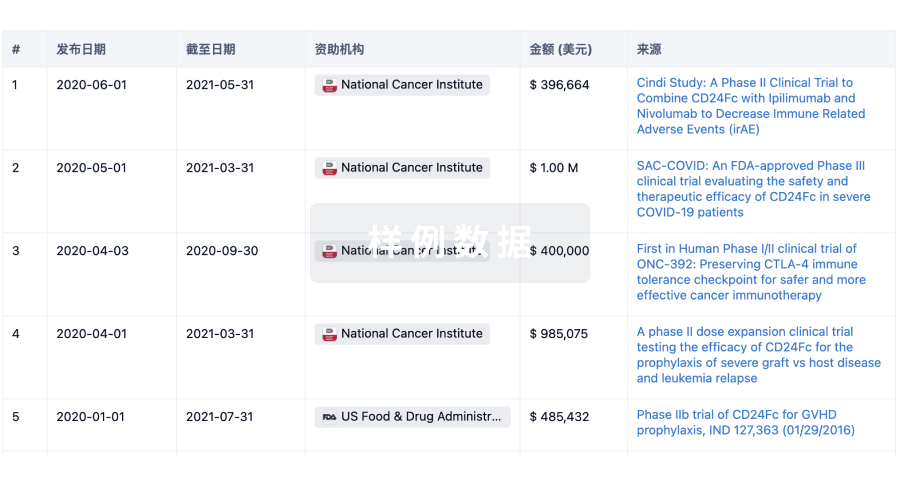
访问超过 200 万项资助和基金信息,以提升您的研究之旅。
登录
或
投资
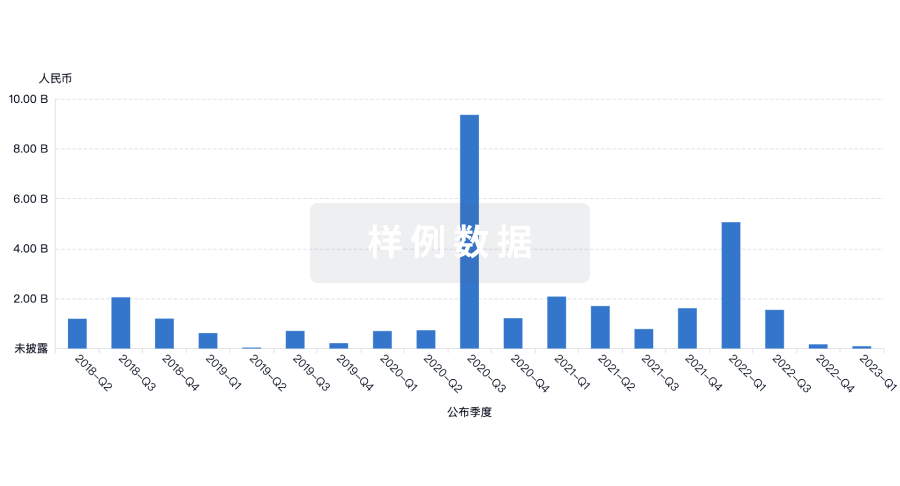
深入了解从初创企业到成熟企业的最新公司投资动态。
登录
或
融资
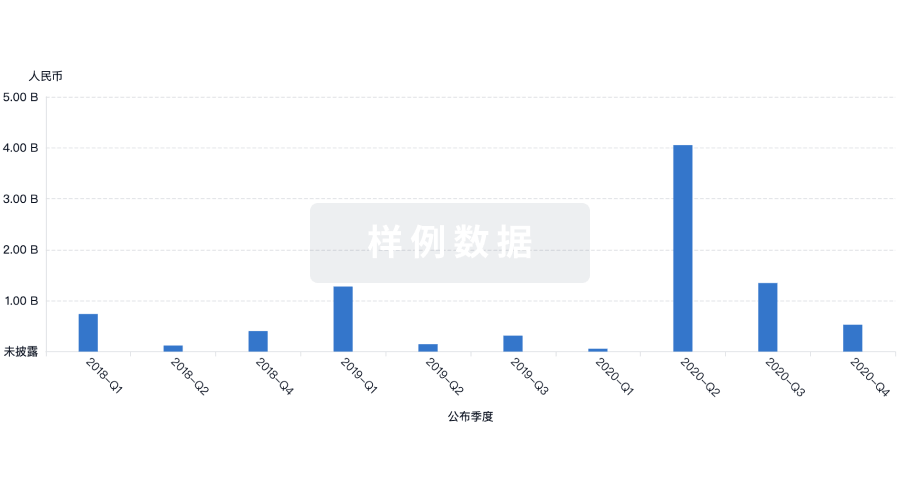
发掘融资趋势以验证和推进您的投资机会。
登录
或
提出任何生物医药研究问题
让每一步生物医药决策都精准制胜
基于十亿级生物数据与全球情报的精准 AI,赋能早期药物发现
立即开始免费试用!
智慧芽新药情报库是智慧芽专为生命科学人士构建的基于AI的创新药情报平台,助您全方位提升您的研发与决策效率。
立即接入生物医药数据包
智慧芽新药库数据也通过智慧芽开放平台,以MCP或API服务形式对外开放。立即使用我们的MCP服务定制您的LLM智能体。
生物序列数据库
生物药研发创新
免费使用
化学结构数据库
小分子化药研发创新
免费使用